Category Archives: recipes


Delicious pear desserts

Pear Delights: Experimenting With A Torte And A Galette

The other day, my friend Teresa generously gave me a bag of home-grown pears. They looked delicious. "Eat them right away," she said, "you want to eat them while they are still firm."

Pears are a great fruit—very high in fiber, a good source of vitamin C, and they also provide dietary copper. Copper is an antioxidant required by the body for good health, aiding in iron processing. Fairly low in calories, a medium-sized pear has around 70 calories, making them a great snack choice.

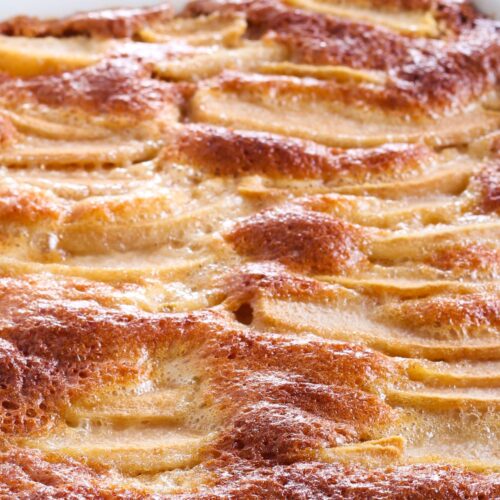
Initially, I thought of canning the pears since firm pears hold up the best to the heat of canning. Or perhaps making pear butter. But in the end, I decided to make a torte for dessert. The flavor and sweetness were balanced, and the pears were just right—firm and not too mushy. However, the torte turned out too dense and a little dry. It definitely could have used a sauce to help out. My husband’s response was, "it needs some ice cream."

If I make this recipe again with regular pears, I’d consider a few changes—possibly adding applesauce to moisten it up, soaking the flour in a small measure of apple juice to soften the fiber, or adding a little more fat. I’m not sure, but it’s clear that getting it just right on the first try isn’t always easy. Keep playing with it, and enjoy the process and the results.

A few days later, I found myself with some extra phyllo dough and more perfectly ripe pears, which inspired another dessert. I must admit that I’m not very good at making pie crusts, so I rarely make two-crust pies. Besides the obvious increase in calories, there's also the need to roll out two crusts.

As I looked at the pears, I realized that phyllo might make an excellent flaky “crust,” allowing me to make a galette-style tart instead.

According to the Food Dictionary at Epicurious, a galette is: "Hailing from France, a galette is a round, rather flat cake made of flaky-pastry dough, yeast dough, or sometimes unleavened dough. The term also applies to a variety of tarts, both savory and sweet, with as many variations as there are French regions." My galette turned out even better than I imagined, and it’s something I will definitely make again.

Delicious pear desserts

Phyllo Pear Galette

Ingredients
  

  • 8-10 sheets thawed *gluten-free puff pastry
  • 1/4 C. butter melted
  • 3 medium pears, peeled, cored, and sliced
  • 1/4 C. raisins
  • 1/4 C. sucanat
  • 1 T. lemon juice
  • 2 t. lemon zest
  • 1 t. cinnamon

Instructions
 

  • Preheat oven to 350 F
  • Mix pears, raisins, sucanat, lemon juice, zest. and cinnamon together and set aside
  • Working one layer at a time brush the bottom of a pie dish with butter and layer in one sheet of phyllo
  • Brushing butter on each sheet layer them one at a time into the pie dish using damp paper towels to keep the edges moist
  • Arrange pear mixture in the dish
  • Fold the edges of the phyllo over the mixture
  • Brush top edges with butter
  • Bake 30 minutes

Whole Wheat Pear Torte

Simple Pear Torte

Ingredients
  

  • 3 pears
  • 2 eggs
  • 1/4 C. milk
  • 1/2 t. salt
  • 1 C. Organic Cane Juice Crystals
  • 1 1/2 C. *King Arthur Gluten Free Measure for Measure
  • 1 t. vanilla
  • 1/2 t. cinnamon (optional)

Instructions
 

  • Preheat oven to 350 deg F
    Peel, core, and slice pears
    Mix together eggs, milk, salt, vanilla, cinnamon, and organic cane juice crystals
    Add flour and mix well
    gently mix in pears
  • Grease a 9" cake pan
    Coat the pan with sucanat
    Pour torte mixture into pan
    Bake 30-35 minutes or until done
    Enjoy!

Beans and grains for amino acids

What You Need To Know About Amino Acids

Amino Acids Are The Building Blocks

We don’t often think about the amino acids in our food and their impact on our health. But they play a really crucial part to health. This post addresses the important thing that we need to know about amino acids and shares on of my favorite recipes.
 
Amino acids are the building blocks of protein and there are twenty altogether. Eight of the twenty are considered “essential amino acids” because we require them but our body cannot manufacture them so we must get them from our food. These eight are phenylalanine, valine, threonine, tryptophan, isoleucine, methionine, leucine, and lysine.
 
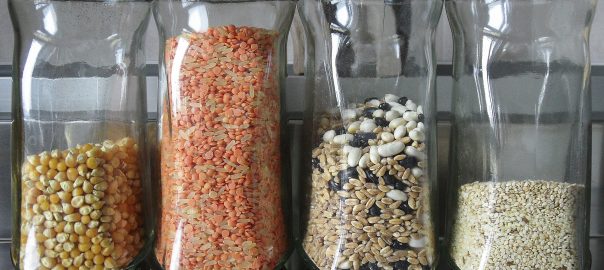
Animal products such as meat, dairy, and eggs, contain all eight. But different foods such as legumes, seeds, and grains do not.  Therefore they must be combined to create a complete protein. Legumes are high in the essential amino acid lysine, but they are low in methionine grains have both methionine and cysteine but are low in lysine.  Combining them allows you to get a high-quality protein with all of the essential amino acids. 

Going meatless

There’s a lot of media attention to the idea of reducing how much meat we’re eating. Including a suggestion for ditching the meat at least one day a week and switching to Meatless Mondays

If you are a meat eater who is simply trying to eat less meat, incorporating a vegetarian plan one day a week can be a great way to get started. But it’s important that you don’t become a carbotarian and simply add lots of pasta or simple carbohydrates for your meatless meals. While getting proper nutrition from vegetarian meals requires a little more thought and effort, it is not difficult.

Amino Acid Food Combinations 

In many cultures there are a lot of recipes that call for a mixture of legumes and grains that then create a complete protein. 
  • a Korean dish called Kong bap is a mixture of seven grains and four beans.  Because this dish contains beans (adzuki beans and green peas) and grains (barley, rice, Job’s tears, sorghum, and corn) it provides all of the essential amino acids.  This dish also has soybeans which are considered to be a complete protein by themselves. 
  • South and Central America have many dishes that call for a combination of beans with corn
  • In the Middle East, there is hummus or falafel (made from chickpeas) and whole wheat pita as a common option
  • India brings us dal (lentils) and rice 
Grains and legumes are not the only combinations that make a complete protein.  Nuts and seeds can also be combined with either grains or legumes as a good source of protein.  
 
The idea is to ensure that if you are not eating meat that you are not simply adding legumes to your diet but that you are adding them with whole grains and/or seeds to get proper nutrition.

Delicious lentils for dinner

One of our favorite dinners is a curried crockpot lentil and rice dish.  This recipe originally came from a Lebanese friend of mine and is called M’judra, I’ve modified it a little over the years and it’s one of our regular choices. Especially because the crockpot makes this an easy option.
 
This pairs really well with an Indian spinach dish called Palak and a salad of tomatoes and cucumbers with a spice called Chat Masala.  It’s a tasty, healthy and satisfying meal.  I make it with a fair amount of curry powder because that’s how we like it, if you need to reduce the curry powder it will still be delicious.
 
Curried Crockpot Lentils and Rice
Print
Ingredients
  1. 1/2 C. rinsed lentils
  2. 1 C. rinsed red rice (can use brown rice if you prefer)
  3. 1 green pepper, diced
  4. 1 onion, diced
  5. 2 T. curry powder
  6. 1 T. nutritional yeast
  7. 1/2 t. fresh ground black pepper
  8. 3 1/2 C. vegetable broth
  9. 1 T. olive oil
Instructions
  1. Saute the pepper and onions in the olive oil until just starting to soften
  2. Place all dry ingredients into the crockpot
  3. Add broth and stir well
  4. Cover and cook on low for 5-6 hours (check at 4.5 hours to see if you need a little more water)
  5. Add salt to taste after done cooking
Notes
  1. Note:  Don't add the salt while cooking because it will delay the lentils from softening
The Ingredient Guru, Mira Dessy https://theingredientguru.com/
Check out my other recipes using lentils:


Image by carlo sardena from Pixabay 

Sharing Vegetarian Recipes

I recently shared some recipes with friends and family. People liked them and it occurred to me to share them here as well. We usually eat vegetarian meals since two out of the three of us in the house are vegetarians. Rather than a traditional large portion of animal protein surrounded by two small sides (one of which is usually a simple starch) and an iceberg lettuce salad, we tend to eat "composed" plates.
 
This is an idea that I was introduced to years ago in one of my favorite cookbooks, The Occasional Vegetarian by Karen Lee. Basically, you create multiple dishes and serve those equally; no one dish is the "main" course.

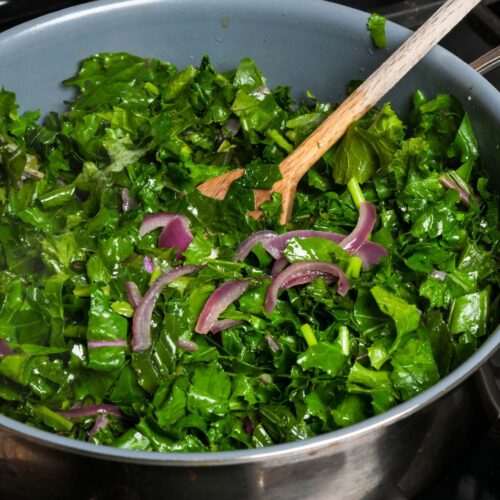
Sauteed Kale and Onions

Servings 3

Ingredients
  

  • 1 onion, diced medium
  • 1 bunch kale chopped medium
  • 2 T. olive oil
  • salt and pepper
  • pignolis (pine nuts)

Instructions
 

  • Sautee onions in 1 T. olive oil until slightly soft
  • Add chopped kale and the other 1 T. olive oil
  • Cook on medium stirring frequently until kale wilts
  • Add salt and pepper to taste
  • Turn to low and let cook 10-12 minutes stirring occasionally
  • In last 3-4 minutes put in a handful of pignolis and toss to mix thoroughly

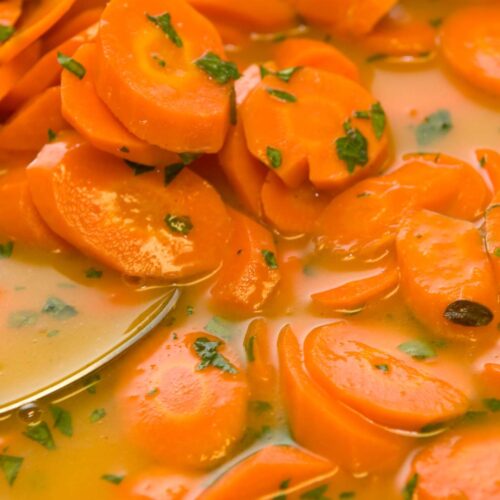
Braised Carrots

Servings 3

Ingredients
  

  • 6 large carrots, peeled and cut into large chunks
  • 1 T. butter
  • 1/2 C. veggie broth
  • pinch thyme
  • pinch thymesalt and pepper

Instructions
 

  • Place veggie broth and cut up carrots into a pot
  • Bring to a boil
  • Lower to a simmer, add thyme and cover to cook 10-12 minutes
  • When carrots are al dente uncover and add butter salt and pepper
  • Cook on medium cooking off liquid (watch so it doesn't burn) stirring frequently

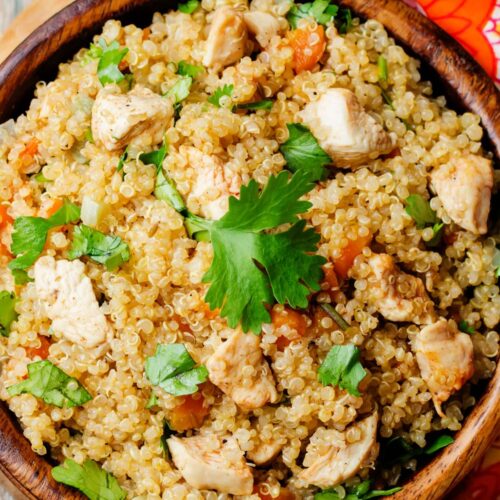
Quinoa Pilaf

Servings 4

Ingredients
  

  • 1 C. quinoa
  • 2 C. vegetarian broth
  • 1 C. mixed vegetables
  • salt and pepper
  • generous pinch italian herbs
  • 1 t. dried onion

Instructions
 

  • Rinse quinoa thoroughly (otherwise it will taste soapy)
  • Put quinoa, broth, herbs, and onion in a pot
  • Bring to a boil
  • Lower to a simmer, cover and let sit 15-20 minutes
  • While quinoa is cooking steam vegetables
  • When quinoa is done mix together with drained steamed vegetables, salt and pepper

Comfort Food

Every now and again there's nothing like a pudding for comfort food.  Creamy and sweet, it hits the spot.  The other day I was in the mood for comfort food and decided that tapioca was the order of the day.  Honestly it's not the quickest comfort food to prepare, but it tastes so good that it's worth the time it takes to make it.

I tend to have tapioca on hand not only for making pudding but so that I can grind it up into a flour when I am experimenting with gluten free mixes.
 
Tapioca comes from the cassava root and in other parts of the world is referred to as yuca or manioc.  Although native to South America it has spread around the world and is the third largest source of carbohydrates for human consumption.  There are several different types of cassava root and many of them are poisonous if eaten directly (and like rhubarb, the leaves are completely inedible to humans) but with processing it becomes safe to eat.
 
Many cultures around the world eat cassava root in various forms, as grated root cakes, using the flour to make thin flat breads, as a stew, to thicken soups,  and more.  In this country it is most commonly used to make tapioca pudding.  To prepare the root for making tapioca it is shredded, soaked and exposed to heat.  As it dries it forms pellets that are referred to as pearls.  The larger pearls are often used in tea drinks such as bubble tea while the smaller pearls are used for making pudding or ground into flour.  Cassava root is very high in calcium, phosphorus and vitamin C but has very little protein.
 
In rummaging around my kitchen to make pudding I realized that I had very little milk on hand.  As they say, necessity is the mother of invention.  I was in the mood for pudding, didn't want to go to the store and certainly didn't have enough milk.  Having coconut milk in the pantry I decided to try it as a substitute.  I'm so glad I did because I've come up with a new favorite way to enjoy tapioca pudding.  Try it, I think you'll enjoy it too.
 

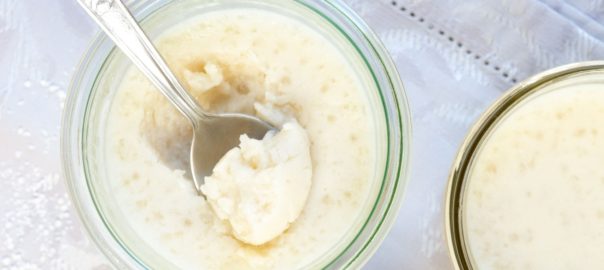
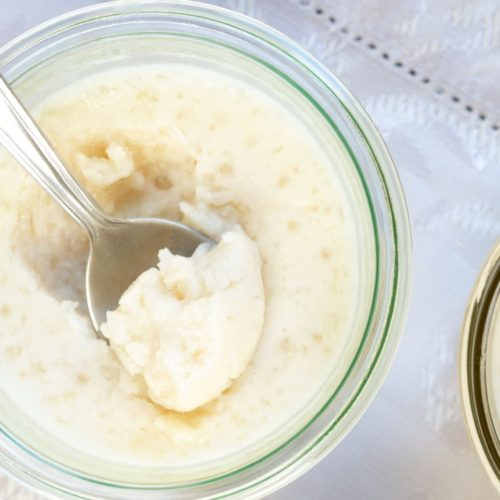
Coconut Tapioca Pudding

Ingredients
  

  • 1/2 C. tapioca pearls
  • 1 C. water
  • 2 C. coconut milk

    note:  coconut milk is sold in 15 oz cans.  If you like you can use 15 oz coconut milk and 1 oz of another milk to make the two cups.  It occurs to me that almond milk might be a nice addition

  • 2 egg yolks, beaten
  • 1/2 C. evaporated cane juice crystals
  • pinch of salt
  • 1 t. vanilla
  • 1/2 C. grated coconut, toasted

Instructions
 

  • Place tapioca pearls in water and let soak for 4 hours
  • In a pan gently heat grated coconut, stirring frequently, until light brown
  • Drain tapioca
  • Place in a sauce pan with coconut milk, egg yolks, cane juice crystals, and salt
  • Heat over medium high heat stirring constantly until mixture begins to thicken
  • Reduce to low heat
  • Continue to  stir until pearls are translucent and pudding is thick, about 20 minutes
  • Remove from heat and let cool 15 minutes
  • Add vanilla and let pudding cool completely
  • To serve spoon pudding into a bowl and sprinkle with toasted coconut
    Enjoy!

Maple Syrup: How Is It Made, Grades, & Oat Pie Recipe

Recently at the grocery store, I overheard a conversation.  The couple standing in the middle of the aisle were looking for Grade B maple syrup and couldn't find it.  They also were wondering what the heck the difference was between Grade A and Grade B.

Having lived in Vermont before and having spent some time in a sugar shack (just tasting mind you, not cooking) I thought I would share a little information about maple syrup.

About Maple Syrup

Maple syrup is made from the sap of the sugar maple tree.  In the spring when the weather warms up the sap starts "running".  At this point, the trees are tapped and the sugar shacks start boiling to create the syrup.  We don't often think about it when buying those small containers of maple syrup at the grocery store, but it takes 40 gallons of sap to make one gallon of syrup. And the average maple tree produces approximately 10 gallons of sap.  Once they start boiling in the sugar shack they don't stop until the sap stops. That includes shifts to cover 24 hours a day until there's no more to boil.  As you can imagine, this can make for some very long days.

Grades of Maple Syrup

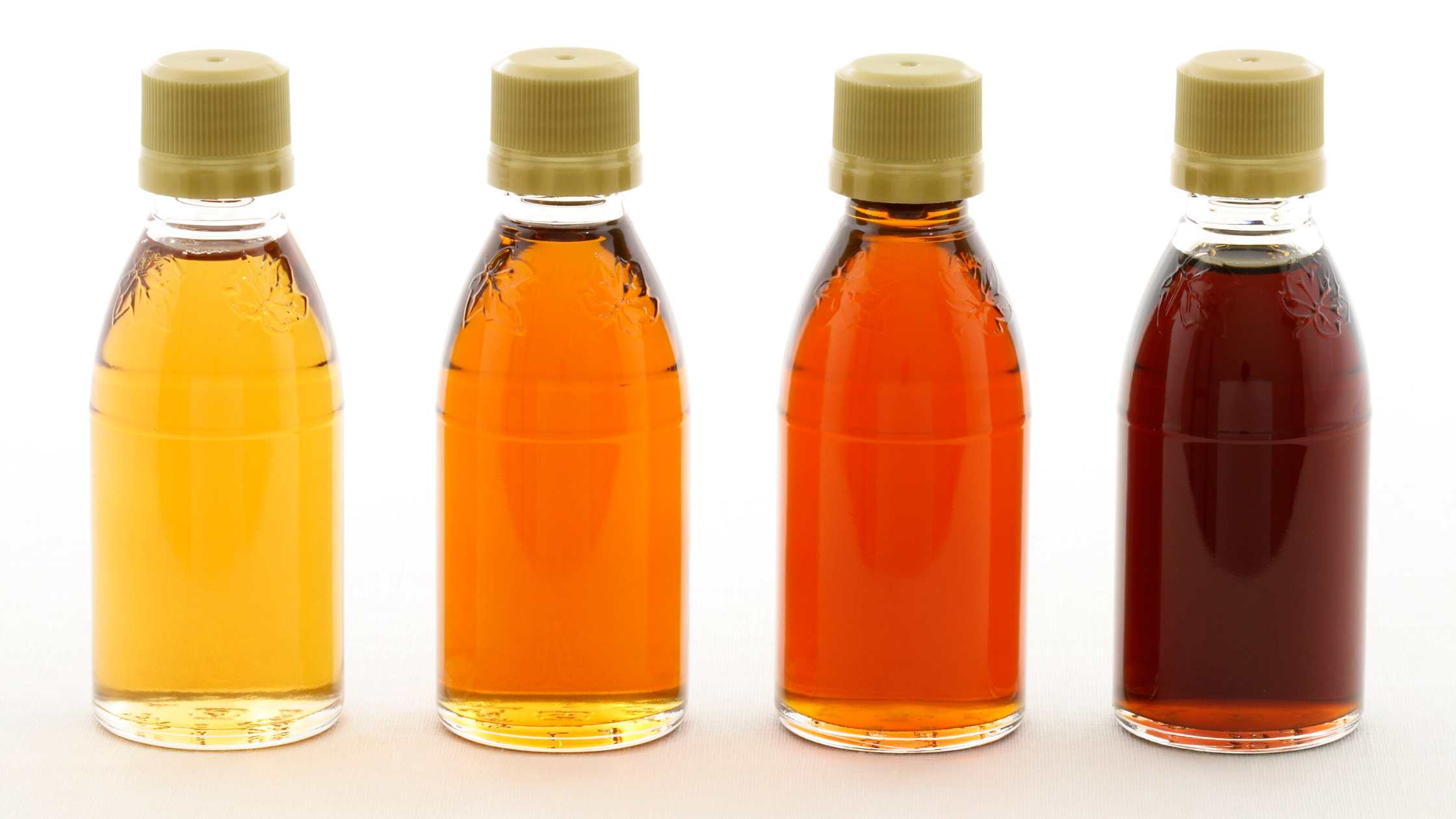
There are five grades of maple syrup, Grade A Light Amber is the fancy grade and the one most people use.  Grade A Medium Amber and Grade A Dark Amber are darker, obviously and they have a slightly different taste.  Grade B is even darker and thicker than Grade A Dark Amber and has a more pronounced flavor.  It is more often used for cooking because of the more intense flavor.  The last grade is Grade C, or commercial, which is for flavorings and other commercial uses.
 
When we lived in Vermont and my kids were little they used to love seeing the smoke curling out of the sugar shack down the road. That meant that there was an opportunity to stop by for a sip. And if they had the time we could also sometimes make sugar on snow, taking just a little of the fresh syrup and pouring it over a pan of snow to make a maple candy. 
 
If there was some already bottled we would buy a gallon and bring it home. Until I left Vermont I didn't really appreciate how lovely it was to buy syrup directly from the source and use it for baking and other recipes. The premium that you pay for bottle syrup is so high we are now back to purchasing small bottles and doling it out.
 
According to Ed, the guy who owned the sugar shack down the way, Vermont maple syrup is better than any other because they use more gallons of sap per gallon of finished product, boiling it thicker and making it more flavorful.  

Sweetening with Syrup

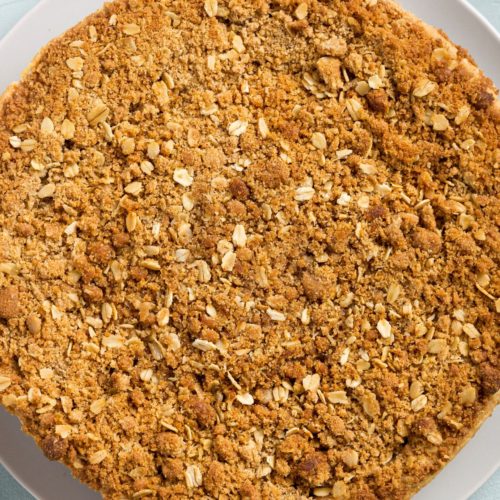
I never learned to drink coffee with maple syrup (which a number of people in Vermont do). I did, however, get a recipe from my friend Carol for a Maple Oat Pie which is a Vermont specialty.  I've modified the recipe slightly over the years but still call it Carol's Maple Oat Pie and think of her every time I make it (warning, this is not a low-calorie food but it sure is good).


Maple Oat Pie

Ingredients
  

  • 1 cup organic cane juice crystals
  • 1 cup organic butter
  • 3 eggs
  • 1 cup grade A maple syrup
  • 1 cup gluten free old fashioned oats
  • 2 teaspoons vanilla
  • pinch of sea salt
  • 1 cup crushed walnuts

Instructions
 

  • Preheat over to 325°F
  • Cream together sugar and butter
  • Add eggs one at a time
  • Add remaining ingredients
  • Pour mixture into unbaked 9" gluten free pie crust
  • Bake for 10 minutes
  • Reduce heat to 300°F and bake another 45 minutes or until set

Hanukkah

Hanukkah is a wonderful holiday in our family.  We love the traditions associated with it, the story, the songs, lighting the menorah, and, of course, all the latkes you can eat.  The tradition is that you eat fried foods with jelly doughnuts (sufghaniot) and potato pancakes (latkes) being the top choices.

I only make latkes once a year, at Hanukkah.  Each year my husband says, “Oh don’t make latkes, they are fried and so fattening, we really shouldn’t eat them.”  And as we are sitting at the table enjoying them he says, “Oh, I’m so glad you made these, I love them!”  I used to only make regular potato latkes but now I also make sweet potato latkes.  It’s hard to decide whether we like the plain or sweet potato ones better.
The recipe is as simple as can be; however it is very important that the latkes be served with applesauce and sour cream.  To serve them without these side condiments would be a shame.
Latkes (this recipe serves 6)
3 pounds of potatoes, scrubbed, peeled and shredded
1 large onion peeled and shredded
1 large egg
1/4 C. flour
salt and pepper to taste
mix ingredients together
heat oil in a pan
drop mixture by very large tablespoons into pan
after 2-3 minutes flip to other side and cook another 2 minutes
remove from pan and drain on paper towels
enjoy!

Sugar Notes

Following up on yesterday's post, I received a number of questions about different types of sugar.  Rather than getting into a discussion of all the different types of sugar out there I recommend that you check this google link for the particular sugar that you are interested in.

I did, however,  want to mention a couple of ideas about substitutions that may be helpful.
 

Sugar

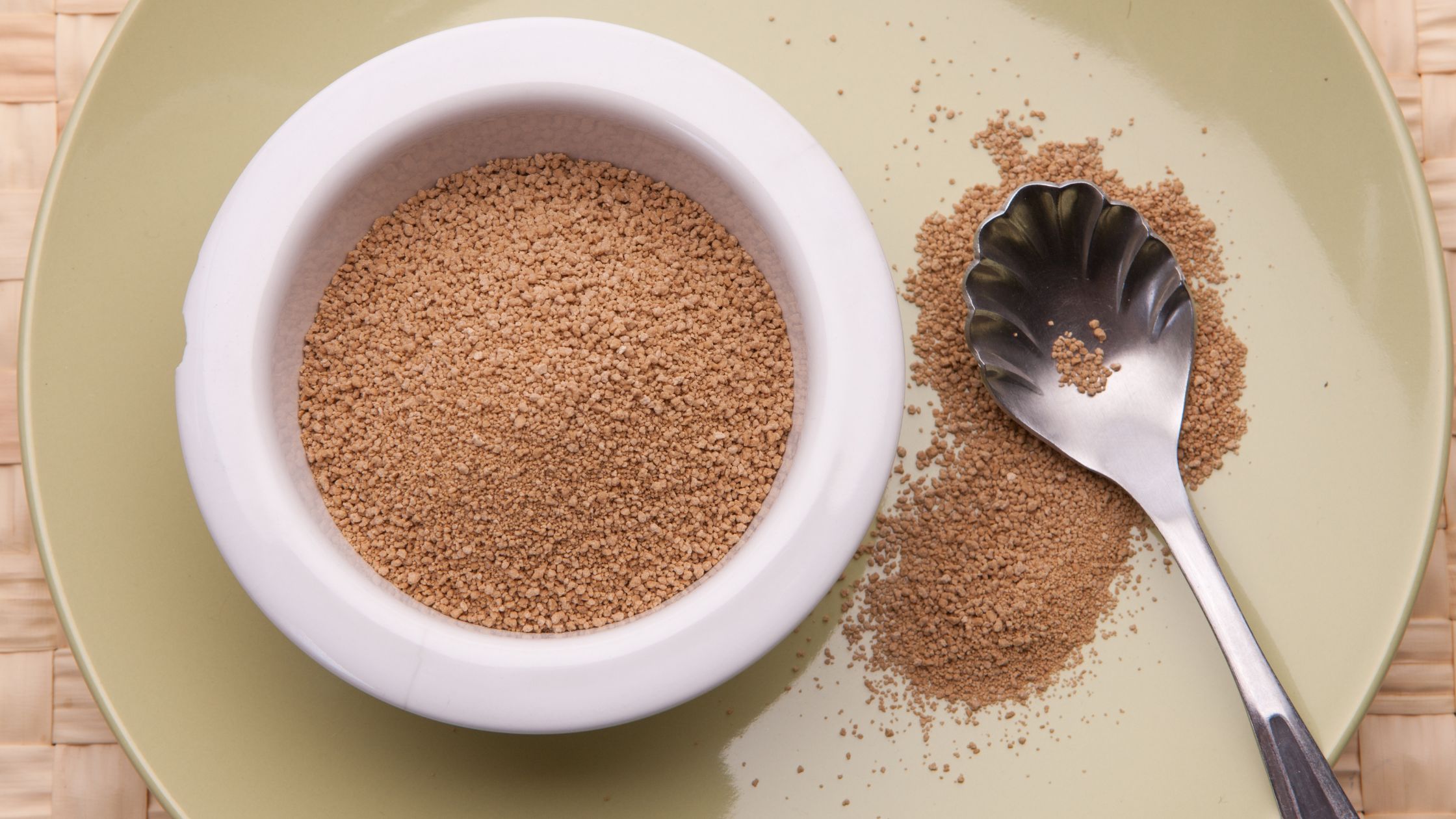
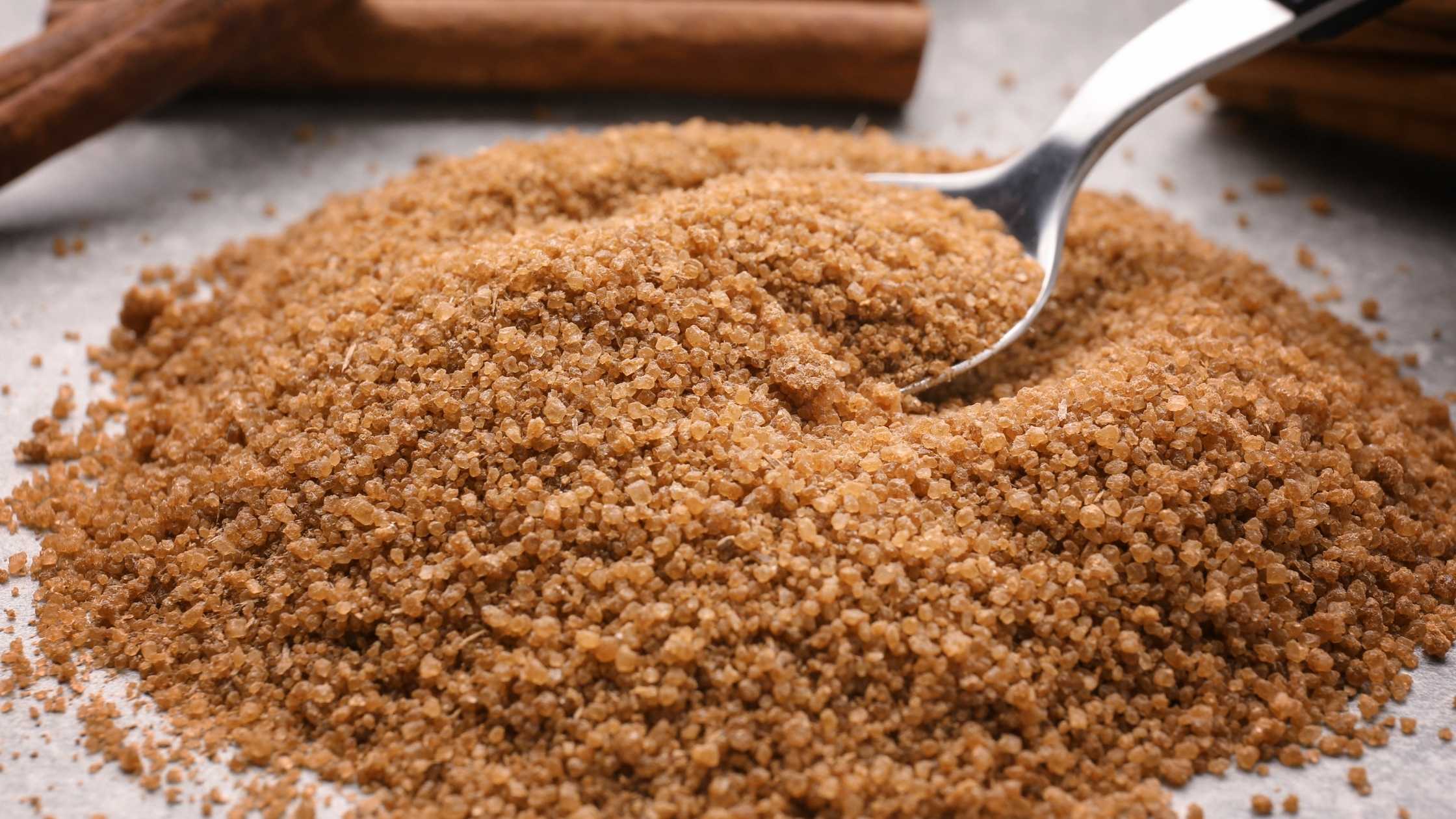
For most baking I substitute sucanat (SUgar CAne NATural - the lowest process sugar you can get) unless I am making something more delicate like scones or lemon cookies, etc.  The substitution is one for one, ie, if the recipe calls for 1 C. sugar use 1 C. sucanat.
 
If I cannot use sucanat because the flavor will overwhelm what I am making, I use evaporated cane juice crystals or demerara depending on what I have on hand.  Both are more processed than sucanat but far less processed than white sugar.  They are sometimes also found as raw sugar.  Again the ratio is one for one.
 

Brown Sugar

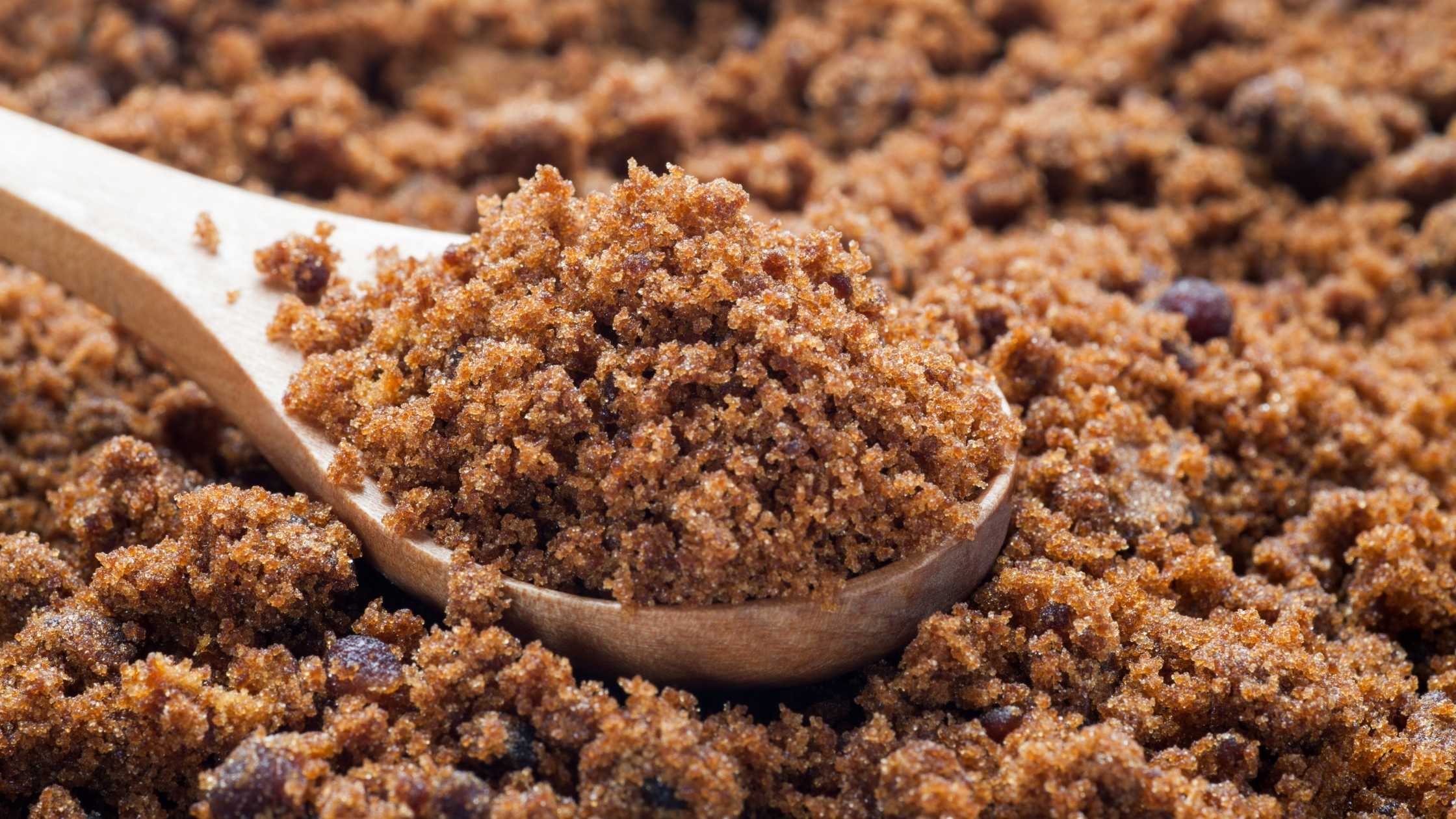
I am going to try using turbinado sugar.  I've been using sucanat with a spoonful of molasses mixed in but have recently learned that turbinado is moister and has less calories.
 

Cinnamon Sugar

I use a 7-1 ratio, 7 T. sucanat to 1 T. cinnamon.
 

Confectioner's Sugar

I use sucanat or evaporated cane juice crystals whirred in my cuisinart to make it very powdery.  For each C. of powdered sucanat I add 1 T. cornstarch.
 

Other substitutions that may prove helpful are:

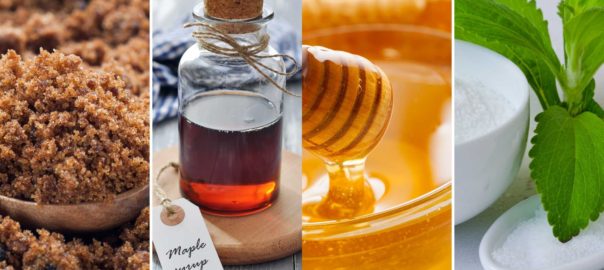
Honey

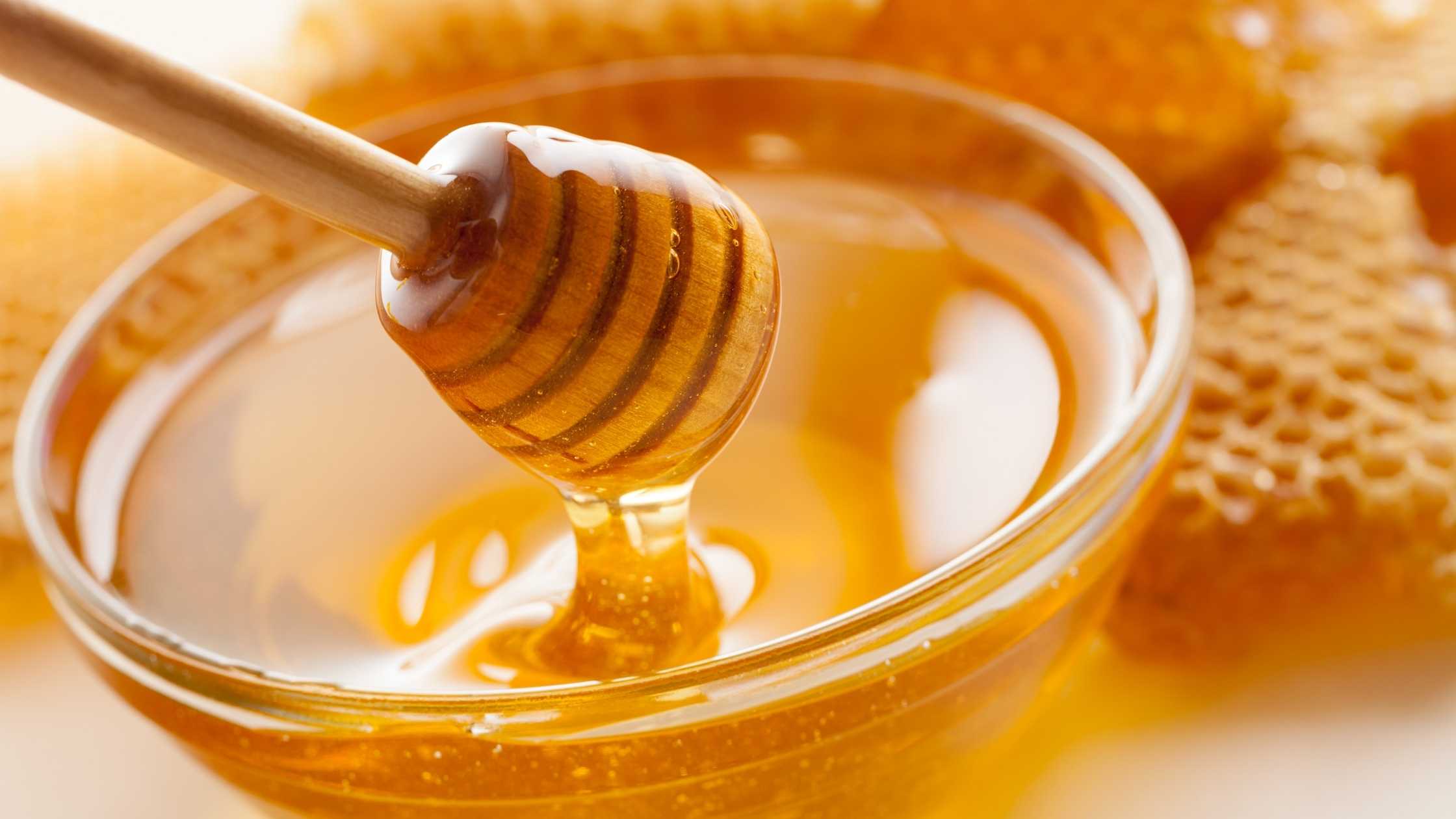
If you want to use honey instead of sugar in a recipe, use 3/4 C. honey for each C. of sugar called for.  Then reduce the remaining liquid by 1/4 C, add 1/4 t. baking soda (to help neutralize the honey) and reduce the heat by 25 degrees F (honey tends to make things darker when baked, reducing the temperature will help keep it from over-browning).
 

Maple Syrup

 
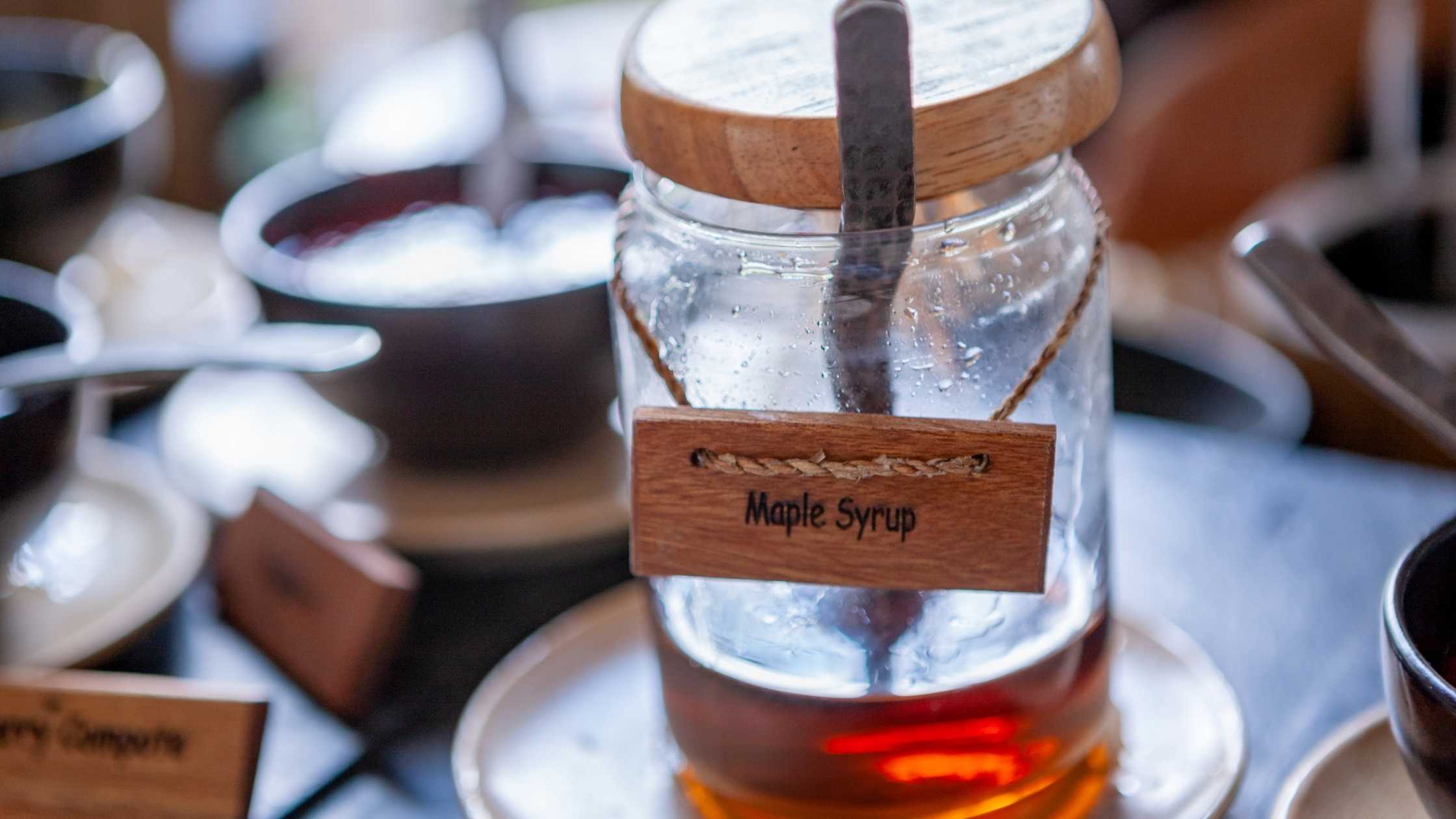
If you want to use maple syrup instead of sugar in a recipe, use 3/4 C. maple syrup for each C. of sugar.  Reduce the remaining liquid by 3 T. and add 1/4 t. baking soda to help neutralize the maple syrup).
 

Finally the non-caloric sweeteners:

I do not use and do not recommend any of the artificial sweeteners.  These include Nutrasweet, Splenda, Equal and Sweet-n-Low.
 
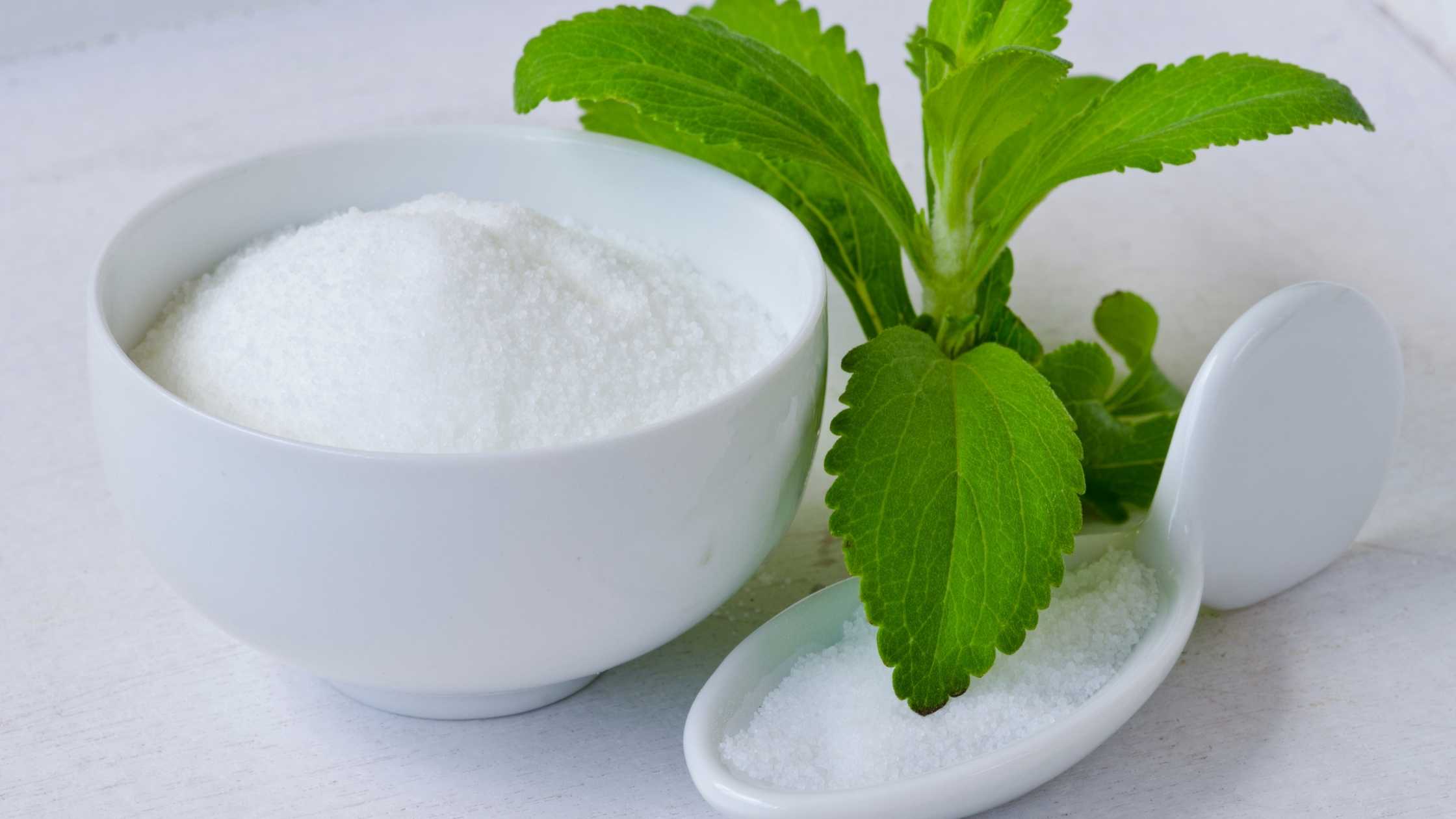
While I like Stevia as a sugar alternative I have not worked much at substituting it in family favorite recipes.  The general theory is that 1 C. of sugar can be replaced with 1 t. stevia liquid/1/2 t. stevia concentrate/18 stevia packets. In baking, for every 1 C. of sugar that is replaced with stevia you need to add 1/3 C. "liquid" to replace the missing bulk. Acceptable substitutes would be yogurt, unsweetened applesauce, egg whites (no yolk because that will change the structure of the baked good), fruit puree, unsweetened fruit juice or water.
 

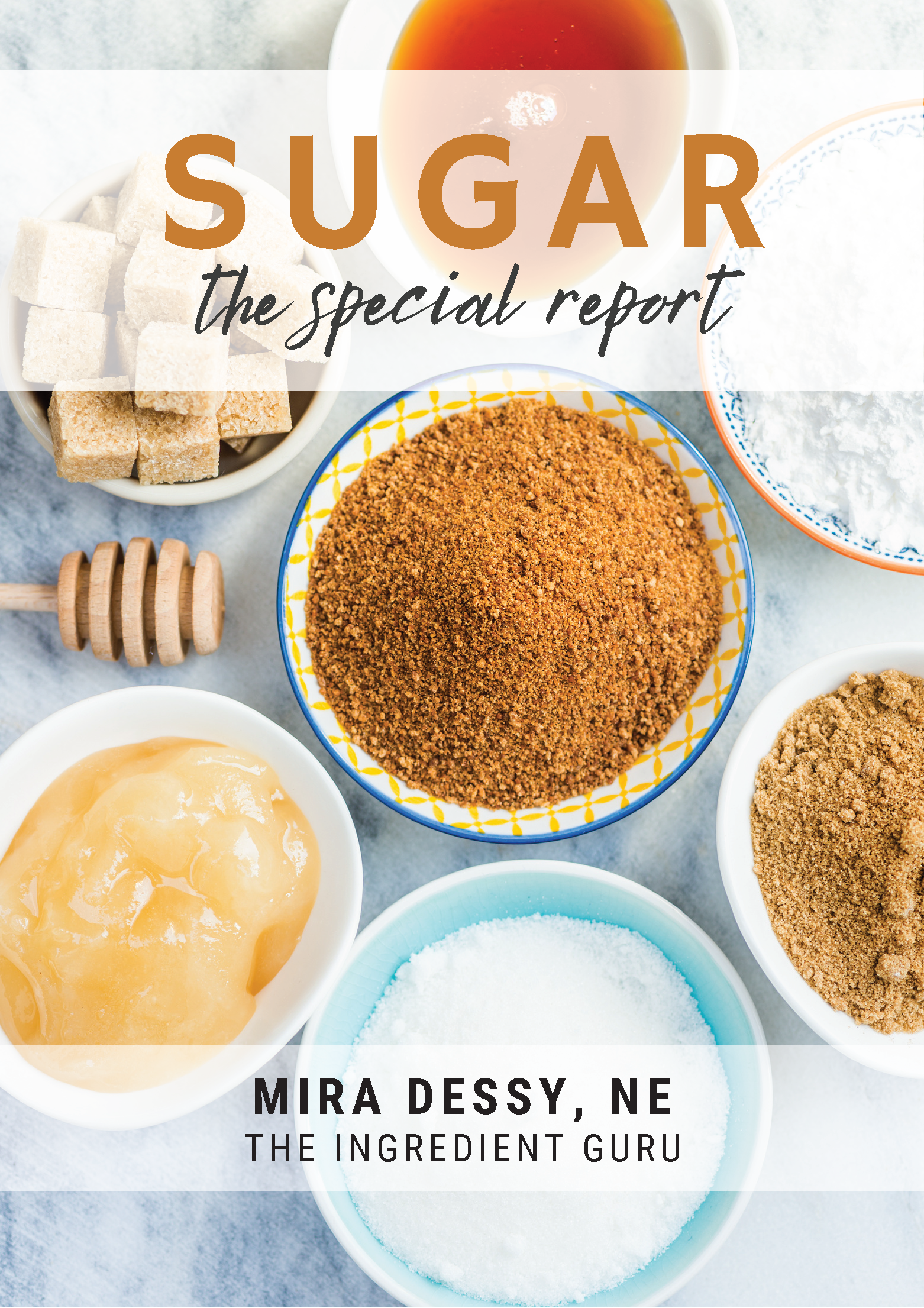
Learn More on Sugar: The Special Report

Dive into the eye-opening world of sugar with "Sugar: The Special Report". Discover the hidden dangers of excessive sugar and other sweeteners lurking in processed foods. Gain insights into the health impacts of sugar on chronic diseases and uncover simple steps to make healthier choices.

Whether you're looking to improve your diet or better understand the effects of sugar on your health, this eBook is a must-read. Get your copy now and take control of your sugar intake for a healthier, happier life!

Ratatouille

Not the movie, the food.  Even though we are slated to have a high of 75 F today it's a great day to make ratatouille.  In part because I have a lot of running around to do and my crock pot makes it very easy to get dinner on the table in spite of that.  The other reason is that eggplants were particularly beautiful at the grocery store yesterday so I bought one.  Glossy, firm, no wrinkles, that's the way to pick a good eggplant.  

 
Eggplants are related to the nightshade family (along with potatoes, tomatoes, and sweet peppers, so those who are sensitive to nightshades should avoid them) and are actually fruits because their seeds are on the inside.  They have many wonderful health benefits including a fair amount of fiber (if eaten with the skin), lots of potassium and vitamin B1, also known as thiamin.  
 
To be honest, in our house making ratatouille is an inexact science.  The base ingredients are: eggplant, onion, tomatoes, sweet peppers, garlic, olive oil, pitted olives, basil, salt, pepper, and parsley.
 
How much of which ingredient depends on what we have available.  I know that's not really helpful so here are the proportions I used today.  
 

Ratatouille

Ingredients
  

  • 1 medium size eggplant diced
  • 1 medium onion diced
  • 2 zucchini cut into 1/2" rounds
  • 2 peppers (one red one green) chopped medium
  • 2 large tomatoes diced
  • 1 t. dried basil
  • 1 t. dried parsley
  • salt and pepper

Instructions
 

  • Layer it all in the crockpot
  • Pour a 14.5 ounce can of diced organic tomatoes over the batch
  • Let it cook on low for 7-9 hours until it is done

Notes

I plan to serve this ladled over freshly made polenta with a generous shaving of fresh parmesan on top for a delicious, filling meal.

Polenta

Ingredients
  

  • 1 C. fresh ground cornmeal
  • 1 t. salt
  • 3 C. water

Instructions
 

  • Bring water and salt to a boil
  • Reduce water to a simmer
  • Very slowly add cornmeal (this is important to avoid lumps)
  • Cook approximately 20 minutes until mixture thickens
  • Remove from heat and pour into a pie plate (for triangles) or a cake pan (for squares)
  • Let polenta set for 10-15 minutes
  • Cut and serve
  • Enjoy and be well.


benefits of citrus fruits and peels

Top Health Benefits Of Citrus Fruits And Their Peels

Have you ever noticed how difficult it can be to get a good lemon, grapefruit, or any of the other citrus fruits? They may look pretty but then when you open them up they're not a juicy as you'd like. It turns out there's a simple trick to tell if you're getting a good lemon or lime, you simply need to look and feel at the skin.  The smoother and less dimpled the skin is the juicier the fruit.  When it comes to grapefruits you want a thin-skinned fruit.  Thicker skins will feel spongier and will yield less on the inside.
 
With citrus fruits although you want to look for unblemished fruit keep in mind that discolorations in skin color are not necessarily blemishes.  Oranges or lemons with green patches on the skin can still be ripe.  You also want a firm fruit, not squishy (although be kind to other purchasers and don't squeeze too hard).
 
Citrus fruits, like oranges, lemons, limes, and grapefruits, are not just tasty—they’re also super healthy! Let’s take a look at why citrus fruits are so good for you and how you can use every part of them, even the peels!

Why Are Citrus Fruits Good for You?

Citrus fruits have a number of vitamins and minerals that will help keep your body strong and healthy such as:
 
  • Vitamin C: You're probably familiar with the fact that citrus fruit tends to be very high in Vitamin C which helps boost your immune system, and can help support your body when it comes to fighting off colds and other illnesses.
  • Fiber: It's always better to eat the fruit than drink the juice for vitamin C content because citrus fruits also provide fiber, which is helpful for your digestion.
  • Antioxidants: Another benefit of citrus fruits is their high level of antioxidants, which protect your cells from damage and help prevent diseases.
  • Hydration: Citrus fruits can help keep you hydrated due to their high water content, making them one of the top hydrating foods.
  • Low in Calories: In general citrus fruits are low in calories, if eaten, not when you drink the juice alone. This makes them a great snack, they're delicious, hydrating, and, thanks to the fiber, satisfying.

Don’t Throw Away the Peels!

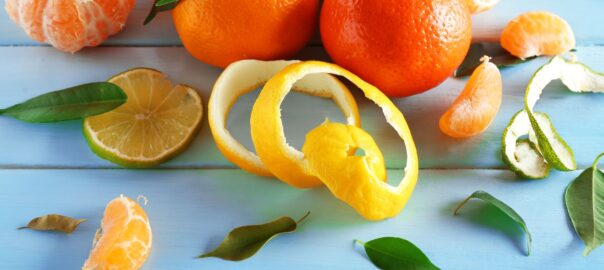
Most people throw away citrus peels, but you'll be surprised to learn they’re actually very useful and nutritious. Here’s just a few ways that you can eat and use citrus peels:
 
  1. Zest: The zest (the outer skin of the peel) is full of flavor. You can grate it and add it to your cooking or baking for a bright, flavorful kick. If you have a lot of peels you can even freeze the zest so you've always got some on hand.
  2. Peel: Save the peels to add to ice tea, seltzer, and other beverages. Depending on which type of citrus and the recipe you can also add the peel to sauces and soups. Got too many? Freeze those too!
  3. Candied Peels: You can make a sweet treat by cooking the peels in sugar and water. These candied peels are delicious and can be used as a garnish or snack.
  4. Trash Can: A few citrus peels at the bottom of your kitchen or bathroom trash can will help absorb odors and add a slight citrus scent.
  5. Cleaning: Citrus peels have natural oils that are great for cleaning. You can use them to make a natural cleaner by soaking them in vinegar. Fill a canning jar with citrus peels, cover with vinegar and let sit for 2 weeks in a cool, dark place. Strain, add an equal amount of water, and pour into a spray bottle. Voila! Homemade citrus cleaner.
  6. Freshener: Dry out the citrus peels, put them into a fabric bag and use to store in your sock drawer or linens.
  7. Aromatherapy: The scent of citrus is refreshing, uplifting, and can make your home smell great. You can gently boil citrus peels on the stove, add a little cinnamon if you like. Or you can dry them out and place them in a bowl to make a space smell nice.

Fun Ways to Eat More Citrus

There are so many delicious ways to add citrus fruits to your diet. Here are just a few fun and easy suggestions:
  1. Smoothies: Add to your smoothies for a burst of flavor and vitamins. Be sure to either remove the peel or the pith, the bitter white part under the peel, so it's doesn't overwhelm your smoothie.
  2. Salads: Squeeze lemon or lime juice over your salad for a tangy dressing. Don't forget to add orange or grapefruit segments to the salad for a sweet twist.
  3. Snacks: Keep a bowl of clementines on the counter for a grab-and-go healthy snack.
  4. Drinks: Make your water more exciting by adding slices of lemon, lime, or orange. You can also make homemade lemonade or limeade.
  5. Cooking: Use lemon or lime juice to flavor your fish, chicken, or vegetables. The juice adds a fresh taste that makes your dishes delicious. If you're cooking iron-rich foods like leafy greens or beans, be sure to add a generous squeeze of citrus juice to make the iron easier to absorb.

Broiled Grapefruit with Cinnamon

Broiled Grapefruit with Cinnamon

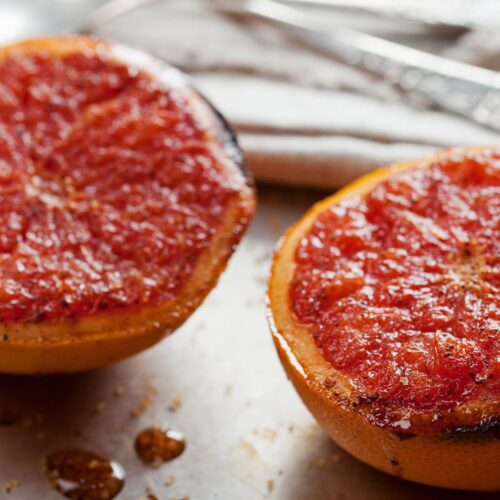
Broiled grapefruit is a wonderful dessert. It's super easy to make and a refreshing, tangy addition to a summertime meal. When you broil it with just a little sugar and cinnamon it caramelizes the citrus sugars and adds a bit of a spicy kick from the cinnamon. It's also fabulous as an addition to a breakfast or brunch menu.
Whether you want to start your day with a burst of flavor or end a meal on a light, refreshing note, adding broiled grapefruit to the meal is a perfect choice.
I like to set it out before the meal and then pop it in the over while clearing the table. You'll want to savor the tartness and sweetness of the grapefruit while it's fresh out of the oven and still warm.

Ingredients
  

  • Wash grapefruits and cut in half
  • Use a knife to separate each section from the peel so it's loose
  • Place in a baking pan (I usually get four into an 8 x 8 pan)
  • When ready to prepare this dish preheat the oven to broil
  • Sprinkle the grapefruit halves with cane juice crystals
  • Add a pinch of cinnamon to the top of each half
  • Broil for 3-5 minutes until the sugar melts slightly into the fruit

    Serve

Most Delicious Lemonade (or Limeade)

Most Delicious Lemonade (or Limeade)

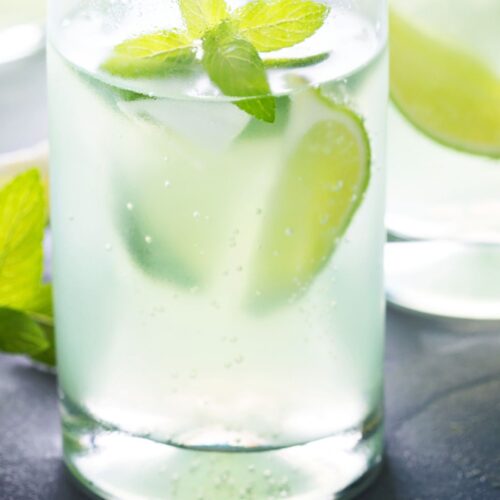
There’s nothing so refreshing as a tall glass of old-fashioned lemonade on a hot summer day. It's a classic that everyone loves, especially when it's made from scratch.
This nostalgic treat is so simple to make you'll never want to use the storebought stuff again.
There are just a few simple ingredients—lemons (or limes), sugar, and water. You'll need one less lime simply because they're slightly more tart than lemons.
Make up a batch of this wonderful lemonade, quench your thirst, and lift your spirits. It's like summer in a glass

Ingredients
  

  • In a large pitcher

    Juice 4 limes (or 5 lemons)

    Mix with 1 C. evaporated cane juice crystals

    Stir well until crystals are dissolved

    Add 6 C. water

    To serve add ice to a glass and add the lemonade

    For a slightly fancy presentation use a vegetable peeler to carefully cut a curl of lemon peel before cutting the lemon in half to juice it. Add the lemon peel to the glass after you've added the ice and the lemonade.

In Conclusion

Citrus fruits are very delicious and they're also incredibly good for you. They provide important vitamins, minerals, and other nutrients to help keep you healthy. Plus, you can use the peels in creative ways instead of throwing them away. So, go ahead and enjoy more citrus fruits in your diet—they’re a tasty way to stay healthy and happy!
 
 
[expand title="Sources"]
 

Sorice A;Guerriero E;Capone F;Colonna G;Castello G;Costantini S; “Ascorbic Acid: Its Role in Immune System and Chronic Inflammation Diseases.” Mini Reviews in Medicinal Chemistry, U.S. National Library of Medicine, pubmed.ncbi.nlm.nih.gov/24766384/. Accessed 11 June 2024.


Mónica De la Fuente a, et al. “Vitamin C and Vitamin C plus E Improve the Immune Function in the Elderly.” Experimental Gerontology, Pergamon, 19 Oct. 2020, www.sciencedirect.com/science/article/abs/pii/S0531556520304666. Accessed 11 June 2024.


Yang He a b 1, et al. “Effects of Dietary Fiber on Human Health.” Food Science and Human Wellness, Elsevier, 11 Sept. 2021, www.sciencedirect.com/science/article/pii/S2213453021000677. Accessed 11 June 2024.

[/expand]

Baking Subtitutions

 
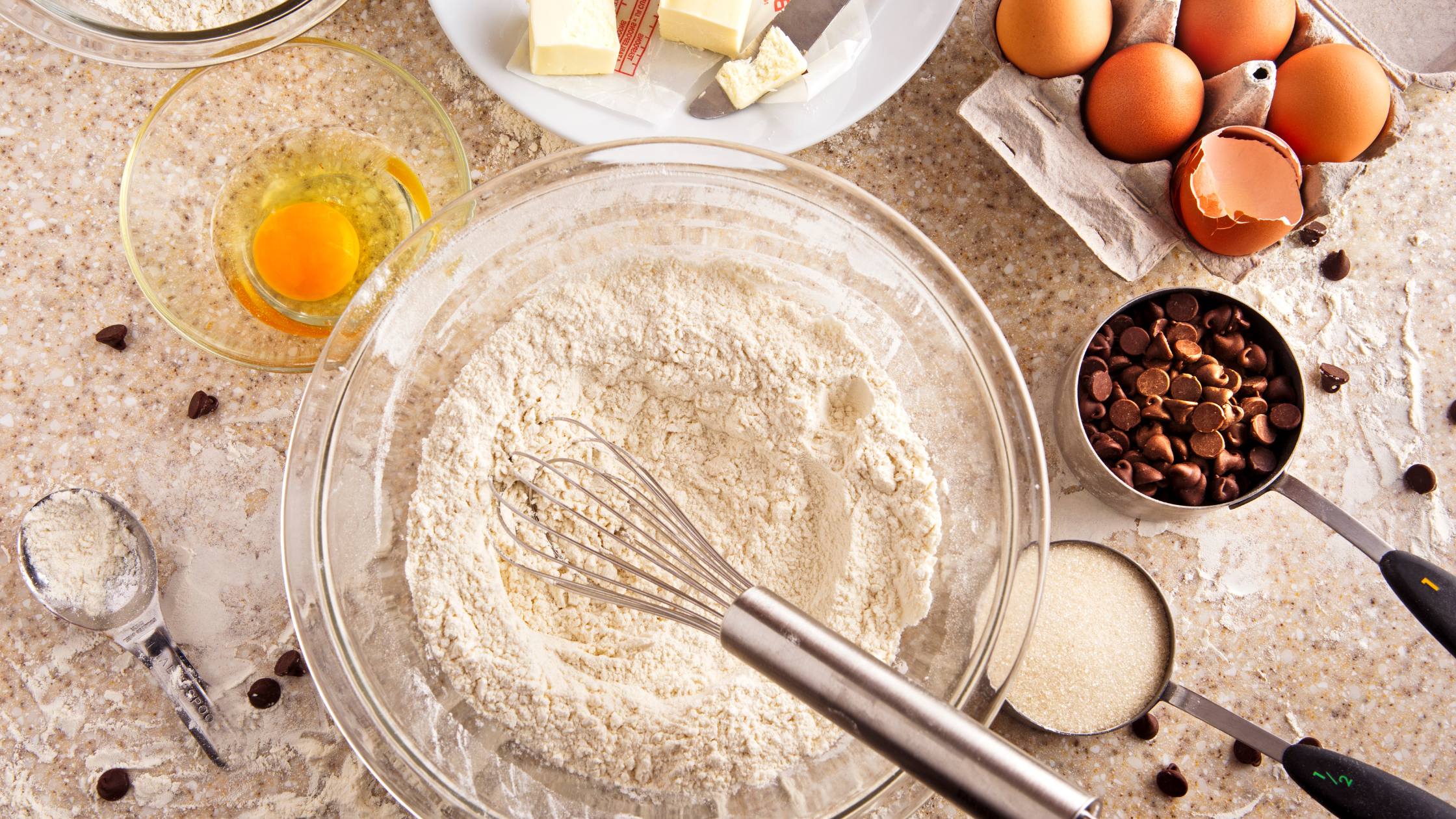
I love to bake; I've been baking for decades and have made a wide assortment of baked goods for family, friends, fundraisers, and more.  As a baker, one thing you quickly learn is the need to be able to make substitutions if you don't have what you need on hand. This is a list of my favorite baking swaps. I encourage you to print this out and either keep it in a binder or tape it to the inside of your baking cupboard so you always have it handy.
 
Note: The chart below assumes ingredients are organic, whole fat, or best quality as needed.
Ingredient Substitutions
Ingredient Amount Substitution
Arrowroot Powder 1 Tbsp 1 Tbsp flour or cornstarch
Baking Powder 1 tsp 1/2 tsp cream of tartar + 1/4 tsp baking soda
Baking Soda 1/2 tsp 2 tsp baking powder
Brown Sugar 1 cup Light - 1 cup sugar + 1 Tbsp molasses
Dark - 1 cup sugar + 2 Tbsp molasses
Butter 1/2 cup 1/4 cup applesauce or Greek yogurt
1/3 cup + 2 tsp pumpkin puree
Buttermilk 1 cup 1 cup milk + 1 Tbsp vinegar (let sit 5 minutes)
Cream Cheese 8 oz 8 oz ricotta
Cream of Tartar 1/4 tsp 1/2 tsp lemon juice
Egg 1 1 Tbsp ground flaxseed + 3 Tbsp hot water
2 Tbsp arrowroot + 3 Tbsp hot water
3 Tbsp aquafaba
1/4 cup applesauce or mashed banana or yogurt
Half and Half 1 cup 1 Tbsp melted butter + 1 cup milk
Honey 1 Tbsp 1 Tbsp maple syrup or molasses or golden syrup
or silan (date syrup)
Lemon Juice 1 tsp 1/2 tsp apple cider vinegar
Mayonnaise 1 cup 1 cup sour cream or plain Greek yogurt
Milk 1 cup 1 cup alternative milk
3/4 cup heavy cream + 1/4 cup water
Olive Oil 1 cup 1 cup avocado oil or coconut oil or melted butter
 
If you find yourself regularly making substitutions to recipes you use often I encourage you to write directly in the cookbook or on the recipe card so you always have the needed substitutions available.
 
Don't forget to also grab a copy of my free Kitchen Conversions handout!