All posts by Mira


About Mira

Mira Dessy is The Ingredient Guru. A holistic nutrition professional, author, and a popular public speaker, she knows that it's not just what you eat, but what's in what you eat. She is the author of The Pantry Principle: how to read the label and understand what’s really in their food. Dessy is a Board Certified Holistic Health Practitioner whose mission is to educate and empower consumers. She curates the Lean Clean Green Subscription box, the premier, organic, earth-friendly, healthy, sustainable subscription box which can be found online at https://theingredientguru.memberbox.com

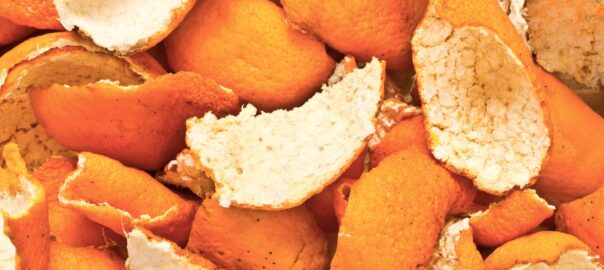
orange peels

Orange You Glad? The Surprising Benefits Of Orange Peels

A woman I know recently shared a childhood memory from World War II when oranges were rare and costly. When one was available, she and her brother enjoyed the fruit while their parents consumed the peels.

Eating orange peels might not be a common practice unless making marmalade or zesting for recipes. However, there's significant nutritional value in orange peels that’s worth exploring. Research highlights that hesperidin, a flavanone found in orange peels and the inner white pulp, offers various health benefits. A study published in March 2009 in Molecular and Cellular Biochemistry notes that hesperidin acts as a valuable antioxidant, protecting against oxidative damage. Additionally, hesperidin can help lower blood pressure, and the natural magnesium in oranges supports blood pressure regulation.

Oranges are renowned for their health benefits. They are rich in vitamin C, fiber, antioxidants, calcium, magnesium, and potassium. The fiber helps relieve constipation, while iron and vitamin B6 support blood purification and hemoglobin production.

Oranges also contain citrus liminoids, substances with potential health benefits. Research indicates these liminoids may lower cholesterol and help combat various cancers, including those of the mouth, skin, breast, stomach, and colon.

Nutritional Benefits of Oranges and Their Peels

Oranges are packed with vitamins, minerals, and antioxidants. A single orange can provide over 100% of the recommended daily intake of vitamin C, which boosts the immune system, protects against free radical damage, and supports collagen production for healthy skin. Vitamin C also enhances the absorption of iron from plant-based foods, helping to prevent anemia.

Beyond vitamin C, oranges offer dietary fiber, particularly pectin, which aids digestion and supports heart health by lowering cholesterol levels. Phytonutrients such as flavonoids and carotenoids in oranges have anti-inflammatory and antioxidant properties, reducing the risk of chronic diseases.

Orange peels, often discarded, have additional benefits. Rich in fiber, vitamin C, and polyphenols, they possess anti-inflammatory, anti-cancer, and heart-protective effects. Hesperidin in orange peels may help lower blood pressure and cholesterol, and peels have been studied for improving respiratory health.

Delicious Uses for Orange Peels

  • Candied Orange Peels: Enjoy as a treat or garnish for desserts and cocktails. Remember to consume in moderation due to the sugar content.

  • Orange Peel Zest: Zest before peeling for a burst of citrus flavor in baked goods like cakes and muffins, or use as a condiment for marinades and dressings.

  • Infused Water or Tea: Add fresh or dried orange peels to water or tea for a refreshing twist.

  • Homemade Orange Marmalade: Combine peels and fruit for a tangy marmalade, perfect for oatmeal or sauces.

  • Orange Peel Powder: Thinly peel, dry, and grind peels to make powder. Sprinkle on yogurt, add to oatmeal, or include in baking for a nutritional boost.

  • Orange Peel Sugar: Infuse sugar with dried orange peels for a flavorful addition to tea or baked goods.

  • Smoothie Booster: Add a small amount of orange peel zest or powder to smoothies for extra flavor, fiber, and antioxidants.

  • Citrus-Infused Olive Oil: Steep orange peels in olive oil for a fragrant infusion, ideal for salads or roasted vegetables.

In Conclusion

Incorporate oranges and their peels into your diet to harness their diverse health benefits. Try one or more of the suggestions above and enjoy this nutrient-dense fruit.

Sources:
  • Geraci, Anna, et al. Natural Product Research, vol. 31, no. 6, 18 Aug. 2016, pp. 653–659, doi:10.1080/14786419.2016.1219860.
  • Saini, Ramesh Kumar, et al. “Bioactive Compounds of Citrus Fruits: A Review of Composition and Health Benefits of Carotenoids, Flavonoids, Limonoids, and Terpenes.” MDPI, Multidisciplinary Digital Publishing Institute, 2022, www.mdpi.com/2076-3921/11/2/239. Accessed 22 Aug. 2024.
  • ALaqeel, Nouf Khalifa. “Antioxidants from Different Citrus Peels Provide Protection against Cancer.” Brazilian Journal of Biology, Instituto Internacional de Ecologia, 7 July 2023, www.scielo.br/j/bjb/a/fzckhhLvscjJ4Tf4S3ybxLq/. Accessed 22 Aug. 2024.
National Zucchini Bread Day

April 25th is National Zucchini Bread Day. I'm not sure why it is zucchini bread instead of just zucchini, but I'm happy that at least zucchini is getting mentioned.

Here in Texas, as in many other places of the country, zucchini is starting to produce in abundance.  My uncle, who lives in California, claims that in the middle of the summer you need to drive around with your windows rolled up.  Otherwise when you stop at a traffic light grocery bags of zucchini are apt to come flying through the window.
 
Everyone who grows zucchini seems to fully understand the abundance of nature.  One tiny seed can produce a fruit that ranges in size from baby pickles to dugout canoe. But before we malign this wonderful fruit (and yes, zucchini is indeed a fruit, even though we treat it like a vegetable) let's look at how good it is for us.

Brief History

Zucchini, sometimes also called courgette, is a type of squash from the Cucurbito pepo species; they can be green-skinned or yellow-skinned and are usually shaped like a cucumber, although there are some varieties that have different shapes. The species is believed to be native to the Americas and was brought to Europe during colonization.
 
Eventually, in Italy, there was a mutation that gave rise to the green-skinned version that we usually refer to as zucchini today.  This variety was brought back to America by the Italian immigrants.

Health Benefits

Zucchinis are great for a lot of different things. They are wonderfully sliced and served straight up in a salad, as crudites or baked, stuffed, grilled, in soup, or shredded and baked into a dessert.  
 
In addition to tasting great and being such a useful fruit, what nutritional benefits can you find in zucchini?  To start with they are a great source of manganese which is an essential trace mineral.
 
Zucchinis are also very high in vitamin C. Manganese works with vitamin C to help detoxify the body among other health benefits. They are also a good source of magnesium, Vitamin A, fiber, folate, potassium, and phosphorus.  
 
Note: Unfortunately, my research turned up the fact that two genetically modified (GM) strains of zucchini are currently approved in the US for cultivation and use as food.  Unless you are getting them from a trusted source or from your own garden you may want to purchase organic zucchini.

Zucchini Recipe

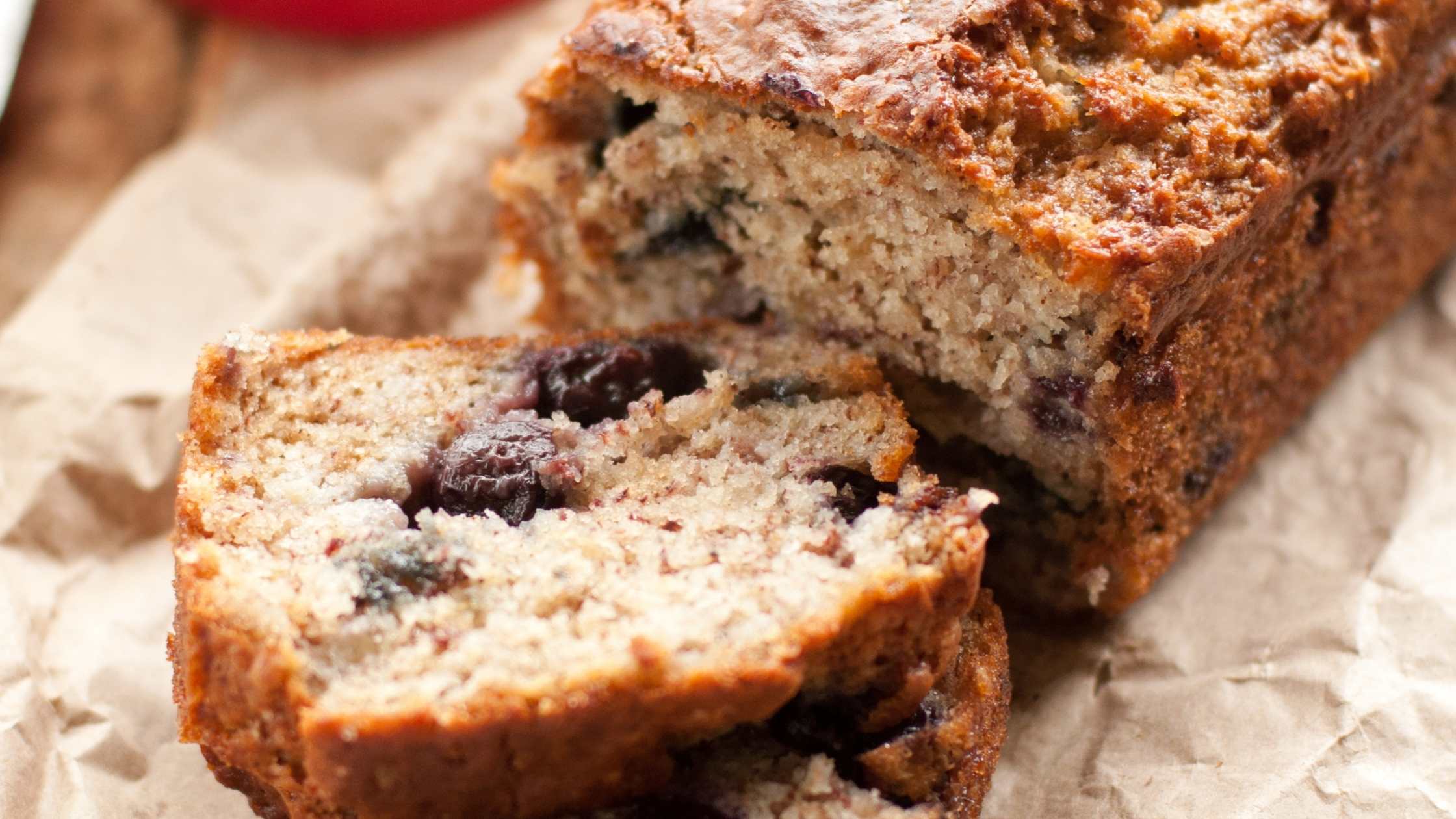
In honor of National Zucchini Bread Day, I am delighted to share this wonderful recipe from Heather.  She’s elevated zucchini bread and given it a delicious twist by adding blueberries instead of the traditional chocolate chips or raisins (for those who add stuff to their zucchini bread).  Heather is not only a colleague, she’s a talented and caring holistic nutrition professional. Be sure to check out her other tasty recipes.

Zucchini Blueberry Banana Bread

Servings 1 slice

Ingredients
  

  • 1 cup zucchini, shredded and moisture squeezed out
  • 4 eggs, organic
  • 2 Tbsp maple syrup, organic
  • 1 banana, ripe and mashed
  • 1 Tbsp coconut oil plus extra for greasing the pan
  • 1/2 cup coconut flour - Bob's Red Mill, Coconut Flour, Organic, 16 oz
  • 3/4 tsp baking soda
  • 1/2 tsp sea salt
  • 1 Tbsp cinnamon
  • 1/2 tsp nutmeg
  • 1 tsp apple cider vinegar
  • 1/4 cup walnuts, finely chopped (optional)
  • 1/2 cup fresh blueberries

Instructions
 

  • Heat oven to 350 degrees.
  • Grease the loaf pan with coconut oil, set aside.
  • Shred the zucchini and then squeeze out all the moisture.
  • Mix the eggs, maple syrup, coconut oil, and banana together in a large bowl.
  • Add in the coconut flour, baking soda, sea salt, cinnamon, and nutmeg, blend well.
  • Add the zucchini, blend; then add the apple cider vinegar and stir till batter is smooth.
  • Fold in the walnuts, if using.
  • Gently fold in the blueberries.
  • Pour the batter in to the greased loaf pan.
  • Bake for 40-50 minutes until a knife or toothpick inserted in to the bread comes out clean.
  • Cool the loaf in the pan for 10 minutes and then remove to a wire rack to continue to cool.


National Pecan Day

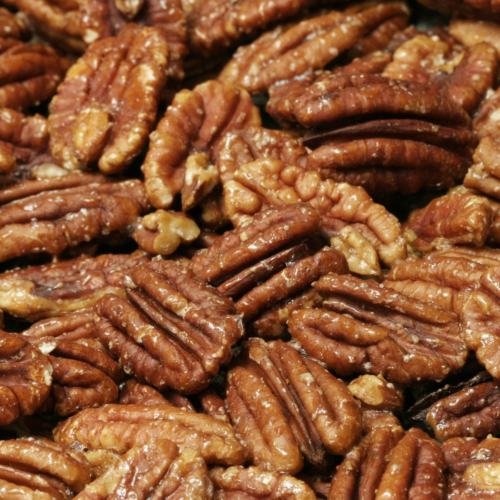
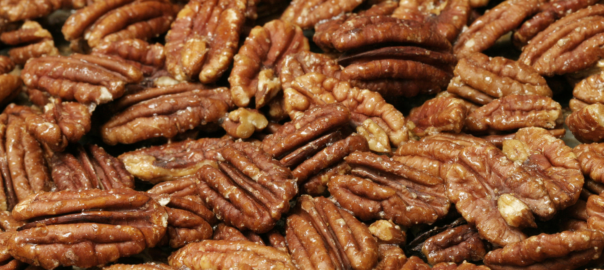
Today is National Pecan Day.  Pecans are one of my favorite nuts.  Although they are very hard to crack they are certainly worth the effort.  Pecans have sweet, tender nutmeats that are very tasty.

Brief History

Pecans (Carya illinoinensis) are a species of hickory tree that is native to the south-central region of the United States of America. The name Pecan comes from an Algonquin word that means a nut requiring a stone to crack. Although they are native to North America they have been imported and are now grown commercially in Australia, Brazil, China, Israel, Mexico, Peru and South Africa. A pecan tree can bear fruit for up to 300 years.

Nutritional Profile 

There has been a lot of interest in pecans and their healthy profile; they add fiber to your diet as well as providing vitamins B and C, iron, calcium, potassium, magnesium, and phosphorous.  Pecans are also a good source of monosaturated fats (the same kind of beneficial fat that is found in olive oil).  
 
According to studies from Loma Linda University and Texas A&M University, “a heart-healthy diet…is more effective in lowering cholesterol when pecans are added – even though the pecans added more total fat to the diet. And study participants did not gain weight on the pecan diet.”
 
“This confirms that it is the type of fat in the diet (i.e. the monounsaturated and polyunsaturated fat in pecans) that is more important to heart health than total fat intake. These studies showed that the addition of pecans to a heart healthy diet decreased the levels of “bad” LDL cholesterol…and helped maintain desirable levels of “good” HDL cholesterol.”

The National Cholesterol Education program states, “For every 1% reduction in LDL cholesterol, there is a 1.5% reduction in incidence of coronary heart disease. Thus, the pecan diets in the Loma Linda and Texas A&M studies would correspond with a 25% decreased risk of heart disease.”

Of course, the best way to eat them is to start with raw nuts.  Pecans are very versatile and can be added to a wide variety of baked goods, they go well in salads, can be used in pilaf-type recipes, or can be spiced and flavored to be eaten as a snack.

Proper Storage

However you use them, just remember to store them properly.  Pecans need to be kept in dry, clean, airtight containers.  Out of the shell they will last at room temperature up to two months or refrigerated up to one year and frozen up to two years.  Because they are a low-moisture nut pecans can be refrozen several times without losing quality.

Pecan Recipe

Pecans are usually thought of as a nut that is used to make sweet foods such as pecan pie, pecan sandies cookies, or pecan brittle. They’re also a frequent topping for sweet potatoes or other holiday favorites.

Although this recipe does have a little sweetness to it, the rosemary gives it a wonderful aromatic boost. These make a great snack and won’t last long.

Savory Rosemary Pecans

Prep Time 10 minutes
Cook Time 35 minutes
Servings 4 cups

Ingredients
  

  • 1 Tbsp fresh rosemary leaves, finely chopped
  • 1 tsp ground cinnamon
  • 1 tsp ground cardamom
  • ¼ tsp ground cayenne
  • ½ tsp fine sea salt
  • ¼ tsp black pepper
  • ¼ cup unsalted butter
  • 3 Tbsp maple syrup
  • 4 cups pecan halves
  • 1 rounded Tbsp turbinado or demerara (large grain) sugar

Instructions
 

  • Pre-heat oven to 350°F
  • Line a large, rimmed baking sheet with parchment paper or use a baking mat, such as Silpat
  • In a small bowl mix together rosemary, cinnamon, cardamom, cayenne, salt, and black pepper
  • Melt butter in a small skillet over medium heat.
  • When butter is melted add maple syrup and stir well to combine
  • Heat for another 1-2 minutes then remove from heat
  • Add pecans to a large bowl
  • Pour butter mixture on top of pecans and then add the spice mixture, stirring well to coat the pecans
  • Pour pecans onto the prepared baking sheet, arranging in a single layer and spacing well
  • Bake for 15 minutes, stir pecans and then bake another 15 minutes
  • Remove pecans from oven and let cool 5-7 minutes
  • Sprinkle with turbinado or demerara and stir to coat
  • Store in an airtight container, will last for 2 weeks
    Enjoy!
Delicious pear desserts

Pear Delights: Experimenting With A Torte And A Galette

The other day, my friend Teresa generously gave me a bag of home-grown pears. They looked delicious. "Eat them right away," she said, "you want to eat them while they are still firm."

Pears are a great fruit—very high in fiber, a good source of vitamin C, and they also provide dietary copper. Copper is an antioxidant required by the body for good health, aiding in iron processing. Fairly low in calories, a medium-sized pear has around 70 calories, making them a great snack choice.

Initially, I thought of canning the pears since firm pears hold up the best to the heat of canning. Or perhaps making pear butter. But in the end, I decided to make a torte for dessert. The flavor and sweetness were balanced, and the pears were just right—firm and not too mushy. However, the torte turned out too dense and a little dry. It definitely could have used a sauce to help out. My husband’s response was, "it needs some ice cream."

If I make this recipe again with regular pears, I’d consider a few changes—possibly adding applesauce to moisten it up, soaking the flour in a small measure of apple juice to soften the fiber, or adding a little more fat. I’m not sure, but it’s clear that getting it just right on the first try isn’t always easy. Keep playing with it, and enjoy the process and the results.

A few days later, I found myself with some extra phyllo dough and more perfectly ripe pears, which inspired another dessert. I must admit that I’m not very good at making pie crusts, so I rarely make two-crust pies. Besides the obvious increase in calories, there's also the need to roll out two crusts.

As I looked at the pears, I realized that phyllo might make an excellent flaky “crust,” allowing me to make a galette-style tart instead.

According to the Food Dictionary at Epicurious, a galette is: "Hailing from France, a galette is a round, rather flat cake made of flaky-pastry dough, yeast dough, or sometimes unleavened dough. The term also applies to a variety of tarts, both savory and sweet, with as many variations as there are French regions." My galette turned out even better than I imagined, and it’s something I will definitely make again.

Delicious pear desserts

Phyllo Pear Galette

Ingredients
  

  • 8-10 sheets thawed *gluten-free puff pastry
  • 1/4 C. butter melted
  • 3 medium pears, peeled, cored, and sliced
  • 1/4 C. raisins
  • 1/4 C. sucanat
  • 1 T. lemon juice
  • 2 t. lemon zest
  • 1 t. cinnamon

Instructions
 

  • Preheat oven to 350 F
  • Mix pears, raisins, sucanat, lemon juice, zest. and cinnamon together and set aside
  • Working one layer at a time brush the bottom of a pie dish with butter and layer in one sheet of phyllo
  • Brushing butter on each sheet layer them one at a time into the pie dish using damp paper towels to keep the edges moist
  • Arrange pear mixture in the dish
  • Fold the edges of the phyllo over the mixture
  • Brush top edges with butter
  • Bake 30 minutes

Whole Wheat Pear Torte

Simple Pear Torte

Ingredients
  

  • 3 pears
  • 2 eggs
  • 1/4 C. milk
  • 1/2 t. salt
  • 1 C. Organic Cane Juice Crystals
  • 1 1/2 C. *King Arthur Gluten Free Measure for Measure
  • 1 t. vanilla
  • 1/2 t. cinnamon (optional)

Instructions
 

  • Preheat oven to 350 deg F
    Peel, core, and slice pears
    Mix together eggs, milk, salt, vanilla, cinnamon, and organic cane juice crystals
    Add flour and mix well
    gently mix in pears
  • Grease a 9" cake pan
    Coat the pan with sucanat
    Pour torte mixture into pan
    Bake 30-35 minutes or until done
    Enjoy!

The Benefits Of Lycopene: Why You Should Eat More Red Foods

In my recent post on peppers, I briefly mentioned lycopene, but I’d like to dive a little deeper into its benefits because it’s such a powerful nutrient. Lycopene is a potent antioxidant and carotenoid pigment responsible for the vibrant red color found in many fruits and vegetables, such as tomatoes, watermelon, and pink grapefruit. While it’s known for giving these foods their striking color, lycopene also offers numerous health benefits supported by scientific research.

Lycopene-Rich Foods

Lycopene is a powerful antioxidant found in vibrant red and orange fruits and vegetables, including:

  • Guava
  • Tomato
  • Watermelon
  • Grapefruit
  • Papaya
  • Red bell peppers
  • Persimmons
  • Red cabbage
  • Mangos

Health Benefits

Lycopene is renowned for its antioxidant properties, which effectively neutralize harmful free radicals in the body. This action helps reduce oxidative stress, a factor implicated in various chronic diseases, including cardiovascular conditions and certain cancers. Emerging research suggests that a diet high in lycopene may also contribute to cardiovascular health by lowering blood pressure, reducing LDL cholesterol oxidation, and offering anti-inflammatory benefits, which collectively support heart health and potentially decrease the risk of heart disease.

Additionally, there is some evidence that lycopene may help protect against certain types of cancer, including lung cancer. Studies have observed a correlation between higher lycopene intake and a reduced incidence of lung cancer, possibly due to lycopene’s ability to modulate the immune system, reduce cancer cell proliferation, and induce apoptosis.

In Conclusion

Incorporating lycopene-rich foods into your diet may improve overall health and well-being, offering protection against oxidative stress, inflammation, cardiovascular disease, and possibly certain cancers. All of these benefits make eating more lycopene-rich foods a valuable and delicious part of your diet.

As we approach the peak of tomato season (and move away from the tomato-looking things currently in grocery stores), consider making fresh salsa, homemade tomato sauce, gazpacho, and other delicious dishes to boost your lycopene intake. And if you haven’t tried guavas or papayas yet, give them a chance—they’re tasty and packed with nutrients.

Sources:

Shafe, Mercy Omoye, et al. Journal of Nutrition and Metabolism, vol. 2024, no. 1, Jan. 2024, doi:10.1155/2024/6252426.

Cheng HM;Koutsidis G;Lodge JK;Ashor A;Siervo M;Lara J; “Tomato and Lycopene Supplementation and Cardiovascular Risk Factors: A Systematic Review and Meta-Analysis.” Atherosclerosis, U.S. National Library of Medicine, pubmed.ncbi.nlm.nih.gov/28129549/. Accessed 22 Aug. 2024.
Bin-Jumah, May Nasser, et al. “Lycopene: A Natural Arsenal in the War against Oxidative Stress and Cardiovascular Diseases.” MDPI, Multidisciplinary Digital Publishing Institute, 2022, www.mdpi.com/2076-3921/11/2/232. Accessed 22 Aug. 2024.
Puah, Boon-Peng, et al. “New Insights into Molecular Mechanism behind Anti-Cancer Activities of Lycopene.” MDPI, Multidisciplinary Digital Publishing Institute, 25 June 2021, www.mdpi.com/1420-3049/26/13/3888. Accessed 22 Aug. 2024.

A Fabulous Twist On Taboule

With thanks to my friend Claire for bringing this recipe to my attention and for taking the beautiful picture of this gluten-free version of taboule using quinoa instead of bulghur (cracked wheat) created by Chef Rachel. Claire and I were fortunate enough to meet Chef Rachel at the National Association of Nutrition Professionals conference last Fall where she was making wildly delicious desserts that were gluten and dairy free. This quinoa is so tasty that I cannot get enough of it.  I have made it twice in one week and think that this is my new favorite for summer salad.  


Quinoa (keen-wa) is usually culinarily treated as a grain although it is actually a pseudocereal, the seed of a plant called Goosefoot (Chenopodium).  Originally from South America it was a major crop for the Incas who referred to it as the “mother of all grains.”   With a very high protein content and a complete set of essential amino acids it is a great choice for anyone but especially for vegetarians or vegans. It is also gluten free which makes it an excellent choice for people with celiac disease or gluten intolerance.  As a great source of fiber, and high in magnesium, phosphorus and iron to round out it’s nutritional profile, it is truly a powerhouse of a grain.  One very important note, it is essential that you wash quinoa before cooking it.  There is an outer coating of saponin on it that, if not rinsed off, will give your food a soapy flavor.  Quinoa is so delicious that even my picky teen likes it; give it a try and I believe you’ll discover a new food that you will like too.

For the taboule recipe you can visit  Chef Rachel’s blog. Don’t forget to check out her Poached Pears recipe while you are there.


Photo courtesy of Claire Wang

calcium comes from

Calcium Comes From

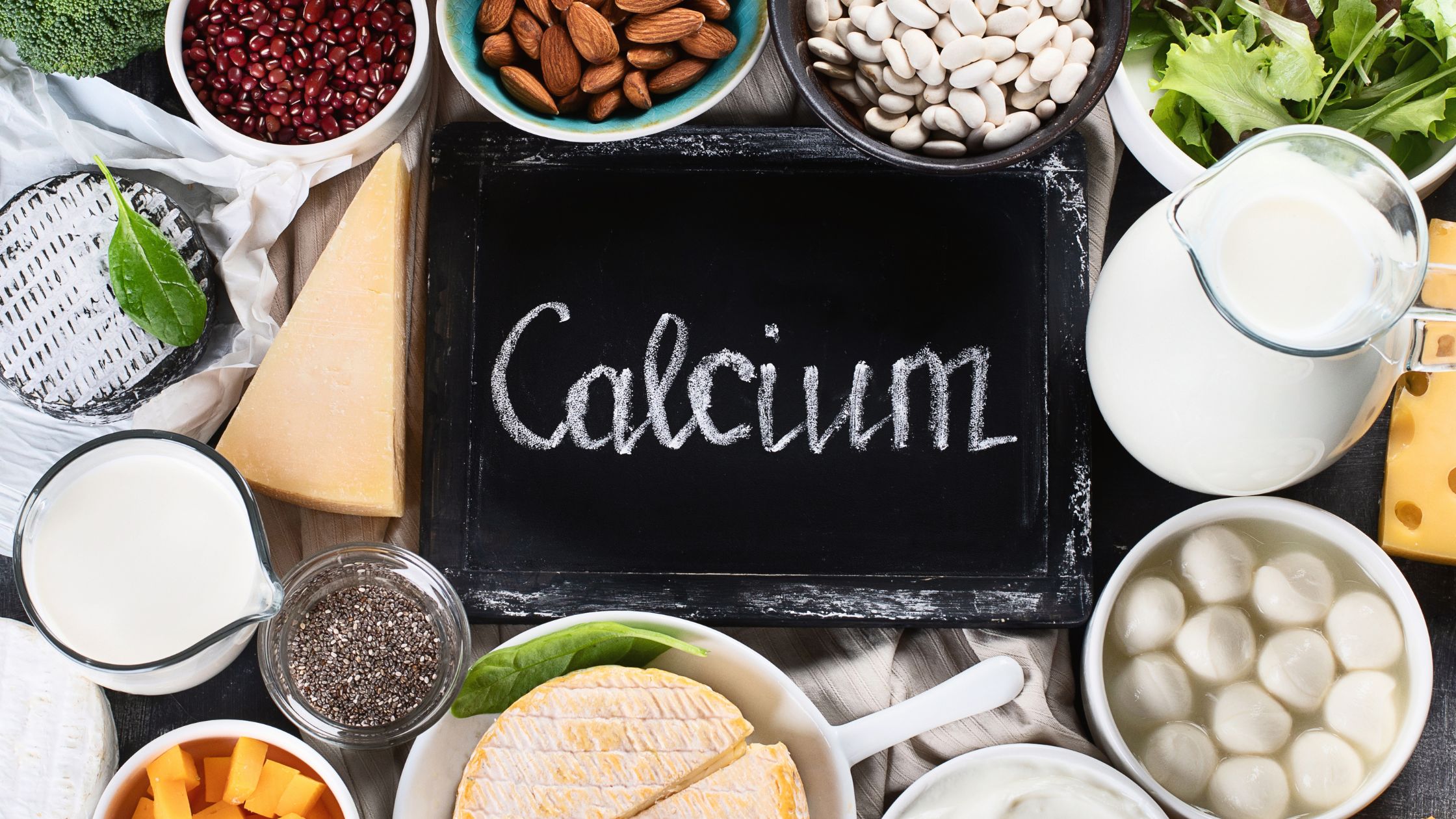
Calcium is a cornerstone of good health, playing a pivotal role not just in bone and teeth strength but also in muscle function, nerve signaling, and blood clotting. Despite popular belief, fortified milk and dairy products are not the only paths to achieving your daily calcium intake. A diverse diet rich in whole foods can offer ample calcium and additional health benefits.

Understanding Calcium's Role and Requirements

Adults aged 19-50 should aim for an Adequate Intake (AI) of 1,000 mg of calcium per day, a benchmark set by the Linus Pauling Institute at the University of Oregon. This goal is attainable through careful dietary choices, even without dairy.

Calcium.” Linus Pauling Institute, 2024, lpi.oregonstate.edu/mic/minerals/calcium. Accessed 22 Aug. 2024.

Broadening Your Calcium Sourcescalcium

Leafy Greens and Seeds: Nutrient Powerhouses

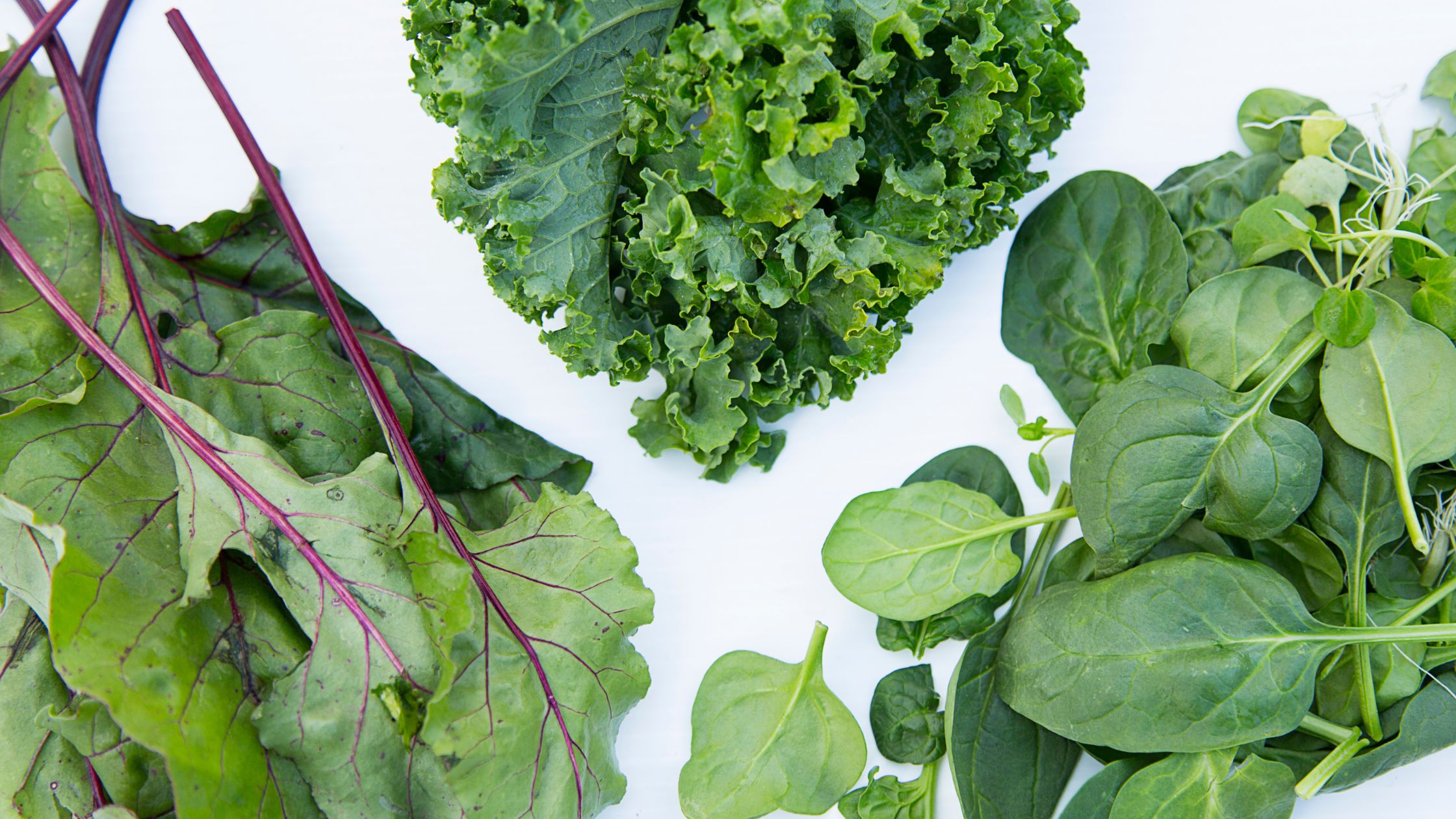
Dark, leafy greens such as kale, turnip greens, mustard greens, collard greens, and spinach are calcium-rich. For example, a cup of cooked spinach provides approximately 245 mg of calcium. Seeds, too, are surprisingly high in calcium; four tablespoons of sesame seeds offer 351 mg, surpassing the calcium content of a cup of milk.

Plant-based Milks and Other Alternatives

For those avoiding dairy, plant-based milks like almond, hemp, and rice milk are viable alternatives. While the calcium in these milks is often fortified, they provide a dairy-free means to meet your intake requirements. Remember, the nutritional content can vary, so it's essential to check labels.

Seafood, Nuts, and More

Beyond greens and seeds, other calcium-rich foods include sardines (382 mg per 100 g), almonds (266 mg per 100 g), and flax seeds (255 mg per 100 g). These options not only diversify your diet but also pack in additional nutrients beneficial for overall health.

The Spice of Life

Don't underestimate the power of spices. A 2 tsp. serving of dried basil contains over 63 mg of calcium. Incorporating herbs like basil, rosemary, thyme, and even cinnamon can boost your calcium intake while adding flavor to your meals.

Rethinking Calcium in Your Diet

Shifting away from the idea that dairy is the only calcium source allows for a more inclusive and healthful approach to nutrition. Whether due to dietary restrictions, ethical choices, or personal preference, there are numerous ways to ensure you're getting enough calcium. This holistic view supports not just bone health but a vibrant, varied diet rich in essential nutrients.

By expanding your dietary horizons beyond dairy, you can meet your calcium needs through a balanced intake of greens, seeds, nuts, alternative milks, and even spices. Embrace the variety for a healthier, more inclusive approach to nutrition that ensures your body gets the calcium it needs for strong bones, muscle function, and more.

Beans and grains for amino acids

What You Need To Know About Amino Acids

Amino Acids Are The Building Blocks

We don’t often think about the amino acids in our food and their impact on our health. But they play a really crucial part to health. This post addresses the important thing that we need to know about amino acids and shares on of my favorite recipes.
 
Amino acids are the building blocks of protein and there are twenty altogether. Eight of the twenty are considered “essential amino acids” because we require them but our body cannot manufacture them so we must get them from our food. These eight are phenylalanine, valine, threonine, tryptophan, isoleucine, methionine, leucine, and lysine.
 
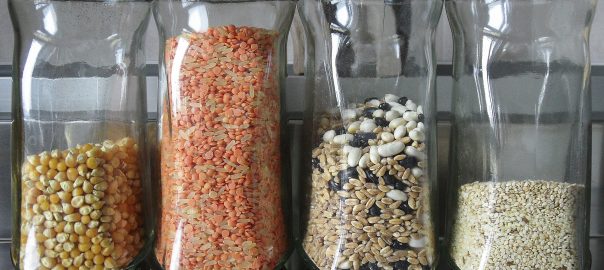
Animal products such as meat, dairy, and eggs, contain all eight. But different foods such as legumes, seeds, and grains do not.  Therefore they must be combined to create a complete protein. Legumes are high in the essential amino acid lysine, but they are low in methionine grains have both methionine and cysteine but are low in lysine.  Combining them allows you to get a high-quality protein with all of the essential amino acids. 

Going meatless

There’s a lot of media attention to the idea of reducing how much meat we’re eating. Including a suggestion for ditching the meat at least one day a week and switching to Meatless Mondays

If you are a meat eater who is simply trying to eat less meat, incorporating a vegetarian plan one day a week can be a great way to get started. But it’s important that you don’t become a carbotarian and simply add lots of pasta or simple carbohydrates for your meatless meals. While getting proper nutrition from vegetarian meals requires a little more thought and effort, it is not difficult.

Amino Acid Food Combinations 

In many cultures there are a lot of recipes that call for a mixture of legumes and grains that then create a complete protein. 
  • a Korean dish called Kong bap is a mixture of seven grains and four beans.  Because this dish contains beans (adzuki beans and green peas) and grains (barley, rice, Job’s tears, sorghum, and corn) it provides all of the essential amino acids.  This dish also has soybeans which are considered to be a complete protein by themselves. 
  • South and Central America have many dishes that call for a combination of beans with corn
  • In the Middle East, there is hummus or falafel (made from chickpeas) and whole wheat pita as a common option
  • India brings us dal (lentils) and rice 
Grains and legumes are not the only combinations that make a complete protein.  Nuts and seeds can also be combined with either grains or legumes as a good source of protein.  
 
The idea is to ensure that if you are not eating meat that you are not simply adding legumes to your diet but that you are adding them with whole grains and/or seeds to get proper nutrition.

Delicious lentils for dinner

One of our favorite dinners is a curried crockpot lentil and rice dish.  This recipe originally came from a Lebanese friend of mine and is called M’judra, I’ve modified it a little over the years and it’s one of our regular choices. Especially because the crockpot makes this an easy option.
 
This pairs really well with an Indian spinach dish called Palak and a salad of tomatoes and cucumbers with a spice called Chat Masala.  It’s a tasty, healthy and satisfying meal.  I make it with a fair amount of curry powder because that’s how we like it, if you need to reduce the curry powder it will still be delicious.
 
Curried Crockpot Lentils and Rice
Print
Ingredients
  1. 1/2 C. rinsed lentils
  2. 1 C. rinsed red rice (can use brown rice if you prefer)
  3. 1 green pepper, diced
  4. 1 onion, diced
  5. 2 T. curry powder
  6. 1 T. nutritional yeast
  7. 1/2 t. fresh ground black pepper
  8. 3 1/2 C. vegetable broth
  9. 1 T. olive oil
Instructions
  1. Saute the pepper and onions in the olive oil until just starting to soften
  2. Place all dry ingredients into the crockpot
  3. Add broth and stir well
  4. Cover and cook on low for 5-6 hours (check at 4.5 hours to see if you need a little more water)
  5. Add salt to taste after done cooking
Notes
  1. Note:  Don't add the salt while cooking because it will delay the lentils from softening
The Ingredient Guru, Mira Dessy https://theingredientguru.com/
Check out my other recipes using lentils:


Image by carlo sardena from Pixabay 

'Tis The Season

Here in Texas, 'tis the season...for wildflowers. Driving around town, seeing the beautiful flowers that were sown last fall, bluebonnets (the Texas state flower), Indian paintbrush, squaw weed, anemones, wine cups, and more, their pretty delicate flowers and bright colors along the roadside bring a smile to my face. They are a symbol that winter is pretty much over and that the heat and humidity of summer is almost upon us.

Enjoying the Present Moment

I'm enjoying this season, trying to stay in the now. To focus on the beauty that is blooming to life around us, the soft gentle breezes that will disappear too quickly, the joy of being able to throw open the windows and enjoy the fresh air.

I often find that we are rushed from one season to another without the ability to enjoy what is right in front of us. Usually, this is focused on merchandising for the holidays (did anyone but me notice that St. Patrick's Day stuff was out before Valentine's Day was over?) and exhorting us to buy things instead of enjoying the moment. I have come to find that I have all of the "things" and "decorations" that I need or want. Actually, we gave away most of them when we downsized to our smaller house, and I'm much happier being able to avoid the stores and/or ignore those displays around me.

Creating a Calmer Environment

When I work with a client and we are looking at issues that cause stress, we frequently find that it is from this feeling that we are being hurried along. You can't enjoy one season or one holiday because the next one is hard on its heels, and quick, quick, you have to get ready. By taking the time to fully enjoy what is around us, we create less stress for ourselves, a calmer environment for our families, and a healthier life.

There is a great book called The Power of Now: A Guide to Spiritual Enlightenment by Eckhart Tolle, and he has just come out with a companion book, Practicing the Power of Now: Essential Teachings, Meditations, and Exercises from The Power of Now. When we are caught up in the hurry and flurry of media/marketing-driven life, sometimes we need some guidance and more than a little practice to get back to what truly has meaning for us. I am still working on this for myself; I think it's a lifelong practice.

Taking a Moment for Mindfulness

Take a moment, where you are, to go outside and enjoy the beauty of your surroundings. If there are no flowers where you are today, just gaze out your window and enjoy the season. For more guidance on mindfulness, consider my book Beyond Meditation: Making Mindfulness Accessible for Everyone.

Sharing Vegetarian Recipes

I recently shared some recipes with friends and family. People liked them and it occurred to me to share them here as well. We usually eat vegetarian meals since two out of the three of us in the house are vegetarians. Rather than a traditional large portion of animal protein surrounded by two small sides (one of which is usually a simple starch) and an iceberg lettuce salad, we tend to eat "composed" plates.
 
This is an idea that I was introduced to years ago in one of my favorite cookbooks, The Occasional Vegetarian by Karen Lee. Basically, you create multiple dishes and serve those equally; no one dish is the "main" course.

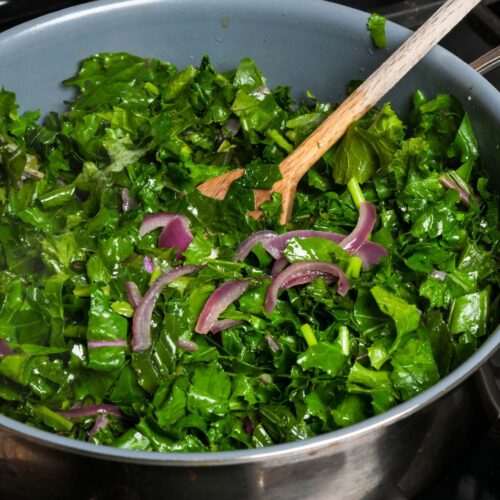
Sauteed Kale and Onions

Servings 3

Ingredients
  

  • 1 onion, diced medium
  • 1 bunch kale chopped medium
  • 2 T. olive oil
  • salt and pepper
  • pignolis (pine nuts)

Instructions
 

  • Sautee onions in 1 T. olive oil until slightly soft
  • Add chopped kale and the other 1 T. olive oil
  • Cook on medium stirring frequently until kale wilts
  • Add salt and pepper to taste
  • Turn to low and let cook 10-12 minutes stirring occasionally
  • In last 3-4 minutes put in a handful of pignolis and toss to mix thoroughly

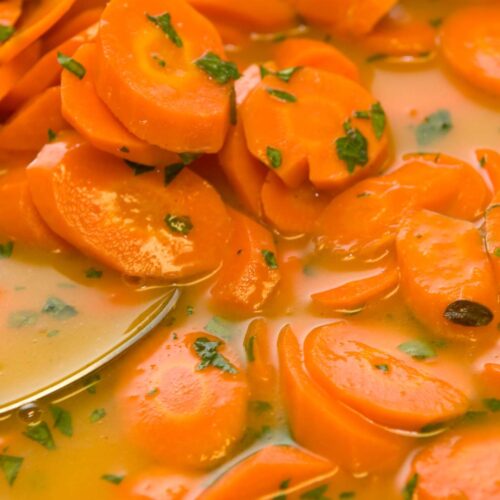
Braised Carrots

Servings 3

Ingredients
  

  • 6 large carrots, peeled and cut into large chunks
  • 1 T. butter
  • 1/2 C. veggie broth
  • pinch thyme
  • pinch thymesalt and pepper

Instructions
 

  • Place veggie broth and cut up carrots into a pot
  • Bring to a boil
  • Lower to a simmer, add thyme and cover to cook 10-12 minutes
  • When carrots are al dente uncover and add butter salt and pepper
  • Cook on medium cooking off liquid (watch so it doesn't burn) stirring frequently

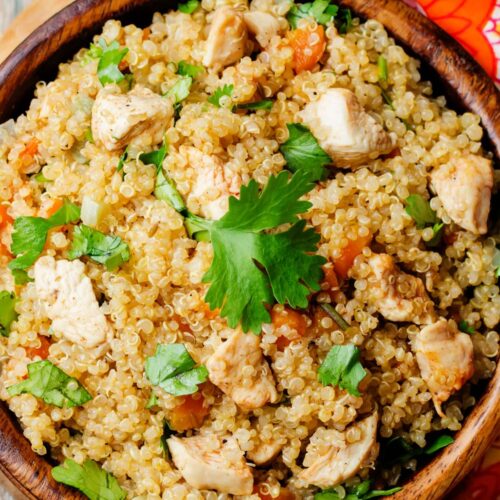
Quinoa Pilaf

Servings 4

Ingredients
  

  • 1 C. quinoa
  • 2 C. vegetarian broth
  • 1 C. mixed vegetables
  • salt and pepper
  • generous pinch italian herbs
  • 1 t. dried onion

Instructions
 

  • Rinse quinoa thoroughly (otherwise it will taste soapy)
  • Put quinoa, broth, herbs, and onion in a pot
  • Bring to a boil
  • Lower to a simmer, cover and let sit 15-20 minutes
  • While quinoa is cooking steam vegetables
  • When quinoa is done mix together with drained steamed vegetables, salt and pepper