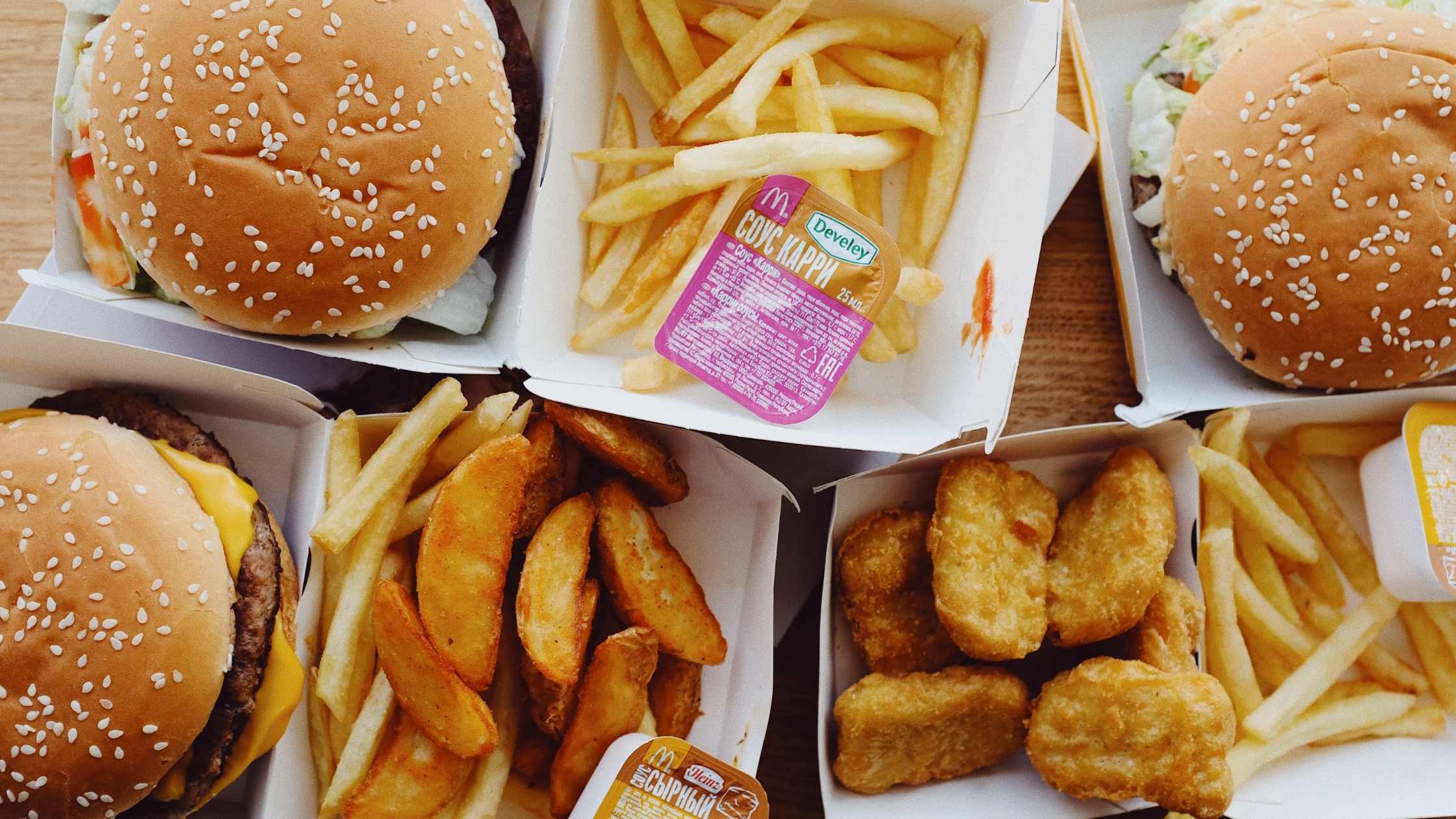
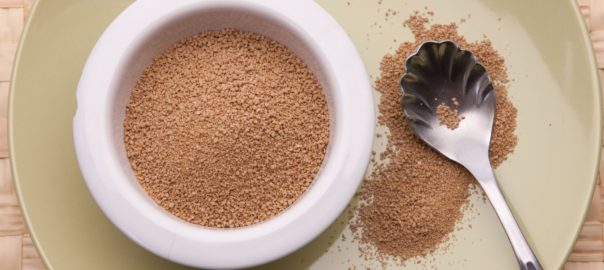
I just got back from the grocery store and once again I find myself very frustrated by many of the products in the aisles. I teach a class called “Poison Pantry” where I talk about some of the ingredients that are in the pantry that shouldn’t be there. As I tell folks, “Notice I said ingredients, not food.” That’s because this stuff isn’t food and shouldn’t be part of our diet. It’s there either because it’s easier for the manufacturer or because it extends the shelf life. And just because it’s in our food doesn’t mean we have to eat it.
All posts by Mira
Comfort Food
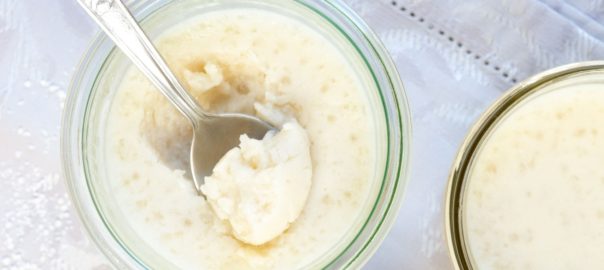
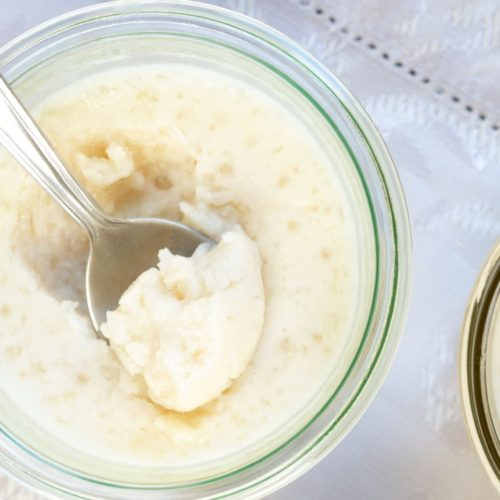
Every now and again there's nothing like a pudding for comfort food. Creamy and sweet, it hits the spot. The other day I was in the mood for comfort food and decided that tapioca was the order of the day. Honestly it's not the quickest comfort food to prepare, but it tastes so good that it's worth the time it takes to make it.

Coconut Tapioca Pudding
Ingredients
- 1/2 C. tapioca pearls
- 1 C. water
- 2 C. coconut milk
note: coconut milk is sold in 15 oz cans. If you like you can use 15 oz coconut milk and 1 oz of another milk to make the two cups. It occurs to me that almond milk might be a nice addition
- 2 egg yolks, beaten
- 1/2 C. evaporated cane juice crystals
- pinch of salt
- 1 t. vanilla
- 1/2 C. grated coconut, toasted
Instructions
- Place tapioca pearls in water and let soak for 4 hours
- In a pan gently heat grated coconut, stirring frequently, until light brown
- Drain tapioca
- Place in a sauce pan with coconut milk, egg yolks, cane juice crystals, and salt
- Heat over medium high heat stirring constantly until mixture begins to thicken
- Reduce to low heat
- Continue to stir until pearls are translucent and pudding is thick, about 20 minutes
- Remove from heat and let cool 15 minutes
- Add vanilla and let pudding cool completely
- To serve spoon pudding into a bowl and sprinkle with toasted coconutEnjoy!
Taking Time
As a holistic Nutrition Educator I often encourage my clients to work on other areas than just food. We talk about ways to reduce stress in their lives, ways to increase exercise and to work toward living a happy, healthy, balanced life. I try very hard to practice what I preach and I thought I would share an example of that today.
Bread And Beans
My friend Helene recently asked if it was possible to use leftover cooked grains in making bread. The answer is most definitely yes. It does change your proportions but adds a wonderful moistness to the loaf. One great example is the receipe found here. Another use for leftover cooked whole grains is use them in muffins. This is actually my favorite way to use them because it’s quick and easy. Unless you separate the egg whites and beat them it does make a denser muffin but we like them that way.
Her other question was regarding de-gassing beans, I’m pretty sure we all know what that means. Helene is hoping to avoid taking lots of beano. Let me start by saying that flatulence is a normal bodily condition. I don’t think it’s possible to completely get rid of gas and, of course, beans are not the only food that has this effect on our system; cabbage and broccoli are some others and many people have a problem with dairy.
Beans contain certain oligosaccharides that people cannot digest; we simply do not have the necessary enzymes in our system. One method of supposedly reducing the effect is to soak the beans overnight in warm water with baking soda. In the morning rinse the beans and cook. You can add baking soda to canned beans to reduce this effect however you need to use caution because too much baking soda will reduce the B12 in the beans and may leave a soapy taste as well. Another method is to boil fresh bay leaves with the beans. This has the added benefit of imparting a nice flavor. For cabbage dishes adding caraway seeds is supposed to help reduce the gassy effect.
Don’t give up eating beans just because of the effect they may have. Beans are high in both soluble and insoluble fiber, protein, an excellent source of B vitamins and, depending on what kind of bean, lots of different minerals. Eat well, be well.
How To Sleep Soundly
We all need sleep. Unfortunately, the pace of modern life and the ability to extend daylight has taught many of us to develop very poor sleep habits. We've all seen the news reports that show how significant numbers of the population are suffering from a sleep debt, many are seriously sleep deprived.
There are reports that show how sleep deprivation can cause delayed reactions and slow or confused thinking. It can also have other significant impacts on your overall health and wellbeing. Getting back into a good sleep cycle with adequate sleep can help re-regulate your brain clock and improve some sleep-related health issues.
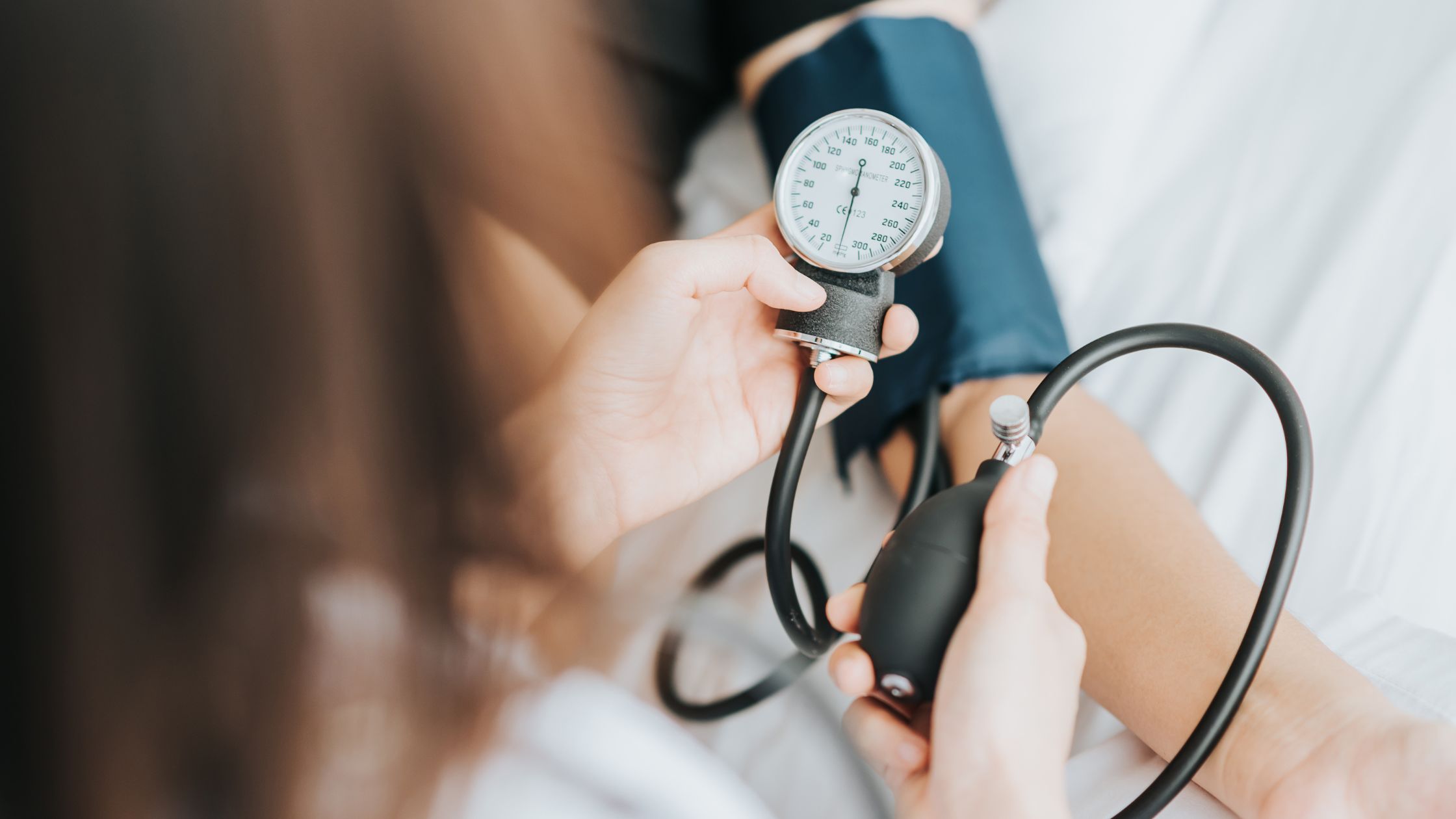
Sleep and heart health
What is sleep hygiene?
hy·giene (noun)
- Avoiding caffeine later in the day
- Go to bed at approximately the same time every night
- Don't watch television in bed
- Create a sleep routine that signals your body that it is time to get ready for sleep
- Have a dark, comfortable room to sleep
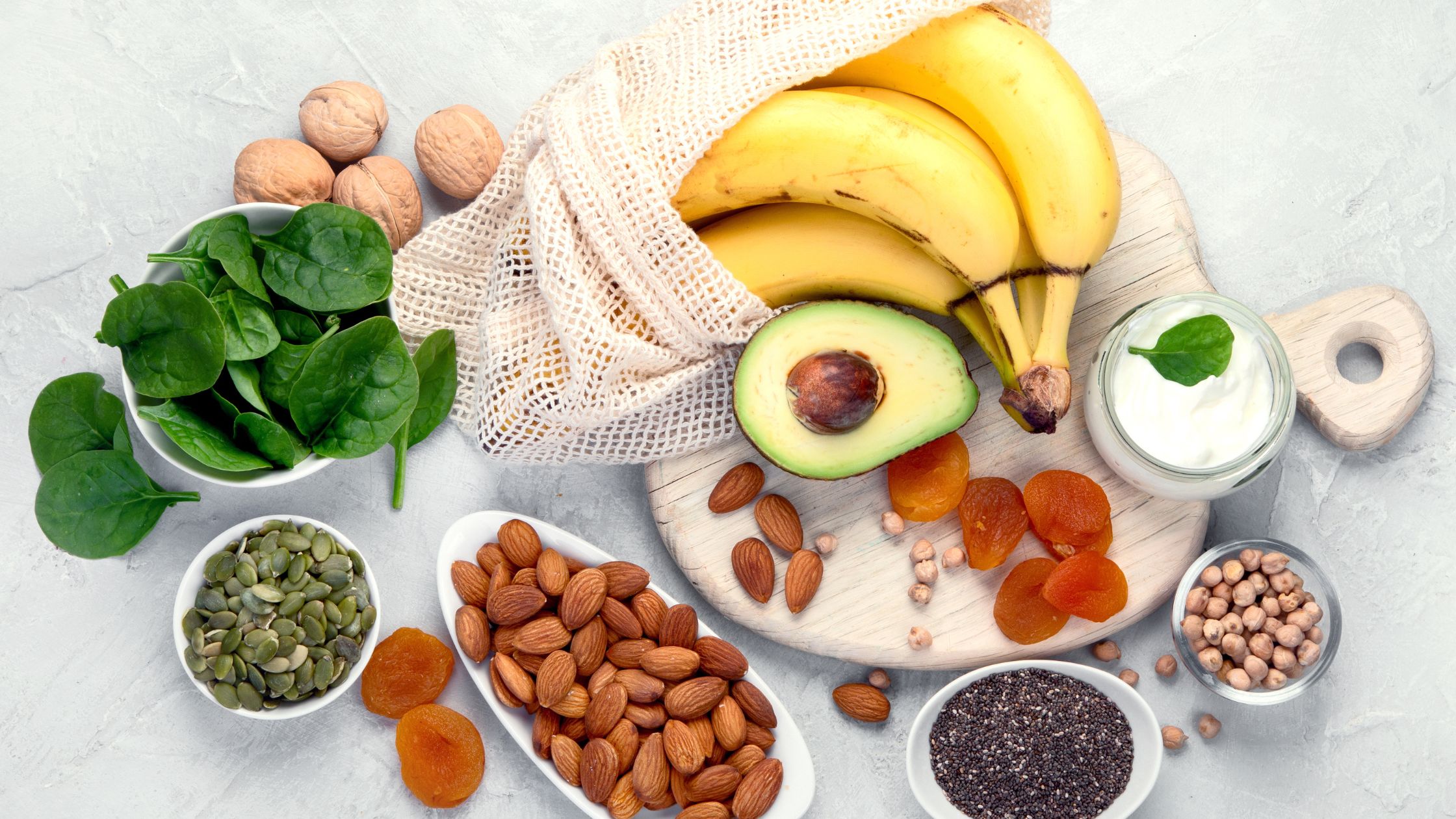
Nutrition and sleep
Holistic health sleep strategies
Detox bath
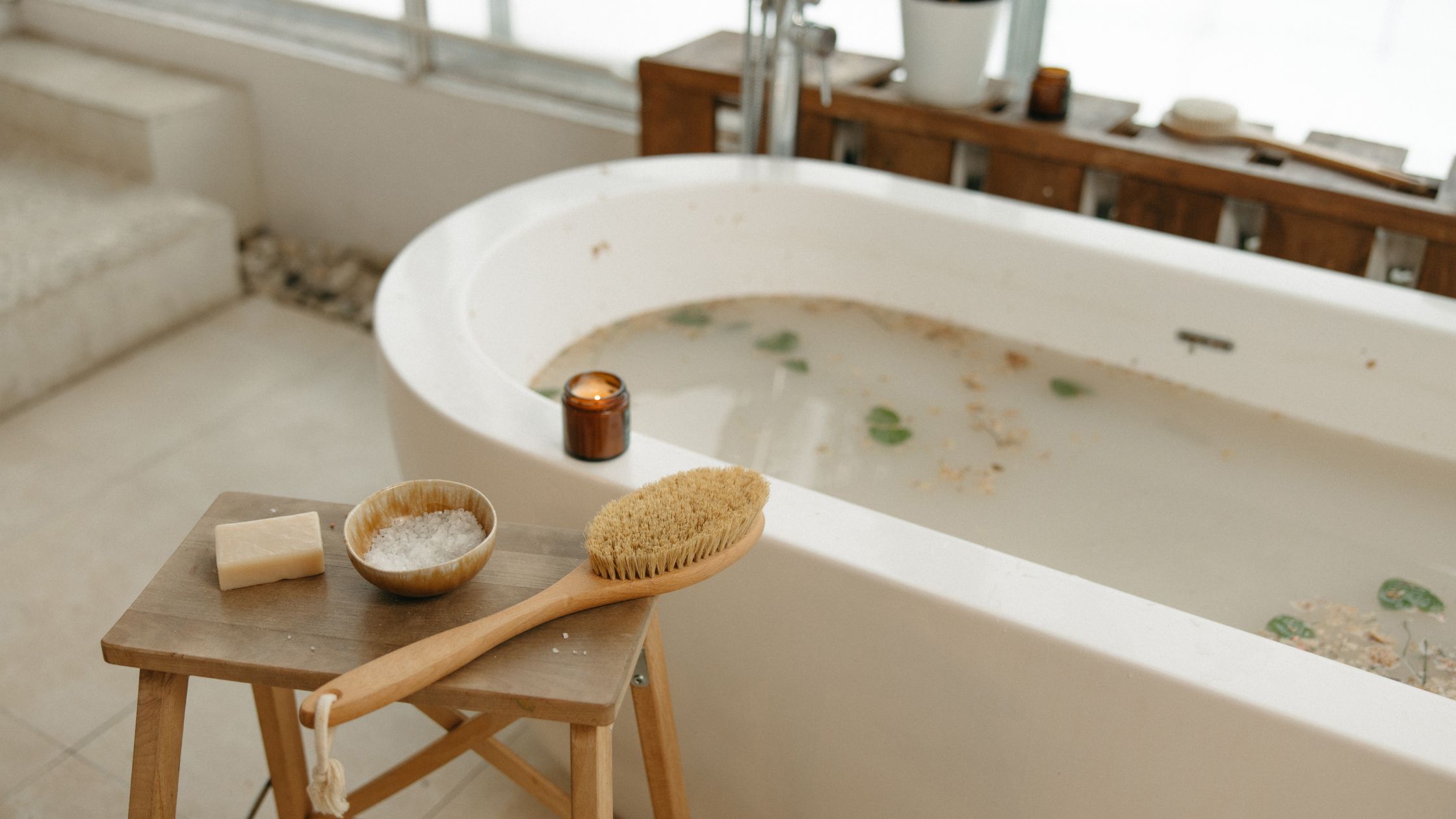
Occasionally we get overwhelmed and overstimulated as we go through our daily lives. This can make it difficult to sleep well at the end of the day. High energy output combined with an inability to refocus the mind often leads to a state of wakeful-seeming. Even though we are tired, we cannot shift our focus and calm down enough to sleep or we do not sleep deeply enough for restorative purposes.
One way to help relax the body and the mind is to take a detox bath. This bath is very soothing for many people and the addition of calming essential oils helps to support the transition to restorative sleep.
To make a simple detox bath combine the following ingredients and add them to a tub of hot water:
1 cup epsom salts
1 cup baking soda
3-5 drops of essential oil - choose either lavender, grapefruit, ylang-ylang, cedarwood, or sandalwood (note that lavender is not recommended for males due to its impact on hormones)
Soak for 20 minutes immediately before bedtime. This bath can be repeated up to twice per week.
Caution: Do not use this bath if you have other health conditions that might be severely impacted by immersion in a hot bath.
Avoiding blue light

Blue light is highly stimulating and can interfere with sleep. It is found in electrical devices, phones, game consoles, television, and the computer.
Blue light fasting can be very supportive for those with sleep issues. Start with a 60 minute fast (meaning no exposure) before bedtime. If needed increase this to 90 minutes before bedtime.
For those who are highly sensitive to blue light it may be necessary to block blue light earlier in the day using a lighter filter lens and then shift to a darker filter lens before bedtime.
While this does require the use of two different pair of glasses, having a two step system, such as blue light blockers, provides the graduated blocking filter that is more supportive for removing blue light and more conducive to good sleep.

Auld Lang Syne
Should auld acquaintance be forgot,
And never brought to mind?
Should auld acquaintance be forgot,
And auld lang syne? - Robert Burns
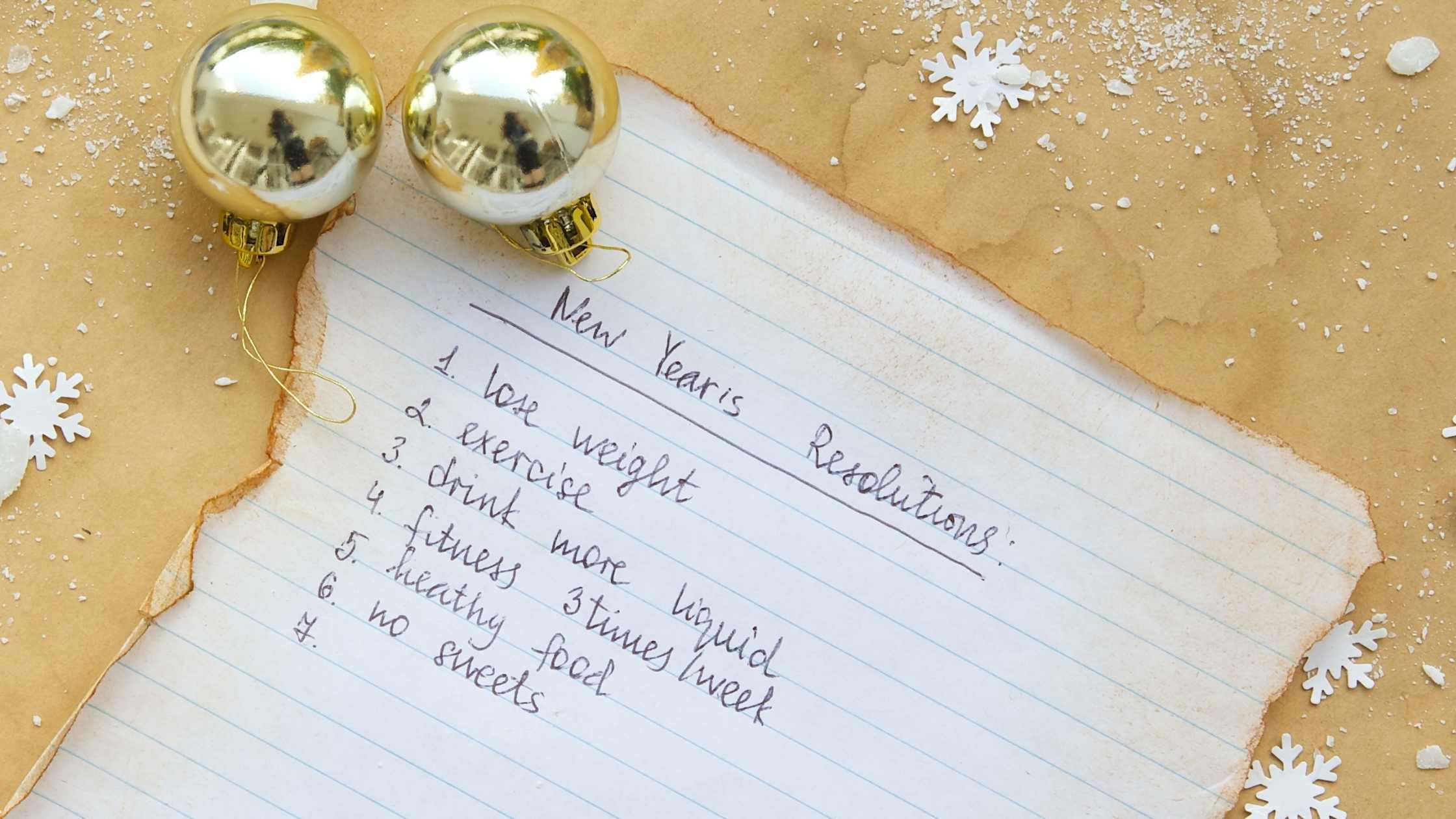
Auld lang syne, times gone by. As the New Year fast approaches many of us think back on the year that has been and, of course, eagerly await the year to be.

- Adding a gratitude practice to your day - writing down five things a day that you are grateful for
- Choosing to leave five minutes early for appointments to reduce stress
- Planning to turn off or not answer the phone the first 15 minutes after you arrive home from work to give yourself some decompression time
- Deciding that at least one day a week you will set a beautiful table for yourself and your family to eat dinner at
- Choosing to eat one more piece of fruit or vegetable a day than you normally do
- Drinking one (or one more) glass of water every day if you, like most people, don't drink enough
Maple Syrup: How Is It Made, Grades, & Oat Pie Recipe
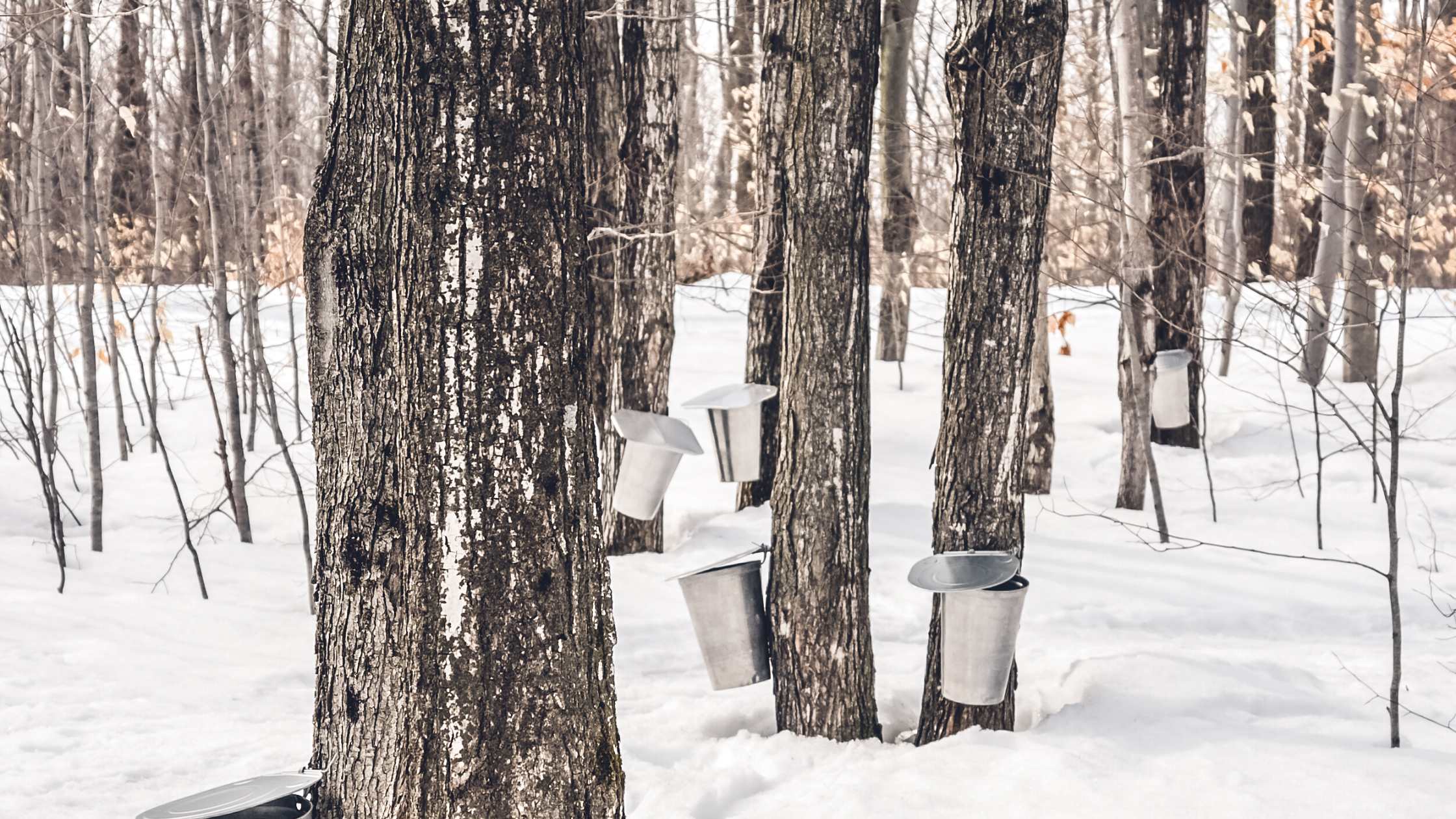
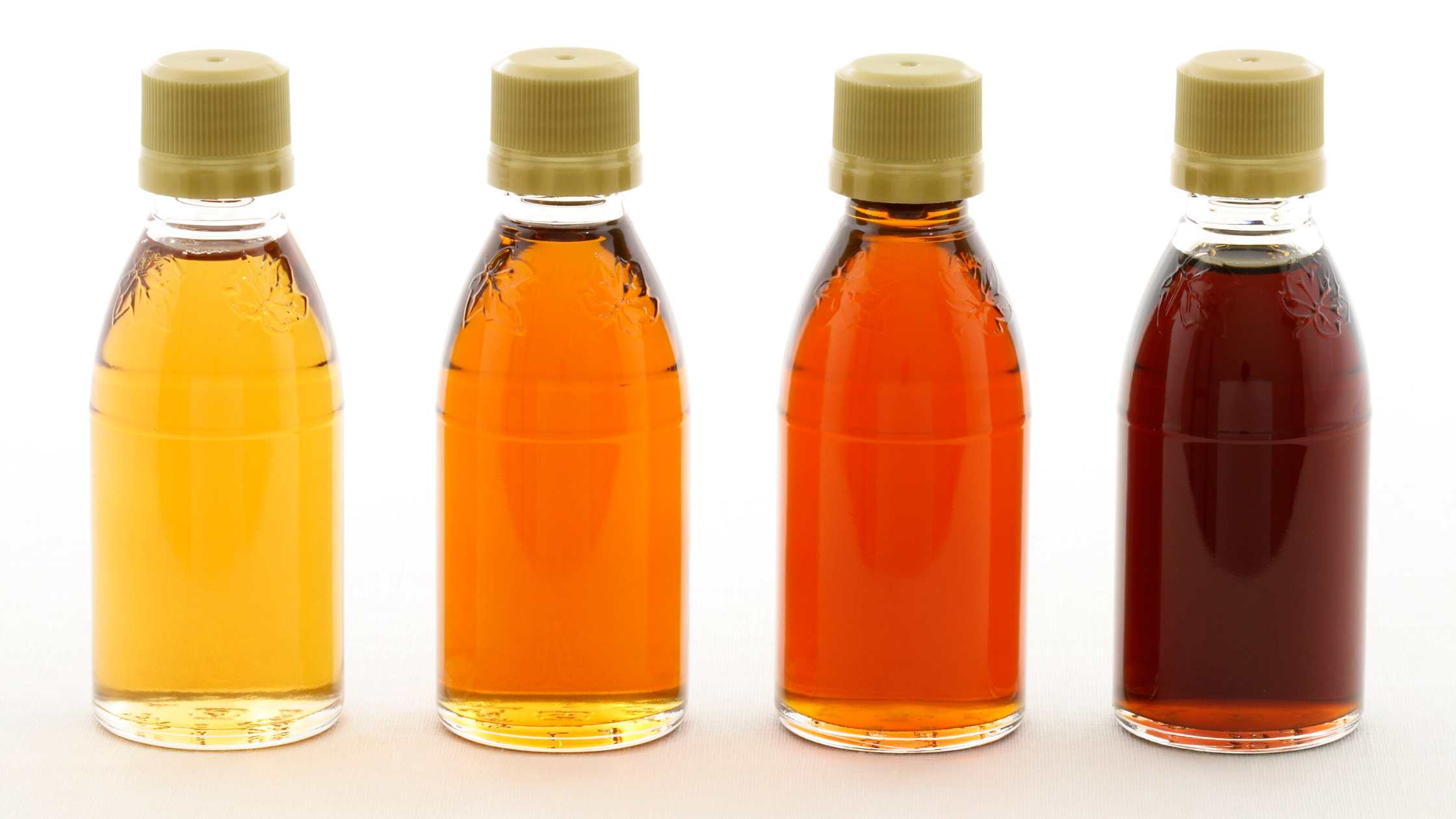
Recently at the grocery store, I overheard a conversation. The couple standing in the middle of the aisle were looking for Grade B maple syrup and couldn't find it. They also were wondering what the heck the difference was between Grade A and Grade B.
About Maple Syrup
Grades of Maple Syrup
Sweetening with Syrup

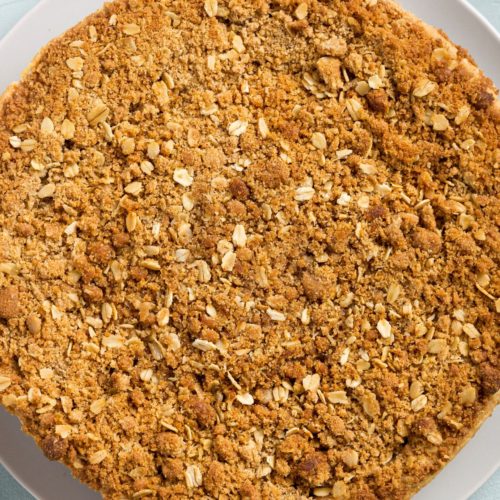
Maple Oat Pie
Ingredients
- 1 cup organic cane juice crystals
- 1 cup organic butter
- 3 eggs
- 1 cup grade A maple syrup
- 1 cup gluten free old fashioned oats
- 2 teaspoons vanilla
- pinch of sea salt
- 1 cup crushed walnuts
Instructions
- Preheat over to 325°F
- Cream together sugar and butter
- Add eggs one at a time
- Add remaining ingredients
- Pour mixture into unbaked 9" gluten free pie crust
- Bake for 10 minutes
- Reduce heat to 300°F and bake another 45 minutes or until set
Hanukkah
Hanukkah is a wonderful holiday in our family. We love the traditions associated with it, the story, the songs, lighting the menorah, and, of course, all the latkes you can eat. The tradition is that you eat fried foods with jelly doughnuts (sufghaniot) and potato pancakes (latkes) being the top choices.
Sugar Notes
Following up on yesterday's post, I received a number of questions about different types of sugar. Rather than getting into a discussion of all the different types of sugar out there I recommend that you check this google link for the particular sugar that you are interested in.
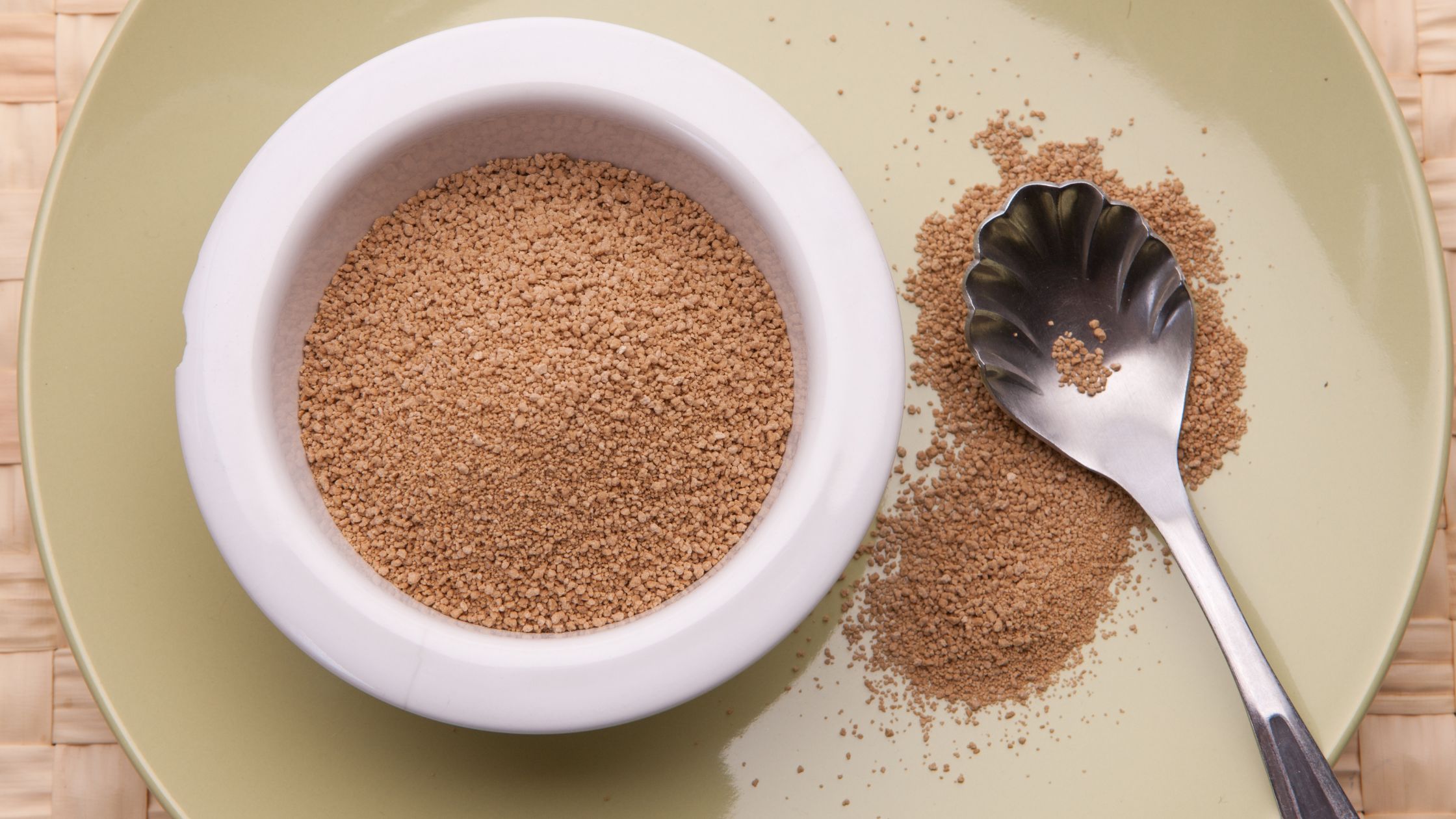
Sugar
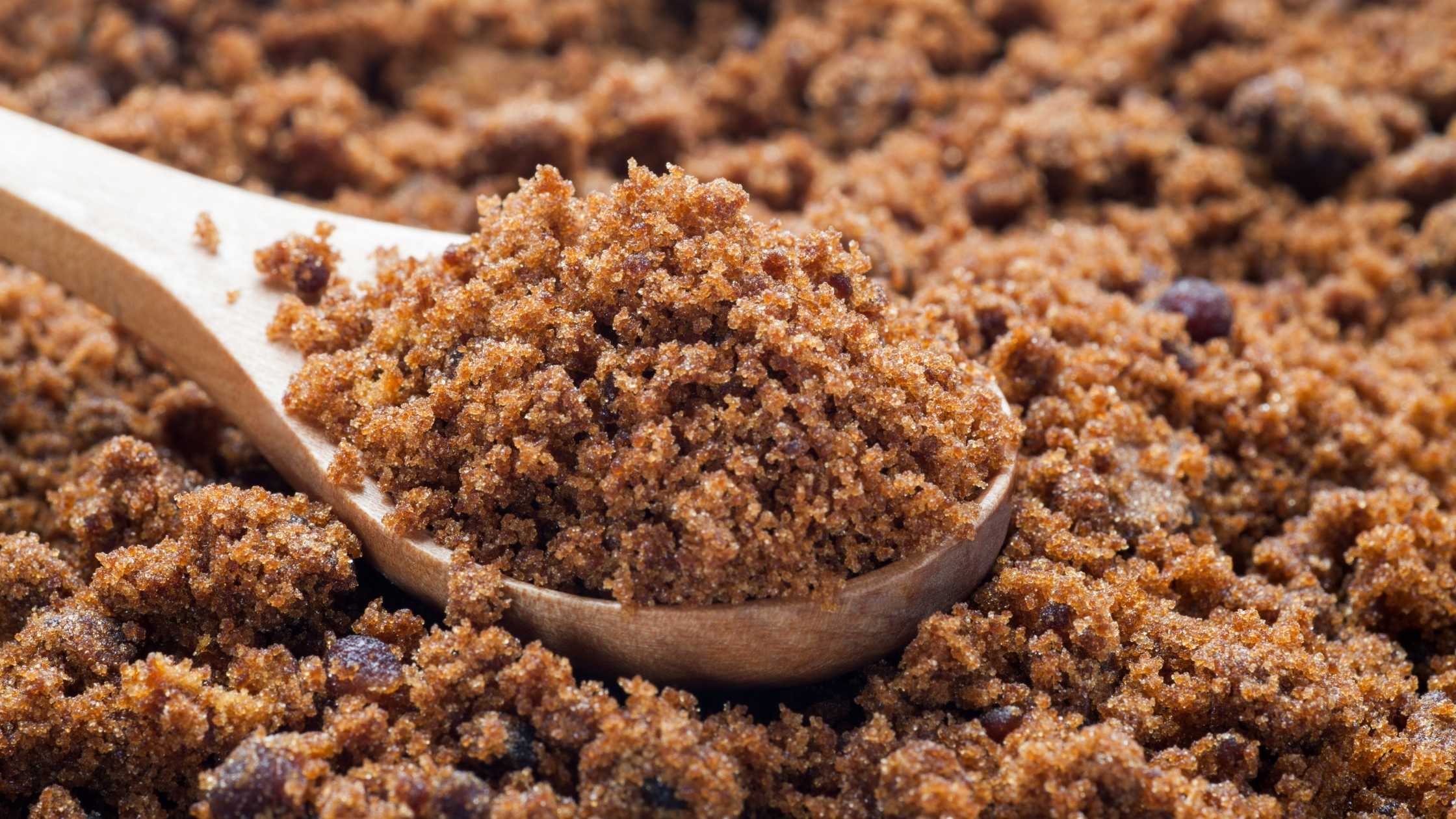
Brown Sugar
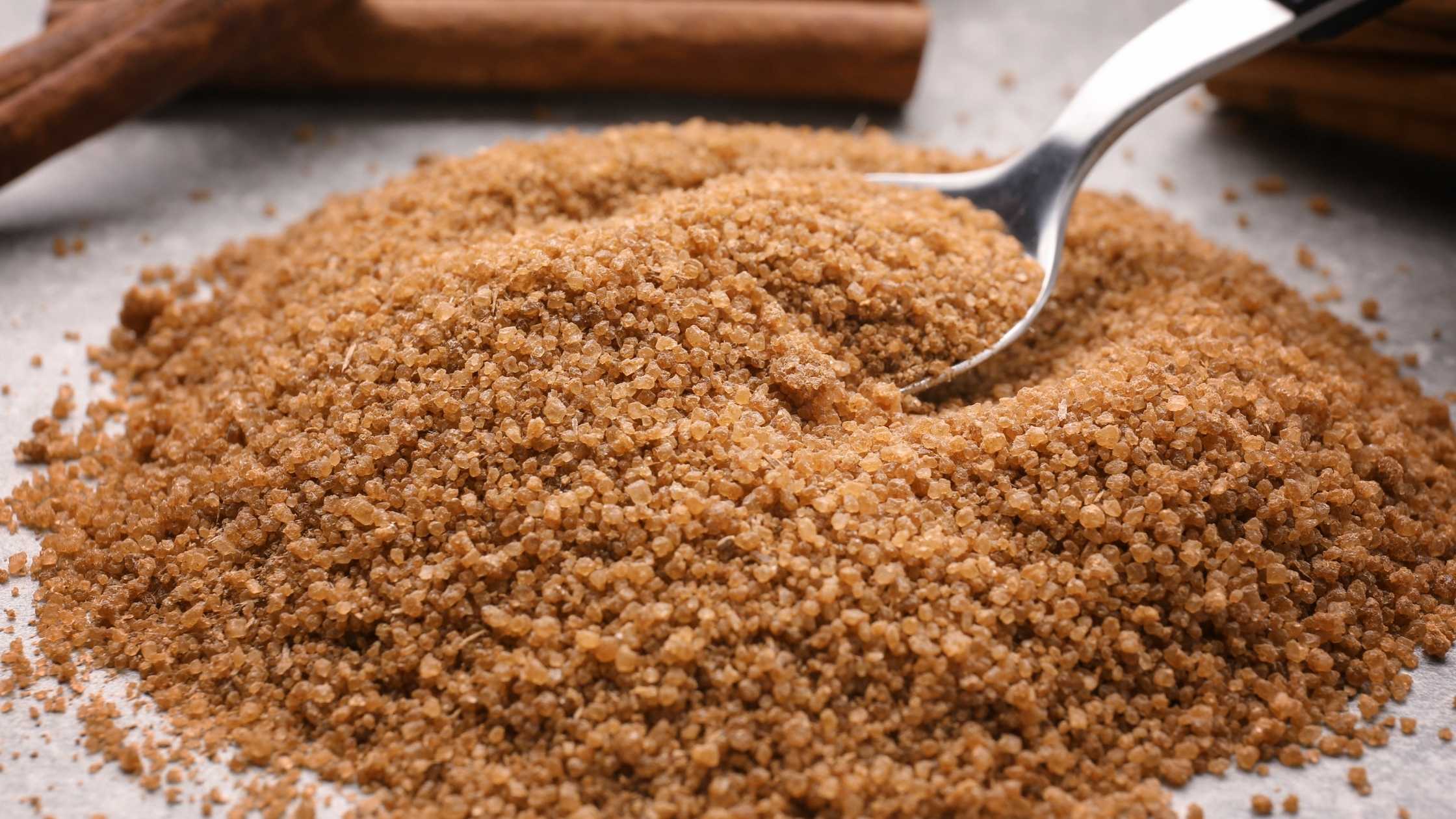
Cinnamon Sugar
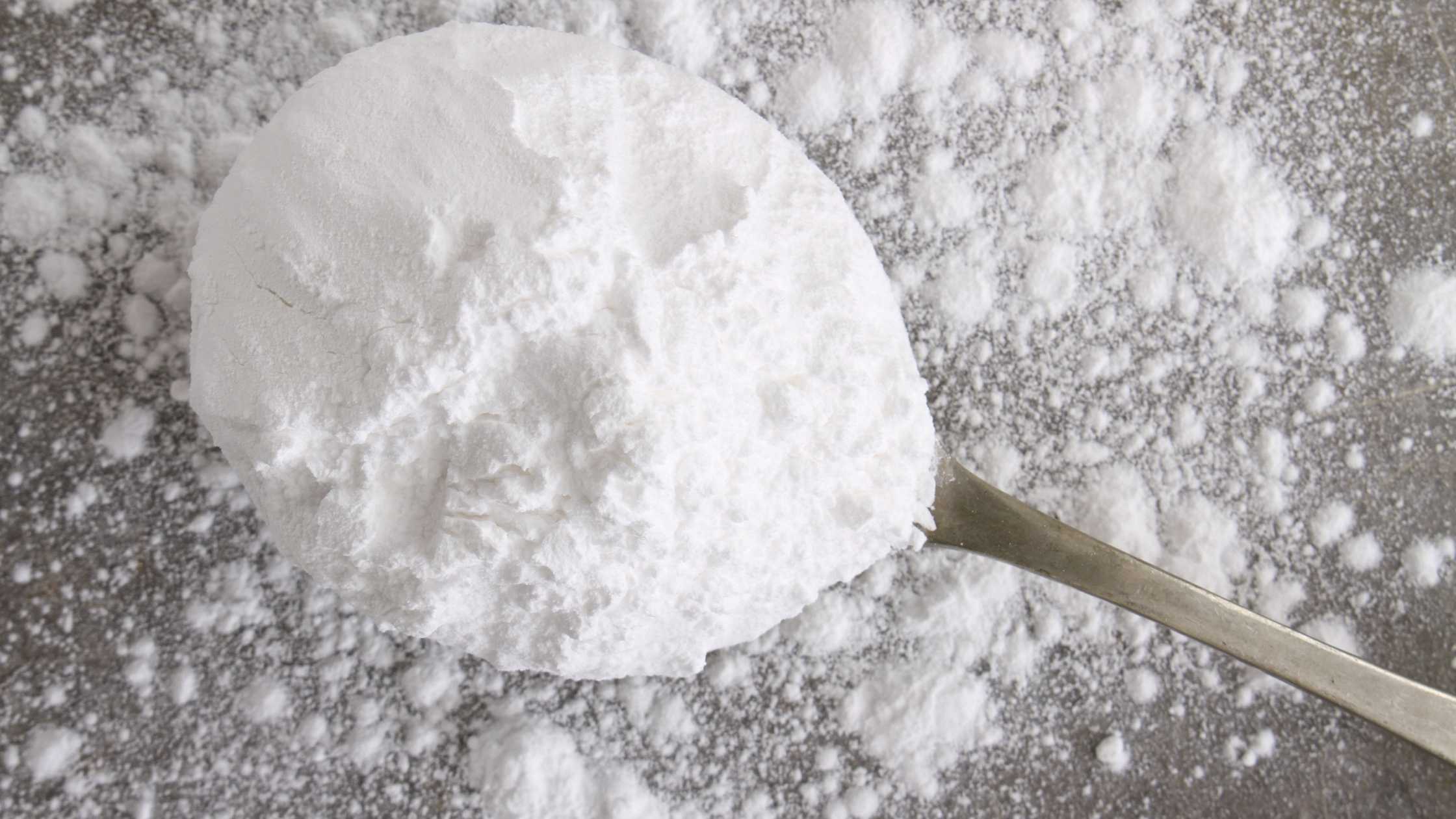
Confectioner's Sugar
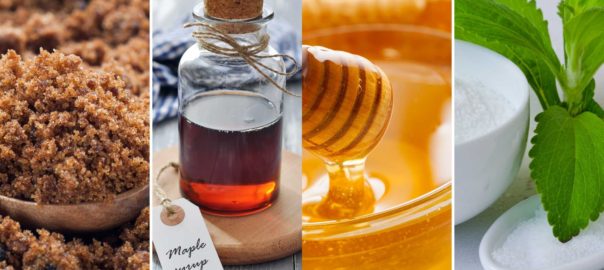
Other substitutions that may prove helpful are:
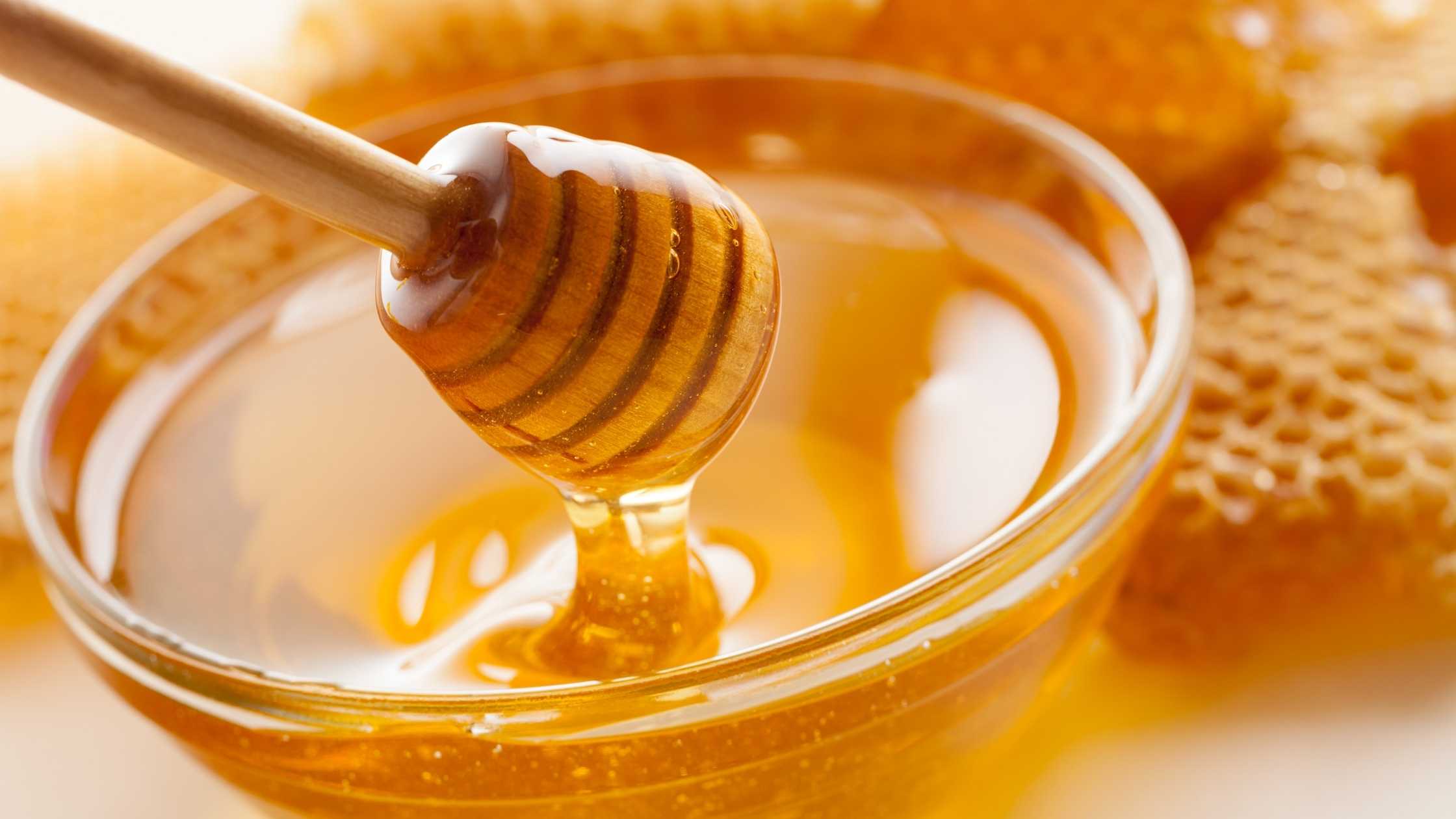
Honey
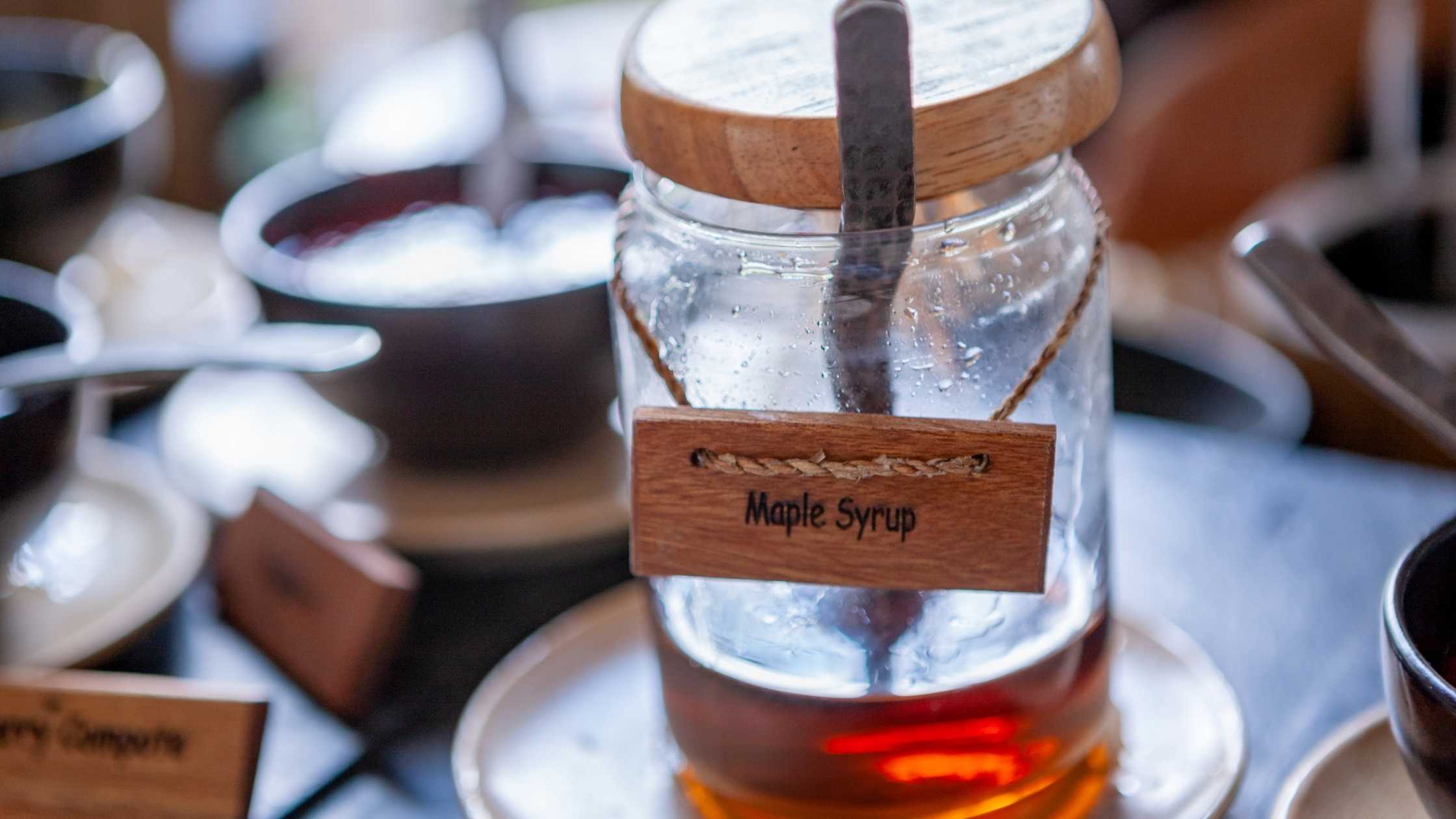
Maple Syrup
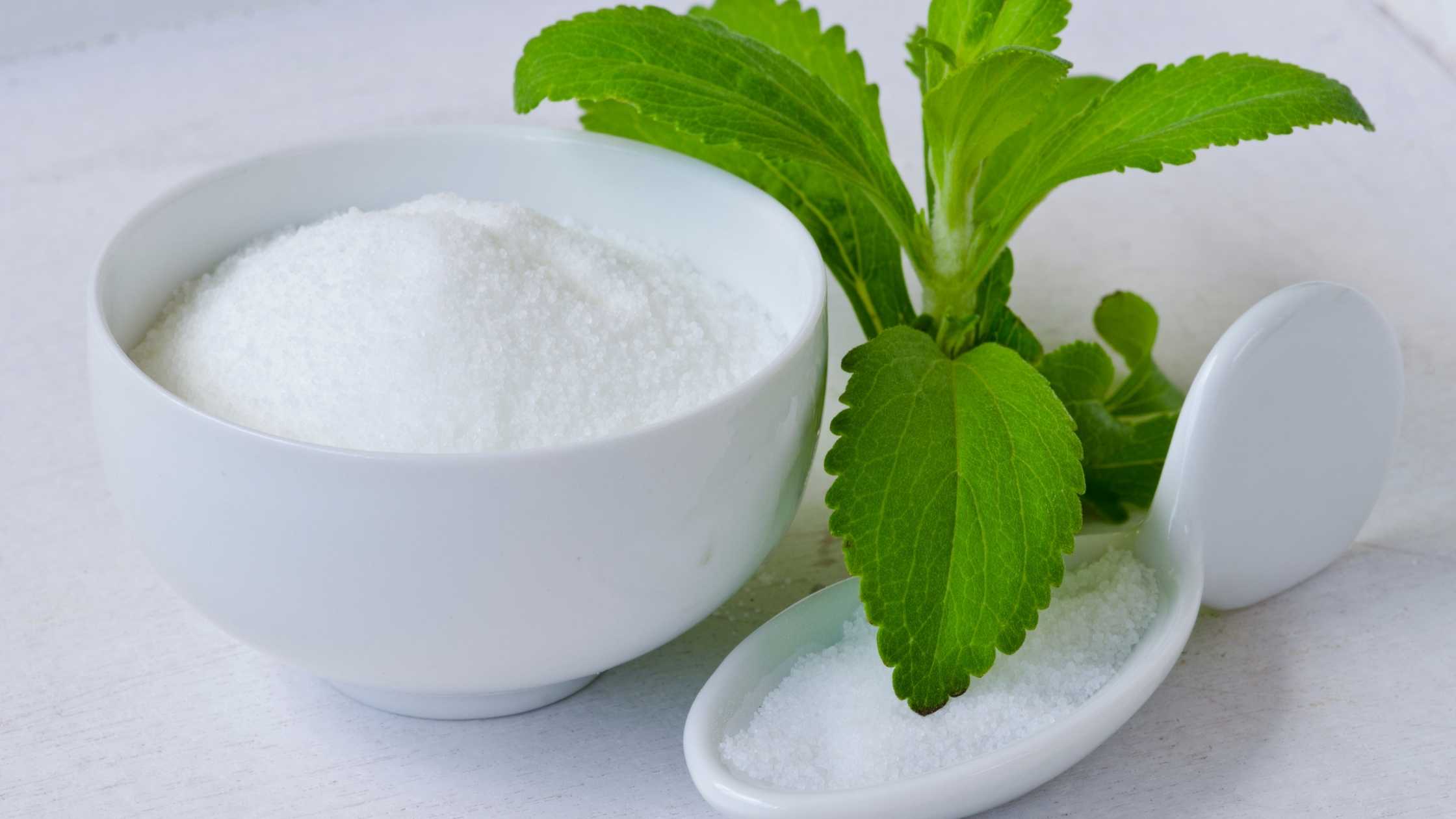
Finally the non-caloric sweeteners:
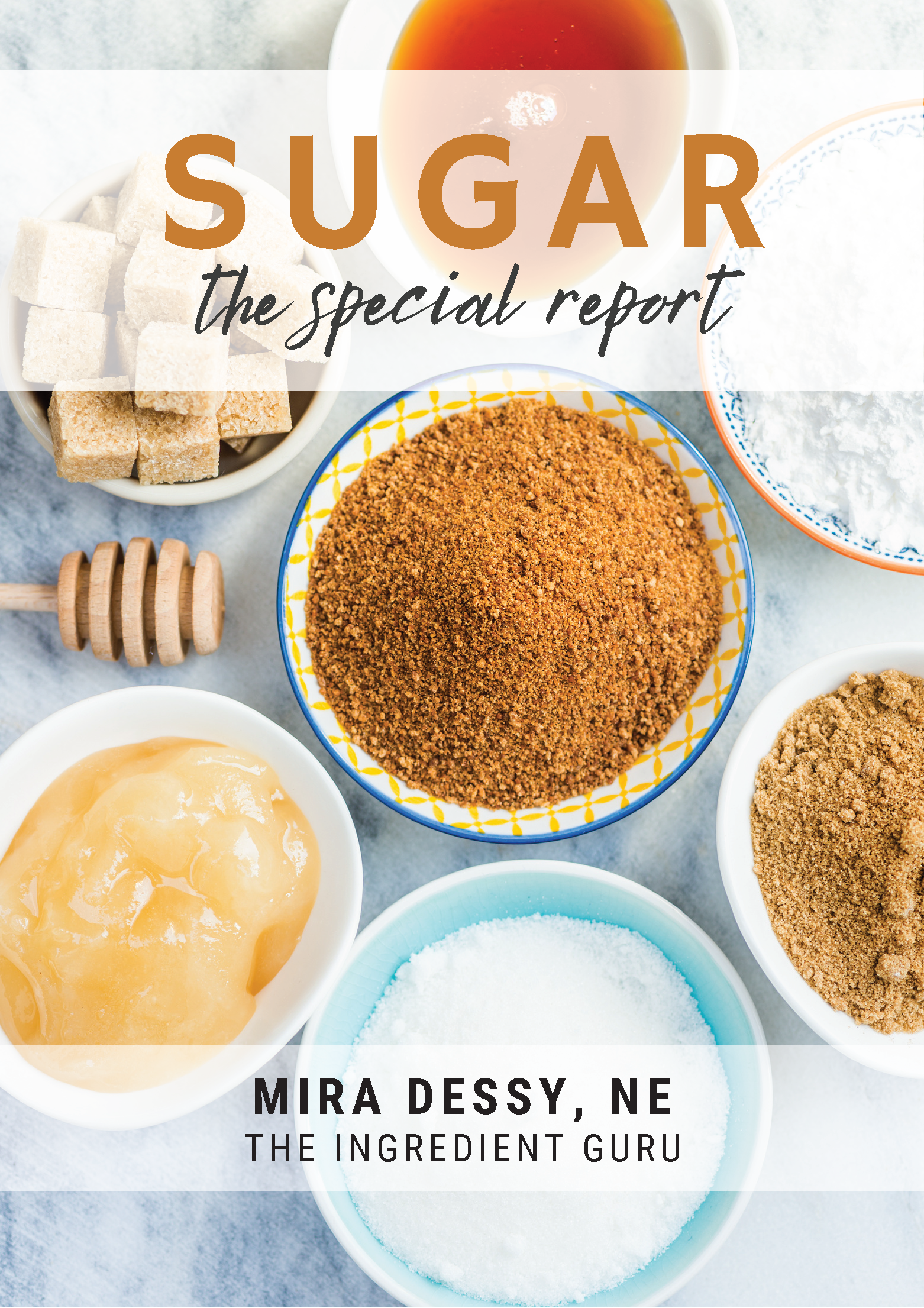
Learn More on Sugar: The Special Report 
Dive into the eye-opening world of sugar with "Sugar: The Special Report". Discover the hidden dangers of excessive sugar and other sweeteners lurking in processed foods. Gain insights into the health impacts of sugar on chronic diseases and uncover simple steps to make healthier choices.
Whether you're looking to improve your diet or better understand the effects of sugar on your health, this eBook is a must-read. Get your copy now and take control of your sugar intake for a healthier, happier life!
My Thoughts On Sucanat Vs. White Sugar
I just received an email from my friend Helene:
"I recently read that 'Rapadura is just Sucanat made by another company. Then there is Florida Crystals. All three the same thing, they are all processed sugars. The difference between them and regular super-market sugar is that they have not been bleached. All four are identical nutritionally.' What are your thoughts?"
So here goes:
Nutritional Analysis of Sucanat
My research shows that Sucanat is far less processed than regular white sugar. White sugar goes through so many filterings and then a bleaching process, resulting in no mineral content left—it is pure disaccharide (a form of sucrose made up of fructose and glucose). Sucanat retains more nutrients, as shown below:
- Water: 2.7g
- Calories: 570g
- Carbohydrate: 135g
- Fat: 0g
- Sodium: 0.5mg
- Potassium: 1,125mg
- Vitamin A: 1600IU
- Thiamin (B1): 0.21mg
- Riboflavin (B2): 0.21mg
- Niacin: 0.20mg
- Calcium: 165mg
- Iron: 6.5mg
- Vitamin B6: 0.60mg
- Magnesium: 127mg
- Zinc: 2.3mg
- Copper: 0.3mg
- Pantothenic Acid: 1.8mg
- Chromium: 40mcg
- Phosphorus: 48mg
Source: USDA Handbook of Nutrient Content of Foods
The Benefits of Less Processed Sugars
Any form of sugar provides calories that are easily absorbed by the body. Many people look for the "perfect" sweetener that is sweet but has no impact on the body—this is not possible. White sugar is most easily absorbed by the body and spikes insulin because it is broken down into its simplest form. However, less processed forms like Sucanat retain some mineral content, which slows down the body's response.
My Personal Preference
I personally use Sucanat and find it to be a good sweetener. I have not used white or brown sugar (which is just white sugar with a little molasses added) for years. I also use evaporated cane juice crystals, also known as raw sugar, when the rich flavor of Sucanat would be too overwhelming. I've heard that turbinado sugar is a good substitute for brown sugar because it retains some moisture, unlike demerara or Sucanat. Turbinado is also lower in calories with 11 calories per teaspoon versus 16 calories for white sugar. I also use honey, maple syrup, molasses, and stevia as alternatives.
In conclusion, I have heard that Rapadura and Sucanat are the same thing, but even if they are, they are not the same as white table sugar. Because they are less processed, I believe they are a better choice.
Update
Helene says she's happy to hear this. She uses Sucanat and honey, plus occasionally a splash of stevia in her coffee.