All posts by Mira


About Mira

Mira Dessy is The Ingredient Guru. A holistic nutrition professional, author, and a popular public speaker, she knows that it's not just what you eat, but what's in what you eat. She is the author of The Pantry Principle: how to read the label and understand what’s really in their food. Dessy is a Board Certified Holistic Health Practitioner whose mission is to educate and empower consumers. She curates the Lean Clean Green Subscription box, the premier, organic, earth-friendly, healthy, sustainable subscription box which can be found online at https://theingredientguru.memberbox.com

Realistic Food Budget Tips


With the rising cost of groceries many people are beginning to look more closely at their grocery budget. Unfortunately costs are probably going to continue for a while due to supply chain shortages and reduced resources. 

Although you want to save money on groceries this is not the time to revert to buying poor quality food solely to reduce your costs.  You still want to make sure you are nourishing your body and eating as well as possible.  

The idea of reducing your food budget needs to start with knowing where you are and what you’re actually spending.  You can calculate your family’s current grocery amount using the USDA Official Food Plans: Cost of Food at Home chart.  Once you know what your amount is you can begin to make changes from there.

While you’re working on a food budget, whether this is the first time or something you’ve done regularly, you need to keep it realistic. Be mindful of how many people you are feeding as you work to create a sustainable real food budget.


Food Budget Tips

Eating Out Costs

Figuring out how much you are spending on groceries doesn’t just mean what you buy for your pantry.  More than 30% of each food dollar in the United States is spent on eating out. You need to remember that when planning your food budget.  

If you eat out, either getting take-away or sitting in a restaurant, those costs should be part of your food budget.  Some eating out expenses, such as a vacation or trip to visit friend or family, may be more difficult to anticipate, but they should be included in the total.  

Track Your Spending

In the beginning of your planning it’s helpful to know what you’re typically spending your food dollars on.  Was it snacks, highly processed foods, or convenience foods.  It seems counterintuitive but real food can be a good buy.  That’s because it has higher nutrient density and you’re likely to be satisfied faster when you eat real food versus processed foods.  

As an example, a bagel or muffin and a cup of coffee seems like it’s not that expensive.  It’s also not nourishing.  When you eat a high carb, over processed breakfast this can spike blood sugar and you’ll find yourself feeling hungry mid-morning for a snack of some time.  When you have a real food breakfast you’re getting protein, healthy fats, and more nutrition.  You’re more likely to be able to make it through your morning until it’s time for lunch. This is not only better for your nutrition, it’s better for your budget as you’re not spending money on snacks. 

Meal Planning
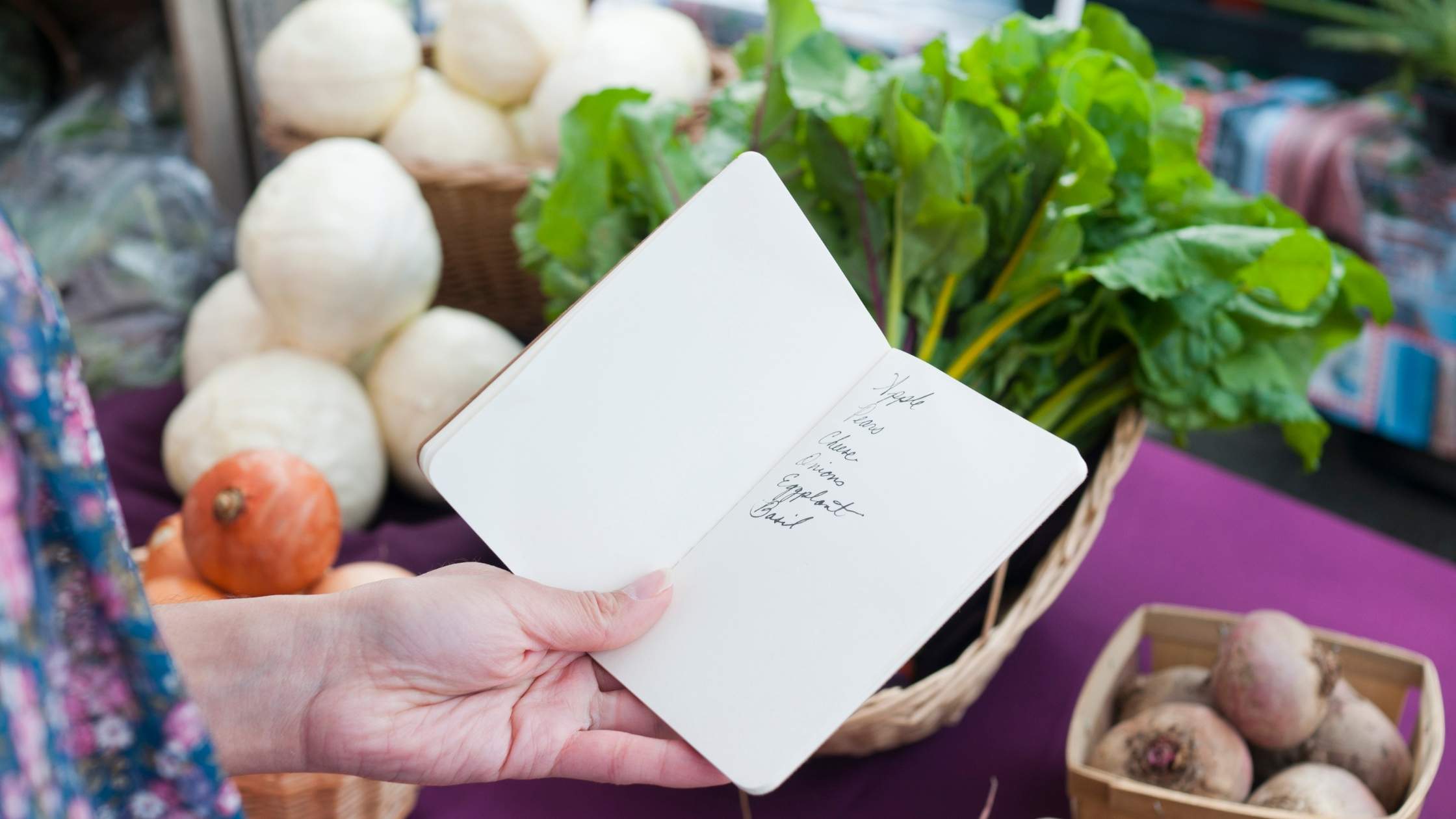
One of the biggest ways to save money on groceries is to know what you’re going to eat.  Meal planning is really useful when it comes to making seasonal, inexpensive, real food meals.  Having a plan for shopping and cooking, and sticking to it, will help you get a handle on your food budget. 

As part of your meal planning look at doing some kitchen DIY.  There’s a great book, Make The Bread, Buy The Butter, that breaks down what’s worth it and what’s not when it comes to making things from scratch.  

One thing that can be a great way to save money is making your own bone broth, condiments, and salad dressings.  When you stop to consider the cost of the prepared items at the grocery store and the pennies it costs to make it at home, all of a sudden it makes sense to take the time to do it yourself. 

Consider making meals that you can cook once and eat again is a great way to save money. Simple yet nourishing and delicious foods are a great way to feed your family and manage your grocery budget.  Chili, soup, and stew are great choices for this strategy.  I’m also a big fan of what I call sequential eating — creatively using leftovers to make another meal.  When you meal plan it becomes easy to know what you’re going to make next with your leftovers. 


Shopping Tips


Farmer’s Markets
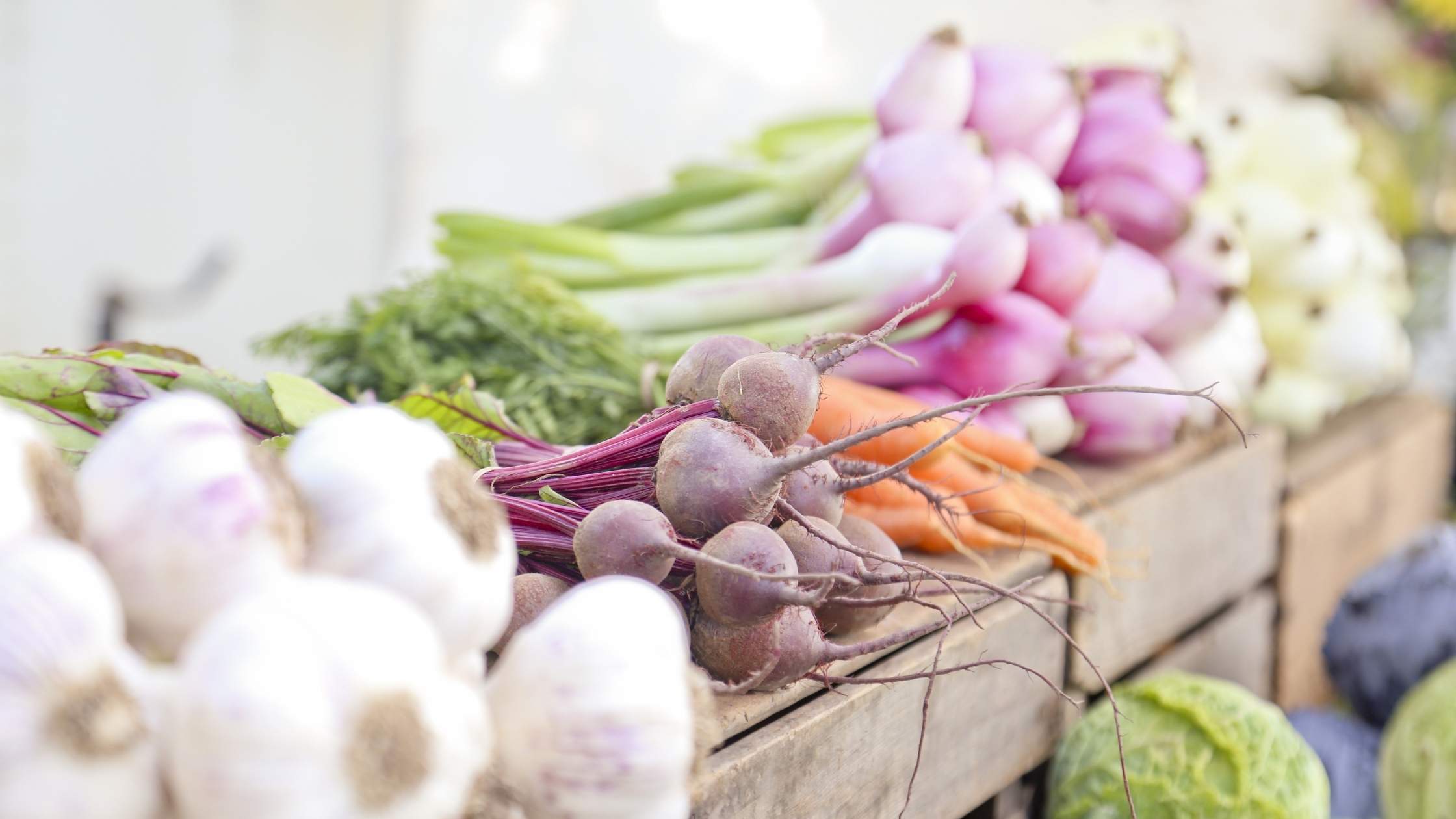
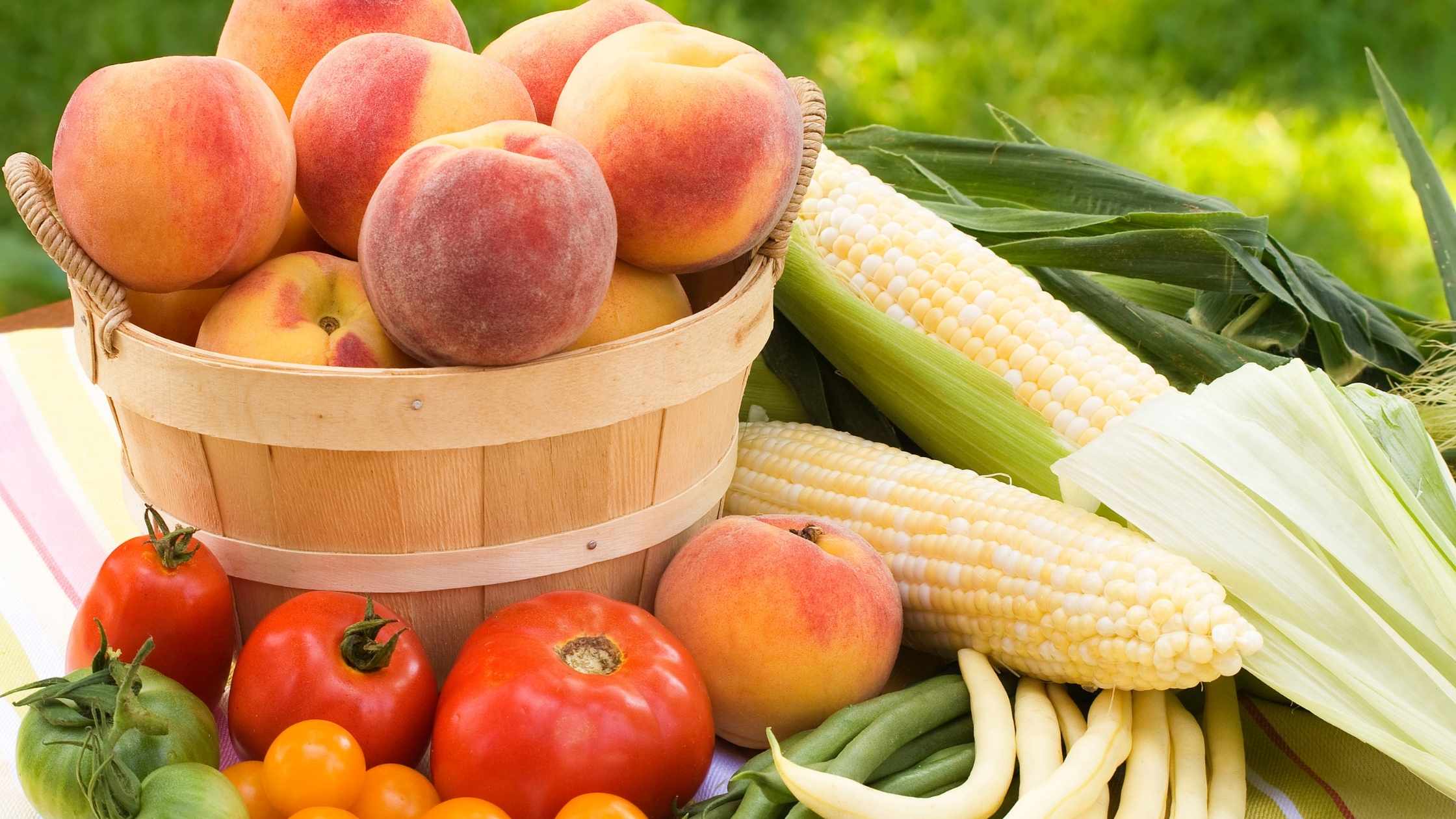
Buying fresh foods, produce, eggs, dairy, and sometimes meat, from a farmer’s market can be another way to get better quality food.  This tip may or may not be less expensive than the grocery store however you’re getting truly fresh food and you’re supporting your local farmers.  If you buy a large amount of fresh produce from the farmer’s market you can freeze it and have seasonally fresh food out of season.  

The Convenience Factor

The grocery store and food producers thrive off charging a hefty price to do things for you.  Think about if you really need it and/or the convenience it offers.  Or can you make it yourself.  Pre-shredded cheese for example or pre-cut vegetables are a premium price at the grocery store.  You can easily buy a block of cheese or a bunch of vegetables shred/cut it yourself for a big grocery savings. 

Get the Biggest Bang For Your Grocery Buck
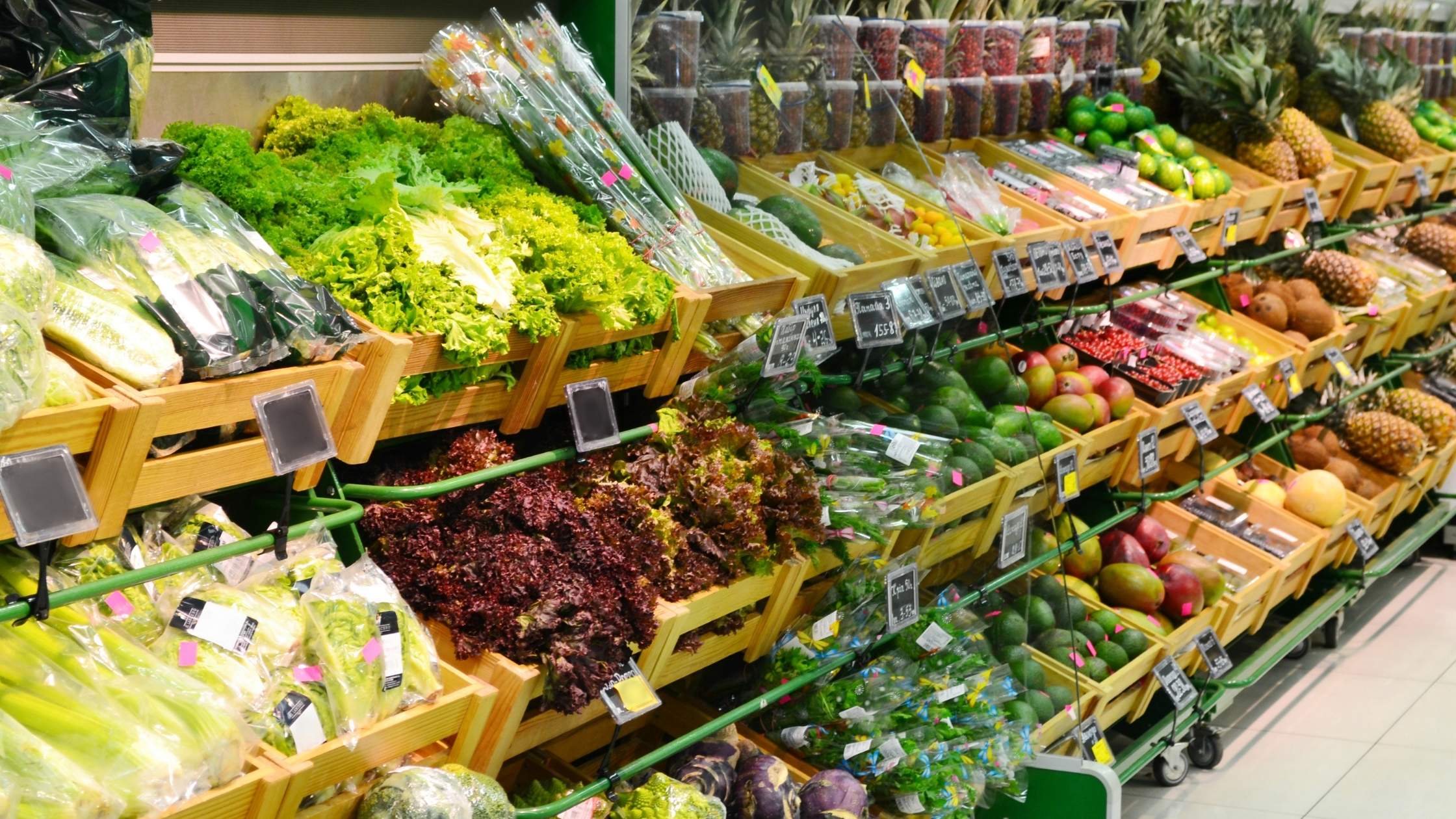
If you're going to buy organic fruits and vegetables get the ones that really matter, the dirty dozen. Those are the twelve fruits and vegetables that are most likely to be contaminated by pesticides.  The grocery store would love to convince you that you need to buy everything organic but that’s not necessarily true.  If budget is a factor save your money by not purchasing those organic bananas and buy organic strawberries instead.

Buy Organic Dairy
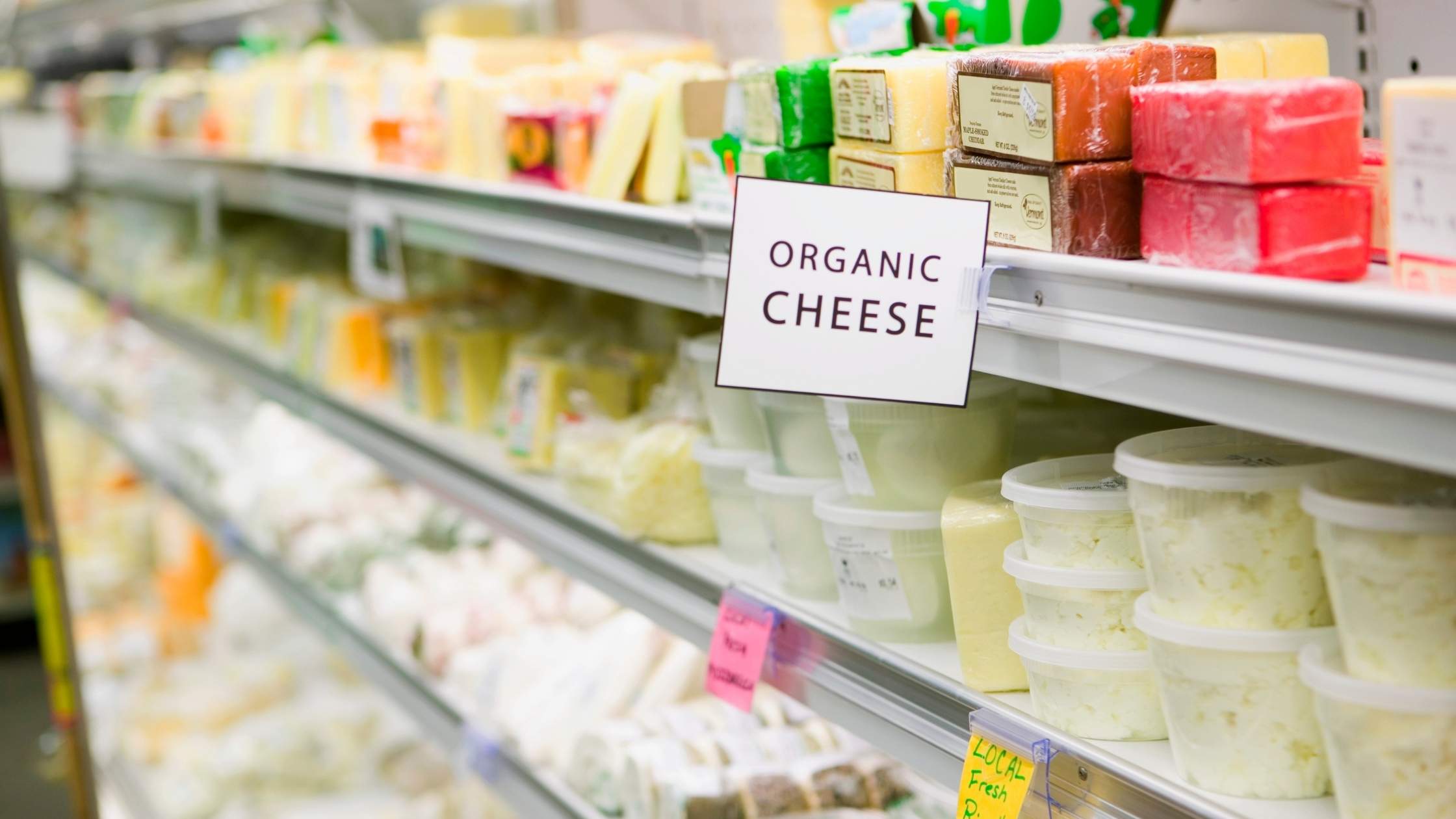
From a health perspective I truly deeply believe that organic dairy is the way to go.  It has no added hormones, no antibiotics, and the cows are not fed pesticide-laden grain.  What goes into that cow goes into its milk, so it makes sense to not drink or eat those products by choosing organic dairy.  Having said that, it's not always easy to find or afford 100% organic dairy products, I truly understand that.  If you cannot add organic dairy to your budget it is important that you at least purchase products that are free of rBGH.  This hormone was created to make cows give more milk.  But it doesn't go away just because the cow has been milked.  So we consume it right along with the cheese or yogurt or whatever dairy product we are eating.  Check out the RGBH Free Dairy list and see how your brand stacks up.

Buy More Whole Foods
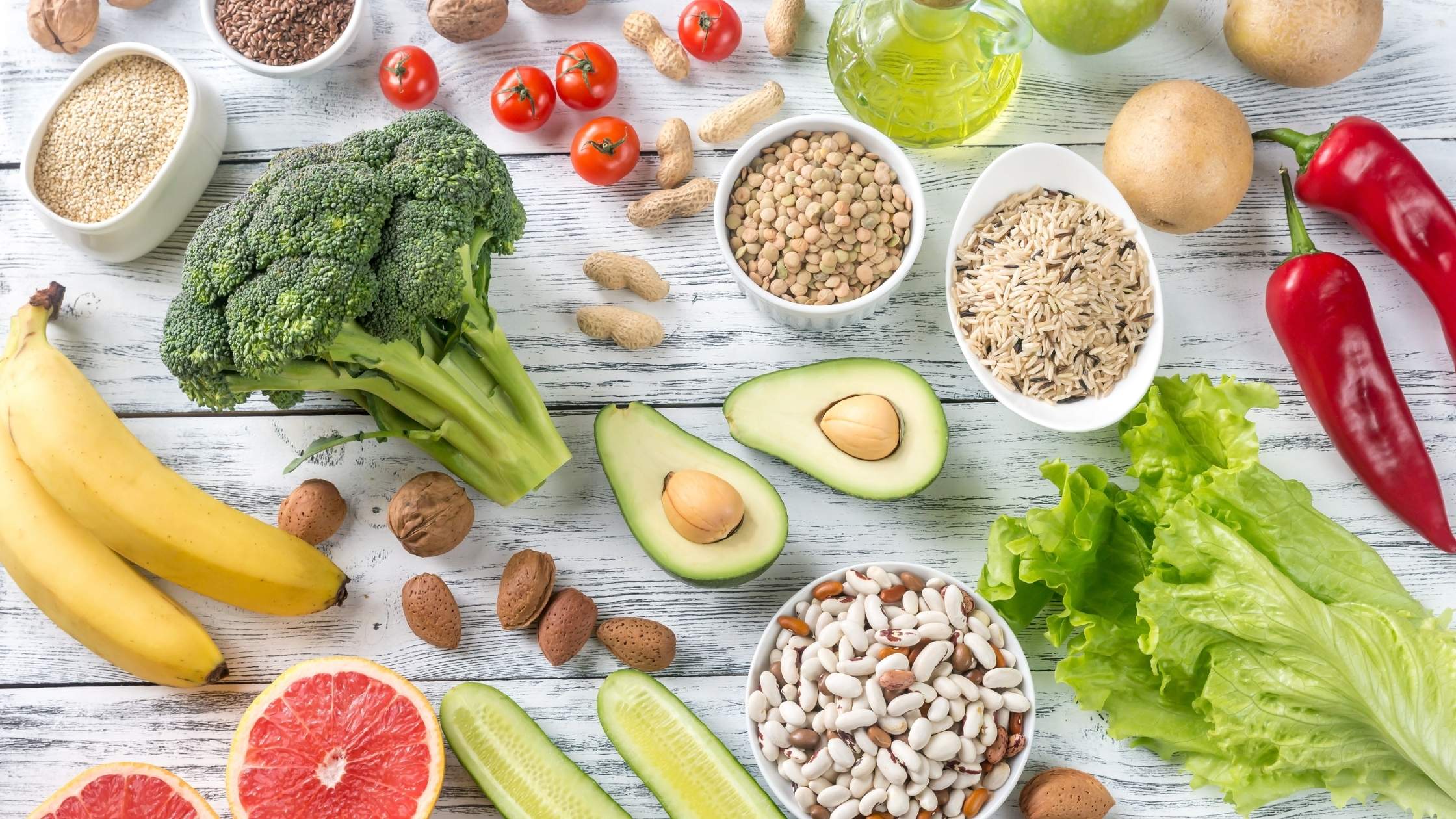
Yes those organic apples may seem more expensive.  But how much is that applesauce?  And how much more applesauce can you eat than whole apples?  Orange juice?  Did you know that there is an average of four oranges in one eight ounce glass of juice?  That glass goes down pretty easy but I think most people won't sit there and eat four oranges in one sitting.  On average the more whole foods you buy the more nutrient dense your dietary intake.  Overall this should equate to less money spent at the grocery store.

Eat Less Meat

Somehow we have become convinced that we NEED meat and we have to serve it at almost every meal.  Nothing could be further from the truth.  Most Americans eat far too much meat.  We could stand to eat more beans and other legumes which are a great source of protein with less environmental impact and far less expensive.  A package of lentils costs less than a dollar at my local grocery store and makes five cups cooked.  That's a LOT of lentils and a lot of protein.

Waste Less
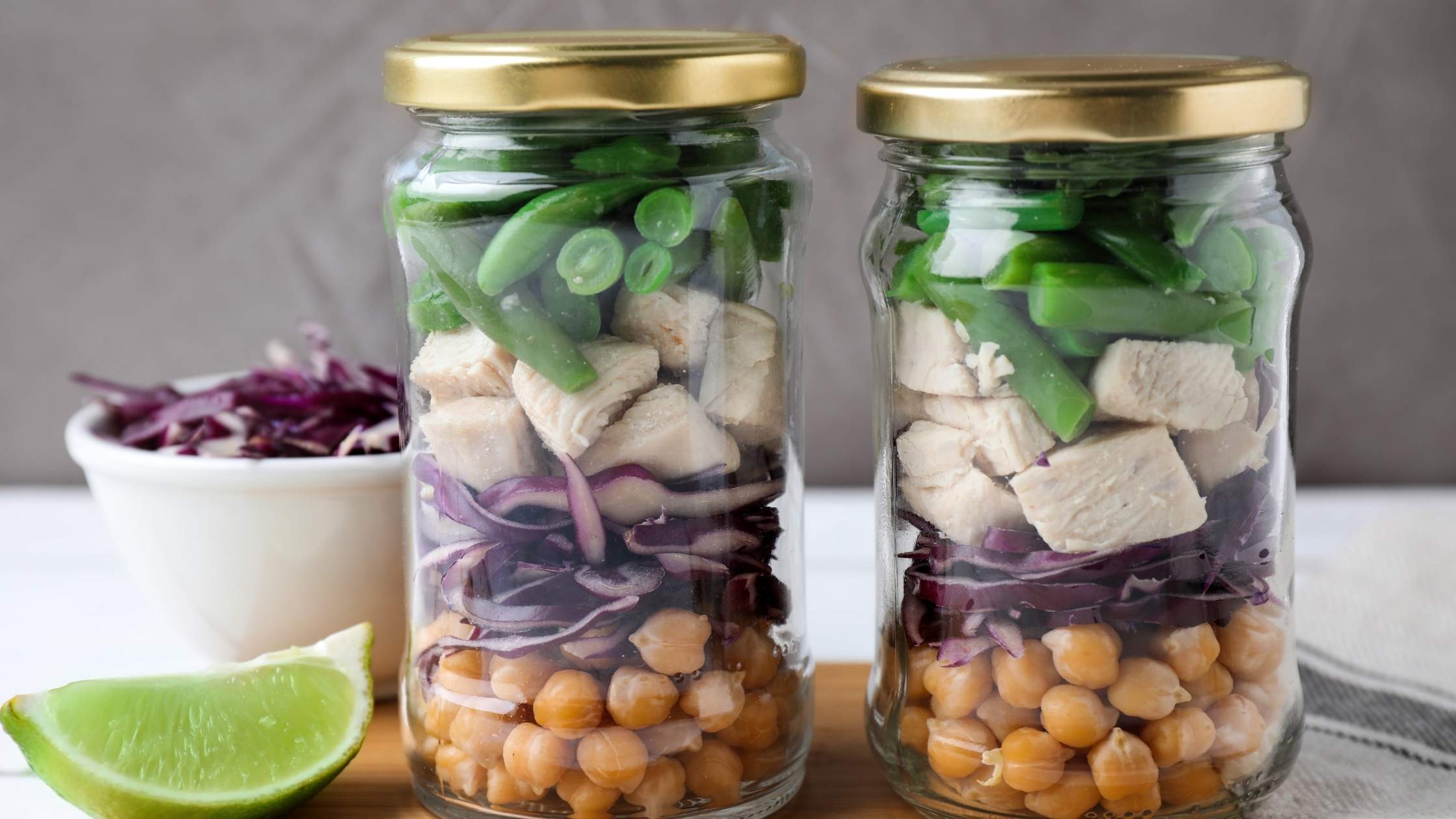
Reducing your food waste is probably the biggest money saver out there.  According to the USDA more than one third of the food that is grown is wasted.  Some resources put that at more than $1,800 per family per year.  That’s a lot of money and lot of food.  Stop for a moment and think about how much food you may have thrown out in the last week, two weeks, a month?  That's all food that you paid for.  You probably even cooked it, increasing its value more as you spent time and energy to create the dish which rotted in the back of the fridge before being sent to the landfill.   Planning and being more mindful can help you avoid food waste.  

Be Mindful
Remember that not every budget will be the same.  Food costs vary widely across the country.  They also tend to fluctuate with the seasons and availability of certain foods.  Then there’s the issue of how many people you are feeding and what their dietary needs are (if there’s a special dietary requirement). Before you begin to look at your food budget, you need to consider all of these things. 

Remember also that creating a budget is just one step.  Budgets can and do change depending on changes in your family system, income changes, if you are traveling, etc.  Once you’ve learned to create a food budget that works for you I encourage you to revisit it at least a couple of times a year to see how you’re doing and if you need to make any additional changes. 

Finally, it’s important to remember that if you are making changes to your eating habits and to your grocery budget, you need to make shift gradually and sustainably.  Change does not happen overnight.  In order to be successful with the changes you are making you want to shift one thing at a time.  Once you’ve mastered on change you can make another.  Over time you will find that you’re continuing to improve your grocery shopping habits.

[expand title="Sources"]

"Over A Third Of The U.S. Food Dollar Is Spent On Eating-Out Services". Ers.Usda.Gov, 2021, https://www.ers.usda.gov/data-products/chart-gallery/gallery/chart-detail/?chartId=58354. 

"Food Loss And Waste". Usda.Gov, 2021, https://www.usda.gov/foodlossandwaste.  

"Food Waste In America In 2021: Statistics & Facts | RTS". Recycle Track Systems, 2021, https://www.rts.com/resources/guides/food-waste-america/.

State, Chuck. "The Average American Household Wastes $1,866 Of Food Per Year - Futurity". Futurity, 2020, https://www.futurity.org/food-waste-united-states-sustainability-consumers/. 

[/expand]


Related articles:
Healthy Budget-Friendly Ideas For When You Hate To Cook
Clean Eating On A Budget 

Clean Eating On A Budget

These days a lot more people are paying attention to what’s in what they eat.  That’s a great choice because it means avoiding a lot of negative ingredients in your food.  I’m talking things like artificial colors, artificial flavors, MSG, high fructose corn syrup, and a whole bunch of other ingredients that provide absolutely no nutrition whatsoever.  

But while people are paying attention to what’s in what they eat, they’re also paying attention to their grocery bills.  Because the cost of food is going up quite sharply.  

You might think that clean eating and budgeting on your groceries don’t go together.  But actually they can.  If you’re focused on nourishing your body you’re going to want to avoid the packaged and processed foods.  You’ll be making real food choices instead.  I’m here to tell you it is possible to do that while also being budget minded when it comes to your groceries. 


The Perimeter

When shopping at the grocery store many clients tell me they only shop the perimeter because that’s “the safest.”  You might think that but unfortunately, grocery stores and food producers know that’s what’s on your mind.  And they’ve got some tricks in store for you.  Learning how to navigate the perimeter of the grocery store will help you know how to make healthy, budget-friendly choices.  


Avoid Processed and Packaged Food 

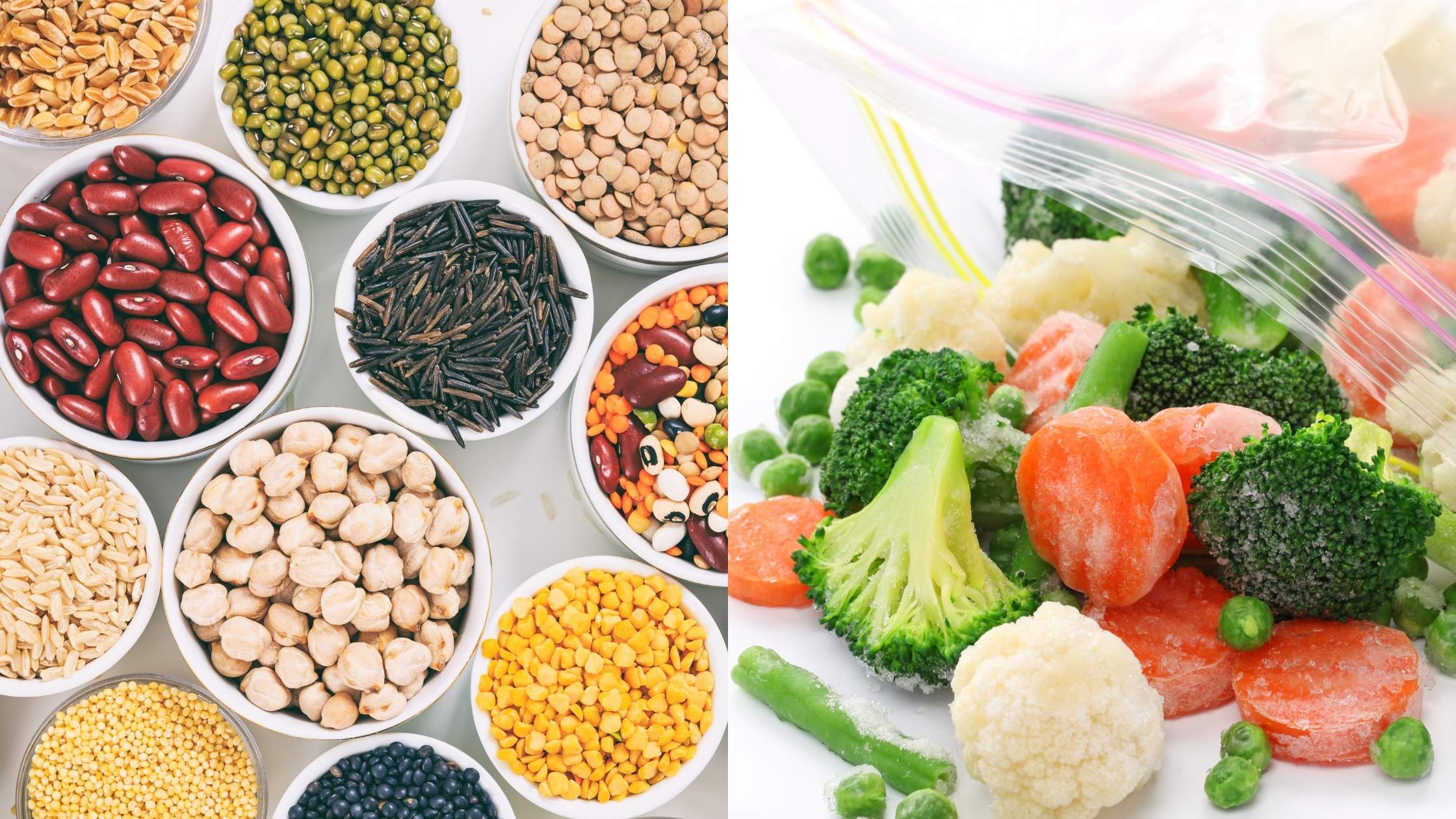
By now you’ve probably figured out that clean eating means mostly whole foods the are not highly processed or packaged.  But you may also think that whole foods mean vegetables or meat.  That’s very true, but you’re forgetting that beans or lentils and quinoa or rice are also whole foods.  Single ingredient foods that are minimally processed are a great choice.

When it comes to the produce you don’t need to buy only from the green grocer section of your grocery store.  Frozen vegetables are also a good choice as long as there are no added sauces or ingredients in there.

Despite what the label on the frozen food packages says, don’t microwave them in that plastic bag.  Remove the produce from the bag and steam, roast, or cook without the plastic. 


Buying In Bulk

Being mindful and aware of sales at the grocery store is a great way to be budget-friendly.  Set aside money to take advantage of sales so you can stock up and freeze the extras.  

This is also a good time to think about seasonal eating because produce that is in season tends to be less expensive.  It can also be more flavorful and have more nutrients since it’s not picked early and held in a warehouse.  Again, this is a great time to buy in bulk and create longer term storage through freezing, canning, or dehydrating.


Avoid Trendy Food

It is possible to eat clean and healthy on a budget without getting sucked into the trendy foods.  Many food companies use front of package labeling and buzz words to get you to buy their products.  Just because they’re selling it doesn’t mean that you have to have it.  Sticking to a simple, nourishing diet is best when it comes to eating healthy on a budget.


Budget-Friendly Foods

Meal planning is one of the biggest budget friendly tips.  As you’re putting your plan together be sure to think about ways to use inexpensive foods that are not highly processed.  Canned foods are not necessarily a bad thing, just be sure to choose those items that are from cans that don’t use BPA.  Tetra pak, those cardboard packages for liquid items, or glass are also a good choice.  

For many of the items listed below I’ve added a recipe to help you with meal ideas:

  • Gluten Free Oats  - choose old fashioned, unflavored oats.  Steel cut is a great choice for higher fiber
  • Quinoa - This is a great high protein grain that is wonderful in so many dishes
  • Wild Rice - This is not actually a rice, it’s a grass, and it’s a wonderful nutty flavored nutrient dense grain substitute
  • Legumes - lentils and beans are a wonderful protein source that are very versatile
  • Canned tomatoes
  • Frozen vegetables
  • In-season produce
  • Eggs - These are a fabulous source of protein and go in a variety of dishes, perfect for any meal
  • Sweet Potatoes - delicious and nourishing this is a fresh food that also  has good longer term storage 

Related articles:
Healthy Budget-Friendly Ideas For When You Hate to Cook
Realistic Food Budget Tips

Stuffed Acorn Squash

This acorn squash recipe is packed with protein. Deeply nourishing and filling this is an amazingly flavorful and healthy option for a side dish. The use of sage gives it a rich, aromatic flavor. Take advantage of the bounty of the season with this wonderful dish. Tip: Just like pumpkin seeds, you can season and roast the seeds from an acorn squash. Clean them and set aside to prep later or roast them in the oven while you’re cooking this dish.

Stuffed Acorn Squash

Prep Time 20 minutes
Cook Time 50 minutes
Servings 6

Equipment

  • Tip: For this dish I find it’s best to cook it in my wok pan. If you don’t have one make sure you’re using a large saucepan with a deep lip.

Ingredients
  

  • 3 acorn squash, cut in half and seeds removed
  • 4 tablespoons extra virgin olive oil, divided
  • 3-4 cloves garlic, finely minced
  • 1½ pounds Portobello mushrooms, cleaned and diced large
  • ½ medium yellow onion, thinly sliced
  • 1 cup green lentils, picked over, rinsed, and cooked
  • 1 1/2 tablespoons fresh sage, finely chopped
  • ¼ cup dry red wine or *bone broth
  • 1/3 cups dates, roughly chopped
  • ¼ cups walnuts, chopped
  • ¼ cup organic Parmesan cheese, freshly grated, optional
  • Sea salt and fresh ground pepper to taste

Instructions
 

  • Preheat oven to 400°F, lightly oil a large baking dish and set aside
  • Place acorn squash halves cut side up in the baking dish, brush the cut edges with one tablespoon olive oil
  • Season with salt and black pepper, to taste
  • Place baking dish in pre-heated oven and roast until the squash is fork tender, about 40 minutes
  • While the squash is roasting, heat the remaining olive oil in a large skillet at medium heat
  • Add minced garlic, sauté until golden, 1-2 minutes
  • Add chopped mushrooms, cook, stirring once or twice, until they soften and brown slightly, about 4-5 minutes
  • Add onions, continue cooking, stirring occasionally, for another 3-4 minutes
  • Add green lentils, sage, and wine or broth into the pan, stir occasionally and cook until the mixture thickens slightly, about 8-10 minutes
  • Remove from heat, add dates and walnuts
  • Season to taste with salt and pepper
  • When squash and mixture are both ready slightly fill each half of the acorn squash with the mixture
  • Sprinkle with cheese if using
  • Return to the oven and cook another 5-7 minutes to warm fully
  • Remove from the oven and serve
  • Enjoy!


mash brussels sprouts

Autumnal Mash With Crispy Brussels Sprouts

This is a great side dish to add to any seasonal menu. Delicious and nourishing, it takes advantage of wonderful foods that are in season right now. Eating foods that are in season means they have more nutrition. Typically they’re also less expensive which is definitely a good thing.

Autumnal Mash with Crispy Brussels Sprouts

Prep Time 10 minutes
Servings 4

Equipment

  • Note: for ease of cleanup you can line a rimmed baking sheet with either parchment paper or a silicone Silpat® baking mat

Ingredients
  

  • 1 medium cauliflower head, roughly chopped (save the leaves to use as a green vegetable in another dish)
  • 2 Gala apples, peeled, cored and roughly chopped
  • 2 large shallots, cleaned and roughly chopped
  • 1 tablespoons fresh rosemary leaves, minced
  • 2 tablespoons extra virgin olive oil , divided
  • Sea salt and black pepper, to taste
  • 1 pound Brussels sprouts, washed, trimmed, and halved
  • 2 garlic cloves, finely minced
  • 2 tablespoons organic whole cream
  • 2 tablespoons organic unsalted butter
  • ½ cup pistachios, shelled and roughly chopped

Instructions
 

  • Preheat oven to 375°F, prepare rimmed baking sheet
  • Add cauliflower, apple, shallots, rosemary, sea salt, pepper, and one tablespoon olive oil to a large bowl. Toss to combine.
  • Spread this mixture onto baking sheet, place in over and roast until the cauliflower is fork tender, 25-30 minutes
  • To prepare Brussels sprouts:
    Heat the remaining olive oil in a large pan over medium heat.
    Add the garlic. Cook, stirring frequently, until garlic is fragrant, less than 1 minute
    Add Brussels sprouts. Cook, stirring occasionally, until they are crispy and starting to brown, about 15 minutes.
  • To assemble:
    When cauliflower mixture is finished, place in a large mixing bowl.
    Add cream and unsalted butter and mash (with a potato masher or an immersion blender) until smooth.
    Spread the mash in a large serving dish, top with the Brussels sprouts, and garnish with pistachios.
    Enjoy!

cinnamon apple and pear sauce

Cinnamon Apple And Pear Sauce

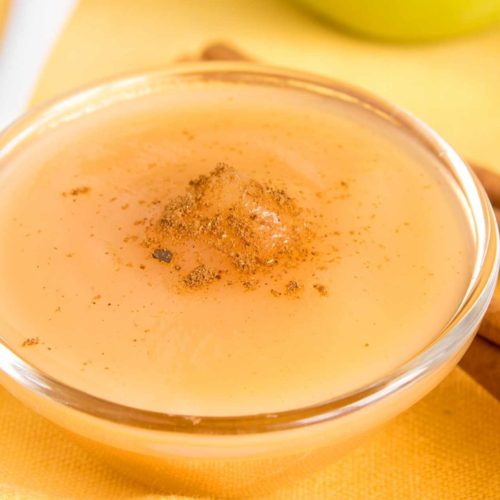
Making apple or pear or apple and pear sauce when the fruits are in season is a delicious way to use these autumnal fruits. And the sauce is delicious as a condiment for roast meats, baking into muffins or snack breads, or even just as a
snack.

Because of the high pesticide load both apples and pears often appear on the Dirty Dozen list so it’s best to buy them organic.

Tip: This recipe is delicious, and, if you don’t peel the apples or the pears, has some fiber for a little extra gut health boost. The Instant Pot softens the peels so they blend well and the sauce will still be smooth.

cinnamon apple and pear sauce

Cinnamon Apple and Pear Sauce

Prep Time 10 minutes
Cook Time 4 minutes
Servings 4

Ingredients
  

  • 4 large organic apples, cored and chopped
  • 2 large organic pears, cored and chopped
  • ¼ cup water
  • 2 teaspoon ground cinnamon
  • 1 tablespoon fresh lemon juice

Instructions
 

  • Combine apples, pears, water, ground cinnamon, and fresh lemon juice in the Instant Pot, stirring them to combine
  • Add the lid, lock into place, and make sure the vent is set to “Sealing”
  • Use the “Manual” setting and add 4 minutes
  • After cook time is complete, allow a natural release of pressure for 10 minutes, then manually release the remaining pressure
  • Use an immersion blender and blend until desired consistency is reached (from chunky to smooth). If you don’t have an immersion blender you can use a food processor or blender, just be careful transferring the mixture as it is very hot.
  • Options:
    Serve immediately, YUM!
    Transfer to airtight glass containers and store in fridge until ready to serve (upto one week)
    Transfer to airtight glass containers and store in the freezer until ready to thawand serve (up to six months)
    Process into canning jars to use when desired (store up to 18 months)
    Enjoy!

How To Strip Your “Clean” Laundry

Time to strip the laundry!

Several months ago a friend of mine told me about this apparently old-fashioned process called laundry stripping.  It's getting a lot of attention online but I confess I was pretty skeptical.  After all, I wash all our clothes, towels, and bedding in the best non-toxic laundry products available. 

I know there are no harmful chemicals in the wash.  But I was curious.  Plus there were a few items that just had a bit of an off smell, even though I "knew" they were clean.  Well, guess what?  Now that I've tried laundry stripping I totally understand why so many people are raving about it.

The very first time I tried it I couldn't believe what I was seeing.  I was both disgusted and fascinated at how very brown the water in the tub became. Even though I had just washed everything that was in there!  After the first trial run I became a fan and I've never looked back. Plus the items that get stripped smell so good!


When to strip


I have a large bucket that I keep in my laundry room.  When I have items that don’t smell great even after washing, they go in the bucket. When the bucket is full, I strip a load of laundry.

It is unbelievable how much gunk comes out of my “clean” laundry.  I was curious as to why this was and did a little research.  It turns out that even though we wash our fabrics, there can still be a buildup of bacteria and body oils that don’t come out completely. This happens even if you wash your clothes on a regular basis (and I do...I know you do too).  


How to strip your laundry


There are a number of different formulas out there.  Many of them use a mainstream laundry detergent that I can't use in my house due to some of the ingredients (surfactants, fragrances, and artificial colors among them).  So I did a little research and found this non-toxic version from my friends at My Green Fills (they said I could share it with you

  • 1 cap MyGreenFills Laundry Wash
  • 3 scoops of MyGreenFills Enzyme Stain Remover
  • 1/2 Cup Distilled Vinegar
  • 3 Tablespoons Borax
  • 3 Tablespoons Washing Soda (NOT baking soda)*
  • HOT, HOT, HOT water

Be prepared to watch your soaking water turn grey or even black depending on how much buildup is on your laundry. It’s best to do this with clean laundry.

  1. Put the hottest water you can stand into a bathtub. If you don’t have a tub you can use a large 10-gallon bucket but you’ll want to adjust the amounts – start with 2/3 of the above amounts
  2. Add the ingredients and swish to fully dissolve
  3. Add the clothes, dunking them in to make sure they are completely wet and mostly submerged
  4. Leave for 4 hours, stirring every 45-ish minutes
  5. Wring out the clothes
  6. Drain that nasty looking water out of the tub
  7. Wash your items in warm water with no detergent
  8. Run the items through the dryer as normal
  9. Be amazed!
  10. Repeat as needed

*Washing soda is different than baking soda.  While you can use baking soda in the wash, you cannot bake with washing soda.  It's stronger/harsher than baking soda.  If you're not used to having it in your laundry room you'll find it, usually on the bottom shelf, in the laundry detergent section somewhere near the borax.

herbal support

Herbal Support To Boost Your Immune System


Building an Herbal Medicine Cabinet

The winter tends to be a time when many of us get sick. Plus germs somehow seem to pass around more easily at this time of year when it’s cold and damp.  But if you’ve got a cough or you are not feeling well what do you reach for?  When you go to the drug store and you look at the shelves, the majority of their remedies they have artificial colors in them. They also have all kinds of preservatives and other chemicals in them that are not great for us. So if you're sick, why do you want to put things into your body that aren't going to help you get better?

These are a few of my favorite winter recipes to help support your system without artificial ingredients, alcohol, and preservatives. These are things you want to have in advance. If you've made them up ahead of time you won’t have to go rummaging around for a remedy when you need it.


Elderberry Syrup for Immune Support

One of my favorite things to do in the wintertime is to brew up a batch of elderberry syrup.

 It's easiest to buy the elderberries. Although you can forage for elderberries it’s easier to simply buy them dried. It’s really important to know that you shouldn’t ever eat fresh elderberries.  They can really upset your stomach and cause diarrhea and/or vomiting.

To make elderberry extract you’ll need a four-to-one ratio of berries to water.  I like to use a half a cup of dried elderberries and two cups of water. If you’d like you can add in some cinnamon stick, a little ginger, maybe even some cloves.  Bring it to a boil, then turn it down to a simmer and just let it simmer for an hour. That pulls all of that lovely, beneficial stuff out of the elderberries. Then you strain it and let it cool. 

You can add in a little bit of honey, so it tastes a little sweeter and you just store it in the refrigerator.

Generally, I recommend a tablespoon a day for preventative purposes during the winter. But when you get sick, if you need to, you can take a tablespoon three times a day. 

I typically make one batch which can last almost the whole winter, unless somebody gets really sick.

Elderberries are so good for us because they're very high in vitamins A and C they're a good source of bioflavonoids, and elderberry syrup is great for boosting the immune system. It's good if you have coughs or colds, it's antiviral. So it's just a really good thing to have in your herbal medicine cabinet.

Elderberry Syrup Recipe

This recipe was taught to me by a neighbor, Mrs. Ruth Patty who also taught me how to forage for elderberries. These days I buy the elderberries because cleaning them is somewhat finicky work.

Ingredients
  

  • 1/2 cup dried organic elderberries (I buy mine from Mountain Rose Herbs )
  • 2 cups cold water
  • 1 cinnamon stick
  • 1/2 teaspoon fresh ginger, minced
  • 2 clovesraw local honey to taste

Instructions
 

  • Combine berries, cinnamon, ginger, cloves and water in a pot and bring to a boil
  • Reduce heat and let simmer for one hour
  • Remove from heat and let cool for 45 minutes
  • Strain berries and flavorings using cheesecloth or muslin, squeezing to remove as much liquid as possible
  • Cool to just above room temperature and add honey, stirring well to fully incorporate
  • Bottle in a sterilized glass jar, preferably amber glass

The Benefits of Fire Cider

Fire cider, sometimes called fire tonic, is a term given to a vinegar drink that is steeped with massive amounts of beneficial herbs and spices. It includes wonderful, immune-supportive herbs and spices.  I use the recipe from Mountain Rose Herbs.

One of the ingredients in fire cider is horseradish root which is best when you use it fresh.  Be aware it is really powerful stuff.  When you grate it your eyes tear up, your nose runs, and it opens up your sinuses. But the real thing is just so much better than using a paste or bottled horseradish. Especially when you’re making something like fire cider to boost your immune system.

If you don’t have access to horseradish it is possible to grow it in your garden. It grows well in zones 4-7 in the US.  However, I  recommend growing it in a pot; it is a vigorous plant that can become invasive and is notoriously difficult to get rid of if it has taken hold in your garden. 

Another component of fire cider is jalapeño peppers. While fire cider is supposed to have heat to it I confess when I make it I remove the seeds from the jalapeños because otherwise, it is very spicy.  

This is an immune support recipe you’ll want to make at least a month ahead of time because it needs to sit and brew.  

Just as with the elderberry syrup above, you’ll add some raw honey.  It's really an important part of these recipes. Raw honey is so beneficial for us, especially for seasonal health issues and for our upper respiratory system.  The best option is both raw and local. 

Take one tablespoon a day of the fire cider for preventative measures and one tablespoon three times a day if you’re sick.

Here’s a funny picture of me trying a sip of Hilbilby’s Fire Tonic that my dear friend and colleague Trudy Scott shared with me when I visited her in Australia. We took pictures of each other taking this stuff and whooo was it potent!


Garlic, Not Just to Ward Off Vampires


Another beneficial strategy for winter immunity is to keep fresh garlic in the house.  Used for centuries in health preparations, this aromatic member of the onion family is both potent and pungent. Studies have shown it to be highly supportive of the immune system.  It’s also been found to have antiallergenic and anti-inflammatory properties. 

When I feel the seasonal ick coming on one of my personal ways to get more garlic is to take it raw.  The best way to do this is to chop up a clove of garlic (just one) and let it sit for a couple of minutes.  When you let it sit this oxidizes and amplifies the allicin which is one of the beneficial compounds.  Then add it to a spoon (with a tiny drop of raw honey if needed) and swallow it down followed by a glass of water.  I’m not going to lie, it does not taste pleasant.  And you’ll need to make sure you have something in your stomach because raw garlic can make you feel rather nauseous.

However, personal observation indicates that when I do this my symptoms tend to clear up faster than those around me who don’t take the garlic shot.


Using Herbal Teas

I'm just a big fan of herbal teas.  I’ve listed a couple of my favorite herbal books below and I’m a student of herbal remedies, not a practitioner. Please note that just because they are plants does not mean that precautions are not necessary when taking herbs.  This is especially true if you are using more than you would add to food.  Allergies and sensitivities can and do happen.  Some herbs are specifically not recommended if you are pregnant or nursing.  If you have any concerns about using herbs I suggest that you work with a certified herbalist. 

If you have a medicinal herb garden you can harvest them fresh. However, you’ll still want to dry them for use as fresh herbs are full of all of their constituent oils and can be overwhelming. Fresh herbs tend to be more potent than dry by a factor of 3 or more to 1.  I believe it's better to use them in their dry form so you can have all the benefits of the herb without getting an unpleasant overpowering taste.

If you don’t want to grow herbs or don’t have space, you can always purchase them dried and cleaned.  My favorite source is Mountain Rose Herbs.  

If you’re going to blend your own herbal remedies a part is simply a measure.  If you’re making a tiny bit you can use a Tablespoon or a small scoop.  If you’re making larger batches, which is what I do to make sure I’ve got it on hand, use a larger scoop or even a dry measuring cup.  

Brewing Teas

When brewing your herbs for tea I recommend a heaping teaspoonful of dried herbs added to 8-12 ounces of hot water. Steep this for 3-4 minutes and then strain and drink.  If needed you can add a little raw honey. 

Below are a few of my favorite herbs to keep on hand for winter remedies:

  • Sage - High in vitamin K, it’s reported to be beneficial for sore throats and bleeding gums. 
  • Rose hips - A good source of vitamin C, lycopene, and beta carotene, rose hips are  a good antioxidant-rich addition to the diet
  • Lemon peel - A beneficial antimicrobial and antibacterial substance, lemon peel is another good source of vitamin C, rich in antioxidants, and also provides some calcium, magnesium, and potassium.
  • Peppermint - A highly beneficial herb, peppermint is not only antibacterial and anti-inflammatory, studies also show it has antiviral properties. Drinking peppermint tea, hot or cold, can be helpful for sinus relief, headaches, and oral health.  In addition to drinking the tea, inhaling the steam from a cup of hot peppermint tea can be another way to use it for winter health support.
  • Spearmint - Another antioxidant-rich member of the mint family, spearmint is a good tea to settle the stomach and help with nausea. Like peppermint, it is also highly antimicrobial.  It can also be enjoyed hot or cold. 

About Chamomile 

Everyone thinks of chamomile as being a calming tea. Many people like to have it just before they go to bed to relax themselves. But not everyone can or should do that.  Some people are allergic to chamomile. 

One of the ways to know is if you are allergic to ragweed or peppermint. Those three things are all botanically related to each other so drinking chamomile tea is not going to be very restful or relaxing for your body. The good news is, there are so many beneficial herbs out there. If you can't do chamomile, you could try other relaxing herbs like vervain or linden.


Upper Respiratory Tea Blend

2 parts nettle leaf

1 part comfrey 

1 part mullein

1 part peppermint

1 part chamomile (see note above for allergies)

1/2 part coltsfoot 

1/2 sweet cinnamon stick


Sore Throat Soothing Tea Blend

2 parts Slippery elm

2 parts Licorice root

1 part Wild Cherry bark


Chelated Silver


Another good item to stock in your medicine cabinet is chelated silver.  Silver can be highly beneficial for boosting the immune system and has been shown to be effective against both bacterial and viral infections.  Silver appears to be supportive for sore throats and relieving upper respiratory and sinus

Amino Acid Support


When it comes to immune support (in any season, not just winter) amino acid therapy can be highly beneficial.  My dear friend and colleague Trudy Scott is the Food Mood Expert and the author of The Antianxiety Food Solution.   Trudy has a great article on amino acid support using GABA and theanine.  

Amino acids have so many uses.  I personally have used them for stress reduction and sleep support.  With Trudy’s help I was even able to use them to help me lower my fear response when it come to spiders.  But amino acids don’t only help you to feel better, they can be highly supportive for your immune system. They’re definitely a great addition to your medicine cabinet.


Resources


Books: 

Other Items:


[expand title="Sources"]

A Modern Herbal | Sages".  Botanical.Com, 2021, http://botanical.com/botanical/mgmh/s/sages-05.html#com.

Abuelgasim, Hibatullah et al. "Effectiveness Of Honey For Symptomatic Relief In Upper Respiratory Tract Infections: A Systematic Review And Meta-Analysis".  BMJ Evidence-Based Medicine, vol 26, no. 2, 2020, pp. 57-64.  BMJ, doi:10.1136/bmjebm-2020-111336.

Arreola, Rodrigo et al. "Immunomodulation And Anti-Inflammatory Effects Of Garlic Compounds".  Journal Of Immunology Research, vol 2015, 2015, pp. 1-13.  Hindawi Limited, doi:10.1155/2015/401630.

Ashfaq, F et al. "THERAPEUTIC ACTIVITIES OF GARLIC CONSTITUENT PHYTOCHEMICALS ".  Biological And Clinical Sciences Research Journal, vol 2021, no. 1, 2021, pp. e007-e007., http://bcsrj.com/ojs/index.php/bcsrj/article/view/53. 

Bardaweel, Sanaa K. et al. "Chemical Composition, Antioxidant, Antimicrobial And Antiproliferative Activities Of Essential Oil Of Mentha Spicata L. (Lamiaceae) From Algerian Saharan Atlas".  BMC Complementary And Alternative Medicine, vol 18, no. 1, 2018.  Springer Science And Business Media LLC, doi:10.1186/s12906-018-2274-x. Accessed 28 June 2021.

Buist, H.E. et al. "Derivation Of Health Effect Factors For Nanoparticles To Be Used In LCIA".  Nanoimpact, vol 7, 2017, pp. 41-53.  Elsevier BV, doi:10.1016/j.impact.2017.05.002.

Eccles, R. et al. "The Effects Of Menthol Isomers On Nasal Sensation Of Airflow".  Clinical Otolaryngology, vol 13, no. 1, 1988, pp. 25-29.  Wiley, doi:10.1111/j.1365-2273.1988.tb00277.x.

Galdiero, Stefania et al. "Silver Nanoparticles As Potential Antiviral Agents".  Molecules, vol 16, no. 10, 2011, pp. 8894-8918.  MDPI AG, doi:10.3390/molecules16108894.

Goos, Karl-Heinz et al. "Wirksamkeit Und Verträglichkeit Eines Pflanzlichen Arzneimittels Mit Kapuzinerkressenkraut Und Meerrettich Bei Akuter Sinusitis, Akuter Bronchitis Und Akuter Blasenentzündung Im Vergleich Zu Anderen Therapien Unter Den Bedingungen Der Täglichen Praxis".  Arzneimittelforschung, vol 56, no. 03, 2011, pp. 249-257.  Georg Thieme Verlag KG, doi:10.1055/s-0031-1296717. 

Guimarães, Rafaela et al. "Targeting Excessive Free Radicals With Peels And Juices Of Citrus Fruits: Grapefruit, Lemon, Lime And Orange".  Food And Chemical Toxicology, vol 48, no. 1, 2010, pp. 99-106.  Elsevier BV, doi:10.1016/j.fct.2009.09.022. 

Gupta. "Chamomile: A Herbal Medicine Of The Past With A Bright Future (Review)".  Molecular Medicine Reports, vol 3, no. 6, 2010.  Spandidos Publications, doi:10.3892/mmr.2010.377. 

Jeremiah, Sundararaj S. et al. "Potent Antiviral Effect Of Silver Nanoparticles On SARS-Cov-2".  Biochemical And Biophysical Research Communications, vol 533, no. 1, 2020, pp. 195-200.  Elsevier BV, doi:10.1016/j.bbrc.2020.09.018. Accessed 28 June 2021.

Kinoshita, Emiko et al. "Anti-Influenza Virus Effects Of Elderberry Juice And Its Fractions".  Bioscience, Biotechnology, And Biochemistry, vol 76, no. 9, 2012, pp. 1633-1638.  Oxford University Press (OUP), doi:10.1271/bbb.120112.

Koczka, Noémi et al. "Total Polyphenol Content And Antioxidant Capacity Of Rosehips Of Some Rosa Species".  Medicines, vol 5, no. 3, 2018, p. 84.  MDPI AG, doi:10.3390/medicines5030084.

Mármol, Inés et al. "Therapeutic Applications Of Rose Hips From Different Rosa Species".  International Journal Of Molecular Sciences, vol 18, no. 6, 2017, p. 1137.  MDPI AG, doi:10.3390/ijms18061137. 

Miyake, Yoshiaki, and Masanori Hiramitsu. “Isolation and extraction of antimicrobial substances against oral bacteria from lemon peel.”  Journal of food science and technology  vol. 48,5 (2011): 635-9. doi:10.1007/s13197-011-0330-3

PARK, HO-WON et al. "Antimicrobial Activity Of Isothiocyanates (Itcs) Extracted From Horseradish (Armoracia Rusticana) Root Against Oral Microorganisms".  Biocontrol Science, vol 18, no. 3, 2013, pp. 163-168.  The Society For Antibacterial And Antifungal Agents, Japan, doi:10.4265/bio.18.163. 

Review, Traditional. "Traditional And Modern Uses Of Natural Honey In Human Diseases: A Review – Vitamin Agent".  Vitaminagent.Com, 2021, http://vitaminagent.com/traditional-and-modern-uses-of-natural-honey-in-human-diseases-a-review/.

Sidor, Andrzej, and Anna Gramza-Michałowska. "Advanced Research On The Antioxidant And Health Benefit Of Elderberry (Sambucus Nigra) In Food – A Review".  Journal Of Functional Foods, vol 18, 2015, pp. 941-958.  Elsevier BV, doi:10.1016/j.jff.2014.07.012. 

Souza, Fábia Valéria M. et al. "(−)-Carvone: Antispasmodic Effect And Mode Of Action".  Fitoterapia, vol 85, 2013, pp. 20-24.  Elsevier BV, doi:10.1016/j.fitote.2012.10.012.

Thosar, Nilima et al. "Antimicrobial Efficacy Of Five Essential Oils Against Oral Pathogens: An In Vitro Study".  European Journal Of Dentistry, vol 07, no. S 01, 2013, pp. S071-S077.  Georg Thieme Verlag KG, doi:10.4103/1305-7456.119078. 

Y, Rakover et al. "[The Treatment Of Respiratory Ailments With Essential Oils Of Some Aromatic Medicinal Plants]".  Harefuah, vol 147, no. 10, 2008, p. ., https://pubmed.ncbi.nlm.nih.gov/19039907/

[/expand]
Should You Clean Your Organic Fruits And Veggies?

Are you eating organic fruits and veggies?

Seven of the top 10 leading causes of death in the United States are from chronic diseases. Eating a diet rich in fruits and vegetables daily can help reduce the risk of many leading causes of illness and death,” according to the Centers for Disease Control and Prevention (CDC).

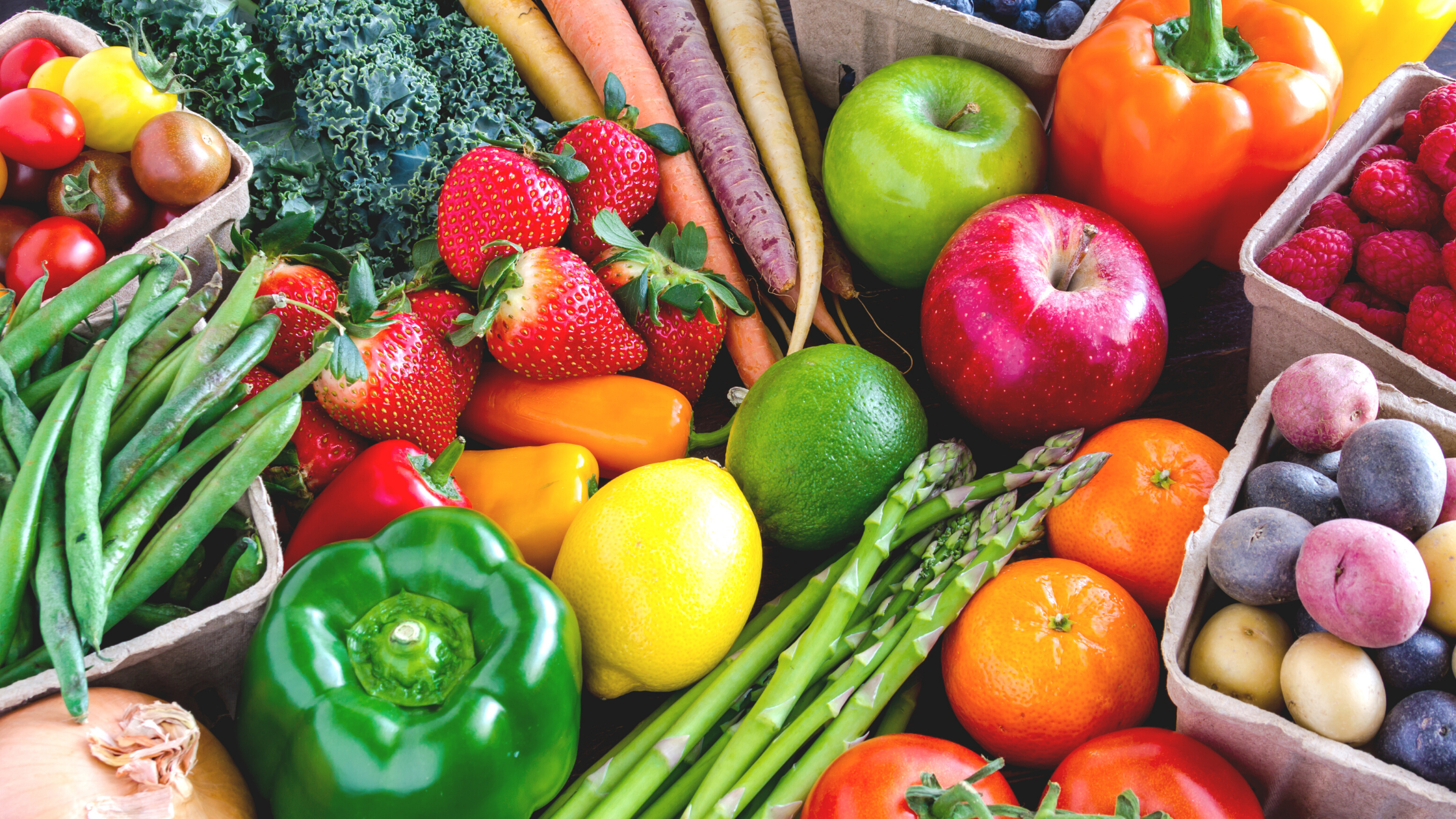
Eating enough fresh produce is a great way to support your body and your immune system. As I've mentioned before, this is one food category where it makes sense to buy organic, especially for the Dirty Dozen.

Many vegetables and fruit have good levels of fiber for digestive support. They're also good sources of vitamins, minerals, and antioxidants.  Not only are they good for your body, but they're also great for your appearance.  Scientific studies show that people who eat more fresh fruits and veggies appear to be more attractive. All of which are good reasons to eat a lot of them. 


Are you eating enough produce?

It turns out that only 10% of all Americans are eating the proper amount of fresh fruit and vegetables.  While there are a lot of people who are eating fruits and vegetables, they're just not eating enough of them. 

The Institute for Functional Medicine suggests 5-7 servings of vegetables and up to 3 servings of fruit per day. Broken down by category it looks like this:

  • Leafy greens - 3-4 cups per day – 1 cup is a serving. If you're going to cook them you need to measure them first.  This category includes cabbage, kale, spinach, bok choy, swiss chard, dandelion greens, mustard greens, and turnip greens.
  • Colorful veggies - 2-3 cups per day – ½ a cup is a serving. This category includes raw, steamed, or cooked vegetables like asparagus, broccoli, carrots, cabbage, eggplant, mushrooms, onions, etc.
  • Fruits - ½ a cup (fresh or frozen) is a serving with a limit of 3 servings (1 ½ cups) per day.  Dried fruit does not count due to its high sugar content.  Your best option is to choose lower-glycemic fruits: cherries, grapefruit, peaches, nectarines, pears, apples, plums, strawberries, kiwi, blueberries, and blackberries. 


The problem with your produce

While it's a good idea to add more fresh fruits and vegetables to your diet there's a problem.  All that produce comes with agricultural exposures that can leave residues on your food. Things you can't see like bacteria, mold, contaminants from the soil, or the water used on the crops.  Your eye can only see the fruit or vegetable, not the other stuff.

One possible source of contamination might be poor hygiene from agricultural workers. Sadly it can happen.  And from planting to harvesting to packaging there's a lot of hands that are touching your food.  Hands which you can't control.

Another source of agricultural junk on your food is the wax applied by the producers. This coating makes everything look shiny and helps to reduce shrinking and wilting.  It's also used to help reduce scarring that can happen when produce is piled up on top of each other.  Yes, it's an edible wax, but do you really want to eat it? 


Do you have to clean everything?

At this point, you might be wondering if you need to clean all of your produce.  My answer is a short and simple yes.  Here's the longer explanation:

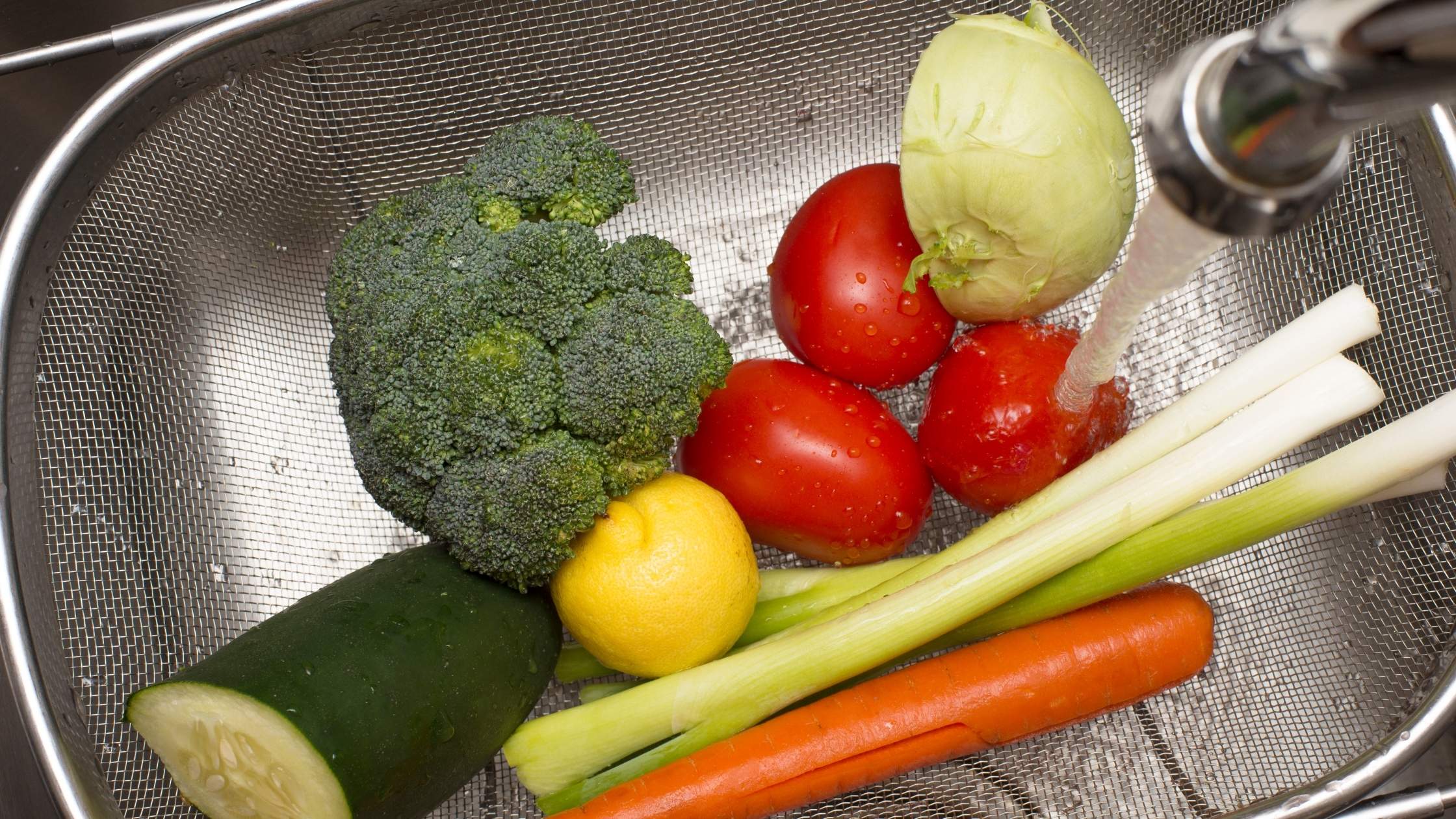
Any and all produce should be washed.  Even if it's organic.  Although the organic standards do not allow for certain pesticides and agricultural chemicals, there's still dirt, microbes, bacteria, and other contaminants.  The need to wash produce is also important even if you bought it at the farmer's market or grew it at home.  

One possible exclusion is bagged greens which may say triple washed on the container.  Technically you don't need to wash these again.  But if you're developing a habit it can't hurt to wash even the pre-washed stuff.

If you're going to cut and peel produce you want to wash it first.  This is to remove any bacteria or other exposures that might be on the rind and then transferred by the knife to the flesh of produce.  A prime example of this was the 2011 salmonella outbreak which was tied to cantaloupe.


The proper way to clean your produce

While it's not very appetizing to think about bacteria, dirty water, mold, or wax on your produce, you still need to eat more fresh fruits and vegetables.  Just wash them first. 

At this point, you may think you need to wash all of your produce as soon as you buy it.  Actually, you shouldn't do that. If you wash it first, especially if it's something tender like strawberries, herbs, or greens, it can wilt faster.  Also, certain bacteria can continue to grow even in the refrigerator. So it's best to wash your produce right before you're going to use it.

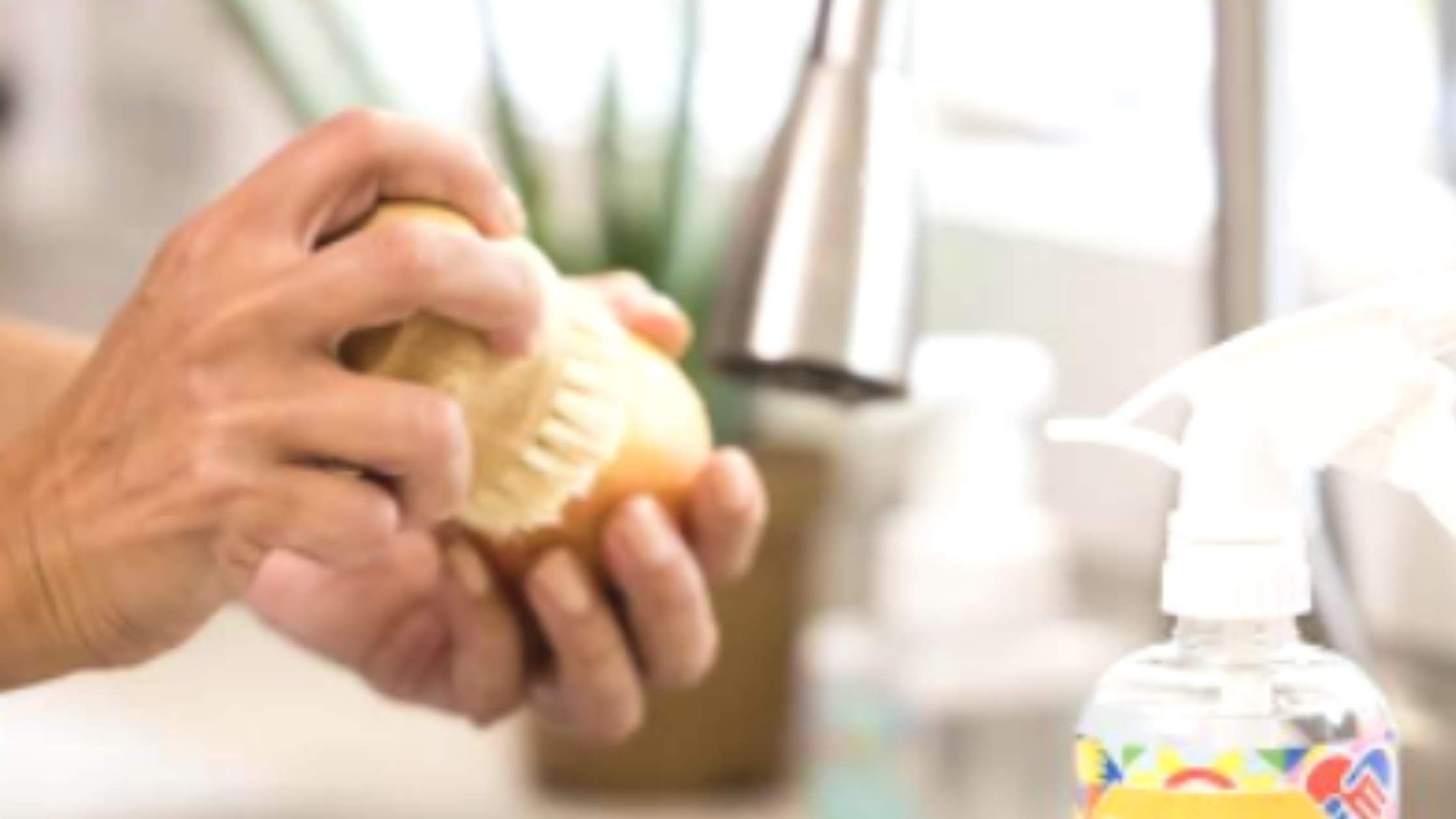
I don't mean a quick rinse-and-shake under the kitchen tap. I'm talking about a produce cleaner that can get rid of all of the icky stuff. 

At which point you're probably thinking you can just buy one of those producer cleaners at the grocery store.  You could.  However, it turns out those commercial cleaners may not be too clean themselves. 

One study done at the University of Maine’s Cooperative Extension Service showed chlorine was a common ingredient used in most produce cleaners.  Yes, chlorine, as in bleach.  But if you've ever read the bottle in your laundry room you'll know that it's a toxic product that you are not supposed to consume. 

One CDC survey of consumer concerns regarding viral health issues showed almost 20% of those surveyed used bleach to clean their produce. Sadly the study also showed negative health reactions such as dizziness, headaches, nasal issues, and skin irritation, plus nausea or upset stomach.  These health issues were linked to domestic use of cleaning products including “disinfecting” produce.  Essentially pointing out that the use of bleach on food was not a good choice.  

Skip the bleach for your fruits and vegetables and choose a non-toxic, plant-based cleaner.


Get more veggies

Don't just clean your veggies; as mentioned above you need to eat more of them.  Here are some delicious suggestions for bumping your veggie intake:  


  • Breakfast – Cooked veggies can be a wonderful addition to almost any breakfast. They're delicious in omelettes or fabulous as a side dish for something else.  A special weekend treat is this Sweet Potato Crockpot Breakfast Casserole.
  • Grilling – We love grilling vegetables, especially in the summertime. You can also make extras so you have them on hand for a quick side dish or a snack.
  • Smoothies – Don't just make a smoothie with fruit.  Add some veggies and really bump up your nutrition like this Powerhouse Summer Smoothie Bowl which has kale and avocado in it.
  • Soups – Bump up the nutrition and add extra vegetables to a soup such as this Instant Pot Summer Vegetable Soup.
  • Sauces – Boost your veggie intake by adding them to sauces. You can add an amazing array of vegetables into a sauce such as carrots, celery, bell peppers, onions, mushrooms,  zucchini, and leafy greens.
  • Zoodles – Instead of pasta you can make zucchini noodles. They're fabulous and a great way to get a veggie bump in a recipe like my Zoodles and Sausage. You can also “zoodle” things like sweet potatoes, carrots, and beets for a delicious addition to salads or as a base for another dish.

Sources


  • Aune, Dagfinn et al. "Fruit And Vegetable Intake And The Risk Of Cardiovascular Disease, Total Cancer And All-Cause Mortality—A Systematic Review And Dose-Response Meta-Analysis Of Prospective Studies". International Journal Of Epidemiology, vol 46, no. 3, 2017, pp. 1029-1056. Oxford University Press (OUP), doi:10.1093/ije/dyw319.
  • Bolton, Jason, et al. Bulletin #4336, Best Ways to Wash Fruits and Vegetables. University of Maine Cooperative Extension Publications. 2020. https://extension.umaine.edu/publications/4336e/. 
  • "CDC Press Releases". CDC, 2016, https://www.cdc.gov/media/releases/2017/p1116-fruit-vegetable-consumption.html.  
  • Centerforfunctionalmedicine.Com, 2021. CORE Food Plan. https://centerforfunctionalmedicine.com/wp-content/uploads/2016/10/CoreFoodPlan-ComprehensiveGuide_v3.pdf. 
  • Cornell CALS. 2020 Worker Health, Hygiene, and Training. https://gaps.cornell.edu/educational-materials/decision-trees/worker-health-hygiene-and-training/. 
  • da Silva Dias, João Carlos, and Saeko Imai. "Vegetables consumption and its benefits on diabetes." Journal of Nutritional Therapeutics 6.1 (2017): 1-10. 
  • Food & Drug Administration. 7 Tips for Cleaning Fruits and Vegetables. 06/10/2018. https://www.fda.gov/consumers/consumer-updates/7-tips-cleaning-fruits-vegetables. 
  • Whitehead, R.D., et al. You Are What You Eat: Within-Subject Increases in Fruit and Vegetable Consumption Confer Beneficial Skin-Color Changes. PLOS One. Published: March 7, 2012. https://journals.plos.org/plosone/article?id=10.1371/journal.pone.0032988#s2. 
  • "Cantaloupe: Sometimes A Rough Fruit". Food Safety News, 2011, https://www.foodsafetynews.com/2011/03/cantaloupe-sometimes-a-rough-fruit/#.VoL6SKYarak. 
  • "Removal Of Trace Pesticide Residues From Produce". CT.Gov - Connecticut's Official State Website, 2021, https://portal.ct.gov/CAES/Fact-Sheets/Analytical-Chemistry/Removal-of-Trace-Pesticide-Residues-from-Produce. 


Apple Cinnamon Cheesecake In An Instant Pot

Make sure you have a specific sealing ring for your Instant Pot lid for sweet and savory dishes.  Do not use the savory lid to make sweet things as the flavors might infused into the dish. 

Preparation for this dish is 5 minutes on sauté and 30 minutes to cook (plus time to come to pressure).  Use natural release (NR) of 10 minutes.  Chill for at least 4 hours or overnight so the cake can set.  Serves: 4-6

Tip: It is important that all ingredients be at room temperature.  Otherwise the batter may not work out properly.  It can take 2-3 hours for the ingredients to come to room temperature.

Tip #2:  Read this recipe through in it’s entirety before making, in order to make sure you understand timing elements, i.e., the crust needs to be put in the freezer for one hour to set.

Tip #3: Scrape mixing bowl sides with a spatula before each ingredient addition. This makes sure that all ingredients are well blended into the batter.

Apple Cinnamon Cheesecake in an Instant Pot

Ingredients
  

  • Crust:

    1 cup almond flour

    1 teaspoon vanilla extract

    3 tablespoons Lakanto (mont fruit sweetener) or Swerve (erythritol)

    3 tablespoons unsalted grass-fed butter, melted

  • Batter:

    2 8-oz. blocks organic cream cheese

    1 teaspoon real *vanilla extract (see recipe link below)

    ¼ cup Lakanto or Swerve

    1 teaspoon ground cinnamon

    2 large eggs, free range, preferred

    ¼ cup heavy cream

    1¼ cup water

  • Topping:

    2 tablespoons unsalted grass-fed butter

    1 large apple, cored and cut into wedges

    1 teaspoon ground *cinnamon (see link below)

    ½ teaspoon allspice

    3 tablespoons maple syrup

    ½ cup water

    Pinch sea salt

    ¼ cup pecans, chopped

Instructions
 

  • Lightly grease the inside of the springform pan and set aside.
  • Combine crust ingredients together in a medium sized bowl. Stir until well combined. Press crust mixture into the bottom of the greased springform pan and spread to uniformly cover the bottom of the pan. Place in the freezer for at least one hour.
  • Beat ingredients one at a time in a large mixing bowl. Beat each ingredient for 10-12 seconds before adding next ingredient. Add ingredients in this order: Cream cheese, vanilla extract, sweetener, heavy cream, and the eggs, one at a time. (To avoid adding too much air into the batter do not overwork it).
  • Remove crust from the freezer and pour the batter on top. Gently tap the springform pan several times on the counter. This will release air bubbles from the batter.
  • Place trivet stand in the Instant Pot and add water. Place springform pan onto trivet. For easy removal make sure handles are pointed upwards.
  • Place and lock lid. Select “Manual” and set to “High.” Adjust cook time to 30 minutes.
  • After cooking time is complete do a natural release for 10 minutes and then quick release to get rid of the remaining steam. Carefully remove the lid and lift the cheesecake out of the instant pot by the handles. Use a potholder as this will be hot.
  • Set cheesecake on a wire rack on the counter and cool for 10-15 minutes. Then move to the refrigerator and chill 4 hours or overnight.
  • Topping is made slightly ahead of when you are ready to serve the cheesecake.
  • Set Instant Pot to “Sauté” on a medium setting. Add the butter stirring to cover the bottom of the pot while it melts.
  • Add apple wedges, ground cinnamon, allspice, maple syrup, water, and salt to the Instant Pot. Stir until apples are thoroughly coated, sautéing until they are tender but not soggy. The sauce should also be slightly thickened. This will take about 4-5 minutes. Turn off the Instant pot and move the apple mixture to a bowl to cool slightly.
  • When ready to serve, take the cheesecake out of the refrigerator and carefully remove it from the springform pan. Arrange apple wedges on top and drizzle the sauce over the apples. Sprinkle with the pecans and serve. Enjoy!

Antifreeze In Your Ice Cream?

Ah, those lazy, hazy, crazy days of summer.  Hot, humid, sweltering temperatures just beg for you to stop and enjoy a cold frozen confection.  Ice cream, just the thing to cool you off.  Or not.

Why is antifreeze in ice cream?


If you are looking for a cool summer treat you may want to consider making your own frozen confections.  It turns out that there is a little-known ingredient called propylene glycol hiding out in your ice cream. 

Considered a "non-toxic" antifreeze (as opposed to ethylene glycol which is highly toxic) many manufacturers use it in a wide variety of foods, especially ice cream. While it prevents your car from freezing it also keeps your ice cream smooth and prevents ice crystals from forming.  Homemade ice cream turns fairly hard once frozen completely but this doesn't seem to happen with a lot of commercial ice creams.  Now you know why.

Looking for it on the label provides an even bigger shock.  Propylene glycol is not listed.  Why?  It turns out there is a little-known USDA regulation that covers incidental food additive labeling.  This labeling allows the manufacturers to not include this ingredient on the label.  My research so far seems to indicate that propylene glycol is covered under this regulation.

Health risks of propylene glycol


Unfortunately, it does not take into effect the "ick" factor (after all who really wants to eat anti-freeze, even if it is the "non-toxic" variety?).  Nor does it take into effect the fact that there are people who are highly sensitive to the substance.  While I don't know how much propylene glycol is in ice cream I'm assuming it's not a huge amount.  However, if you eat a lot of ice cream, or frosting, or other foods that contain it you could be getting a significant exposure.

Apparently, people who suffer from vulvodynia and interstitial cystitis can be particularly sensitive.  It's known to cause skin problems when it appears in lotions, asthma or other allergies in children exposed through airborne sources, and large doses administered orally have been been shown to have a depressive effect on the central nervous system in animals.  The challenge with the large dose testing is that because it's not labeled we do not know how much we may potentially be exposed to through ingestion or through osmotic skin absorption.

Avoiding propylene glycol


What can you do to avoid it?  That's not so easy since it's not labeled.*  Still want those creamy, cool summer treats?  Consider making your own.  Here are a few recipes that really hit the spot when the temperatures are climbing outside.

Vanilla Ice Cream

Recipe from Nourishing Traditions by Sally Fallon

Ingredients
  

  • 3 egg yolks
  • 1/2 cup maple syrup
  • 1 tablespoon vanilla extract
  • 1 tablespoon arrowroot
  • 3 cups heavy cream, (NT prefers raw, not ultra-pasteurized)

Instructions
 

  • Beat egg yolks and blend in remaining ingredients.
  • Pour into an ice cream maker and process according to instructions.
  • For ease of serving, transfer ice cream to a shallow container, cover and store in the freezer.

Notes

I've found that adding 1-2 cups of fresh fruit to this is delicious

Strawberry or Raspberry Water Ice

Recipe from Good Things by Jane Grigson

Ingredients
  

  • 1 lb. strawberries or raspberries
  • 1 cup sugar
  • 1-2 cups water
  • juice of 1 lemon
  • juice of 1 orange
  • 5 tablespoons orange liqueur, or kirsch
  • 2 egg whites (optional)

Instructions
 

  • Put the fruit through a blender
  • Make a syrup of the sugar and 1/2 cup water
  • When it is cool add the puree and strain
  • Flavor to taste with lemon juice
  • Dilute with the extra water if required
  • Pour into a container, stirring the frozen sides of the mixture into the more liquid middle part every so often. With shallow trays this needs to be done every half hour; deep boxes can be left longer
  • In 2-3 hours, the time depends on the depth of the mixture, you will have a thick mush of iced granules, called a granita
  • In 3-4 hours you will have a firm but not impenetrable block of water ice ready to be turned into sorbet
  • Beat the egg whites in a large bowl until they're stiff
  • Add spoonfuls of ice gradually, if properly done the mixture blow up to a mass of white foam
  • Refreeze in a larger container until the sorbet has the consistency of firm snow
  • Add the liqueur gradually at the end during the last stirring; with the sorbet add when ice and beaten egg white are mixed together

2-Ingredient Ice Cream

A fabulous easy-to-prepare recipe made in a vitamix or other high power blender

Ingredients
  

  • 1 can Native Forest organic coconut milk
  • 1 pound frozen fruit
  • 1/2 tsp. vanilla (optional)

Instructions
 

  • Add all ingredients in order into the blender
  • Blend until completely mixed (using tamper if necessary) -- approximately 1 minute

Side note: as an outcome of my research I did manage to find an online source for propylene glycol free flavoring.

*Some manufacturers, in an effort to meet consumers desire for more transparency are including propylene glycol on their label. This is, in my opinion, a good thing as it makes it easier to see that they're using it. However just because some manufacturers are disclosing it doesn't mean that many others use it but fail to disclose. In this case it's still best to make your own ice cream.