All posts by Mira


About Mira

Mira Dessy is The Ingredient Guru. A holistic nutrition professional, author, and a popular public speaker, she knows that it's not just what you eat, but what's in what you eat. She is the author of The Pantry Principle: how to read the label and understand what’s really in their food. Dessy is a Board Certified Holistic Health Practitioner whose mission is to educate and empower consumers. She curates the Lean Clean Green Subscription box, the premier, organic, earth-friendly, healthy, sustainable subscription box which can be found online at https://theingredientguru.memberbox.com

Scrap Cooking Carrots And Brussels Sprouts

As we wind down toward the end of summer the Farmer's Markets are filled with a bounty of produce.  All the delicious colors and flavors of the season are on display. Every time I go to the market I seem to come home with an overflowing market basket that is more than the two of us can eat in a reasonable period of time.

This post is my tip-to-tail use-everything-you-can vegetable experiment.


Food Preservation 
Having more fresh produce than you can eat is actually a blessing in disguise. This allows you to preserve it for out-of-season enjoyment.  You're buying it when it's at peak season and therefore usually fresher and less expensive, but you can enjoy it anytime.  

There are a lot of different ways to preserve food:

  • Canning – Whether you're doing water bath or pressure canning this does require jars, lids, and a few pieces of equipment plus recipes to make sure your percentages are correct.
  • Dehydrating – You can do this in the oven or purchase a dehydrator.  You'll need extra water stored in order to rehydrate foods.
  • Fermentation – No special equipment is needed but you will need to know what you're doing to make sure things are properly preserved
  • Freezing – You'll need freezer safe containers for this method and it can be limited by freezer space
  • Freeze Drying – This requires special equipment and creates good long term storage.  You'll need to have extra water available to rehydrate items.
  • Smoking/Curing/Salting – You'll need a space where foods can sit while you prepare them this way. Again, knowing what you are doing is important.

My two favorite ways to preserve food at the moment are canning and dehydrating.  Nothing against any of the other methods, these are simply the two that I am most familiar and comfortable with.


Start With Canning


The vegetables I had on hand that I wanted to use in some way were carrots and Brussels sprouts. Both of which I bought at the farmer's market. I actually purchased more than we needed so I would have some available to preserve for winter.  

Lately, however, I've been learning more about food preservation methods and about scrap cooking where you use just about everything.  I've been enjoying the book Scrappy Cooking by Joel Gamoran and decided that I was going to use both vegetables to their absolute fullest and see how it worked out. 

For the carrots, I went simple and a family favorite.
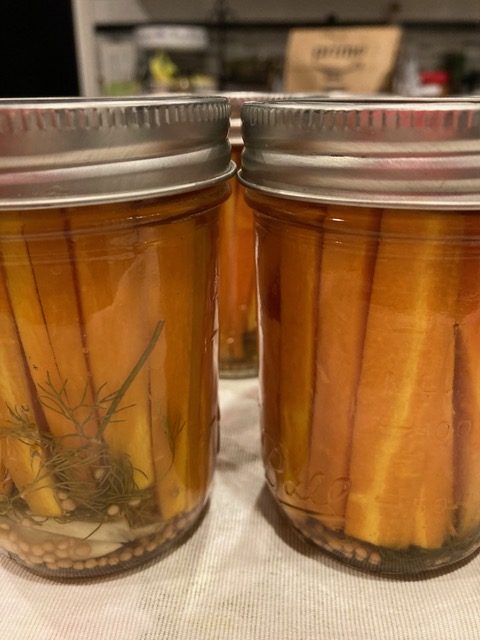
Dilly Carrots

Ingredients
  

  • Carrots cut into julienne slices for 6 jars (about 5 pounds)
  • 3 ½ cups apple cider vinegar
  • 3 ½ cups water
  • 1/3 cup pickling salt
  • 6 cloves of garlic 
  • 6 sprigs of dill
  • 3 teaspoons of mustard seed

Instructions
 

  • Sterilize jars, rings and lids
  • Bring vinegar, water and pickling salt to a boil
  • In each jar place 1 clove of garlic, 1 sprig of dill, and ½ teaspoon of mustard seed
  • Add julienned carrots (really squeeze them in there)
  • Ladle brine into the jar leaving 1/4” head room
  • Clean top of jar and add lid and ring
  • Hot water bath 10 minutes
  • Remove from heat and let sit until jars “plink” and lids seal
  • Store in a cool, dark place


For the Brussels Sprouts I followed a suggestion from a friend and made something called Frogs Balls.  These are simply parboiled Brussels sprouts preserved in a bread-and-butter-pickle type brine.  I used this recipe.  

Getting Scrappy
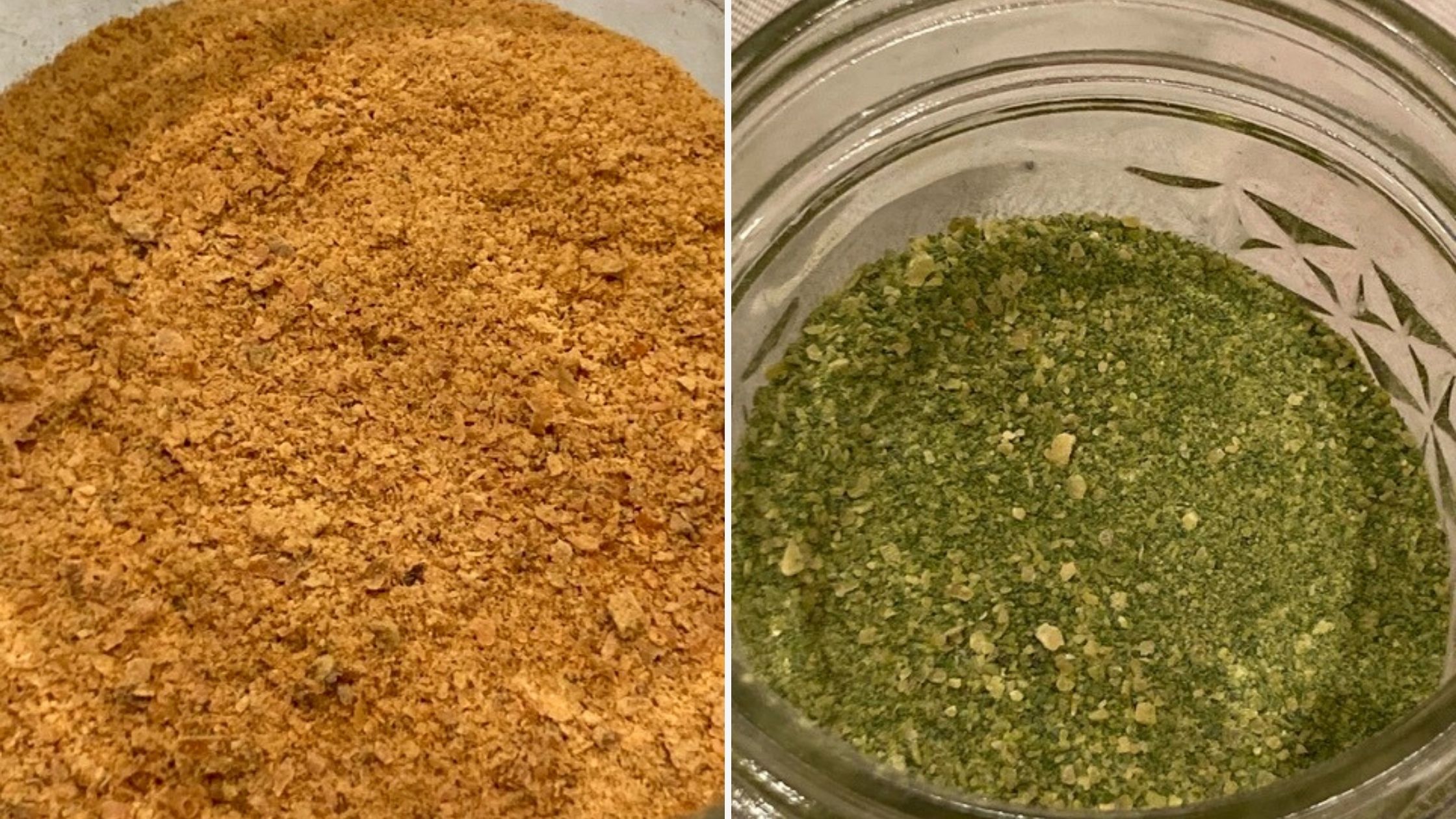
 

Because I needed to wash and peel the vegetables I decided to make use of the trimmings.  Normally I put these into a bag in the freezer. Eventually, when I have enough plus a chicken carcass, I use them to make bone broth.  This time I decided to branch out and try something else.  I set aside the carrot peels and Brussels sprouts leaves in one pile.  In the other pile I put the tips and tails of the carrots plus the trimmed ends of the Brussels sprouts.

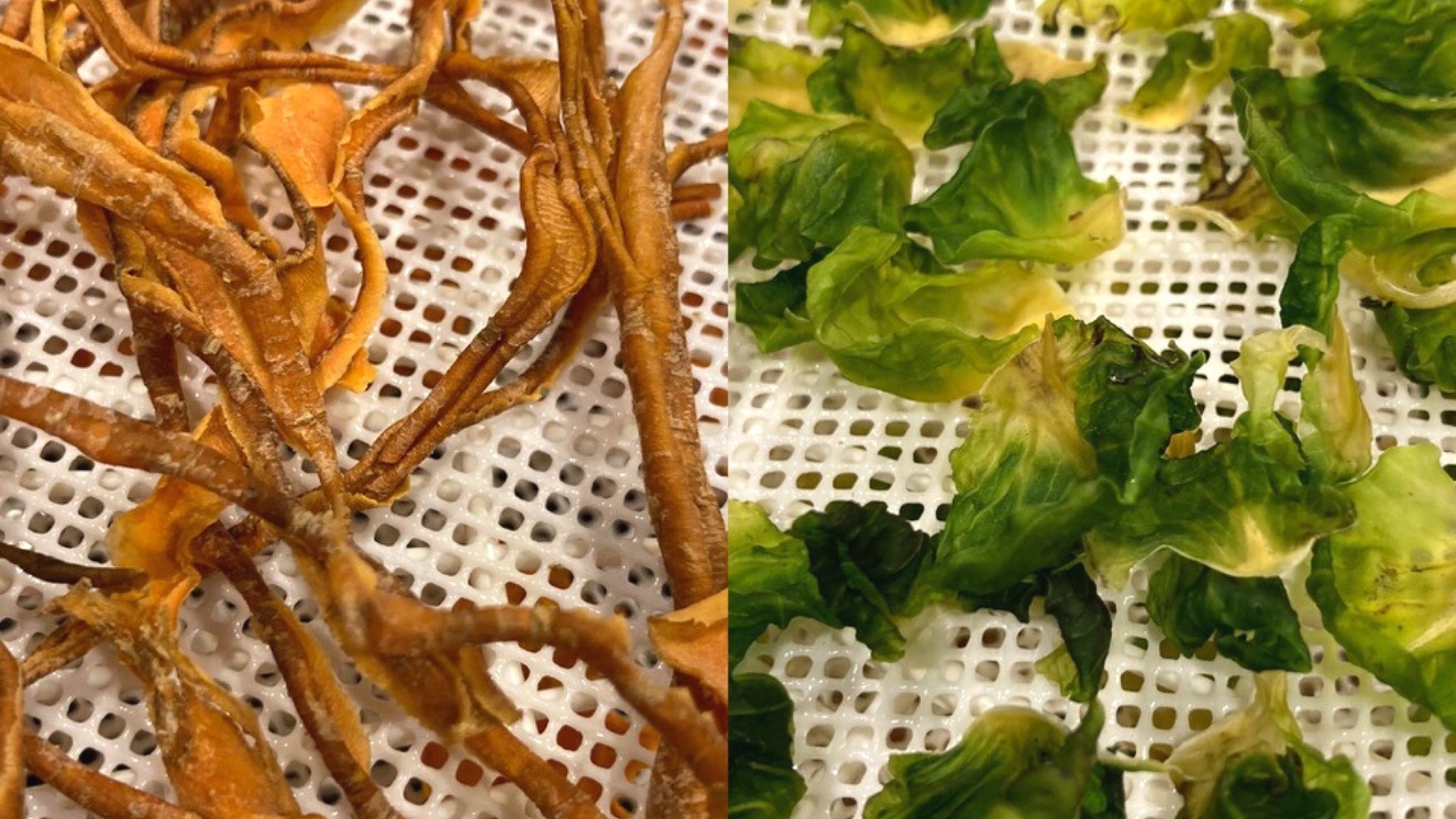
For the peels and leaves I simply put them into the dehydrator.  I currently have a Nesco brand dehydrator which has no timer and no heat setting.  I simply let it run overnight. In the morning they were nice and crispy.

At this point they go into a jar where they get conditioned.  Conditioning, as I've learned, is where you take dehydrated items, put them into a jar, and shake them well every day for about a week.  You do this in case there is any moisture. By shaking the jar you are rotating the contents to try and evenly distribute any residual moisture throughout the jar.

Because I didn't have a particular use for dehydrated carrot peels and Brussels sprouts outer leaves. I decided the best use for them is to make a vegetable powder which can be added to soups, casseroles, and other dishes.  A quick buzz in the not-for-coffee-coffee-maker and I had my powders.  I set them aside in their jars to condition for another week. Apparently for optimal dehydration procedure you should condition anything you dry for a week and then also condition for another week any powders you've made from it.


Cooking Scrappy


While things were being dehydrated and powdered I still had the tops and tails to contend with.  Joel's book assures me that roasted Brussels sprouts ends are fabulous.  After reading the recipe I decided I wanted to do something a little different and came up with this dish.  This is not a real recipe because I pretty much invented it as I went along.  It came out very tasty, however, and is something I plan to make again. Next time I'll keep better track of the ingredients and quantities as I make it.
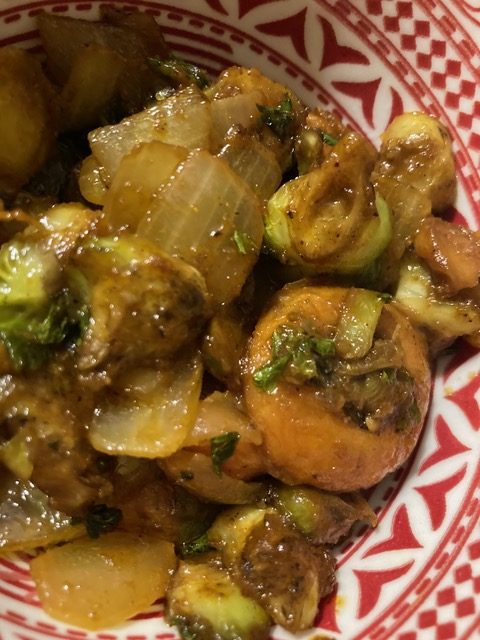
Scrap Ends and Onion Something

Ingredients
  

  • ½ red onion, about 1 cup, sauteed in olive oil
  • 2 cloves garlic, minced and sauteed
  • Add ends of carrots and Brussels sprouts (these had been blanched as part of the process before canning/dehydrating)
  • Add ½ cup-ish of water 
  • Add – tomato paste, curry powder, cilantro, salt and pepper
  • Add more water  to keep it moist but not overly wet
  • Cook until everything is thoroughly heated and the carrots and Brussels sprouts ends are soft

    Yum!

All in all this experiment was, in my opinion, very successful. I not only had no scraps from the carrots or the Brussels sprouts, I made a new dish that was really tasty. I'm also grateful for the ability to have the powdered vegetables. These are a great addition to any preparedness pantry.
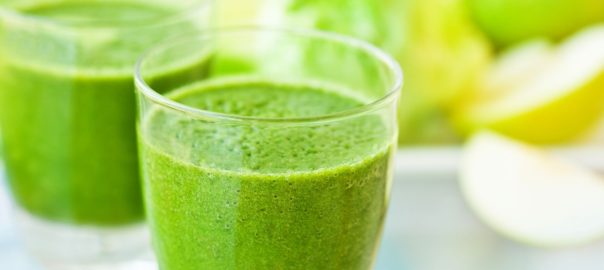
oxalates from green smoothie

Oxalates From Your Green Smoothie

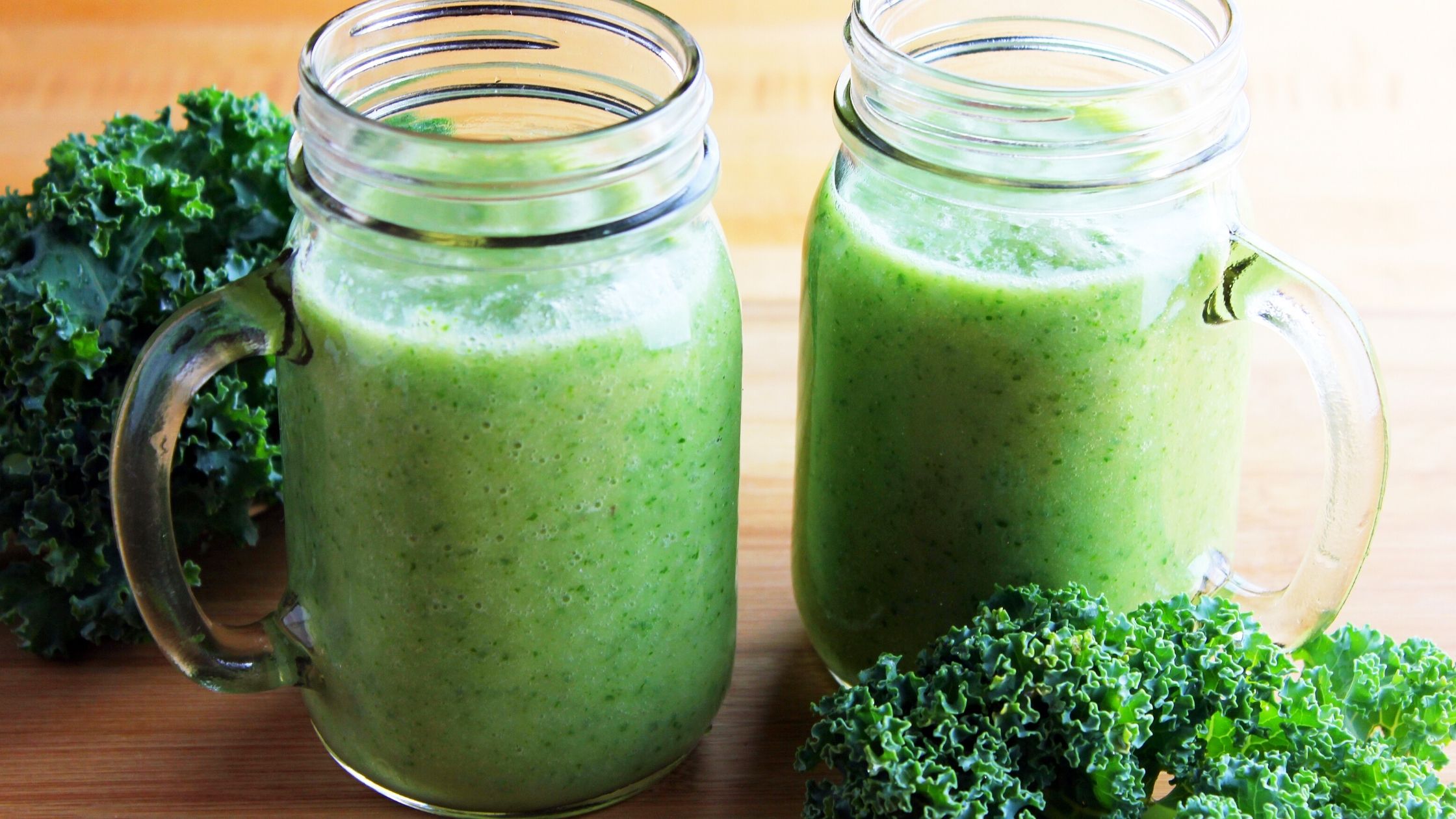
That green smoothie may not be as healthy for you as you think it should be. Sure, everyone’s posting delicious pictures of their green smoothies and sharing how wonderful they feel since they’ve started making one every day. 

But if you are among those that are sensitive to oxalates or has a tendency to develop kidney stones, oxalate-rich foods, no matter how healthy they are, may not be the right choice for YOU.

Kidney stone issues have increased by 37% in the past 20 years. About 11% of men and 6% of women in the US will have kidney stones at least once in their lifetime.  Of those who have suffered from kidney stones, approximately 75% are calcium oxalate stones.  

Oxalic Acid and Oxalate

Oxalic acid is an organic compound found in many plants. In plants, it is usually bound to minerals which form oxalate. Oxalates or oxalic acid are used interchangeably in nutrition science. 

Examples of plant foods with high amounts are spinach, beet greens, beet roots, Swiss chard, rhubarb, and many nuts. Yes, those are all foods that can be great for your health. However just because they're supposed to be a healthy choice doesn’t necessarily mean it is right for you. Since adding greens to our diets is supposed to be beneficial and there are many Green Smoothie Cleanse recipes out there, let’s focus on the greens.

Health Benefits of Greens

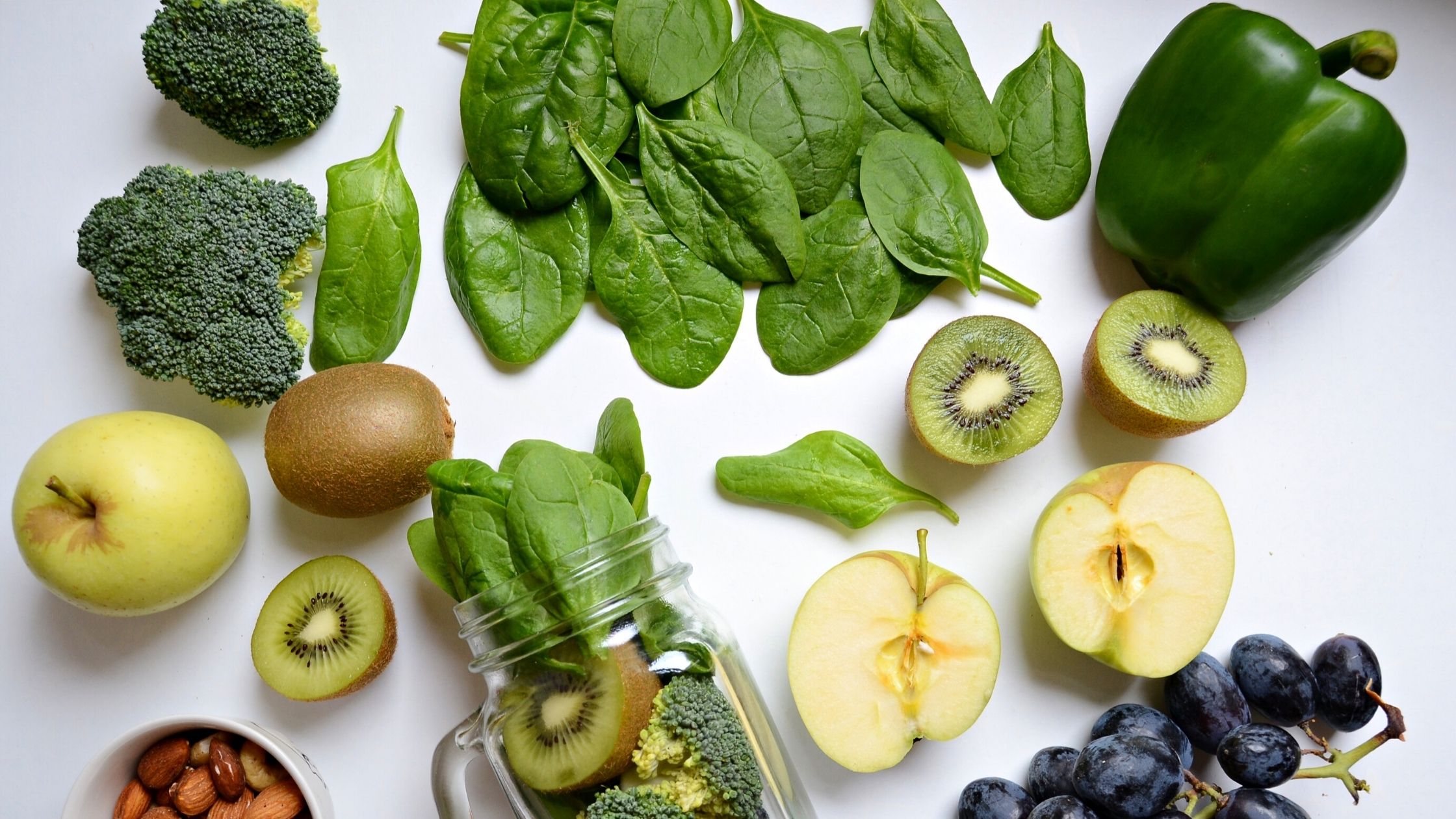
Greens are packed with vitamins, minerals, antioxidants, phytonutrients, and fiber. Additionally, they have very little carbohydrates, sodium, or cholesterol. Studies have shown that eating even two to three servings a week may lower your risk of stomach, breast, and skin cancer. In addition, they have also been shown to reduce the risk of obesity, heart disease, high blood pressure, and mental decline. Why not add them to your morning smoothie? The more greens in our diet the better, right? Not if you are sensitive to oxalates or prone to kidney stones. 

Oxalic Acid Issues

When oxalic acid combines with calcium in your body it can form calcium oxalate. If this happens in your stomach and intestines, that's not a problem as it will leave your body through the stool. But, if the oxalate does not leave through the stool, it can travel to your kidneys. This is where it may start to form crystals. These crystals can join together, and create stones which  can be a huge problem.

Besides kidney stones, there can be other potential symptoms related to oxalate sensitivity. These include joint pain, burning with urination, pain in the body, interstitial cystitis, burning with bowel movements, leaky gut, depression, and thyroid conditions. If you develop oxalate toxicity it can lead to autoimmunity, impair bone health, neurological, cardiovascular, and kidney function. That green smoothie might not look as good to you now if you have any of these symptoms or conditions. 

Does This Mean All Greens Should Be Avoided? 

No! There are both high and low oxalate greens. Most people have no issues with oxalates and can continue to enjoy foods that may be high in oxalates. Greens that are high in oxalates include spinach, collards, Swiss chard, and beet greens. Low oxalate options include arugula, kale, cabbage, mustard greens, endive, watercress, and lettuces such as Romaine, butter, Boston, and Bibb. 

So even if you need to reduce the number of oxalate-containing greens in your diet, there are still many delicious options to choose from. Besides removing high oxalate-containing foods from your diet there are other things you can do to assist with oxalate absorption.

Resolving Oxalic Acid Challenges

Hydration: Drink plenty of fluids, mainly water. This will dilute the urine which has the benefit of lowering the potential of calcium and oxalate binding and possibly forming stones in the urine. 

Lemon Juice: Lemon juice contains citrate which can prevent oxalate build up by binding to calcium. Therefore, the calcium cannot bind to oxalate. Adding lemon juice to your water not only tastes good but can grab that calcium. Just note that excessive lemon juice use can affect the enamel on your teeth. So, either brush your teeth or swish clean water in your mouth after drinking lemon juice or water that contains lemon juice.

Dairy Intake: There have been several studies suggesting that increasing your dietary calcium intake decreases urinary oxalate excretion. Basically, the calcium received from the dairy binds to the oxalates in the intestine which then leaves the body through the stool instead of getting into the urinary tract. Thus, reducing the likelihood of stone formation. If you are unable to add dairy to your diet, calcium supplementation can be done. Calcium citrate is the preferred form and is best taken with meals with a dose of 200 to 400 mgs being recommended. 

Gut Bacteria: There are both good and bad gut bacteria in our digestive system. One of the good guys for oxalate is oxalobacter formigenes. This bacteria utilizes oxalate as a source of energy. Thus, it has been reported to decrease the risk of recurrent calcium oxalate stones. A healthy gut flora will usually have oxalobacter formigenes to manage oxalate in the digestive system. Antibiotic use will deplete this bacteria. Erythromycin and azithromycin are especially harmful to oxalobacter formigenes.  

Preparing Your Greens: There are two types of oxalates found in foods, soluble and insoluble. Several studies have been done to evaluate if various cooking methods can alter the oxalic acid in foods. Boiling markedly reduced soluble oxalate by 30 to 80%. It was found to be more effective than steaming which had a reduction rate of only 5 to 53%. The loss of insoluble oxalate during both cooking methods varied greatly, anywhere from 0 to 74%. Soluble oxalate appears to be better absorbed than insoluble. Therefore, using cooking methods such as boiling or steaming, may be an option to decrease soluble oxalate in the diet

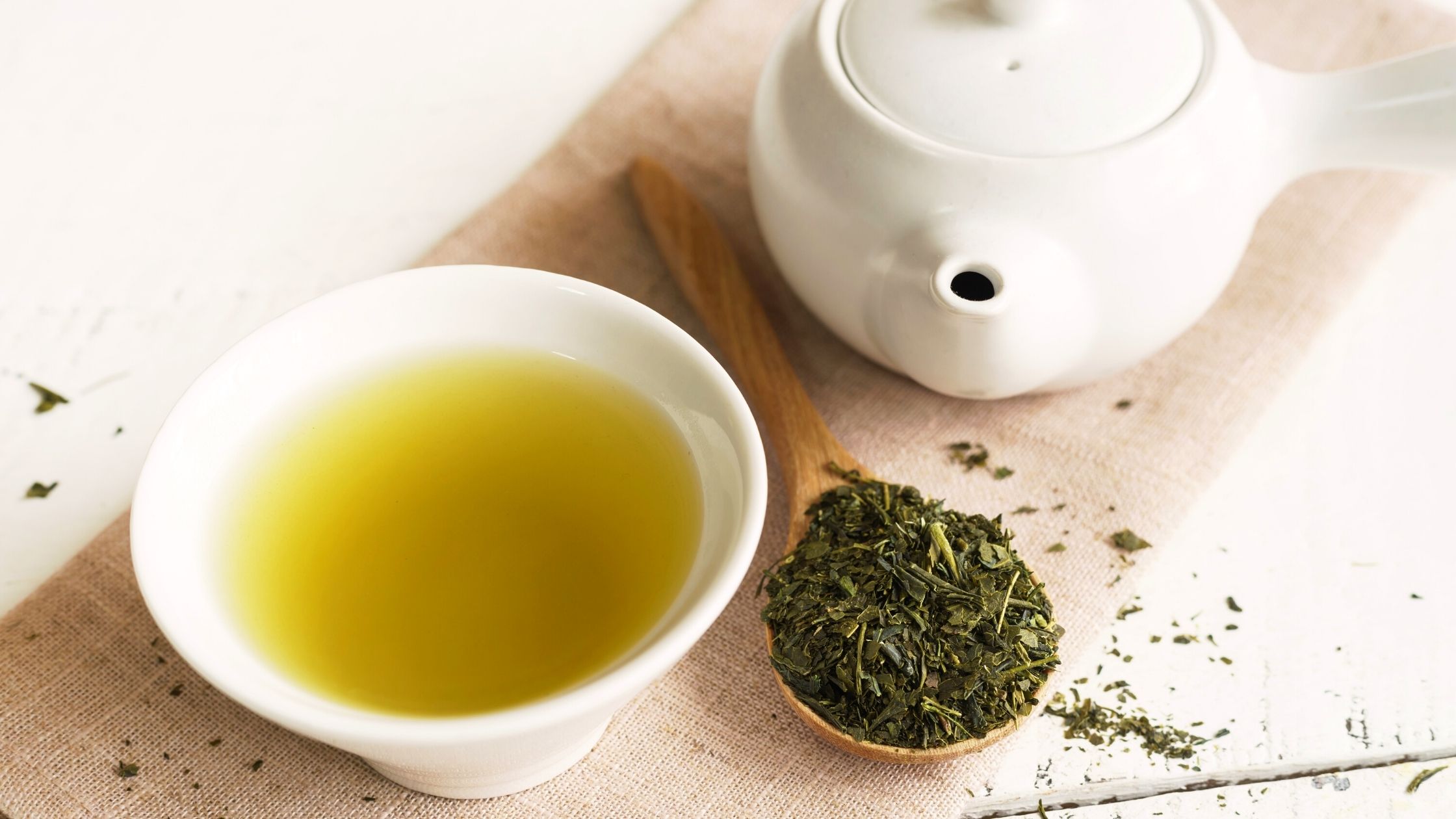
Green Tea: A recent study shows that compounds found in green tea extract bond to calcium oxalate and makes the formed crystals a different shape. This makes them less likely to bind together thus they are unable to form larger stones.

If you have a sensitivity to oxalate or are prone to kidney stones, switching out that spinach in in your green smoothie with a low-oxalate green may be a good way to lessen the oxalate challenges. Additionally, using lemon juice, dairy, probiotics with oxalobacter formigenes, green tea, or boiling the greens first are additional options to decrease oxalate challenges. These strategies not only will work for your greens, but can help for all oxalate-containing foods.


[expand title="Sources"] 

Chai, W. and Liebman, M. Effect of Different Cooking Methods on Vegetable Oxalate Content. Journal of Agricultural and Food Chemistry 2005 53 (8), 3027-3030. DOI: 10.1021/jf048128d

Kaufman DW, Kelly JP, Curhan GC, et al. Oxalobacter formigenes may reduce the risk of calcium oxalate kidney stones. J Am Soc Nephrol. 2008;19(6):1197-1203. doi:10.1681/ASN.2007101058


Makkapati S, D'Agati VD, Balsam L. "Green Smoothie Cleanse" Causing Acute Oxalate Nephropathy. Am J Kidney Dis. 2018 Feb;71(2):281-286. doi: 10.1053/j.ajkd.2017.08.002. Epub 2017 Dec 6. PMID: 29203127.


Olson, N., RD Revised 3/2010 S. Van Riet RD, w/input from K Penniston, PhD, RD. Nutrition Tips to Treat and Prevent Calcium Oxalate Kidney Stones. Retrieved from https://www.uwhealth.org/files/uwhealth/docs/pdf/nutrition_kidney_stones.pdf,


Shu, X., Cai, H. and others. (2019). Green tea intake and risk of incident kidney stones: Prospective chort studies in middle-aged and elderly Chinese individuals. International Journal of Urology. Retrieved from https://onlinelibrary.wiley.com/doi/epdf/10.1111/iju.13849.


Taylor, E. and Curhan, G. Dietary calcium from dairy and nondairy sources, and risk of symptomatic kidney stones. Retrieved from https://www.auajournals.org/doi/abs/10.1016/j.juro.2013.03.074


Yadav, S.K., Sehgal, S. Effect of domestic processing and cooking on selected antinutrient contents of some green leafy vegetables. Plant Foods Hum Nutr 58, 1–11 (2003). https://doi.org/10.1023/B:QUAL.0000040359.40043.4f


[/expand]

Don’t Do This: Dehydrating Bone Broth

 
I’m a big fan of sharing mistakes. Especially the ones I make that are related to food. We all make mistakes, it’s part of being human. I’m sharing in the hopes you will learn from my experience and not make the same mistake.  
 
I may have mentioned over the last few weeks that I’ve become reacquainted with my dehydrator.  I’m re-learning how to store food this way plus making some delicious snacks. But not everything comes out the way I think it will. 
 
In the manner of the book Make The Bread Buy The Butter I’d like to share something that I don’t think you should do. I mean you can, it’s possible, I just don’t recommend it.
 
I’ll start by telling you the what...I don’t think it’s worth it to dehydrate bone broth.
 

Here’s the Why

 
Sometimes my curiosity and meandering mind runs away with my brain. My general thought process went something like this...
 
  • We’ve had a couple of power outages already this year.  Now it’s hurricane season.  There might be another power outage
  • What if I want bone broth? After all, I drink 1-2 cups a day!
  • Hmmm...I’ve been dehydrating so many things I bet you can dehydrate bone broth.  
  • This would be so much less expensive than buying it already dehydrated. Plus I’d have my bone broth which I like a lot
::Internet search on dehydrating liquids:: Yup! It’s possible
 

How to Dehydrate Bone Broth

I wasn’t sure how much bone broth I was going to dehydrate but I imagined a LOT.  I figured I’d start with my usual 1 gallon batch. At this point it’s important for you to know that when you are dehydrating foods you cannot have a lot of fat in the mixture.  Fat does not dehydrate. If there’s too much it will go rancid. So, moving forward with my big plan…
 
  1. Make one gallon of bone broth (I almost always have a “broth bag” going in my freezer)
  2. After straining, chill the broth to make the fat rise to the top and skim it off 
  3. Carefully ladle 1 cup of broth at a time onto the fruit leather/liquid trays (this was so I would know what the ratio was -- 1 cup of broth equals how much dehydrated broth?). Please note I was mindful enough to ladle it all next to the dehydrator instead of carrying loaded trays across the kitchen and possibly slopping bone broth all over the floor. I give myself brownie points for that.
  4. Turn on the dehydrator and run until the broth is done (your mileage may vary depending on your dehydrator)
  5. Take the trays of dehydrated bone broth to the counter to scrape it off and into a jar
 

The End Result

This, dear reader, is where the fun began.  First of all, dehydrated bone broth does not easily part with the tray on which it has been sitting for 10-12-14 hours. No indeedy, it chips off slowly and laboriously. 
 
Second, it turns out dehydrated bone broth is sticky. Yup. As in I wound up wearing a fair amount of it.  It would chip off the tray and somehow bits of it would magnetically attach themselves to me. 
 
Hours later (not really but it felt like it) I finally had my bone broth. It was completely dehydrated, flaked up, and safely ensconced in a jar. Where a quick measurement indicated that approximately 1 tablespoon of dehydrated broth flakes was the equivalent of one cup of liquid broth. I’m also pretty sure I licked more than a cup’s worth off my hands when I was done.
 
Between the hours it took to make the broth, the hours it took to dehydrate it, and the time wrestling…um...chipping the stuff off the trays I’m not sure how many hours it was but it was too many.  I make bone broth on a regular basis and will continue to do so. I do tend to store some in my freezer but given that I have other items in there there’s not a lot of room for more bone broth. 
 
So my advice is to make the bone broth, maybe even store some in the freezer, and buy the dehydrated bone broth for longer term storage.

The Health Benefits Of Mushrooms


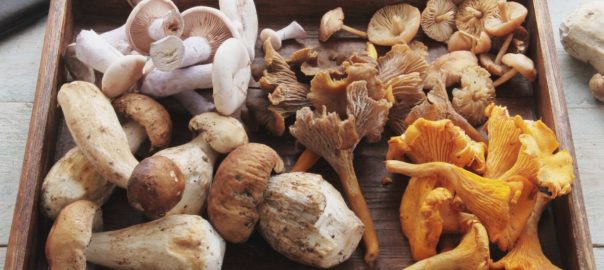
Humans have been consuming mushrooms, both for nutritional and medicinal benefits, for more than 5,000 years. Mushrooms come in many different shapes, sizes, and colors, containing vitamins, minerals, and other nutrients.

Mushrooms have been increasingly popular over the years.  More people are enjoying the taste of mushrooms and finding ways to incorporate them into their diet. They give rich flavor to any dish and on top of that have beneficial nutrients. Many people are learning the ways mushrooms benefit the body, but some still are surprised to find out just how beneficial they can be.


Health Benefits 

Mushrooms are a low-calorie addition to your meals and very nutritional. They are very rich in fiber, contain some proteins, and have a variety of vitamins, antioxidants, and minerals. Some of the health benefits of mushrooms include lowering blood pressure, aiding in weight loss, and boosting your immune system. According to some studies consuming them may event help prevent some types of cancer. In Japan and China, they are used along with standard cancer treatment.

Mushrooms have a lot of potassium in them which is known to lower blood pressure by aiding in the absorption of sodium in the body. The antioxidants in mushrooms may aid in weight loss by reducing the risk of metabolic disorders. Studies have shown that eating mushrooms on a consistent basis mixed with exercise will aid in weight loss. 

Eating mushrooms consistently has also shown a dramatic effect in our bodies ability to fight off diseases or be less susceptible to serious illnesses. In turn, boosting our immune system. 

There are many different types of mushrooms, each with their own unique benefits. Let’s look at a few and discover their health benefits.

Chaga

Chaga mushroom is known as the king of mushrooms. It has many anti-inflammatory benefits. It is rich with nutrients such as vitamin D, potassium, and magnesium. These aid in reducing inflammation and improving bone health. 

Chaga has been studied to help protect against or even aid in recovery of illnesses. It can’t be said that Chaga can cure diseases, but studies have shown that it aids tremendously more than most other efforts. Chaga mushrooms are traditionally made into a tea for medicinal purposes. 

Reishi

With every king there needs to be a queen and that is the reishi mushroom. Grown in Asia, it thrives in hot and humid climates. Reishi also has strong anti-inflammatory function, improves immune function and mental clarity including depression and fatigue. Along with promoting longevity, it has been shown to have anti-cancer benefits. When questioned, one breast cancer study found 60% of 4,000 cancer survivors consumed reishi mushroom. 

Taking reiki in supplement form could potentially benefit your quality of life and be supportive for depression and anxiety. 

When it comes to side effects of taking reiki as a supplement or food form, it really doesn’t have any. The only side effect seen to date is an upset stomach and indigestion.  Unless you have a specific allergy to mushrooms it does not appear that there are any contraindications from adding them to your diet.

Shiitake

These are one of the most popular mushrooms because they are rich in flavor.  Shiitake mushroom have been described to have a meaty taste to them. These are the ones you see more often in grocery stores and which tend to be highly used in recipes. 

Shiitake mushrooms have the greatest number of vitamins to help your bones, your heart, and your immune system. There are little to no side effects again when ingesting these unless you have a mushroom allergy. 

Lions Mane

This particular mushroom has been studied to possibly help protect against dementia, anxiety, and depression. It has strong antioxidant qualities which help promote a strong immune system, healthy nervous system, and may lower the risk of heart disease. 

Ways to Enjoy Mushrooms

Mushrooms can be enjoyed raw in salads, grilled, sauteed, or roasted for wonderful additions to your meals. They can also be added to soups, sauces, egg dishes, and casseroles. 

Mushrooms are on the Environmental Working Groups (EWG) “Clean 15” list coming in at #13. Even though they are on this list, they can have pesticides on them when tested, just less than a lot of other produce. If this is a concern, choose organic. It is important to note that mushrooms have the unique ability to absorb much from the material they are grown on, either good or bad. This quality is what often provides for the strong mineral content but can also be a problem if they are grown on contaminated mediums.

Adding mushrooms to your diet can add amazing flavor along with many health benefits. Here is an easy and delicious recipe to add some of the wonderful benefits of mushrooms to your diet.

Recipes

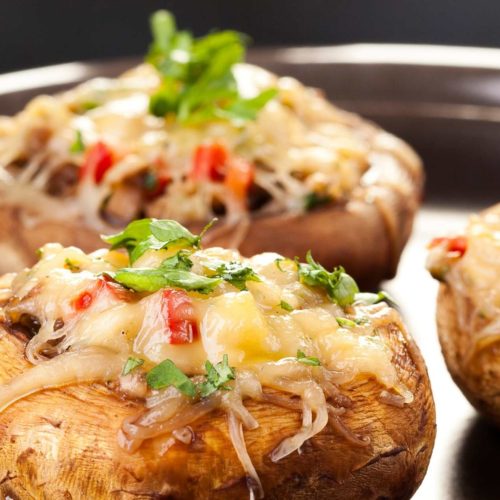
Colcannon Mushrooms

I was watching an episode of Cooking Up A Story where they made Irish Twice Baked Potatoes and it looked so good that I just had to make some for dinner.  
Casting around my kitchen I realized that we only had one very large baking potato.  But we had two medium sized sweet potatoes.  Thinking back to  my childhood I remembered how my mother would make Mixed Twice Baked Potatoes by mixing together mashed sweet and baking potatoes and then restuff the shells.  I decided that this would be a good alternative to plain twice baked potatoes and it would give me two very stuffed halves of the baked potato.
Rummaging around in my fridge revealed some of the Russian Red River Kale from this week's farm share.  I also had one last onion from the farm share.  I made the stuffed potatoes and still had a fair amount of stuffing left over.  Back to the fridge I found three good sized portobello mushroom caps, cleaned and stuffed them and popped everything into the oven.
The sweet potatoes added so much flavor that I didn't need nearly as much butter as the original recipe called for.  I also left out the buttermilk and didn't feel that I needed the cheddar cheese on top.  
Oh my goodness was this good.  So good in fact that the next time I make it I am thinking of bypassing the stuffed potato part altogether and just stuffing mushroom.  Yes it takes time, but trust me, it's worth it.

Ingredients
  

  • 6-8 leaves kale
  • 1 medium onion
  • mushroom caps (how many depends on what size they are)
  • 2 T. organic butter
  • 2 T. olive oil
  • sea salt and pepper to taste

Instructions
 

  • Preheat oven to 350F
    Wash and prick with a fork one large baking potato and two medium sweet potatoes
    Bake one hour or until done
  • 30 minutes after you start the potatoes:
    Wipe mushrooms with a damp towel to clean them
    Dice the onionCut the kale into medium-fine chiffonade
    Add 1 T. olive oil to a large pan
    Saute onions on medium heat until golden brown
    Add remaining olive oil and kale
    Saute until kale is wilted
    Add salt and pepper to taste
  • Remove potatoes from oven
    Peel and mash with butter
    Add in onion and kale mixing well
    Stuff mushroom caps and bake 30 minutes
    Enjoy!

Stuffed Portobello Caps

Servings 4

Ingredients
  

  • 4 tablespoons extra virgin olive oil, divided
  • 1 large Poblano pepper, seeded and diced
  • 1 pound of sausage (uncooked, although you can substitute diced pre-cooked sausage if preferred)
  • 4 ounces goat cheese, room temp, cut into small pieces
  • 4 medium Portobello mushroom caps, rinsed and patted dry
  • Sea salt and black pepper, to taste

Instructions
 

  • Preheat oven to 350°F
  • Lightly grease a large roasting pan with one tablespoon olive oil and set aside
  • Heat 2 tablespoons olive oil in a large pan over medium heat
  • Add diced Poblano peppers and cook until the peppers soften and begin to develop some color, about 4 minutes
  • Add the sausage to the pan and cook, breaking into crumbles, until fully heated, about 6 minutes (reduce timing if using pre-cooked sausage)
  • Add goat cheese to pan and cover for 1-2 minutes
  • Remove cover and stir until the goat cheese is completely melted and well mixed with the turkey and peppers
  • Remove from heat and fill each mushroom cap with some of the mixture
  • Drizzle the mushrooms with remaining olive oil and season with salt and black pepper, as desired.
  • Place roasting pan in the pre-heated oven
  • Roast until mushrooms are slightly browned, about 12-14 minutes
  • Serve immediately
    Enjoy!


Mushrooms have been a source of functional medicine for years. They benefit in both the nutritional and medical aspects. Mushrooms are used often in medicine for a therapeutic effect. When taken consistently and medicinally, they can help fix the deficiencies you may have in vitamins, minerals, and antioxidants. Adding mushrooms to your diet or even taking them as supplements is encouraged to help maintain your vitamin levels. 

Always consult your healthcare practitioner before taking any new supplements and never harvest mushrooms in the wild without an experienced wild forager. 

Sources


Nagdeve, M., Mushroom: Top Benefits & Side Effects. Organic Facts, June 17, 2021. https://www.organicfacts.net/health-benefits/vegetable/health-benefits-of-mushroom.html

Zhang, J.-J.; Li, Y.; Zhou, T.; Xu, D.-P.; Zhang, P.; Li, S.; Li, H.-B. Bioactivities and Health Benefits of Mushrooms Mainly from China. Molecules 201621, 938. https://doi.org/10.3390/molecules21070938


Zhao, S.; Gao, Q.; Rong, C.; Wang, S.; Zhao, Z.; Liu, Y.; Xu, J. Immunomodulatory Effects of Edible and Medicinal Mushrooms and Their Bioactive Immunoregulatory Products. J. Fungi 20206, 269. https://doi.org/10.3390/jof6040269


Why You Should Add Sea Vegetables To Your Diet

If you’ve added more vegetables to your diet, chances are you already know about eating the rainbow. You have probably already added common vegetables like carrots, broccoli, green beans, cauliflower, dark leafy greens, eggplant, and others to your diet. Believe it or not, there may be one great vegetable category you’re missing — sea vegetables.


Health Benefits of Sea Vegetables


A nutrient dense vegetable category, sea vegetables are commonly referred to as seaweed, which is an edible form of marine algae. These sea vegetables have been an important part of coastal diets for over 10,000 years. In addition to being high in fiber, seaweeds are beneficial for health in many different ways. They contain an abundance of minerals, amino acids and proteins, fatty acids, and vitamins. Plus, sea vegetables contain much higher levels of minerals and nutrients than land vegetables. 

Not only are sea vegetables nutrient dense, the nutrients in seaweed are bioavailable, meaning they’re easier for the body to digest and use. When it comes to functional foods, how easily your body can process and make use of the nutritional components is key. Regular consumption of seaweed, as well as supplementation with seaweed, is one functional food option that offers a wide range of health benefits.

Peptides

One reason seaweed has so many potential health benefits is because it contains high levels of peptides — short chains of amino acids (the building blocks for proteins) that are easier to digest than proteins and may be anti-inflammatory and nourishing for the body. The peptides in seaweed have many beneficial health impacts, ranging from lowering cholesterol and blood pressure, to fighting infection and inflammation, to improving mineral absorption and immune function. 

Microbial Metabolites

Because seaweed also contains so many vitamins and minerals that are essential to good health, adding them to the diet is a functional way to help prevent deficiencies. Other compounds, including microbial metabolites - which are present in seaweeds - may be more effective than their manufactured chemical counterparts for curing disease. The health benefits of seaweed extend to improving gut health and preventing weight gain. Research on using seaweed supplementation for health treatments shows that the different compounds naturally present in sea vegetables may help prevent cardiovascular disease and diabetes, manage weight, and even improve mental health.

Chlorophylls

Seaweeds come in red, brown, and green, which is determined by the pigments present in the vegetables. Chlorophylls are the main pigments in all seaweeds, with other pigments present in each color variation. Chlorophyll has long been used as a health supplement to treat skin conditions, body odor, and wound healing. Eating seaweed regularly may improve skin and healing because of their high chlorophyll content.

Seaweeds are an excellent natural source of vital nutrients. Their high levels of beneficial bioactive compounds make them a great choice for supplementation and functional diets. Seaweeds come in a variety of forms, and there are many different ways to incorporate these nutrient-rich vegetables into your diet.


Which Seaweeds Should You Eat?


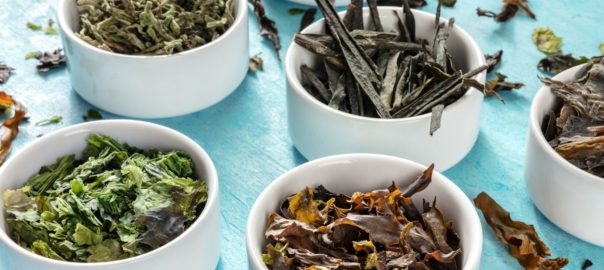
 Some reasons seaweeds are a good food source are that they grow quickly, contain a variety of proteins and amino acids, and provide many other bioactive compounds. There are dozens of different kinds of edible seaweeds, which fall into three categories: red, brown, and green. Below are a few of the most common ones. While some, such as pulse and nori, tend to be available at traditional grocery stores, for others you may need to go to ethnic markets or order online.

Arame

Arame is a brown seaweed (a specific type of kelp) widely used in Japanese cooking. It is usually sold dried, which means it is available all year. This is a good mild flavored semi-sweet sea vegetable that is great for adding to almost any dish. It can be eaten as a side with meat or fish, or added to soups and salads.

Dulse

Dulse is a red algae that is well-known as a snack food. Dulse contains all the trace elements that we need to survive, making it an excellent source of protein for vegetarians or vegans. Fresh dulse is more likely to be available in the northern regions where it grows on the coasts of the Atlantic and Pacific Oceans. Dried dulse is even more widely available than fresh, and is often used as a snack or as flakes or powder to enhance food. Easy ways to add dulse to your diet include sprinkling flakes on pretty much any food, or putting a few strips in a sandwich or wrap to increase the nutrient content and flavor.

Wakame

Wakame is a species of kelp (a brown seaweed) with a subtly sweet flavor and smooth, sturdy texture. It grows in the Pacific Ocean and has been widely used in Japan and other East Asian countries for centuries. Wakame is mostly used in soup and salad, such as in miso soup. Dried wakame is great for adding to soups, and it’s best to cut or break it into very small pieces first because they expand when they rehydrate. Wakame gets its name from the Japanese name for this sea vegetable, and in English it may also be called “sea mustard.”

Nori

Nori is a dried seaweed made from red algae. If you’ve had sushi rolls, this is the thin sheet used to wrap the outside of the roll. These dried sheets of seaweed are widely available at grocery stores, and are also sold in mini packs as a snack food. Nori is meant to be kept dry and is best stored in an airtight package. Lightly toasting the nori gives it a particularly good flavor.

Kelp

Kelp is a brown algae that grows rapidly and forms tall stems with flat leaf-like blades. If you’ve watched nature shows with underwater scenes from the Pacific Ocean, you may have seen the underwater forests of kelp swaying in the water. Kombu includes several species of kelp, and is widely used in Chinese, Japanese, and Korean cooking for broths, stews, and other savory dishes. Kelp is especially healthy and has both a high iodine and iron content. 

Health Note: Iodine is an important nutrient for preventing goiter (thyroid enlargement). However, overconsumption may be toxic to the thyroid, and those with thyroid issues should be particularly careful about iodine intake.

Spirulina

Spirulina, while not specifically a seaweed, is related because it is an algae. This blue-green algae is sold as a dried powder, and typically used as a supplement or green shake ingredient. Spirulina is packed with nutrients, and was at one time used as a food source by Mesoamericans who harvested it from lakes. Today, it is often considered a superfood and is available in many health food stores. It has even been considered as a possible food source for long-term space flight.Adding spirulina to green smoothies is the easiest way to add this algae into your diet.

Health Note: Spirulina may have adverse reactions when taken with prescription drugs, especially medications that affect the immune system or blood clotting. 

How to Add Sea Vegetables to Your Diet


Now that you know why you should be eating more sea vegetables, you may be wondering what is the best way to add them to your diet. Here are a few easy tips to make the most of these delicious, nutrient dense sea vegetables:

  • Add a delicious, umami flavor to soups or bone broths with dried seaweeds
  • Add strips or flakes to a rice or quinoa bowl
  • Use as a roll-up - a super tasty way to replace bread on avocado wraps
  • Make a seaweed salad with a dressing (you’ll need to rehydrate the seaweed first)
  • Cook a side of rehydrated (or fresh cooked) seaweed
  • Dry seaweeds snacks are a fabulous way to add sea vegetables (pre-made or DIY)
  • Add seaweed to fermented sauerkraut for a delicious and nourishing boost
  • Sprinkle seaweed flakes on soups or salads

[expand title="Sources"]

https://www.medicalnewstoday.com/articles/326701 

https://onlinelibrary.wiley.com/doi/full/10.1111/1750-3841.14011 

https://aos.sbvjournals.com/doi/AOS/pdf/10.5005/jp-journals-10085-5109

https://academic.oup.com/cdn/article/4/5/nzaa072/5817837?login=true

https://onlinelibrary.wiley.com/doi/full/10.1111/1541-4337.12441

https://www.medicalnewstoday.com/articles/322361

[/expand]

Healthy Budget-Friendly Ideas For When You Hate To Cook

A while back did a survey and asked my newsletter readers what I could provide that would serve them best.  The two biggest things that I heard back were saving money on groceries and healthy recipes.  Given how much the cost of food has gone up lately, and how much it will probably continue to rise, I definitely understand that.  

One great budget-friendly solution for feeding your family is to cook more at home.  But even I have days when I’m just not in the mood to cook.  I know, shocker right?  You probably thought that because I’m The Ingredient Guru I just spend massive amounts of time playing in the kitchen.  

Well, actually, I do.  

But sometimes you need a day off. 

Plus for a lot of people, real life doesn’t always cooperate with the idea of making a recipe that requires a lot of time.  Yes everyone needs to be fed.  And…kids need to get to sports or there’s a meeting you want to attend.  Maybe you’d rather read a book.  Whatever it is in your life that you’d rather be doing life is too short to spend most of it in the kitchen.

The good news is that if you want to eat healthier but don’t like cooking you can still create affordable and nourishing meals.  And no, it doesn’t mean relying on convenience foods, pre-packaged meals, and it also doesn’t have to blow your budget.

Read this for my five favorite ways to make “fast” food that’s good for you.


Bowl-theory

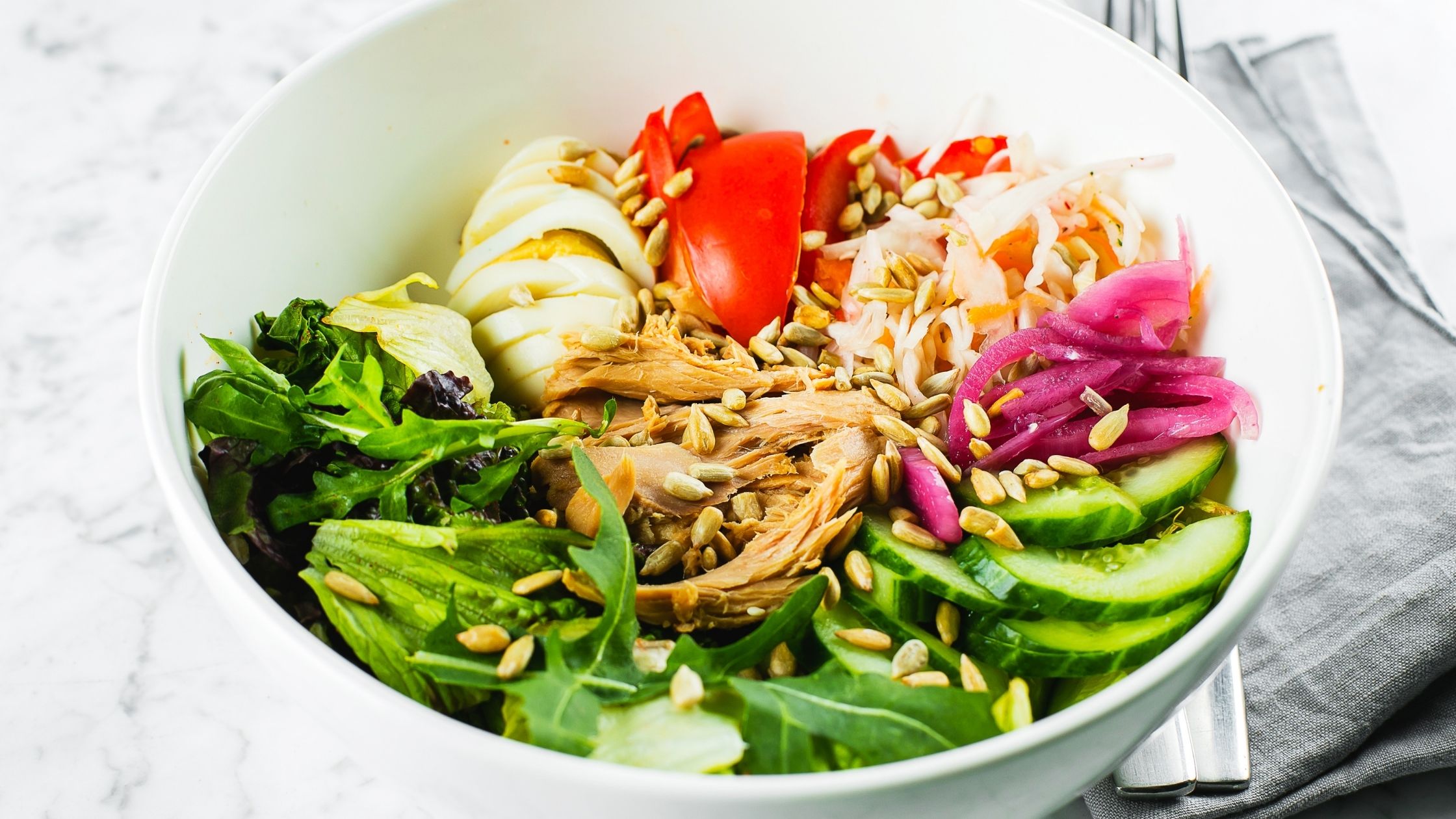
Making a delicious, budget-friendly bowl can be a great way to pull a meal together quickly.  Any kind of a one bowl meal is great. Buddha bowls are really popular right now plus they’re quick and easy to put together. Especially when you’re not in the mood to cook. Bonus, if you’ve done meal planning ahead of time you’ll have very little cooking to do.  Begin your bowl by adding a base of quinoa, shredded greens, or something of your choosing.  Start adding proteins and veggies.  Then top with hummus, salsa, or a homemade dressing and you’re ready to go.  


Eggs Are Amazing

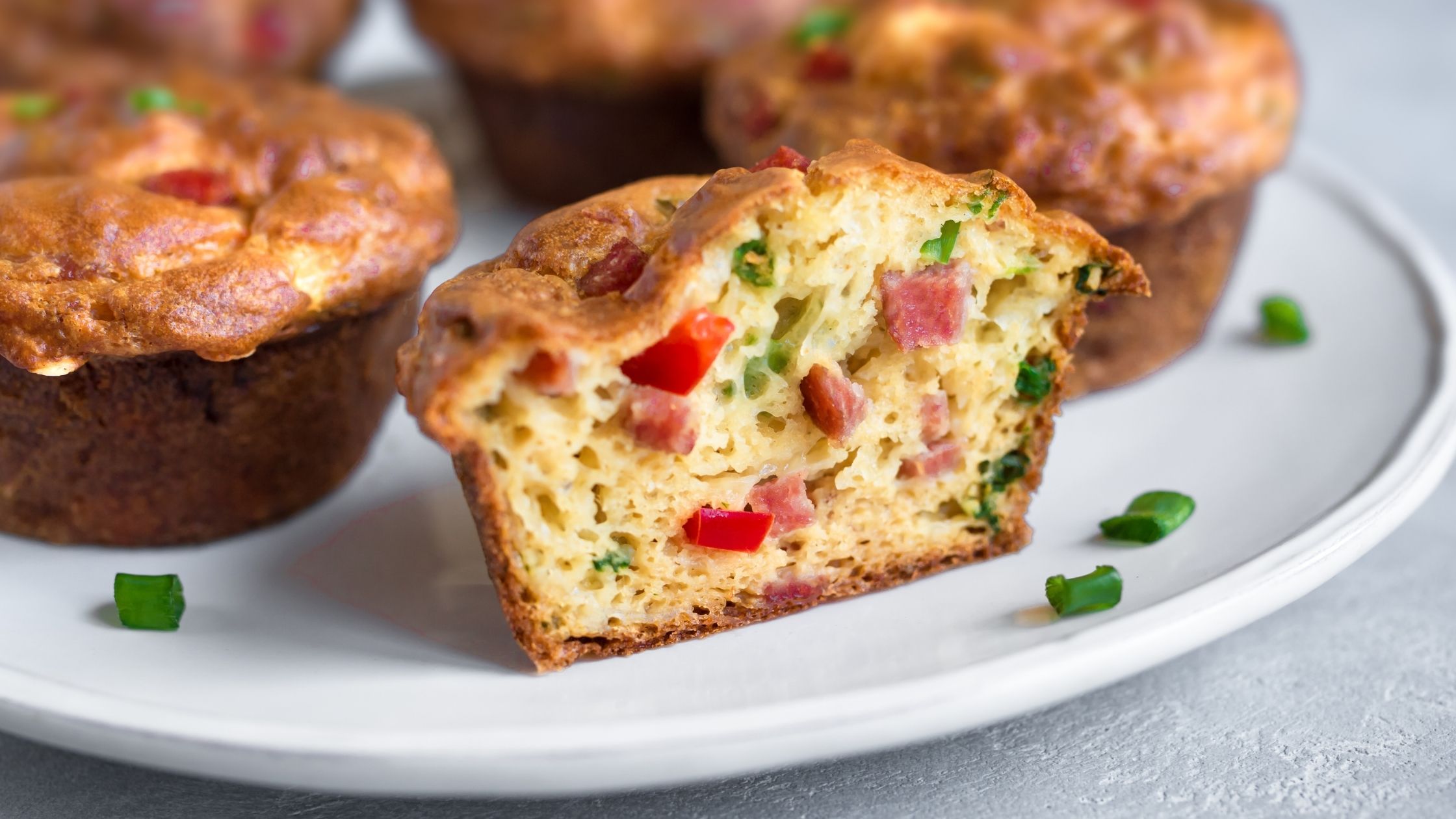
Quick, easy, budget friendly, eggs can be a great choice for a meal.  Scrambled eggs are certainly easy but what about quiche muffins, a frittata, shakshuka, or any one of the dozens of ways you can cook with eggs.  Served with a salad or some cooked veggies (roasted is my favorite), eggs can be great to keep in your fridge for an always ready go-to meal. 


Zoodle-love

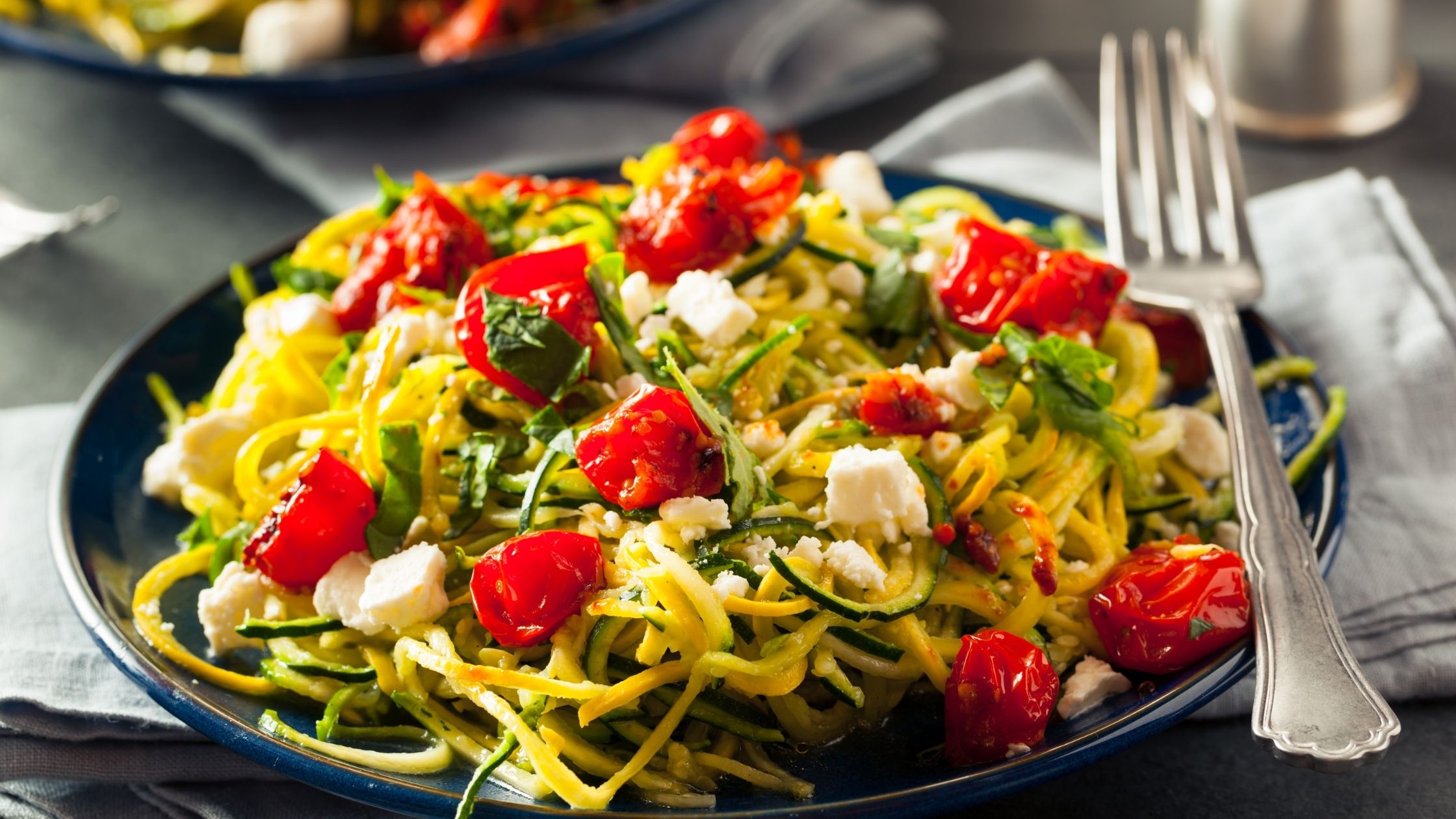
When trying to make a meal fast and on a budget you may be thinking about pasta.  The problem is that’s not really a healthy choice.  But you can put a healthy spin on it by making zoodles.  Using spiraled zucchini, or other vegetables, you’ve got a great base.  Add your favorite sauce, some protein, and a side salad and you’ve got a quick and easy meal.  Plus you’ll be getting more veggies in your diet.  And that’s always a good thing. 


Roast Chicken

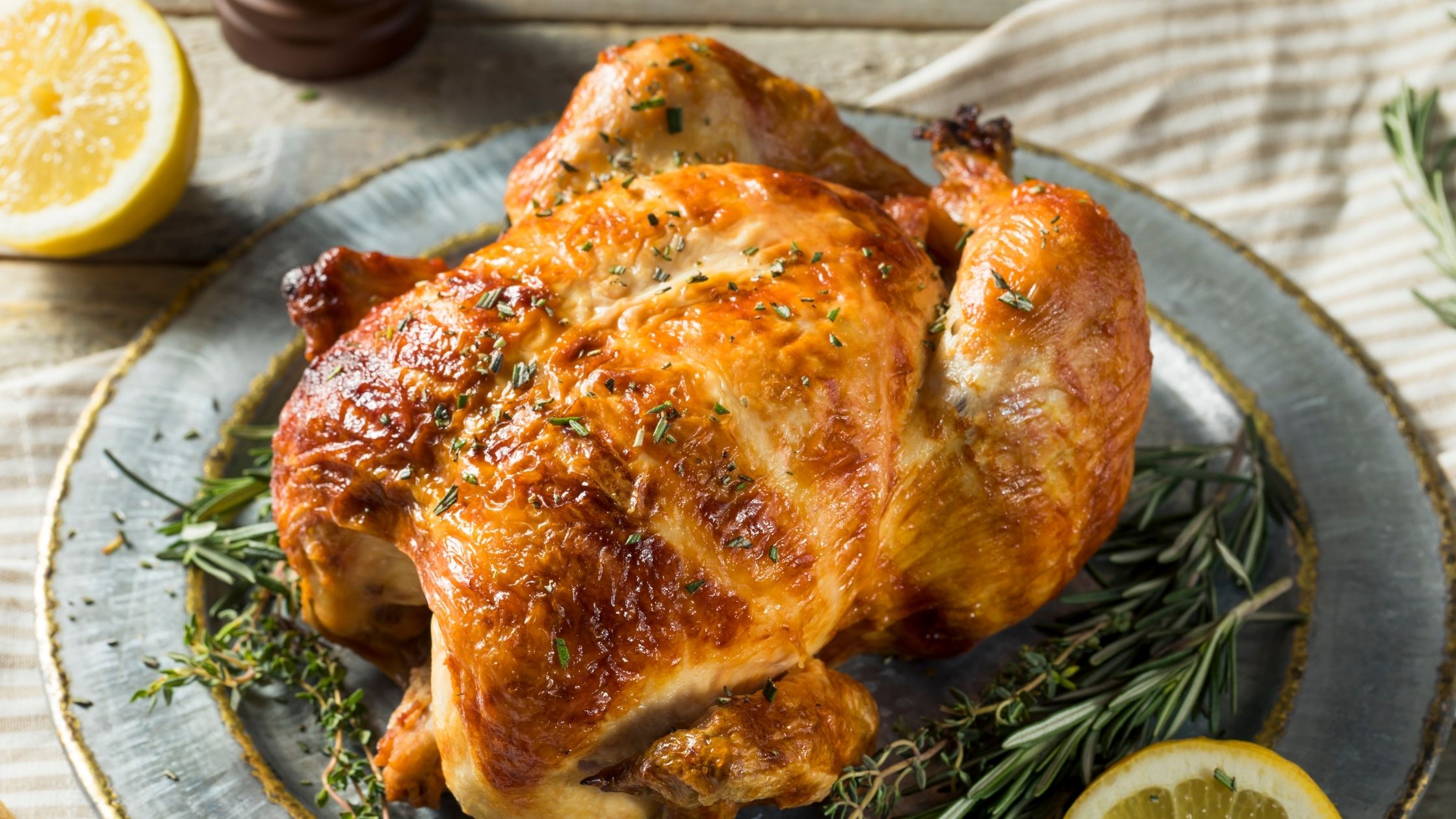
Okay, so admittedly this isn’t a time-saving idea because it does take a while to roast a whole chicken.  The good news is that when you do that you’ve got a lot of meat that you can use to make bowls, salads, or even just serve up with some veggies and a salad.  Cooking that one meal can give you a fast solution for more meals depending on how many people you’re feeding.  Please don’t try to save time on this one by buying one of those rotisserie chickens at the grocery store.  Most of those have added ingredients in them, like carrageenan, modified potato starch, and dextrose.  That rotisserie chicken may seem like a good deal but it’s not a healthy one.


Fast Fun Freezer Meals

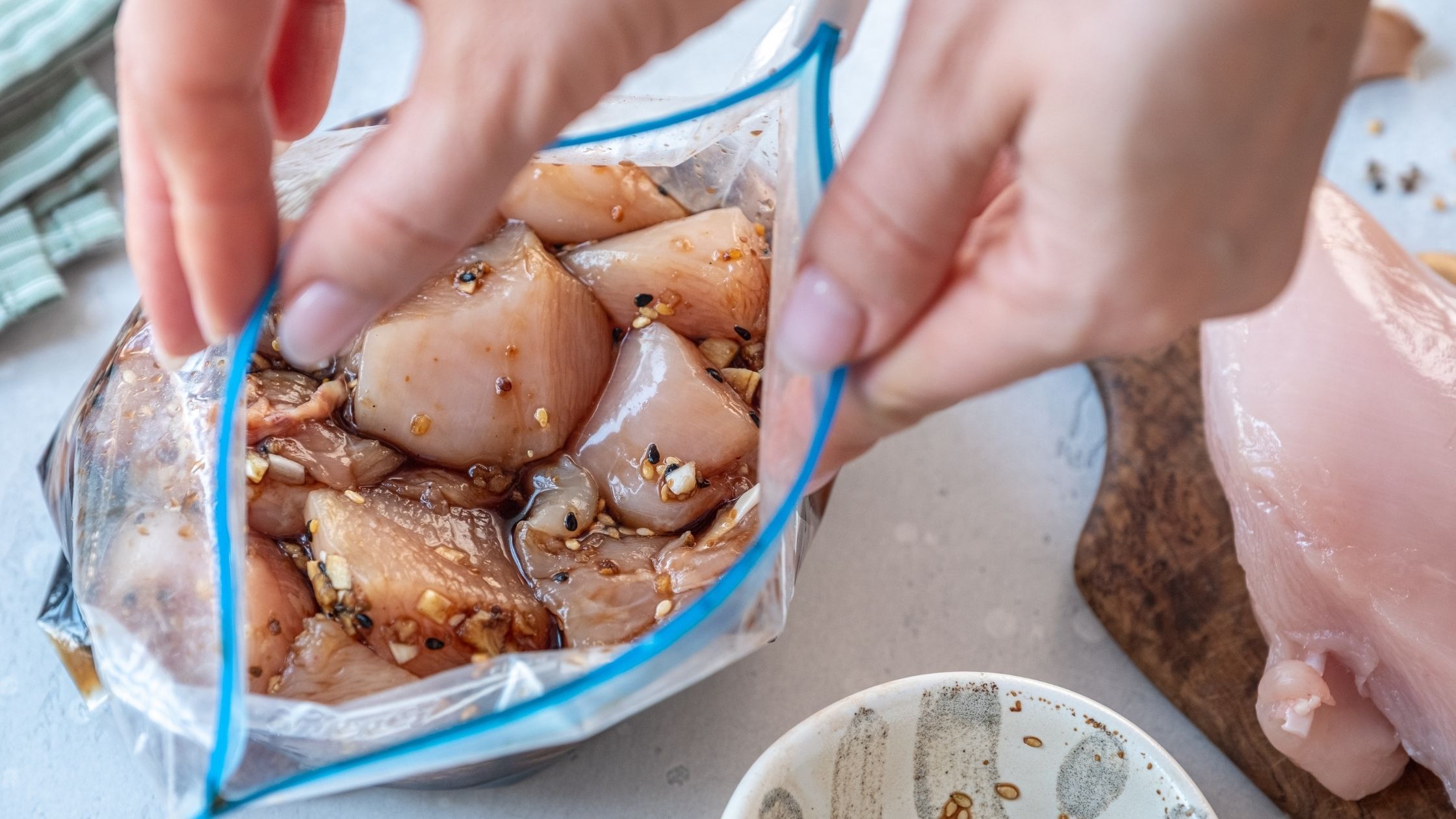
One of the best ways to save time in the kitchen is to do some meal prepping.  My favorite way is to use my Fast Fun Freezer Meal Program.  You can get 20-24 servings of dinner prepped for the freezer in 90 minutes or less!  Then when you want a meal it’s already assembled and just needs to be cooked.  That’s a great way to get a healthy meal on the table without a lot of time in the kitchen.


Related articles:
Clean Eating on a Budget
Realistic Budget Friendly Tips

Making Baby Food With Real Ingredients

What parents can do to keep their child safe from toxins in food


A recent congressional report reveals the FDA’s failure to regulate heavy metals in baby food seems to have created more questions about why the agency failed to adequately regulate toxins such as arsenic, lead, cadmium, and mercury in baby food. While these toxins don’t belong in baby food, or any food for that matter, their presence in baby food can cause serious and often irreversible damage to infants’ and young children’s brain development. 

Tips to avoid heavy metals in baby food:

  • Read labels carefully
  • Avoid foods with confusing labels
  • Choose the healthiest foods
  • Make your own baby food
  • Use local or homegrown foods sources
  • Avoid snacks - especially crackers, puffs, rice products, and sweet potato

Reading labels is an essential part of picking out the healthiest commercial options available. Make sure you take time to review the label carefully and understand the ingredients in the foods you choose. Know that food labeling is often misleading, making you think something is healthier than it really is. Choose healthy foods, made from whole food ingredients. 

Reduce your baby’s exposure to toxic heavy metals by choosing the best commercial foods you can, making your own baby food, getting vegetables and fruits from reputable local sources, and avoiding the highest risk baby foods (rice-based foods and sweet potatoes).

Hygiene When Making Baby Food

There are many good reasons to make your own baby food at home. Store-bought baby foods, while convenient, also have many drawbacks. Even those that are safe foods may contain unhealthy additives, extra starch, and high sugar levels. If you opt to make your own baby food, proper hygiene and food handling is essential. Here are some things to consider to make baby food that is safe for your child to eat:

  • Wash and rinse in hot water
  • Boil utensils
  • Store in the fridge or freezer
  • Discard leftover food 
  • Introduce new items slowly
  • Start with fruits and vegetables

When making your own baby food at home, remember that all cooking equipment, utensils, and storage containers that come in contact with the food should be properly cleaned and sterilized. Hot water, including boiling water, can be used to sterilize cooking equipment, like pots, spoons, knives, and mashers. Since homemade food does not have any added preservatives, it needs to be kept refrigerated (or frozen) and should never be left to sit out for an extended period. Even cooked food should only be stored for a few days in the fridge. Freezing is a good option to keep food safe (and fresh) for longer. 

When preparing for meal time, take out the amount you plan to feed your child using a clean utensil. If there is food leftover from the meal you should discard it for safety. New foods can be introduced slowly and in small amounts, to see how your baby handles it. The best foods to start with are fruit and vegetable purees, and eggs, beans, and meats can be added later as your child is able to eat more foods.


Tips for storing homemade baby food

Whether your child is still in the puree stage or becoming comfortable eating solid foods, you are going to need to store food in the fridge. Baby foods can be stored for up to 48-72 hours in the refrigerator, or 3 months in the freezer.

Luckily, there are a variety of storage solutions offering easy-to-portion storage for the fridge or freezer, with stackable options to help save space. Storing homemade baby food in the freezer allows you to make a bigger batch at once, and then serve it over the span of a few weeks or months.


Best containers for homemade baby food

There are many baby food storage containers available. Look for glass or silicone containers for the healthiest food storage options. Glass and food-grade silicone containers are non-reactive. They will not absorb odors or leach chemicals into food, and they are safe to use at different temperatures.

It’s important to avoid plastic containers if you are making your own baby food. Small amounts of potentially harmful chemicals – including BPA (bisphenol A) and phthalates – may leach from the plastic into the food. Even “BPA-free” containers may contain other bisphenols that are unhealthy for you and your baby. These chemicals are hormone disruptors that cause problems in the endocrine system. Ultimately, the best storage solutions are glass or silicone.

Glass

If you are making baby food for the first time, glass baby food containers and storage jars may be best for you. Glass is one of the safest materials to use, and it’s durable, reusable, and easy to clean and sterilize. 

As you already know, glass is breakable, so glass containers require a little bit of care to use. Glass can also sometimes crack with sudden temperature changes. Warm foods stored in glass containers should be refrigerated to chill before moving them to the freezer, and food frozen in glass should be thawed carefully (preferably in the fridge, or if you need it quickly thaw in the microwave on a defrost setting). Still, glass is long-lasting and does not react with foods or retain any odors or residues when washed properly, making it an excellent option for homemade baby foods.

Silicone

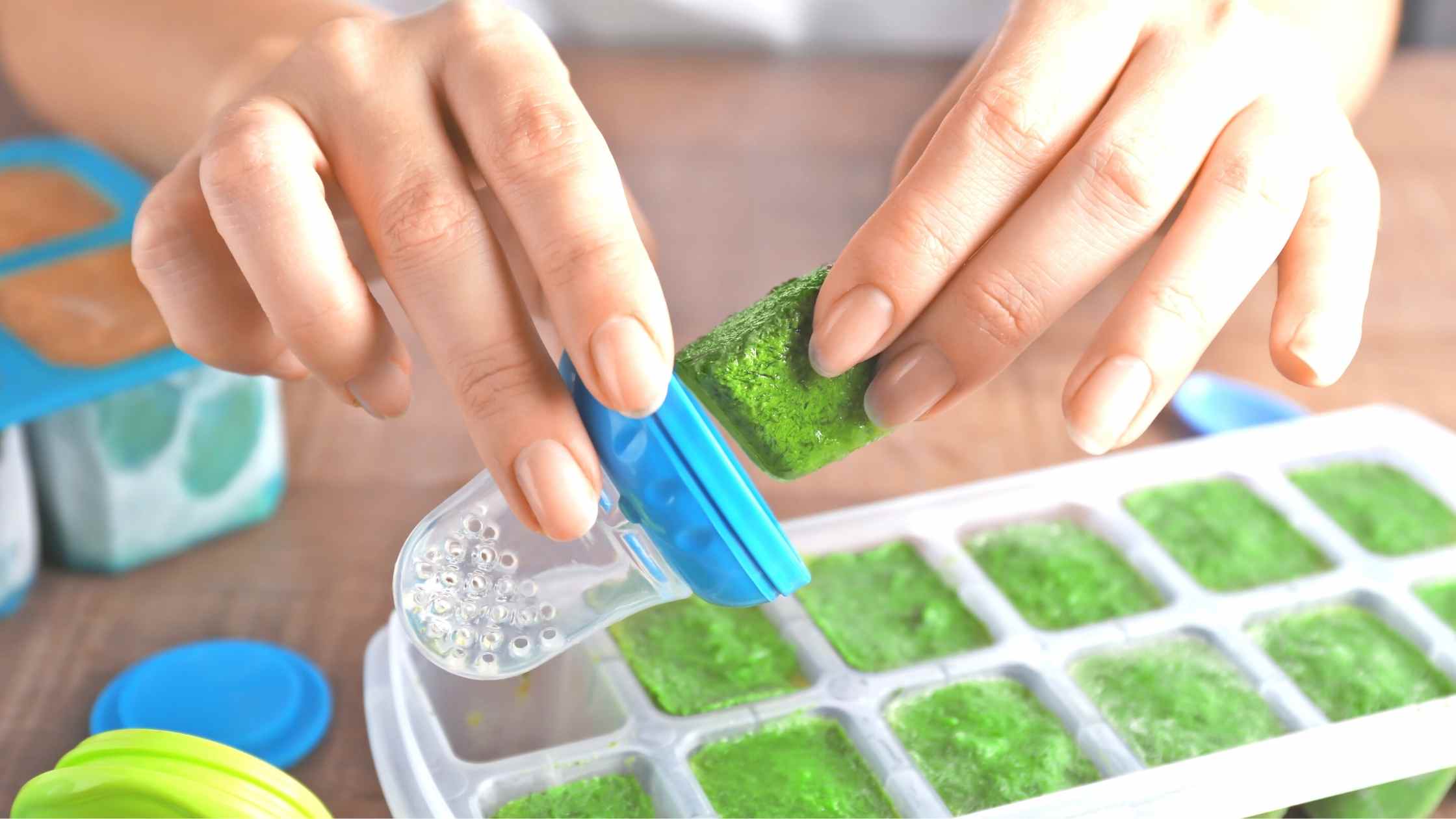
Silicone is another option for storing homemade baby food. Silicone molds (like large ice cube trays) are a great way to store homemade baby foods in the freezer. You can take out whatever portioned amount you need to thaw in the fridge, while leaving the rest in the freezer for later. It’s easy to remove frozen foods from silicone containers or molds. Silicone is a durable, easily washable, easy to store option for baby food containers, and they are not breakable like glass containers. However, they can sometimes wear down after extended use, and may become cloudy or worn if washed in a dishwasher. They are probably a better option for vegetable and fruit purees, or foods without any fats added, as oils can leave a residue on silicone.

How to make baby food at home

Making baby food at home can be relatively easy. Steaming and mashing are the key methods for making baby food at home. Starting with good quality, fresh foods is important, and making your own baby food gives you full control over what you put into it. Plus, you can cook in batches to save on time and money.


General steps to make baby food at home:

1.Wash your work area

Thoroughly wash your hands, food preparation area (sink, counter), kitchen tools, and storage containers. Rinse with hot water.

2. Get produce ready

Wash and peel the produce, making sure to thoroughly clean everything.

3. Cook the food (if needed)

Steaming is an easy way to gently cook tougher fruits and vegetables. You can get a layered steaming basket to cook multiple groups of produce at the same time to cut down on prep time. Baking is another way to cook food until soft. If you bake foods to use for puree, it’s best to cook them in a covered dish so they don’t lose too much moisture. 

Beans, eggs, and meats (with fat removed) can be well cooked and prepared into baby food as well.

Skip the cooking for foods that are already soft and easy to mash or blend, like bananas or other soft fruits and avocados.

4. Puree or mash the food

Puree foods using whatever kitchen tool you have that gives you a fine, smooth result. This could be a ricer (handheld tool for making fine puree), food processor, or blender. Depending on the food, you may need to add a small amount of water to get the right consistency for the puree. When your baby is ready to start chewing foods with more texture, you can mash foods, leaving small pieces in the food.

5. Store it

Pack your healthy homemade baby food into the containers you already cleaned. Store them in the fridge to use in the next couple days, or in the freezer to use over the next couple weeks or months. 


Baby Food Ingredients

When making baby food it’s best to start with fresh, single-ingredient options. Choose organic fruits and vegetables for those foods on the Dirty Dozen list.

Unless it’s something like a ripe avocado or a banana, which mashes well without any cooking, produce should be well washed, peeled and cored, and then lightly steamed before serving.

It’s best to serve baby food unseasoned. Salt, pepper, and spices can be overwhelming for their systems. Plus, as they get used to eating semi-solid foods, it’s best to let them adjust to the flavor of the actual foods.

Although babies, like all humans, are geared to like sweet things, it’s generally recommended that you start them off with vegetables first and then eventually add in a little fruit. If you start with fruit, because it’s sweeter, it may be more challenging to encourage your baby to eat vegetables.

In addition to avocado, good vegetable choices to start with include steamed or cooked (to get to a mashing point):

  • carrot
  • turnip
  • sweet potato
  • squash
  • peas
  • green bean
  • beet
  • spinach
  • parsnip
  • zucchini
  • cauliflower

Fruit choices, in moderation once vegetables have been introduced, include:

  • banana
  • pear
  • peach
  • melon
  • plum
  • apple
  • mango
  • papaya
  • apricot (fresh)

After your baby has started regularly eating single foods you can try mixing them together. Some suggestions for blends include:

  • carrot + apple
  • spinach + banana
  • sweet potato + peas
  • zucchini + pear
  • spinach + peas + peach
  • cauliflower + plum
  • pumpkin + cauliflower + zucchini
  • sweet potato + beet + green bean
  • carrot + spinach + pear
  • avocado + zucchini + mango

When feeding your baby, be aware that pediatric guidelines recommend not feeding them egg whites or honey until they are at least 1 year old.

what to feed your baby

What To Feed Your Baby?


When to introduce baby food


Infants first start out on a diet of breast milk (or baby formula) to provide necessary nutrients, vitamins, and natural antibodies. At five or six months old babies are usually ready to start having some semi-solid foods added to their diet. It’s around this age they stop showing the rooting or sucking instinct — the sign they’re ready for their first baby foods. 

Adjusting to eating semi-solid foods is a big change for babies, and it will take time for them to get used to it. Soft pureed foods are the best food to start with. At first, feeding is likely to be messy and can take extra time as babies get used to the new tastes and textures of baby food. They may cry because they cannot get food fast enough, or spit out foods because they aren’t used to the texture. It’s also important to make sure babies are hungry by mealtime, but not overly hungry. Otherwise, excess hunger or lack of appetite can lead to frustration with the process of learning to eat semi-solids foods.

As babies start growing some teeth, they become able to chew foods. This is when you can start giving them slightly chunkier baby foods. Once they are able to sit up straight in a high chair, grasp food and move it to their mouths with their hands, they are ready to start having finger foods. Even though it takes time for babies to get used to new foods, it’s a good idea to give them a variety of vegetables and fruits. If they reject a food, replace it with something else and reintroduce the rejected food regularly. It normally takes six to ten times trying a food for babies to get used to new flavors, and can take even longer with naturally bitter or sour tastes. With time and patience, babies will develop a taste and appetite for the new kinds of food you add to their diet. 
Food variety is key

When your baby is ready for solid foods, it’s important to think about what foods you’re going to feed them. I encourage a variety of pureed fruits and vegetables. Different tastes and textures in babies’ first foods are key to building preferences for nutritious options. It’s best to start with pureed foods and gradually change the texture of the foods. Including new textures in their food helps babies learn how to chew, and also aids speech development, which is important for their development. 

Offering a wide variety of foods to your child will keep meals interesting and flavorful, and allow them to develop food preferences. Variety will also help them learn how to eat a healthy balanced diet, supporting your child’s growth and development. While there is no simple secret to preventing a toddler from becoming a picky eater, there are strategies that can help, such as changing the texture and size of the foods and introducing a variety of different flavors right from the start. Giving your baby plenty of opportunities to try new and different foods while they are still very young makes it more likely they will learn to enjoy those foods and accept them readily as they get older.

For babies, eating is a skill that has to be learned gradually. The earlier you introduce your child to a variety of food and flavors, the more willing they will be to try other foods. This will ultimately help them develop a broader palate and better eating habits throughout their lifetime. 

Avoiding white rice cereals and snacks

What you feed your baby in infancy affects their eating habits in the long term. That is why feeding them a variety of nutritious, whole foods helps them develop healthy eating habits that can endure long after infancy. However, some foods can undermine their health and well-being. One of the major foods to avoid is white rice. When grains, like rice, are processed to make refined grains and flours, the majority of the nutritional content is removed at the same time. 

White rice cereals are starches that trigger the natural preference for sweet foods that babies are born with. Even though this means they will likely accept it readily, it is not a healthy option. Feeding infants processed grains, like white rice cereal, as their first foods make it more likely for them to develop a preference for other refined grains. Because these foods are quickly converted to simple sugars during digestion, they can easily contribute to metabolic imbalances and overweight. Additionally, studies have shown white rice cereals and snacks intended for babies contained arsenic, a toxic contaminant that can harm children’s development. It’s much better to opt for high-quality whole grains instead of processed white rice products. 

Homemade vs. store-bought baby food 

Baby food is almost as varied and flavorful as adult food, anything can be pureed and put into a jar and called baby food. But there’s a big question to consider once your baby is ready to eat solids, should you make it at home or buy it at the store? Let’s consider the pros and cons of store-bought baby food vs. homemade baby food.

Benefits of homemade baby food:

  • High nutrient content
  • Great taste
  • Cost effective
  • Quality ingredients
  • Control the ingredients
  • Customize food blends
  • Establish healthy eating habits 

Homemade baby food is generally more nutritious and tastier than commercially processed foods, especially if it is made from fresh, whole foods. When you prepare baby food at home you can cook it in bulk batches, making it much more affordable than store-bought options. Making baby food at home also gives you complete control over the ingredients that go into it. You can pick high-quality produce, and choose what to add (or leave out), so you know exactly what you are feeding your baby. Homemade food lets you avoid preservatives, excess salt and sugar, and any foods to which your baby is allergic or sensitive. Plus, you can mix your own combinations of fruits, vegetables, and other purees to cater to your baby’s tastes and nutritional needs. Making baby food at home also allows you to incorporate your baby into your family’s eating habits, helping to establish healthy eating habits from the start.

Drawbacks of homemade baby food:

  • Takes more time
  • Measurements
  • Needs refrigeration
  • Safe food handling is necessary

Making baby food at home has a lot of potential benefits. But, it does take time to make and prepare lots of little servings of homemade baby food. Whereas prepackaged baby foods come in measured amounts ready to serve, at home you must do the extra step of portioning yourself. A great thing about fresh food is that it’s more nutritious, but it also spoils faster than some store-bought foods. You will need to have room to refrigerate or freeze fresh homemade baby food. Since homemade baby food is not pasteurized, you must take other food safety precautions to make sure it’s safe to eat (like properly washing food preparation and storage containers).

Benefits of store-bought baby food: 

  • Less preparation and cleaning
  • Variety of food choices
  • Convenience
  • Portability
  • Shelf stable

Store-bought baby food allows you to select foods for your baby quickly and conveniently. There is not much you have to prepare yourself when using pre-made baby foods. New products are constantly available, giving you a variety of foods to choose from. Because store-bought baby food is usually shelf stable, you do not have to worry about refrigeration (before opening the jar), allowing you to store it in a pantry area. That also means it’s often easier to take store-bought foods on the go without worrying about keeping them cold. Opt for the best quality foods you can get when choosing store-bought baby foods.

Drawbacks of store-bought baby food:

Jarred baby foods can often cost more than making homemade alternatives, especially when you consider preparing foods in bulk and reusing good containers for homemade food. Store-bought baby food creates a lots of waste in the form of packaging, which you can largely avoid with homemade foods. Unlike homemade food, you have no control over what goes into commercial baby foods, giving you less control of the foods you feed your baby. 

Another major problem with store-bought baby food is the additives and potential harmful ingredients. Baby foods often contain preservatives to make them more shelf stable (vitamin C is the only preservative that should be used in baby food). Baby food has also been found to contain fluoride, which can contribute to serious health problems if it’s consumed in excess during the first 2 years of life. Excess fluoride consumption before age 2 is damaging to dental health and brain development. Additionally, some research shows high fluoride intake in infancy may be linked to kidney disease. A recent study found detectable fluoride levels in all 360 samples of baby food and beverages that were tested.

Many other contaminants have been found in commercial foods, including a number of highly toxic pesticides. These pesticides can harm children’s brains and nervous systems, and include chemicals that are known neurotoxins and hormone disruptors, and possible carcinogens. Currently, there are no federal guidelines limiting pesticide levels to specifically protect infants and toddlers. 

Many researchers and organizations are attempting to bring greater awareness to the problem of contaminants in baby food. The Environmental Working Group reported pesticides can be present in store-bought baby foods, and may also be present in the water used to make the baby food. According to Healthy Babies Bright Futures, the vast majority of packaged baby foods and snacks include one or more pesticides or heavy metals like arsenic or lead. Plastics can also cause contamination of baby food with bisphenols (like BPA) and other hormone disrupting chemicals. 

These issues are definitely important to consider when deciding what to feed your developing child. While you may feed them a mix of homemade and store-bought foods, choosing those foods carefully is key to your baby’s health. Avoid foods stored in plastic packaging, those that contain unnecessary additives, and foods that have been found to be contaminated with pesticides and heavy metals.

Sources

"Pesticides In Baby Food". Environmental Working Group, 1995, https://www.ewg.org/research/pesticides-baby-food.


"Emphasizing Variety In Baby's First Foods". Thebump.Com, 2021, https://www.thebump.com/a/introducing-variety-baby-first-foods. Accessed 8 June 2021.


"One Million Kids A Day Exposed To Unsafe Levels Of Toxic Pesticides In Fruit, Vegetables, And Baby Food". Environmental Working Group, 1998, https://www.ewg.org/news-insights/news-release/one-million-kids-day-exposed-unsafe-levels-toxic-pesticides-fruit. Accessed 8 June 2021.


Drgreene.Com, 2021, https://www.drgreene.com/ebooks/white_paper_white_rice_cereal.pdf. Accessed 8 June 2021.


"Study: Hidden Fluoride In Infant Foods Can Mar Babies’ Teeth". Fluoride Action Network, 2014, http://fluoridealert.org/news/study-hidden-fluoride-in-infant-foods-can-mar-babies-teeth/. Accessed 8 June 2021.


Thippeswamy, H. M. et al. "The Association Of Fluoride In Drinking Water With Serum Calcium, Vitamin D And Parathyroid Hormone In Pregnant Women And Newborn Infants". European Journal Of Clinical Nutrition, vol 75, no. 1, 2020, pp. 151-159. Springer Science And Business Media LLC, doi:10.1038/s41430-020-00707-2. Accessed 8 June 2021.


Jpeds.Com, 2021, https://www.jpeds.com/article/S0022-3476(20)30467-4/pdf. Accessed 8 June 2021.


"Exploring The Role Of Excess Fluoride In Chronic Kidney Disease: A Review - RW Dharmaratne, 2019". 2021, p. ., https://journals.sagepub.com/doi/abs/10.1177/0960327118814161. Accessed 8 June 2021.


baby food

Toxic Metals In Baby Food: Should Parents Be Worried?

The recent headlines in the news about toxic metals in baby food, sometimes in high amounts, should demand answers. According to the World Health Organization, they consider the first 1,000 days to be critically important to long-term health and wellness because it’s in these critical years that optimal brain and immune system development are established.

A congressional investigation by a US House Subcommittee requested internal data from seven baby food companies when a nonprofit called Healthy Babies Bright Futures published results of their ingredient testing. Four of the companies shared documents, while the remaining three didn’t cooperate.

According to their results, they found metals such as arsenic, lead, cadmium, and mercury – all metals that the US Food and Drug Administration (FDA) and World Health Organization consider top chemicals of concern and list as harmful to human health. The research suggests these metals may be a result of decades of pesticide and herbicide use.

As I learn more, it’s also possible toxic metals are more common in baby foods because of the vitamins and minerals added to those foods during processing. And all of these heavy metals have been linked to cancer, chronic disease, and neurotoxic effects. Because babies’ brains are still developing, there is a lot of concern about how metals could damage that development. While researchers say the number of toxins in baby food is small, the impact of toxins in food may build over time and may impact brain development.

What’s next for finding a healthier solution? 

Legislation may be needed, such as mandatory testing by the FDA of any baby food product before it reaches the retail shelves. Brands should consider finding substitutes for the current toxins found in baby food sold in the US.  

For instance, infant rice cereals contained levels of inorganic arsenic higher than the standard 100 parts per billion set by the Food and Drug Administration. A safer alternative to rice cereal may be oatmeal for young children. Among the high-risk foods for infants, were rice-based snacks and meals (puffs snacks, teething biscuits, and infant rice cereal), carrots, sweet potatoes, and fruit juices.

As an alternative, parents can consider preparing baby food using steamed and pureed organic fruits and vegetables. Secondly, understand the product’s manufacturing process. How are the products made? Are they made with stainless steel equipment to avoid heavy metal contamination? 

Other changes parents can make to reduce heavy metals in a baby’s diet include giving them water instead of fruit juice and feeding them a variety of fruits and vegetables instead of root vegetables like carrots and sweet potatoes that tend to absorb more heavy metals from the soil than other kinds of produce.

Kids are what they eat!

Calcium, fiber, protein, iron, beta carotene, and vitamins C & D are key nutrients of each stage of their development. By giving your child a healthy balanced diet, you ensure they are getting all the essential vitamins, minerals, and other nutrients children need for healthy growth and development. To get a balanced diet you need to ensure your child is eating a wide variety of nutritious foods from all of the different food groups. 

As a general guide, children should get these foods on a regular basis: 
  1. Lots of colorful fruits and vegetables
  2. Healthy fats such as cold water fish and avocado
  3. Beans and lentils
  4. Nuts and seeds (as tolerated)
  5. Poultry and meat

Kids deserve a healthy start, so with a little smart research (and maybe some home cooking), you can find a way to get them the nutrients they need without the toxins.


[expand title="Sources"]

Dee-Ann Durbin, Associated Press (2021). Congressional Report Finds some amounts of toxic metals in baby food brands


Brenda Goodman, WebMD Health News (2019) – Study: 95% of Baby Foods Contain Heavy Metals


Bob Curley, Healthline Parenthood (2019) – Toxic Chemicals Can Be Found in Most Baby Food – What Parents Can Do


The Nutrition Source, Kid’s Healthy Eating Plate – Harvard - School of Public Health

[/expand]

The Healthy Sweet Potato

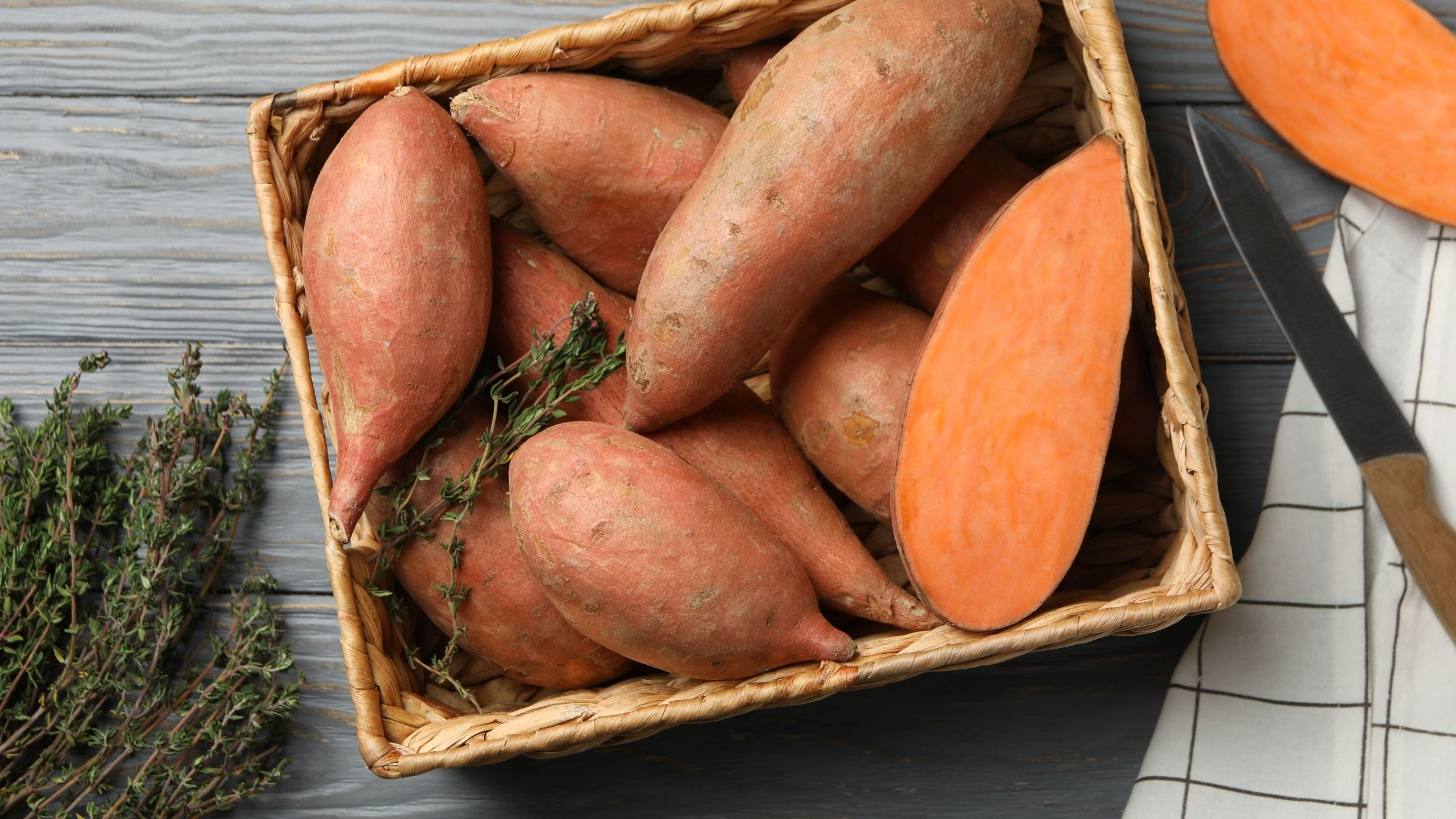
Sweet potatoes (Lpomoea batatas) are a great addition to your diet.  They are inexpensive and nutritious.  Sweet potatoes offer superior benefits for your health plus they’re a great food to help with weight control efforts. Be aware that they can be commonly labeled as yams even though they are not the same.

Health Benefits of Sweet Potatoes

Heart Health

Sweet potatoes are rich in vitamin B6 protecting the arteries and blood vessels. Vitamin B6 inhibits the buildup of homocysteine, keeping arteries and blood vessels healthy by allowing the blood to flow freely which may prevent heart attacks.

Source of Potassium

Sweet potatoes are rich in potassium that helps reduce blood pressure by eliminating excess sodium build up, promoting fluid balance. Your body needs potassium, an electrolyte, to keep natural heart rhythm and promote normal central nervous system function. Potassium can also prevent muscle cramps, reduce swelling, and regulate your kidneys.

Rich in fiber

Sweet potatoes contain more than twice the fiber content of other types of potatoes. It can contain as much as 7 grams of fiber. High-fiber foods help you control your weight better because they burn more slowly and efficiently compared to low-fiber foods. Fiber can help fight fatigue, too.

Sweet potatoes have both soluble and insoluble fibers. Soluble fibers form a gel and slow digestion down. It delays the emptying of your stomach which makes you feel full longer, helps control weight, maintains healthy blood sugar levels, and lowers LDL cholesterol.

Insoluble fibers benefit the digestive system by providing a laxative effect and adding bulk to your diet. They remain relatively intact as they pass through the digestive tract, speeding up the passage of food and waste through the gut.

Rich in Vitamin A

Also known as beta carotene, vitamin A is an important antioxidant. A medium-sized sweet potato contains more than enough of your daily vitamin A requirements. It helps the body fight off many forms of cancer, and boost immunity.

It also protects the skin from sun damage. Eating the recommended daily allowance of vitamin A helps increase the skin's resistance to harmful UV rays. It helps repair the damage done by excessive sun exposure. It is also excellent for eye health, preventing vision loss and macular degeneration.

Vitamins C and E

Sweet potatoes are also rich in vitamins C and E; these antioxidants that play a vital role in longevity and preventing many diseases.

Vitamin C can ward off cold and flu viruses, reduce stress, and contribute to longevity. Vitamin C also assists in the production of collagen, helping you keep youthful looking skin.

Vitamins C and E are important components in skin and hair beauty products. Sweet potatoes, being rich in vitamins A, C, and E, help keep us healthy inside and out.

Source of Manganese

Manganese is an important trace mineral needed for proper carbohydrate metabolism, promoting healthy blood sugar balance. It helps suppress your appetite to prevent you from overeating.

Manganese is also a cofactor in enzymes needed in chemical reactions for energy and antioxidant utilization, and it is used to treat anemia and severe premenstrual symptoms.

Iron Source

Sweet potatoes contain iron which helps with red and white blood cell production, stress level reduction, and immune system regulation.


How to Use Sweet Potatoes

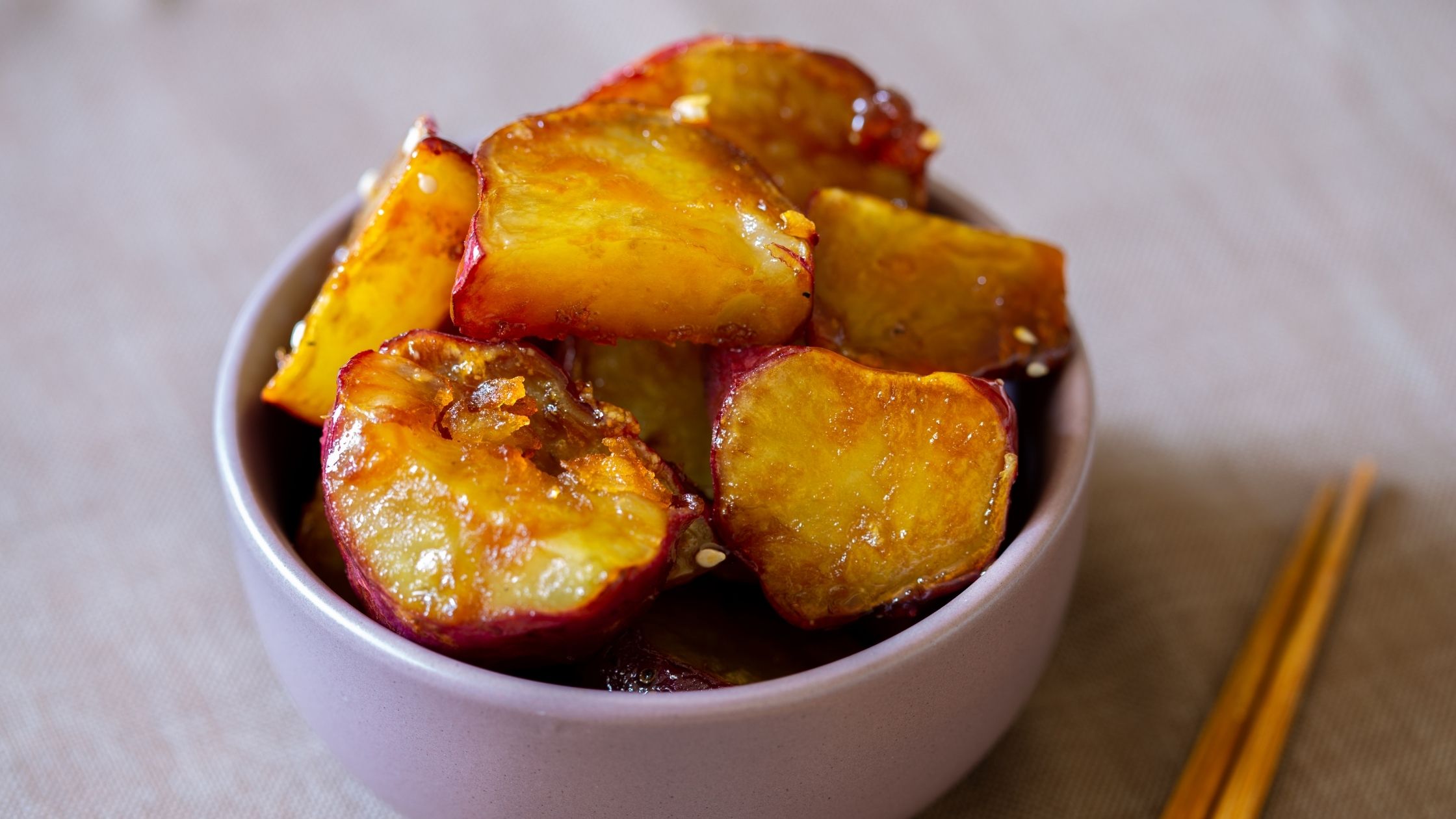
With all these wonderful benefits, it is a great thing that sweet potatoes are extremely versatile. Sweet potatoes candied with marshmallow and brown sugar or baked into a sweet potato pie (think Thanksgiving) are how many are accustomed to enjoying them.  Yet, there are many different ways to serve them across many cultures.  In Korea, they are used to make dangmyeon, a cellophane noodle, while in Japan it's frequently used in tempura.  In Africa, sweet potatoes are dried and then served with a peanut sauce in a dish called Amukeke. There are so many ways to enjoy sweet potatoes and reap the awesome health benefits. 

Adding sweet potatoes to your diet is super easy and a great investment in your health. With the following basic preparation methods, you can easily start adding sweet potatoes to your diet. 


Basic Sweet Potato Preparation Methods

  • Bake on a sheet at 400°F oven for 40-60 minutes.
  • Boil or steam (peeled or unpeeled); 5 min for small-sized and 30 min for medium-sized.
  • Deep fried sweet potato fries for an occasional treat.
  • Replace your favorite potato recipes with sweet potatoes.

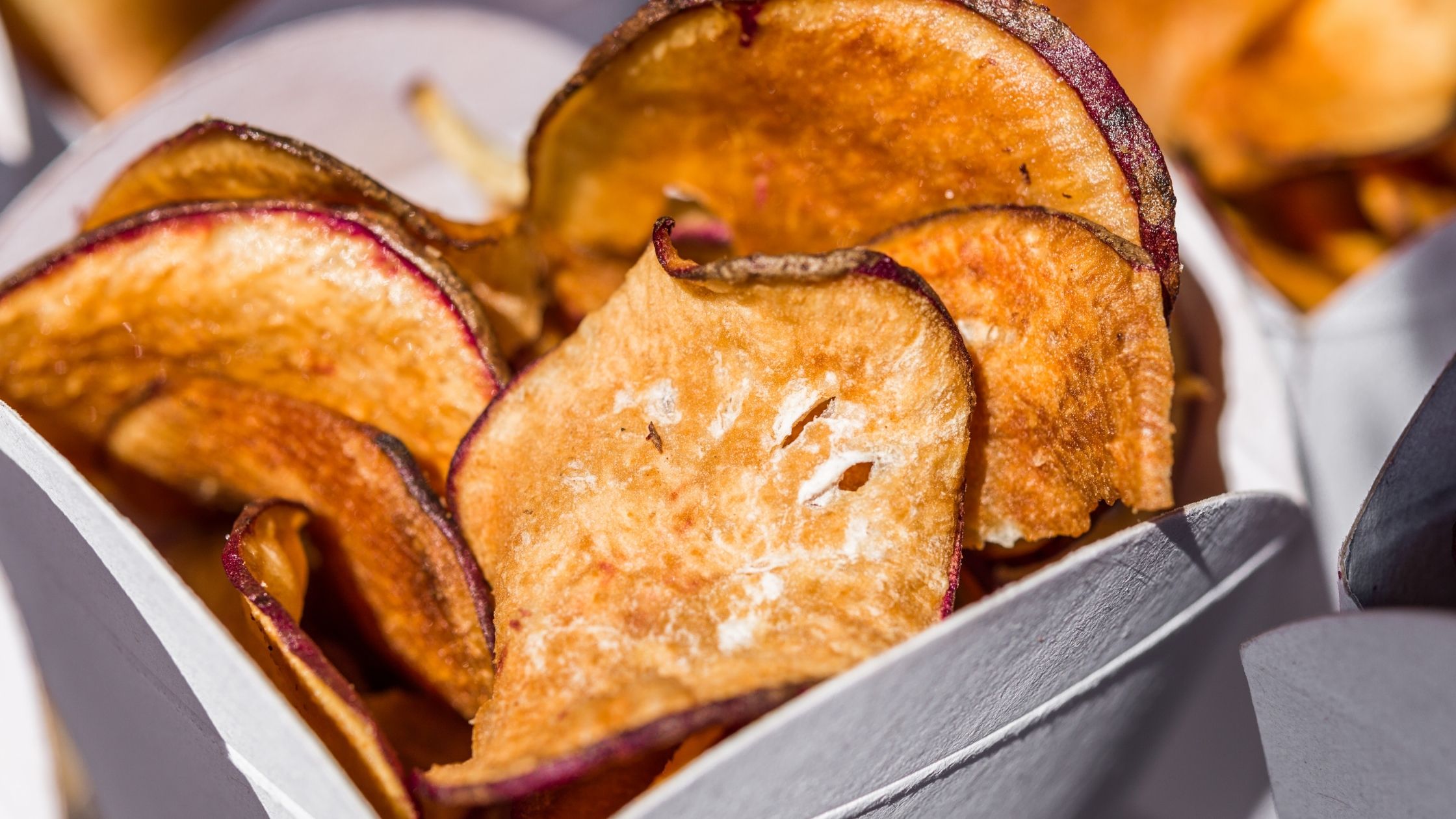
If you are looking for a snack made from sweet potatoes, how about sweet potato chips? These are pretty simple to make especially if you have a dehydrator. You will start by cutting the potato into the desired thickness, brush with a thin coating of olive oil, sprinkle with your favorite spices (curry powder is great) and dehydrate until done. If you don't have a dehydrator, you can use your oven set to its lowest setting and bake until you reach the desired crispness. This recipe is courtesy of Katie R.

For more delicious ways to add sweet potatoes to your diet, check out these mouthwatering and wonderful recipes:

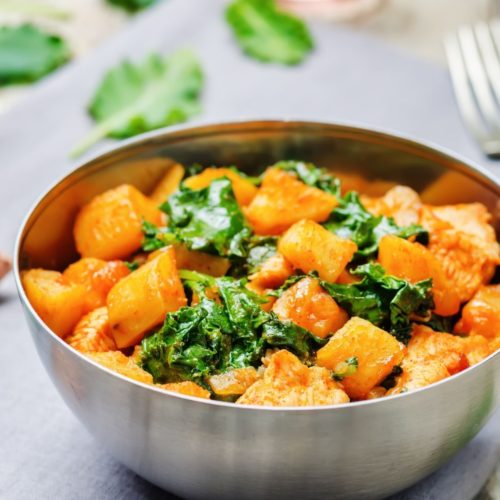
Crockpot Chicken And Sweet Potato Stew

Alli Berry

Ingredients
  

  • 6 boneless, skinless chicken thighs, cut into chunks
  • 2 pounds sweet potatoes, peeled, cut into 1-2 inch cubes
  • 1 cup of celery, chopped
  • ½ onion, chopped
  • 4 cloves garlic, peeled and chopped
  • 2 cups chicken broth
  • ½ teaspoon of dried rosemary (or 2 teaspoons of fresh rosemary)
  • 2 bay leaves
  • 1 teaspoon salt
  • ½ teaspoon ground pepper
  • 1 ½ tablespoons white wine vinegar
  • ½ pound white button mushrooms, sliced

Instructions
 

  • Place chicken at the bottom of the crock pot
  • Add all of the other ingredients (except the mushrooms) over chicken
  • Stir to combine
  • Cook on low for 4-5 hours, checking after 4 hours for doneness
  • Add mushrooms and cook on low for 1 more hour.

Notes

This can be served as is or over rice or quinoa

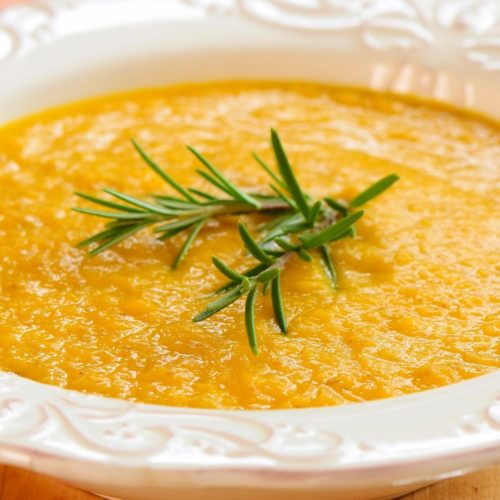
Mom’s Sweet Potato Soup

Sydney Gallimore

Ingredients
  

  • 2 tablespoons butter
  • 1 tbsp olive oil
  • 1 large onion, chopped
  • 3 cloves garlic, minced
  • 2 celery stalks, stalks and leaves chopped separately
  • 2 pounds sweet potatoes peeled, cut into 1-inch pieces (about 6 cups)
  • 1 tart green apple peeled, chopped
  • 1 teaspoon evaporated cane juice crystals
  • 2 tsp salt
  • 2 tsp pepper
  • 3 cinnamon sticks
  • 3 sprigs fresh Thyme (1 tsp dried)
  • 1/2 teaspoon ground nutmeg
  • 4 1/2 cups organic chicken stock
  • 1 1/2 cups organic heavy cream
  • 3 tablespoons pure maple syrup
  • Sour Cream or Crème Fraîche as garnish

Instructions
 

  • Heat oven to 400˚F
  • Spread the potato cubes evenly on a baking sheet, and drizzle with olive oil and roast for 20 minutes.
  • Potatoes should be a bit under cooked, not yet tender
  • Melt the butter in a heavy pot over medium heat
  • Add onion, celery, sugar, and apple and sauté until soft
  • Add the garlic, cinnamon sticks, nutmeg, and thyme and sauté for 2 minutes
  • Add the chicken stock, potatoes, salt, and pepper and bring to a boil
  • Reduce heat and simmer uncovered about 15 minutes, or until potatoes are completely tender
  • Puree the soup in the pot using an immersion blender (or in a blender working in batches) until smooth
  • Add the maple syrup and whisk in the cream over medium-low heat, until warm throughout
  • Season to your liking
  • Add water or simmer for a bit longer until soup reaches desired consistency
  • Ladle into bowls and garnish with sour cream or crème fraîche

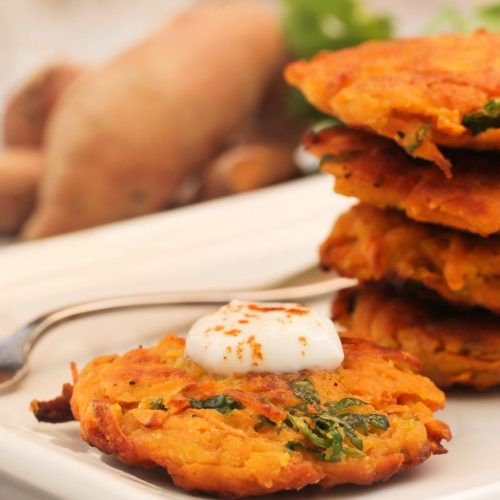
Sweet Potato Pancakes (Latkes)

Servings 6

Ingredients
  

  • 3 pounds sweet potatoes, peeled and shredded
  • 1 large onion, peeled and shredded
  • 1 large egg
  • ¼ cup flour
  • Salt and pepper to taste

Instructions
 

  • Mix all ingredients together
  • Heat oil in a pan
  • Drop mixture by very large tablespoons into pan
  • After 2-3 minutes flip to other side and cook another 2 minutes
  • Remove from pan and drain on paper towels

Alli Berry and Sydney Gallimore contributed to this article.


Resources:

“Sweet Potatoes”. Whfoods.com, 2021, http://www.whfoods.com/genpage.php?tname=foodspice&dbid=64.

Oloniyo, Rebecca Olajumoke et al. “Orange-Fleshed Sweet Potatoes Composite Bread: A Good Carrier of Beta (B)-Carotene and Antioxidant Properties”. Journal of Food Biochemistry, vol 45, no. 3, 2020. Wiley, doi:10.1111/jfbc.13423

Dagonuniversity.Edu.Mm, 2021, https://www.dagonuniversity.edu.mm/wp-content/uploads/2019/08/Aye-Mi-MiHtwe-1.pdf.

Lien Ai Pham-Huy, Chuong Pham_Huy. “Free Radicals, Antioxidants in Disease and Health”. International Journal of Biomedical Science: IJBS, vol 4, no.2, 2008, p. 89., https://www.ncbi.nlm.nih.gov/pmc/articles/PMC3614697/.