All posts by Mira


About Mira

Mira Dessy is The Ingredient Guru. A holistic nutrition professional, author, and a popular public speaker, she knows that it's not just what you eat, but what's in what you eat. She is the author of The Pantry Principle: how to read the label and understand what’s really in their food. Dessy is a Board Certified Holistic Health Practitioner whose mission is to educate and empower consumers. She curates the Lean Clean Green Subscription box, the premier, organic, earth-friendly, healthy, sustainable subscription box which can be found online at https://theingredientguru.memberbox.com

what's in season: june

What’s In Season: June Produce Guide

The month of June is the prelude to summer. And as we enjoy the long Memorial Day weekend, I couldn’t help but get excited with the fruit-dominated produce that will hit our favorite farm stand or farmer’s market in the coming days. 

We all have our fair share of fond summer memories. And mine was always built around the most beautiful fruits and vegetables available at the farmer’s markets and our CSA that can be turned into delicious dishes that I and my family enjoy.

Apricots
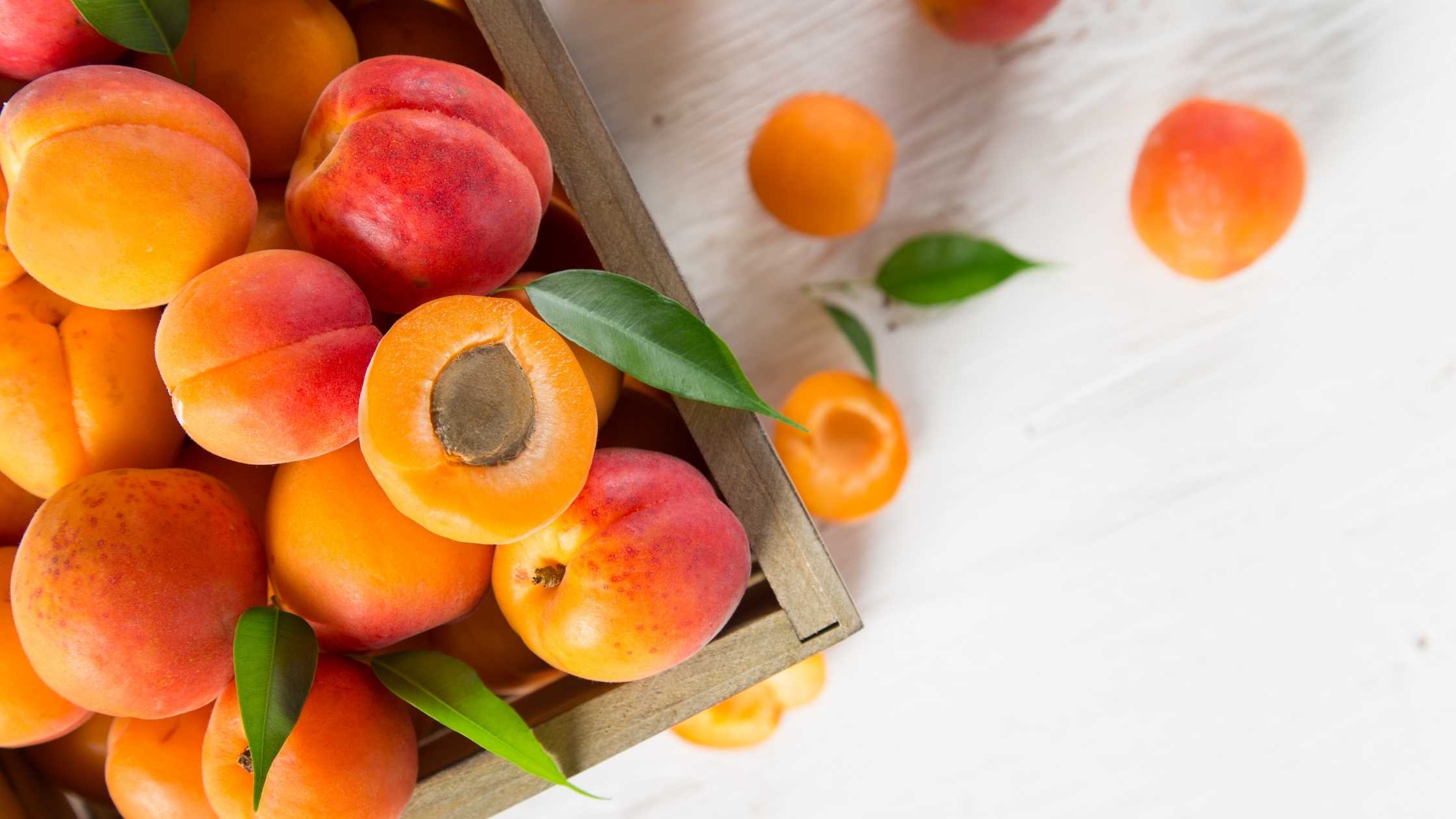
Apricots are grown throughout the warm regions of the world, especially in the Mediterranean.

They are low in calories and fat, a good source of vitamin A and C, and packed with antioxidants, fiber, and vitamins. These multiple benefits can promote eyes, skin, and even gut health. Not to mention that fresh apricots are a hydrating food. 

Apricots can be eaten fresh or cooked and can be preserved by canning and drying. Dried apricots are especially high in iron. 

Blueberrieswhat's in season: june
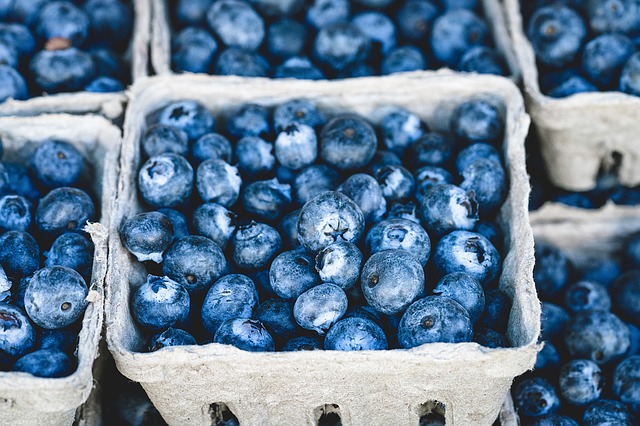
The Native Americans were the first to recognize blueberries as a versatile and healthful fruit. They used them for medicinal purposes, as a natural flavoring for food, or in pastries like pies and muffins

Blueberries boast many vitamins, including vitamin C, manganese, iron, plus dietary fiber, which is great at aiding digestion! 

Today they're hailed as “superfoods” because of their nutritional value. Fresh berries can be eaten fresh from summertime's harvest while dried ones make excellent flavorings such as sauces with tart lemon juice added in too!

CantaloupeCantaloupe
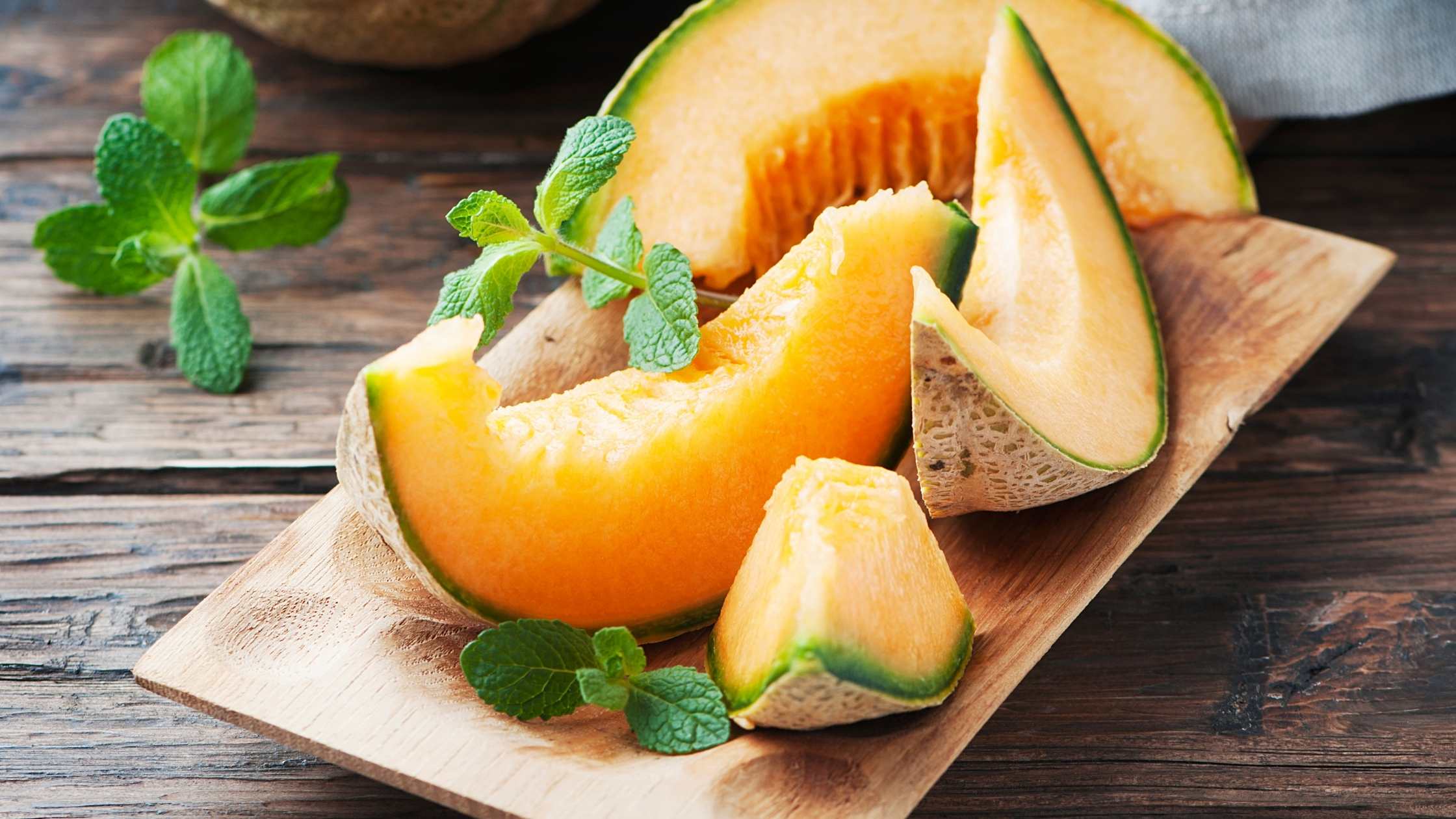
A relative of many varieties of melon, cantaloupe is probably the most versatile of them all. Its distinct light orange, juicy, and fragrant pulp has the right sweetness to be a savory snack or a refreshing dessert. It is low in calories (only 54 cal per cup) and high in beta-carotene and vitamin C. 

The easiest way to select the best one is by the smell of it. It must have a sweet and slightly musky scent, and the skin appears to have a raised netting around it. 

We love it wrapped in prosciutto as a delightful aperitif, or toss with some flax or pine nuts for salads, and even as a granita without sugar to enjoy its natural sweetness that the kids will love. Just like other melons, cantaloupe makes a refreshing agua fresca, perfect for those hot summer days.

Cherries
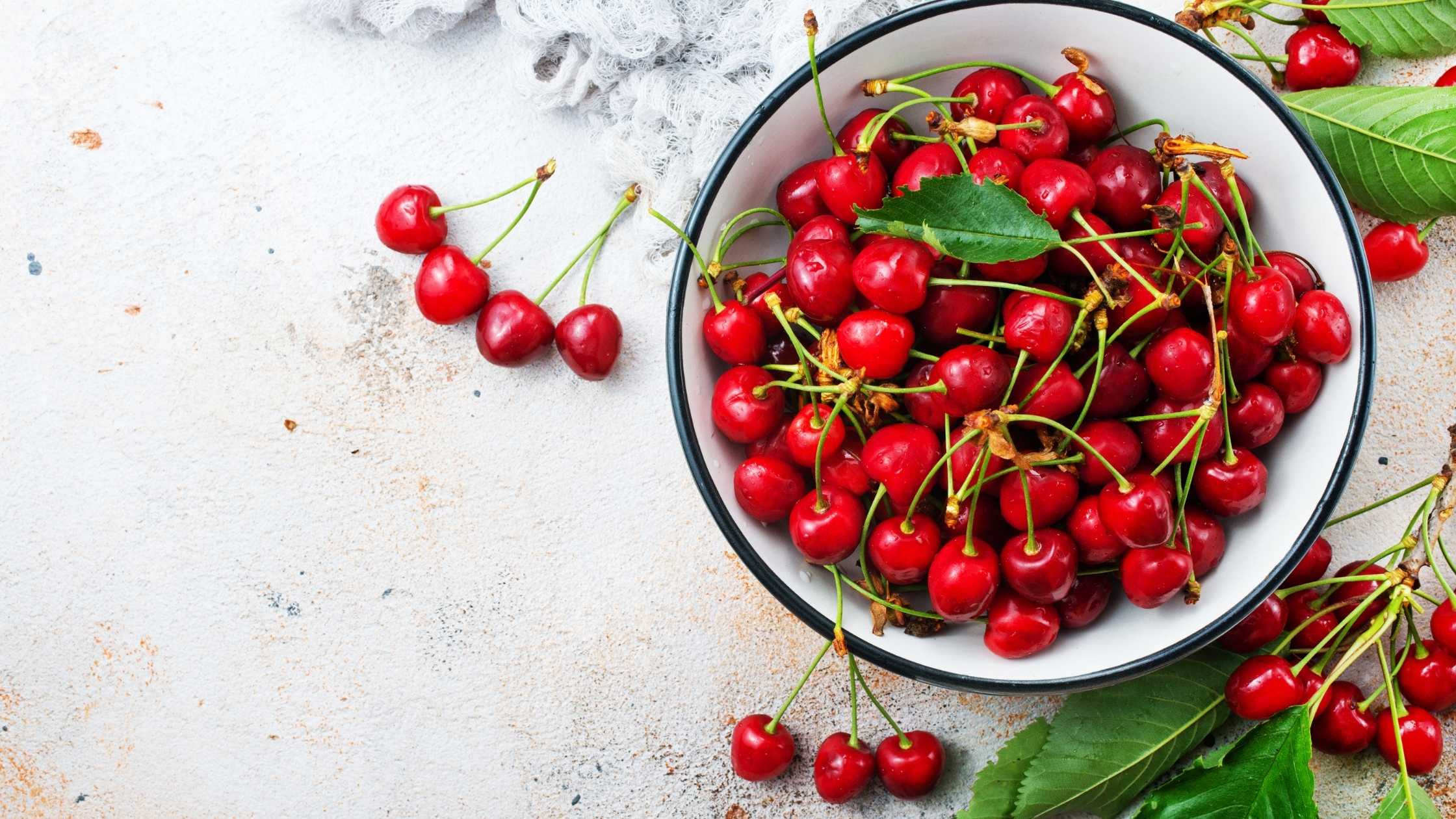
Cherries are eighth on this year’s Dirty Dozen list. I recommend that you choose organic whenever possible to avoid possible risks from pesticides. 

These delicious fruits are high in Vitamin C and offer a host of health benefits. It can speed recovery after exercise, improve sleep, and boost heart health.

The sweet and tart varieties can be eaten fresh as a healthy snack; incorporate them in baked goods or add the juice to sparkling water for a hydrating drink for summer!

CornCorn
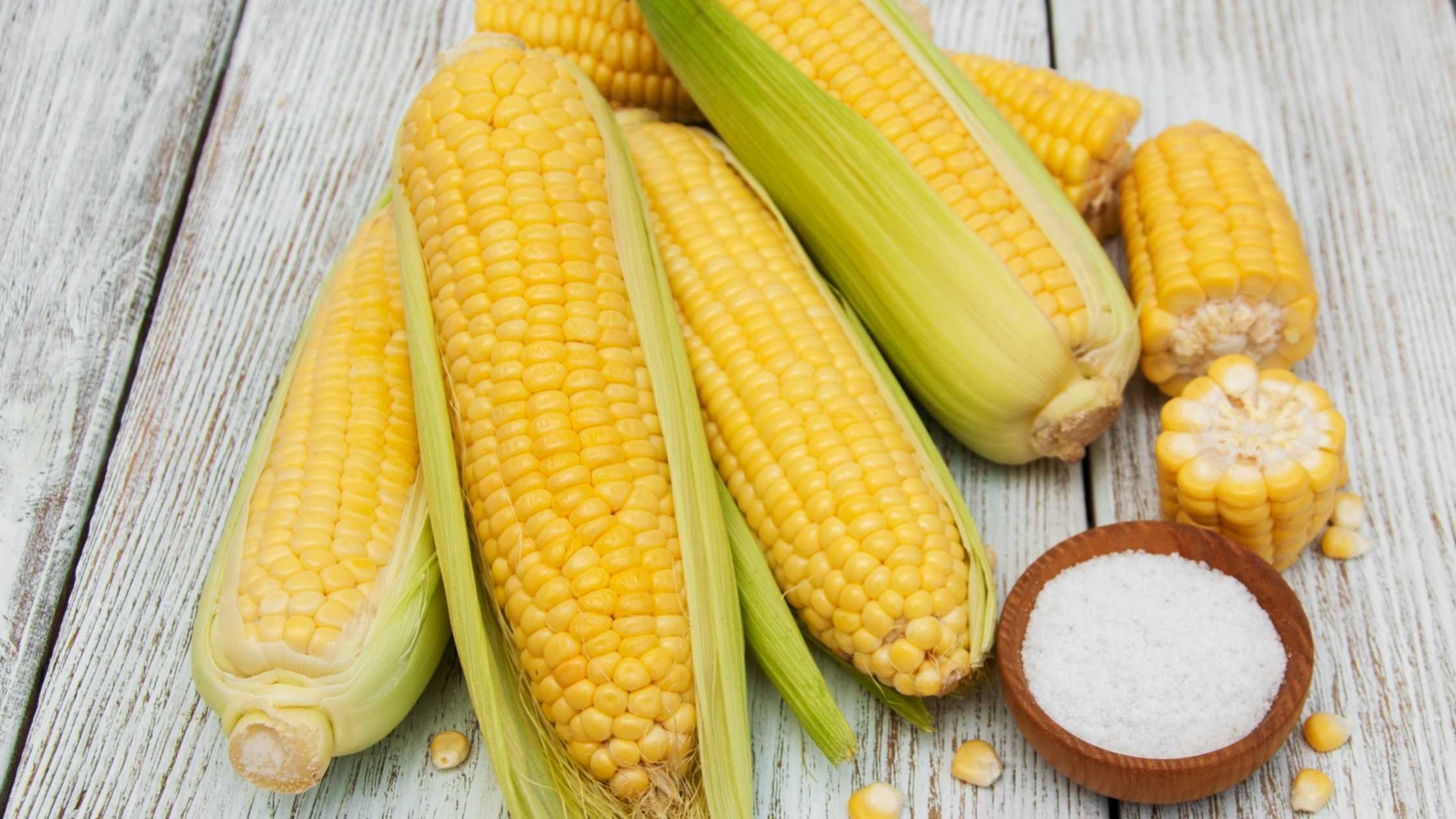
Could corn get any more summery? We can’t deny the astounding difference between fresh corn and canned or imported ones. And with the anticipated surplus, you can also expect other varieties of heirloom corns to make it to our kitchen table. 

Corn is an excellent source of fiber, thiamine, folate and ranks low on the glycemic index when consumed in moderation. This healthy whole grain is so versatile that we can enjoy them in salads, soups, boiled, or grilled. Be sure to choose heirloom, sustainably grown varieties in order to avoid excessive pesticide and glyphosate exposure.

Kiwi
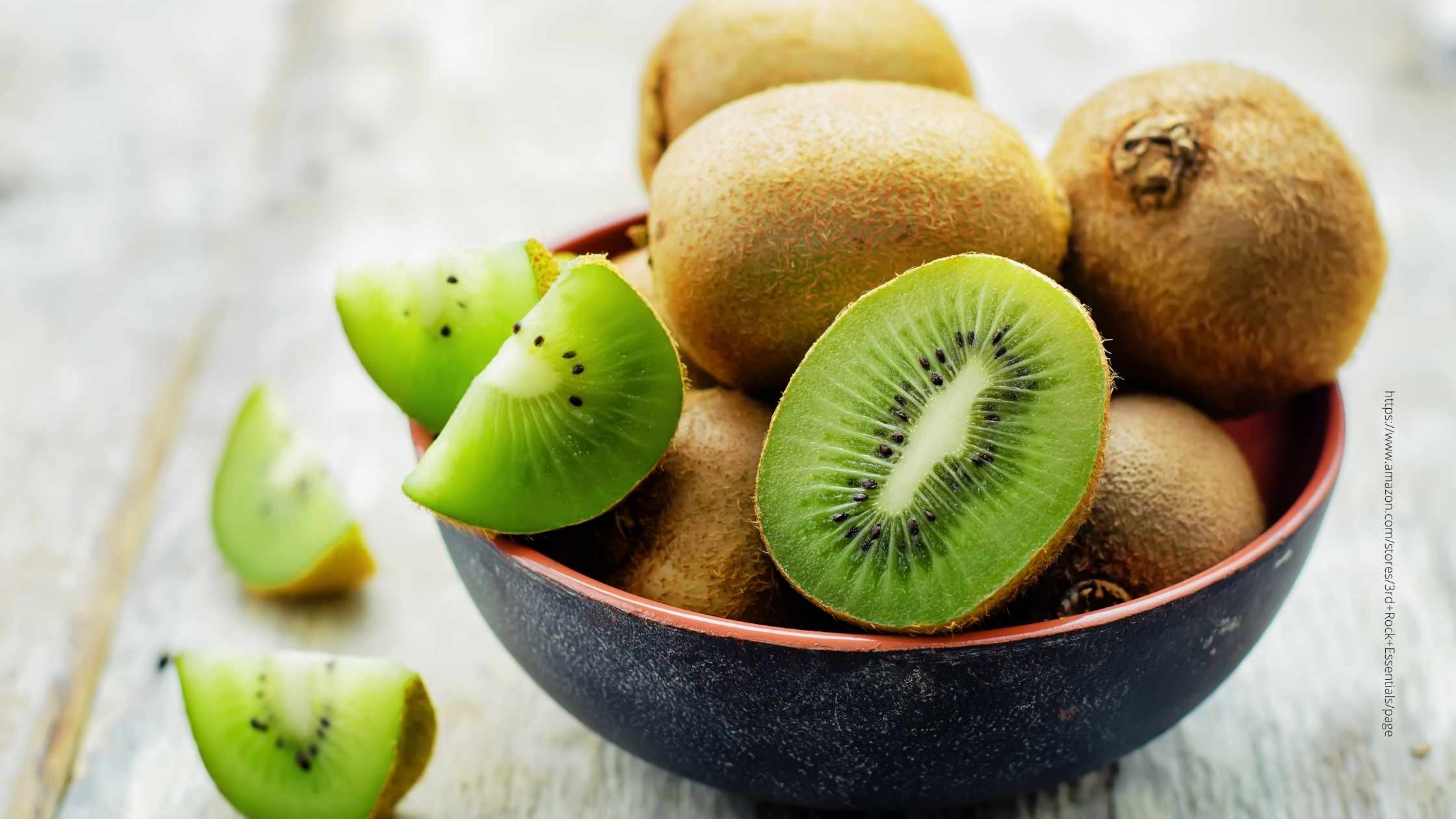
Also commonly referred to as simply kiwi, this fruit originated in China and was originally called Chinese gooseberry. At some point, it transitioned to New Zealand, where it was renamed Kiwifruit. From there, it traveled to California, where it is now a commercial crop.

Kiwifruits are very high in vitamin C, with just one small fruit providing 120% of your RDA. They have a lot of fiber and are also a good source of potassium, magnesium, and vitamin E.

Our favorite way to eat them is to simply cut them in half and scoop them out with a spoon, although kiwi pineapple smoothies are pretty tasty, and kiwi lime pie is a wonderful thing.  

Lettuce
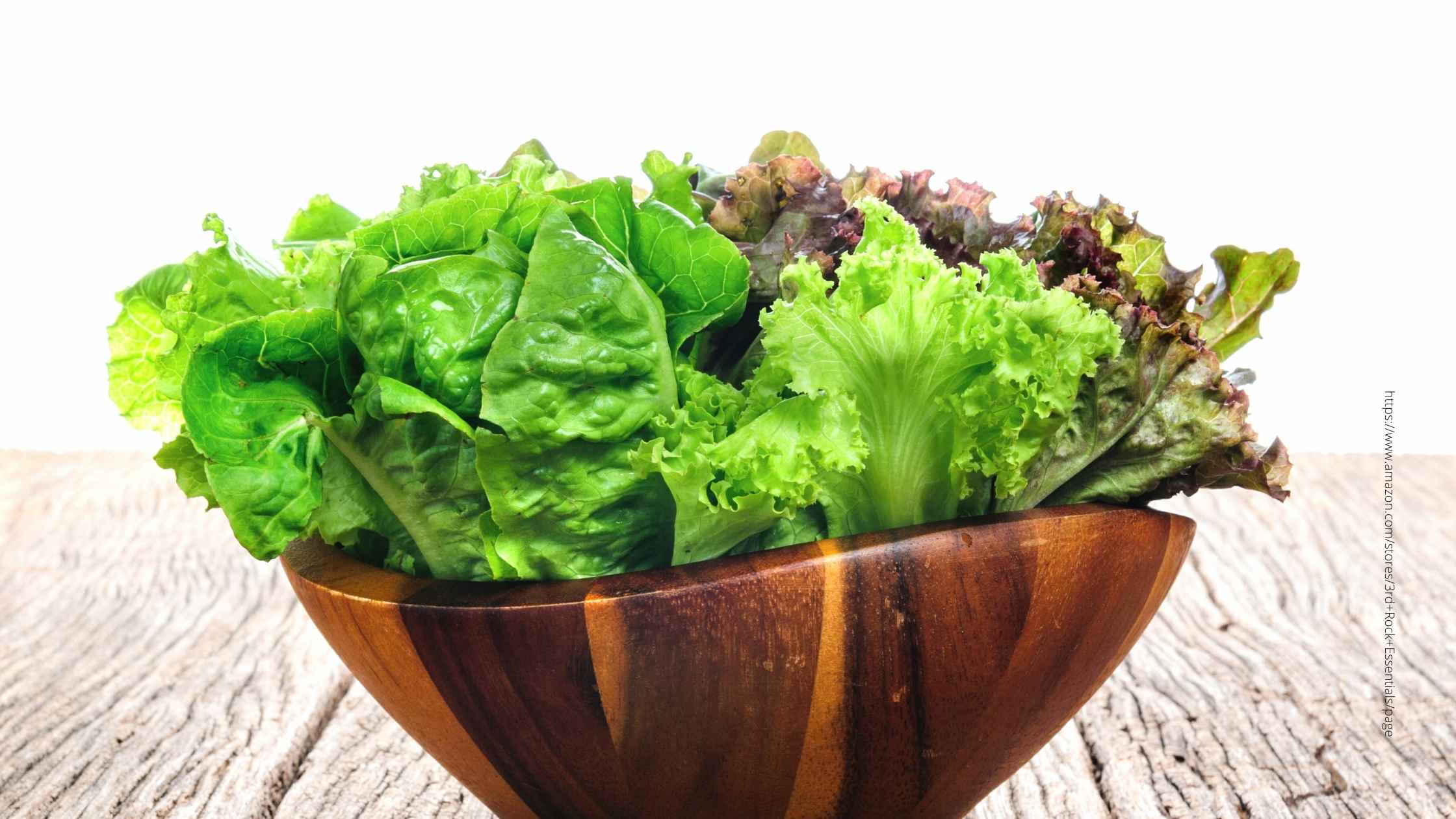
Lettuce is a nutritious vegetable in the aster family. Although it comes in many varieties, this leafy veggie, in general, is rich in vitamins K and A. Note that red leaf lettuce is higher in antioxidants.

Most lettuce varieties, such as iceberg and romaine, are eaten fresh and often served in salads, wraps, and sandwiches.

Mangoesaugust produce guide
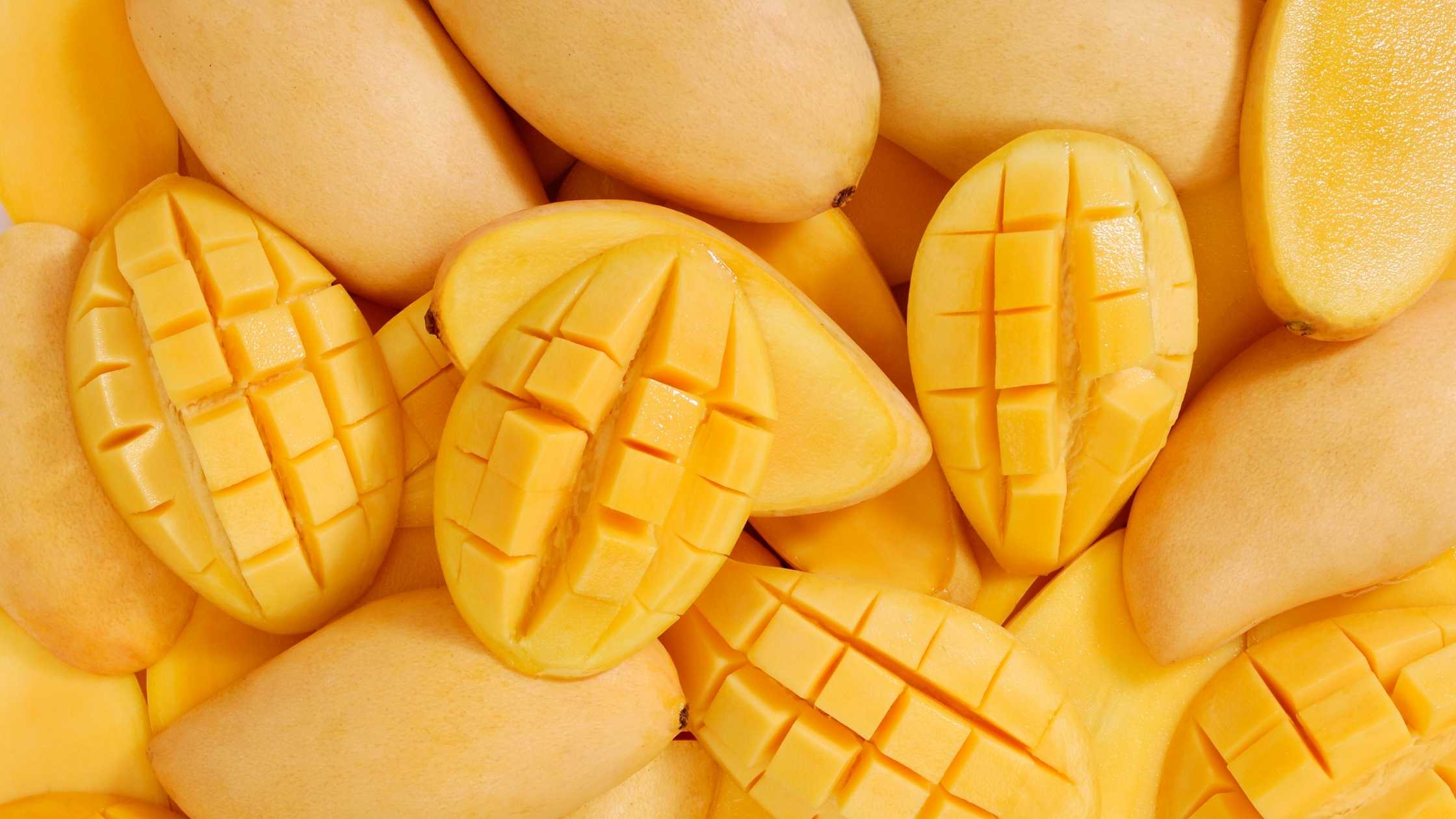
Mangoes are indigenous to southern Asia. They are packed with immune-boosting nutrients -- vitamin A, C, K, and E.

Just one cup of mango has 46 mg of vitamin C or 76% of what you should get per day.

Fresh, yellow mangoes are delicious when eaten plain. I love it as part of smoothies as well!

Peachesaugust produce guide
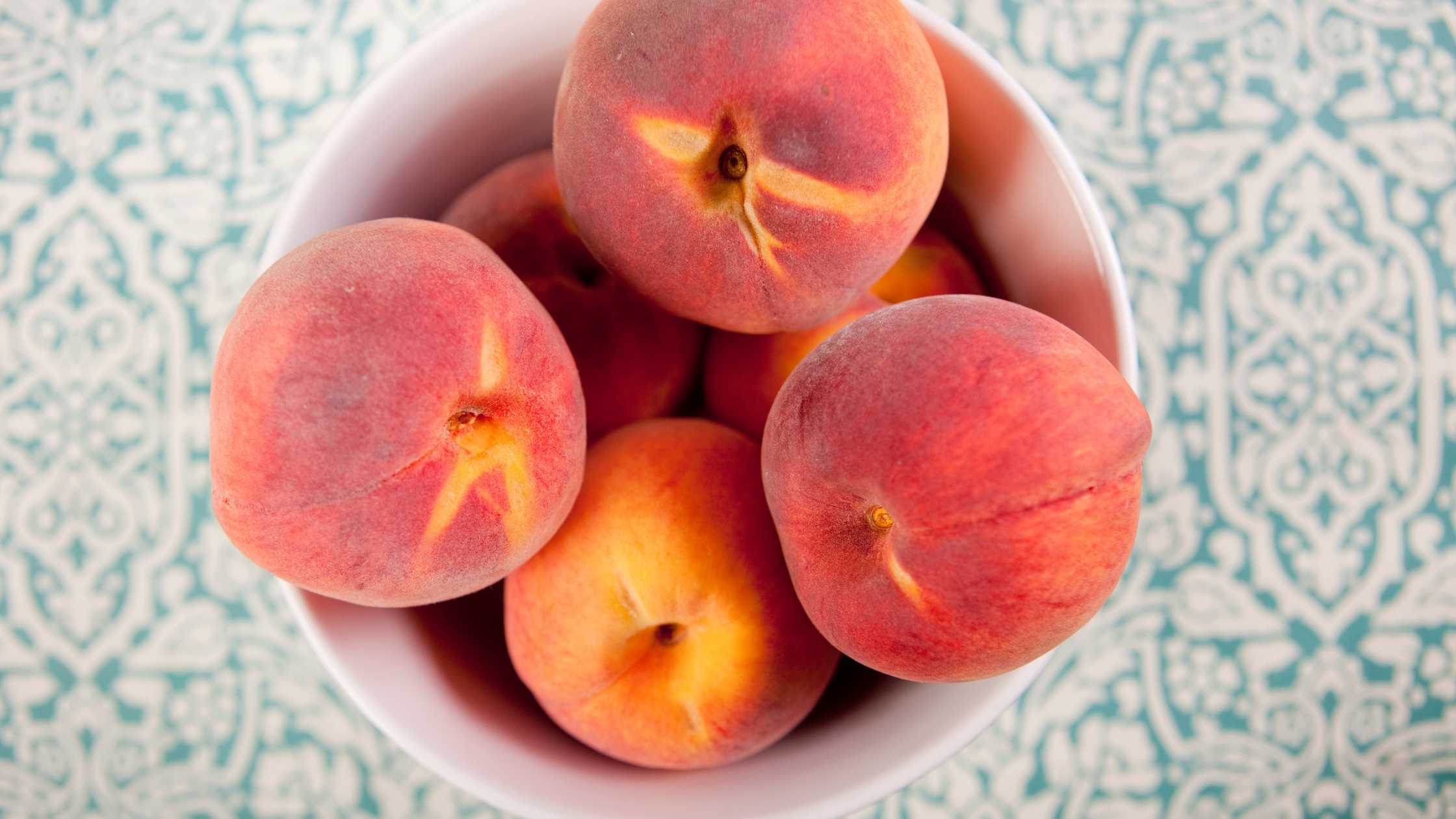
Peaches probably originated in China and spread westward through Asia and to the Mediterranean countries before finally reaching other parts of Europe. 

Peaches are a rich source of antioxidants that can help protect your body from aging or disease. Plus, they contain a good amount of vitamin A for eye health, especially abundant yellow-fleshed varieties! 

They are widely eaten fresh and are also baked in pies and cobblers.

Strawberriesaugust produce guide
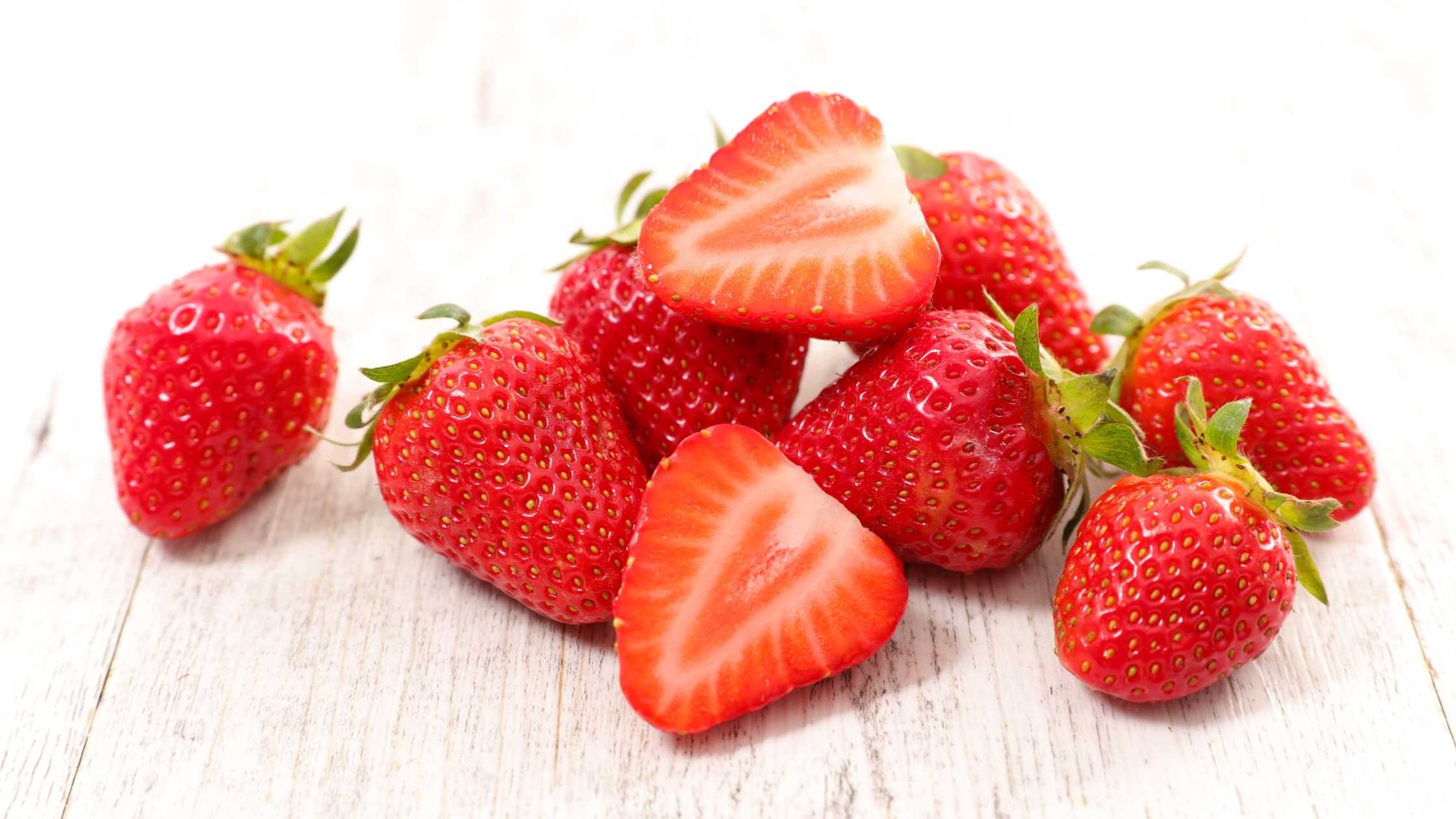
As you know, strawberries top anew this year’s”Dirty Dozen” list of produce found with the most pesticides. Again, it’s best to buy these organic and wash them thoroughly before eating to avoid this. 

These delicious berries are a good source of vitamin C, manganese, folate (vitamin B9), and potassium. Reduced cholesterol, blood pressure, and inflammation are just a few of its health benefits. 

Furthermore, berries could help prevent spikes in blood sugar and insulin levels.

The fruits are commonly eaten fresh, baked, and preserved

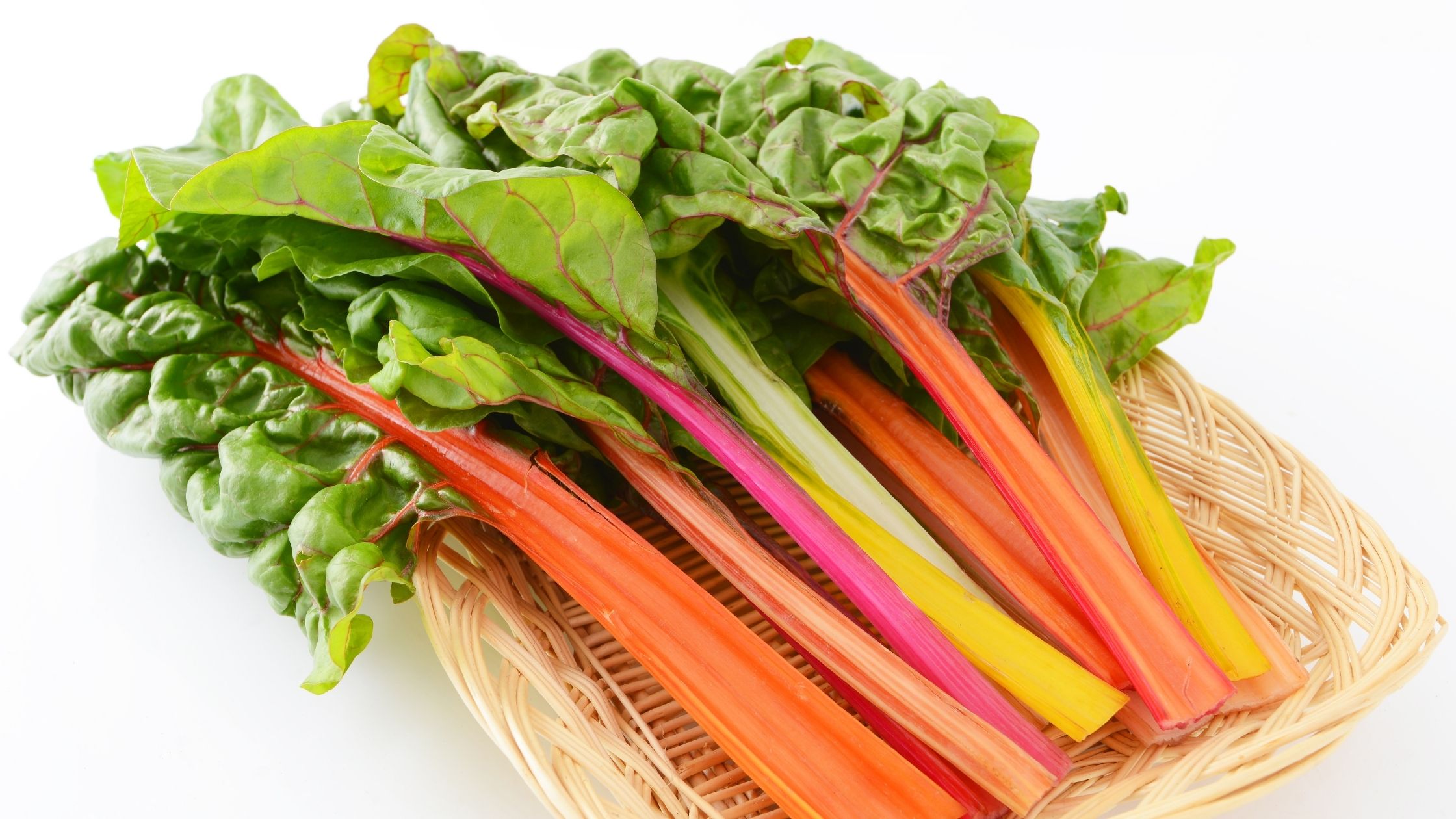
Swiss Chardaugust produce guide

The name may imply that it originated in Switzerland, but it is native to the Mediterranean region. Due to its enormous cultivation in Switzerland, it was referred to as a Swiss Chard

These leafy greens are an excellent source of vitamins A and K and nearly fulfills the daily need for vitamin C. Additionally, it is extremely low in calories, making a weight-loss-friendly vegetable.

Swiss chard can be eaten raw in salads, sautéed, or served in soups.

Watermelonaugust produce guide

Watermelon is native to tropical Africa and cultivated around the world. 

Despite its high water content, it's surprisingly healthy with many nutrients such as lycopene and vitamin C! 

It can be eaten raw or preserved in pickles for a tasty twist to your typical condiment.

 Zucchiniaugust produce guide
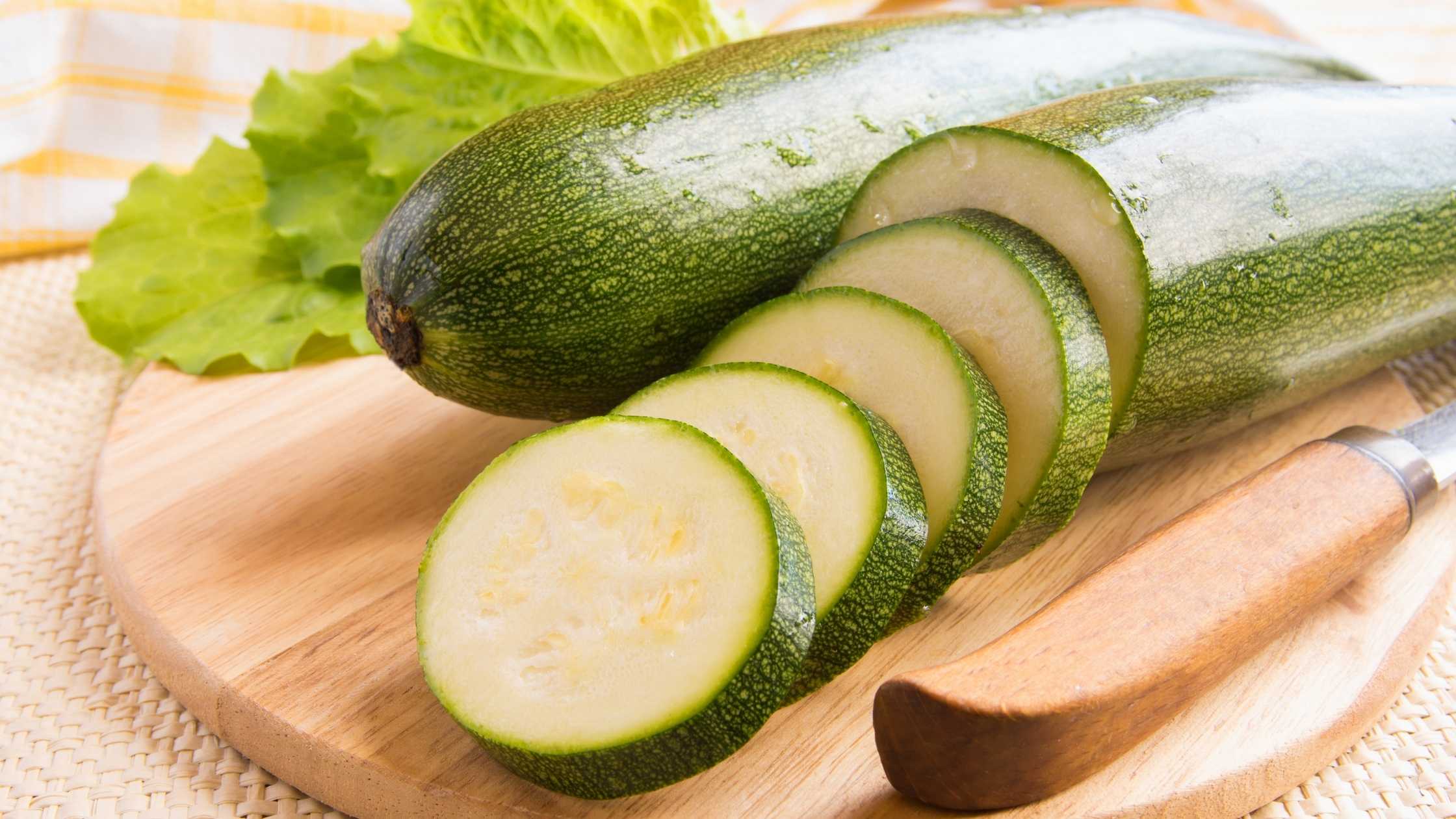
Zucchini is a variety of summer squash. Although it is considered a vegetable, it is classified as a fruit.

It is particularly high in vitamin A and offers several health benefits — from healthy vision to healthy digestion. 

Zucchini is versatile and eaten raw or cooked in stews, soups, salad, and even chips
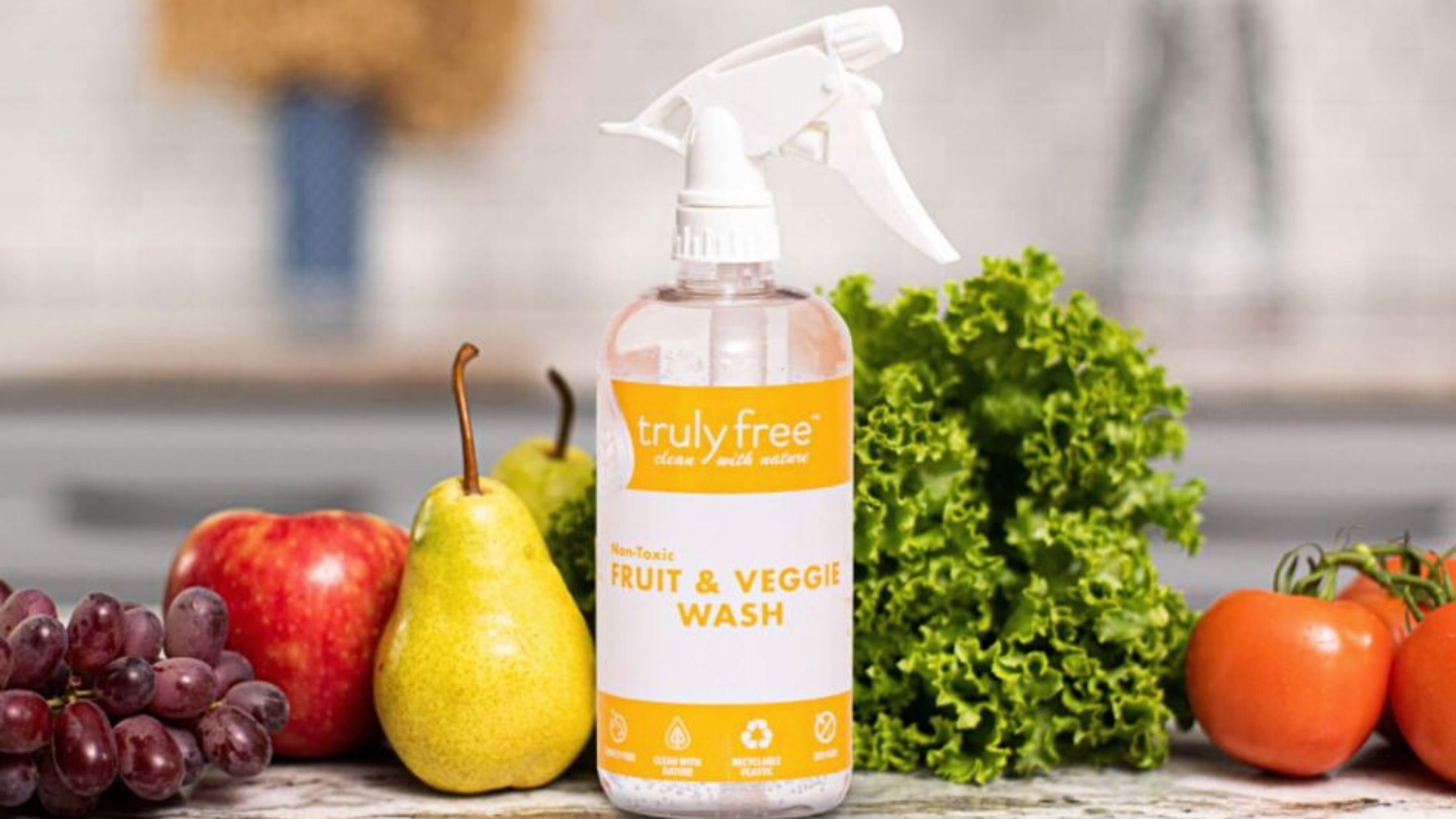

When eating fresh, in-season produce, don’t forget to wash it first. Click here to get your toxin-free fruit and veggie wash

[expand title="Sources"]

https://fdc.nal.usda.gov/?fbclid=IwAR12XriudBBfXEAN2uHXdyeVOm1jHH7X2mgY2Z8qrpT-mrxAoW2Biyd57b4

https://www.ncbi.nlm.nih.gov/pmc/articles/PMC3664913/

https://www.webmd.com/food-recipes/cantaloupe-health-benefits

https://www.medicalnewstoday.com/articles/287710

https://www.nutritionvalue.org/Squash%2C_raw%2C_all_varieties%2C_summer_nutritional_value.html

https://www.healthline.com/health/diabetes-corn#corn

https://njaes.rutgers.edu/sshw/message/message.php?p=Health&m=301

https://www.nutritionvalue.org/Potatoes%2C_raw%2C_flesh_and_skin_nutritional_value.html


https://www.healthline.com/nutrition/foods/blueberries#downsides


https://www.webmd.com/food-recipes/health-benefits-oranges

[/expand]
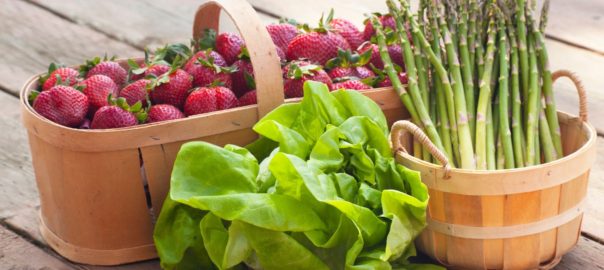
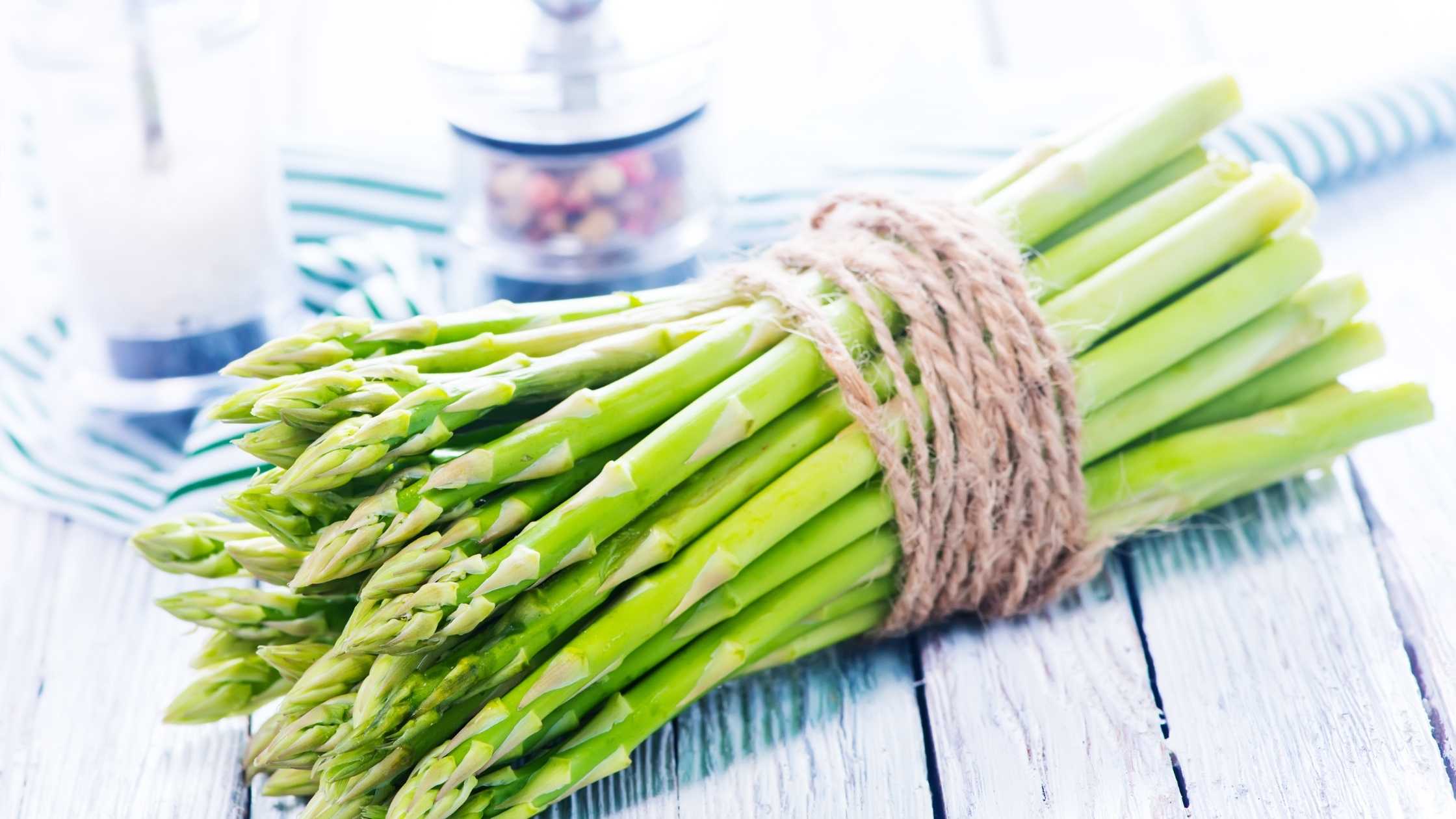
asparagus month

May Is National Asparagus Month

May is asparagus month. This green springtime/early summer vegetable is delicious, easy to cook, and offers great nutritional benefits.

Even though you can often get asparagus year-round at the grocery store, now is the time to get the tastiest and most nutritious asparagus — while it’s in season.

Asparagus can be a valuable source of vitamins, minerals, antioxidants, and anti-inflammatory compounds. It’s a great food to add more variety to your fresh food intake. 

Asparagus is a Nutrient-Dense Food

Vitamins

Asparagus is a nutrient-dense food you can eat both raw and cooked.

It contains B vitamins, including folate (vitamin B9) and vitamins B6 and B12, which promote heart health. These B vitamins help maintain healthy levels of the amino acid homocysteine in the body.

Keeping homocysteine levels from getting too elevated may help reduce the risk of atherosclerosis and other cardiac disorders.

In addition to several B vitamins, asparagus is a healthy source of vitamin C, vitamin K, and vitamin E. You probably already know that vitamin C is an essential vitamin for health.

Don’t forget that vegetables, like asparagus, are a good source of this immunity-supporting vitamin. 

Minerals 

There are many essential minerals in asparagus, including:

  • Calcium
  • Copper
  • Iron
  • Magnesium
  • Phosphorus
  • Potassium
  • Selenium
  • Zinc

Your body needs minerals to support bone, muscle, heart, and brain functions. And, minerals are needed for your body to make enzymes and hormones to function properly. A well-balanced diet is the best way to ensure you are getting a variety of essential minerals.

Eating asparagus is a great way to get macro-minerals — like potassium, phosphorus, magnesium, and calcium — as well as trace minerals in your diet.

Health Benefits 

With all the nutrients asparagus provides, it’s not surprising it can have lots of beneficial effects on your health. Eating vegetables is inversely related to cardiovascular disease risk - meaning the more vegetables you eat, the lower your risk of heart disease.

Asparagus provides a variety of bioactive components that are good for heart health, cellular support, skeletal health, and digestion. It can help reduce hypertension because it’s a natural diuretic, and it supports gut health by providing a natural source of probiotics.

Some studies have even shown that elements extracted from asparagus in lab experiments can help fight against cancer cells. 

  • Heart health
  • Digestive health
  • Bone health
  • Cellular support
  • Natural diuretic
  • Reduce hypertension
  • Possible support against cancer

Cooking Asparagus

Another great thing about asparagus is how easy it is to prepare. Asparagus is already full of bright, springtime flavor. It’s best served lightly cooked or raw, and it only takes a few minutes to make.

Asparagus can be grilled, roasted, blanched, steamed, sautéed, and eaten raw! Whatever method you use to cook asparagus, you will know it’s done when it turns a nice bright green color. If the color starts to dull, it is getting overcooked.

Preparing Asparagus

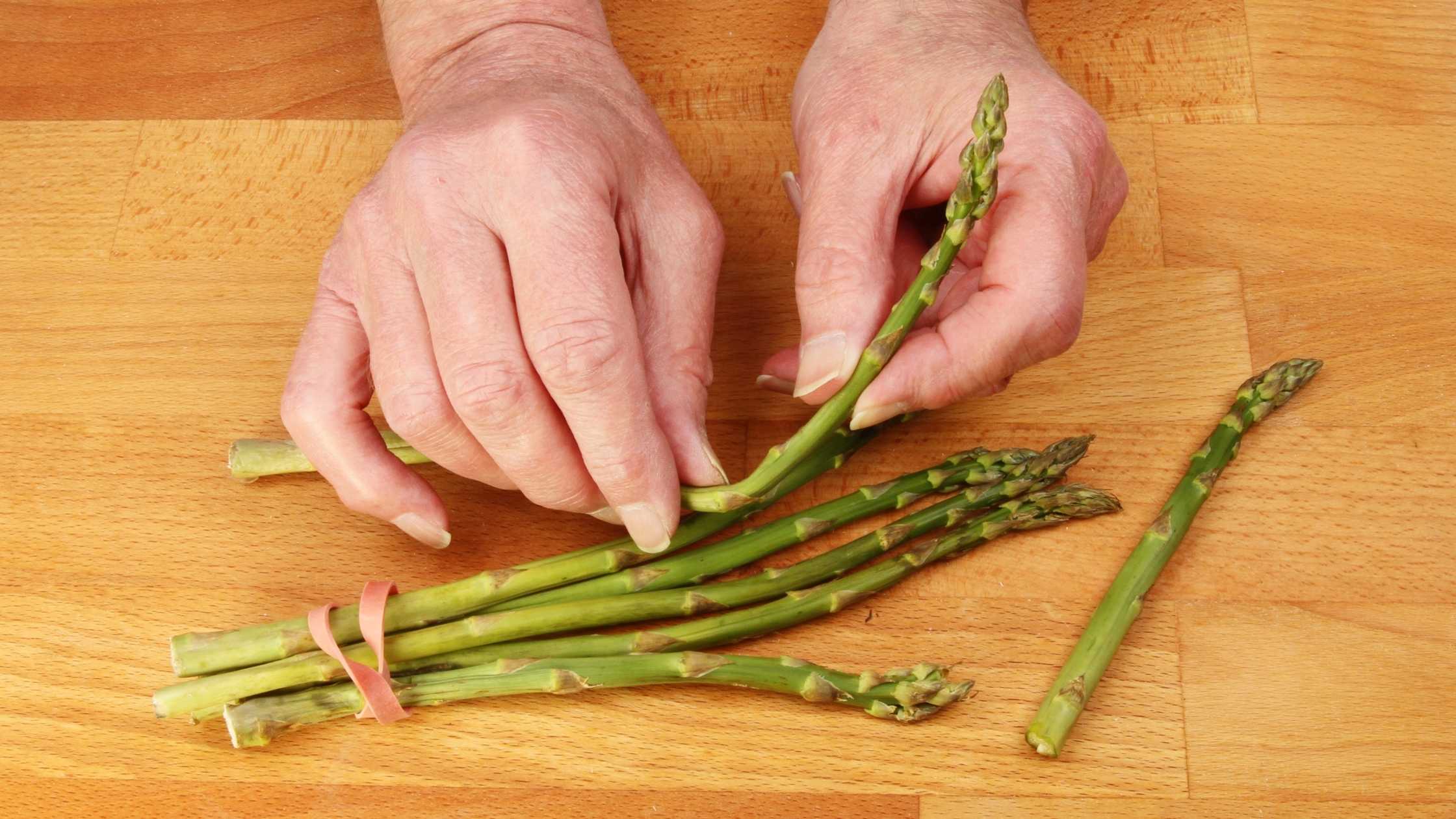
To get rid of the woody, fibrous ends, hold the asparagus stalk near the middle and gently bend to snap off the bottom. It will naturally break off, separating the tender stalk from the tough end. If you’re using thinner stalks that aren’t very tough, you can simply cut about an inch or so off the bottom.

It’s also best to use the freshest asparagus you can. Asparagus should be firm and crisp — wrinkles on the stalks or mushy tips are signs that it’s not fresh anymore.

Grilling

In the summertime, grilling is a wonderful way to enjoy this crisp vegetable. Remember though, it’s important not to overcook asparagus because it will become mushy and lose its bright flavor.

If you think you don’t like asparagus, I encourage you to try it again after only lightly cooking it. Starting with fresh, high-quality produce allows you to let the ingredients shine. A pinch of salt and your favorite seasoning is all it takes to make a delicious side dish.

Dry Cooking

Dry cooking methods usually take 10 to 15 minutes (grilling, roasting, broiling), with less time for higher-heat cooking. Steaming or blanching takes even less time, usually 3 to 5 minutes. Note that the cooking time also depends on the size of the asparagus you’re using — large, thick stalks take longer than super skinny asparagus.

For raw asparagus, simply shave into ribbons using a vegetable peeler or slice diagonally for a green salad topper.

Growing Asparagus

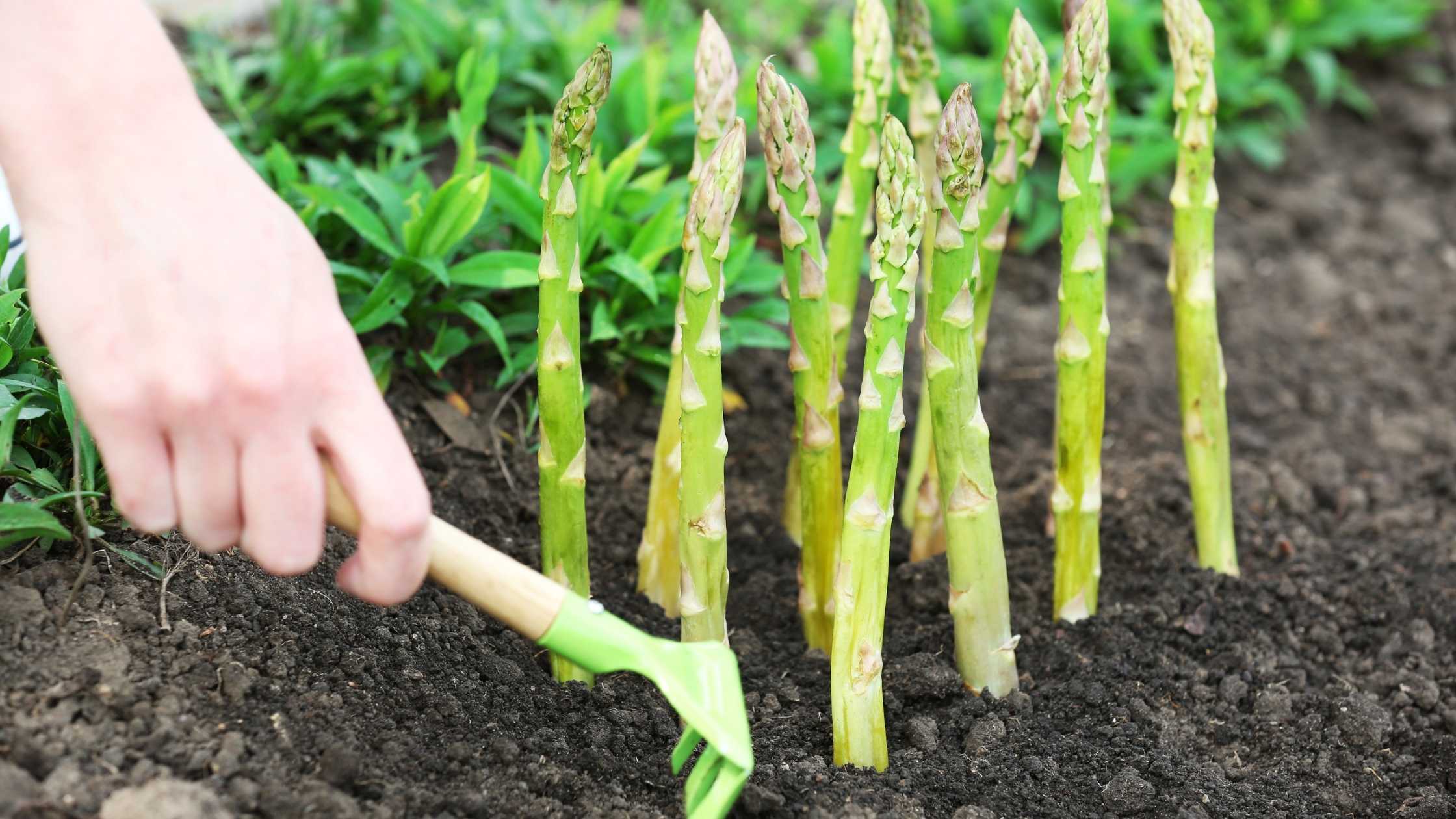
Asparagus is native to regions of Europe and western Asia, but with the right climate, it can grow well in other places too. It has been successfully introduced throughout the U.S., growing in most temperate regions. If you live somewhere with cooler weather and longer winters, asparagus will grow even better. 

If you like growing your own vegetables and love asparagus, you could consider adding it to your home garden if you have room for some beds.

Growing your own asparagus can take a while if you’re starting anew. It may take 2 to 3 years for the plant to develop and produce, but will continue to be a great source of fresh asparagus for 15+ years once established. 

I encourage you to eat more asparagus this month. It can help you up your vegetable intake, get those essential vitamins and minerals, and get some tasty variety in your diet.

[expand title="Sources"] 

https://www.mdpi.com/2218-1989/10/1/17/htm

http://powo.science.kew.org/taxon/urn:lsid:ipni.org:names:531229-1#uses

https://www.almanac.com/plant/asparagus

https://www.tasteofhome.com/article/how-to-cook-asparagus/

https://pubmed.ncbi.nlm.nih.gov/28796173/

https://www.ncbi.nlm.nih.gov/pmc/articles/PMC6517332/

https://www.aicr.org/resources/blog/in-the-news-asparagus-and-breast-cancer/

https://pubmed.ncbi.nlm.nih.gov/23647085/

https://pubmed.ncbi.nlm.nih.gov/32829873/

https://medlineplus.gov/minerals.html

[/expand]


Food allergens allergies

Top Food Allergens And Hidden Sources

Food allergies are a very serious issue. Thirty-two million Americans have food allergies (I’m one of them). That equates to 1 in 10 adults and 1 in 13 children -- and the numbers of people appear to be increasing. That's why people with food allergies should read labels to avoid food allergens. 

Food Allergy & Food Intolerance

Food intolerances are often confused with food allergies. These intolerances, or sensitivities, don't involve the immune system are not typically life-threatening.

On the other hand, true food allergies are caused by your immune system wrongly recognizing some of the proteins in food as harmful. These allergies can be significant, possibly requiring hospitalization, and sometimes can be fatal. Unfortunately, there is no cure for this. 

The only way to avoid an allergic reaction is to avoid the item. This can be difficult to do with some food allergens as they are used as ingredients in other foods, beverages, or supplements.

That’s why food allergen labeling is so important when purchasing prepared items. For those with a food allergy it’s critical to tell people what your allergies are so they can let you know if they make something with one of those ingredients.

Latest News on Food Allergen Labeling

On April 24, 2021, the president signed legislation making sesame the 9th identified food allergen. Because of lead times required to change packaging and labeling, companies are being given until January 1, 2023, to comply with mandatory labeling for sesame. 

Even after sesame appears on the label as an identified allergen, those 1.5 million Americans who struggle with the allergy need to be aware of foods that may contain sesame or sesame-derived products.

Sesame derived products include:

  • Sesame oil
  • Tahini - sesame seed paste
  • Falafel - may contain sesame seeds and tahini
  • Hummus - may contain tahini
  • Sushi - the oil and seeds may be used in this
  • Halva - sesame based Middle Eastern/Mediterranean sweet
  • Chikki - an Indian sweet
  • Sesame seeds also feature in several dry condiments such as furikake or gomashio
  • Cosmetics (found in many lip balms, ointments, eye products, soaps, oils, creams)
  • Pharmaceutical products (check the package insert)

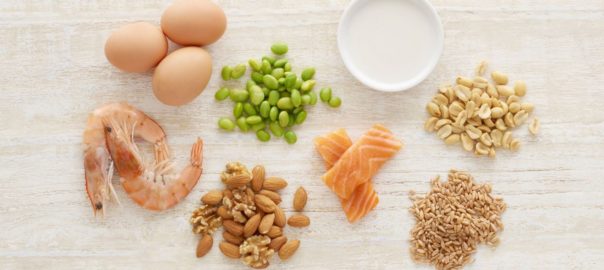
Top Eight Food Allergens

While over 160 foods can cause allergic reactions in people with food allergies, the law identifies the eight most common allergenic foods. 

Milk/Dairy

Allergy to cow’s milk affects 2.5% of toddlers under the age of 3. Most of these children develop allergies when exposed to cow’s milk protein in their first year of life.

However, about 90% of them can outgrow this allergy when they turn three, making it less common in adults. 

Lactose intolerance is commonly confused with milk allergy, but this condition is not an allergy. 

Dairy products can be a source of protein, calcium, vitamin D, and vitamin B12. Here are some safe food sources to replace these dietary needs: 

  • Protein - meat
  • Calcium - leafy green vegetables, broccoli, collards, kale
  • Vitamin D - fatty fish or supplements (It is recommended to speak with a board-certified allergist before adding this to your diet)
  • Vitamin B12 - Organ meat, poultry, meat, fortified foods (Read the label)

Cow’s milk in unexpected places: 

  • Chewing gum
  • Cold cuts
  • Cereal
  • Non-dairy products
  • Processed and canned meats
  • Frozen and refrigerated soy products
  • Sheep & goat’s milk
  • Deli meats (due to cross-contact from slicing cheese)
  • Cosmetics
  • Supplements & medicines

Eggs

Egg allergy is among the most common causes of food allergies in children. About 68% of them can outgrow this allergy when they turn 16. 

Most allergenic proteins are found in egg whites, but it is recommended to avoid egg whites and egg yolks.  

An egg is an excellent source of dietary fat and protein. Here are some alternatives: 

  • Protein: meat
  • Fat - avocado, meat, vegetable oils

Eggs in unexpected places: 

  • Shiny coats/glazes on pastries/candies. These may be egg washes. 
  • Many egg substitutes may contain eggs.
  • Pasta sold in stores may contain eggs.
  • Marshmallows, marzipan, and nougat may contain eggs.
  • Foams on coffee drinks may also contain eggs.

Peanuts 

Allergy to peanuts is one of the leading causes of fatal food allergies in the United States. Peanut allergies affect around 4–8% of children and 1–2% of adults. However, only about 20% of children with this allergy may outgrow it. Therefore, the treatment is lifelong and requires complete avoidance of peanuts and peanut-containing products. 

Here are some foods that may contain peanut as an unexpected ingredient:

  • Egg roll (used binding agent)
  • Pet food
  • Bird Seed
  • Crepe filling
  • Mole Sauce
  • Glazes and marinades
  • Graham cracker crusts
  • Chili & hot sauces
  • Pesto
  • Gravy

Tree Nuts

This is one of the most common food allergies in adults and children. Around 1% of the US population is affected by tree nuts allergy. Approximately 9% of patients outgrow this allergy.

As you know, tree nuts are not the same as peanuts. Tree nuts grow on trees, while peanuts grow underground and are part of the legume family. 

Tree nuts in unexpected places: 

  • Cereals
  • Crackers & cookies
  • Trail mixes
  • Candy
  • Flavored coffee
  • Frozen desserts
  • Marinades
  • Nutritional supplements
  • Medications
  • Cold cuts like Mortadella

Shellfish 

About 60% of people with this allergy experience their first allergic reaction as adults. 

Allergy to crustacean-type shellfish (shrimp, crab, and lobster) is more common than allergy to mollusks (clams, mussels, oysters, scallops, and octopuses). 

Shellfish in unexpected places: 

  • Asian dishes and in stuffing (i.e., oyster stuffing)
  • Pet food (for those that may have problems even touching it)
  • Nutritional supplements
  • Fertilizers
  • Imitation shellfish (surimi) may contain shellfish or used shellfish as a flavoring. 

Wheat 

Two-thirds of children with this allergy outgrow the wheat allergy by age 12. Unfortunately, some individuals remain allergic to wheat throughout their lives.

Wheat allergy is often confused with Celiac disease since both involve a reaction to gluten. However, a wheat allergy causes an immune response to one of the hundreds of proteins found in wheat. In contrast, Celiac disease is caused by an abnormal immune reaction to gluten and is not life-threatening.

Wheat in unexpected places:

  • Ale & Beer
  • Candies
  • Cereals
  • Crackers
  • Gravy or roux (often thickened with flour)
  • Ice cream products
  • Hot dogs and processed meats
  • Salad dressings, sauces, and soups (usually thicker soups)
  • Soy sauce
  • Surimi (a paste made from fish or other meats) 

Soy

Soy allergies are common in infants and young children. Although it occurs in roughly 0.5% of children under three, around 70% of them outgrow the allergy.

Like peanuts, soybeans are a member of the legume family. Being allergic to soy does not necessarily mean that you are also allergic to another legume. 

Where to find soy: 

  • Asian cuisine
  • Baked goods
  • Canned meats, including canned tuna
  • Processed meats
  • High protein energy bars
  • Infant formulas
  • Protein shakes

Fish

Allergy to finned fish (cod, flounder, salmon, tilapia, tuna, etc.) affects nearly 1% of the population and is more common in adults. 

Since shellfish and fish with fins have different proteins, people who are allergic to shellfish may not be allergic to fish.

Finned fish in unexpected places: 

  • Caesar dressing
  • Caesar salad
  • Bouillabaisse
  • Imitation crab
  • Fish stock
  • Seafood flavorings
  • Worcestershire sauce


Always read labels closely, communicate with foodservice professionals clearly, and constantly carry at least two (2) epinephrine auto-injectors.

Checking for Food Allergens

While some of the body's responses to food allergies can be similar to food intolerances, with allergies the response can, over time, become more severe.  This makes knowing whether it is an intolerance or a true food allergy important.  Because the body mechanism for food allergies is different than food sensitivities it’s best to see a board-certified Allergist and have proper testing.  

The testing usually starts with Skin Prick Testing. Depending on the results your doctor may also decide to do a blood test to confirm the findings of the skin prick test.  

[expand title="Sources"] 

"With The Stroke Of President Biden’S Pen, FASTER Act For Sesame Labeling Becomes Law". Food Allergy Research & Education, 2021, foodallergy.org/media-room/stroke-president-bidens-pen-faster-act-sesame-labeling-becomes-law. 

"Facts And Statistics." Food Allergy Research & Education, 2021,  foodallergy.org/resources/facts-and-statistics. 

"Skin Prick Tests". Food Allergy Research & Education, 2021, foodallergy.org/resources/skin-prick-tests.

"Sesame | Description, Uses, & Facts". Encyclopedia Britannica, 2021, britannica.com/plant/sesame-plant. 

“US prevalence of self-reported peanut, tree nut, and sesame allergy: 11-year follow-up.” The Journal of Allergy and Clinical Immunology, 2010  jacionline.org/article/S0091-6749%2810%2900575-0/abstract. 

“Common Food Allergens.” Food Allergy and Anaphylaxis Connection Team, 2021  foodallergyawareness.org/food-allergy-and-anaphylaxis/food-allergens/the-top-8-food-allergens/. 

“Common Allergens.” Food Allergy Research and Education.  foodallergy.org/living-food-allergies/food-allergy-essentials/common-allergens. 

“The 8 Most Common Food Allergies” Healthline, 2017. healthline.com/nutrition/common-food-allergies. 

[/expand]


what's in season May

What’s In Season: May Produce Guide

As colorful as the May flowers, we can expect the more favorable month to bring in exciting spring produce that is picked at its peak time for the best color and taste!

With the abundance of fruits and vegetables coming our way this season, I can't help but be excited to turn them into memorable spring dishes and desserts for my family. 

I hope you enjoy this list of wonderful selection of fresh seasonal produce! Remember that buying organic versions of the vegetables and fruits on the Dirty Dozen list can help you avoid pesticide residues.

Apricots


Apricots are grown throughout the warm regions of the world, especially in the Mediterranean.

They are low in calories and fat, a good source of vitamin A and C, and packed with antioxidants, fiber, and vitamins. These multiple benefits can promote eyes, skin, and even gut health. Not to mention that fresh apricots are a hydrating food. 

Apricots can be eaten fresh or cooked and can be preserved by canning and drying. Dried apricots are especially high in iron. 

Cherries

Cherries are eighth on this year’s Dirty Dozen list. I recommend that you choose organic whenever possible to avoid possible risks from pesticides. 

These delicious fruits are high in Vitamin C and offer a host of health benefits. It can speed recovery after exercise, improve sleep, and boost heart health.

The sweet and tart varieties can be eaten fresh as a healthy snack; incorporate them in baked goods or add the juice to sparkling water for a hydrating drink for summer!

Mangoes

Mangoes are indigenous to southern Asia. They are packed with immune-boosting nutrients -- vitamin A, C, K, and E. Just one cup of mango has 46 mg of vitamin C or 76% of what you should get per day.

It is the best time to go eat them fresh and buy from your local market. Mangoes and salsa are also a delicious combination. This easy-to-make recipe combines both fruits into a refreshingly sweet and tangy 

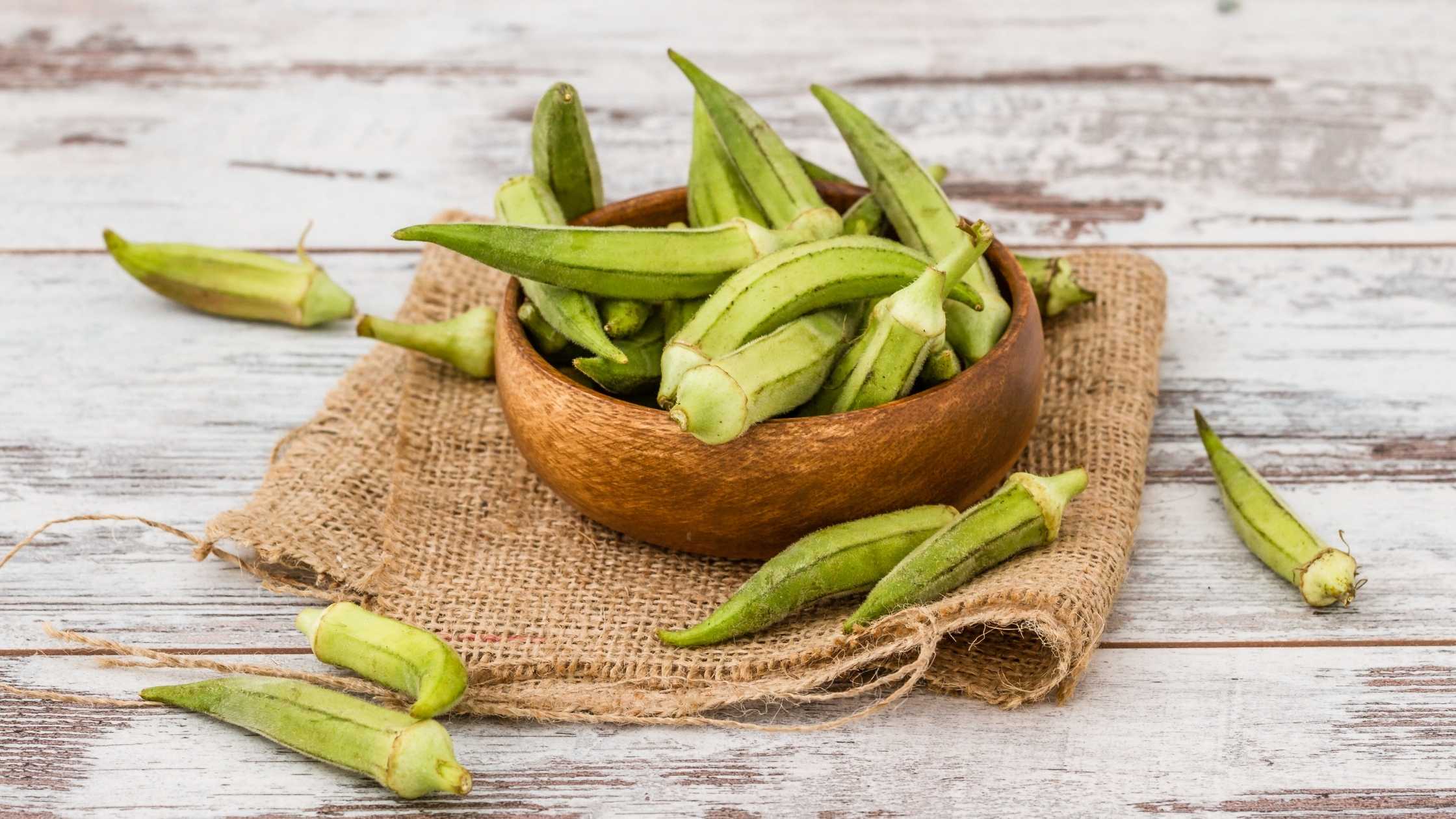
Okra

Okra is native to the tropics of the Eastern Hemisphere, such as in Africa and South Asia. 

It is high in vitamins C and K1, which boost the immune system and prevent blood clotting. This vegetable is somewhat unique as it also boasts protein and fiber, a nutrient that many fruits and vegetables lack.

Cooking okra is simple. It can be sauteed, pickled, or added to soup and stews.

Strawberries

Once again, strawberries top the annual ''Dirty Dozen" list of produce found with the most pesticides. Again, to avoid this, it’s best to buy these organic and wash them thoroughly before eating. 

These delicious berries are a good source of vitamin C, manganese, folate (vitamin B9), and potassium. Reduced cholesterol, blood pressure, and inflammation are just a few of its health benefits. 

Furthermore, berries could help prevent spikes in blood sugar and insulin levels.

The fruits are commonly eaten fresh, baked, and preserved

Swiss chard

The name may imply that it originated in Switzerland but it is native to the Mediterranean region. Due to its enormous cultivation in Switzerland, it was referred to as a Swiss Chard. 

These leafy greens are an excellent source of vitamins A and K and nearly fulfills the daily need for vitamin C. Additionally, it is extremely low in calories, making a weight-loss-friendly vegetable.

Here are two ways to cook Swiss Chard.

Zucchini 

Zucchini is a variety of summer squash. Although it is considered a vegetable, it is classified as a fruit. 

It is particularly high in vitamin A and offers several health benefits -- from healthy vision to healthy digestion. 

Zucchini is versatile and be eaten raw or cooked in stews, soups, salad, and even as bread!

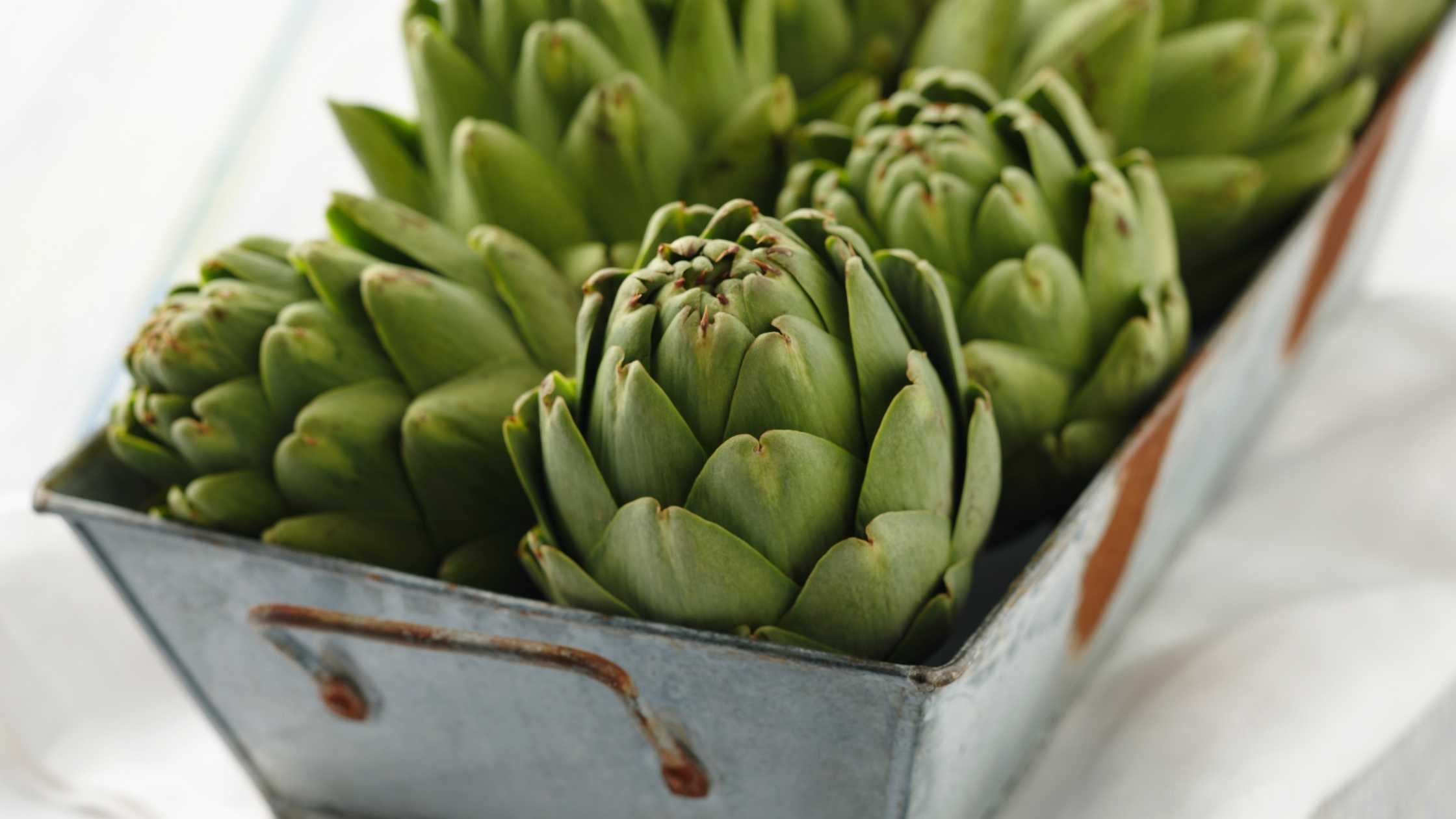
Artichokes 

Native to the western and central Mediterranean, artichokes are low in fat, rich in fiber, vitamins, and minerals like vitamin C, vitamin K, folate, phosphorus, and magnesium. 

Moreover, artichokes are among the richest sources of antioxidants. These delicious thistles are usually served as a hot vegetable with a sauce or as a cold appetizer. 

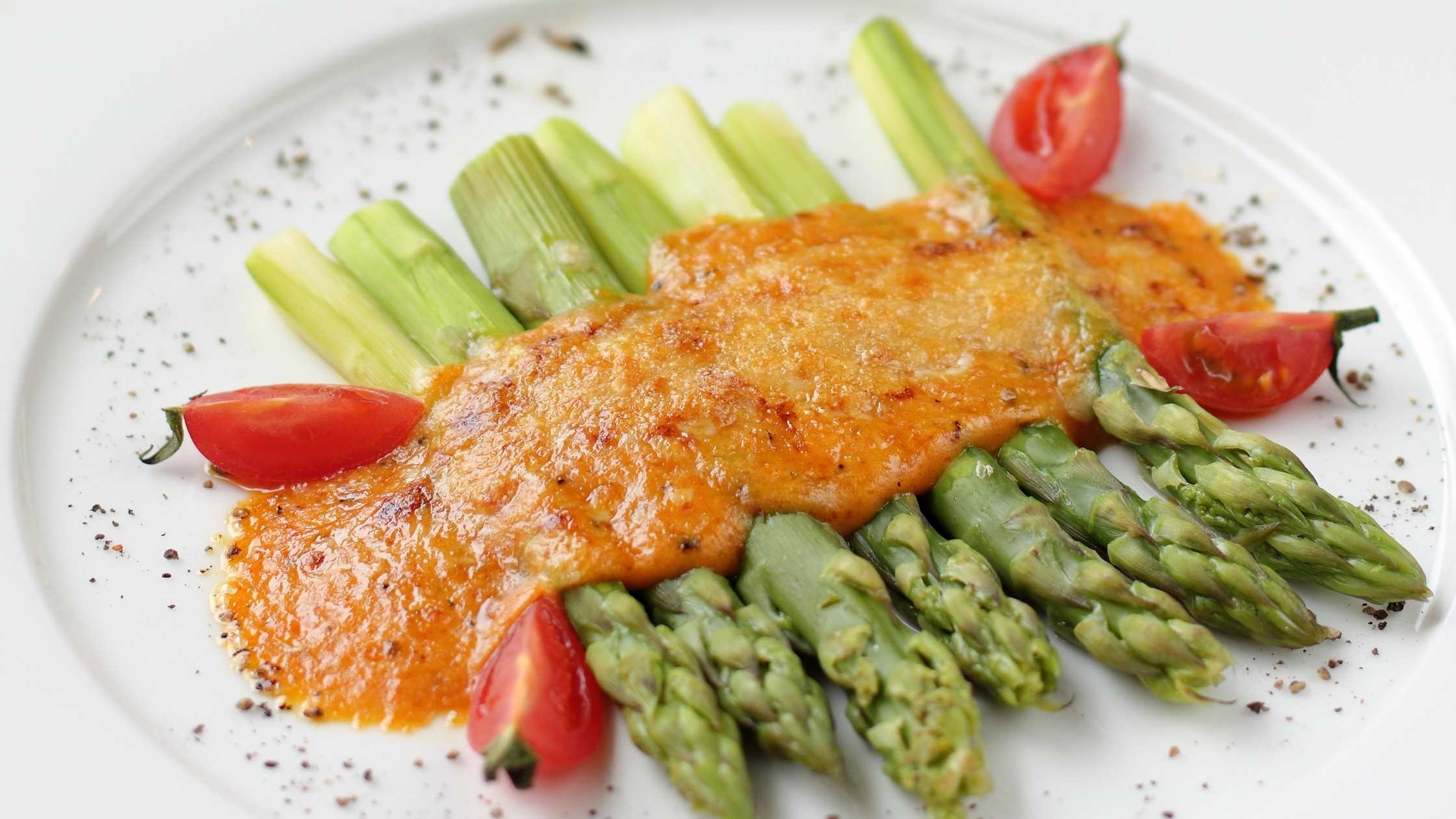
Asparagus

Asparagus is native from Siberia to southern Africa. It is high in vitamin K and folate, essential nutrients that help lower blood pressure and support healthy pregnancy. 

Asparagus is low in calories, high in fiber, and contains 94% water, making it ideal for your digestive health. You can easily incorporate it into your diet; you can add it to salads, omelets, and it also makes a great side dish!

Here are some ways to prepare and cook asparagus. 

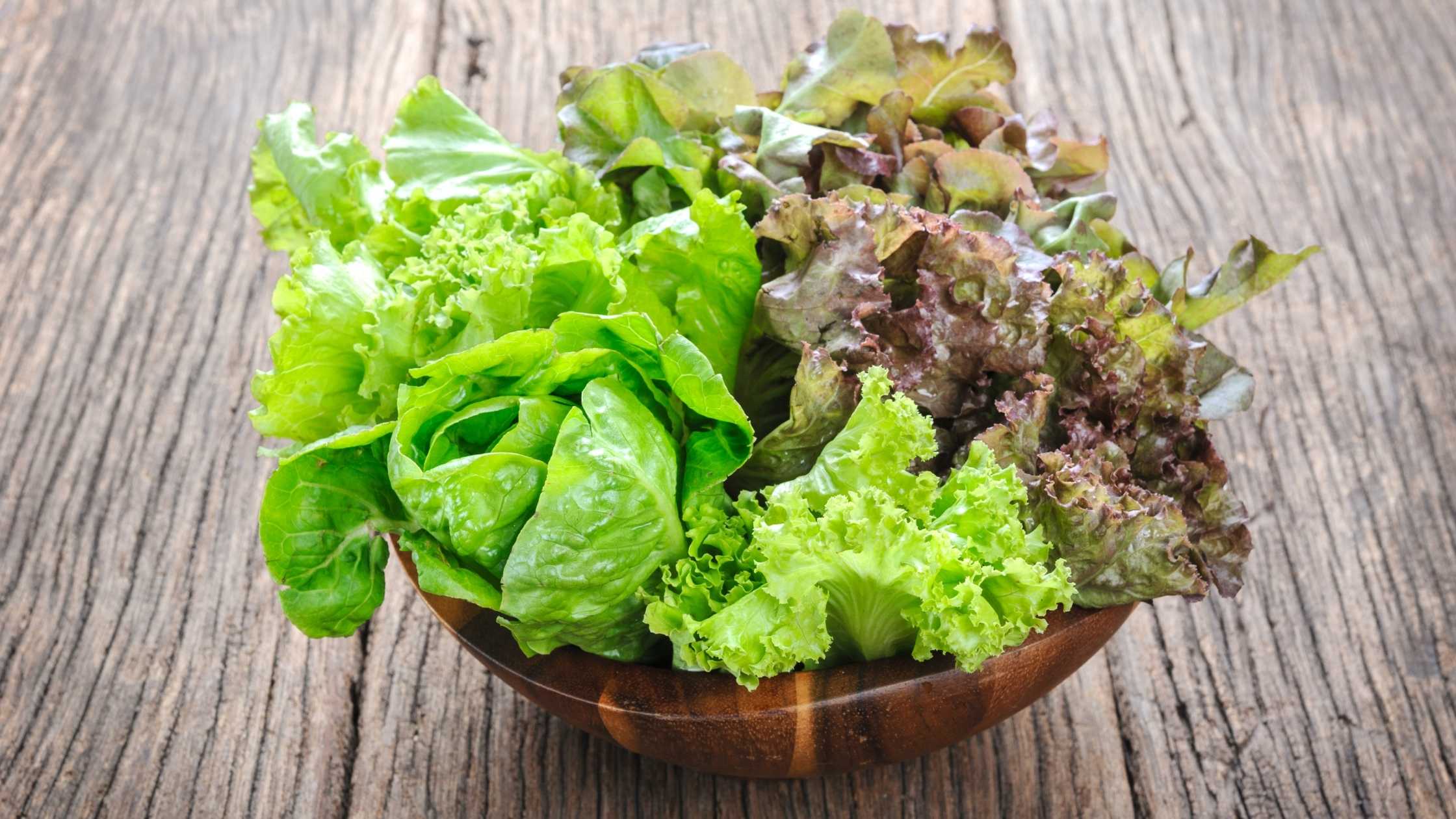
Lettuce 

Lettuce is a nutritious vegetable in the aster family. Although it comes in many varieties, this leafy veggie, in general, is rich in vitamins K and A. Note that red leaf lettuce is higher in antioxidants.

Most lettuce varieties, such as iceberg and romaine, are eaten fresh and often served in salads, wraps, and sandwiches. 

Pineapples

Pineapples are delicious tropical fruits native to the Caribbean islands and Central and South America.

They are low in calories and loaded with antioxidants and compounds that can reduce the risk of chronic diseases, improve digestion, lower the risk of cancer, boost immunity, ease arthritis symptoms, and speed up recovery after surgery or vigorous exercise.

Serving one cup of fresh pineapples along with your usual breakfast or blending frozen pineapples into smoothies is a refreshing way to start your day! 

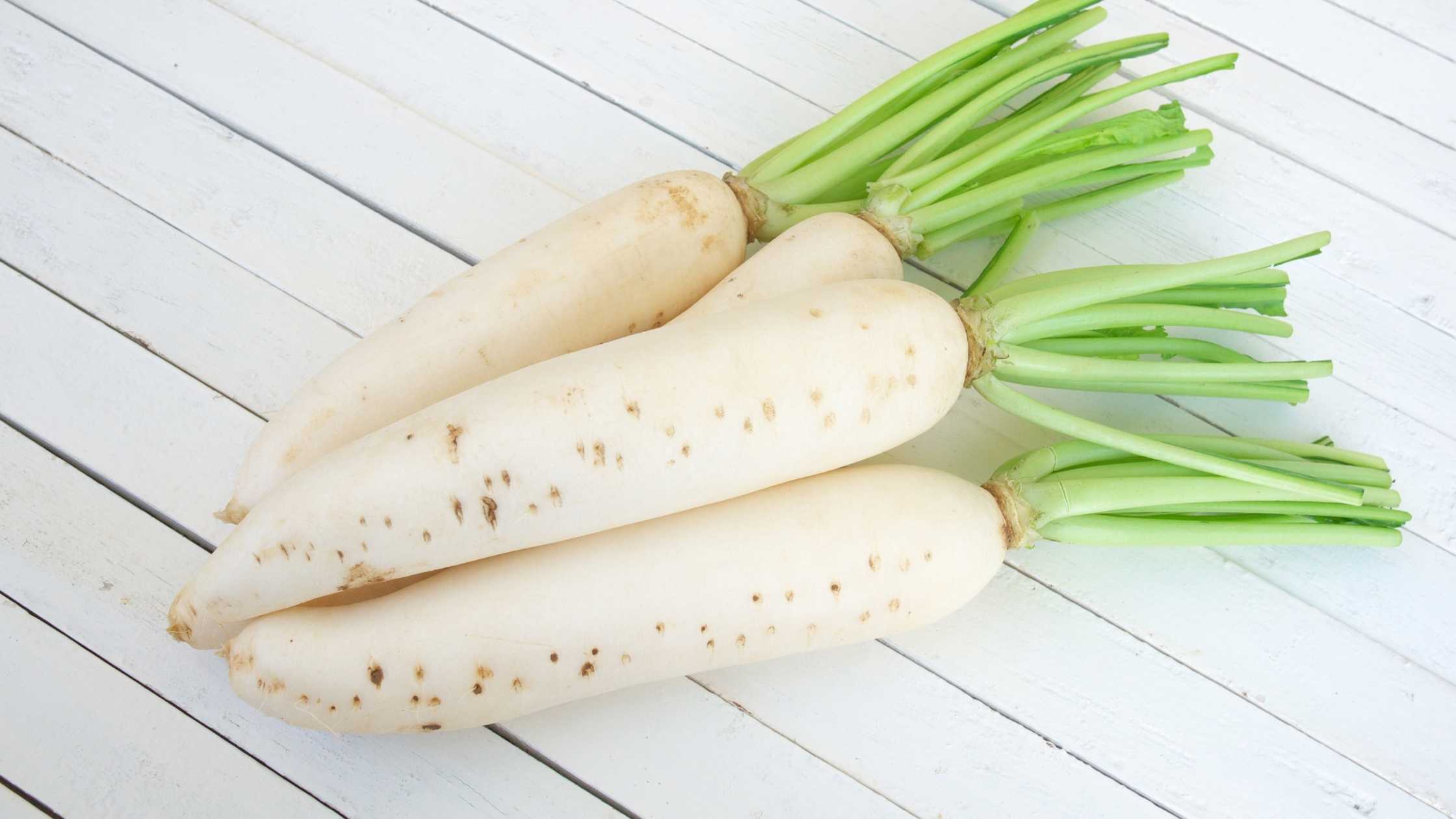
Radish

Radish varieties are an excellent source of fiber, vitamin C, and antioxidants. Compared to other root vegetables, they have fewer carbs and calories.

Strong immune system, better digestion, and increased bile production are just a few of the many radishes' health benefits. Note that radishes are generally safe to eat, but people with thyroid problems must consume them in moderation.

Using Daikon radish root to substitute for ramen noodles is my personal favorite! 

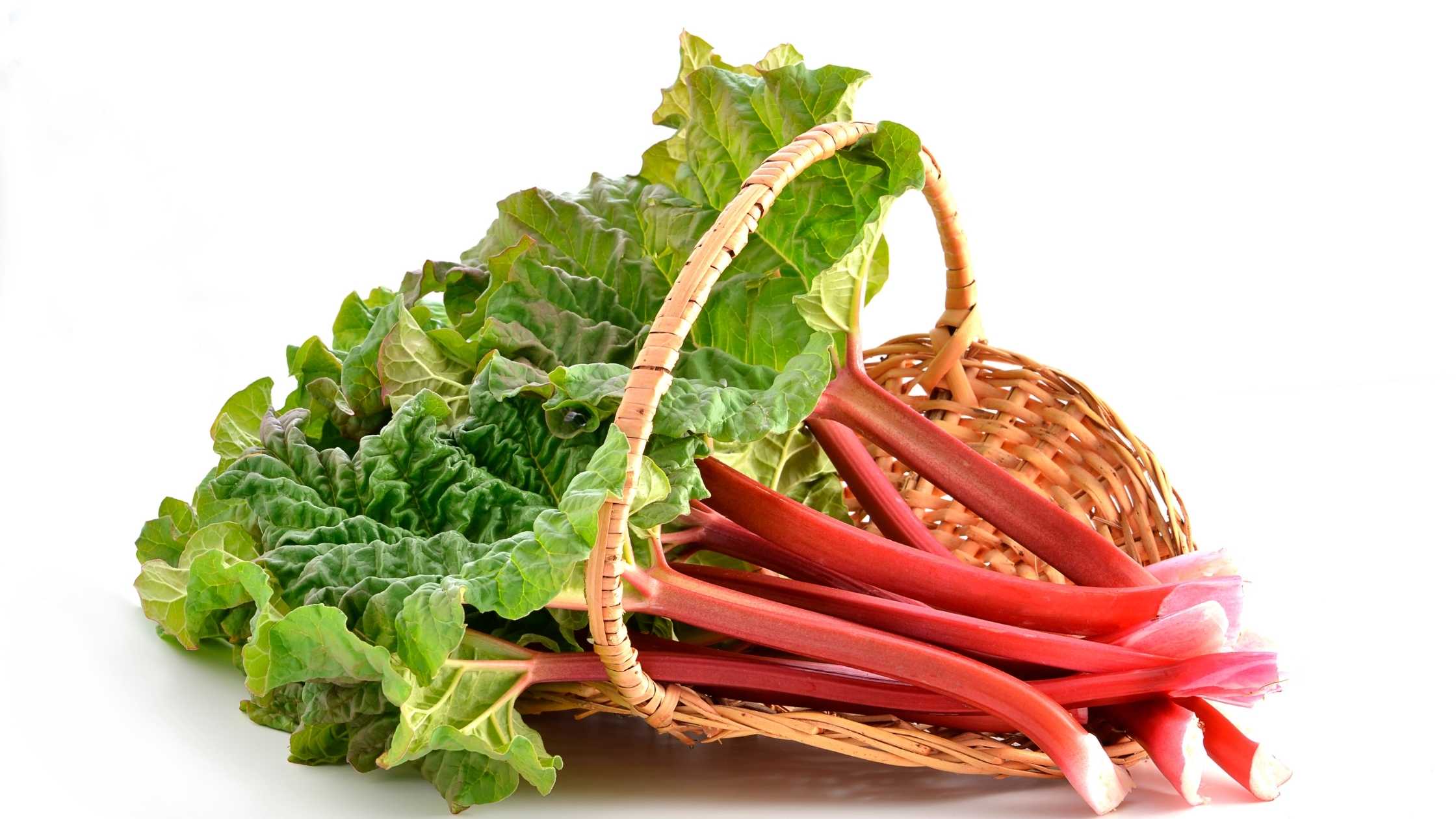
Rhubarb

Rhubarb is classified as a fruit by the USDA. It is a good source of antioxidants, vitamin K, and fiber. Note that rhubarb may be high in oxalate and best to avoid if you are prone to kidney stones. 

Due to its sour and slightly sweet taste, its fleshy, tart leafstalks are usually sugared for use in pies, jams, and crumbles.

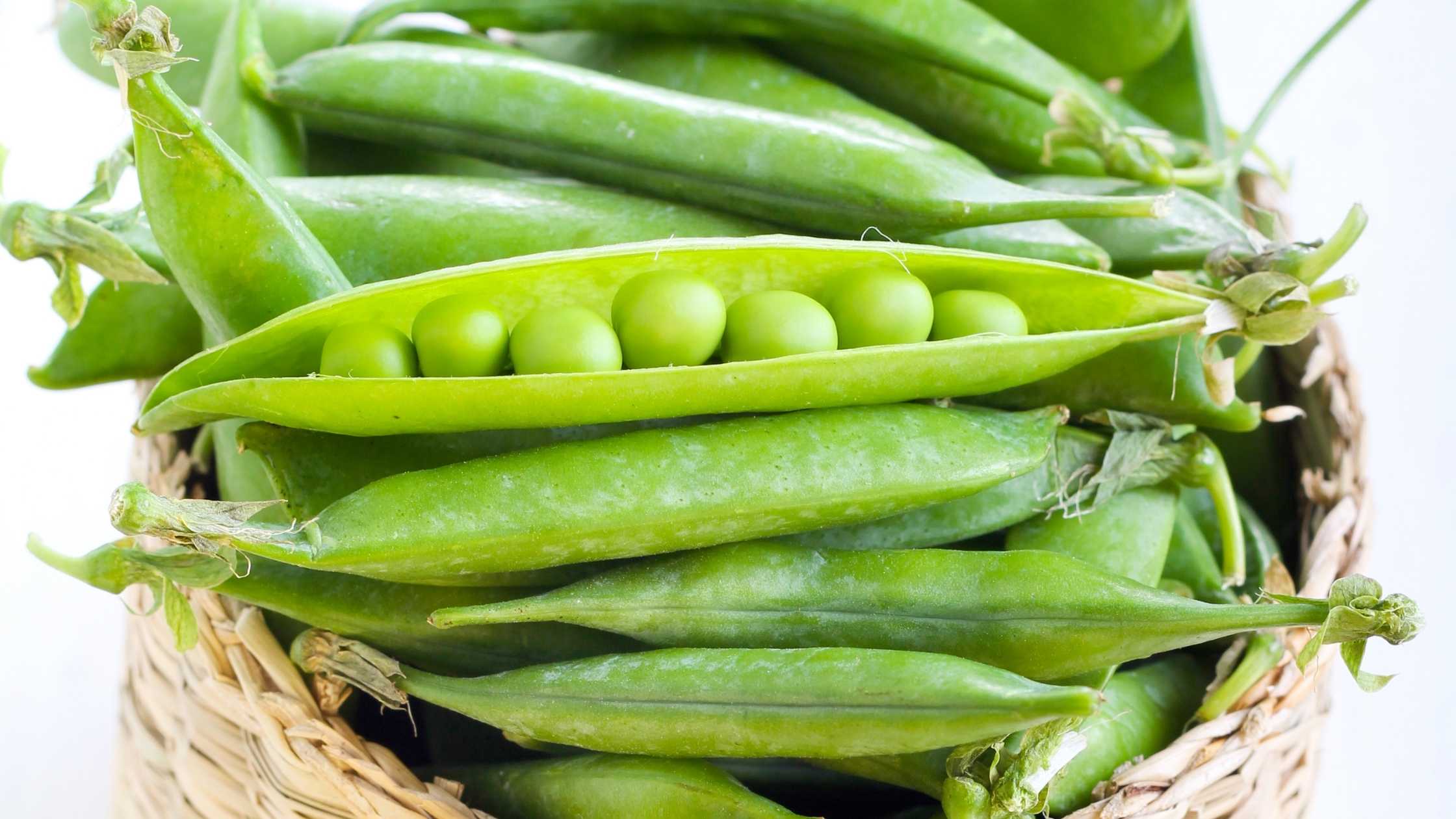
Spring Peas


Green peas are not a vegetable. They are part of the legume family, consisting of plants that produce pods with seeds inside. Other examples of legumes are lentils, chickpeas, and beans.

What makes peas unique is their high protein content. Half a cup of peas contains 4 grams of protein. 

Note that raw peas contain higher antinutrients that may disrupt the absorption of some nutrients. So it’s best to eat them fully cooked, fermented, or soaked. 

[expand title="Sources"]

https://www.britannica.com/plant/apricot

https://www.britannica.com/plant/cherry

https://www.britannica.com/plant/mango-plant-and-fruit

https://www.britannica.com/plant/okra

https://www.britannica.com/plant/strawberry

https://www.britannica.com/plant/chard-plant

https://www.britannica.com/plant/zucchini

https://www.britannica.com/plant/artichoke

https://www.britannica.com/plant/Asparagus

https://www.britannica.com/plant/lettuce

https://www.britannica.com/plant/pea

https://www.healthline.com/nutrition/rhubarb

https://www.healthline.com/nutrition/benefits-of-pineappleb

[/expand]
 

When eating fresh, in-season produce, don’t forget to wash it first. Click here to get your toxin-free fruit and veggie wash!

texas sweet onion relish

Texas Sweet Onion Relish

Texas 1015 Sweet Onions are amazingly delicious. Available for a relatively short period of time this sweet onion does not keep as long or as well as traditional onions. That means when you get them you need to eat them or do something with them fairly quickly. Similar to a Vidalia or a Sweet Peru Onion they give a wonderful mild flavor to a number of different dishes. And the best part? No tears. This type of onion is not as pungent as a traditional onion so it shouldn’t make you cry.

History of 1015’s

Originally developed by Dr. Leonard Pike at Texas A&M University in College Station, Texas 1015 Sweet Onions became available in 1983. The name 1015 comes from the date that it’s supposed to be planted, October 15.

Nutritionally it provides vitamin B6, C, folate, manganese, and potassium. Due to its mild flavor and low pungency, Texas Sweet 1015 onions can actually be eaten raw. They’re also good for grilling, sautéing, and can even be used in baking.

Cooking with sweet onions

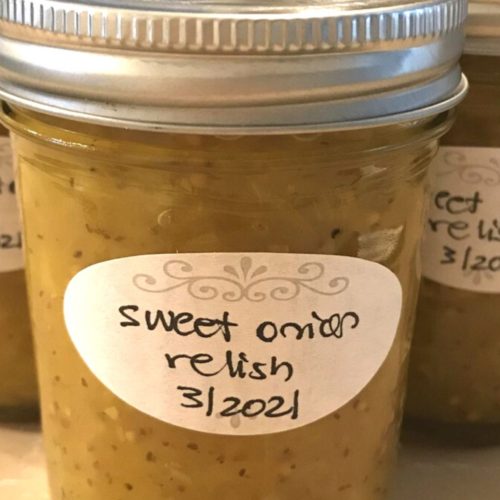
Recently I came across the first of the season Texas 1015s at the grocery store. One of my favorite things to do with this onion is to make either chutney or relish. It’s a tasty condiment that is fabulous to have on hand.

Aside from the work involved in chopping 5 pounds of onions, this recipe is super easy to make. I use a food processor. Although you can only chop 2 onions at a time that way it is still faster than trying to chop it all by hand.

Onion relish is a wonderful and versatile condiment. You can certainly use it on hot dogs and hamburgers but it’s a delicious addition to other foods as well. Consider using this relish in different ways:

  • Mixed with chicken salad
  • As a side for roast chicken or turkey
  • With sausages
  • As a side for fish
  •  
  • On top of or mixed into meatloaf
  • On top of roasted sweet potatoes or winter squash
  • On top of a baked Brie

texas sweet onion relish

Texas Sweet Onion Relish

Ingredients
  

  • 5 pounds of sweet onions, diced small (can use a food processor for this)
  • 2 cups apple cider vinegar
  • 1 cup evaporated cane juice crystals
  • 2 tablespoons sea salt
  • 2 tablespoons celery seed
  • 1 tablespoon mustard seed
  • 1 teaspoon turmeric

Instructions
 

  • Bring all ingredients to a boil
  • Immediately reduce to a simmer for 10 minutes
  • Ladle into sterilized jars leaving 1/4” headroom
  • Clean, seal, and hot water bath for 10 minutes

Texas 1015 Sweet Onions are amazingly delicious. Available for a relatively short period of time this sweet onion does not keep as long or as well as traditional onions. That means when you get them you need to eat them or do something with them fairly quickly. Similar to a Vidalia or a Sweet Peru Onion they give a wonderful mild flavor to a number of different dishes. And the best part? No tears. This type of onion is not as pungent as a traditional onion so it shouldn’t make you cry.

History of 1015’s

Originally developed by Dr. Leonard Pike at Texas A&M University in College Station, Texas 1015 Sweet Onions became available in 1983. The name 1015 comes from the date that it’s supposed to be planted, October 15.

Nutritionally it provides vitamin B6, C, folate, manganese, and potassium. Due to its mild flavor and low pungency, Texas Sweet 1015 onions can actually be eaten raw. They’re also good for grilling, sautéing, and can even be used in baking.

Cooking with sweet onions

Recently I came across the first of the season Texas 1015s at the grocery store. One of my favorite things to do with this onion is to make either chutney or relish. It’s a tasty condiment that is fabulous to have on hand.

Aside from the work involved in chopping 5 pounds of onions, this recipe is super easy to make. I use a food processor. Although you can only chop 2 onions at a time that way it is still faster than trying to chop it all by hand.

Onion relish is a wonderful and versatile condiment. You can certainly use it on hot dogs and hamburgers but it’s a delicious addition to other foods as well. Consider using this relish in different ways:

  • Mixed with chicken salad
  • As a side for roast chicken or turkey
  • With sausages
  • As a side for fish
  •  
  • On top of or mixed into meatloaf
  • On top of roasted sweet potatoes or winter squash
  • On top of a baked Brie

texas sweet onion relish

Texas Sweet Onion Relish

Ingredients
  

  • 5 pounds of sweet onions, diced small (can use a food processor for this)
  • 2 cups apple cider vinegar
  • 1 cup evaporated cane juice crystals
  • 2 tablespoons sea salt
  • 2 tablespoons celery seed
  • 1 tablespoon mustard seed
  • 1 teaspoon turmeric

Instructions
 

  • Bring all ingredients to a boil
  • Immediately reduce to a simmer for 10 minutes
  • Ladle into sterilized jars leaving 1/4” headroom
  • Clean, seal, and hot water bath for 10 minutes

How To Control Common Tomato Pests

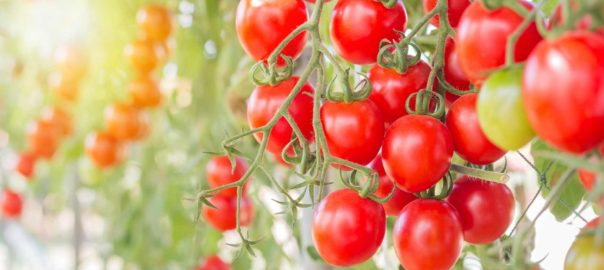
There is surely nothing better than a fresh, sun-ripened tomato. The aroma and the flavor are indescribably and mouthwateringly delicious. That’s probably why so many people give in to the lure of tomato plants on display at the hardware or grocery store in early spring. The promise of eating your own home-grown tomatoes is a temptation that's hard to resist.

If you do give in and proudly cart home your tomato plants chances are you’ll soon discover you’re not the only one who loves tomatoes. There are a number of common pests that are only too happy to feast on your delicious tomatoes and ruin them in the process.

Top Tomato Plant Pests


Unfortunately, garden pests are inevitable. The good news is if you know what you are doing you can get rid of them before they’ve done a number on your tomatoes. Although there are dozens of pests which can be harmful to your tomatoes, these are a few of the most common ones you’ll find in the garden.

Aphids - These are small insects which can be green or black and may or may not have wings. Typically they like to cluster on the bottom of the tomato leaves. They damage the plant by sucking moisture, and nutrients, which causes curled and yellowed leaves. The damage may also stunt the plants.

Cutworms -These are actually a species of moth caterpillars and they live in the soil. They pose a threat especially for young tomato plants as they like to chew the stems.  If you see your tomato plants there one day and “cut” off lying on the ground the next, chances are you have cutworms.  They have been known to decimate an entire crop of newly planted tomatoes overnight.

 They aren’t just a problem for the immature seedlings. Cutworms can also damage older tomato plants by chewing on the stems and leaves creating holes in them. 

Colorado Potato Beetles - Although it’s called a potato beetle, this pest also affects tomatoes, peppers, and eggplants.  Both the larvae and the adults eat the leaves of the tomato plant leaving only the stalks and veins.

Hornworms - Another caterpillar, this one is the immature form of a five-spotted hawkmoth.  They are known for having a voracious appetite and can plow through tomatoes, both the plants and the fruit. Due to their tomato leaf coloration and habit of hanging out on the underside of the leaf these can be hard to spot. If you notice dark droppings on the leaves you can turn them over to see if there is a hornworm on the bottom of the leaves.

Stink Bugs - The immature nymphs and the adult stink bugs suck the sap from the plant and can harm the fruit.  As the name indicates, they have a rather unpleasant odor, especially if squashed or threatened. One way to tell if you have stink bugs on your tomato plants is if you see yellow-white spots underneath the skin of the ripe fruit.

Luckily there are ways to deal with these pests without the use of harmful ingredients. As much as possible you want to use organic method. This is because many of the chemicals used in commercial insecticides and pesticides are known to be toxic to humans. In some cases studies indicate a link between the use of pesticides and neurodegenerative diseases like Parkinson’s. 

Your Organic Garden Pest Solution

As soon as you notice any of these common garden pests on your tomato plants you need to address the issue.  Spraying the plant with water can dislodge the pests.  This can be repeated for several days in a row in order to remove as many as possible.  You’ll also want to incorporate one or more of the following organic, non-toxic, solutions: 

Beneficial insects – add beneficial insects (ladybugs, praying mantis, and lacewings) to the garden and let them forage on the bug population.  These beneficial insects can usually be ordered online. 

Collars - make a rectangular strip of cardboard and place one around each tomato stem. This can protect the plant from cutworms as they typically will not climb over the collar.

Companion planting - adding plants like basil, dill, or marigolds to your garden may help ward against the pests.

Hand-picking – not a very pleasant task, this is, nonetheless necessary.  Put on a pair of gardening gloves, prepare a container with warm, soapy water, and pick them off, dropping them into the water. 

Organic insecticidal soap – follow the directions to mix up a 2 to 3% solution. This can then be applied directly to the plants/pests to remove them.  

Neem oil – an organic, plant-based oil, neem can be very effective against many garden pests, especially aphids, stink bugs and tomato fruit worms.

Weeding – garden debris and weeds around your plants potentially creates a habitat/hiding place for many pests. Keeping the area around your plants clear can cut down on this. 

What To Do With Tomatoes

Of course, if you’re going to grow tomatoes you are certainly going to want to eat them.  I confess my favorite is a deliciously ripe tomato sliced, sprinkled with sea salt, and a smear of homemade mayonnaise

If you’re fortunate enough to have overly abundant tomato plants there are a few other tasty things to do with tomatoes including:

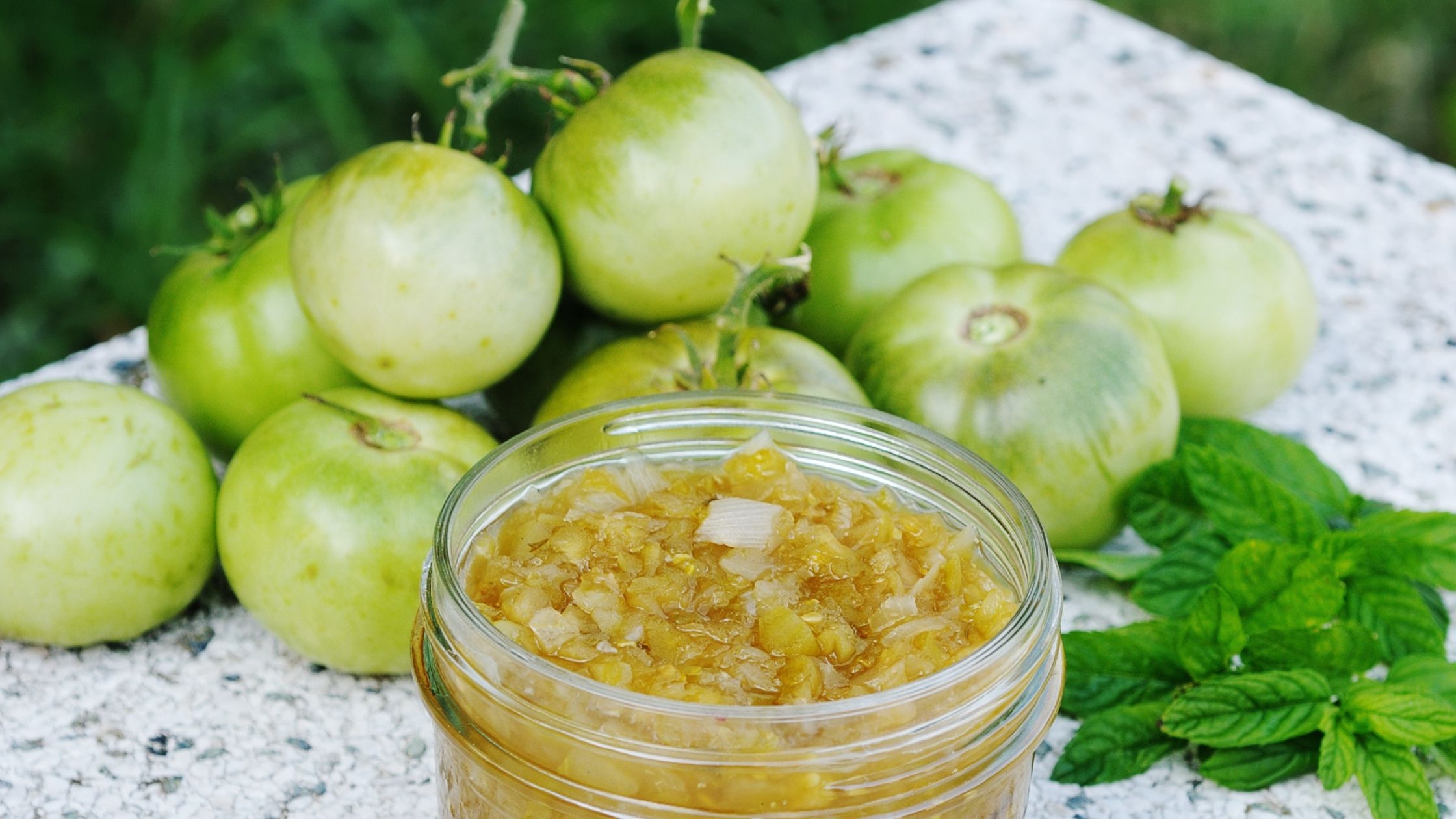
Green tomato chutney 

A perfect condiment for roast meats, hotdogs, and Indian food.

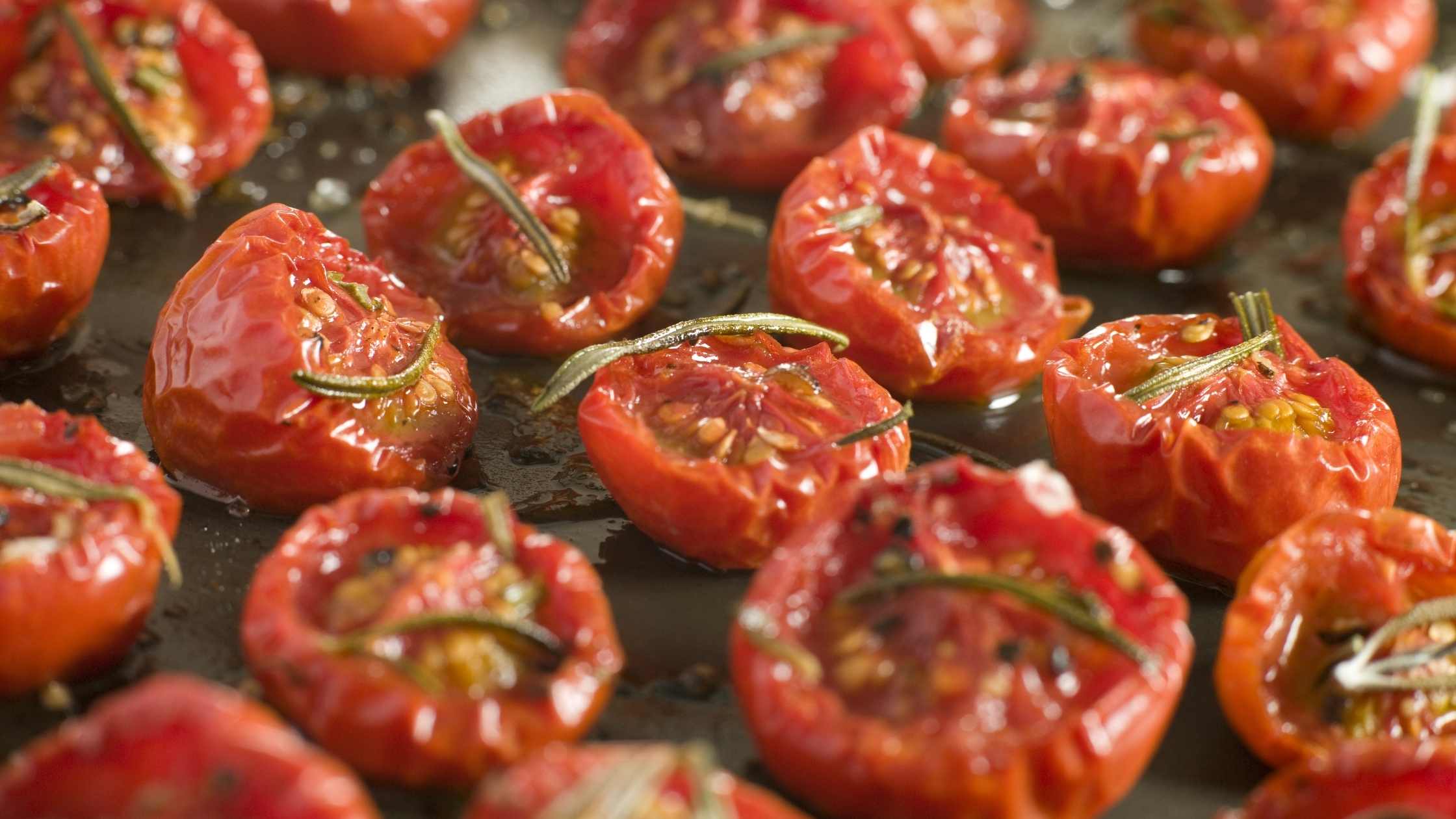
Oven-roasted tomatoes 

This is a good way to preserve tomatoes so you can enjoy them later in the year when they are no longer in season
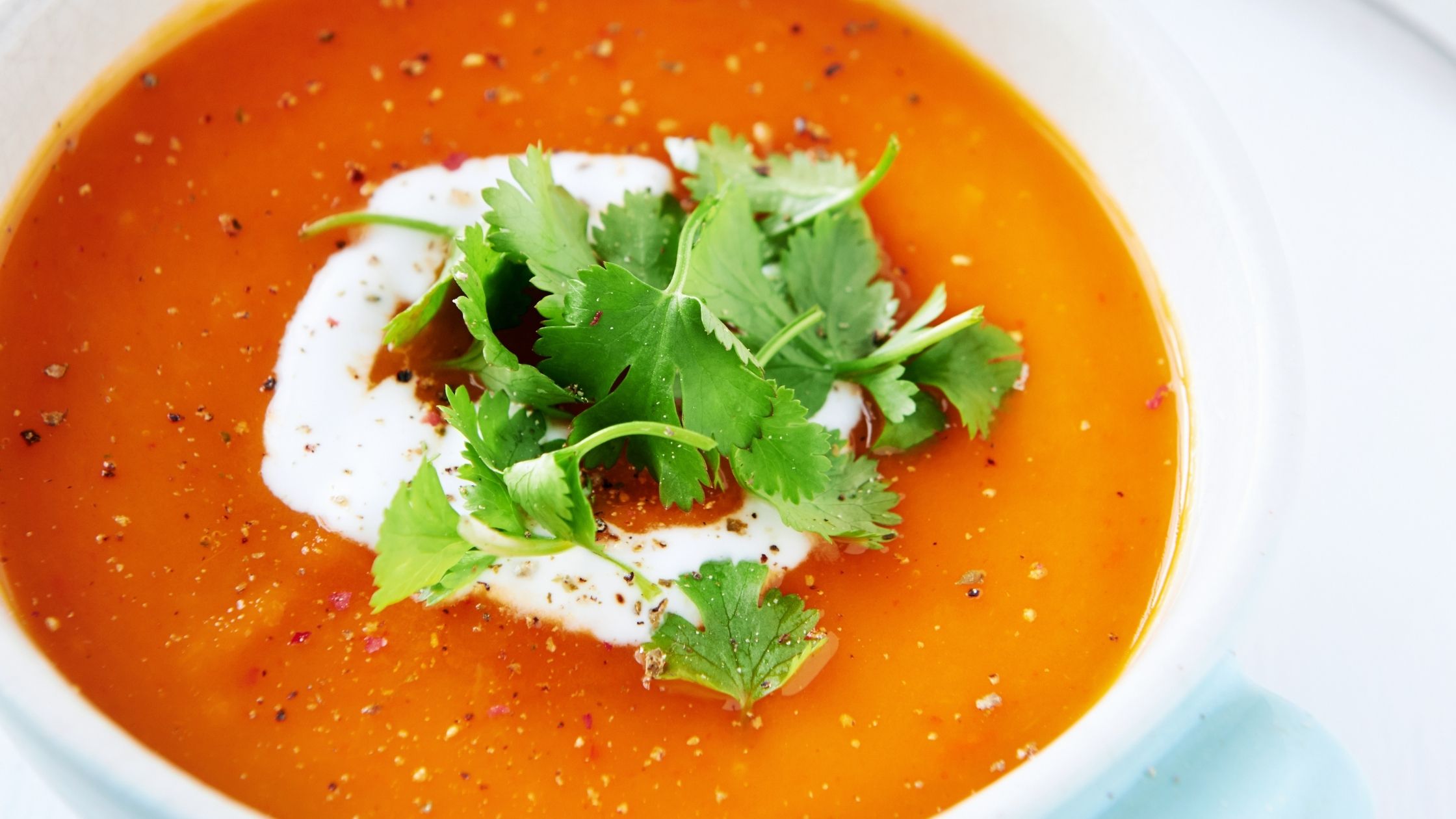

Roasted vegetable soup with tomato and fennel

Although the recipe calls for Roma tomatoes really any tomato will do. This is a wonderful soup when tomatoes and fennel are in season. If you have enough you can make and freeze it to enjoy in the middle of winter.

[expand title="Sources"]

"Toxicity Of Pesticides". Penn State Extension, 2021, https://extension.psu.edu/toxicity-of-pesticides.

Costa, Lucio, G. "Neurotoxicity Of Pesticides: A Brief Review". Frontiers In Bioscience, vol 13, no. 13, 2008, p. 1240. Frontiers In Bioscience, doi:10.2741/2758.

PMC, Europe. "Europe PMC". Europepmc.Org, 2021, https://europepmc.org/article/PMC/5285268.

Rauh, V. A. et al. "Impact Of Prenatal Chlorpyrifos Exposure On Neurodevelopment In The First 3 Years Of Life Among Inner-City Children". PEDIATRICS, vol 118, no. 6, 2006, pp. e1845-e1859. American Academy Of Pediatrics (AAP), doi:10.1542/peds.2006-0338.

[/expand]

EWG’s 2021 Dirty Dozen List

The new Dirty Dozen for 2021 is out.  It usually takes a few months to come up with the new list because the Environmental Working Group (EWG) needs to coordinate all the data from the previous year. These are the items that you MUST purchase organic at the grocery store in order to avoid pesticide residues and agricultural exposures.

Strawberries Top Dirty Dozen List Again

Sadly strawberries are once again at the top of the list.  And the green category has expanded with both collards and mustard greens joining kale in the #3 spot. If you’re a big dark leafy greens eater (and you should be) it’s definitely important to make sure you’re getting the organic version of these.  In a new addition to the list the EWG has added both bell peppers and hot peppers. 
 
It’s important to remember that with anything on this list you must think about all iterations of that fruit or vegetable. For example grapes. If you’re buying organic grapes you’re also going to want to buy organic grape juice, organic raisins, and, yes, organic wine.  Just because a particular produce item is processed in some way does not magically make the pesticides go away.
 
While citrus fruit did not make the Dirty Dozen list it’s worth noting that the EWG issued a special report because they are trending upwards in pesticide residue levels. 
 
One other important note, when purchasing organic for these Dirty Dozen fruits and vegetables you are not only avoiding the pesticide residue, you may be getting a healthier version. There are studies which seem to indicate that organic produce has higher levels of antioxidant polyphenols which in turn is beneficial for the immune system.  Plus organic farming tends to be more sustainable for the soil that the produce is grown in.
 
It’s hard to remember which 12 are on the list. The easy way to stay on top of it is to download the free guide from the Environmental Working Group.
 

Coconut Cream For Pi Day

Pi Day!

Beloved by math nerds everywhere. Pi Day comes on March 14 – because the first three numbers of the mathematical expression for Pi is 3.14. You should have seen all of the excitement in 2015 (the first five numbers are 3.1415). 

When my kids were little it was great fun to bring a pie to school on March 14th.  One elementary school hadn’t heard of this delicious holiday until my child walked in with a Chocolate Silk Pie and utensils.  By then I’d learned that if I was sending a pie to school I also needed to be sure to send a pie knife, plates, napkins, and forks. 

Of course, some families prefer to celebrate at home. Which brings up a very important question…

What Kind Of Pie?

Every year on this day the question running all over the internet is … What Kind Of Pie? Because, after all, there are so many delicious kinds of pie. Of course, there’s the standard apple or cherry. But let’s not forget that pie doesn’t only apply to sweet or fruit pies.

There are also a lot of savory choices such as pot pie, shepherd’s pie, and even pizza pie.

The one thing that’s pretty much guaranteed? Everyone has a favorite flavor of pie.

This year we’re celebrating with a pie recipe much beloved by an elder member of our family.

You’ll need a baked pastry shell of some kind to put it in. While a graham cracker crust will work, it’s not as good and tends to get soggy.  A traditional baked pie crust is the best option. Fortunately, you can buy pre-made unbaked gluten-free pie crusts. These are usually found in the frozen food section of the grocery store. You’ll need to follow the directions on the crust and bake it before you make this pie.


Poppy’s Coconut Cream Pie

This delicious coconut cream pie is very easy to make and looks fabulous once it's done.

Ingredients
  

  • 1/2 cup evaporated cane juice crystals
  • 3 Tbsp organic cornstarch
  • 2 cups shredded coconut toasted and divided
  • 1 Tbsp organic butter
  • 1/8 tsp sea salt
  • 1 1/2 tsp vanilla extract
  • 3 cups coconut milk with the cream — I prefer Native Forest Organic in the can — it takes 2 cans
  • 3 large eggs or 5 egg yolks for a richer pie
  • 16 ounces whipping cream or heavy cream read the label so there’s no gums, carrageenan or other negative ingredients in it
  • 1/4 cup evaporated cane juice crystals
  • 1 1/2 tsp vanilla extract

Instructions
 

  • Mix together cornstarch, sugar and salt
  • Add to a pan with coconut milk/cream
  • Cook over medium until thick and bubbling
  • Reduce heat and cook 2 minutes longer, stirring frequently to prevent sticking or burning
  • Remove from heat
  • Gradually add 1/2 C. of hot mixture into beaten eggs or yolks
  • Return egg mixture to pan and cook over medium heat until hot but not boiling
  • Cook at heat 2 more minutes
  • Remove from heat add in butter, vanilla, and one cup toasted coconut
  • Pour into pie shell
  • Cool completely 1-2 hours in fridge
  • Make whipped cream by combining whipping cream, sugar, and vanilla until firm peaks form
  • Spread whipped cream over the top of the pie
  • Sprinkle with remaining toasted coconut
  • Chill for 1-2 hours before serving

Strawberry Sheet Pan Cakes

Who doesn’t love pancakes?  An amazing breakfast food that’s so popular people sometimes makes it for dinner.  It can be a pain, however, to stand over the oven pouring, flipping, and preparing pancakes; especially if you’ve got a crowd to feed.  This twist on a traditional stovetop pancake makes cooking time super easy. Plus everyone can sit down to eat together instead of leaving the cook standing at the stovetop flipping stacks for everyone else.

Strawberry Sheet Pan Cakes

Prep Time 10 minutes
Servings 4

Ingredients
  

  • 2 tablespoons butter, organic or from grass fed cows
  • ½ large ripe banana
  • 1 cup rolled gluten free oats
  • 1¼ cup unsweetened almond milk (link below)
  • 1 tablespoon pure maple syrup (+ extra for serving) (link below)
  • 1½ teaspoon baking powder
  • 1 teaspoon vanilla extract (link below)
  • 2 teaspoon ground cinnamon
  • 2½ cups organic strawberries, sliced and divided

Instructions
 

  • Preheat oven to 375°F
  • Grease a small, rimmed baking sheet with 1 tablespoon butter
  • In a high-powered blender or a food processor, combine the remaining butter, banana, rolled oats, almond milk, maple syrup, baking powder, vanilla extract, and cinnamon, blending until smooth
  • Pour the batter onto the greased sheet pan and top with one cup of strawberries
  • Bake 20-25 minutes until the batter slightly puffed up, golden brown around the edges, and the center is set
  • Remove from the oven, let cool 10-15 minutes before slicing
  • Serve immediately with additional maple syrup (warmed is fabulous) and the remaining strawberries
    Enjoy!

Preparing For The Next Storm

After a horrific week of winter, finally, some relief from the cold.

If you’ve been following me for a while, you know that I live in Texas. Our state has only just begun recovering from the unprecedented devastation that the winter storms unleashed on February 14. 

The deadly temperature caused the pipes to burst, leading to water disruptions for half of our state’s population. My family, and millions of other people, also lost power, forcing everyone to spend days and nights trying to stay warm. 

Due to the impassibility of roads for a few days, grocery stores were also unable to resupply. The shelves were emptied, and the weather conditions led to food supply chain issues. 

Supply chain shortages; potential price hike

Now that things are warming up and the roads are clear, they should be able to restock the shelves. But there’s another major food challenge due to the storm; grocery prices are probably going up.  

There was damage to both crops and livestock. Many tender young plants (such as baby greens) froze, baby chickens froze to death, and dairy farmers have been dumping milk because they’re unable to get it to the dairies.  

According to one source, “The drop in production could have short- and medium-term consequences on availability and prices.

The whole shortage and potential price increase issue makes it important to have food storage on hand. As I’ve mentioned before, I’m not talking about The End Of The World As We Know It enormous food storage. But I do believe in having at least 30 days worth on hand plus a water plan. This allows you to have more flexibility when it comes to your food so you’re not limited by what is or isn’t available at the store. It also means learning to modify your diet as needed based on what’s available.

Tips to start your “preparedness plan”


Here are some tips that I believe are useful in an emergency situation (this is mostly geared toward winter). I encourage you to print this list out and keep it somewhere for reference.  

This information is also good to share with friends, neighbors, and family so they can be prepared as well.

1.Prepare your home and car


  • Make sure your car tank is full. If you have gas cans (and you should), make sure those are full also.  In the middle of an emergency, gas stations may not be able to resupply. Plus you want to be able to leave if you need to. A full tank also prevents the tank from freezing in very low temperatures (yes, your gas tank can freeze).


  • Weatherproof your home. Turn off your outside water, wrap your exterior pipes, and winterize your faucets. There are covers you can buy at the hardware store (get them now for next time).  In an emergency, a pool noodle can be sliced up and used for pipe insulation.  In case of a burst pipe (hopefully not), know where your shutoff valve is.  


If you have a frozen pipe, you can shut off the water so that it will hopefully won’t burst when the water comes back on. Heating a frozen pipe with a hairdryer may help melt the frozen part. Keep faucets dripping to help prevent pipes from freezing.  If pipes are on an outside wall, you want to keep the cabinet doors open so that any residual heat from the house can help keep the pipes warm.

2. Have a water & food plan 


  • Store water in pots, pans, the bathtub, or an Aquatainer. It can be used to flush toilets, wash, and cook with. The recommendation is one gallon per person (or pet) per day for drinking, one gallon for cleaning, and one gallon for personal care.


  • Have some sort of filtration device like a Big Berkey in case you need to pull water from a non-sanitized source (nearby running water, a pool, etc.).


  • Have food on hand which does not need to be cooked to be eaten. This is in case you don’t have a way to cook it.  You’re still going to want to be able to eat something. Be aware that your body burns more calories when you’re cold trying to stay warm. Just shivering can burn as much as 400 calories per hour.


  • You can heat water and cook on your grill.  This makes it important to have an extra propane tank.  DO NOT bring your grill into your home; this is not safe.  If the weather is inclement, you can try to find an overhang or, worst case, use it in the garage with the door open

3. Create an emergency kit 


  • Create a family-sized emergency supply kit and smaller “go kits” for the whole family. Include disinfectant wipes and spray, soap, hand sanitizer with at least 60% alcohol, and at least two masks per person age two or older in your household. 


  • Know where your flashlights and batteries are. Do not rely on your cell phone for a flashlight, as this will run it down too much.


  • Have long-burning candles for light.  I use the prayer candles, the tall ones in a glass jar.  I get them at the dollar store. They’re supposed to be good for as much as 40 hours.


  • Get some of the glow-in-the-dark bracelets (I get mine at the dollar store). If you have pets in the home, once it gets dark, this is a good way to be able to see where your pet is so you don’t trip over them.


  • If you have a wood-burning fireplace, you need to have the wood in advance of the storm to use it for heat. It kind of goes without saying, but it can be hard to find wood during the storm.


  • The nickel in the freezer trick. this lets you know how much your freezer defrosted during a power outage. Place a nickel on top of frozen water in a cup. After a power outage look and see if where the nickel is.  If it’s at the bottom that tell you the water thawed and then refroze.  The food in your freezer is no longer safe to eat.


4. Keep yourself (and your pets) warm during the storm


  • Wear a hat. Many people put on socks, sweaters, and sweatpants but forget that you can lose a lot of heat through your head. 


  • Layer, layer, layer. Wearing a big sweater isn’t going to be as helpful as wearing several layers. Those layers help to trap air to keep you warmer.


  • Keep yourself warm using hot water containers. Wrap bottles or a jar filled with hot water with a towel around it to cuddle with under the blankets


  • Keep your core temperature up. While you have power, put pots of water on the stove to boil. Not only does this help to keep heat in the house, but it’s also a source of hot water for drinking. Once the power goes out, you can put that hot water into insulated thermoses to stay hot for beverages.


  • Prevent drafts by rolling up towels and pillowcases. Place them at the bottoms of doors and windows.  You can also close your blinds or curtains to create a bit of a barrier to keep the cold air from chilling the space quite so much.


  • Bring your pets indoors. Bring your fur babies inside or provide a shelter to keep them safe and warm. Make sure that they also have access to unfrozen water


If you’re interested in knowing more, you can schedule a personalized Preparedness Pantry Consultation with me to create a plan for your family.