All posts by Mira


About Mira

Mira Dessy is The Ingredient Guru. A holistic nutrition professional, author, and a popular public speaker, she knows that it's not just what you eat, but what's in what you eat. She is the author of The Pantry Principle: how to read the label and understand what’s really in their food. Dessy is a Board Certified Holistic Health Practitioner whose mission is to educate and empower consumers. She curates the Lean Clean Green Subscription box, the premier, organic, earth-friendly, healthy, sustainable subscription box which can be found online at https://theingredientguru.memberbox.com

rotation diet

How To Do A Rotation Diet

When diagnosed with food sensitivities you may find yourself feeling overwhelmed. Especially since the foods you are most likely to develop a sensitivity to are the ones you eat most often.  Once diagnosed, either by a doctor or through testing, it's important to have a rotation diet.

What is a Rotation Diet?

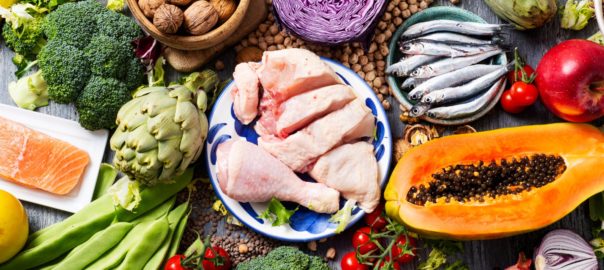
In simple terms, a rotation diet means that you are not eating the same foods every day. It's not a specific diet per se, such as Paleo, Keto, Mediterranean, etc, but rather a conscious way of eating that reduces your exposure to food proteins. Following this type of a plan requires you to write out what you can eat without repeating a food more than once every four days.  By following a rotation diet plan you are able to eat a variety of foods without building up sensitivities to them. This is because with a four-day gap in consumption you are not overconsuming to the proteins in those particular foods on an everyday basis.

Rotation Diet Basics

Here is an example.  When it comes to nuts most people eat a lot of almonds. In fact, they may eat them every day, or even multiple times per day.  But by eating almonds every day there is a possibility that you will eventually become hypersensitive to the proteins in them. That would then eventually show up on a delayed hypersensitivity test and you would need to avoid them while working on a program to support gut health.  By avoiding the foods that you are identified as sensitive to for 3-6 months and doing a supportive nutrition plan, you can potentially restore your insides to the point that you can eat some of those foods again.

Using the category of nuts and seeds for someone with an almond intolerance this might be a potential plan:

  • Day 1 - flax seeds, pistachio, hazelnuts (also called filberts),
  • Day 2 - brazil nuts, cashew, pinenuts
  • Day 3 - chestnuts, pumpkin seeds, walnuts
  • Day 4 - sesame seeds, sunflower seeds, pecan
     
At the end of the four day period you begin the rotation again.
 
It's important to note that peanuts are not really a nut.  They are a fatty legume which tend to be one of the top food sensitivities and allergies. Therefore we do not include them in the rotation.
 
This pattern of rotating foods every four days applies to each category of food:
 
  • Dairy (if tolerated)
  • Herbs and Spices
  • Fish/Shellfish
  • Fruit
  • Poultry
  • Meat
  • Nuts and Seeds
  • Oils
  • Vegetables

Eggs are included in the poultry category and are consumed with their protein, i.e., chicken eggs with chicken, duck eggs when you are eating duck, turkey, quail, etc.

In the case of severe or a significant number of food intolerances, you may need to follow a rotation diet for an extended period of time while you work on your gut health. 
raw milk rights

The Raw Milk Controversy: Health, Rights, And Industry Interest

In case you missed it on the news, there was a raid of a store in California that was selling raw milk.  The owner and two suppliers were arrested and an unknown amount of raw milk was dumped. As I understand it this was a store that essentially functioned as a buying club. Consumers were required to be members before they could buy.  I will grant that the government claims the raid was in part because the store owner did not have the proper permits.  The owner apparently thought that because his operation was a private buying club not a public place of sale he did not need one. However leaving aside that permitting misunderstanding, this is not the first time that there have been raids against raw milk sellers; last May there was a raid in Pennsylvania and there have been many others.  For some reason it appears that raw milk and it's advocates have been targeted and are being dealt with by force.

The Benefits of Raw Milk and The Need for Legislation

I find this sort of thing disturbing for a number of reasons: 1.  According to the Weston A. Price Foundation's Real Milk Campaign there are lots of health benefits from drinking raw milk. If the government feels that raw milk is so much of a problem then create legislation for it.  But honestly Diet Coke is horrific to our health and there is no legislation there.  This over-reaching attack on one product seems excessive and misplaced; 2.  Those who want to drink raw milk should have access to it, they are aware of the risks and most of them are dealing with farmers that they trust to run a clean operation; those who don't want to drink raw milk don't have to.  I'm not sure how this is considered a problem, raw milk is always clearly labeled and is only sold to those who specifically search it out; 3.  The raids frequently go after raw milk producers or stores where they sell raw milk yet I am easily able to buy raw milk cheese and butter at my local big-chain grocery store.  In order to make these products the producer has to start with a raw milk product.  If the raw milk cheese producers can get approval to make and sell their product why not the base product?

Denial of Rights and The Influence of Industry on Legislation

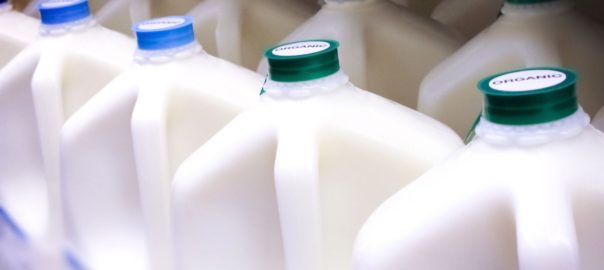
I find all of this attention toward raw milk producers confusing in part because in other areas the governmental agencies in charge are clearly not doing their job.  In the recent ground turkey recall it has come to light that the USDA suspected a problem two weeks before it actually forced the recall.   The egg recall from last summer revealed that the owner had years of health and environmental violations.  And the peanut butter recall from two years ago showed that the company had serious health violations but was never shut down.  So major manufacturers appear to get a nod-and-a-wink while farmers and consumers are arrested and subjected to armed arrest? I feel that those who want to eat a certain way are being denied their rights.  Going back to point number one above, smoking kills yet we still sell cigarettes, alcoholism and drunk driving are a big problem yet we still sell alcohol.  I don't see raw milk as being harmful or costly to society yet it's being portrayed as this over-reaching evil product that kills.  I'm truly puzzled by this attitude.   Is it because cigarettes and alcohol and junk food generate big profits and those industries can afford to fund political legislators while small farmers and small groups of consumers can't?  And why does it seem that the efforts of those agencies which are supposed to be protecting our food supply are being unevenly thrown against a minority population that wants nothing more than what they consider to be a healthy, nutritious food?  I know many people have started to buy cow shares in order to preserve their right to have access to raw milk but even that appears to be under assault. I have come to believe that raw milk is the next dairy battle.  Although I remember drinking it when I was a kid I don't recall it being popular or easily accessible and I certainly don't remember news headlines about it.  Now that it is more available and more in demand it has suddenly become a problem? When organic milk became more publicized for it's lack of hormones, antibiotics and pesticides the dairy industry pushed back hard and tried to block labeling that stated milk was "rBGH free" because this would cut into their profits (note: rBHG is sometimes referred to as rBST).  They did win a legislative ruling that milk which was labeled rBGH free also had to carry a statement that there was no difference between milk with and without the hormone.  This was later shown to be not true with one study reporting rBGH milk had "Fat levels, particularly long chain saturated fatty acids incriminated in heart disease, are increased, while levels of a thyroid hormone enzyme are increased."  For many people the only way to ensure added-hormone free milk was to purchase organic which is legislated not to contain it. I will make a side note here - just because a cow is organically raised does not mean that it is not still in some sort of a feedlot operation. The organic label does not automatically ensure fat, happy, grass-fed cows regardless of the cute pictures (which is sad because milk from grass fed cows is better for you).  Organic simply means that cow is not fed GMO feed, not shot up with artificial hormones and not pumped up with antibiotics.  If you want grass-fed, free-ranging cows you need to either raise them yourself or get to know a farmer who raises their animals that way. Now that manufacturers have lost the organic dairy war and more organic dairy products are arriving on the shelf regularly, the big producers are getting into the business themselves.  I'm sure much of this is profit driven.  If people are willing to pay more for organic dairy and you can't legislate it away then you might as well join in.  But raw dairy is different.  It doesn't travel well unless it's been turned into something like cheese or butter.  That means a shift back to local smaller scale farming.  I guess that's somehow seen as a problem.  

Continuing To Learn

As I move forward with my new nutritional plan I am struck by the realization that it’s not easy to make one meal that satisfies everyone in my household.  With one vegetarian, one emerging flexitarian, and one committed omnivore meals are a little more challenging.

Because my choices are limited by my rotation diet I am having to think and plan ahead more so that I can make multi-stage meals that can be finished off or enhanced for the other members of the family who do not need to avoid dairy, etc.  Quite honestly I haven’t really gotten the hang of it yet and it’s definitely an eye-opener.

I hadn’t thought that it would be so difficult.  After all over the years I have managed various different dietary needs folded into what was once a household of five.  Low fat, low cholesterol, low carb, various different dietary plans all rotated through our house before I became a Nutrition Educator and learned more about whole foods and eating according to the needs of your body rather than a one-size-fits-all dietary plan.  Obviously through my training and work I have come to see clearly how we are all bio-individual and one-size does not fit all.  I’m feeling a little humbled as I learn to juggle this new nutritional state of affairs.

On the other hand I’m feeling fairly good about the dietary change.  I did try a few bites of chicken, and the next day my stomach wasn’t too happy, I am taking it slowly and plan to start introducing some broths into my diet as well.  And I’m reasonably content with what I am eating the rest of the time.  It turns out (at least a few days in) that I don’t miss dairy as much as I thought I would.  The biggest challenge at the moment is to remember what day of the rotation I am on and to plan meals.  For example, today is corn for my grain and black beans for my protein.  So we’re having taco bar.  That’s easy I can set everything out buffet style and folks can help themselves.  But I do need to think ahead if anything, like beans, needs to be soaked or otherwise prepared.

It’s a learning adventure and one that I realize will help me have a deeper understanding of what I suggest for some clients.  As I mentioned in my last post, I’ve written a lot of Rotation Plans, but I’ve never followed one myself.  It’s one thing to comprehend it and entirely something else to understand it.

Walking The Walk

I love what I do, how I am able to help people learn to eat well so they can be well.  I also work hard to take care of my own health through nutrition and other means.  I feel like I am in good shape and know that I have come so very far since the health care crisis of 2003 that lead me to this career.

Part of my changes, way back when, was the adoption of a vegetarian diet.  I was diagnosed with Ulcerative Colitis after more than ten years of misdiagnosis as IBS.  The Nutritionist suggested that I consider eating a vegetarian diet for three months to allow my gut to heal.  I felt so good on the vegetarian diet that I didn’t look back.  I was able to eat a balanced diet and to learn how to stay healthy with this eating pattern.  This is something that many many people do.  According to a 2008 study by Vegetarian Times over 7 million Americans follow a vegetarian diet.  More than half of them do so for health reasons.

I know that some people try vegetarian diets but ultimately wind up becoming carbotarians instead.  Thinking that because they are not eating meat that means they should eat lots of pasta and other simple carbohydrates.  Being a vegetarian isn’t difficult but it does require thinking about your protein and fats and, oh yeah, you do need to eat vegetables.  Many, if not most, carbotarians eventually wind up going back to eating meat because they get so sick by not supporting the needs of their body.

I’m confident in my knowledge as a Nutrition Educator, I’ve helped lots of people feel better with learning to eat the right way for their body.  And no, that does not mean I make everyone become a vegetarian.  We work together to help you find what works best for your bio-individual body and then we go from there to build a nutritional plan.  I have always said that I was a vegetarian because it best met my body needs and my focus is to eat in harmony with my body.  I’ve also been fond of pointing out that our dietary needs change throughout different cycles of our life, otherwise we would all still be drinking breast milk.

So imagine my shock when I received the results of a recent food sensitivity test (which I have never taken before) which indicated that I had some very serious food sensitivities going on.  I feel good, I look fine, I struggle a bit time-to-time but I put that down to the UC which I manage without medication.  The results of the test appear to indicate that I have a fair amount of inflammation going on in my gut and what I had been attributing to one thing was actually something quite different altogether.  I now need to make some significant changes to my diet.

The bottom line is that I am highly sensitive to dairy products (cow and goat) and eggs.  Darn.  That’s a significant source of protein for me.  Considering my options I feel that it would be best for me to add lean meats back into my diet, a big change after all these years.  I’ve also had to write a rotation diet for myself.  I’ve created a number of them for clients but never imagined that I would wind up doing this for myself.  I hadn’t realized how comfortable I’d become with my vegetarian diet, my inclination when reaching for breakfast is eggs, my idea of a great snack is a yogurt parfait with fresh fruit.  Because I am committed to my health and my body I know that for at least the next three to six months those are no longer part of my diet.  I am hopeful that by avoiding them and doing an intestinal repair and recolonizing program I will be able to at least add them back in on a rotation basis when this is all done.

In the meantime I am reminded on so many different levels how the only thing that is constant is change.

Psoriasis Can Be Cured

Psoriasis | photo: James Heilman, MD

Recently it was announced on the interwebs that a certain celebrity had been diagnosed with psoriasis.  The reason/cause for her condition was attributed to stress.  This is certainly a strong possibility as psoriasis can be an autoimmune response and as those of us with autoimmune disorders know, stress is a huge trigger.

I was saddened to hear that this young person didn’t feel that she could slow down her lifestyle.  Nor was there any mention of the possibility of the influence of diet.

As long-time readers know, I am a huge fan of food as a basis for health.  While I certainly do not believe that food is the only cure, I do know from years of working with lots of different people that food can be a large part of the answer.  When we eat the way our bio-individual body needs us to we can help the ourselves to be healthier.  I’m a believer in Integrative Medicine — there is room for both in the equation, in fact it would be silly to discount either side in a food versus medicine tug-of-war.  Learning about diet and the influence of food and nutrition on the body can be an empowering experience for many people.

This case especially caught my attention due to someone I have been working with who has experienced  a successful dietary transition.  I’d like to share her testimonial here:

In 1995 following a life threatening flare-up of ulcerative colitis, my large intestine was surgically removed. The last two feet of the small intestine was used to create a new internal abdominal “J-Pouch.” Many pouch recipients experience complete restoration of health following this procedure. Some do not, and I fell into this category. Instead of returning to a healthy, active lifestyle, I became plagued with chronic J-Pouch infections requiring heavy steroid and antibiotic use that lasted several years. With the help of a strong probiotic, the flare-ups became less chronic and in time my health improved.


Unfortunately I developed a new health concern… scalp psoriasis that gradually spread to my elbows and trunk. I experienced some other nagging symptoms — itching, mild fatigue, and brain fog to name a few. The chronic scalp psoriasis required daily use of a strong topical prescription steroid that barely controlled the problem. I asked my dermatologist if there were recommended dietary changes that might improve the psoriasis, and the response was there was no known diet that proved effective in clearing psoriasis.


This is where Mira comes in. Following a full scope assessment and using her health and nutrition expertise, Mira shared her results — I was suffering with a systemic Candida yeast overgrowth most likely caused by prolonged steroid and antibiotic use. Mira presented the course of treatment, including a diet that would discontinue feeding the candida. Following a strict two weeks of dietary changes, I was amazed at the results. I skeptically stopped using the topical steroids, sure the psoriasis would return with a vengeance. It did not, and the results were amazing! ”  D.R. 2011

This wonderful woman has experienced so much improvement with her psoriasis and we continue to work together to refine her health and address her overall nutrition.

I hope that the young celebrity challenged with psoriasis manages to find a connection to someone with a background in holistic nutrition to help her learn to better understand the needs of her body.  I also hope that she finds the time to slow down and be easier on herself.  We only have one body and our health is so important.  We need to remember to be kind to ourselves.

Purslane Soup

Purslane | photo:  Aomorikuma

Merriweather has been posting delicious pictures and food ideas for many of his foraged delights. The other day he posted a picture of purslane (Portulaca oleracea).

When we lived in CT my husband and I had the stuff running wild all throughout our vegetable garden. It was, quite frankly, a weed. I spent many hours yanking the stuff out cursing at how readily it regrew not realizing that just the act of weeding caused it to reseed and become more vigorous.

All that changed the day I was at a local farmers market and saw one of the farmers there selling the stuff. His was golden purslane which is slightly different than the everyday variety we had in our garden, but it was purslane nonetheless. I began to look at my weedy friends with a rather different eye.

A succlent plant with an unusual sour-yet-sweet flavor I quickly discovered that although you can eat it raw I didn’t like it that way. I also don’t like okra and the texture was too similar for me. Steamed was okay but the best was when The Washington Post published this recipe for a purslane and spring pea soup. Let me tell you four cups of purslane is a fair amount. And this recipe is so delicious we often doubled it thereby neatly using up large quantities of purslane. High in both vitamin A and C as well as magnesium, purslane can be a good vegetable to add to your nutrition plan…if you can find it.

Purslane Soup

2 tablespoons organic butter
2 leeks (white and light-green parts only), washed and chopped
4 cups purslane, rinsed and dried
2 cups fresh peas
3 medium yukon gold potatoes, peeled and diced
4 cups vegetable broth
Sea salt
Fresh ground black pepper

In a large pot melt the butter.
Add leeks and saute until limp and golden.
Add purslane, peas, potatoes, and broth.
Bring to just under a boil, reduce heat and simmer 30 minutes.
Remove from the heat and blend using an immersion blender.
Salt and pepper to taste.

May be served hot or cold with a dollop of creme fraiche or sour cream on top.

The Antianxiety Food Solution

Written in a warm, reader-friendly style, The Antianxiety Food Solution takes the often undiscussed topic of anxiety disorders, brings them into the light, and offers solid, scientifically backed nutritional advice to help alleviate the symptoms.

Anxiety disorders encompass a wide range of conditions from generalized anxiety disorder (GAD) to panic disorder to social anxiety and more.  Often undisclosed by those who suffer from this sometimes debilitating range of disorders, anxiety can cause a wide array of physical symptoms due to the stressors, emotional toll, nutrient depletion, and the lack of proper diet.  The author herself a former sufferer of anxiety, brings the voice of experience to this topic in a caring yet straightforward way.

Diving right in to the topic, Chapter 1, Figure Out Your Optimum Antianxiety Diet, gives a step-bystep approach to proper nutrition to support the bio-individual needs of those looking to, as the sub-title says, calm their anxious mind, improve their mood, and end their cravings.  As part of the nutritional support offered in the book, the author gives very clear examples of what to eat and, just as importantly, what not to eat, even including examples of nutrient dense bonus foods.  The author then takes the subject a step further by including chapters on a wide range of conditions that may affect nutritional status and promote anxiety such as allergies, addiction, blood sugar imbalances, poor digestion, brain chemistry, hormonal imbalances, and lifestyle choices.  Throughout the book are a number of easy to understand self-scoring quizzes as well as tables which concisely illuminate the points the author is making.

One main premise of the book is the promotion of a clean, traditional diet, free from chemicals and additives, that is high in whole foods.  In another significant topic, the author explains how the use of amino acids can be highly beneficial for many sufferers of anxiety disorders.  Clearly highlighting the symptoms each amino acid deficit can cause, she then illustrates how to address these deficits and discusses how to consider use of amino acids to help regulate brain chemistry.  She then looks at a little discussed condition called pyroluria, a genetically induced anxiety disorder caused by faulty hemoglobin synthesis.  As little known as this condition appears to be it is easily treated with supplemental levels of readily obtainable nutrients; all explained by the author in very plain language.

The book ends with some solid advice about lifestyle and health changes that do not rely on medication, supplements, or nutrition, but are equally important to the concept of living a balanced, happy life.  Addressing sleep, exercise and support as an important factor in recovery.

Overall this is a book that should provide a very valuable resource for those who suffer from anxiety disorders or who have a loved one who suffers.  By following the advice in this book you will learn specific suggestions for avoiding those substances that can trigger anxiety and prevent a return to balance and wellness.  You will also gain a better understanding of and appreciation for the link between nutritional support and a balanced mood.

To purchase a copy of this book and for more information you can visit the website.  The book can also be purchased from Amazon.com or direct from the publisher, New Harbinger Publications, Inc.

Grape Jelly

Warning: rant ahead!

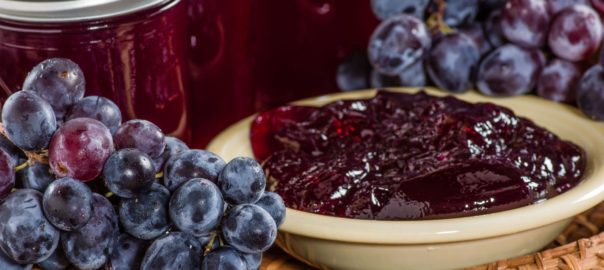
I'm so aggravated I cannot even tell you.  This morning I went to the grocery store for a few items.  One of them was grape jelly, requested by my daughter. It's her favorite flavor. Since we've moved away from Connecticut we no longer have the same access to wild grapes so I'm no longer making grape jelly.

The grapes that I've managed to find here in Texas have, for the last two years, been very thick-skinned and dry due to the lack of rain so no grapes there either. I did plant grapes in my garden but they're table grapes not jelly grapes so I'm not sure they'd work well.

My frustration? NOT ONE SINGLE jar of grape jelly at the grocery store came without HFCS. Several even had HFCS as the number one ingredient. Seriously? That number one ingredient means that the majority of the jelly isn't even grapes, it's HFCS. That is insane.

First of all grape jelly is incredibly easy to make. Grapes are very high in pectin. Throw them together with a little water, the right amount of sugar, heat to the correct temperature, and voila! Grape jelly!

Even more upsetting to me is the fact that many of the grape jellies at the grocery store come with artificial flavorings.  I'm not exactly sure why as to my mind grapes have a pretty distinctive taste all their own.

Needless to say, I did not buy any grape jelly (luckily she also likes orange marmalade so that's what she got) and I'm going to have to work a little harder to find a good source of either muscadines or concord grapes to start making my own jelly again.

For those who have access to good grapes for jelly making here's a great recipe from the book Preserving Memories: Growing Up in My Mother's Kitchen. In the interest of full disclosure, I'll tell you that this book was written by my mom. I'm not recommending it because she wrote it (honestly). It really is one of my favorite canning/preserving books and my first go-to when I'm looking to make something. 
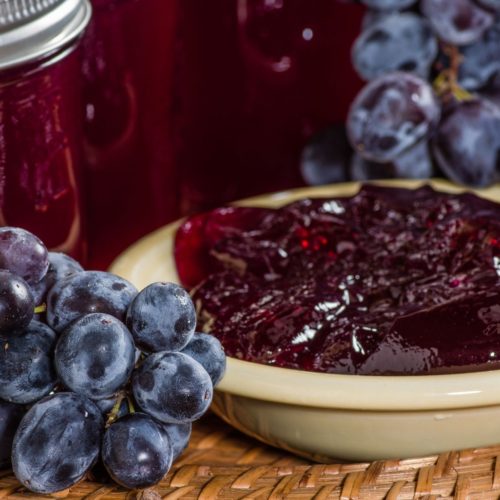
To get all of the great commentary, hints, and tips you'll have to get the book, but here's the recipe:

Grape Jelly

Ingredients
  

  • 10 C. or more Concord grapes (approximately 8 lbs.)
  • 1 apple (optional)
  • 2 C. water
  • Sugar

Instructions
 

  • Wash the Concord grapes.
  • Cut the apple into quarters -- peel, core, and all -- then chop coarsely.  Set aside.
  • Put a couple of cups of grapes int a large stainless-steel pot, then crush them with a potato masher of the bottom of a clean glass jar.  this provides a small amount of juice and prevents scorching.
  • Add the water.
  • Add the cut-up apple.
  • Heat the fruit mixture slowly to the boiling point, reduce the heat, and simmer until the seeds come free from the pulp.
  • Line a large colander with several layers of damp cotton cheesecloth.  Set the colander over a large pot or bowl and carefully pour the grapes and liquid into it. Allow the free-run juice to drip through the cheesecloth.  You may also use a chinois or jelly bag.  Do not press down on the fruit.
  • Measure the free-run juice.  Process into jelly 4 cups of juice at a time - a smaller batch means the jell point is reached more quickly, resulting in better flavor.
  • Taste a little bit of the juice.  For every 1 cup of reasonably sweet grape juice, measure out 2/3 cup of sugar.  If you used a greater percentage of under-ripe grapes and the juice is on the tart side, you can use 3 or 3 1/2 cups of sugar to 4 cups of juice.
  • Bring juice to a boil then add the sugar.  Boil to the jell point.
  • Fill and process prepared jars.

Growing A Garden

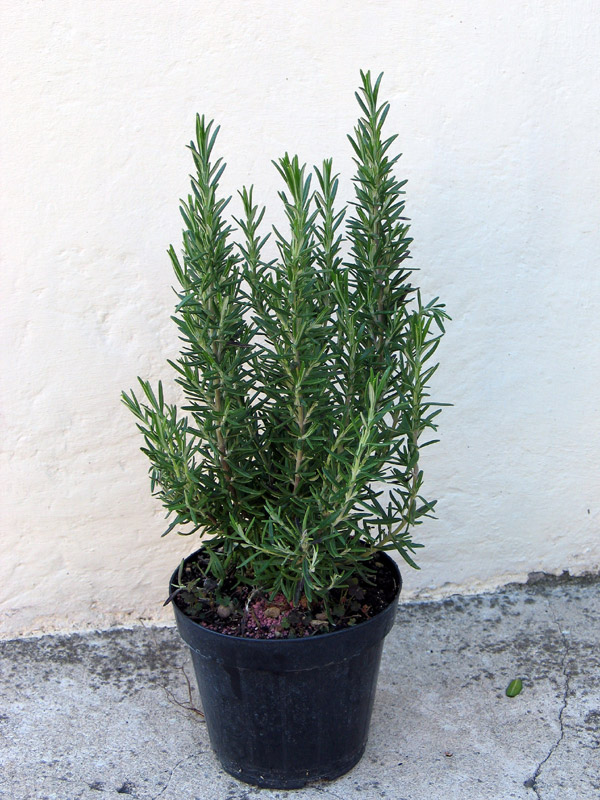
Rosemary | photo: Nataraja

It’s been very dry here in the Eastern Piney Woods of Texas.  So dry that there are now warning signs all over town about the potential for fire hazard.  Needless to say this is not boding well for my garden.  This is our third year here and each year we do a little bit better than the year before.  But we also spend a lot of time and energy moving things around trying to find just the *right* spot on our postage stamp-sized property.  We seem to have finally found the right spot for the tomatoes and they’re producing faster than we can eat them which is a delicious thing.  If I start to get too many I make something my friend Libby calls Tomato Junk and shove it in the freezer ready to use at a moments notice for pasta dishes, salads, egg scrambles and more.

I’ve just gotten back from the store where I have purchased, yet again, a rosemary plant.  This is my fourth one of the season.  I had one last year.  It did pretty well.  We enjoyed using it in a lot of recipes, especially veggie marinades, last summer.  Then winter came.  It was a bad winter (for Texas) and many things in my yard did not make it.  One of them was that poor rosemary.  Okay, it happens.  So I went and bought another one.  For some reason it wasn’t happy where the first one was and it died.  I bought another one and moved it to the bed across the way.  That one died too.  Then I bought another one and planted it in a pot with the lavender.  The lavender is still going but the rosemary?  Yup, dead as a doornail.

So I’ve bought another one (luckily they are just $4 a pot so I can afford to keep shelling out until I get it right) and I’m really hoping this one will make it.  I’ve got a different location in mind, a little more shade, hopefully a better location and nowhere near the areas where the others have not survived.

Along the way I keep being reminded that gardening is an ever-evolving process.  Especially after learning how to garden in one area of the country and then moving to a vastly different agricultural zone and temperate climate.  Learning what plant where takes time and attention and effort.  Luckily most of what my husband and I plant in our garden seems to grow well or I probably would have given up by now.   I also like playing in the dirt and this certainly gives me an excuse to keep on doing it.  And it’s a great way to get some sunshine and fresh air, something I recommend for everyone.
Since I mentioned it, here’s the recipe for Tomato Junk.  There are no precise measurements, I just throw it all together but somehow it always works out.

Tomato Junk

a lot of very ripe tomatoes, washed, cored, peeled and quartered
a sweet onion, chopped
a clove or two of garlic, minced
a bunch of basil, minced

Using a generous amount of olive oil in the pan saute onions and garlic until the onion starts to wilt
Add tomatoes and cook until they start to break down
Add basil and cook another 5 minutes

Remove from heat, let cool and then package for the freezer in 1 cup containers

I do not add salt or pepper to this as I season it when I use it

tomato - eating seasonally

Seasonal Eating For Best Health

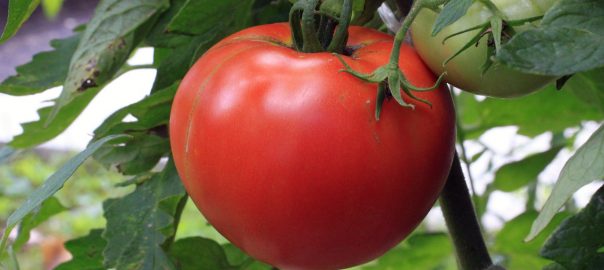
I regularly teach a class on seasonal eating.  What the benefits are and why we should look to consume more seasonal (and local) produce.   Obviously part of the benefit is that seasonal foods are picked when they are fully ripe, especially if they are local, rather than being picked under-ripe and either stored or transported before being force ripened.  This means that the nutritive value of the food is fully developed as well as it's flavor.  Anyone who has ever eaten a truly fresh tomato knows what I am talking about.  

Benefits of seasonal eating

  1. Better for the environment: Eating seasonal, locally produced fruits and vegetables also helps to reduce the environmental impact of your food.  If you think about it, why eat tomatoes from 2,000 miles away when you can get better tasting ones closer to home without burning massive amounts of fossil fuels?
  2. More flavor: as mentioned above, food that is picked when it is ripe, rather than when it is convenient to harvest, is going to taste better. The texture (which contributes to the taste and the enjoyment) is also better because the produce is not artificially chilled and then force ripened, all of which changes the produce.
  3. Support your local farmer: most often when you're buying local, in-season produce you're buying it direct from the grower. This helps to cut out the middle man. Farmer's markets and CSA's are a great way to meet those who are actually growing your food and to be able to talk with them about how they are growing your food.
  4. Less pesticides and toxins: most local, small farmers don't use massive amounts of pesticides, insecticides, and other chemicals. This is where getting to know your local farmer is a big benefit. They'll tell you what they're not doing and explain why. Most often it's because they're growing your food in a way that nourishes the soil and that is more beneficial for the plants. Sure it may not look as consistent or "pretty" as what you see at the grocery store but it smells and tastes far better and has more nutrients.


Defining the seasons

At my last class I got a question that I've gotten a couple of times before and I wanted to address it because I think it's an issue that tends to get a little confusing for folks sometimes.  It's about the seasonality of food.  I live in Texas.  We have a very different growing season here compared to most of the rest of the country. We essentially have the equivalent of two spring-like seasons, one very hot season sandwiched in between them, followed by a cold, often rainy season.  Learning to grow food here has proven to be a bit of a challenge. It's nowhere near as easy or intuitive as what I'm used to having grown up in the Northeast.  Luckily I have several local CSAs and Farmer's Markets that help supplement our supply of seasonal foods with their expert skills.

One question that comes up a lot is about what constitutes a season.  The answer?  Well, it depends on where you are living.  I think the first, most important place to start is to understand the concept of seasonal eating and decide if this is something that you want to follow.  We try to do so in our house for most things because we then get the ripest, best tasting produce by waiting for the season.  It also means that we more fully appreciate our food by having to wait for it.  I'm going to be honest and put in a disclaimer here to say that there are certain foods that we do not eat seasonally because we use them too much (such as onions, garlic, carrots, and celery) but in general we eat berries in the spring and summer, squashes in the winter and so on.

Resources

In addition to learning to appreciate the seasonality of your food, you need to learn what exactly your seasons are.  If you're not sure of what's really in season in your area here are some websites that  can help:

If you're looking to find a farmer's market and get fresh, seasonal, local product a great resource for the United States is Local Harvest.

Of course, once you've gotten all this fabulous seasonal produce you'll need to know what to do with it. Here are a few cookbooks to help with that.

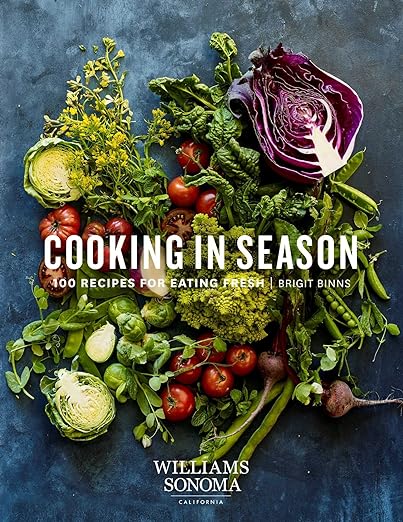
Cooking in Season: 100 Recipes for Eating Fresh

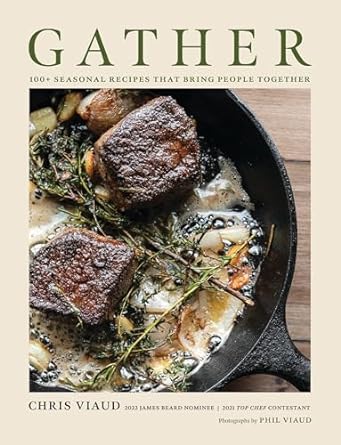
GATHER: 100 Seasonal Recipes that Bring People Together

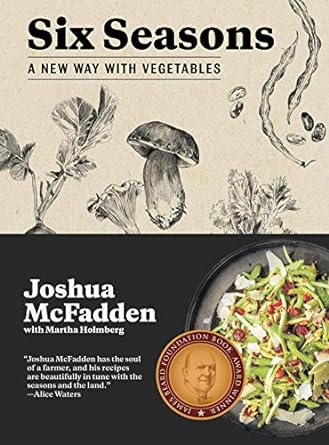
Six Seasons: A New Way with Vegetables

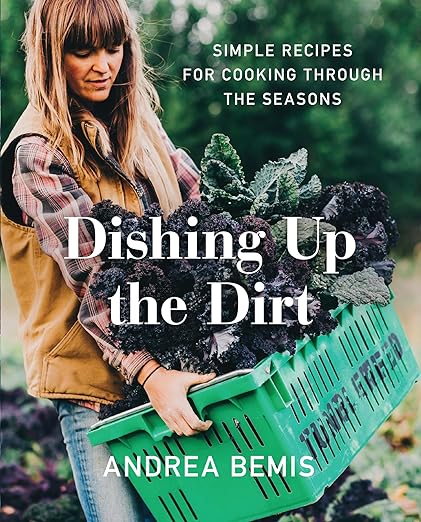
Dishing Up the Dirt: Simple Recipes for Cooking Through the Seasons (Farm-to-Table Cookbooks