All posts by Mira


About Mira

Mira Dessy is The Ingredient Guru. A holistic nutrition professional, author, and a popular public speaker, she knows that it's not just what you eat, but what's in what you eat. She is the author of The Pantry Principle: how to read the label and understand what’s really in their food. Dessy is a Board Certified Holistic Health Practitioner whose mission is to educate and empower consumers. She curates the Lean Clean Green Subscription box, the premier, organic, earth-friendly, healthy, sustainable subscription box which can be found online at https://theingredientguru.memberbox.com

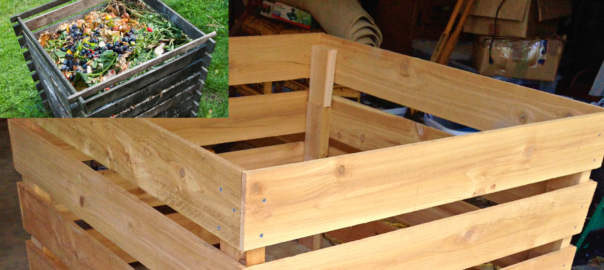
Making A New Compost Bin

In a recent newsletter post I shared the picture above. It's a compost bin that my husband built because we needed another one in the yard.  We had two, a tumbling bin, which we use to put kitchen scraps into, and a fixed bin which we use for finishing the compost when the tumbler gets too full for me to turn it easily.  This way we always have a bin for household scraps and the finishing bin is great to let it sit a while longer either until it's done or until we can use it.

Now that we have a larger yard though, we're generating more compost from weeds and such.  The tumbling bin can only hold so much and the finishing bin works best if we put partially decomposed stuff into it.  So we needed a new one.

My husband went searching online and found this bin and the plans.  He easily made ours following the instructions given on the website.  The challenge with a lot of bins is getting to the compost when it's done.  We love the stackable/unstackable feature which will make it very easy to access compost when it's ready.  You add layers as the bin gets higher.  Then you unstack them as you're using it.

Several people asked for more information about compost. Here's what I know and what works for us:

In the house we have a small, lidded kitchen trashcan (with foot pedal because when your hands are full of kitchen scraps you can't open the lid at the same time).  My mom taught me a good trick and we line the bottom with a paper towel, shred some newspaper into it and top with another paper towel.  This serves a couple of purposes.  

First, it soaks up most of the liquid if you put wet-ish things in there like melon rinds.

Second, it adds some brown matter and improves the brown to green ratio (more on that below).  And compost needs both brown and green matter in order to break down properly.  

Third, it makes things slide out of the bin and into the compost tumbler very easily.  In the past if things started to break down too quickly they got a little sticky and it wasn't so pleasant to have to scrape the bin clean.

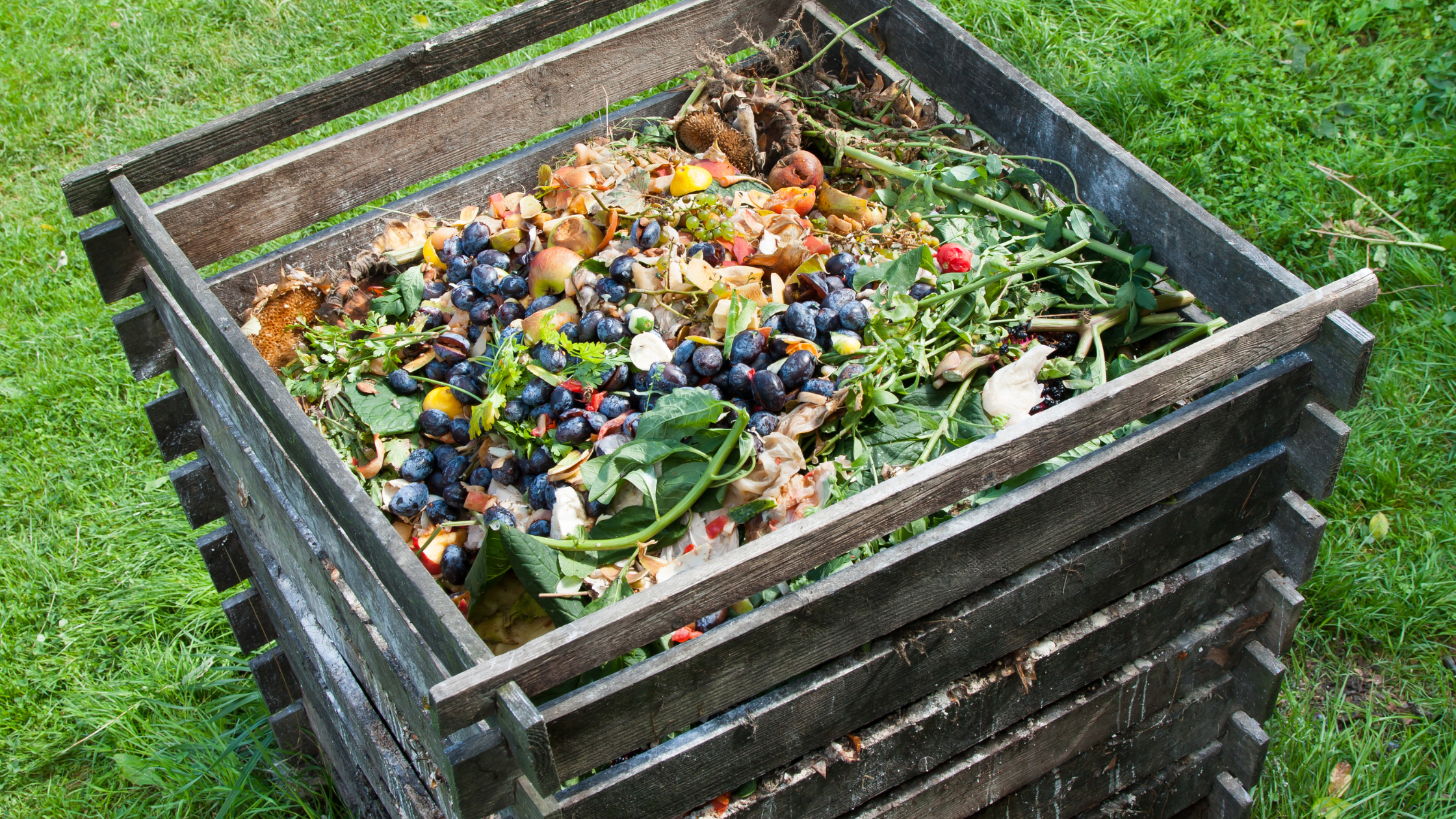
What do we put in our compost bin?

Everything we can.  Egg shells, potato peelings, fruit and veggie rinds, and things that are past their prime (although we try to not have too many of those).  As long as it is not dairy or meat it goes in the bin.  We don't put my husband's coffee grounds in there, although we could, because we use those straight on the roses.  We also do not add grass as we have a mulching attachment on our lawn mower and use that to help fertilize the lawn.

We do use dry leaves in the compost bin.  If you just have green matter your compost gets very stinky.  It also attracts a lot of flies.  An ideal bin would be 30 parts brown matter (which provides carbon) to 1 part green matter (which provides nitrogen).  Most websites that I've found seem to indicate that kitchen scraps are about 12 or 15:1.  Dry leaves are 50:1.  I think my paper lined bin is possibly closer to 20:1.  Sometimes my husband has sawdust leftover from a project (like making a compost bin) and we can add that.  We try not to over-think it but if we notice it's not breaking down well we try to adjust.

I do not compost manure in the bins. While I am expecting a trailer-load of horse manure any day now, that will sit in a separate pile to do it's thing until it's ready; it needs to rest for a while as horses are not very efficient digesters and if you use it right away it's too hot and too weedy.  It needs to break down for a while.  I don't use pet manure in the compost, that gets buried in the yard in an area where we don't grow food.

Compost bins also need moisture.  We've been getting enough rain and it seems to seep into the bins.  And I figure there's enough moisture in what we're putting into the bin.  If it looks a little dry as the summer progresses and the heat increases we'll adjust the moisture content as needed.  Again, we try not to be too picky about it but to pay attention to what things look like.

Once your compost is done (and there's something really amazing and wondrous about turning garbage into rich, crumbly soil) it's great to use in the garden.  I top dress my garden beds with it in the Spring and the Fall. It's also good for putting into containers when I repot them.  At this point I have more of a need than I have available supply.  This new bin is definitely going to be put to good use.

strawberries

Ingredients In Strawberry Jam

Who doesn’t love strawberry jam?

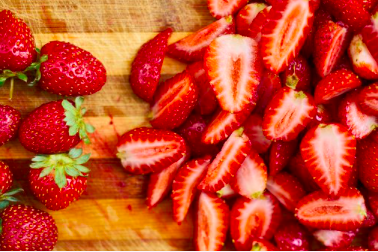
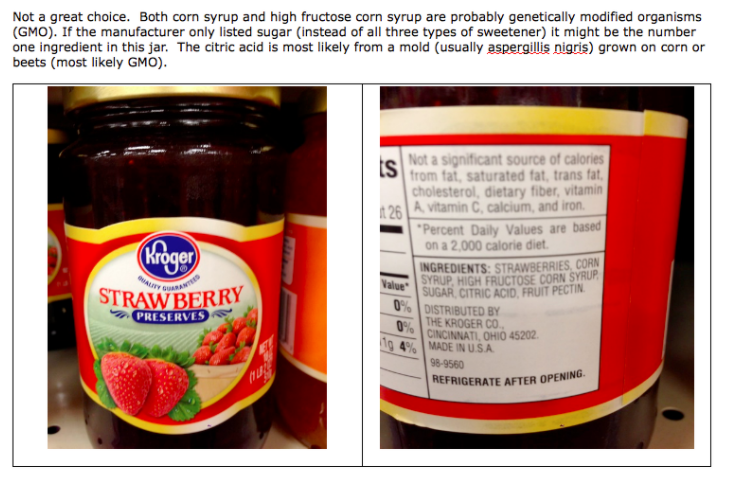
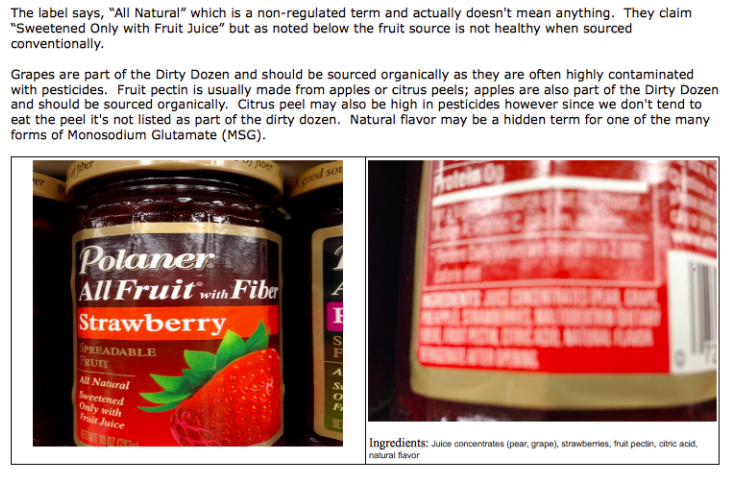
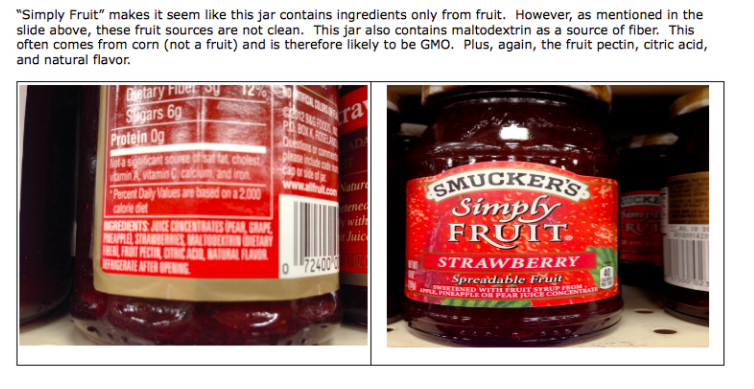
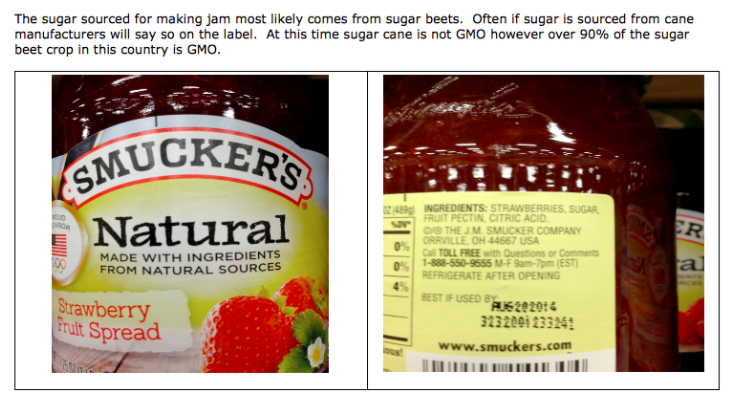
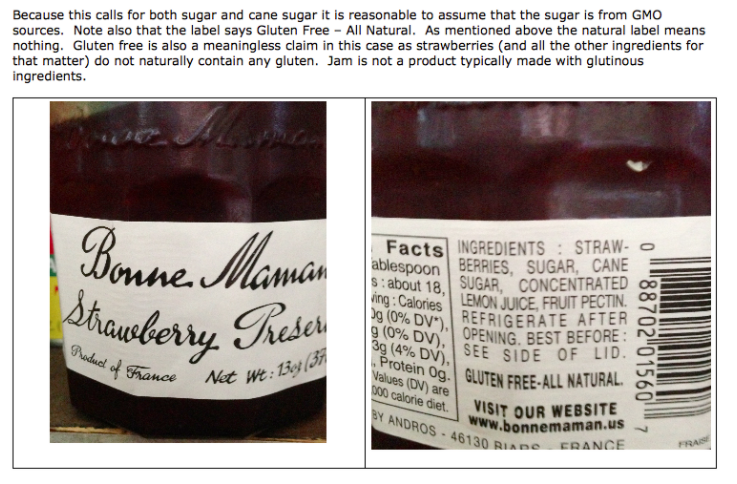
When strawberries are fresh and in season there’s nothing like them. That ripe, fragrant, delicious fruit that tickles your nose and makes your tastebuds sing.  Strawberry season is also the perfect time of year to consider making your own strawberry jam.  To illustrate why I’ve done a quick rundown on several brands of strawberry jam available at my local grocery store.

Just a few notes

About strawberries

Strawberries are one of the Dirty Dozen.  Put together by the Environmental Working Group every year, this list shows the 12 fruits and vegetables most likely to be contaminated by pesticides.  In the case of strawberries, it’s overwhelming.  

Just last year the USDA examined pesticide levels in food. Strawberries were found to contain a wide variety of fumigants that were linked to developmental problems in children, cancer, hormonal disruption, neurotoxicity, and even some which were toxic to honeybees.  

All of this adds up to make it vitally important that we choose organic strawberries. And strawberry products. Like jam.

What’s in the jar?

As with any jar, the lid most likely contains BPA.  Heat, pressure, and food contact are some of the ways that BPA can be transferred to the food.  It’s nearly impossible to avoid.

When looking at labels I deliberately did not choose those jars which contained artificial sweeteners.  I believe these to be so toxic to the body that no one should eat them.  Ever.  So it did not make sense to include them in this post.  I do want to point out, however, that there were just as many jars that contained artificial sweeteners as there were jars without.

Making strawberry jam

Strawberry jam is super easy to make on your own. Canning itself is a simple, albeit hot and humid, process.  When I teach canning classes I usually teach how to make strawberry jam because it’s so easy.  After learning how to make it, invariably, the students say, “Is that it?  That’s so easy.”  Yes it is.  If you have a good source of organic fresh strawberries near you, consider making your own jam.

This very simple recipe comes from The Ball Blue Book.  My copy is rather old, tattered, and stained.  But the recipes are still delicious.  This is a great book to start with if you’re just learning about making jams, jellies, pickles, and chutneys.  There’s a host of good recipes in this book.

It is important when using this recipe to measure the amount of strawberries first and then crush.  If you do it the other way you will make a delicious strawberry sauce but it won’t set.  If you have the opportunity to pick your own strawberries try to get some that still have the white tips on them.  I find that these help to make it set better.

It’s also important to use evaporated cane juice crystals and not sucanat.  I’m assuming that it’s because of the higher mineral content, but I have not had success using sucanat in canning. 

Simple Strawberry Jam

Servings 4 pints

Ingredients
  

  • 2 quarts strawberries, washed, hulled, and crushed
  • 6 cups evaporated cane juice crystals

Instructions
 

  • Combine berries and sugar in a large sauce pot.
  • Bring slowly to a boil stirring until sugar dissolves.
  • Cook rapidly until thick, about 40 minutes.
  • As mixture thickens, stir frequently to prevent sticking.
  • Pour hot into hot jars, leaving 1/4 inch head space.
  • Adjust caps.
  • Process 15 minutes in a boiling water bath. 
antioxidant food

Antioxidants: Hype Or Healthy?

With so many articles and labels out there promoting antioxidants, it makes you wonder if it's all hype or if there is value gained from consuming ORAC (oxygen radical absorbance capacity) rich foods.

Role of Antioxidants

We need to start with an understanding that antioxidants are your body's first defense against free radicals, stopping the degenerative chain reaction that leads to free radical damage. It's important to understand that free radicals don't destroy cells. Rather they injure cells and damage their DNA, mutating them and thereby creating a seed for disease.

Oxidation Process Example

A simple example of this is an apple. What happens to an apple when it's sliced and left out for 30 minutes? It turns brown, or oxidizes. The interaction between oxygen and the cells causes oxidation. This process occurs in our bodies daily and is multiplied depending on the choice of foods we eat, the environment we live in, stress levels we endure, etc. Ok, but is the damage really that severe and if so, how can we protect ourselves?

Effects of Free Radical Damage

Many of the physical effects we call "aging" result from free radical damage. Skin damage caused by unprotected exposure to excessive sunlight, for example. Disease and illness caused by cigarette smoke, fried or processed foods, coupled with low consumption of foods (fruits & vegetables) having high antioxidant values are other effects. Over time choices that seem to have little impact, in fact, have been shown to speed up the aging process inside and outside the body and are a large factor in the deterioration of health over time.

Defense Against Oxidation

Defense is the best offense OR prevention is the best medicine. Let's look at our apple again, its skin protects it from the elements, but once sliced it begins to oxidize. However, pouring lemon juice over it prolongs its inevitable process of rotting. Our bodies generate highly potent antioxidants, however with the increasing amounts of free radical exposure, we cannot produce enough to fight against the constant attacks and oxidative stress we undergo daily.

Supporting the Body

We need to support our body and give it a fighting chance by eating antioxidant-rich foods partnered with antioxidant supplementation. According to the European Journal of Nutrition, an 11-year study of 24,000 people that was published in July 2011, found that users of antioxidant supplements are 48% less likely to die of cancer and 42% less likely to die of any other disease.

Antioxidant-Rich Foods

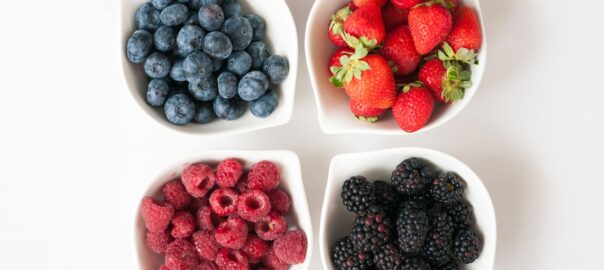
What are some antioxidant-rich foods? Blueberries, blackberries, raspberries, strawberries, cranberries, red beans, kidney beans, artichoke hearts, kale, asparagus, tomatoes, red cabbage, sweet potatoes, walnuts, pistachios, pecans, hazelnuts, almonds to name a few. And, yes, cocoa, red wine, and spices are also good sources.

Considering Size and Consumption

Size does matter in the case for cocoa, coffee, wine, or spices. Although these do offer high levels of antioxidants, we should look at the amount that must be consumed in order to gain the most from these yummy options. To be classified as "rich in antioxidants", food must have an ORAC rating of 1000 per 100 g. Unless we're planning on consuming 100g of curry powder or several glasses of wine in one sitting, we'll need to consider other options such as supplementation.

About the Author

Viviana Vargas is the owner of Vivifit Enterprises and is partnered with a company which developed a biophotonic scanner (a low energy blue-light laser) to painlessly and non-invasively measure antioxidant levels. She works with individuals, healthcare practitioners, fitness professionals, and nutritionists to help improve individuals' health and vitality through prevention and awareness. She can be reached at vivifitenterprises@gmail.com.

You Can’t Sue Me Now

General Mills wants to turn Facebook likes into a legal agreement. The company has created a new privacy policy which basically states that anyone who has received “any” benefit from General Mills gives up their right to sue the company.  Even if the product in some way harms them or makes them ill.  General Mills has gone so far as to include giving them a “like” on their Facebook page as a benefit to the consumer.  The concept of benefits also extends to downloading coupons, signing up for contests, or any other form of interaction.  A consumers only recourse if they have an issue with the company will be either a negotiation process with the company or a binding arbitration, with the arbitration team no doubt chosen by General Mills.

Why was this policy enacted?  It appears to stem from an incident where two moms sued the company for deceptive marketing over their use of the term “natural” on a product which contained high fructose corn syrup and genetically modified ingredients.  Last month it came before a judge who refused to dismiss the case so it will be moving forward.

This is not the first time General Mills has been sued for deceptive practices.  In 2012 it was sued for using the word “strawberry” on a fruit roll-up product that contained no strawberries.  The case was settled and General Mills agreed to stop using that word on the package.

So why is there a picture of a Larabar at the top of this post?  Because guess who owns that brand?  In the “Who Owns Your Food” section of The Pantry Principle I share a graphic which highlights just how confusing and overwhelming the web of food has become in this country.  While I’m not sure (because I’m not a lawyer) if this position is defensible, I’m going to go out on a limb here and say it’s stupid.  If you don’t want people to get upset about what you do to your food, don’t do that.  If you claim ingredients which aren’t in there, people have a right to be upset.  If you use deceptive marketing you should not be allowed to get away with it simply to make a buck.  Why defend your position to do the wrong thing?  That makes no sense to me.

And a startling thought that occurs to me, I  wonder if they will extend this legal stance to other brands where the consumer may not be aware of ownership.  So I’m highlighting the brands that I’m aware of which are owned by General Mills below.  Many of them may surprise you.

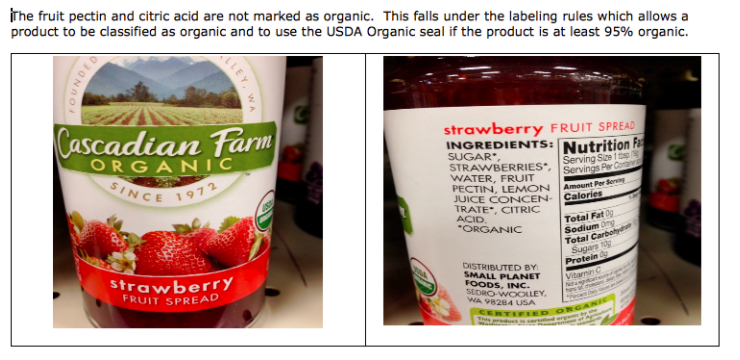
  • Cascadian Farms Organic
  • Food Should Taste Good (chips/snack product)
  • Larabar
  • Muir Glen tomato products
  • Liberte yogurt
  • Häagen-Dazs
  • Nature Valley
  • And if you’re interested…the list of mainstream Big G products is HUGE.  If you want to see all of them (and there are hundreds) you can look on their website http://www.generalmills.com/Brands

Want to let General Mills know how you feel about this issue? Sign this petition

And then buy a copy of The Pantry Principle: how to read the label and understand what’s really in your food.

Update:  After a furious backlash from consumers and an overwhelmingly negative media focus General Mills has reversed itself on this decision.  Their blog post (entitled “We’ve listened – and we’re changing our legal terms back”) claims that “Those terms – and our intentions – were widely misread.”  They also offered an apology.

Whether their lawyers had a specific purpose in mind or if indeed the intent was misunderstood, it is a given that companies are going to spin things their way every change they get.  The most important thing to remember, as far as I’m concerned, is that this once again shows the effect a highly motivated and vocal public can have on corporate policy.  They won’t change and do better unless they believe they have to.

Let’s not forget one of my favorite quotes by Margaret Mead, “Never doubt that a small group of committed citizens can change the world.  Indeed, it is the only thing that ever has.” 


photo: Bradley Stemke

Kitchen Tools

I frequently get questions from people wanting to know what sorts of tools I have in my kitchen.  I get the impression that folks think I have a huge gourmet kitchen with all of the latest gadgets and fancy equipment.  While I have at time had kitchens that are very large, right now I have an extremely tiny, inefficiently designed kitchen with approximately 3 feet of usable counter space.  We’re eventually going to redesign the space but for now we work with what we have.  And I’m here to tell you that it is possible to make real food meals even in a tiny space.

I do, however have a number of important tools that I use on a regular basis.  This is a list of appliances, it does not include other kitchen tools which are a definite must have such as a good chef knife, paring tool, grater, etc.  Here are five of my favorites and how I use them.    These are listed in no particular order:

Crockpot – I can’t say enough about this wonderful appliance.  I write about crocking frequently and share a number of great recipes.  It truly is one of my most versatile appliances, I use it for breakfast, dinner, snacks, and as a means of preparing some of my foods such as rehydrating beans.   One of these days I will buy my dream crockpot/slow cooker, a VitaClay.

Vitamix – I use my vitamix on a regular basis to make smoothies and other great recipes.  It’s great for frozen desserts as well as for mixing nut butters, making alternative milks, and more.  I don’t use it for dry mixes as I don’t have a dry grains container but if you bought one you could do that too.

Immersion Blender – my immersion blender is the handiest, dandiest, most wonderful small appliance ever invented.  I use mine for making dressings, mayonnaise, blending soups and more.  I no longer use my applesauce mill (although it’s a way cool looking appliance) because I use the immersion blender instead.  It’s worth it to get the one with the attachments so you can chop herbs and other things in the little container attachment.

Pressure Cooker – I can’t believe I waited so long in my life to get one of these.  They are, quite simply, fabulous!!!  I make many meals in the pressure cooker mostly because it’s so very quick and easy.  Our family favorite is my curried rice and beans but I would highly suggest getting Lorna Sass’s terrific book Cooking Under Pressure; everything I’ve made from this book has been great.   If you’re going to get a pressure cooker of your own consider getting a combination pressure canner and cooker.

KitchenAid Mixer – for many years (and I mean A LOT) I mixed everything by hand and it sure took a long time to get things done sometimes.  Especially around the holiday season with all that baking.  Then my amazing DH bought me a KitchenAid Mixer and I’ve never looked back.  I use it for more than mixing cookie dough.  When I make a meatloaf or meatballs, it all goes in there and I let the machine do the work.  If you get some of the fancy attachments you can make pasta, sausages, ground meat, and more.  This is definitely a cool machine to have around.

And one more thing…

One Gallon Jar – okay, so not an appliance, but still, you need one (or more) gallon glass jars if you’re going to make kombucha.  This is a permanent fixture as I keep my culture going.  On a side note, this is also an excellent reason to avoid harmful chemical exposure from plastic and recycle other glass jars.  1/2 gallon ones are great for a kombucha scoby bank.  Snapple jars (friends give these away by the dozens) are great for taking your kombucha drink with you.  And I collect other jars to store all sorts of dry goods or even leftovers in. Glass jars are definitely a good thing.

Interested in finding out what I cook in my kitchen?  Be sure to get a copy of The Pantry Principle.  It has delicious recipes for breakfast, soups, condiments, desserts, and more.

standard disclosures apply

Sunscreen That’s Uv-a Protective

Screenshot 2014-03-23 20.17.58After the long dreary days of winter it seems that the sunshine is finally returning.      Or maybe you live in an area where you have a high number of sunny days   throughout the year.  Which ever situation fits your environment you probably wear sunscreen.  But are you wearing the right one?

We’ve all been told that we should be wearing sunscreen.  With more than one million Americans per year having some form of skin cancer, we’re conditioned to think about using it regularly.  Many people seek out the highest Sun Protection Factor, SPF, that they can find.   And their examination of sunscreen stops there.  But it turns out there’s more to it than that.  One of the most important things to be aware of is what’s in your sunscreen.  Unfortunately many brands contain substances that are known to be harmful.  Ingredients such as endocrine disruptors, toxic preservatives, highly allergenic ingredients, and more.  These are things that we don’t want in our food so why would we want them in our sunscreen.  Especially when we stop to consider that the skin is the largest body organ and that it absorbs whatever we put on it.

As the author of The Pantry Principle I am passionate about helping people understand what’s really in their food.  That it’s not just what you eat, it’s what’s in what you eat.  The next logical step is to consider what we put on our body.  At this time of year sunscreen is certainly a big player in the personal care product department.

I was amazed, therefore, when I had the opportunity to test a sample of a new sunblock that is…get this…food grade edible.*  It turns out that it’s also the only FDA approved sunblock currently on the market that protects again UV-B and UV-A.  UV-B is what causes sunburn.  UV-A is what causes aging, wrinkles, suppression of the immune system, and can, potentially, lead to cancer.  So even though you’re using sunscreen, if you’re not using one which is effective against UV-A you could still get cancer and suffer other negative effects.

Developed by a Ph.D. research chemist with a crazy passion for safe ingredients this sunblock is unlike any other on the market.  Highly water resistant, no endocrine disruptors, no fillers or other garbage, it’s also high in antioxidants and provides optimal pH for skin protection.  The absence of endocrine disruptors is huge; we are so surrounded by them in our environment (think BPA in receipt paper, cans, and more) that any lessening of this toxin in the environment is a good thing.  According to a study published in the Journal of the Society of Toxicology there is a distinct difference between 3rd Rock Sunblock and mainstream competitors when it comes to endocrine disruptors.

Screenshot 2014-03-23 20.56.43

And it’s food grade edible.  In my book that’s pretty amazing given all of the chemical adulterants used in many products currently on the market.  Not that I’m going to eat it mind you, but I’m glad that it’s such a clean product.

I’ve been using it for a while now and find that it takes just a tiny bit to provide coverage.  Honestly the bottle seems generously sized when you realize how little of the product you actually need for coverage.  It seems to go on smoothly and so far I have not had any issues with uneven coverage even though in the beginning I thought I wasn’t using enough.  The website claims it’s a one time application and you’re done for the day; so far I have not reapplied at all, even on those days when I am outdoors more, and have not noticed a problem.

Overall I think this a great product and am excited to see sunblock of this quality and ingredient safety available to everyone.

*full disclosure:  I did receive a free sample of this product to try however I was not paid for my opinion and was under no obligation to give a positive review of this product.

Holistic Support For Diarrhea And Constipation

Are you a low carber who just can’t seem to get your digestion under control? I know your bloat! I suffered from chronic constipation my entire life. Interestingly enough, so did my father and one of my sisters. Some might chalk it up to genetics, and to some degree this is truth, however, I once heard a saying that made complete sense; “While genetics can load the gun, lifestyle pulls the trigger”. You may have genetic predispositions but lifestyle can turn genes on and off much like a light switch.

There are many signs and symptoms of digestive disruption and if you visit your local health food or vitamin store or throw a post on your favorite forum, you will hear a variety of different remedies from increase your fiber to push the magnesium to drink salt water until you have excruciating cramps. Your elimination does not have to be a violent one so I recommend a gentle enema or vitamin C to bowel tolerance rather than the salt flush.

What is right for one person may not be right for another.  It's important to take pause and ask  a few questions before simply running out to purchase a remedy that just cleans you out and leaves you wiped out:

  • Do I consume enough bacteria and fiber containing foods?
  • Do I consume enough foods to support and feed my internal bacteria?
  • Do I have slow emptying of the GI Tract? (Is Peristalsis working properly)
  • Am I properly hydrated?
  • Do I get enough exercise?
  • Do I have an exorbitant amount of stress?
  • Could I have food allergies?
  • Could I have parasites?
  • Have I been on several or even recent rounds of antibiotics?

Everyone has a remedy for the symptom but what is the cause?  Today, it is believed that we consume far less fiber and bacteria than our ancestral past. Processed foods have taken over the table where in the past fresh produce was carefully and lovingly extracted from our own yards. Previously we sterilized our food less and consumed more bacteria in the form of soil organisms. Remember grabbing a fresh tomato off the vine or a carrot out of the ground, wiping it on your pants or hosing it off and consuming immediately? Yes, these are the friendly organisms we are missing in our diets today. We have a friendly ecosystem and you are approximately 90% bacteria. Every process in the human body relies on bacteria.  From vitamin uptake to poop, we need these friendly flora to maintain good health.

One should have a bowel movement 1-3 times daily for optimum health. To this day, I wonder about the person who has a perfect BM 3x daily but I think too much.

Strategies to maintaining bacterial balance for good gut health
Chronic constipation affects almost 63 million people in the United States.  In yesterday's blog post we covered understanding signs and symptoms of constipation.  Today's post will share more information on strategies to support a healthy gut and rebalance your system.

What is poop? Poop is ¾ water, 1/3 dead bacteria, 1/3 indigestible fibers and the remaining, cholesterol, salts, undigested food and mucus from the lining of the intestines. All of this is highly variable of course because we are all individual in our biochemical make up.

The longer poop sits in the colon, the drier it becomes. When our feces sit in the colon, the body automatically draws the water into the bowels to make a firmer poop but if it sits too long, it becomes dry and just continues to grow causing bloat, pain and general discomfort. At this point, you feel like you’re delivering a baby or as my gluten intolerant daughter would say “muffin poop”. This is scary particularly for children.

By tweaking the diet it is possible to build and maintain a nice poop factory. This can lead to permanent change rather than a temporary daily fix which may rely on over the counter or pharmaceutical solutions.  Some suggestions for raising and maintaining a healthy bacterial balance include:

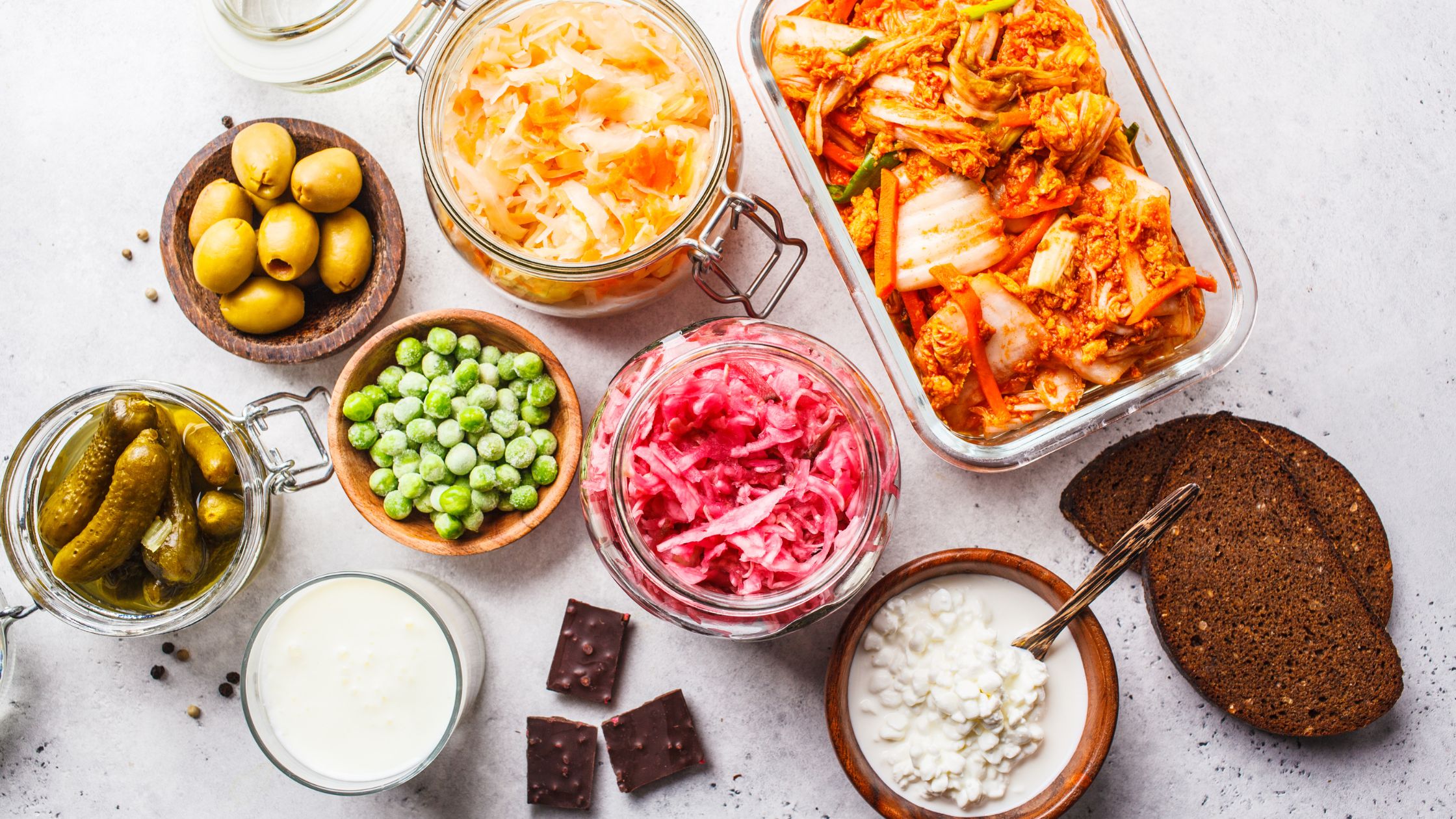
  • Lacto fermented foods such as sauerkraut, carrots, beets and pickles from the refrigerated section or homemade to save a few bucks. Be sure your store bought items are clearly labeled “live cultures”
  • While we don’t need to count fiber grams, consuming several cups of a variety of vegetables and fruits will provide you the fiber you need. Some fibers are easier to digest than others so choose based on your current status. Some may be able to eat broccoli while others can barely look at broccoli without bloat and an avocado is the only fibrous food they can consume.
  • Raw vinegars, Apple Cider and Coconut, are “live” foods and provide beneficial bacteria 
  • Purchase fresh veggies that are not pre-cleaned and treated and try not to use highly chlorinated water to rinse them. A little vinegar can do the trick with filtered water maintaining the integrity of the soil organisms especially if organic.
  • Feed your flora with “prebiotic” resistant starches like jicama, asparagus and jerusalem artichoke to name a few lower carb options. Your bacteria need food too and they consume more sugar than you do but in the form of non-digestible sugars, those you do not digest.
  • Use botanicals such as lavender rather than toxic antibacterial soaps. Your skin harbors a large amount of bacteria and this organ absorbs everything as if you were putting these toxins in your mouth.
  • Perhaps you have sluggish peristalsis or the movement/contractions of the intestines to move food and subsequent elimination. Some loud vocal gargling or opera style singing can stimulate the vagus nerve to begin movement. This is particularly helpful for those who suffer from delayed gastric emptying.
  • Be sure you are not becoming dehydrated. Pushing water isn’t necessary rather monitoring your activity/thirst levels are more important. You obtain water in foods too so don’t forget to chew your water!
  • If you sit all day, try to do some form of movement. It really doesn’t matter whether you’re rebounding or marathon running, the activity is your choice. Just move!
  • You have more neurons in your gut than your brain. If you are suffering from stress, this has a direct impact on the smooth running of your digestive tract (this is referred to as the “gut brain axis”).  Consider trying some stress reducing activities such as deep breathing, meditation, guided imagery, or yoga.
  • Have you been tested for food allergies? Gluten is historically a “muffin poop” builder, consider removing gluten completely from your diet and see if that makes a difference for your system. If that doesn’t help, you might consider an elimination diet with the guidance of a holistic practitioner to determine if any foods are contributing to your digestive distress.
  • Most parasites, other than Giardia, can contribute to constipation. We all have the potential to suffer from these unwanted bugs that use us a “life host.” Consider using a botanical such as wormwood and black walnut every 3 months or so to combat these little parasites. Some are more difficult than others to eliminate but with proper stomach acid and enough anti-parasitic food chemicals, these bacteria might check in but they won’t stay too long.
  • Last, and probably one of the most important issues we face today, is the over-use of antibiotics. Not  the prescription you needed for a bout of strep throat or that horrid sinus infection, but rather the overwhelming amount of antibiotics in the food and water supply. If you are not consuming 100% organically grown pastured animals, you are receiving small doses of antibiotics via meat and dairy. Over time, this can lead to devastating of your internal eco system.

This is a small window into your internal garden. We’ve only touched on one small aspect of digestive distress; check back tomorrow for some more information about a healthy digestive system and a delicious recipe to help repopulate beneficial bacteria in your gut.

Bristol Stool Scale

Now let's talk about a delicious way to support good gut health which in turn promotes healthy bowel movements.

Before I share the recipe I'd like to take a moment to remind you that constipation is a condition where someone has hard, difficult-to-pass bowel movements or produces less than three bowel movements a week.  Chronic constipation affects somewhere between 12-19% of the U.S. population.  

One way to determine what type of BMs you are having is to look at the different levels of the Bristol Stool Scale.  According to the scale there are seven different types of stool:

  • 1: Separate hard lumps, like nuts (hard to pass)
  • 2: Sausage-shaped, but lumpy
  • 3: Like a sausage but with cracks on its surface
  • 4: Like a sausage or snake, smooth and soft
  • 5: Soft blobs with clear cut edges (passed easily)
  • 6: Fluffy pieces with ragged edges, a mushy stool
  • 7: Watery, no solid pieces. Entirely liquid

Types 1–2 indicate constipation, 3 and 4 are ideal stools as they are easy to pass and do not contain excess liquid while the remaining levels tend toward diarrhea.

As mentioned in yesterday's post, adding live, or lacto-fermented, foods is a great way to help support gut health and better elimination.  These can be purchased through a company such as Fab Ferments, or made easily and inexpensively at home.  Below is a delicious lacto fermented recipe.  

Diarrhea
 
Diarrhea is another gastrointestinal health issue that can be challenging to deal with. There are several reasons why you can develop diarrhea:
  • A viral infection - washing your hands and practicing good hygiene can help reduce this possibility.
  • Eating spoiled food - usually your senses can help you identify if food has gone off through sight, smell, or taste. If you have any concerns about the safety of the food do not eat it. When in doubt, throw it out.
  • Traveling to a foreign country - in some countries drinking the water may expose you to other bacteria that your system is not used to. Avoid drinking tap or running water and choose only boiled water. It's also a good idea to bring probiotics with you to help support gut health when traveling.
If you are experiencing chronic diarrhea that lasts for days it is important to call your doctor or seek medical attention to make sure things don't get worse. The following foods should be avoided if you have diarrhea as they can contribute to the issue and make it worse:
  • Alcohol
  • Artificial sweeteners
  • Beans and other legumes
  • Coffee
  • Corn
  • Cruciferous vegetables - broccoli, Brussels sprouts, cabbage, cauliflower
  • Dairy products
  • Fried or fatty foods
  • Juices, especially prune juice
  • Soda and other sugary beverages
  • Spicy foods
  • Sugar alcohols - any sweetener ending in an -ol such as sorbitol
When dealing with diarrhea it is helpful to add nourishing foods that can be supportive for the gut which may help firm up your stool. It's also critical to ensure that you are focused on getting enough hydration to replenish your fluids and prevent dehydration.
 
The B.R.A.T. Diet (bananas, applesauce, rice, toast) is no longer recommended as it is a high sugar, carb heavy diet that is not nourishing. It can also be very difficult to stick to. Nourishing foods to add to the diet for diarrhea include:
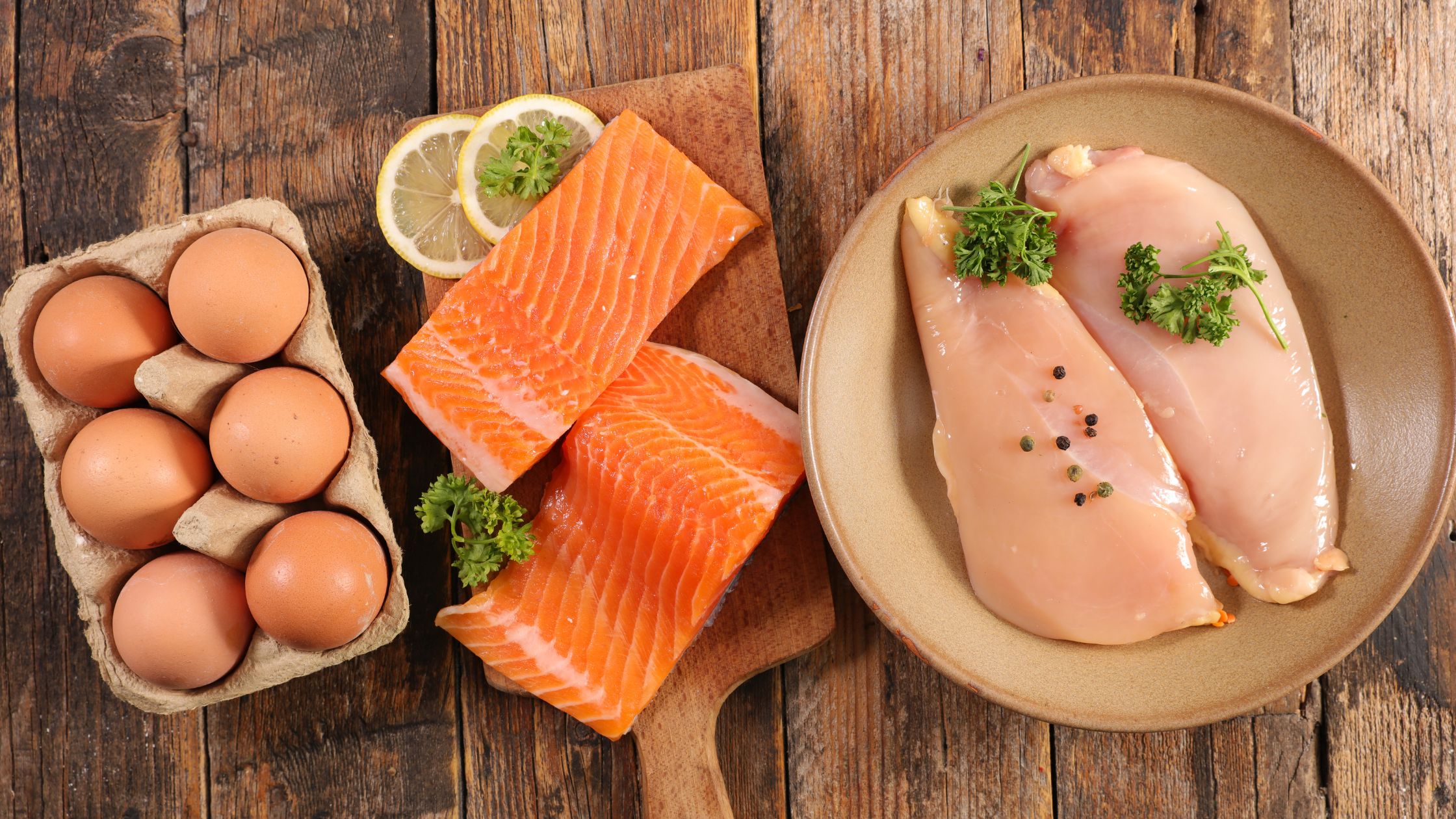
  • Cooked vegetables, not raw
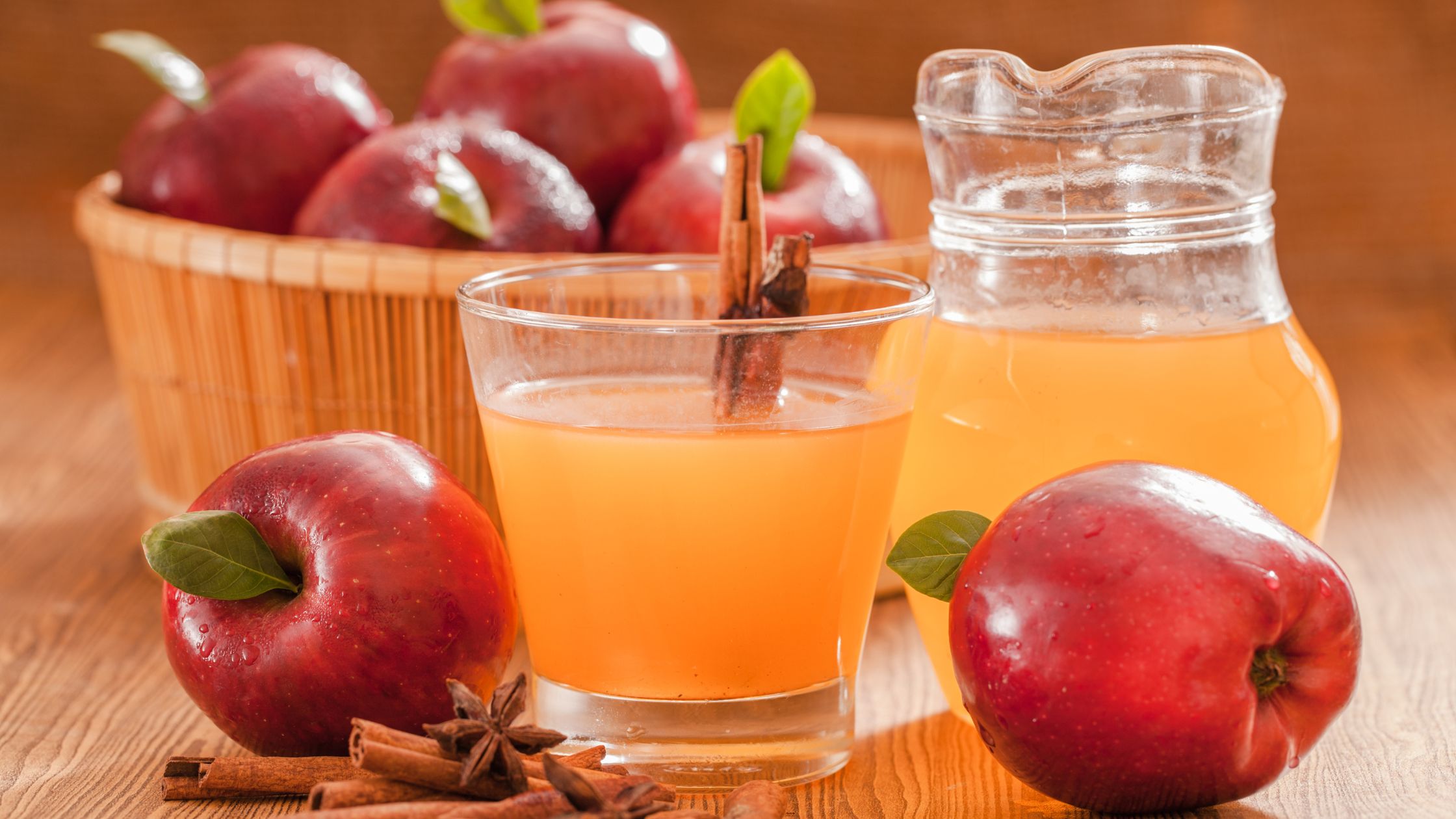
  • Foods high in soluble fiber such as oats, carrots, and apples. Apples have pectin and fiber, when choosing applesauce both are significantly reduced.
  • Lean proteins like eggs, fish, and chicken as opposed to more challenging proteins like beef or pork.
  • Probiotic-rich foods to help replenish the gut bacteria. These include kimchi, sauerkraut, and plain yogurt. These should only be taken in moderation as too much can reverse the situation and contribute to diarrhea.

Conclusion

Holistic strategies for managing constipation and diarrhea are about more than just making adjustments to your diet. The goal is to embrace nourishing foods and avoid dietary triggers. It is possible to balance your digestive system and have a normal poop every day through mindful attention to your diet.
 
If you need support with your gut and elimination health be sure to reach out to a holistic health practitioner for support and guidance based on your bio-individual needs and specific health condition.
 
If you are dealing with excessive, chronic constipation or diarrhea, be sure to follow up with a doctor or other medical professional, to ensure there is not a more serious medical issue going on.
 
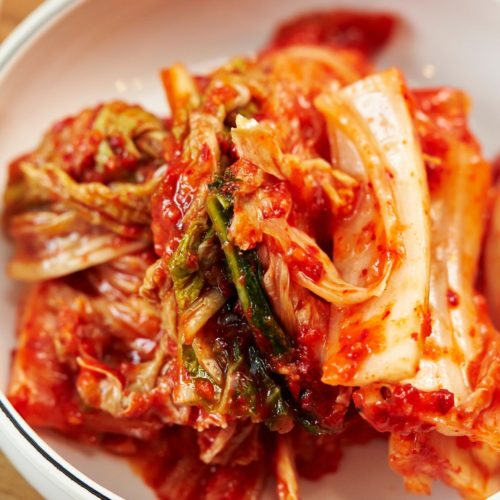
 Below is a delicious lacto fermented recipe.  

Kimchi

Ingredients
  

  • 1 Head Organic Green Cabbage
  • 1 Head Organic Purple Cabbage
  • 1 Cup Shredded Organic Carrot
  • 6 Cloves Garlic Minced
  • 8 Large Organic Radishes Sliced Thin
  • 2 Heaping Tbs. Shredded Ginger or More to Taste
  • 2 Tbs. Sea Salt
  • 1 Tsp. Dry Chili Flakes

Instructions
 

  • Cut cabbage into bite-sized pieces.
  • In a ceramic bowl or stockpot, combine cabbage, garlic, ginger, salt, and chili flakes.
  • Pound the ingredients with a wooden mallet to "bruise" and break them down.
  • Add remaining ingredients, stir well.
  • Transfer the mixture into quart-sized mason jars.
  • As you add it to the jar, use a wooden spoon or mallet to compress the kimchi until liquid rises to the top.
  • Leave about one inch from the jar's top, cover tightly.
  • Store at room temperature for 3-4 days, then refrigerate.
  • For optimal results, use a wide-mouth canning jar air lock fermenter.
  • Enjoy your homemade, cost-effective fermented vegetables rich in beneficial bacteria!

Misty Humphrey contributed to this article. As a Holistic Nutrition Educator she specializes in metabolic syndrome and digestion.  

New Food Label

The FDA has recently proposed a new food label.  Our current food label has it’s origins back in the late 1960’s when the FDA passed the Fair Packaging and Labeling Act which required “all consumer products in interstate commerce to be honestly and informatively labeled, with FDA enforcing provisions on foods, drugs, cosmetics, and medical devices.”

This was followed in 1990 by the Nutrition Labeling and Education Act which standardized terminology, mandated federal food standards, and set standards for foods, labeling, and health claims.  The label was further modified for nutrition facts in 1992, the addition of trans-fats in 2003, and the food allergy labeling requirement in 2004.

This new change however is the most significant overhaul of the label.  Some of the changes include larger, bold type for things such as calories and adjusted serving sizes.  Current serving sizes are based on habits from the 1970’s (before the era of super sizing).  Calorie measures are a bit of a challenge as they are approximate and can vary quite a bit.  There is also a change in nutrients with the removal of vitamins A and C and the addition of vitamin D and potassium.

There are still a few challenges that I see with this label however since it isn’t due to be fully implemented for as much as two years there may be more changes before it happens.  Some of the things that come to my attention when I look at the new label are:

  • Calories are still based on 2,000 per day with no explanation of how/why consumers should recalculate
  • I do like the added sugars section and wonder if this will be further modified to include types of sugar
  • Calories from fat is no longer on the label — most people seem confused by this anyway so removing it shouldn’t be a problem
  • Trans-fats are still on the label in spite of the fact that they have been declared no longer GRAS
  • There is no information for fiber that is meaningful in terms of gut health
  • I’m not clear on whether the new %DV will be adjusted to more functional levels

Overall I think it’s a positive shift since there is room for comment and change.  And presumably the introduction of a new label may trigger more interest in reading the label.

Currently the FDA is seeking public comment on two issues related to the label.

1.  Food Labeling: Revision of the Nutrition and Supplement Facts Label, and

2. Serving Sizes  of Foods that can Reasonably be Consumed at One-Eating Occasion; Dual-Column Labeling; Updating, Modifying, and Establishing Certain Reference Amounts Customarily Consumed; Serving Size for Breath Mints; and Technical Amendments  

Consider taking a moment to give input and help shape the new future of nutrition labeling.

Endometriosis Explained

March is National Endometriosis Month.  I’m delighted to share an article by my friend and colleague Dr. Amy Day who provides expert answers to your common questions, giving us  important information about this condition which affects millions of women in the United States.  Dr. Amy is also offering a free call to readers of the blog, check out the details at the end of this post.

Screenshot 2014-02-19 19.02.13

Endometriosis, also known as “endo”, is a common condition that far too often goes undiagnosed. Women suffering from pelvic pain, infertility and immune dysfunction are told that the pain is in their heads or that it is normal for a woman to suffer.

Because March is Endo Awareness Month, let’s all get familiar with this condition so we can be on the lookout to help our girlfriends and sisters find doctors who care, diagnoses that are helpful and treatments that work!

Q: What exactly IS endometriosis?
A: This condition is named after the endometrium or inner lining of the uterus. Similar tissue can sometimes grow in the wrong places, outside of the uterus. However, this name is misleading since we now know that endo is a whole-body disease involving the immune and endocrine (hormone) systems, not just the pelvis.

The immune system is unable to control these implants and they release inflammatory chemicals that allow the tissue to grow and cause pain. The tissue is also affected by cycling hormones so every month it builds up and then bleeds. Unlike the menstrual flow, this blood has no way to exit the body, resulting in internal bleeding and pain.

Q: What causes endo?
A: The short answer is that we don’t know. There are theories about retrograde (backwards flowing) menstruation bringing endometrial cells into the pelvis. Another theory is that the tissue moves through the lymph or blood to distant sites. There is a genetic link since the condition tends to run in families. And there is an embryonic theory that it happens when a baby girl is developing in utero.

We also know that there are links with environmental toxins. In fact, researchers use the chemical dioxin to create endometriosis in lab animals, in order to then do testing and learn about the disease. Dioxin is a byproduct of pesticide manufacturing, paper bleaching and waste incineration, so environmental exposure is a factor.

Q: How do I know if I have it?
At least 6.3 million women and girls in the U.S. have endo. The most common symptom is pelvic pain either with menses, during sex, with bowel movements and urination or at any time of the month. About a third of women with endo have difficulties with fertility. Fatigue is very common and many women have other related conditions such as yeast infections, irritable bowel syndrome, allergies and chemical sensitivities.

At this time, the definitive diagnosis is made by laparoscopic (camera inserted through belly button) surgery. In practice, many women don’t want to have surgery and, fortunately, new diagnostic tests are being developed.

Q: If I or someone I know may have endo, what treatment options are available?
A: In conventional medicine, there are strong drugs with many side effects, and there is surgery. Additionally, there is a whole world of natural treatment approaches available to patients.

Dr. Amy’s treatment plans aim to ease inflammation, normalize immune response, reduce pain, balance hormones, optimize gut function, promote detoxification and support effective stress management. This can be achieved through a healthy lifestyle, appropriate diet and exercise, nutritional supplements, herbal medicines and, when needed, bioidentical hormones. This natural treatment approach is safe and appropriate even if the patient “just” has painful periods and hasn’t had surgery to diagnose endo.

Q: How can I learn more?
A: Always be willing to speak up about your symptoms and seek doctors who will listen to you. You can also check out the Endometriosis Association, consider becoming a member to stay informed.

As a personal gift to you check out the free recording “Dr. Amy’s 3 Essential Secrets to a Naturally Pain-free Period.”  You’ll get valuable information and you will also learn more about Dr. Amy and her personal journey.

Dr. Amy is a woman with endo as well as a doctor who treats endo. Her journey has empowered her to learn the most effective natural treatment options for women with this complex condition. She currently serves on the Board of Directors for The Endometriosis Association, has a private medical practice in Berkeley, CA and offers telephone coaching and wellness support to women everywhere via her website www.DrAmyDay.com.

5 Powerful Brain Boosting Tips

file0001052648856

If you are looking to improve your brain function, there are many things that you can do to boost the speed and accuracy of your mental facilities. Even as humans continue to age and their brains begin to weaken, sometimes due to dementia or simply due to lack of brain-training, it is still possible to make changes in daily life that will help to boost brain power.

Strength Training – Although exercise in general is a widely beneficial method of boosting brain power, research has shown that strength training, even when compared to such exercise as aerobics, does more to increase healthy brain function than most other types of physical exertion. When you participate in exercises that target muscles in particular, you use the stored energy in the cells of that particular area. That “burn” of a good workout is the sensation that occurs as muscles regroup and rebuild. Activities such as lifting weights can increase the bodily function which controls the growth of nerve cells, which in turn, increases the strength of mental function and speeds-up the synapses of cognition.

Meditation – Meditation has the capacity to improve, not only general brain function, but can improve your memory, increase your I.Q., lengthen your attention-span, and even promote the use of parts of the brain that control advanced thought processes. This means that meditation can improve your ability to think quickly as well as your ability to think deeply by improving your analytical and decision-making skills.

Avoid Junk Food – Avoiding junk food should really be a no-brainer, but it can actually be a brain-booster. While consuming excess foods that are full of things that can be bad for your body, eating junk food has also been proven to promote inactivity and can slow down, not only your body, but your brain as well. Instead of satisfying your cravings with unhealthy junk food, try some Brain Boosting Foods, such as apples and leafy green vegetables.

Laugh it Up – Laughter is a natural reliever of stress, and promotes a healthy attitude as well as a healthy brain. Laughter increases the brain’s flow of endorphins which increase your ability to deal with pain as well as your ability to think in a more creative manner. Because it is such an effective way to relieve stress, laughter also gives your body, and especially your brain, more room to function at higher levels.

Eat Healthy – Providing your body with a proper supply of the energy, vitamins, and nutrients that it needs is a large contributing factor to increasing brain-function. Eating food that is unhealthy not only lessens your brain’s ability to function properly, it limits its capacity to function at its full potential. When you eat healthy food, your brain replenishes its supply of energy, and instead of wasting that energy elsewhere in your body, such as it would be when trying to break down and store unhealthy chemicals consumed through unhealthy food, it can utilize it energy in more beneficial ways. Eating healthy food will allow your brain to function at a much closer level to maximum-capacity than can be achieved by eating junk food.


Julian Hooks writes about health, beauty tips, holistic care and much more on LiveningUp.com, a website based on Your Ideas, Your Life, Your Decisions.

photo:  clarita