All posts by Mira


About Mira

Mira Dessy is The Ingredient Guru. A holistic nutrition professional, author, and a popular public speaker, she knows that it's not just what you eat, but what's in what you eat. She is the author of The Pantry Principle: how to read the label and understand what’s really in their food. Dessy is a Board Certified Holistic Health Practitioner whose mission is to educate and empower consumers. She curates the Lean Clean Green Subscription box, the premier, organic, earth-friendly, healthy, sustainable subscription box which can be found online at https://theingredientguru.memberbox.com

February Is National Canned Food Month

Due to the invention of canned foods in the early 1800's our ability to store food for long periods of time has dramatically increased.  (I am always amused every time I remember  the can opener wasn't invented until approximately 50 years after the invention of the can -- I discovered this while researching my book The Pantry Principle.)  And if the ingredients in the can are dry or dehydrated in some way that storage can be as long as 30 years.  Quite handy if you're preparing for the Zombie Apocalypse.

There are two major types of canned goods, those you make yourself at home (such as jams, pickles, chutneys, etc), and those you purchase at the grocery store.  For the purposes of this post when I talk about canned goods, I'm referring to those that you purchase.

Leaving aside the matter of zombies, it is prudent to have some canned goods on hand either as part of a well-managed pantry, or in case of an emergency.  While it's a great thought to prepare all of your food fresh and from scratch, in our over-scheduled American culture this can be a little difficult to achieve on a daily basis.  And if the power goes out or there's a storm preventing you from getting out to the store it's helpful to have canned goods on hand.  

How much you have on hand is a matter of calculation; determining how many people, how many days/meals you want on hand, and how you plan to rotate things through your storage.  That's a little more complicated than can be addressed in a blog post.  If you're interested in working with me to figure out your food storage needs email me and we'll schedule a time to talk.

When buying canned goods one of the big issues is what's in that can.  I've talked about this before in The Pantry Principle as well as in blog posts like this one about peaches. Unfortunately many canned foods these days come with a raft of chemicals added to them.  This is meant to extend the shelf life. However given the fact that there are alternatives I'm not convinced that we  need to buy canned food with these health-harming additives in them.

One specific example that I use when demonstrating this to clients on a Grocery Store Tour* is coconut milk.  Canned coconut milk is an option that is (a) more portable than the refrigerated cartons, and (b) easier than making your own (recipe below for those who really want to know how).  

However many brands of canned coconut milk contain harmful ingredients that you don't want to consume such as sodium metabisulfate, polysorbates, and possibly citric acid which is, contrary to popular belief, not from lemons but often from corn, making it a probable genetically modified ingredient.  So an important point when purchasing canned coconut milk, or any canned ingredient, is to look at the ingredients list and avoid ingredients you don't want to eat.

Even more challenging however is the use of BPA in many canned foods.  And this includes those canned foods that come in jars because the lids have BPA in the lining.  BPA is an obesogen, a hormone disrupting chemical, and something that you want to avoid as much as possible.  Sadly it is extremely difficult to avoid it altogether as it also appears in paper products, grocery store receipts, DVDs, reusable cups, and other places.  But the more we reduce BPA in our food, I believe the better off we are.

This requires more research, looking for brands which don't have BPA in their can lining.  I have compiled a list, based on information from the vendors, that lists BPA free producers.  Bear in mind that some of these companies are still in transition.  However they are making the effort, and spending the money (BPA free linings are more expensive), to bring you a BPA free lined can:

  • Amy's
  • Eden Foods
  • Muir Glen
  • Native Forest
  • Sprout's - I believe they're still working on it
  • Trader Joe's - in transition
  • Wild Planet - in transition

On a side note:  In the United States 1 in 6 people doesn't have enough to eat.  Approximately 14 million of them are children.  If you're cleaning out your pantry and shifting to foods which are free of chemicals and BPA you may want to donate them to the Food Pantry.  If your budget has a little room to spare consider buying a little extra and donating it.  As much as I teach and promote eating as clean as possible, I also believe that eating is better than not eating.  It's a good-better-best philosophy.  Click here to find a food pantry near you.

Something else to keep a lookout for which may be coming soon to a canned product near you is SLIPS.  This stand for Slippery Liquid Infused Porous Surface.  It's a product which has been invented to get the container absolutely squeaky clean.  Unfortunately it looks like it's going to be made from chemicals and infused into a teflon substrate which will then be used to coat or line the inside of your jars and bottles.  I'm waiting and watching.  If you find a ketchup container (or any other jar) that comes absolutely clean with no sticky bits and no scraping be sure to let me know.

Want to know what's really in your food?  In addition to reading this blog you truly must have good resources at hand.  One is to buy yourself a copy of The Pantry Principle, the other is to sign up for my newsletter.  New subscribers also get a great free e-book, Eating Out Eating Healthy.  It's all about learning how to eat well to be well.

And now here's that recipe I promised you.
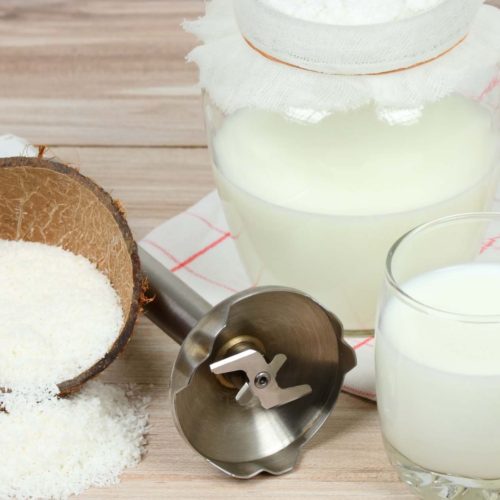
Homemade Coconut Milk

Ingredients
  

  • 2 cups hot water
  • 1 cup unsweetened coconut flakes

Instructions
 

  • Blend together (I use my Vitamix) until it's creamy looking, 1-2 minutes
  • Strain into a fine mesh strainer (I have one I use for rinsing quinoa)
  • Press to get all of the liquid out
  • Store in the fridge, use within 2-3 days
  • Optional - 1-2 drops of vanilla added to this is fabulous when pouring into a cup of Teeccino

*Want your own personalized Grocery Store Tour?  Contact Mira
Sugar Overload

Here we are at the end of January.  If you’re one of those people who made a New Year’s resolution, or goal, to “lose weight” or “give up sweets”  chances are high that you’re either struggling right now or you’ve given up completely.

As I’ve talked about before, this is in part a matter of making absolute statements. But a significant part of reaching your health and weight goals is to understand where sugar is coming from.  Especially fructose as excess fructose consumption can put a strain on your liver.

Sadly sugar is highly prevalent in our diet.  We are predisposed to want it from a biological perspective.  Manufacturers capitalize on this by including it in many foods.  Additionally food producers will often break up the sugar in processed foods using a variety of types of sugar, especially fructose.  As you know, the more of a particular ingredient that is in a food the higher on the label it needs to appear.  By using different kinds of sugar they can make it look like there is less in the product.  You can learn more about this in Chapter Five of The Pantry Principle.  There’s also an appendix that lists all of the different types of sugars so you can learn properly identify them.

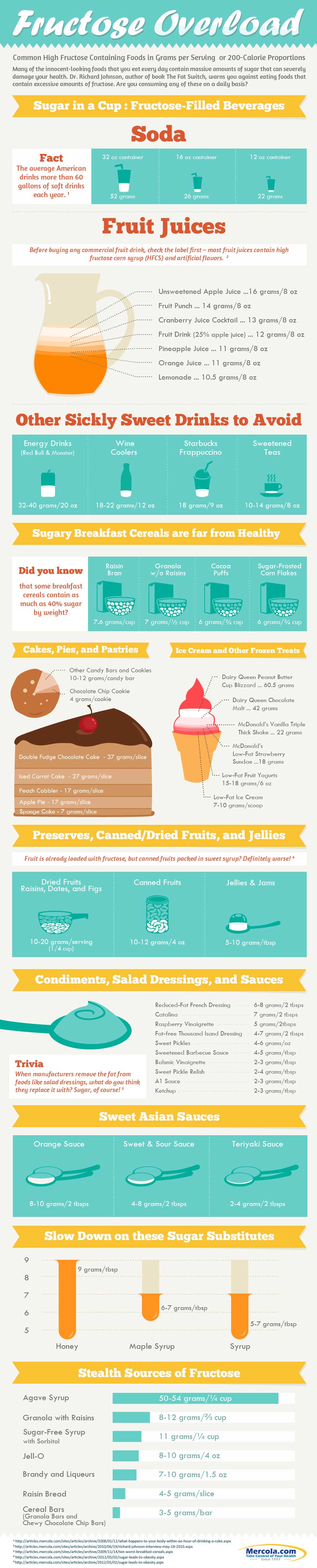
In addition to reading the label we need to learn where sugar hides in our diet.   We often don’t realize how much is contained in everyday foods, even something simple like unsweetened apple juice.  The infographic below highlights sugar content in common foods.  Learning to be aware if where sugars appear in your diet will help you make healthier choices so you can eat well to be well.

fructose overload infographic

Discover the fructose content of common foods, beverages, sauces, and even sugar substitutes in our infographic “Fructose Overload.” Use the embed code to share it on your website or visit our infographic page for the high-res version.

<img src="https://media.mercola.com/assets/images/infographic/fructose-overload-infographic.jpg" alt="fructose overload infographic" border="0" style="max-width:100%; min-width:300px; margin: 0 auto 20px auto; display:block;"><p style="max-width:800px; min-width:300px; margin:0 auto; text-align:center;">Discover the fructose content of common foods, beverages, sauces, and even sugar substitutes in our infographic "<a href="http://www.mercola.com/infographics/fructose-overload.htm">Fructose Overload</a>." Visit our infographic page for the high-res version.</p>

What Are Safe Seeds?

Seeds vs. Plants

Spring is just around the corner. Many people start thinking about planting a garden. Dreaming about fragrant, flavorful tomatoes, mouthwateringly delicious sweet corn, an abundance of greens and herbs, and more, all from their garden. For some, this thought process is accompanied by doodlings of garden plans, frantic searchings for last year's crop rotation chart, or just dog-earing a few pages in the latest garden supply catalog.

Some folks will buy seeds. Some will buy plants. But are they, and you, thinking about the environmental and biological impact of the plants? Are you considering non-genetically modified (GMO-free) plants and seeds? If not, it's time to consider making the switch. Yes, GMO-free can be more expensive. However, it comes with some important benefits.

Understanding the Safe Seed Pledge

But first I'd like to clarify. While organic seeds are great, in some cases, depending on the crop, not all crops require them. What is of vital importance is the use of non-genetically modified seeds. In order to support a move away from GMOs, more companies are signing the Safe Seed Pledge.   Created in 1999 it was started as a way for companies to share their position when it comes to genetically modified seeds.  Companies who have signed the pledge, and there are over 70 at this point, pledge that their seeds are free of genetic modification.  Here are just a few companies you can buy from who have all signed the pledge:

Why Choose Safe Seeds 

At a minimum, safe seeds from companies who have signed the pledge should be what you're looking for when choosing seeds. Here's why:

  • Seeds from genetically modified crops are often heavily sprayed with pesticides to keep down the weed population. This pesticide residue has a very sharp impact on the environment.  Increased pesticide use appears to be reducing butterfly populations.  It can also pollute the water and causes birth defects in water animals such as frogs and fish.
  • The most common pesticide ingredient, glyphosate, is a chelating agent and binds with nutrients from the soil, effectively blocking them from the plants. With no nutrient uptake, that means less nutrition in your diet.
  • New studies are showing a significant impact on human health and changes to DNA from exposure to pesticides.
  • Seed crops spend more time in the ground than food crops, this increases the amount of pesticide potentially taken up into the seed and then passed on to you through the food grown from those seeds.
  • Non-GMO crops and especially organic crops are often grown in healthier soil, creating a healthier end product.
  • According to information found from the Institute for Responsible Technology, there are studies that show that animals ingesting GMO diets have organ damage and gastrointestinal issues as well as accelerated aging and infertility.

Starting Your Garden

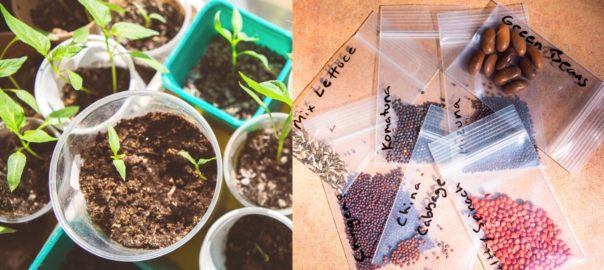
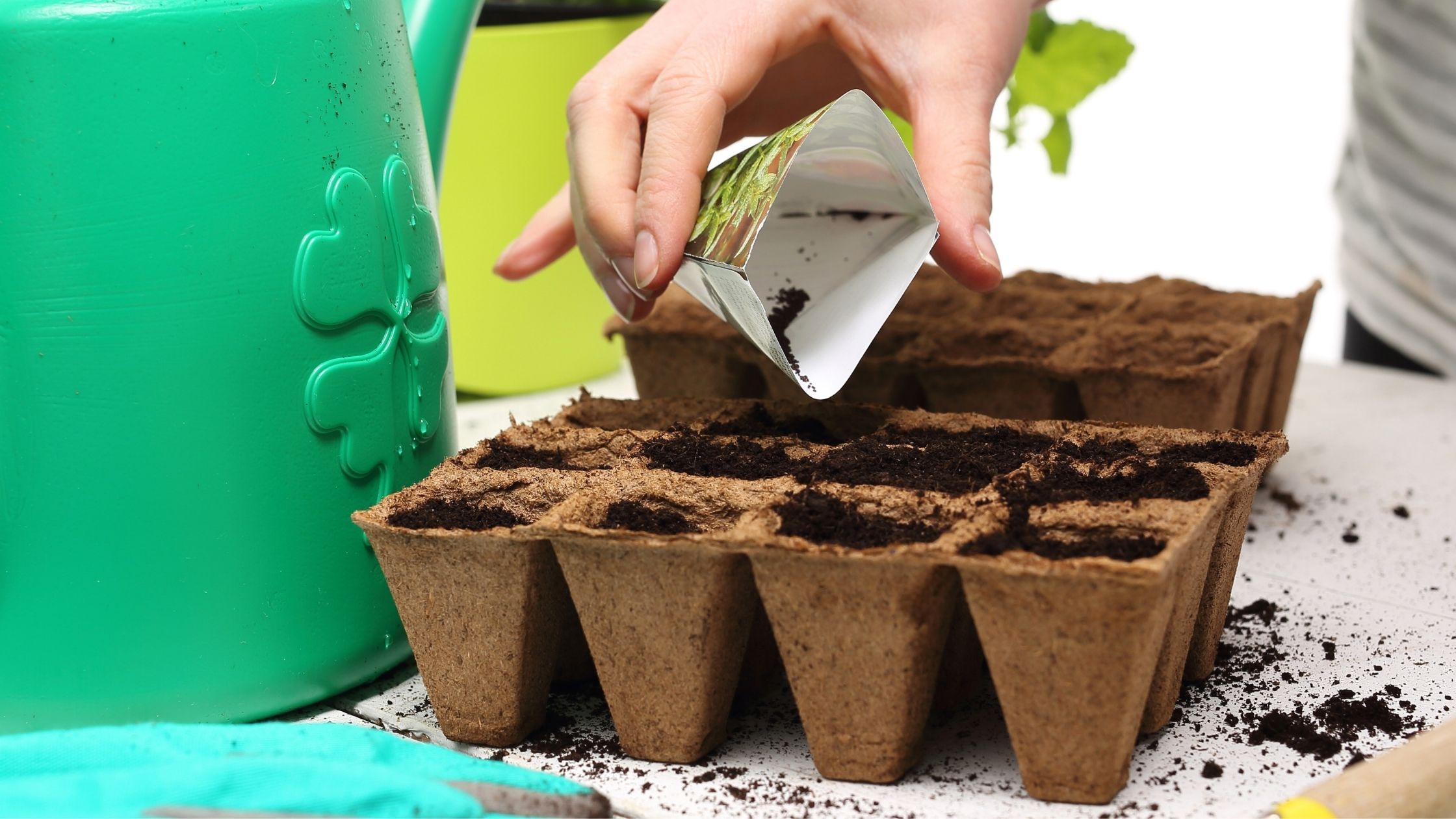
Starting vegetables from seed doesn't require a lot of room. Essentially you need a container of some kind, good quality dirt, safe seeds, water, and sunlight. The truth, however, is that many of us feel nervous about how to start a vegetable or herb garden from seed. We've gotten so far away from that habit that it seems foreign and perhaps a bit overwhelming.  The following are good resources to get you started:

  • Starting Seeds: How to Grow Healthy, Productive Vegetables, Herbs, and Flowers from Seed (Storey Basics)
  • The New Seed Starters Handbook (Rodale Organic Gardening)
  • Square Foot Gardening: A New Way To Garden In Less Space With Less Work
  • Seed Starting Kit – Basic kit includes a beautiful giftable box, drip tray, 12 cell seed tray, humidity dome, seed label sticks, 12 compressed soil pucks (just add water), easy to follow instructions, and an assortment of 6 medicinal and tea herb seeds, such as basil, dill, oregano, parsley, chives, and mustard
  • 4-Tier Growing Rack - With Greenhouse cover. Measures 63" tall, 27" wide, and 19" deep
  • LED Grow Light - This 36 Watt srew-in bulb provides sufficient light for small vegetables, peppers, and herbs also. Perfect for indoor and urban gardens, microgreen and wheatgrass flats.

While it's certainly easier to plant vegetables that are ready to go in the ground, you need to know what you're getting. If you're planning to start your garden from plants that someone else has sown from seed it would be a great idea to find out where the seeds originated and if they are part of the safe seed pledge program.  

[expand title="Sources"] 

Koller, VJ, et al. Cytotoxic and DNA-damaging properties of glyphosate and Roundup in human-derived buccal epithelial cells. Arch Toxicol. 2012 May;86(5):805-13

Mertens, M, et al. Glyphosate, a chelating agent—relevant for ecological risk assessment?. Environ Sci Pollut Res Int. 2018; 25(6): 5298–5317

"The ‘Doomsday’ Vault Where The World’S Seeds Are Kept Safe". TIME.Com, 2022, https://time.com/doomsday-vault/

"Glyphosate Binds Vital Nutrients | The Detox Project". The Detox Project, 2022, https://detoxproject.org/glyphosate/glyphosate-chelating-agent/.

"Home - Institute For Responsible Technology". Institute For Responsible Technology, 2022, https://www.responsibletechnology.org/.

[/expand]

“natural” Food Label Under Attack

When it comes to food labeling there is currently a lot of media attention to GMO issues and whether or not GMO foods should be labeled.  So far legislative challenges have either failed or been so severely curtailed as to be very difficult to achieve.  Consumers are very outspoken about their desire for GMO labeling and some retailers have responded by mandating GMO-free products on their shelves within a certain timeframe.  I have no doubt that GMO labeling will happen, it’s simply a matter of time.

But this column isn’t about GMO-labeling.  It is, however, about the label that appears on our food and how it can be manipulated to hide information.  At this point the only ways to avoid GMOs is to purchase foods which are known to not be genetically modified, foods which are labeled by the Non-GMO Project, or to purchase organic for those foods known to be highly contaminated by GMO.  Sadly many people think that the “natural” label also means it is not genetically modified; this is not true and could lead to the purchase of foods with ingredients you do not want to eat. Not only are there very few legal rules regarding the use of the “natural” label, it’s currently under attack.

The Grocery Manufacturer’s Association (GMA) is a trade organization which is the front group for more than 300 companies in the food business.  Large names such as ConAgra, Coca-Cola, Monsanto, and PepsiCo.  GMA is currently being sued in Washington State amid claims that it illegally hid contributions from large corporations in the GMO labeling fight for Initiative 522. GMA is once again serving as the spokesgroup for it’s member organizations and petitioning the FDA to allow genetically modified foods to be classified as “natural.”   It is important to note that there are very limited rules governing the use of the word natural.  The FDA specifically states, “FDA has not developed a definition for use of the term natural or its derivatives. However, the agency has not objected to the use of the term if the food does not contain added color, artificial flavors, or synthetic substances.”  Some of the claims made in the GMA’s letter are:

GMA’s members have a strong interest in “natural” labeling for foods containing ingredients derived from biotechnology.  Several of the most common ingredients derived from biotechnology are from crops such as corn, soy, canola, and sugar beets.  There are 26 state legislatures considering whether foods containing ingredients derived from biotechnology should be labeled and whether they are permissible in “natural” foods.  Moreover there are approximately 65 class action lawsuits that have been filed against food manufacturers over whether foods with ingredients allegedly derived from biotechnology can be labeled “natural.”  Given the predominant use of crops derived from biotechnology in our economy as well as consumer and state interest in this issue, whether foods that contain ingredients derived from biotechnology can be labeled “natural” is an important matter to GMA members and one that warrants FDA’s involvement.

This is startling for a number of reasons.  One is that GMA admits that GMO food labeling is an important issue but obviously spins this in their direction.  They are conveniently leaving out the millions of dollars they have already spent in other states to fight against labeling.  Another issue to remember is that if this change were permitted to be amended into the limited definition of “natural” foods, it would be a hidden use as the GMO ingredients would still not be declared on the label.  And lastly is the number of lawsuits and legislative actions currently on the books regarding this issue.  To my knowledge not a single state legislature vote is against GMO labeling.  And it is probable that the majority of the class action lawsuits are against the use of GMO in “natural” food products.

But again, GMA is spinning this in their direction.  They want labeling as long as it is to their benefit and does not allow consumers to truly understand what’s in their food. Genetic modification is not natural.  And while the natural label is so weak as to be close to worthless, it should not be modified or amended to specifically include the use of GMO items. There is no petition or open comment from the FDA at this time regarding this issue.

The only way to stay on top of food labeling and health issues is to become an educated consumer.  One good resource is the book The Pantry Principle: how to read the label and understand what’s really in your food.  Staying informed is the best way to know how to make the healthiest food choices for yourself and your loved ones.

Pot Pie Makeover

The comfort of pot pie

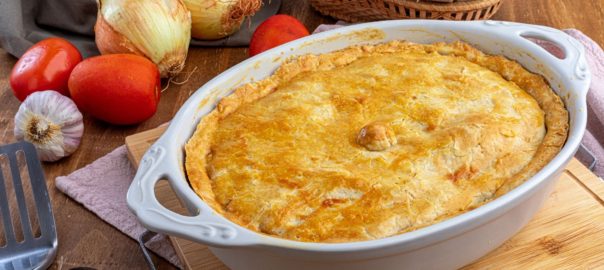
One of my favorite meals is pot pie.  When the weather gets cold and wintry, there is nothing more warming and delicious than a pot pie.  It’s also a wonderful convenience dish. Filled with meat and vegetables, it’s a meal in one dish.

What’s in the box?

For many people pot pie is something that comes in a box from the freezer section at the grocery store. While certainly convenient, these tend to come with a variety of ingredients that are not a great choice. Here, for example, is the ingredient list from

Stouffer’s White Meat Chicken Pot Pie:
Water, Chicken Meat White Cooked, Flavor(s) Chicken, Chicken Powder, Chicken Broth Dehydrated,
Food Starch Modified, Carrageenan, Cellulose Gum, Dextrose, Flavor(s), Salt, Whey Protein
Concentrate, Mono and Diglycerides, Cream Whipping, Apple(s), Flour Bleached Enriched, Wheat
Flour Bleached Enriched, Carrot(s), Celery, Chicken Fat, Egg(s) Yolks Dried, Niacin, Milk Non-Fat
Dry, Onion(s), Peas, Polysorbate 80, Iron Reduced, Salt, Sodium Citrate, Chicken Base, Contains BHA,
Contains BHT, Canola Oil, Caramel, Corn Syrup Solids, Lard, Maltodextrin, Riboflavin (Vitamin B2),
Soy Lecithin, Thiamine Mononitrate (Vitamin B1), Corn Starch Modified

44 ingredients! Going through this list one by one would be a rather long endeavor so I’ll skip to the chase and point out that there are GMO’s, lots of chemicals, known carcinogens, possible MSG, probably pesticides, and potentially heavy metals in this box.  There’s also a nasty ingredient called carrageenan which can cause intestinal distress and has some other unpleasant side effects. Not very tasty in my book.

So what’s the answer?  

For me it’s making my own pot pie.  14 simple real food ingredients (15 if you include the seasoning on the meat).

Before when making pot pies I used to cook a chicken or a turkey and then dice up the leftover meat to use in a pot pie.  Certainly a convenient way to make use of the leftover meat, but rather time consuming.  Recently I had an epiphany.  Why not shred the meat instead.  I theorized that the shredded meat would be just as nice in the pot pie, but could potentially be made much easier than having to roast a bird, carve off the meat and then cut it up.

Using my crockpot, one of my favorite kitchen appliances, I made shredded meat overnight.  I actually wanted to try making pot pie and chili with shredded meat so I cooked enough meat for both dishes.  Using two turkey breasts and six chicken thighs (to get a good mix of white and dark meat), I put them in the crockpot with seasonings (I used Kirkland’s No Salt Seasoning and some fresh ground pepper) and 1/4 cup of nourishing broth.  I let it cook on low all night.  In the morning when I got up the meat was fully cooked and so tender that it shredded without any difficulty simply using two forks.  

Sidenote:  I use my crockpot overnight on a fairly regular basis.  I figure just because I’m asleep doesn’t mean my crockpot can’t be working for me.  Nourishing broth, soaking beans, overnight cereal, marinara sauce, all kinds of things work well in the crockpot overnight to be ready to use when you wake up in the morning.

Updating your pot pie

As much as I like pot pie, over the years I’ve become less and less enamored of the idea of eating my meals encased in a crust of dough, especially a gluten based dough.  Although it’s possible to make gluten-free pie crust, I’m not very good at it (and not particularly interested in spending the time on it these days).  So I’ve come up with an alternative.  I make dumplings and serve that as the top “crust.”  It’s delicious without being overwhelming in the way of simple carbs. It also requires a little less labor.  The dumplings are great because they provide just the right amount of toothsomeness to the pot pie; the right balance to top off the delicious filling.

Here’s my basic-ish recipe for a pot pie.  This recipe is for mushrooms and peas because that’s what I had on hand when I made it last.  Usually the vegetable part of a pot pie is somewhat flexible which is one of the things that makes it such a wonderful dish to have in your repertoire. The recipe does include bone broth which makes it tastier and more nourishing.  Enjoy!

GF Dumpling Pot Pie
Print
Ingredients
  1. Gluten Free Dumpling Crusted Pot Pie
  2. 10-12 baby bella mushrooms, cleaned and sliced
  3. 2 T. organic butter
  4. 1/4 C. gluten free flour (these days I'm using Namaste and really like it)
  5. 1 C. nourishing broth
  6. 2 C. whole fat organic milk
  7. 1 heaping t. dried onion
  8. 1/2 t. dried thyme
  9. 1 t. sea salt
  10. 3 C. shredded chicken
  11. 2 C. peas, frozen or fresh
Instructions
  1. Preheat oven to 400F
  2. Grease a 2 quart casserole dish
  3. Melt butter in a large sauce pan
  4. Add mushrooms and stir gently until mushroom soften
  5. Add flour and toss gently, coating mushrooms
  6. Add broth and milk, stirring well to incorporate fully and bring to a boil
  7. Reduce heat and add onions, salt, and thyme, cook 5-7 minutes until sauce begins to thicken
  8. Add meat and peas
  9. Top with dumpling crust
  10. Bake 30-35 minutes
The Ingredient Guru, Mira Dessy https://theingredientguru.com/
 

GF Dumpling
Print
Ingredients
  1. 1 cup gluten free flour
  2. 2 t. baking powder
  3. 1 t. dried parsley
  4. 1/2 t. dried dill
  5. 1/2 t. fresh ground black pepper
  6. generous pinch sea salt
  7. 1/4 cup organic butter
  8. 1/2 cup whole fat organic milk
Instructions
  1. Combine flour, baking soda, and seasonings mixing well
  2. Slice butter into thin pats and then blend into flour mixture until it resembles cornmeal
  3. Add in milk and combine fully until it forms a dough
  4. Drop by tablespoonfuls onto top of filling
The Ingredient Guru, Mira Dessy https://theingredientguru.com/

Winter Fitness Tips

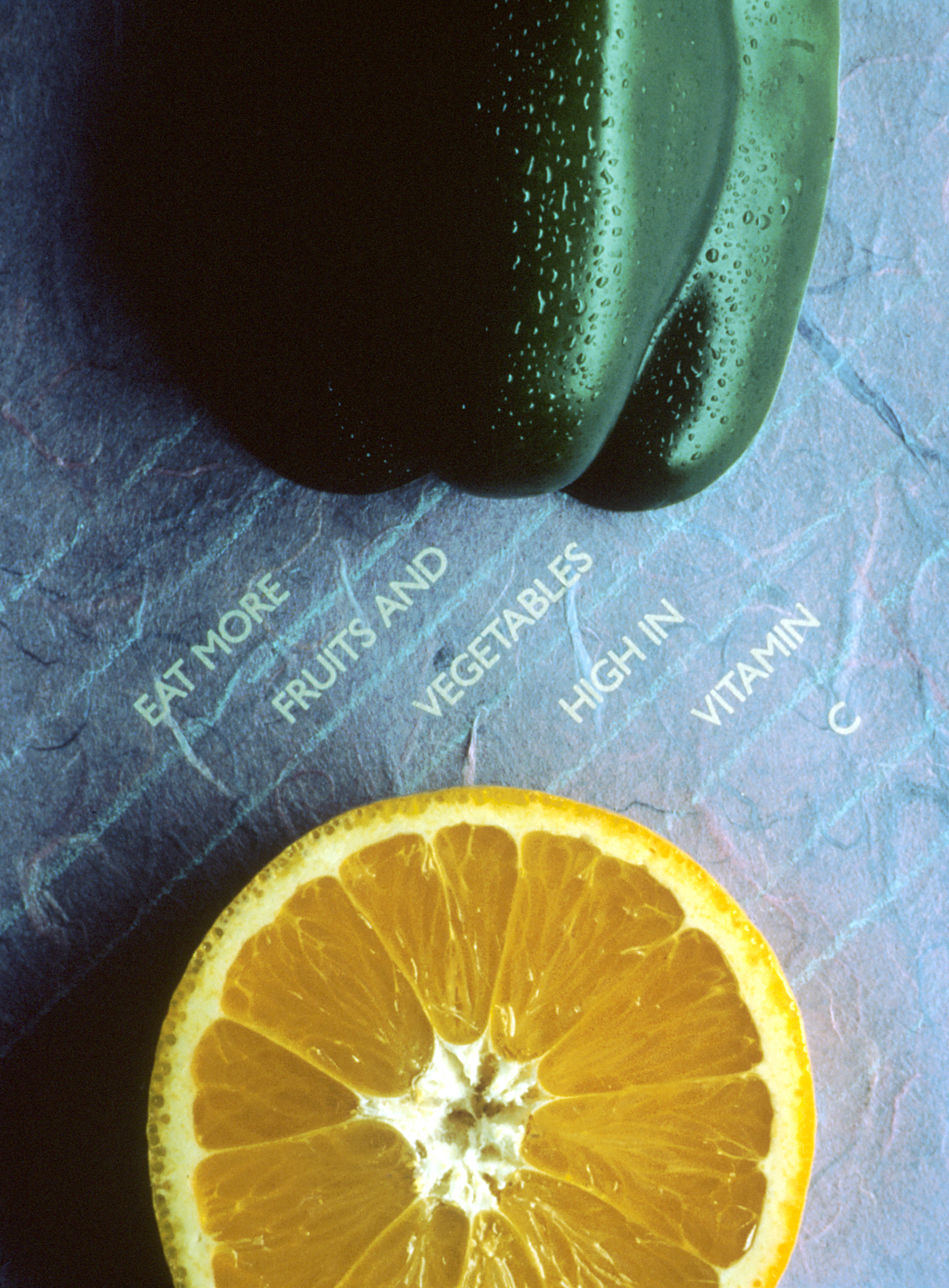
eat more fruits and vegetables high in vitamin C
Winter is here.  For many people that brings an urge to practically hibernate;  you just want to stay cozy and warm.  Cozy and warm is great, but it doesn’t mean that you can’t stay in shape. Here are five fabulous tips for staying healthy during the winter months.

Sleep Smart – A recent study from BYU shows that if you go to bed and get up at the same time every day you are less likely be overweight. It’s believed that your metabolism functions better with stable sleep patterns. Remember to avoid caffeine and alcohol 4-6 hours before bedtime as these stimulants can prevent you from getting good sleep.   A cooler room with enough blankets to stay warm, and a dark space will also help to promote healthy sleep.  How much do you need? Aim for between 6.5 and 8.5 hours a night.

Vitamin C – Vitamin C is essential for normal body function. Although there is conflicting research about whether or not Vitamin C can prevent or shorten cold symptoms, it appears that higher levels of vitamin C are a good marker for health according a study from the University of Michigan. Dr. Mark Moyad, the study researcher, suggests taking 500 mg as a supplement in addition to eating 5 servings a day of fruits and vegetables high in vitamin C.  The best fruit and vegetable sources  are:

Oranges and grapefruits
Kiwi fruits
Cantaloupes
Raspberries, blueberries, and strawberries
Cauliflower and broccoli
Green and red peppers
Spinach
Tomatoes

Exercise – It is very hard to stay motivated during winter, so get your workout in first. Don’t put if off. The short winter days make this even harder, so try to exercise before it gets dark out. This can be a real challenge in the winter time. Ideally it would be great to be outside in the fresh air and sunshine, but winter conditions don’t always allow for that.  If you can’t be outside head to the gym or try a workout DVD or YouTube video and exercise in your living room.  Home gym equipment can be purchased inexpensively and used for fitness year-round.

You can even go to the mall and walk some laps; the key is to keep moving as much as possible. Even walking just 15-30 minutes a day can make a huge difference in your fitness level. According to the American Heart Association, walking as exercise is enough to prevent heart attacks and extend life expectancy.

And as soon as there is a break in the weather, get out and move that body. Bored of walking? Why not try dancing lessons? This can be a fun way to get out and stay fit in the winter.

Avoid Alcohol – Winter time is full of parties and festivities. Alcoholic drinks are full of “empty” calories meaning that they provide very little nutritional benefit. Too much alcohol is a sure way to get out of shape during the winter. Try to stick to one glass of beer or wine a day or less.


Avoid Carbohydrate Loading – Winter makes you crave carbs. Less sunlight means lower serotonin levels which cause hunger.  Less sunlight can also be a trigger for Seasonal Affective Disorder (SAD).  Instead of loading up on carbs enjoy different meal choices.  For lunch, make sure you get plenty of protein, veggies and dairy products to lessen afternoon hunger pangs. Healthy carbohydrate choices are sweet potatoes and oatmeal. Check out these other eating tips for SAD.  Try to get as much sunlight as possible since this stimulates serotonin release and suppresses hunger. If needed, there are even special sun lamps that you can buy to get enough light during wintertime.

Just because it is cold, wet and dark doesn’t mean you can’t stay in shape. Follow these ways to keep fit and you will be full of energy come springtime.

Joe Alter is a fitness buff, writer, and the CEO of Yowza Fitness, a leading manufacturer of home fitness equipment, including treadmills, elliptical machines, and stationary bikes. He is on a mission to lead the home fitness industry to a new era of innovation, with biomechanically superior cardiovascular fitness equipment.

photo: Fæ

One Word: Inspire

It's that time of year...the time we arbitrarily close the cycle of days that has come before and look forward to a New Year.  One filled. one hopes, with promises, joy, and many good things.  As I've written about before, I'm not much of a one for resolutions, I prefer goals.  Each year I do sit down and think about what I would like to accomplish for the upcoming months.  To set out a roadmap that I can at least use as a guide to moving forward.

This year, a random post by my friend Trudy Scott posed the question what would you pick as your defining word for the upcoming year.  She heard about it over at Intent.com.  I was immediately struck by how powerful this could be.  The idea of focusing in on just one word.  One defining concept and trying to achieve the goals set by that word.   After much thought, writing and crossing out, saying aloud, and defining, I've hit on a word.  Inspire.

The dictionary defines this as:

inspire - verb (used with object)

1.  to exert a stimulating or beneficial effect upon
2. to produce or arouse (a feeling, thought, etc)
3. to guide, influence, or impel
4. to take or draw (air, gas, etc), into the lungs; inhale
5. archaic to breathe into or upon

I find myself motivated by this one word.  I see so many permutations of how it might be used as a focal point over the next 12 months.

As a nutrition educator and real food advocate I am always seeking to help those around me.  To support them so they can make educated choices for themselves and their loved ones when it comes to their food and health.  Through my work, my writings, lectures, and connections I hope to inspire people to make those choices for health.

I frequently 'shout out' about a wide range of topics all related to food, nutrition, and holistic health in an effort to motivate others.  [An example is all those who are now aware (and disgusted) about the use of chicken poop as cow feed - if this bothers you please tell the FDA how you feel by signing this petition].  While it's often upsetting information, I am very sincere in my desire to share this not as a means of upsetting people but in the hopes that they will be, indeed, inspired to make different choices and to speak out in their turn, to have an impact.

Inhaling, breathing, is a good thing.  I believe we all need to do more of that.  Especially deep breathing.  Taking a moment in time to draw air deeply into our lungs has a beneficial effect when it comes to lowering stress.  We should all do more of that, myself included.  Breathing in sharply can be a sign of surprise, of interest, an aha! moment.  I hope to find, and share, more of those moments throughout the year ahead.

But inspire is a word that I chose not only because of how I hope to use it to connect with those around me, but because of what I hope that focus can mean for me.  I want to be inspired.  I want to find that surprise, those guiding, influencing moments that I know lie ahead.  To do that means I need to be aware, open to the possibility, to the gifts that bring those moments of inspiration.  I also need to be open to the opportunity to share, to give, to be inspired.

It turns out that other people are interested in the idea of a one word focus.  You can connect with them through the OneWord365 website.  You can find a word that speaks to you, connect with others who share your word, or just set your intention for the year.  I'd love to hear your word and why you chose it, leave a comment below and share.

Wishing a healthy, happy, peaceful and joyous New Year to you all.

Be well.

colonoscopy

Colonoscopy: What To Drink

I have ulcerative colitis (UC).  It was diagnosed years ago, after 15 years of a misdiagnosis of IBS.  I was finally diagnosed after I had my first ever colonoscopy.  In the  years since my diagnosis I've had five colonoscopies.  The fifth one just recently.  I'm one of the fortunate ones.  I take no daily medications for my UC and have no major issues when I eat according to my nutritional plan.  My primary triggers appear to be stress and sugar.  I work hard to try to reduce both in my life as much as possible.

It had been five years since my previous colonoscopy and my doctor and I agreed that it was prudent to have a colonoscopy just to check things out.   I'm fortunate enough to have found a GI doc who is amenable to my nutritional plan, supplemental routine, and the use of functional foods.  His comment when we scheduled was, "I'm interested to see what's going on in there."  My reply?  "Me too!"

Prepping for a Colonoscopy

I'm not going to lie to you, the prep isn't fun. There's nothing like deliberately giving yourself the worst ever case of diarrhea to put a slight off-kilter aspect to your day.  But it's a necessary part of the procedure so there's no help for that.  Luckily over time it's gotten better as the medium used for the prep has gotten a little less disgusting to swallow.

But one thing that hasn't changed is the allowed foods.  As a holistic health professional, I am not happy about the list of what you can have to "eat" during this time. Obviously solid foods are out as that's counter to the point.  And you're not allowed red, blue or purple dyes.  It can color the walls of the colon and look like inflamed tissue.  (That's okay, anyone who reads this blog or my book knows that I am against artificial food dyes anyway.)  But what is allowed, and what I don't like, are some of the other "foods."  Jello, gatorade, soda, and popsicles.  They all have artificial ingredients in them.  Many of them have sugar.  

If you're getting a colonoscopy because you have a condition which is sensitive to sugar it doesn't make sense to take in something with sugar which is going to promote inflammation and stress your system.  Even if you don't have a condition which makes you sensitive to sugar, that's just not a good idea on an essentially empty stomach.  It can spike your blood sugar and leave you feeling droopy and out of it.  Plus all the other chemical nasties just are not a great health choice.

Healthy Colonoscopy Prepjuice, tea, broth

What's on that list that I do like?  Broth, tea, and juice.  So here's what this holistic health professional had for my meals throughout the day of my prep.

Start with one large cup of warm water with the juice of a half a lemon to alkalize the system.

Throughout the morning I made fresh juices mostly consisting of cucumber, celery, romaine, and green apple.  It was delicious, just juice, and because it was fresh it was full of nutrients.  It's important to note that if you're going to drink juices they must be free of pulp.  Buying over the counter juices may not be pulp free so read the label and think about what you're purchasing.  Because I ran mine through my juicer all of the pulp was extracted (and went to the compost heap).

I made sure to continue to stay hydrated by drinking water and teas.  Coffee is on the list but I don't drink it and even if I did I don't want the dehydrating effect.  Decaf or herbal teas are perfect for this.  Warm beverages are important, especially towards the end of your prep day.  

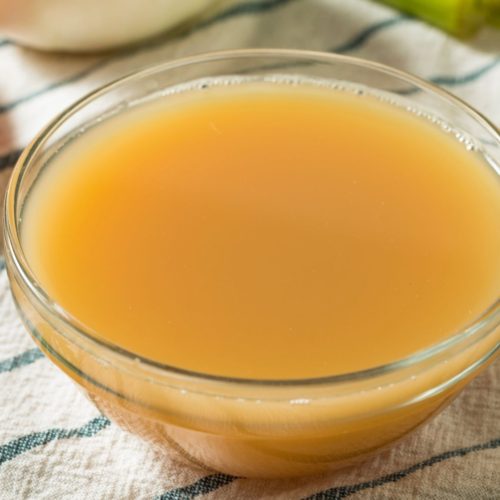
Later in the day I switched from fresh juice to a nourishing broth.  I had made this earlier in the week specifically for this prep day.  It's delicious, provides a wonderful, gut-supportive beverage, and is a functional food.  If you don't know how to make your own nourishing broth I've listed the recipe below.  The beauty of this broth is that it's beneficial for gut health, provides vitamins, minerals, collagen, amino acids, and, most importantly, is warming.  Anyone who has been through a colonoscopy will tell you that by the end of the day before your prep you are f-r-e-e-z-i-n-g.  That's because deliberately emptying your system that way causes a drop in core temperature plus an imbalance in electrolytes and you may get very cold.  Drinking this broth helped considerably and although I was definitely feeling colder I did not feel the deep bone-chilling, shivery cold that I had in the past.

I'd asked if I could have coconut water but was told no.  This was mildly frustrating to me as it would have been a balanced electrolyte beverage which is something you really need to replace when you are prepping.  This is why the doctor will usually recommend gatorade however I'm not a fan of gatorade due to the ingredients.  When I asked if I could have coconut water the nurse was very specific and said no.  The next morning when I arrived at the facility and discussed it with the staff I was told yet it would have been allowed.  They think the nurse may have been confused and thought I meant coconut milk.  Good to know for next time, I'll definitely be sure to add this in to my prep plan.  Please note, when purchasing coconut water it's important to buy one with no unwanted additives.

The Plan

Here's the plan in a nutshell. Remember you can drink as much of these liquids as you like but if you are purchasing juices or any of the other items you'll need to read the label and avoid harmful artificial ingredients such as carrageenan, dyes, artificial sweeteners, flavorings, or preservatives.

Mira's Colonoscopy Plan

  • 1 cup warm water with the juice of 1/2 lemon fresh green juice
  • 1/2 cucumber,
  • 2 ribs celery,
  • 1/2 small head of romaine lettuce,
  • 1 small green apple water,
  • decaf and herbal teas
  • nourishing broth
  • coconut water

Nourishing Broth

Ingredients
  

  • 1 whole chicken or 2 to 3 pounds of bones, such as necks, backs, breastbones and wings (organic, pastured chicken recommended)
  • gizzards from one chicken (optional but highly recommended)
  • 2-4 chicken feet (optional but highly recommended)
  • 4 quarts cold filtered water
  • 2 tablespoons raw, unfiltered apple cider vinegar
  • 1 large onion, coarsely chopped
  • 2 carrots, peeled and coarsely chopped
  • 3 celery stalks, coarsely chopped
  • 1 bunch parsley

Instructions
 

  • If using a whole chicken, cut off the wings and remove the neck, fat glands and the gizzards from the cavity. Cut chicken parts into several pieces. Place chicken or chicken pieces in a large stainless steel pot with water, vinegar and all vegetables except parsley.
  • Let stand 30 minutes to 1 hour. Bring to a boil, and remove scum that rises to the top. Reduce heat, cover and simmer for 6 to 8 hours. The longer the stock cooks the richer and more flavorful it will be. About 10 minutes before finishing the stock, add parsley. This will impart additional mineral ions to the broth.
  • Remove whole chicken or pieces with a slotted spoon. If using a whole chicken, let cool and remove chicken meat from the carcass. Reserve for other uses, such as chicken salads, enchiladas, sandwiches or curries. Strain the stock into a large bowl and reserve in the refrigerator until the fat rises to the top and congeals. Skim off this fat and reserve the stock in covered containers in the refrigerator or freezer.

Results

I'm happy to report that all went well.  My doctor doesn't want to see me again for several years and I was told to "keep doing what I'm doing."   I'd also like to encourage anyone who is 50 or over who has not had a colonoscopy to consider having one.  It can be a life-saving procedure as it is the only way to diagnose colon cancer and other GI conditions.  As a preventative measure I believe it is worth doing.

Peaches – What’s In That Can

Thanksgiving is a very special time.  It’s become one of my favorite holidays.  After all, what’s not to like about spending time with people you love, eating your favorite foods, and having a little downtime.  Of course shopping for the holiday feast comes to mind as one of those less-than-fun activities.  Mostly because the stores are crowded, and if you didn’t plan well you’re in the thick of the fray looking for what you need.

This year I wasn’t cooking.  We were invited to spend Thanksgiving with our daughter, her fiance and his family.  Our responsibility was to bring mashed potatoes, braised carrots, and homemade cranberry sauce.  I also wanted to bring canned peaches.  It’s a tradition in our family started by my father-in-law.  He likes canned peaches and he always wants them at the Thanksgiving table.  Even though we weren’t spending the holiday with him it’s been adopted as a permanent part of our family tradition.  One which we wanted to share.

I haven’t made canned peaches in a while so we had none on hand.  This meant buying them at the grocery store.  Something I haven’t done in a very long time.  I was stunned by the sheer number of canned peaches available at the store.  I was amazed at the ingredients in them.  I thought I’d share the results of my canned peaches shopping expedition so you can see what’s really in that food.

It’s important to note that peaches are one of the dirty dozen foods (those foods highly contaminated by pesticides).  I did not find any organic canned peaches at my local grocery store.  Also, the notes about these containers do not include the issue of BPA which is often found in plastic containers, the linings of cans, and the lids of glass jars. Therefore all these containers are equal in respect to those issues.

Note: If you want to read the labels you’ll need to click on the images to enlarge them.

Screen shot 2013-12-02 at 7.38.13 PM

Screen shot 2013-12-02 at 7.38.27 PM

Screen shot 2013-12-02 at 7.38.38 PM

Screen shot 2013-12-02 at 7.38.53 PM

Screen shot 2013-12-02 at 7.39.01 PM

Screen shot 2013-12-02 at 7.39.10 PM

Screen shot 2013-12-02 at 7.39.30 PM

Screen shot 2013-12-02 at 7.39.38 PM

Screen shot 2013-12-02 at 7.39.47 PM

Screen shot 2013-12-02 at 7.39.58 PM

Above you have the information you need to make the right choice for you depending on what’s important to you.  For those who want to take it one step further it is possible to make your own canned peaches.  There are many recipes out there on how to do this, one of my favorites is the Ball Blue Book Honey Spiced Peaches recipe substituting evaporated cane juice crystals instead of white sugar.

Adventures In Australia

This article was contributed by my friend Cindi Hall.  We’ve known each other since way back when, she was one of my first customers purchasing whole ground flours from me and learning how to use them in her kitchen.  Over the years she’s become a great local advocate for healthy eating and avoiding GMOs.  I’m also grateful to say that she’s been a huge supporter of the work and writing that I do.  She and her family went to Australia earlier this year and she was kind enough to write this article and send these great photos.  Sounds like the tucker is pretty good down there.

Screen shot 2013-11-18 at 8.05.12 PM

When my husband decided to attend a conference in Australia, it was the perfect opportunity for our family to travel with him and experience one of the most environmentally friendly places I have seen. As a woman who tries to eat healthy, cares about the environment, and still has the energy to sit through 36 hours of total travel time, it was the vacation of a lifetime.

We had arrived in Sydney early June 2013, the beginning of Aussie winter. The 70 degree temperatures were warmer than I had expected. Sydney seemed to be relatively clean for such a large city. There were recycle cans on the street with the garbage cans, not much graffiti, and a friendliness that I had not anticipated. Being used to the blank stares of New York people, the Aussies look at you and smile when walking the sidewalks of busy Sydney. This alone was such a pleasure.

As we walked in the city towards their famous Opera House and Botanical Garden, I started noticing all the runner/joggers along Circular Quay. It was a beautiful waterfront that had large areas for runners and people passing by or sightseeing as the ferries come in and out.

The Botanical Gardens, which is free for all visitors, was amazing. Among the beautiful trees and shrubs, there were many people walking and running along the paths. I noticed people sitting on the grass, relaxing and eating lunch. I observed their small coolers and brown bags, instead of the McDonald’s and Starbucks you typically see in the US when people dine in a park. I found this interesting. On the other hand, in Australia where a cheeseburger costs around $30, I think I would be brown-bagging my lunch, too.

Screen shot 2013-11-18 at 8.04.21 PM

My family and I did enjoy many meals out and paid dearly for them. However, it was worth every dime to eat such healthy meals. I realized that the menus would have small print by certain choices. Terms, such as “grass fed” and “non GMO,” were prevalent. I thought at first it was just the restaurants we chose or perhaps we were in trendy parts of town.

As we walked through the city and its shopping plazas and malls, I did take note of the food courts. There were smoothie/juice bars in all the malls. Also, they were not the kind of smoothie that is made with red liquid from a box (probably laced with chemicals). I watched as they cut up fresh fruit and placed it in a blender or juicer. As I walked through the food courts, which were much smaller than in the US, there were no fast foods being sold. There were fresh sandwiches, wraps, and salads. Yes, there was the usual Chinese food take-out, but not the usual choices of five fast food places, with their grease and carb-oriented meals.

Screen shot 2013-11-18 at 8.04.39 PM

At one mall, I even spotted a store that sold beautiful fresh fruit and veggies. It was then that I realized something pretty important regarding the Aussie philosophy about health and wellbeing. With their focus on fresh foods and exercise, the people of Sydney could actually eat all those chips (French fries to us here in the States) that are served with each restaurant meal and still not become obese.

We also had the opportunity to fly North to the Rainforest and the Great Barrier Reef. The first place I noticed in the Sydney airport was The Juice Bar. Again, fresh fruit cut up and put through a juicer. Can you imagine seeing that in an airport, of all places?!

Once we arrived at our final destination of Port Douglas where it is warm all year, similar to Florida, I thought it might be a different story. Port Douglas has beautiful, untouched beaches and gorgeous natural areas. The hotels are not allowed to clean, cut back, or trim the plant foliage and trees in any way. They are permitted to have one narrow path from the beachfront hotel to the beach itself, but everything else needs to remain as is.

While walking the beaches, I discovered that they look very much like those on that old TV show, Gilligan’s Island. Large coconuts fall from the trees and drop to the sand. Also, palm leaves and branches rest on the sand where they have landed from previous storms. Then, I began to notice the people in the area. As it was immediately before peak tourist season, it seemed that most of the people there were locals who were running/jogging along the water’s edge. It was a joy to see people out wind surfing, too. Not eating food sold from the beach concession stand, people were out being active as a part of their normal life style. Come to think of it, I never saw any beach concession stands anywhere. That’s a statement about the Aussie point of view in itself.

While in Port Douglas, we did have our share of treats. Being a major chocolate lover, with no apologies to Mira, I had to try their candy. I tried the same brands as we have in the US: Nestles, Cadbury, and M&M’s. However, I did notice the list of ingredients. In the US, we have High Fructose Corn Syrup and many other words I can’t pronounce or will I even try to spell them. Their candy listed natural ingredients: sugar, whole milk, and cocoa beans. Also, I noticed the menus of places we ate, which featured “Grass Fed,” “organic,” and “non-GMO.” I was happy to see these labels pop up and have the choice of eating foods that were not chemically created. What I really enjoyed most was ordering salad. Their salads were so fresh, crunchy, and beautiful . The Australians seem to take care preparing each meal, as if they have special pride in their healthy masterpiece.

Although I love our country, it was such a pleasure to visit the great country of Australia and to experience the Aussie approach to healthy life styles. I have no desire to continue that day and half total travel time on a regular basis, but I would advise anyone thinking of visiting: Save every dime you can and go to Australia. I hope each person who travels there comes home with a bit of that Aussie sense of preserving nature and a focus on getting real food back in our American menus.