All posts by Mira


About Mira

Mira Dessy is The Ingredient Guru. A holistic nutrition professional, author, and a popular public speaker, she knows that it's not just what you eat, but what's in what you eat. She is the author of The Pantry Principle: how to read the label and understand what’s really in their food. Dessy is a Board Certified Holistic Health Practitioner whose mission is to educate and empower consumers. She curates the Lean Clean Green Subscription box, the premier, organic, earth-friendly, healthy, sustainable subscription box which can be found online at https://theingredientguru.memberbox.com

Umami No-Bean Chili

When I moved to Texas I learned that there’s a controversy when it comes to chili. Beans or no beans. Having grown up in New England I was definitely in the with beans camp.  But after living firmly in no bean territory for a number of years I began to appreciate the satisfyingly rich meatiness of a no bean chili.  

This recipe is so full of fresh veggies that you really don’t miss the beans.  Adding portobello mushrooms increases the umami factor.  Top it all off with flavorful herbs and spices and it’s satisfyingly delicious. You can add a wonderful quick onion pickle (recipe below) and a fabulous slaw for a nourishing comfort food meal.

Umami No-Bean Chili

Servings 6

Ingredients
  

  • 2 Tablespoons extra virgin olive oil
  • 1 medium yellow onion, diced
  • 2 large carrots, diced
  • 2 medium celery stalks, diced
  • 2 medium red bell peppers, diced
  • 1 pound portobello mushrooms, chopped
  • 1½ pounds organic or free range ground beef
  • 2-3 garlic cloves, minced
  • Sea salt and black pepper, to taste
  • 2 Tablespoons tomato paste
  • 1 Tablespoon ground cumin
  • 2 teaspoons dried oregano
  • 2 teaspoons chili powder
  • ½-1 teaspoon cayenne pepper (to taste)
  • 1 24-ounce can crushed tomatoes, undrained
  • 1 cup bone broth

    https://theingredientguru.com/healing-powers-bone-broth/ 

  • 1 medium jalapeno pepper, seeded and minced (optional)
  • Suggested Toppings:

    Quick Onion Pickle

    Avocado

    Fresh cilantro leaves, chopped

Instructions
 

  • Heat olive oil in a large soup pot over medium-high heat. Add in onion, carrots, celery, bell peppers, mushrooms, and jalapeno pepper (if using)
  • Stir occasionally, until vegetables are softened, approximately 5-7 minutes
  • Add in ground beef, garlic, sea salt and black pepper, to taste
  • Cook, breaking up meat, until the beef is browned, approximately 5-6 minutes
  • Add tomato paste and seasonings, stir to combine well and cook for another 1-2 minutes, or until the spices become fragrant
  • Add crushed tomatoes and broth and bring to a boil then reduce heat to medium and simmer for 15-20 minutes, stirring occasionally
  • Remove from heat and adjust seasonings, if necessary
  • Add desired toppings, serve immediately. Enjoy!

Delicious on top of your favorite Mexican or Tex Mex dishes, these quick onion pickles are super easy to make in the kitchen. They’re not just for Mexican food though.  You can also enjoy them as a condiment for just about anything including wraps, salads, or anywhere that you’d like a little extra flavor.  If you like a little heat you can add jalapeno.  The pickling liquid is really flavorful as well and can be substituted in place of plain vinegar in your marinades or homemade vinaigrettes. 

Quick Onion Pickle

Ingredients
  

  • ¾ cup apple cider vinegar vinegar
  • ¾ cup water
  • 2 Tablespoons kosher salt
  • 2 Tablespoons honey, preferably local
  • 3-4 cloves fresh garlic, minced
  • 1 medium red onion, sliced thin
  • 5-6 jalapeno peppers, sliced into rounds, seeds removed (optional)

Instructions
 

  • Combine vinegar, water, salt, honey, and garlic in a saucepan over medium heat
  • Whisk to combine well then heat until honey is fully dissolved
  • Remove from heat, set aside
  • Place sliced onion (and peppers if using) in a glass jar with a tight-fitting lid
  • Pour pickling liquid over the onions (and peppers) being sure to cover completely
  • Let sit one hour to marinate before using
  • Store in the refrigerator up to two weeks


Greens & Apple Slaw

Ingredients
  

  • ½ head of green cabbage, diced longwise
  • 1 cup Brussels sprouts, shaved
  • 1 small green apple, cored and diced
  • ⅓ pound bacon, cooked and crumbled
  • 1 Tablespoon apple cider vinegar
  • Sea salt and black pepper to taste

Instructions
 

  • In large bowl, mix cabbage, Brussels sprouts, and salt and let sit for 30 minutes
  • After salted vegetable mixture has released water, drain thoroughly
  • Add remaining ingredients to vegetables and toss well

Guilt-free Valentine’s Day Treats

Valentine’s Day may look a little different this year due to the COVID-19 pandemic, but there are still some ways to enjoy this special day at home. I put together a few of my favorite guilt-free Valentine’s recipes to indulge in with your loved ones. 

  1. Chocolate Hazelnut Truffles

There’s nothing better than a really good chocolate truffle.  These decadent treats are unique because they are naturally-sweetened by dates and maple syrup. There are no added refined sugars.  They’re even dairy-free!  It’s important to get the Medjool dates.  Sure they’re more expensive, but they are so tender and make this recipe amazing.

Chocolate Hazelnut Truffles

Prep Time 25 minutes

Ingredients
  

  • ½  cup raw hazelnuts
  • 12 Medjool dates, pitted 
  • 2 tablespoons cocoa powder, unsweetened
  • 2 tablespoon coconut flour
  • 1 tablespoon extra virgin coconut oil, melted
  • 1½ tablespoon pure maple syrup

    (https://theingredientguru.com/making-vanilla/)

  • 1 t. vanilla extract
  • ¼ tablespoon coarse sea salt
  • Optional Coatings: 

    ¼ cup hazelnuts or almonds, ground

    ¼ cup coconut flakes, finely shredded

    2 tablespoons unsweetened cocoa powder + ¼ teaspoon each cayenne pepper and coarse salt

    2 tablespoons unsweetened cocoa powder + ½ teaspoon cinnamon powder

    (https://theingredientguru.com/choosing-the-right-cinnamon/)

Instructions
 

  • Place pitted dates in a small bowl filled with warm water and set aside to soak for 10-15 minutes
  • Line an edged baking sheet with parchment paper and set aside
  • Pour each whichever coatings you are using into wide mouth bowls (sufficient to roll truffles in)
  • Add hazelnuts to a food processor and process until finely ground
  • Remove the softened dates from the bowl, draining off excess water
  • Add dates and cocoa powder to food processor blending until smooth, about 3-4 minutes
  • Be sure to scrape the sides, as needed, to make sure ingredients are well combined
    Tip: If needed add a few drops of water to form a smooth consistency (be careful not to add too much).
  • Add coconut flour, coconut oil, maple syrup, vanilla extract, and sea salt to the food processor and blend well until combined
  • Remove the mixture from the food processor, dividing it into 15-18 equal-sized balls
  • Roll each ball into one of the prepared coatings (whichever ones you are using)
  • Once coated, place balls on the parchment-lined baking tray and place in the refrigerator to chill for at least 30 minutes before serving. Enjoy!

2. Strawberries Romanoff

This updated twist on strawberries and cream is a wonderful and decadent dessert.  Be sure to read the label on the heavy cream to make sure there are no negative ingredients such as carrageenan or polysorbate 80 in the container.  You want a carton that contains only cream.  In order to make the cream whip well, it’s best to put your bowl and your whisk in the freezer for one hour before whipping.  The extra chill helps the cream to whip well.

Strawberries Romanoff

Ingredients
  

  • 1 pound strawberries, washed, hulled, and sliced lengthwise
  • 1 cup organic heavy cream
  • 1 tablespoon cane juice crystals
  • 1 tablespoon grand marnier (or use organic orange extract for a non-alcoholic version)

Instructions
 

  • After slicing, the strawberries can be covered and stored in the refrigerator until ready to serve
  • Pour heavy cream, cane juice crystals, and grand marnier (or extract) into chilled bowl and whip until firm peaks appear
  • Place strawberries in individual serving bowls and top with whipped cream

3. Almond Valentine Cookies

When it comes to Valentine’s Day treat’s let’s be honest if it’s heart-shaped that’s usually a pretty good start.  Having a set of assorted size heart cookie cutters means you can add a little love to anything brownies, sheet pan pancakes, cookies, and more.  You don’t have to save the hearts for Valentine’s Day either.  Use them anytime you want to let someone know you love them.

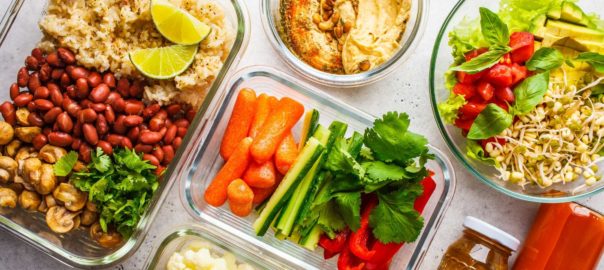
Eight Tips For Easy Meal Planning

It's dinner time. Again. All too often this means a mad scramble to throw together a meal.

In one scenario you're ravenous and in no mood to wait for your food to cook. So you order takeout or eat chips and ice cream for dinner.

Or it's witching hour and you've got hangry family members raiding the pantry for snacks. By the time dinner gets on the table no one is hungry.

You know you need to eat a nourishing diet to be healthy. You also know that when you don't have a plan you're going to reach for whatever is fastest and most easily available. Yet even though you know this it can be hard to change your habits. So you continually find yourself facing one or the other of the above scenarios over and over again.

Meal planning is a vital part of achieving optimal or complete nutrition. If you don't have a plan for what you're going to eat, you will end up grabbing whatever is fastest and most readily available.

This leads to eating an energy (calorie) dense/nutrient-poor diet. That can cause a whole host of health issues like weight gain, headaches, fatigue, bloating, diarrhea, and/or constipation.   

So what's the answer? Meal planning.


What is Meal Planning?


You've probably heard about meal planning. And if you're like most people you're envisioning this super-efficient-mad-ninja-kitchen-skills person and immediately discounted the idea thinking that this wasn't you.

Meal planning isn't difficult. It simply starts with deciding what you're going to eat in advance so you're not caught unprepared. By planning your meals you can make shopping, cooking, and preparing food, (and eating), a much simpler and healthier process.


Eight Tips to Make Meal Planning Easy 


1. Shopping

There are lots of ways to approach shopping. If you can only shop once a week then you'll want to plan your entire week's worth of meals. If you are able to shop every three or four days then only plan for those days. The trick is to not get too far ahead of yourself.

These days you don't even need to go grocery shopping. Many grocery stores offer curbside pick up where you can order ahead and they bring the groceries out to your car. Other services will actually go grocery shopping for you and deliver to your home.

Both of these services charge a modest fee plus, with the delivery option there is a tip for the driver. But one side benefit of not actually being in the grocery store is the ability to avoid the dreaded $50-Taco-Meat-Syndrome. That's where you run into the grocery store for 'just a second' to get taco meat. And you walk out $50 later.

You'll need to decide if the extra fees are worth the time savings for your family. But deciding your shopping strategy is the first key to success when it comes to meal planning

2. Snacks

All too often when you plan for meals you may forget to plan for healthy snacks. That's one area where you can really tend to let go.

You allow yourself to skip label reading, buy junky choices, and tell yourself that it's okay because 'it's just a snack.' The truth is that if you're going to meal prep and plan to eat well, you want to eat well all the time. If you're looking for a few good snack ideas (and really, who isn't) check out these tasty ideas.


3. Deliciousness

When choosing what to eat you need to make sure it's something that you (and your family) like. You can absolutely choose a bean burger entrée with cilantro lime sauce. But if you don't like cilantro (funny enough there are some people who can't stand cilantro and claim it tastes like soap), or bean burgers, this meal is not going to be a hit.

You will have put all that effort into a healthy meal that no one wants to eat. Not a great use of time, money, or ingredients. Plus then you're probably going to have a science experiment growing in the back of the fridge while you hope that someone will decide they're into bean burgers with cilantro lime sauce. It eventually get's moldy and you have to throw it out.

Choose what you really want to eat, buy good quality, healthy food items, and make sure your recipes and ingredients don't go to waste.

4. Recipes

Speaking of recipes...just because you're going to start a new eating plan doesn't mean you have to pitch all of your favorite recipes.

Yes, you're meal prepping, and that means thinking a little differently. But instead of trying to re-invent the wheel (so to speak) by choosing all new recipes, why not start by simply improving the recipes you already have.

Read the label, choose ingredients that are better quality (for example organic and grass-fed), and avoid additives, preservatives, and other harmful ingredients. If you want to add in a few new recipes that's never a bad thing. Let's face it we all love tasty food.

5. Organize

When you create a system to help you organize and plan, things go much more smoothly.

Figure out what day or days of the week are best for you to go to the grocery store. Make sure that you plan out (meaning write down, don't try to keep it all in your head) a strategy. If you write it down it's much more likely to happen.

So what are you writing down? The following items:

  • Your meals and snacks for the week
  • The ingredients that you will need to get to make these meals
  • When you plan to serve these meals. This is super important. You may make a list of what dishes you think you want to serve, but if you don't identify when you're going to serve them things sometimes don't get made. And that's when we get more of those interesting science experiments in the back of the fride
  • What time you plan to go shopping. This is super important. Because you do not ever. Not ever. Ever want to go to the grocery store when you are hungry. If you're ordering ahead like we discussed in #1 above, that's not a problem. But I promise, if you're trying to grocery shop while you're hungry two things are going to happen. 1. You'll buy junk food because your ability to resist is lowered by those hunger pangs and “feed me” hormones. 2. You'll over-buy because...well...you're hungry and everything looks good. Have a meal or a decent snack before you go grocery shopping and you'll do much better. (Plus you'll save money and that's definitely a good thing too)

6. Get help

When you're cooking for your family there is the temptation to simply get meals on the table however you can and as quickly as possible. When you're meal prepping (and to make things easier) one of my favorite tips is to get others involved in meal planning and preparation.

When family members, especially your kids, can take some ownership in the creation of a meal and what you serve they are often more open-minded about what they're eating. If you have more than one child at home you probably want to have just one child at a time in the kitchen unless they're older and work well together. Have each child choose one meal a week that they are responsible for planning and preparing (with supervision).

7. Contingency

Let's face it, no matter how much you plan there are times when something unexpected happens. A change in schedule, an unplanned illness, or some other interruption. In case of situations like this, it's a good idea to have a contingency plan. You may not have any leftovers handy, or perhaps not enough leftovers to feed the family. This is where having something that you can rely on for a backup, without having to fall back on takeout or fast food, will be helpful and ensure you have a nourish meal ready to go.

One backup idea is to have prepared foods available for a simple yet easy-to-prepare dinner such as soup or an omelet. Additionally with a well-stocked pantry, you can create a quick meal in a flash using ingredients you already have on hand. 

One of my favorite contingency plans is to have a few make-ahead recipes. These are healthy recipes that you can prepare in bulk, freeze, then prepare for dinner when you need them. I love doing this so much that I created my Fast Fun Freezer Meals program. Using this program you can quickly prep 20-24 servings of dinner at a time. You'll then have meals in the freezer for when you need them.

8. Adventure

Once you have a meal plan it's easy to get into a rut and start to rely on the same thing over and over. While planning provides a framework and makes mealtime easier, it can also start to feel limiting if you're continually following the same plan.

In order to make things interesting, you'll want to mix it up here and there. Not to make it overwhelming, leading you right back to where you started, but in a way that keeps meals interesting and fun. Plan to include one new recipe each week. This provides a little variety and can help you to avoid mealtime boredom.

To get into the flow of meal planning can take some getting used to. It requires you to create some new habits. But, once you've integrated these habits into your routine, you'll wonder how you ever managed without it. It’s a great way to make sure that each meal is nutritious and delicious.  And easy.

10 Hearty Recipes For Homemade Soup Day

What better way to warm up on a cold winter day than to have a steaming bowl of nourishing soup! And as we celebrate Homemade Soup Day this February 4, I am delighted to share with you my favorite homemade broth plus delicious recipes with meat and nutritious vegetables. 

Rest assured that the ingredients used here are “Ingredient Guru-approved” to provide you with healthy options and support your healthy diet. 

I hope you enjoy these hearty, filling meals! Don’t forget to rehydrate during the winter (soup is such a great way to do this) and boost your immunity to protect yourself from colds and flu.

1.Winter Soup 


This tomato-based soup with a bit of hot pepper’s warming kick perfectly goes with a simple salad and a delicious gluten-free cheesy biscuit. Toss all the ingredients in Instant Pot or slow cooker, then voila!-- a chunky, delicious meal for the whole family.

2. “Mockstroni” Soup 


This hearty soup is my take on the classic Italian minestrone. Traditional minestrone is packed with beans and pasta. For a lower-carb version, I replaced them with sweet potatoes. 

3. Roasted Vegetable Soup with Tomato and Fennel 


This particular roasted vegetable soup is a favorite. After all, who doesn't love tomato soup? But part of what makes this so wonderful is the fennel which gives it a delicious flavor boost. 

4. Meatball Soup


For a delicate yet filling warm bowl of comfort, try this main-dish soup! Meatballs and rice make this substantial enough to serve on its own. 

5. Chicken & Wild Rice Soup 


Using wild rice, instead of white, elevates this wonderful chicken soup.  The addition of portobello mushrooms gives it that umami flavor.  This is sure to be a new family favorite.

6. Potato Bacon Soup


Reminiscent of potato skins, it’s comfort food in a bowl. Served with a hearty winter salad this makes a filling and delicious meal.

7. Split Pea Soup 


The addition of the dulse, an edible seaweed found in the North Atlantic, to this recipe adds a wonderful flavor plus a boost of iodine and other trace elements our bodies need. If you want to make this as a vegetarian dish simply substitute vegetable broth or water for the bone broth.

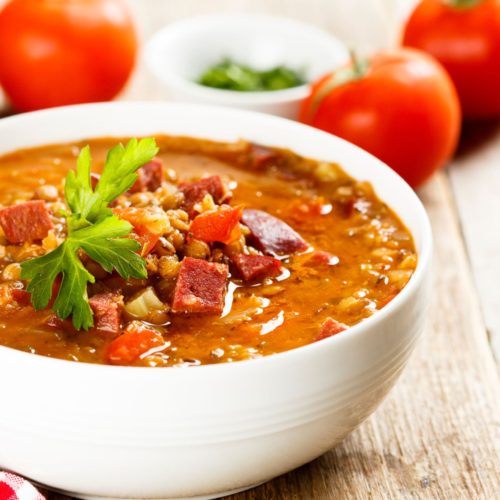
8. Chorizo & Red Lentil Soup


 The red lentils are a great base for the richness of the chorizo sausage. Topping this with fresh basil gives the whole dish a flavor profile that will make your taste buds sing.

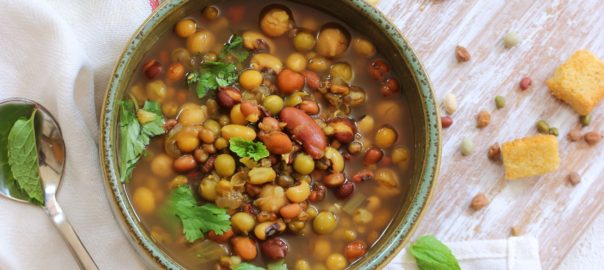
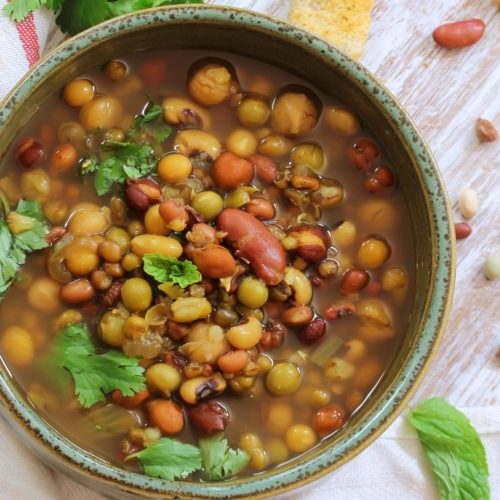
9. 15 Bean Soup


A New England favorite, this soup reminds me of home. And of my childhood. Warm, filling, and so flavorful, it’s even better the second day after the flavors have had time to come together.

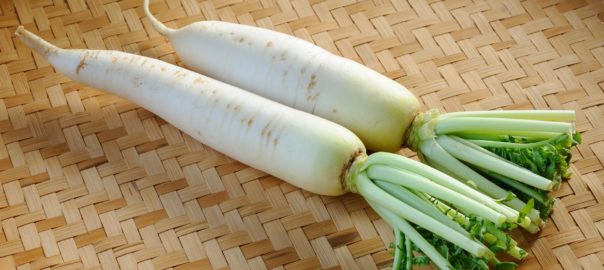
10. Daikon Noodle Soup


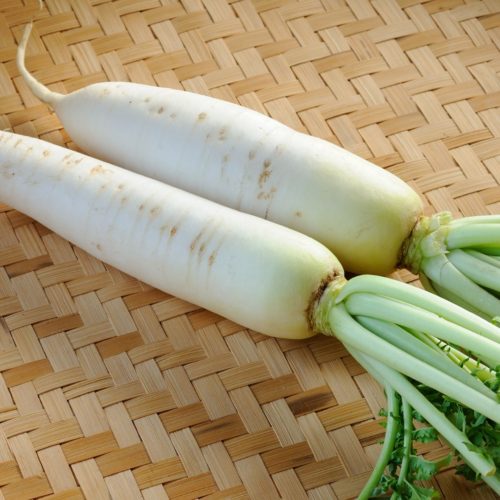
Substituting daikon root for ramen in this recipe is a great way to add another vegetable to your daily diet. 

daikon ramen

Daikon Ramen Bowl

Substituting daikon root for ramen in this recipe is a great way to add another vegetable to your daily diet.  Popular in Japanese cuisine, daikon is a winter radish with a mild flavor that is a perfect fit for vegetarian, gluten free, and whole-30 diet plans. Using a spiralizer you can cut it into a noodle-shape that mimics ramen. 

daikon ramen

Daikon Ramen Bowl

Prep Time 20 minutes
Cook Time 1 hour 10 minutes

Equipment

  • Vegetable spiral slicer: https://amzn.to/362DLSM

Ingredients
  

  • 4” Daikon radish root
  • 2 medium white onions, sliced lengthwise into strips
  • 3 tablespoons organic extra virgin olive oil
  • 3 tablespoons dry white wine
  • Sea salt and pepper, to taste
  • 8 ounces baby Portobello mushrooms, cleaned and cut into thin slices
  • 1 quart vegetable stock
  • ¼ cup pesto
  • Garnish:

    3 green onions, green parts only, finely sliced

    ½ cup carrot, peeled and shredded

    1 cup bok choy, sliced into ribbons

    1 cup bean sprouts

    Sesame seeds

Instructions
 

  • Peel Daikon root and using the smallest blade, spiralize into long, thin, ramen-like strands
  • Trim strands to be 10-12 inches long, placing on a clean kitchen towel to absorb excess moisture
  • In a pan set to medium heat add olive oil and onions, cooking until the onions soften and start to turn golden
  • Add wine, and deglaze to get all the brown bits off the bottom of the pan
  • Add mushrooms to the pan, with extra olive oil if needed, and sauté until tender, 5 minutes
  • Add vegetable stock and pesto, simmer until heated through, 10 minutes
  • Add the Daikon “ramen noodles” and season with salt and black pepper, to taste
  • Cook another 4-5 minutes, or until Daikon are crisp tender -- do not overcook
  • Remove from heat and serve in a bowl
  • Allow each person to top with their preferred garnish serve immediately
    Enjoy!

15 bean soup

15 Bean Soup

A New England favorite, this soup reminds me of home. And of my childhood. Warm, filling, and so flavorful, it’s even better the second day after the flavors have had time to come together.

15 bean soup

15 Bean Soup

Prep Time 20 minutes
Cook Time 1 hour 30 minutes

Ingredients
  

  • 2 tablespoons organic extra virgin olive oil
  • 2 pounds uncured bacon, diced
  • 2 large stalks celery, chopped 
  • 1 large carrot, chopped 
  • 1 medium yellow onion, chopped 
  • 3-4 cloves garlic, minced
  • Sea salt and black pepper, to taste
  • 2 whole bay leaves
  • 1 14-ounce bag (dried) multi-bean blend, picked over and rinsed
  • 6 cups bone broth

    https://theingredientguru.com/healing-powers-bone-broth/

  • 1½ teaspoons dried thyme
  • 1½ teaspoons dried parsley
  • 1½ teaspoons dried oregano

Instructions
 

  • Soak beans overnight (or use the quick soak method)
  • Add bacon to a 6 quart dutch oven at medium-high heat.
    Cook, stirring frequently, until bacon is crisp, 3-4 minutes
  • Transfer bacon to paper towel lined plate and blot to remove excess grease.
    Drain bacon grease from the dutch oven
  • Add olive oil, celery, carrot, onion, and garlic to the Dutch oven, seasoning with salt and black pepper, to taste.
    Cook, stirring occasionally, until the vegetables soften and onions begin to turn golden, 4-5 minutes
  • Add soaked, drained beans, bacon, bone broth, bay leaves, and dried herbs to the pot.
    Increase heat to medium-high, bring to a boil, then reduce heat to just below medium for one hour or until beans are tender, but not overcooked
    Serve immediately. Enjoy!

red lentil soup

Chorizo & Red Lentil Soup

For a little spice and some cross-cultural flavor this soup has it all.  The red lentils are a great base for the richness of the chorizo sausage. Topping this with fresh basil gives the whole dish a flavor profile that will make your taste buds sing.

red lentil soup

Chorizo & Red Lentil Soup

Prep Time 15 minutes
Cook Time 45 minutes

Ingredients
  

  • 1 pound organic chorizo sausage, diced
  • 1 tablespoon organic extra virgin olive oil.
  • 1 large carrot, chopped small
  • 1 large stalk celery, chopped small
  • 1 medium yellow onion, chopped small
  • Sea salt and black pepper, to taste
  • 6 cups bone broth  https://theingredientguru.com/healing-powers-bone-broth/
  • 2 cups  red lentils, picked over and rinsed
  • 1 15-ounce can diced tomatoes, keep liquid
  • 1 teaspoon dried oregano
  • 1 teaspoon garlic powder
  • 1 teaspoon dried thyme
  • 2 whole bay leaves
  • ¼ cup fresh basil, chopped

Instructions
 

  • In a large skillet over medium-high heat, brown chorizo approximately 4-5 minutes. Remove from heat and set aside
  • Add olive oil to the skillet, once warm add the carrot, celery, onion and season with salt and black pepper, to taste
  • Cook, stirring occasionally, until vegetables soften and onion is slightly golden, 4-5 minutes
  • Add sausage back to the skillet as well as bone broth, lentils, tomatoes and their liquid, plus the seasonings, stir to mix well
  • Increase heat to medium-high, bring to a boil, then reduce heat to medium-low
  • Cover with lid tilted to allow some steam to release and simmer for 20-25 minutes, until the lentils are tender
  • Remove from heat, discard the bay leaves, stir in fresh basil and serve immediately
    Enjoy!

Chicken & Wild Rice Soup

Instant Pot Chicken & Wild Rice Soup

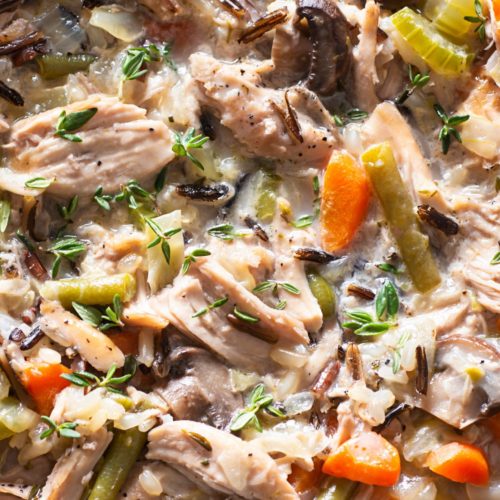
I love using my instant pot to make soup. You get all of the flavor of a soup that’s been cooking on the stove half the day, except it’s been done in a fraction of the time.  Using wild rice, instead of white, elevates this wonderful chicken soup.  The addition of portobello mushrooms gives it that umami flavor.  This is sure to be a new family favorite.

Chicken & Wild Rice Soup

Instant Pot Chicken & Wild Rice Soup

Cook Time 30 minutes
Natural release 10 minutes

Ingredients
  

  • 1 tablespoon organic extra virgin olive oil
  • 2 large stalks celery, diced small
  • 1 large carrot, diced small
  • 1 small yellow onion, diced small
  • Sea salt and black pepper, to taste
  • 4 ounces baby Portobello mushrooms, cleaned and sliced
  • 1 teaspoon dried thyme
  • 1 cup wild rice, rinsed
  • 1 pounds organic boneless, skinless chicken breasts
  • 2 whole bay leaves
  • 6 cups bone broth  https://theingredientguru.com/healing-powers-bone-broth/
  • ¼ cup fresh parsley, chopped

Instructions
 

  • Add olive oil to Instant Pot and select Sauté function
  • Set to medium, once it is hot, add the celery, carrots, and onion
  • Season with salt and black pepper, to taste, and cook, stirring continually, until the veggies start to soften, about 3 minutes.
  • Add mushrooms and dried thyme, stir to combine
  • Continue cooking, stirring occasionally another 3-4 minutes
  • Turn off pot
  • Add wild rice, chicken breast, bay leaves, and broth to Instant Pot
  • Place the lid and set the pressure valve to “sealing”
  • Select the “Manual” cooking option on the high setting and set cook time to 30 minutes - for slightly firmer rice choose 28 minutes
  • When cooking time is finished, do a natural release for 10 minutes followed by a quick release for the remaining pressure
  • Turn the unit off, remove the lid carefully
  • Transfer chicken breast to a plate, shred using two forks
  • Return shredded chicken to the Instant Pot and add the fresh parsley, stir to combine before serving
    Enjoy!

Potato Bacon Soup  

On a cold winter day, there is surely nothing more comforting than this rich and satisfying potato bacon soup. Oh heck, it doesn’t even have to be a cold day.  Reminiscent of potato skins this is comfort food in a bowl. Just be sure to get the best quality bacon you can. I’m talking free-range, no-sugar-added, uncured bacon from pigs that are allowed to forage.  It’s better for the pigs, and ultimately better for you.  

Using bone broth as the base makes this a nutrient-dense, even more delicious soup.  And when served with a hearty veggie-full salad this makes a filling and delicious meal.

Potato Bacon Soup

Prep Time 15 minutes

Ingredients
  

  • 8 ounces uncured bacon, diced
  • ½ small red onion, diced
  • 2 large celery stalks, diced
  • 2 large carrots, diced
  • 4 cups bone broth 
  • 1½ pounds organic boneless, skinless chicken thighs, trim and dice large
  • 1 tablespoon fresh rosemary, minced
  • 2 tablespoons fresh thyme 
  • 2 bay leaves
  • 1 pound red potatoes, diced large
  • Sea salt and black pepper, to taste
  • 2 cups kale, de-stemmed and cut into ribbons
  • 8 ounces organic cream cheese, cut into pieces (this helps it melt faster) (optional)

Instructions
 

  • Add bacon to a large stock pot at medium-high heat
  • Cook, stirring frequently, until bacon is crisp, 3-4 minutes
  • Transfer bacon to paper towel lined plate and blot to remove excess grease
  • Drain all but 1 tablespoon of remaining grease from the pot
  • Add onion, celery, and carrots, and sauté until slightly wilted and onion is golden, 3-4 minutes
  • Add ½ cup of bone broth to the pan, scrape pot to loosen any brown bits from the bottom
  • Add remaining broth, chicken, seasonings, and red potatoes
  • Add salt and pepper to taste and stir to mix well
  • Turn heat to high, bringing pot to a gentle boil, then reduce heat to medium-low
  • Cover and simmer for 15-20 minutes or until chicken is fully cooked and potatoes are tender
  • Remove from heat and discard bay leaves
  • Add kale and cream cheese (if using -- it makes this creamy)
  • Stir until kale is wilted and cheese is melted,, 2-3 minutes. Enjoy! 
vitamin c

What's In Season: February Produce Guide

February is heart health month. I cannot think of anything healthier than eating those foods that are in season. When they are at the peak of ripeness they deliver the most nutrients. Exactly what your body needs.

1. Broccoli

Broccoli is a superfood native to Europe. Low in calories and packed with many micronutrients, minerals, fiber, and antioxidants, broccoli has a reputation for helping to boost immunity and promote heart health. The Institute for Functional Medicine suggests eating 2-3 cups of broccoli per day. 

Broccoli can be eaten cooked or raw. When cooking, it can be sautéed, steamed, roasted or air fried. If you plan to serve it without cooking, it's great for salads or dips.

2. Brussels Sprouts
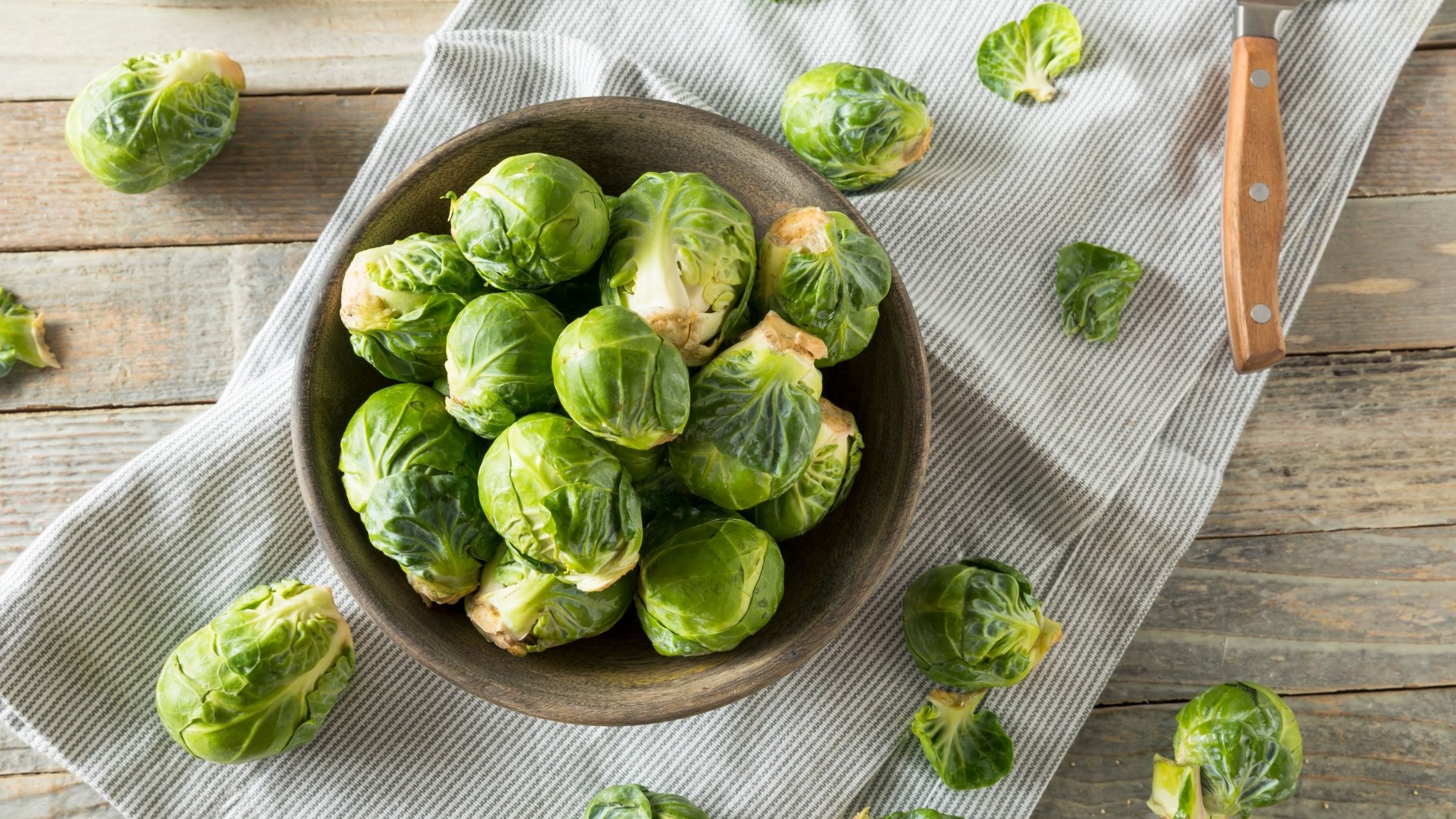
Brussels sprouts derive their name from Belgium's capital, where they were first cultivated in the 13th century. 

Just 1 cup of raw Brussels sprouts meets the National Institutes of Health's (NIH) recommended daily requirements for vitamin C and vitamin K. Not to mention that they are also rich in minerals. 

Brussel sprouts can be eaten raw (when shredded, they make a fabulous slaw!) or served stir-friedsauteed, or steamed.

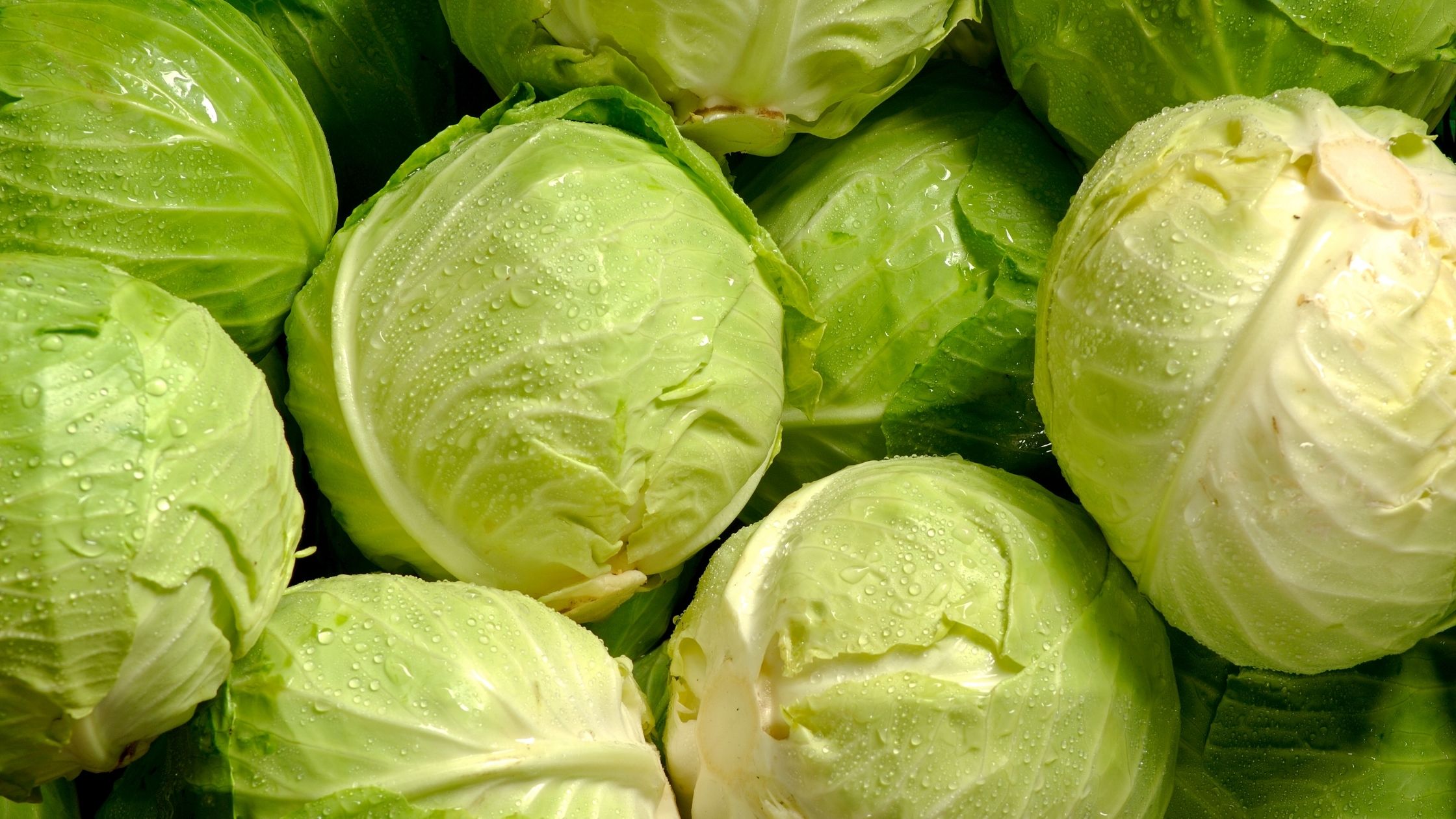
3. Cabbage

Native to the Mediterranean region, there are four different varieties of cabbage: green, red or purple, white savoy, and napa. Regardless of which variety you choose, all of them boast an outstanding nutrient profile.

Cabbage is rich in vitamin K1, providing 85% of the recommended daily intake in just 1 cup. This vitamin is crucial for blood clotting.

The humble cabbage also makes a delicious and inexpensive addition to several healthy recipes, such as casseroleslaw, and even smoothie!

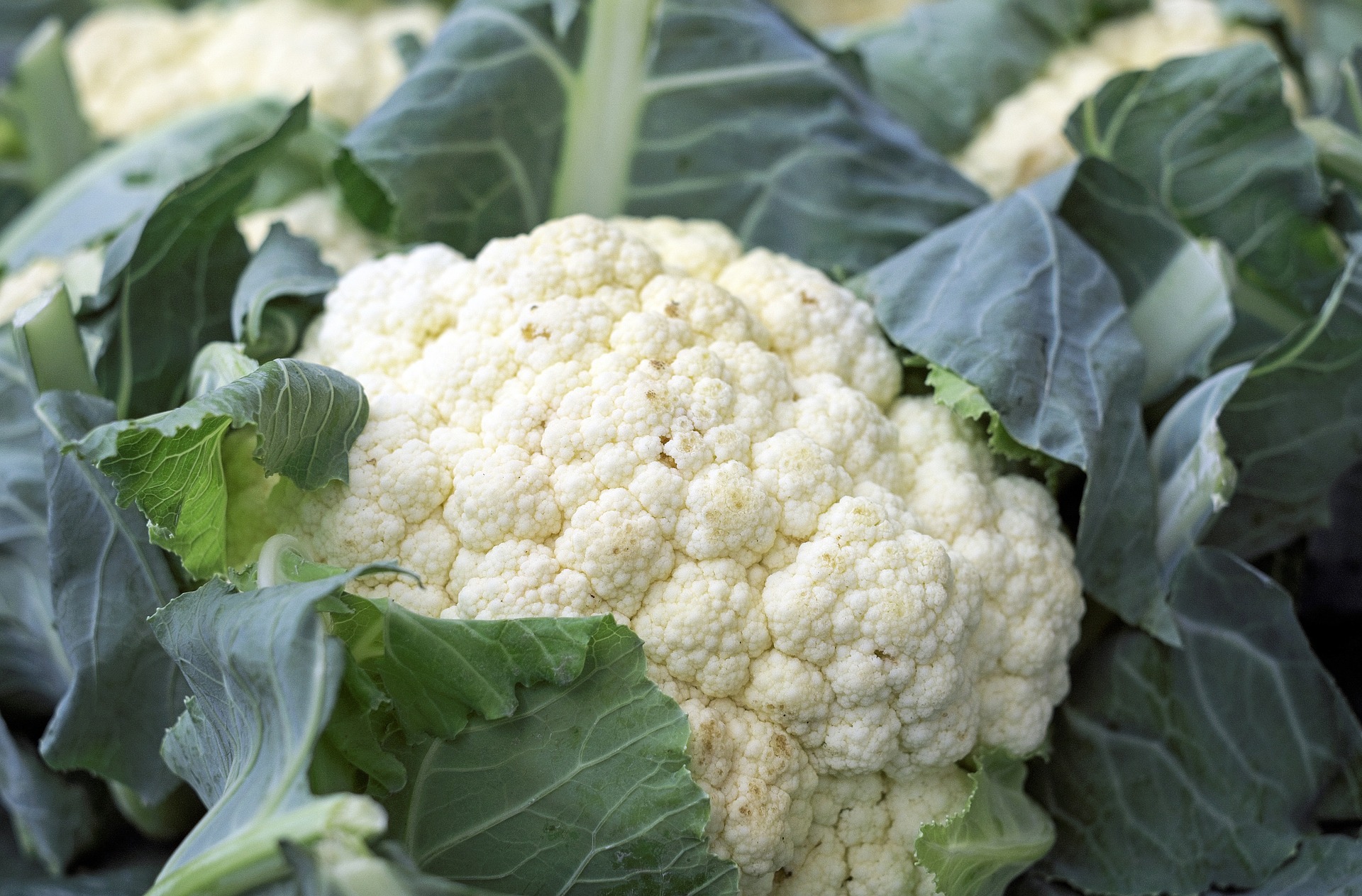
4. Cauliflowercauliflower - TheIngredientGuru.com

Not many vegetables contain choline. Cauliflower, along with broccoli, is among the sources of this nutrient that most people lack. Although the body makes some choline, we still need to consume choline-rich food to get enough. 

Consuming a sufficient amount of choline may reduce the risk of several health conditions, including cardiovascular disease, cancer, and dementia. 

Now that we're heading into colder weather, I often like to curry cauliflower for a change of taste. The flavors of curry go well with cauliflower and greens. You can also try my autumnal cauli-mash recipe with roasted, crunchy Brussel sprouts. Yum!

5. Grapefruit
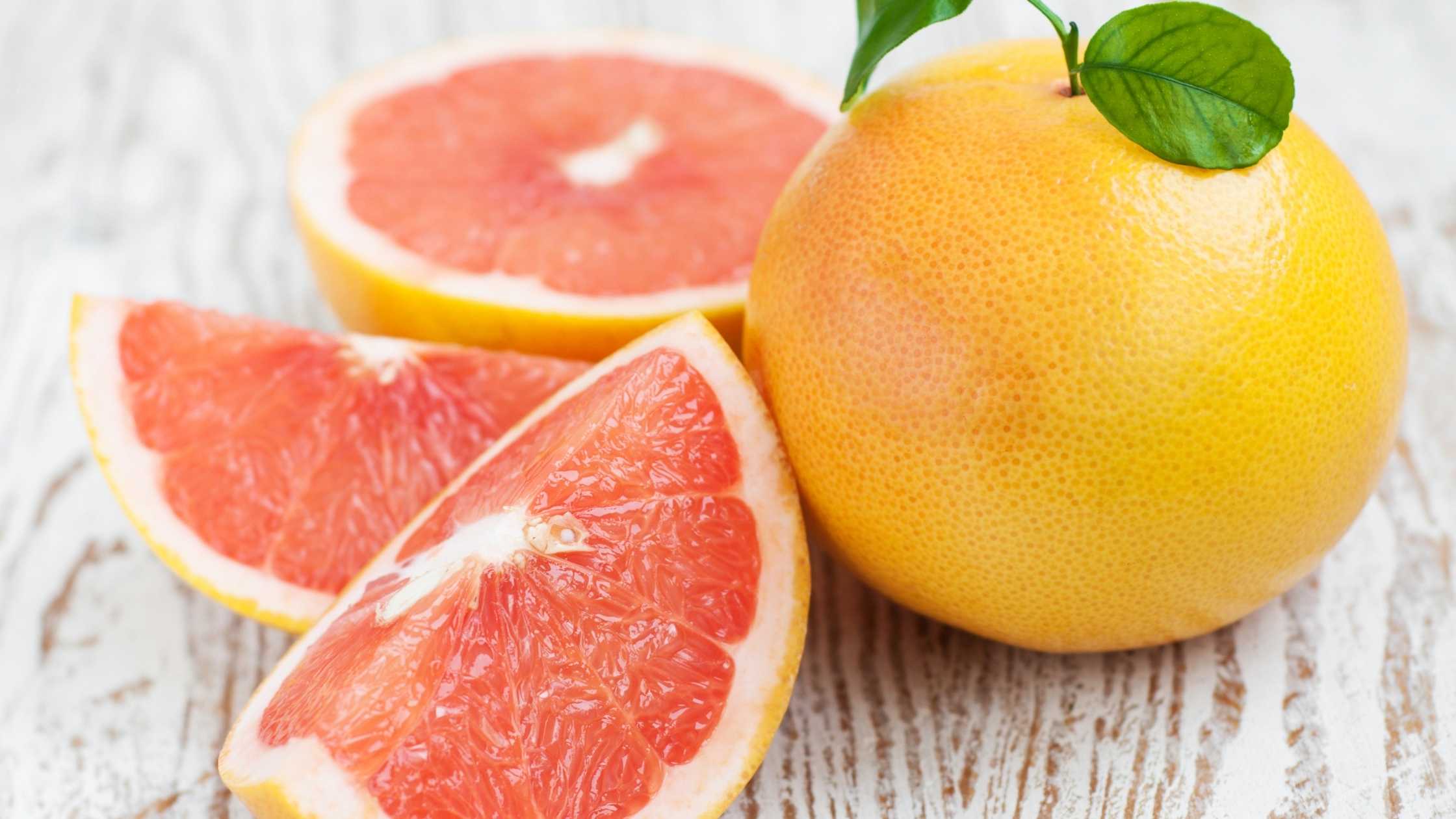
The grapefruit is a citrus fruit that originated in Barbados and became well established as home-grown American produce before spreading to other parts of the world. 

Of all the citrus fruits, grapefruits are among my favorites. They're full of vitamin C and beta-carotene, which helps protect cells from damage that often leads to heart disease or cancer. Grapefruits also have high amounts of lycopene known for their potential ability to prevent certain cancers, such as prostate.

Grapefruits are best enjoyed raw (when they're fresh and juicy!). Slice them up for salads or desserts.

6. Kale
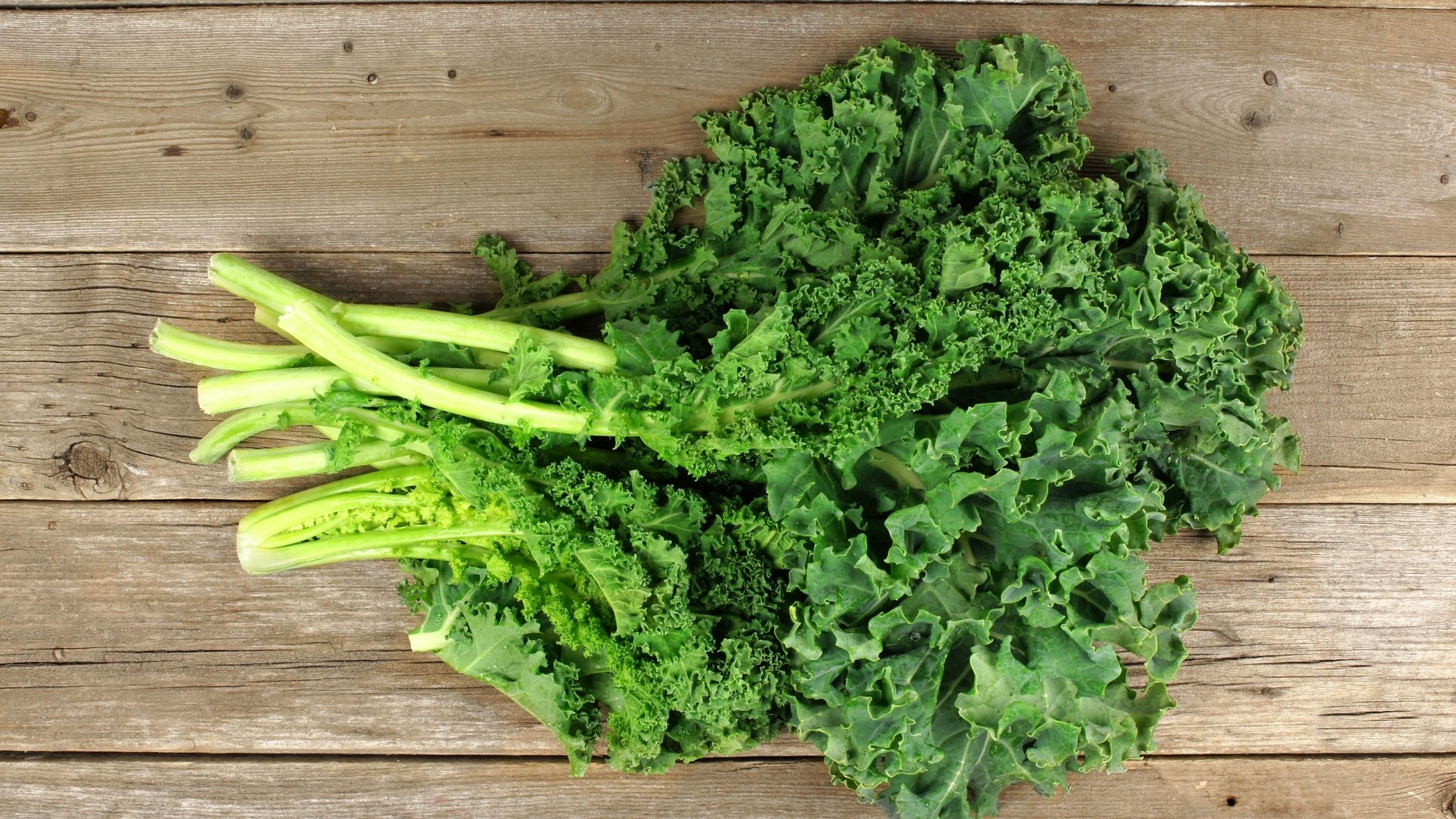
Kale was introduced to the United States by early English settlers in the 17th century and became popular in the 1830s. 

Considered one of the healthiest and most nutritious vegetables, a single cup of kale contains more vitamin C than an orange. Kale also packs a punch providing high amount of Vitamin K and important minerals, such as calcium, potassium, and magnesium. 

Steaming kale, according to a study, could increase the bile acid-binding effect that can lower cholesterol levels in the body. The best way to get the nutrition out of kale is steaming, as it is 43% as effective as cholestyramine, a drug used to treat high cholesterol caused by bile obstruction.

If you’re a big dark leafy greens eater, such as kale, it’s definitely important to make sure you’re getting the organic version of this as it is, unfortunately, number 3 on the 2021 Dirty Dozen List.

7. Leeks

Leeks are an ancient crop and are native to eastern Mediterranean lands and the Middle East. Its close relatives are onions, shallots, scallions, chives, and garlic.

Low in calories but high in nutrients, such as magnesium and vitamins A, C, and K, leeks also contain some fiber, plus copper, vitamin B6, iron, and folate. 

They're widely used in soups and stews. You can also enjoy leeks in dips, salads, and quiche.

8. Lemons
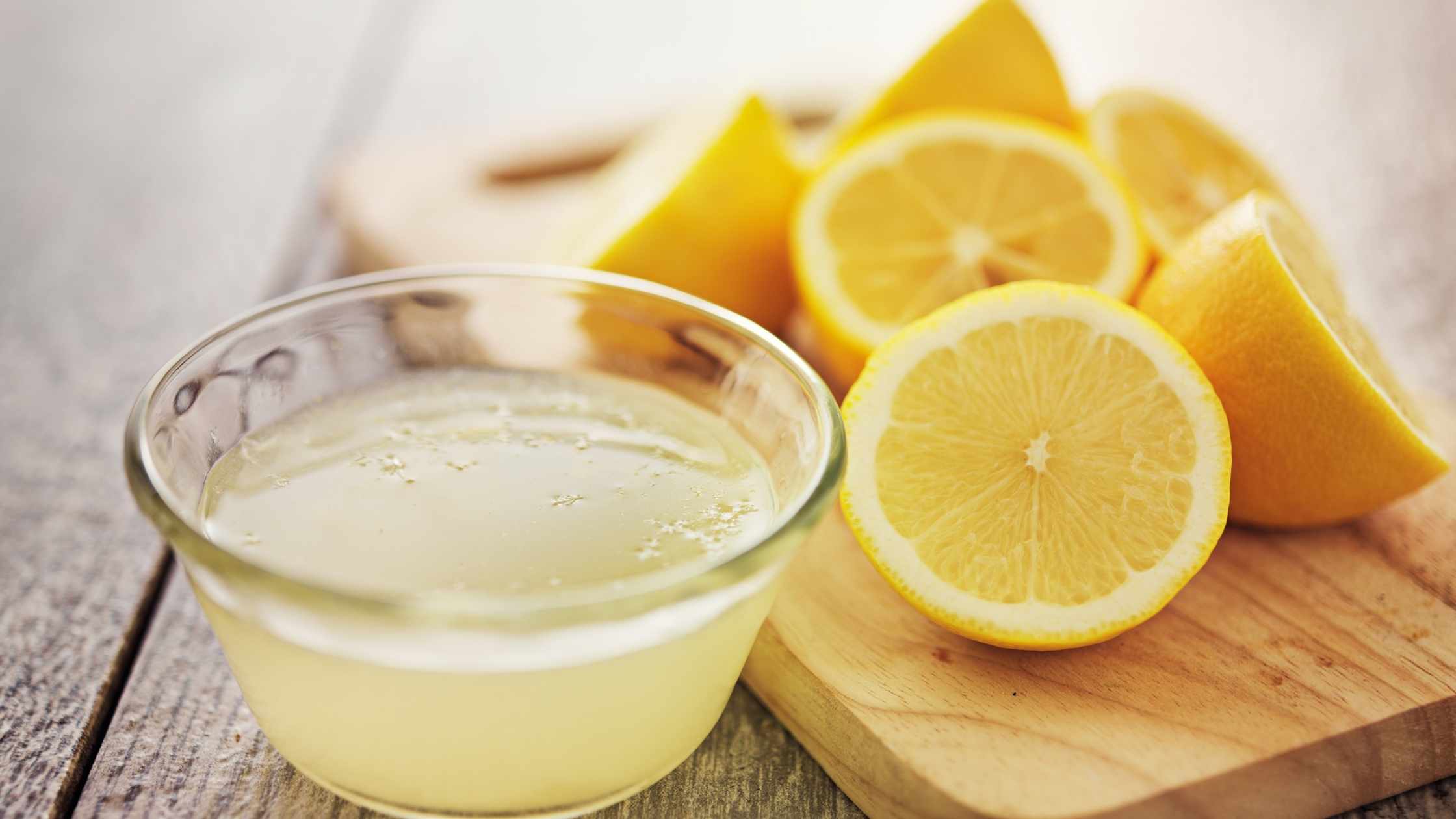
The relatively cool and climatic zones of coastal Italy and California are especially favorable for lemon cultivation. 

Lemons contain a high amount of vitamin C, soluble fiber, and other compounds that may reduce your risk of heart disease, anemia, digestive issues, and cancer.

Just note that excessive lemon juice use can affect the enamel on your teeth. So, either brush your teeth or swish clean water in your mouth after drinking lemon juice or water that contains lemon juice.

Try my Lemon Millet Muffins for a zesty dessert treat!

9. Oranges
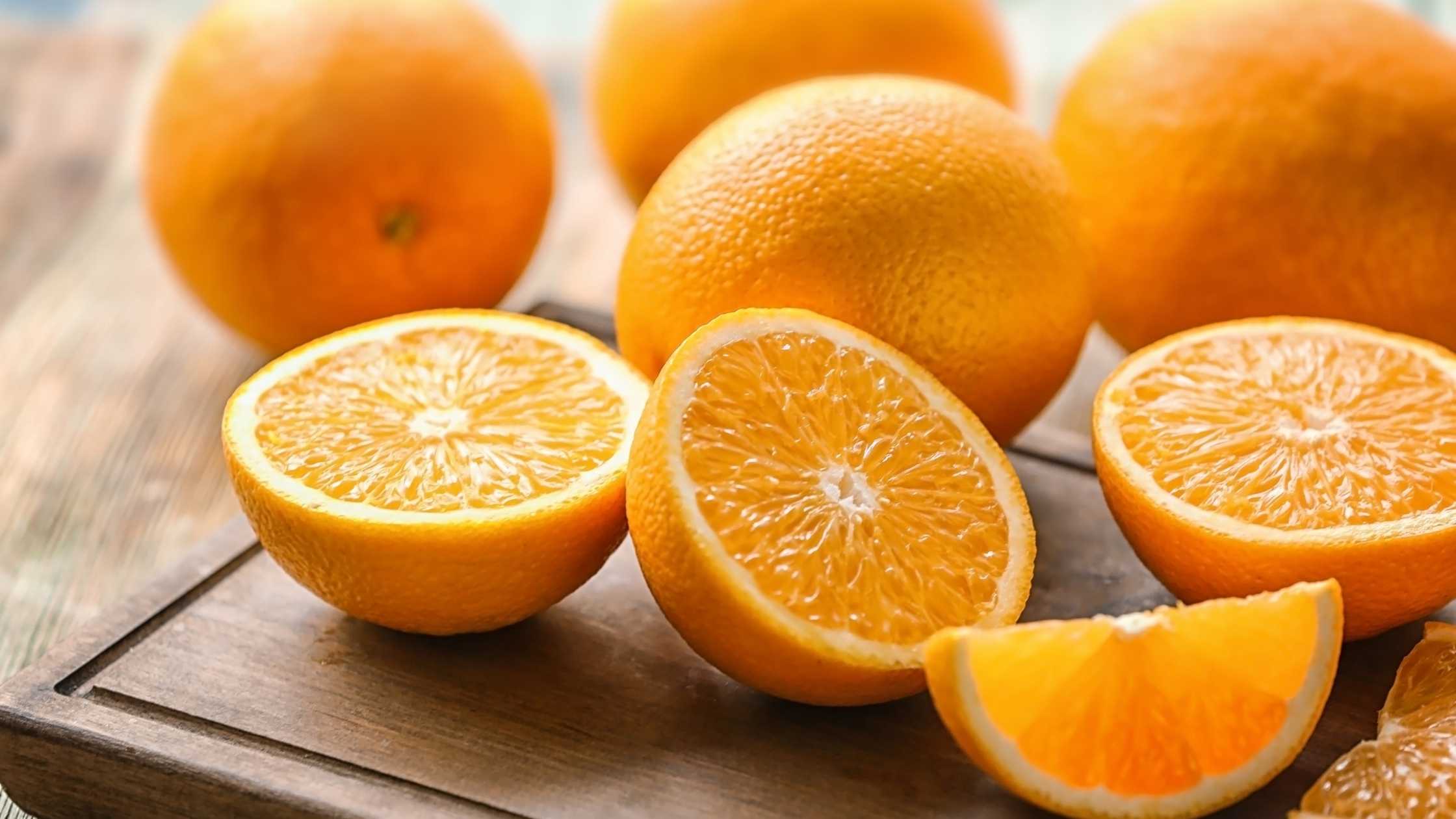
The citrus fruit oranges are believed to be native to the tropical regions of Asia. There are a number of varieties of orange; some of the most well-known are navel, blood orange, mandarin orange, tangerine, and clementine.

Whole oranges are a great way to keep your blood sugar levels steady due to their low glycemic index plus good fiber content. They are a rich source of vitamin C and other nutrients that can help fight inflammation as well as heart disease or even lower the risk of diabetes.

As The Ingredient Guru, I encourage you to avoid processed (i.e., canned) oranges, as they may contain harmful ingredients such as artificial colors, citric acid, and disease-causing high fructose corn syrup.

If you want to take advantage of oranges this holiday season, try my recipe Orange-Cranberry Bone-In Chicken Breasts. Enjoy!

10. Parsnips
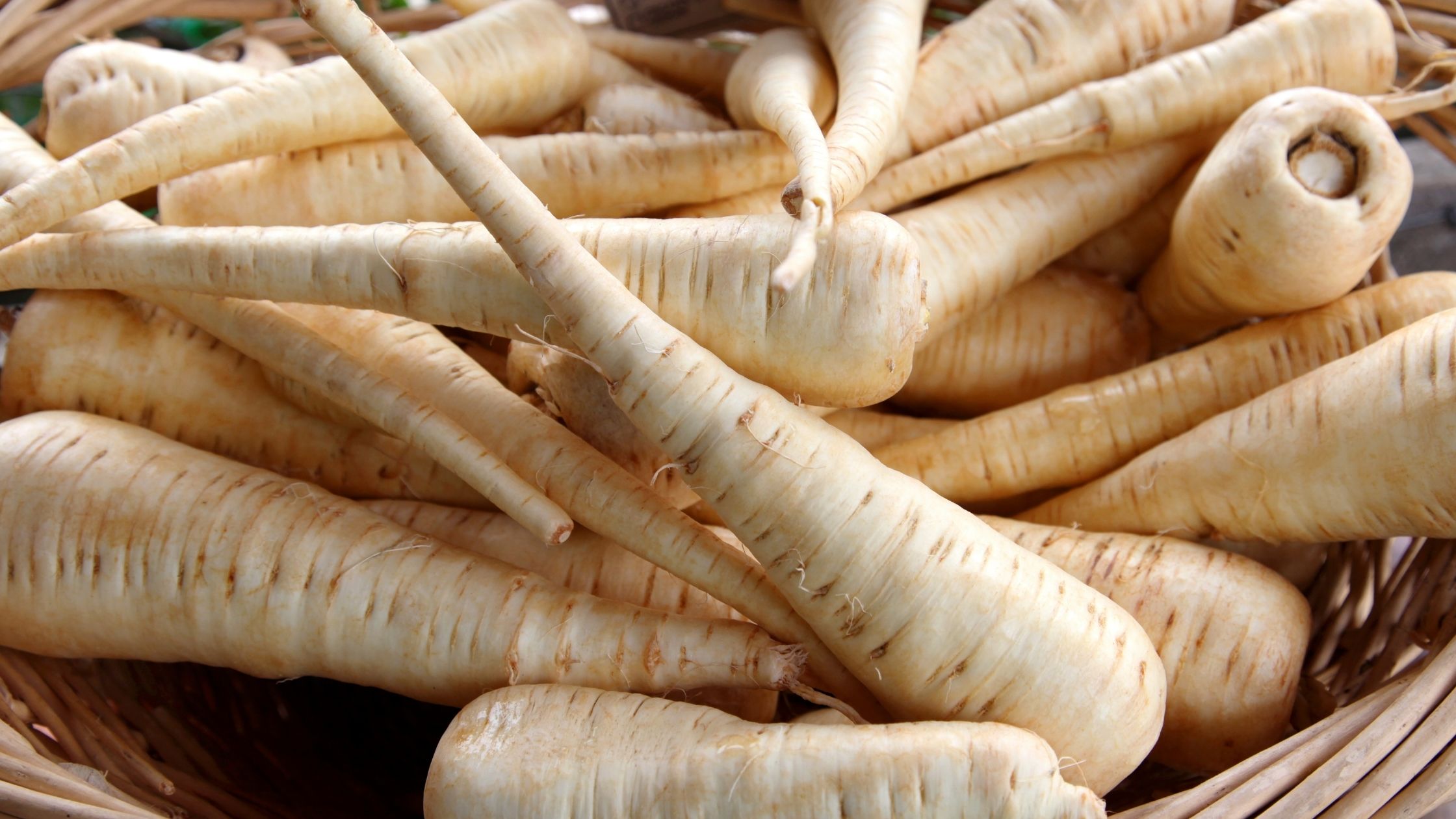
Parsnips are a tasty root vegetable related to carrots and parsley roots. They're commonly found in Great Britain and throughout Europe and Asia. Parsnips were introduced in America early in the 17th century. 

They pack a hearty dose of fiber, vitamin C, vitamin K, folate, and other important micronutrients. Parsnips are also low in calories yet high in fiber, improving digestive health, regulating blood sugar levels, and supporting heart health.

If you want to add parsnips to your diet, you can easily swap them for other root vegetables in your favorite recipes. Or make a roasted root vegetable side dish and add parsnips for a delicious flavor boost.

11. Rutabagas
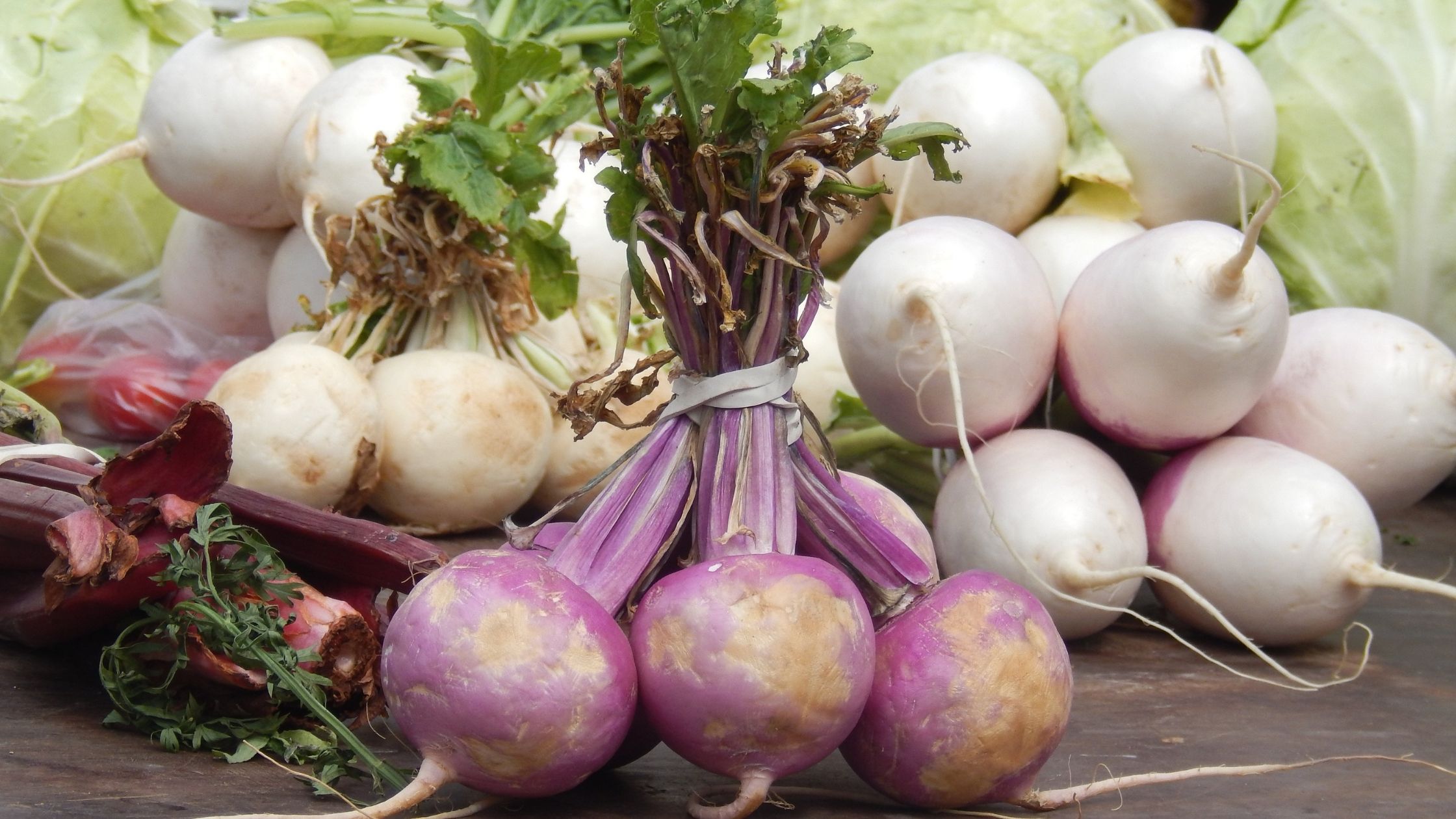
Rutabagas are thought to have been first bred in Russia or Scandinavia in the late Middle Ages. They are hearty vegetables packed with fiber, vitamins, and important minerals that you may not be getting enough of.

Among the minerals and micronutrients that rutabagas are rich in are potassium and magnesium, which play an important role in regulating cells, tissue, and organs. In a nutshell, it makes your body work right.  

Rutabaga roots can be cooked with other root veggies. While the leaves can be added to salads and soups. 

12. Tangelos
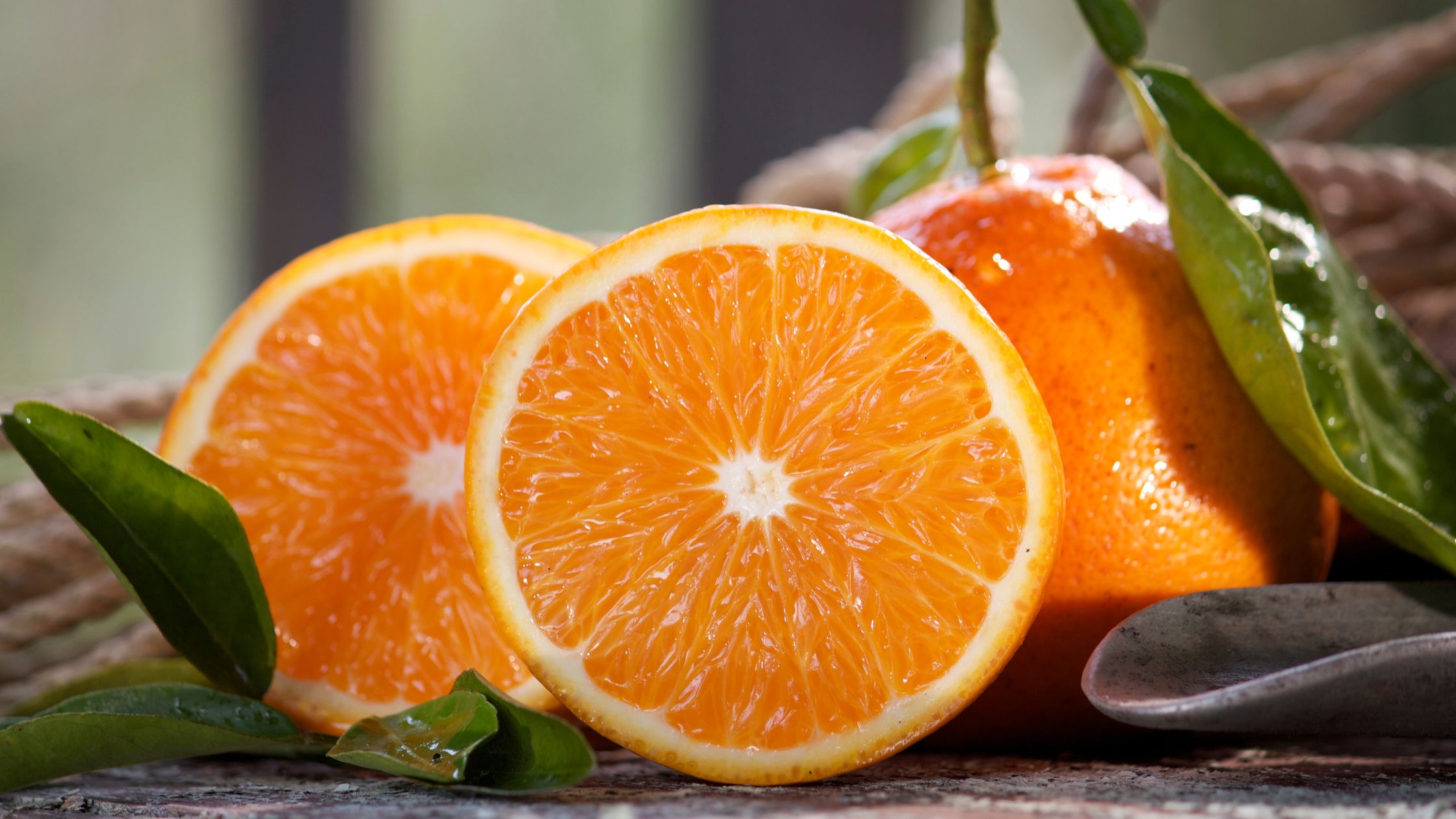
Tangelos are a hybrid between the tart taste of tangerine or mandarin oranges and grapefruit, grown primarily in the United States. The two main areas for cultivating tangelos are in Florida and California. 

Tangelos are a rich source of vitamin C and folate, which can help maintain healthy skin. Plus, they're high in fiber to keep you feeling full longer! Tangelo flavonoids have been shown to reduce oxidative stress, so it's no wonder this fruit helps improve overall health when eaten regularly. 

Tangelos are an excellent addition to any recipe. They're often found in jam, cakes, and salad but can also be enjoyed as a flavorful fruit for desserts like frosting or pie filling!

13. Turnips
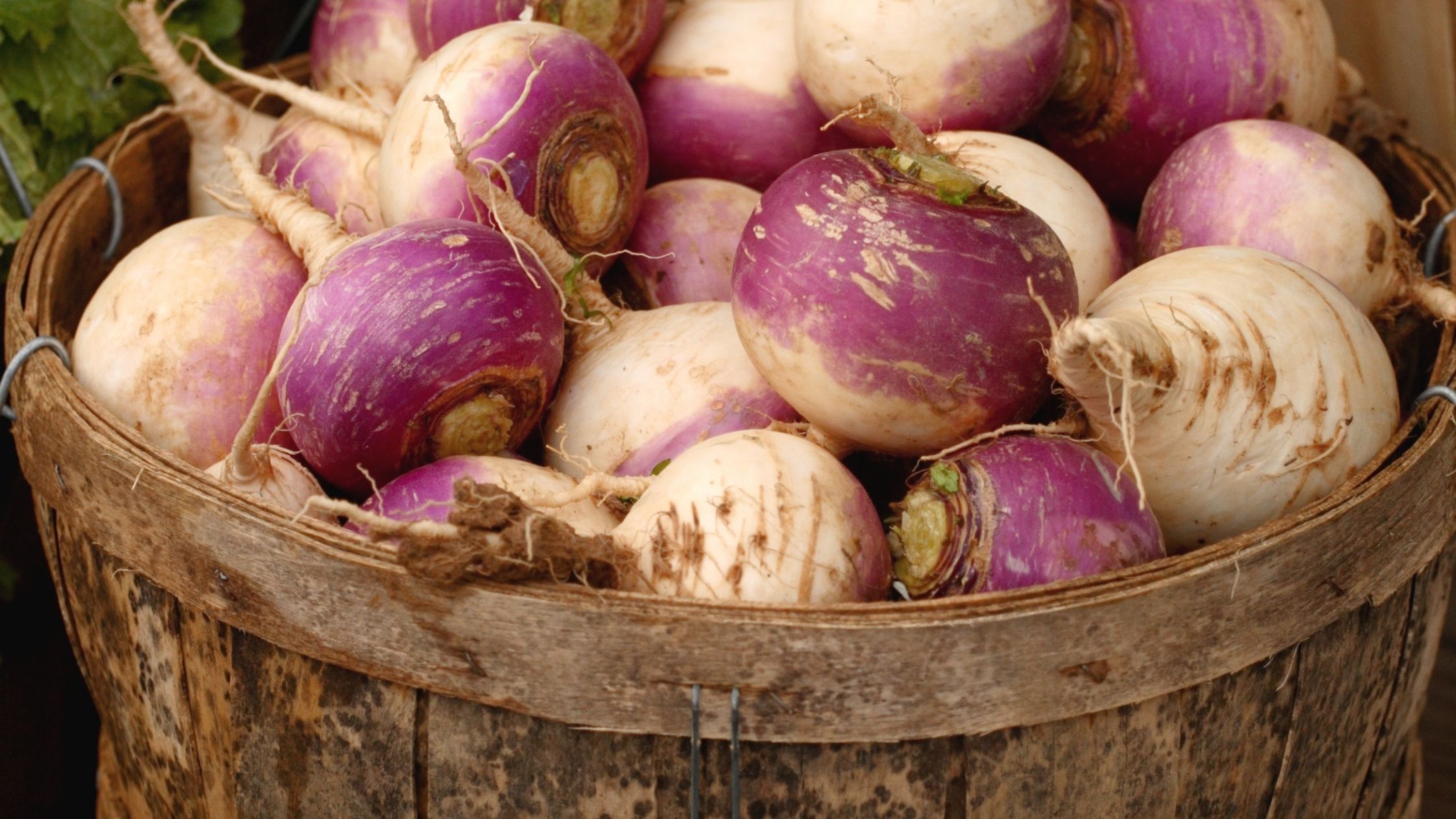
Turnips are thought to have originated in middle and eastern Asia. Both turnips and turnip leaves provide over 30% of the daily value for vitamin C. The leaves are also a rich source of folate, vitamin K, and vitamin A.

Moreover, their glucosinolate compounds may help control blood sugar levels, fight harmful bacteria, and provide anti-inflammatory and anti-cancer effects. 

Turnip roots make a great addition to salads! They can also be cooked and served whole, mashed, or used in chowder.
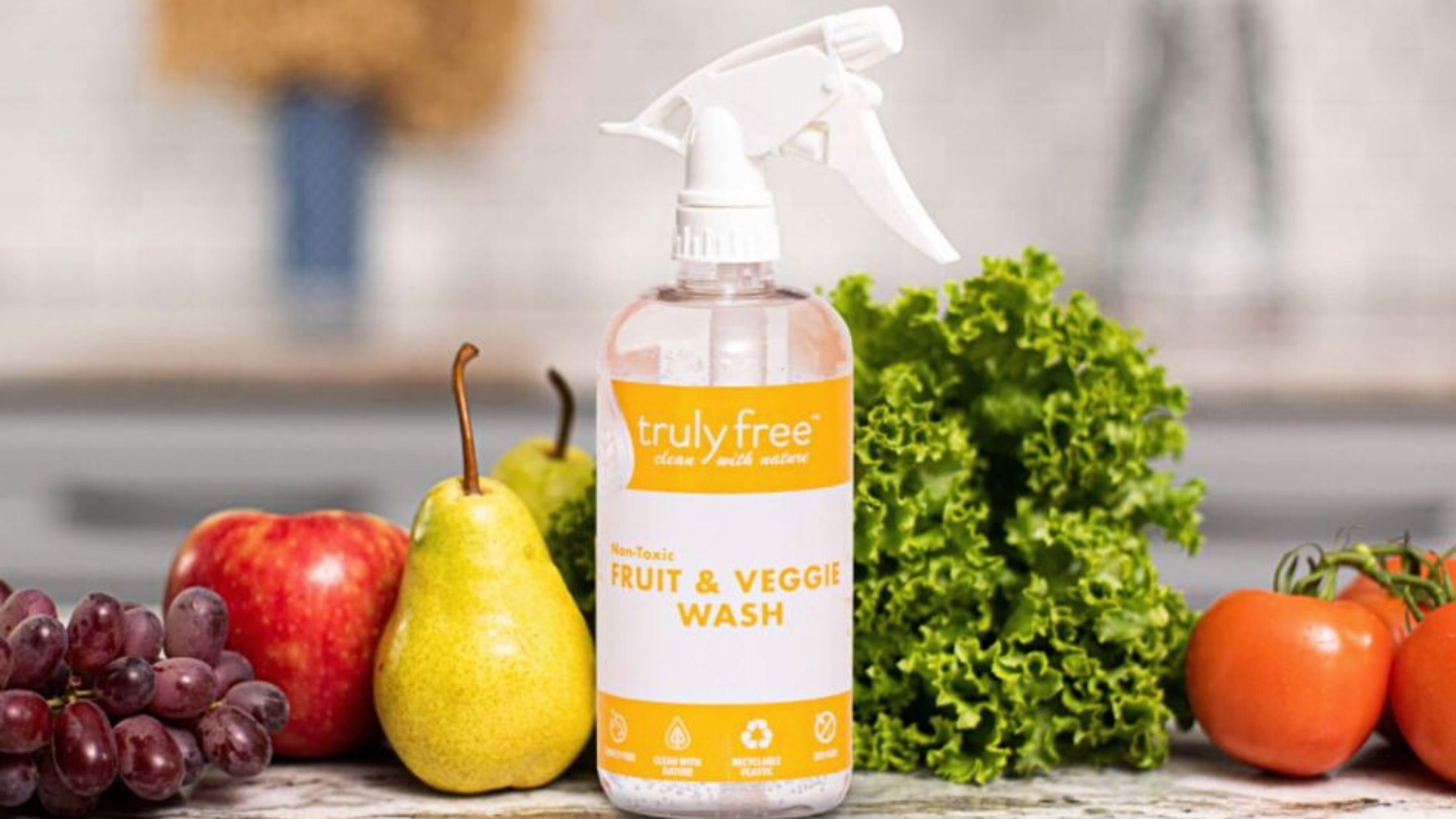

When eating fresh, in-season produce, don’t forget to wash it first. Click here to get your toxin-free fruit and veggie wash!

[expand title="Sources"] 

https://www.britannica.com/plant/broccoli

https://www.healthline.com/nutrition/foods/broccoli

https://www.medicalnewstoday.com/articles/266765

https://www.britannica.com/plant/Brussels-sprouts

https://www.healthline.com/nutrition/benefits-of-brussels-sprouts

https://www.medicalnewstoday.com/articles/284765

https://www.britannica.com/plant/Brassica-oleracea

https://www.healthline.com/nutrition/benefits-of-cabbage

https://www.medicalnewstoday.com/articles/284823#nutrition

https://www.britannica.com/plant/Citrus

https://www.healthline.com/nutrition/citrus-fruit-benefits

https://www.medicalnewstoday.com/articles/280882

https://www.britannica.com/plant/cauliflower

https://www.healthline.com/nutrition/benefits-of-cauliflower

https://www.medicalnewstoday.com/articles/282844

https://www.britannica.com/plant/kale

https://www.healthline.com/nutrition/10-proven-benefits-of-kale

https://www.medicalnewstoday.com/articles/270435

https://www.britannica.com/plant/leek

https://www.healthline.com/nutrition/leek-benefits

https://www.britannica.com/plant/turnip

https://www.healthline.com/nutrition/turnip-nutrition

https://www.medicalnewstoday.com/articles/284815

https://www.britannica.com/plant/rutabaga

https://www.healthline.com/nutrition/rutabagas [/expand]