All posts by Mira


About Mira

Mira Dessy is The Ingredient Guru. A holistic nutrition professional, author, and a popular public speaker, she knows that it's not just what you eat, but what's in what you eat. She is the author of The Pantry Principle: how to read the label and understand what’s really in their food. Dessy is a Board Certified Holistic Health Practitioner whose mission is to educate and empower consumers. She curates the Lean Clean Green Subscription box, the premier, organic, earth-friendly, healthy, sustainable subscription box which can be found online at https://theingredientguru.memberbox.com

Why Bone Health Matters

Most of us take good bone health for granted… until we have a problem. Maybe you’ve had poor results on a bone scan. Or you’ve experienced an unexpected fracture.
 
In our youth, our bones are continually growing stronger. But as we age, we can develop problems. The volume of minerals in our bones can drop, lowering our bone mineral density (BMD). And this puts us at greater risk of fracture.
 
There are two diagnosable conditions that result from bone loss: osteopenia and osteoporosis. Osteopenia occurs when bone mineral density (BMD) drops below normal. In the US, 54% of postmenopausal women have osteopenia. And osteopenia can lead to osteoporosis.
 
Osteoporosis is a serious loss of bone density that increases the risk of fracture. And it affects a staggering 10 million Americans. 
 
Women are at greatest risk of osteoporosis, especially white and Asian women in menopause. In fact, women have a greater risk of bone fracture than breast cancer, heart attack, and stroke combined. But it’s not just women. Men are affected too. They are more likely to break a bone due to osteoporosis than to get prostate cancer.
 

Symptoms of Bone Loss


In the early stages of bone loss, you likely won’t have any noticeable symptoms. That’s why your doctor will order your first bone scan at about age 65 if you are a woman and at age 70 if you are a man. If you have increased risk of bone loss, it’s a good idea to get your first scan at closer to 50.
Your bones are constantly being renewed. When you’re younger your bones are being renewed faster than they are broken down. So your bone density increases. People hit maximum bone density at about age 30. But from then on, we lose bone mass faster than it’s created.

Once bones are weakened you may start to experience:

  • Back pain — sometimes caused by fractures or collapsed vertebrae
  • Fragile bones that break easily
  • Stooped posture
  • Loss of height
Obviously, not everyone develops osteoporosis as they get older. Your risk depends on a variety of factors. If you build up good bone mass in your youth, the losses you experience as you age will make less of an impact. 

Your Diet Matters

 
There are foods that can contribute to bone health. Nourishing whole foods which add bone-building nutrients into your diet. By eating a diet rich in minerals and other supportive nutrients, you can boost your bone health at any stage in life.

These bone health heros include;

  • Calcium (and it’s NOT just about milk or dairy products)
  • Magnesium
  • Potassium
  • Vitamin D
Making simple changes in your diet can make a big difference. Click here for some delicious recipes - to add more bone health heros to your diet.
 
You can always make a difference in your health and well-being by adjusting your food and lifestyle choices. It’s never too late to improve your health by adding in the nutrient-rich foods that your body needs!
 

Recipes

 
These are a few of my favorite recipes that incorporate the bone health heros. They’re a delicious way to support your body and your bones!

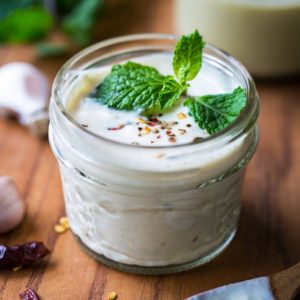
Tahini Dressing

When it comes to calcium sesame seeds are a nutritional powerhouse. This recipes is so tasty and super simple to whip together. You can have a healthy salad dressing in just minutes!

Ingredients
  

  • 1/2 cup tahini, stirred
  • 1/2 cup water
  • 1/3 cup fresh lemon juice (about 2 lemons)
  • 2 cloves garlic, minced
  • 1 teaspoon sea salt

Instructions
 

  • Blend all ingredients well
  • Serving size 1 tablespoon
  • Store in the refrigerator up to 2 weeks

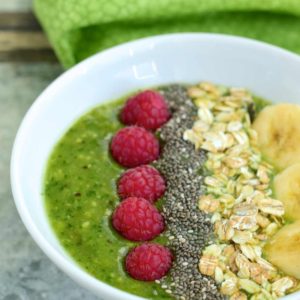
Collard Greens Smoothie Bowl

If you're looking for a delicious way to get your greens on look no further than this simple and nourishing Collard Greens Smoothie Bowl.  With the addition of green tea, you're skipping high sugar choices like juice.  By using frozen fruit and avocado, you also don't need ice to get the correct consistency.

Ingredients
  

  • ½ cup chopped collard greens, washed
  • 1-½ cups frozen raspberries
  • ½ cup green tea
  • 3/4 cup pineapple chunks
  • 1/4 cup frozen avocado chunks

Instructions
 

  • Blend all ingredients together.  If needed add a little more green tea.
  • Garnish with your choice of toppings. 
    Some of my favorites are:
    1 tablespoon shredded coconut
    1 tablespoon seeds - pumpkin, flax, chia, hemp, or sunflower
    1 peeled and sliced kiwifruit
    ½ tablespoon cacao nibs
    1 teaspoon bee pollen
  • Feel free to substitute kale or spinach for the greens. And any berry works well in this recipe.

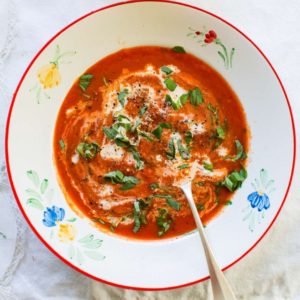
Roasted Vegetable Soup with Tomato and Fennel

And who doesn't love tomato soup? This soup tastes even better the second day, so be sure to make a lot (this recipe doubles or even triples with ease) to ensure you have leftovers.

Ingredients
  

  • 1½ lbs. Roma tomatoes, halved
  • 2 medium red bell peppers, deseeded and quartered
  • 1 large fennel bulb, thinly sliced
  • 2 large carrots, cut in half lengthwise
  • 2 medium shallots, outer skin removed and halved
  • 4 cloves garlic, smashed and peeled
  • 2 T. extra virgin olive oil
  • Sea salt and black pepper, to taste
  • 2 T. fresh thyme leaves
  • 4 c. organic chicken bone broth
  • ½ c. full-fat coconut milk
  • ½ c. fresh basil leaves, thinly sliced

Instructions
 

  • Preheat oven to 400°F
  • Line a large, rimmed baking sheet with parchment paper or a baking mat and set aside
  • Arrange the tomatoes, red peppers, fennel, carrots, shallots, and garlic in a single layer on the prepared baking sheet
  • Drizzle with olive oil and season with salt and black pepper, to taste
  • Toss to combine and sprinkle veggies with fresh thyme leaves
  • Place baking sheet in preheated oven and roast until vegetables are tender and lightly charred, approximately 20-25 minutes
  • Transfer the roasted veggies and any juices from the baking sheet to a large soup pot and add the bone broth
  • Cook over medium heat, stirring occasionally, until hot and and bubbly
  • Remove from heat
  • Using an immersion blender, blend contents of the soup pot until completely smooth
  • Stir in the coconut milk and fresh basil, and serve
  • Enjoy!

Notes

Safety Tip: If you don’t have a stick or immersion blender, it is possible to use a blenders to process the cooked veggies and liquid. However it is important to be sure your blender lid is vented  properly to prevent the hot liquid from exploding when you turn on the blender.


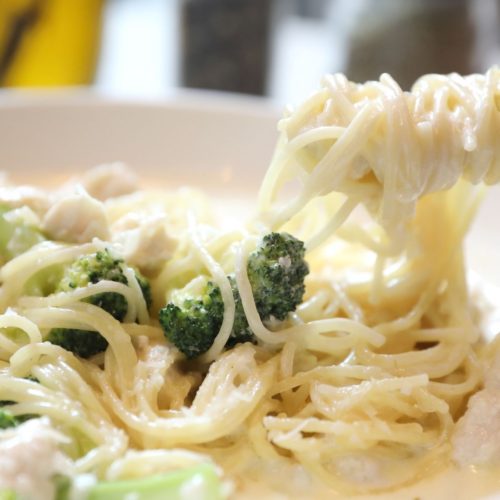
Broccoli Alfredo With Chicken

This dish is an amazing example of winter comfort food.  Alfredo sauce is one of the easiest things to put together. When you use full-fat, organic dairy it makes a dish that is deeply satisfying and packed with flavor.  This is also a great way to use up leftover roast chicken.
 
Although the recipe calls for gluten free noodles (my favorite is the Jovial brand tagliatelle) I have also made this over zucchini noodles or spaghetti squash and it’s just as delicious.  In fact I prefer the spaghetti squash because it’s a super easy way to add in an extra serving of vegetables.  
 
Classic alfredo calls for heavy cream, in this recipe I’ve substituted half and half which is higher fat than milk but not as much as full fat cream.  You’ll still have a lot of satisfying flavor but it’s not as heavy.  I’ve also added some bone broth to get just a tiny bit more nutrient density.  This recipe is a good candidate to become a family favorite during the colder winter months.
 
Note: in order to reducing the potential for curdling remove dairy products from the refrigerator 15-20 minutes before you start cooking so they will be less cold when you use them

Broccoli Alfredo with Chicken

Ingredients
  

  • 1 lb. gluten free noodles
  • 2 cups diced cooked chicken
  • 1 1/2 cups diced broccoli - florets and stems
  • 3/4 cup water
  • 1 cup butter, organic
  • 4 cloves fresh garlic, peeled and finely minced
  • 1¼ cup half and half, organic and full fat
  • ½ cup bone broth (https://theingredientguru.com/healing-powers-bone-broth/)
  • Sea salt and pepper to taste
  • 1 cup Parmesan cheese, freshly grated, organic
  • 1/2 cup fresh parsley, minced

Instructions
 

  • Place a steamer basket in a medium pan, add water and broccoli
    Bring to a boil, reduce to low and cover
    Simmer until broccoli is tender, about 7-8 minutes
    Remove steamer basket from pot (to prevent broccoli continuing to cook) and set aside
  • While broccoli is steaming start a pot of water for the pasta and cook according to directions.
    If using noodles or cooked spaghetti squash, these can be quickly heated in a pan with a little olive oil until warm.
  • In a saucepan add garlic and butter
    Bring heat to medium and sauté for 1-2 minutes
    Add half and half and bone broth and heat until bubbles start to form
    Reduce heat to low and cook for 12 minutesAdd parmesan, salt, and pepper
    In a large serving bowl combine chicken, broccoli, and noodles
    Add sauce and toss until mixed wel
    lTop with minced parsleyIf desired add more freshly grated parmesan on top
    Enjoy!

What's In Season: December Produce Guide

So many wonderful things to eat that are ripe and in season at this time of year. When we eat in season, and as local as possible, we are getting maximum nutrition. Foods don't have to be picked early and then stored and force ripened. They also taste better when they are at peak freshness. 

Do you have access to a farmers market where you can get these freshly grown produce?

Broccoli

Broccoli is a superfood native to Europe. Low in calories and packed with many micronutrients, minerals, fiber, and antioxidants, broccoli has a reputation for helping to boost immunity and promote heart health. The Institute for Functional Medicine suggests eating 2-3 cups of broccoli per day. 

It can be eaten cooked or raw. When cooking, it can be sautéed, steamed, roasted or air fried. If you plan to serve it without cooking, it's great for salads or dips.

Brussels Sprouts

Brussels sprouts derive their name from Belgium's capital, where they were first cultivated in the 13th century. 

Just 1 cup of raw Brussels sprouts meets the National Institutes of Health's (NIH) recommended daily requirements for vitamin C and vitamin K. Not to mention that they are also rich in minerals. 

They can be eaten raw (when shredded, they make a fabulous slaw!) or served stir-fried, sauteed, or steamed.

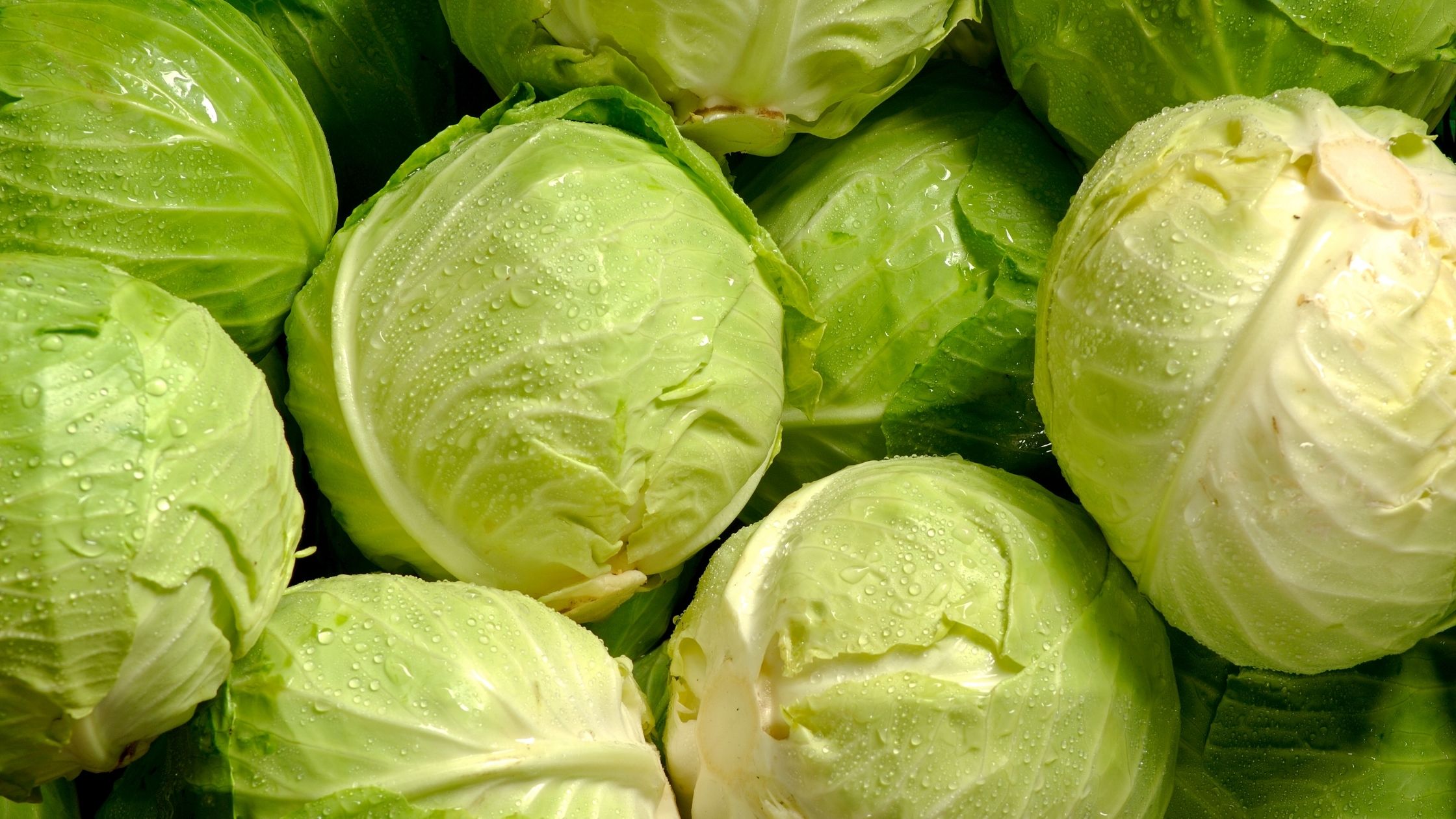
Cabbage

Native to the Mediterranean region, there are four different varieties of cabbage: green, red or purple, white savoy, and napa. Regardless of which variety you choose, all of them boast an outstanding nutrient profile.

Cabbage is rich in vitamin K1, providing 85% of the recommended daily intake in just 1 cup. This vitamin is crucial for blood clotting.

The humble cabbage also makes a delicious and inexpensive addition to several healthy recipes, such as casserole, slaw, and even smoothie!

Cauliflower 

Not many vegetables contain choline. Cauliflower, along with broccoli, is among the sources of this nutrient that most people lack. Although the body makes some choline, we still need to consume choline-rich food to get enough. 

Consuming a sufficient amount of choline may reduce the risk of several health conditions, including cardiovascular disease, cancer, and dementia. 

Now that we're heading into colder weather, I often like to curry cauliflower for a change of taste. The flavors of curry go well with cauliflower and greens. You can also try my autumnal cauli-mash recipe with roasted, crunchy Brussel sprouts. Yum!

Grapefruit

The grapefruit is a citrus fruit that originated in Barbados and became well established as home-grown American produce before spreading to other parts of the world. 

Of all the citrus fruits, grapefruits are among my favorites. They're full of vitamin C and beta-carotene, which helps protect cells from damage that often leads to heart disease or cancer. Grapefruits also have high amounts of lycopene known for their potential ability to prevent certain cancers, such as prostate.

Grapefruits are best enjoyed raw (when they're fresh and juicy!). Slice them up for salads or desserts.

Kale

Kale was introduced to the United States by early English settlers in the 17th century and became popular in the 1830s. 

Considered one of the healthiest and most nutritious vegetables, a single cup of kale contains more vitamin C than an orange. Kale also packs a punch providing high amount of Vitamin K and important minerals, such as calcium, potassium, and magnesium. 

Steaming kale, according to a study, could increase the bile acid-binding effect that can lower cholesterol levels in the body. The best way to get the nutrition out of kale is steaming, as it is 43% as effective as cholestyramine, a drug used to treat high cholesterol caused by bile obstruction.

If you’re a big dark leafy greens eater, such as kale, it’s definitely important to make sure you’re getting the organic version of this as it is, unfortunately, number 3 on the 2021 Dirty Dozen List.

Leeks

Leeks are an ancient crop and are native to eastern Mediterranean lands and the Middle East. Its close relatives are onions, shallots, scallions, chives, and garlic.

Low in calories but high in nutrients, such as magnesium and vitamins A, C, and K, leeks also contain some fiber, plus copper, vitamin B6, iron, and folate. 

They're widely used in soups and stews. You can also enjoy leeks in dips, salads, and quiche.

Mushrooms

Mushrooms have been a part of the human diet for thousands of years. The word mushroom is most often used to identify the edible sporophores. The term toadstool is often reserved for inedible or poisonous fungi.

Since it's difficult to identify the toxic ones, it's best to buy from a reliable grocery store or, if possible, from a farmer's market.

Mushrooms are low-fat and cholesterol-free food. They are also a good source of nutrients, such as essential amino acids and B vitamins.

The best way to cook mushrooms to preserve their nutritional properties is to grill them. This would help in retaining more of their goodness and nutrients than frying and boiling.

Oranges

The citrus fruit oranges are believed to be native to the tropical regions of Asia. There are a number of varieties of orange; some of the most well-known are navel, blood orange, mandarin orange, tangerine, and clementine.

Whole oranges are a great way to keep your blood sugar levels steady due to their low glycemic index plus good fiber content. They are a rich source of vitamin C and other nutrients that can help fight inflammation as well as heart disease or even lower the risk of diabetes.

As The Ingredient Guru, I encourage you to avoid processed (i.e., canned) oranges, as they may contain harmful ingredients such as artificial colors, citric acid, and disease-causing high fructose corn syrup.

If you want to take advantage of oranges this holiday season, try my recipe Orange-Cranberry Bone-In Chicken Breasts. Enjoy! 

Papaya 

Papaya is a delicious tropical fruit that has beautiful soft orange flesh. They can be found throughout Mexico and Central America, as well as in some of the warmest parts of subtropics.

It is high in vitamins C and A, as well as fiber. It also contains an enzyme called papain which can be used to tenderize meat. 

This fabulous fruit may also reduce your risk of many diseases, especially those related told age, such as heart disease and cancer. Their powerful antioxidants like lycopene can help keep skin smooth while helping fight signs of aging. 

Papayas are often served as an appetizer or snack with sugar, lime juice, and nuts for added flair!

Parsnips

Parsnips are a tasty root vegetable related to carrots and parsley roots. They're commonly found in Great Britain and throughout Europe and Asia. Parsnips were introduced in America early in the 17th century. 

They pack a hearty dose of fiber, vitamin C, vitamin K, folate, and other important micronutrients. Parsnips are also low in calories yet high in fiber, improving digestive health, regulating blood sugar levels, and supporting heart health.

If you want to add parsnips to your diet, you can easily swap them for other root vegetables in your favorite recipes. Or make a roasted root vegetable side dish and add parsnips for a delicious flavor boost.

Pears 

The common pear is a fruit that originated in Europe and has been cultivated for centuries. 

Pears are a good source of polyphenol antioxidants. They also contain other nutrients like folate, vitamin C, copper, and potassium. 

Pears are a good source of fiber, including prebiotics, which promote regular bowel movements, relieves constipation, and help with digestion. If you want to get the most fiber from a pear, eat it with the skin on.

This coming Thanksgiving, my Cinnamon Apple and Pear Sauce recipe is a delicious condiment I highly suggest for roast meats, bread, or even as part of a snack!

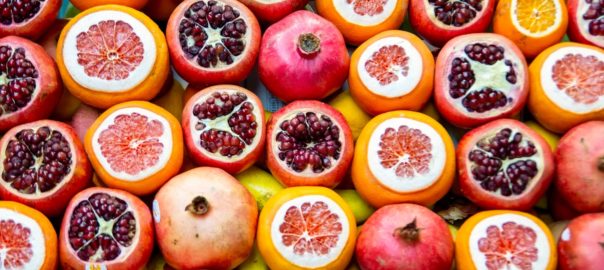
Pomegranates

Pomegranate is a fruit that is believed to have originated in Iran. It is commonly cultivated in the warmer parts of the United States to Chile.

It is high in dietary fiber, folic acid, vitamin C, and vitamin K. This makes it a nutritious fruit that anyone can enjoy.

If you want to take advantage of the many health benefits of pomegranates, either eat them directly or drink the juice. Pomegranate juice is a source of grenadine syrup used in flavorings and liquor.

Rutabagas

Rutabagas are thought to have been first bred in Russia or Scandinavia in the late Middle Ages. They are hearty vegetables packed with fiber, vitamins, and important minerals that you may not be getting enough of.

Among the minerals and micronutrients that rutabagas are rich in are potassium and magnesium, which play an important role in regulating cells, tissue, and organs. In a nutshell, it makes your body work right.  

Rutabaga roots can be cooked with other root veggies, and the leaves are perfect for salads and soups. 

Sweet Potatoes

Sweet potatoes are native to tropical America and widely cultivated in tropical and warm temperate climates.

They are healthier than regular potatoes because they have a lower glycemic index (GI) and higher levels of nutrients like beta-carotene that help protect your eyesight. They are a good source of vitamin C, potassium, and many other vitamins and minerals. 

One of the easiest ways to cook sweet potatoes is to steam them. You can also try mashing, frying, grilling, or even slow-cooking. Here are some of my favorite sweet potato recipes!

Tangelos 
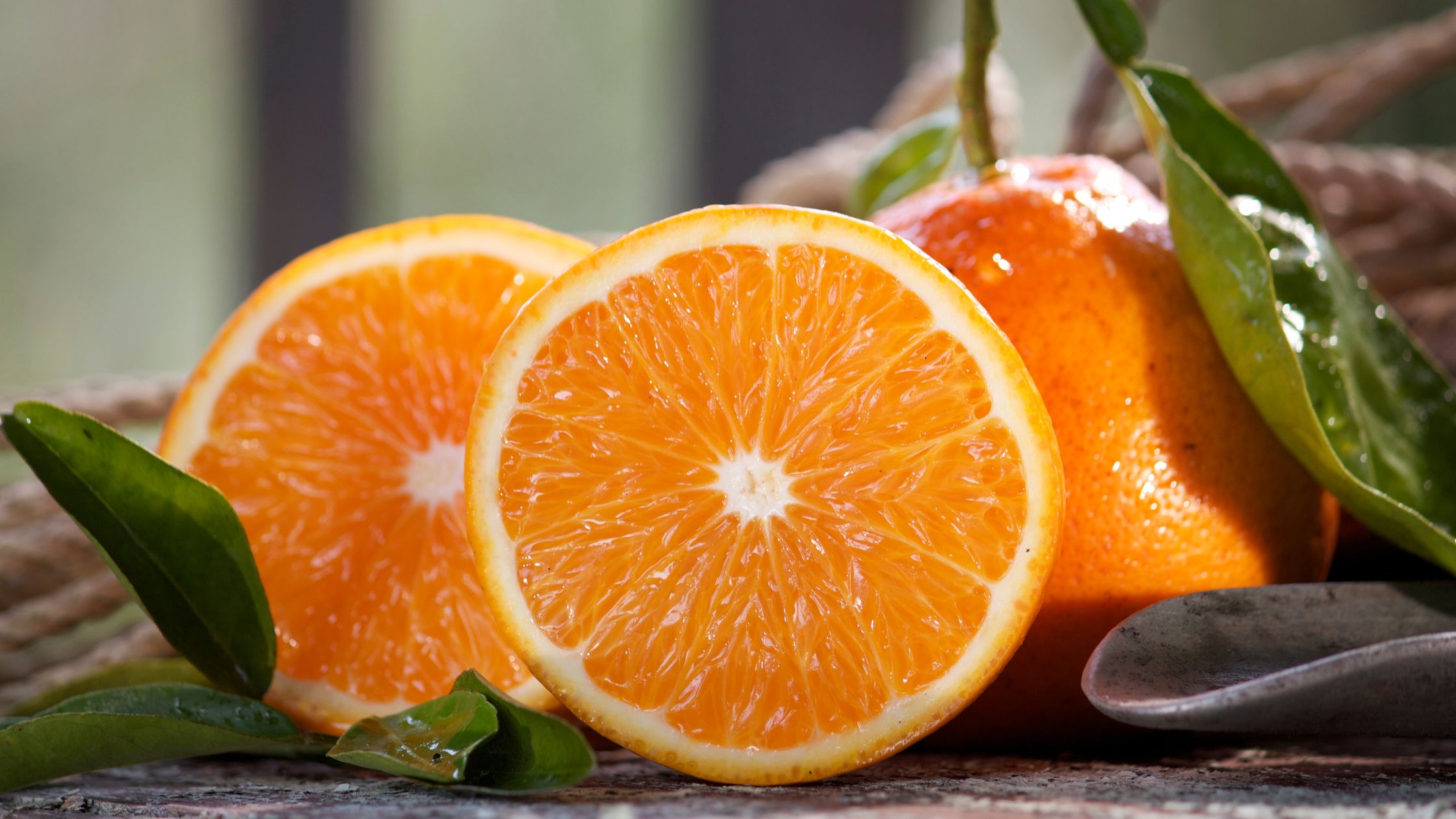
Tangelos are a hybrid between the tart taste of tangerine or mandarin oranges and grapefruit, grown primarily in the United States. The two main areas for cultivating tangelos are in Florida and California. 

They are a rich source of vitamin C and folate, which can help maintain healthy skin. Plus, they're high in fiber to keep you feeling full longer! Tangelo flavonoids have been shown to reduce oxidative stress, so it's no wonder this fruit helps improve overall health when eaten regularly. 

Tangelos are an excellent addition to any recipe. They're often found in jam, cakes, and salad but can also be enjoyed as a flavorful fruit for desserts like frosting or pie filling!

Tangerines 

Tangerines are indigenous to Southeast Asia. They are a subgroup of mandarins and the second-largest cultivated citrus fruit after oranges. They're a bit smaller and less round than oranges, but they have a sweeter taste.

The pulp of tangerines is tender and juicy, with a rich flavor that provides vitamin C and antioxidants. Plus, they're good sources of other vitamins and minerals, such as potassium and B complex vitamins. 

You can also use tangerines instead of orange in my Bone-In Chicken Breasts recipe. 

Turnips

Turnips are thought to have originated in middle and eastern Asia. Both turnips and turnip leaves provide over 30% of the daily value for vitamin C. The leaves are also a rich source of folate, vitamin K, and vitamin A.

Moreover, their glucosinolate compounds may help control blood sugar levels, fight harmful bacteria, and provide anti-inflammatory and anti-cancer effects. 

Turnip roots make a great addition to salads! They can also be cooked and served whole, mashed, or used in chowder.


When eating fresh, in-season produce, don’t forget to wash it first. Click here to get your toxin-free fruit and veggie wash!


[expand title="Sources"] 

https://www.healthline.com/health/food-nutrition/broccoli-benefits

https://www.britannica.com/plant/broccoli

https://www.britannica.com/plant/Brussels-sprouts

https://www.healthline.com/nutrition/benefits-of-brussels-sprouts

https://www.healthline.com/nutrition/benefits-of-cabbage

https://www.britannica.com/search?query=cabbage

https://www.healthline.com/nutrition/10-benefits-of-grapefruit

https://www.britannica.com/plant/grapefruit

https://www.healthline.com/nutrition/10-proven-benefits-of-kale

https://www.britannica.com/search?query=kale

https://www.healthline.com/nutrition/leek-benefits

https://www.britannica.com/search?query=leeks

https://www.britannica.com/search?query=mushroom

https://www.healthline.com/nutrition/mushrooms-good-for-diabetes

https://www.healthline.com/nutrition/are-oranges-good-for-diabetics

https://www.britannica.com/plant/orange-fruit

https://www.healthline.com/nutrition/8-proven-papaya-benefits#TOC_TITLE_HDR_10

https://www.britannica.com/plant/papaya

https://pubs.acs.org/doi/abs/10.1021/jf60227a026?journalCode=jafcau

https://www.organicfacts.net/tangelo.html

https://www.healthline.com/nutrition/tangerine-benefits

https://www.healthline.com/nutrition/rutabagas

https://www.britannica.com/plant/tangerine-fruit

https://www.healthline.com/nutrition/parsnip

https://www.healthline.com/nutrition/benefits-of-pears

https://www.healthline.com/nutrition/12-proven-benefits-of-pomegranate

https://www.healthline.com/nutrition/sweet-potato-glycemic-index

https://www.healthline.com/nutrition/turnip-nutrition

[/expand]

Are You Using Your Onions Properly?

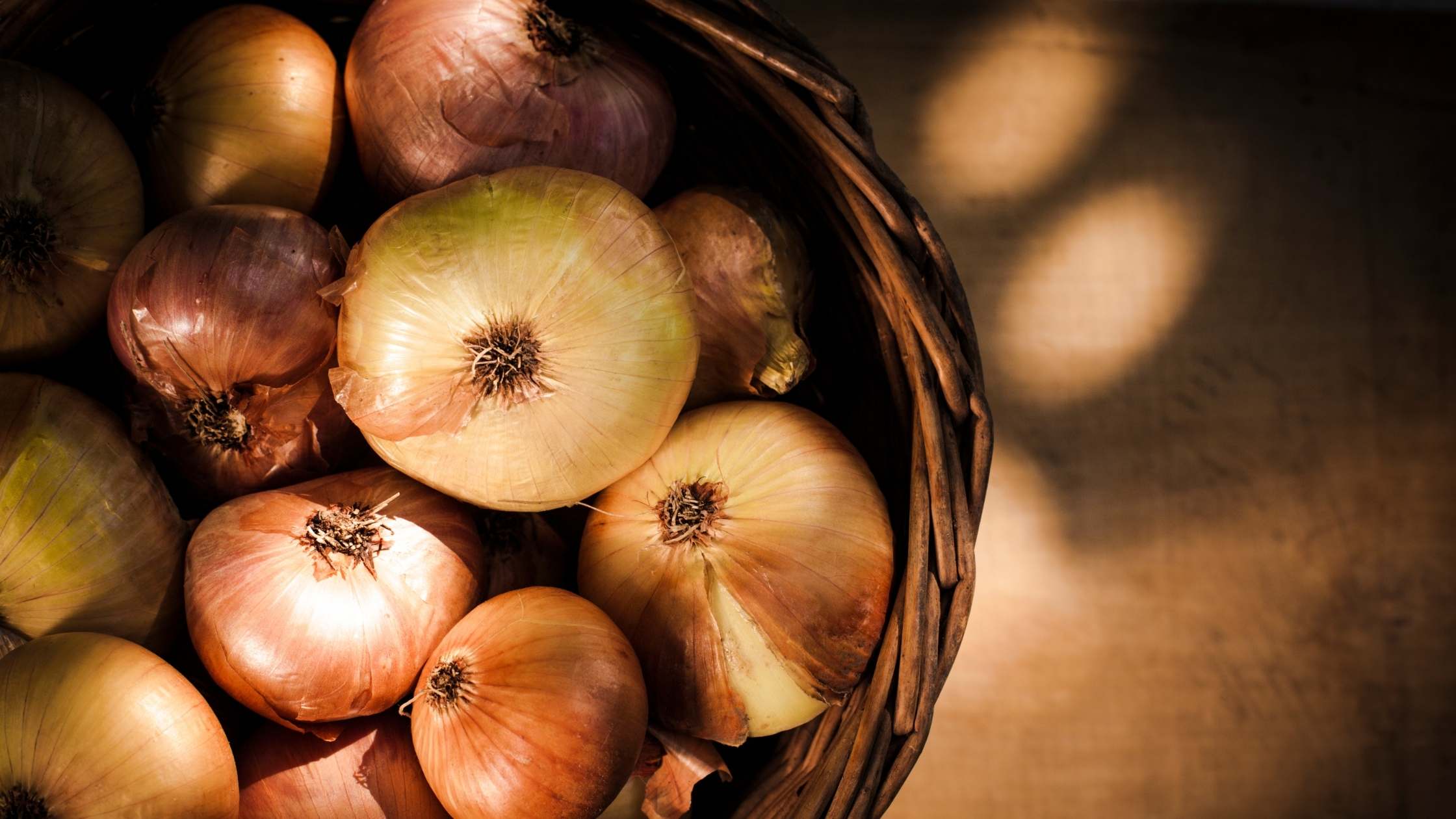
You may be overwhelmed at the grocery store sometimes wondering why there are so many different kinds of onions. If you’re like most people you probably gravitate towards yellow onions and use them for everything.

Health Benefits

Onions are part of the (italicize) allium (end-italics) genus. They’re not only delicious, they provide a wide range of nutrients including biotin, copper, vitamin B6, and vitamin C. They also provide fiber and a number of phytonutrients. All of which combine to make onions a great choice for health.

In addition to their anti-inflammatory, anti-bacterial properties, onions have also been shown to be useful for reducing cholesterol, lowering triglycerides and they can be supportive for lowering blood pressure.

Eating onions has also been shown to reduce the risk for certain kinds of cancers such as stomach and colorectal. Other studies have indicated onions have properties which can inhibit the growth of tumors.

If that weren’t enough, it turns out this nutritional powerhouse vegetable can also help support proper blood sugar levels. All of which makes this vegetable a really good choice to add to your diet. But which onion should you choose?

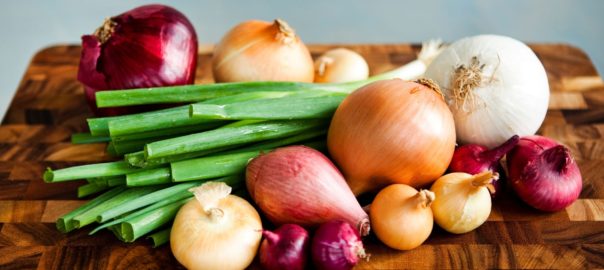
The Best Onion for the Dish

  • Sweet onions are good for frying and roasting
  • White onions have the sharpest flavor and can be very crunchy. They are a wonderful choice for making chutney or salsa. They’re also great n stir-frys
  • Yellow onions are good all-purpose onions. These are a great choice for soups, stews, sauces. They pair well with meat dishes
  • Shallots have a very mild flavor. They are lovely as a garnish, for vinaigrettes. They’re also a good choice for egg dishes or other mild flavored dishes
  • Red onions are simply delicious when eaten raw. Wonderful for pickling, in guacamole, on sandwiches, they are also delicious in salads
  • Leeks have a very mild flavor. These are good for soups, creamy sauces, or roasting with other veggies
  • Scallions are another very mild onion which are also delicious raw. They’re very good when a sprinkled on other dishes and can be a good choice in dressings
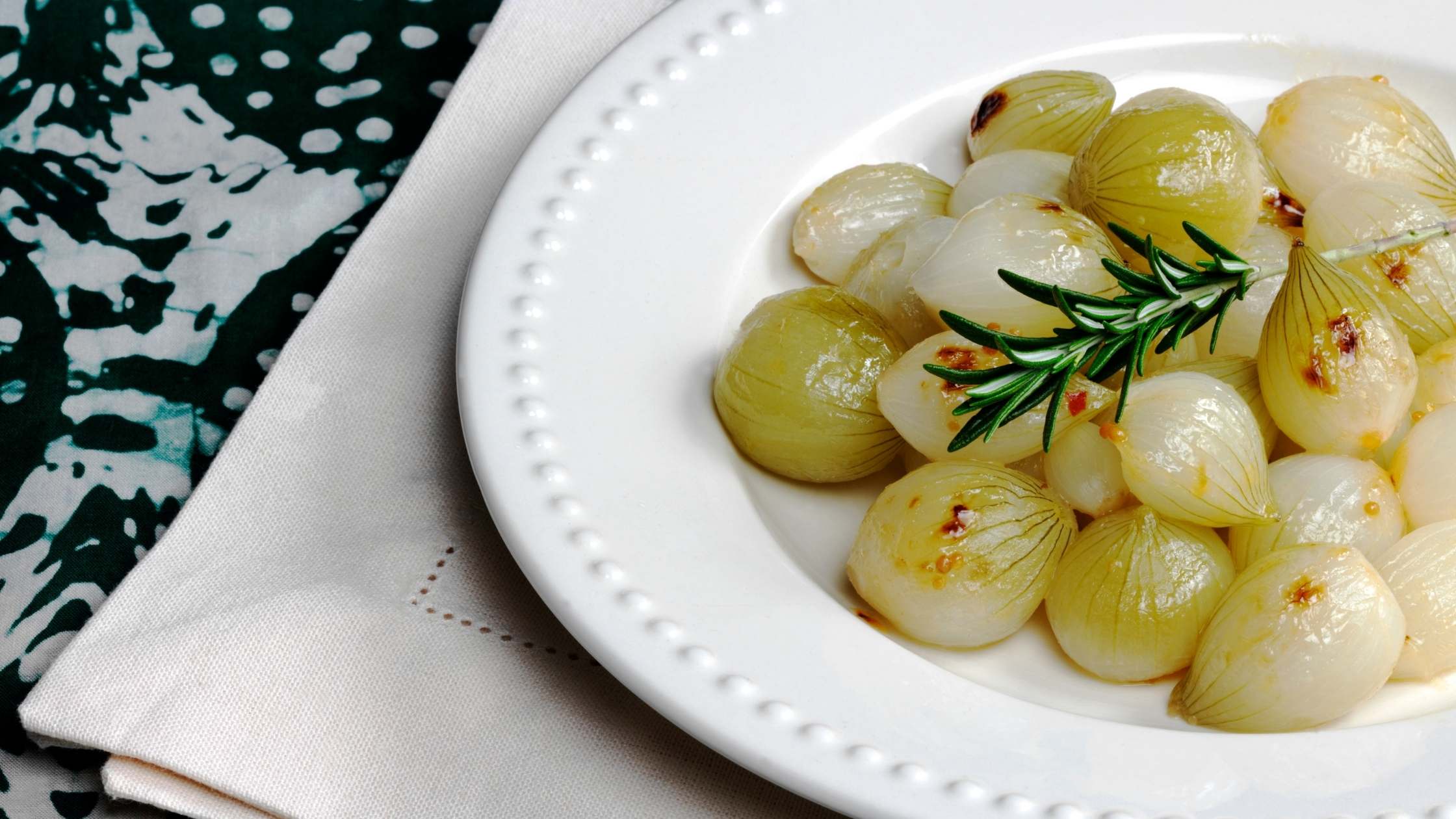
  • Pearl onions are another sweet onion which is small. Fabulous for roasting, braising, or pickling they’re a versatile onion

Storing Onions

Yellow onions are a really good all-purpose onion. But onions have a lot of personality. You can really punch up the flavor in your dishes when you choose and use different kinds of onions.

When it comes to storing them, most onions do best when stored in a cool, darker, well-ventilated space. Ideally, they should be stored either in a mesh bag or in an open container, not in plastic. This is so the air can circulate. Onions should be able to keep for approximately a month when stored this way.

Green onions such as leeks and scallions need to be stored in the refrigerator. They do best if they are wrapped so that they don’t dehydrate too quickly.

Once they have been cut all onions should be stored in the refrigerator. They’ll last for about a week.

Long-Term Storage

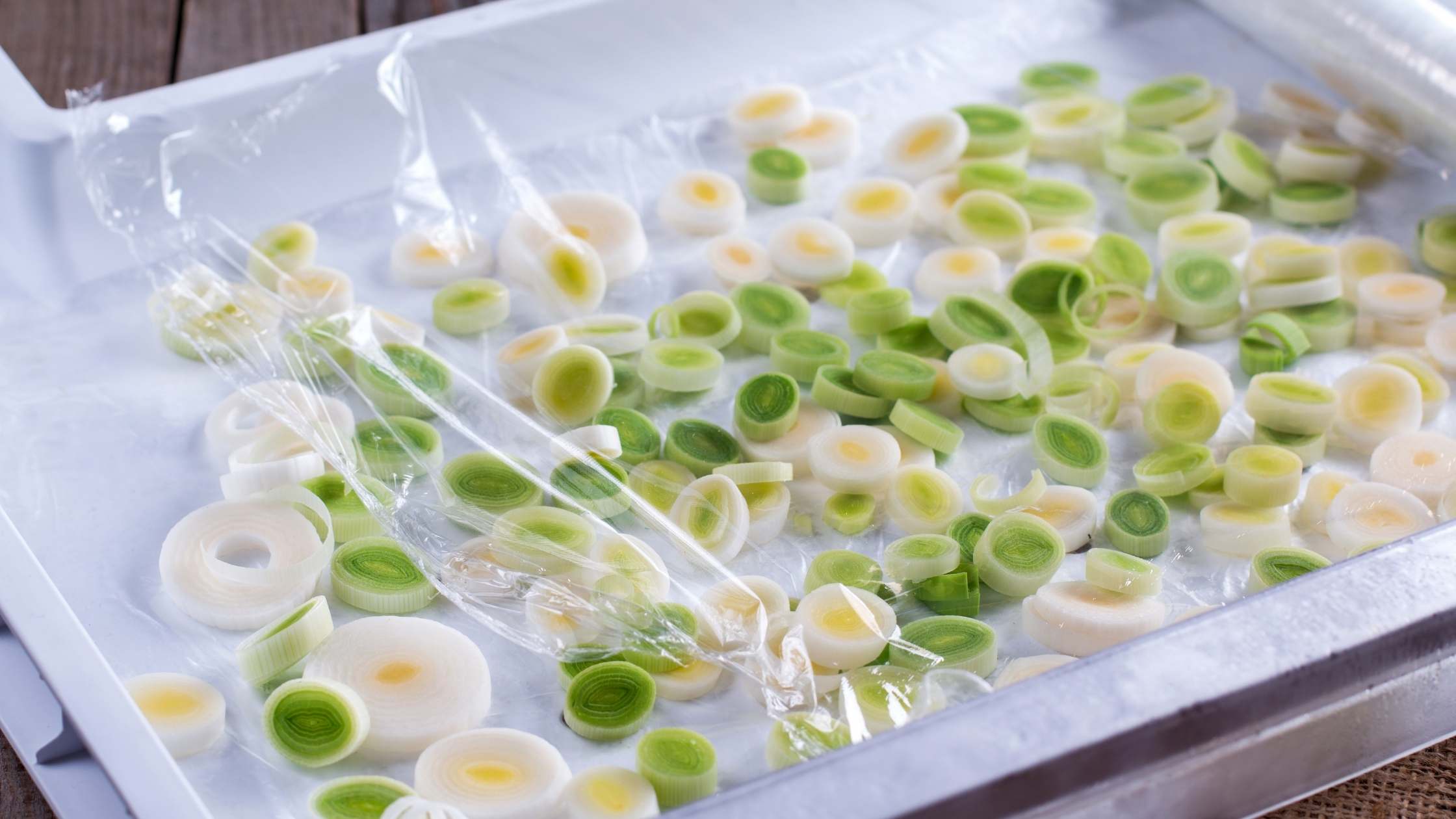
If you have an excessive amount of onions you can prepare them for long-term storage by either cooking them and then freezing, pickling, or preserving in someway, or slicing and dehydrating.

When to Avoid Onions

It kind of goes without saying, but if you are allergic to or sensitive to onions you should not eat them. If you do some food journaling and noticed that every time you eat onions (or garlic) that you have bloating, increased flatulence, or a change in bowel habits, it’s a good idea to avoid onions.

However, there are other times when you should not eat onions as well:

  • If you need to avoid FODMAP vegetables
  • When you are dealing with bacterial overgrowth in the gut
  • For anyone who needs to avoid sulfur-rich foods

No matter which onion is your favorite, be sure to use them all for variety and to take advantage of their nutritional support.

[expand title="Sources"] 

Brüll, Verena et al. Effects Of A Quercetin-Rich Onion Skin Extract On 24 H Ambulatory Blood Pressure And Endothelial Function In Overweight-To-Obese Patients With (Pre-)Hypertension: A Randomised Double-Blinded Placebo-Controlled Cross-Over Trial. 2021.

Ebrahimi-Mamaghani, Mehranghiz et al. Effects Of Raw Red Onion Consumption On Metabolic Features In Overweight Or Obese Women With Polycystic Ovary Syndrome: A Randomized Controlled Clinical Trial. 2021.

Vazquez-Prieto, Marcela Alejandra et al. Garlic And Onion Attenuates Vascular Inflammation And Oxidative Stress In Fructose-Fed Rats. 2021.

Turati, Federica et al. Allium Vegetable Intake And Gastric Cancer: A Case-Control Study And Meta-Analysis. 2021.

Turati, Federica et al. Colorectal Cancer And Adenomatous Polyps In Relation To Allium Vegetables Intake: A Meta-Analysis Of Observational Studies. 2021.

Hashemzaei, Mahmoud et al. Anticancer And Apoptosis-Inducing Effects Of Quercetin In Vitro And In Vivo. 2021.

Wang, Junjian, and Shangxiang Huang. Fisetin Inhibits The Growth And Migration In The A549 Human Lung Cancer Cell Line Via The ERK1/2 Pathway. 2021.

Eldin, Imad M. Taj et al. Preliminary Study Of The Clinical Hypoglycemic Effects Of Allium Cepa (Red Onion) In Type 1 And Type 2 Diabetic Patients. 2021.

Sharma, Kavita et al. Systematic Study On Active Compounds As Antibacterial And Antibiofilm Agent In Aging Onions. 2021.

Markowiak, Paulina, and Katarzyna Śliżewska. Effects Of Probiotics, Prebiotics, And Synbiotics On Human Health. 2021.

[/expand]
TBHQ Isn’t Good For You

In the world of food additives, the alphabet is used to abbreviate many of these man-made products. It is as if there is a whole new vocabulary developed just for them using the alphabet. So, today’s new “word” is TBHQ. This is a conglomeration of letters that frequently appears in the ingredient section of a food label.  Most consumers skip right over it because they don't understand it.  So, let me be the first person to assure you that nature does not produce food by alphabet soup.  It should be clearly understandable in words like kale, apple, celery, and eggs.

Does TBHQ look familiar?  If it doesn't that's okay, but now that I've brought it to your attention, I hope that when you read the label (and you are reading labels aren't you?) it will stand out.  And not in a good way.

What is TBHQ

TBHQ is the abbreviation for tertiary butylhydroquinone.  That's not exactly any clearer than the abbreviation. What exactly is TBHQ and why is it in the food?  It's a preservative; a fake antioxidant if you will.  TBHQ is used to stabilize oils and fats against oxidation and deterioration. Ultimately, this extends the shelf life and prevents rancidity of many products. 

It's found in a wide array of foods. In fact, according to the Environmental Working Group, it is in approximately 1,250 food products. These items can include:

  • processed fats and oils
  • frying and cooking oils used at restaurants (that would especially be those fast-food restaurants)
  • non-organic packaged foods
  • frozen non-organic fish products
  • soft drinks
  • crackers
  • cereals
  • microwave popcorn,
  • soy milk brands

And this is just a short list! 

TBHQ can also appear in pet food. A really good reason to read those labels as well.  After all, if you're not going to eat it why should your pet? 

As mentioned in The Omnivore's Dilemma by Michael Pollan:

But perhaps the most alarming ingredient in a Chicken McNugget is tertiary butylhydroquinone, or TBHQ, an antioxidant derived from petroleum that is either sprayed directly on the nugget or the inside of the box it comes in to “help preserve freshness.” According to A Consumer's Dictionary of Food Additives, TBHQ is a form of butane (i.e. lighter fluid) the FDA allows processors to use sparingly in our food: It can comprise no more than 0.02 percent of the oil in a nugget. Which is probably just as well, considering that ingesting a single gram of TBHQ can cause “nausea, vomiting, ringing in the ears, delirium, a sense of suffocation, and collapse.” Ingesting five grams of TBHQ can kill.

While not exactly butane, TBHQ does share some molecular structure with other butyl molecules such as lighter fluid. As more research is done with TBHQ, more potential concerns arise. 

Health Concerns

Immune Health – TBHQ activates a protein called Nrf2 which controls antioxidant function. This can cause Nrf2 to negatively interact with proteins that control the immune response such as white blood cell function. This is also the protein that can be affected when it comes to cancer cells.

Potential Carcinogen – Animal studies suggest that TBHQ may cause some cancerous and precancerous effects in the body. Plus, it may increase resistance to chemotherapy drugs and help cancer cells live longer.

Neurological System – areas such as vision disturbances and convulsions can occur if larger amounts are consumed.

Food Allergies – TBHQ has the potential to induce or worsen food allergies with even low doses of the food additive. This occurs because TBHQ can increase the IgE response to food allergens and exacerbate signs of hypersensitivity. Interestingly, these studies were done with amounts within what the average person might consume, especially if eating a diet consisting of a lot of processed foods.

Children may be more susceptible as there are claims that TBHQ can cause anxiety and restlessness in children. The Feingold Diet (a dietary approach to managing ADHD) suggest that TBHQ be on the “do not consume” list exactly for this reason.

Other Concerns - Animal studies appear to indicate the possibility of large amounts causing stomach problems and oxidative DNA damage. 


It’s Easy To Be Overexposed to TBHQ

The challenge with artificial food preservatives is the cumulative effect. 

Let’s look at what a day of eating foods that contain TBHQ could look like:

  • Breakfast might include quick and easy pop tarts. 
  • For lunch you choose something like “Maruchan Instant Lunch” because it is easy to bring anywhere. 
  • Now you have had a busy day and want something quick for dinner and choose a frozen pizza. Thus far each meal has had TBHQ in it. 
  • Wait, don’t forget about that evening snack of microwave popcorn and soda! This is the cumulative effect of eating a diet with a lot of processed foods. 

Individually each item may not produce a challenge right away, but this type of diet (high in processed foods) can bring the total TBHQ amount consumed to problematic levels. It has been found that consuming 1 gram of TBHQ can cause you to experience symptoms ranging from nausea and vision disturbances to collapse.

And it’s not just found in food.  Other products that may contain TBHQ include cosmetics, hair dye, lipstick, eyeshadow, biodiesel, lacquers, resins, and varnishes. As you use these products, the exposure through applying it to your skin or breathing it in can also have an impact.

What To Do About TBHQ?

The good news is that TBHQ is water soluble – that means it is not highly likely to be stored in the body. 

As you begin to eat whole food and eliminate processed foods, you will reduce the potential dangers of TBHQ and invest in your health. Being well hydrated will also help your body to flush toxins.  Definitely a good thing at any time, but especially if you are shifting away from eating a diet high in processed foods.

My suggestion, as always, remains the same.  Eat whole food, understand what you are eating, and read the label.  

[expand title="Sources"] 

  • Wu S, Lu H, Bai Y. Nrf2 in cancers: A double-edged sword. Cancer Med. 2019;8(5):2252-2267. doi:10.1002/cam4.2101. Retrieved from https://www.ncbi.nlm.nih.gov/pmc/articles/PMC6536957/.
  • Cheryl Rockwell, Venugopal Gangur, James Pestka, Radhakrishna Para, Alexandra Turley, Joseph Zagorski, Jenna Bursley, Heather Dover. The Nrf2 activator, tBHQ, exacerbates immediate hypersensitivity response to food allergen (HYP7P.315). The Journal of Immunology. May 1, 2014, 192 (1 Supplement) 119.30. Retrieved from https://www.jimmunol.org/content/192/1_Supplement/119.30.short.
  • Negar Gharavi, Susan Haggarty and Ayman O. S. El-Kadi, “ Chemoprotective and Carcinogenic Effects of tert-Butylhydroquinone and Its Metabolites”, Current Drug Metabolism 2007; 8(1) . https://doi.org/10.2174/138920007779315035. Retrieved from https://www.eurekaselect.com/58473/article.
  • Stolze K, Nohl H. Free radical formation and erythrocyte membrane alterations during MetHb formation induced by the BHA metabolite, tert-butylhydroquinone. Free Radic Res. 1999 Apr;30(4):295-303. doi: 10.1080/10715769900300321. PMID: 10230808. Retrieved from https://pubmed.ncbi.nlm.nih.gov/10230808/.
  • Wang XJ, Sun Z, Villeneuve NF, et al. Nrf2 enhances resistance of cancer cells to chemotherapeutic drugs, the dark side of Nrf2. Carcinogenesis. 2008;29(6):1235-1243. doi:10.1093/carcin/bgn095. Retrieved from https://www.ncbi.nlm.nih.gov/pmc/articles/PMC3312612/.

[/expand]
Four Healthy Facts About Potatoes

There are very few of us who haven’t eaten potatoes in one form or another. Whether you enjoy them baked, roasted, mashed, or steamed, they do offer many health-promoting attributes. 

Potatoes have been around for thousands of years, originating in Southern Peru and have since spread around the world. Ultimately making it to the United States in the early 18th century. Potatoes are an incredibly filling food packed with nutrients, relatively inexpensive, and easy to grow and prepare. 

For purposes of this post we are talking about white fleshed potatoes, not sweet potatoes.


Health Benefits of Potatoes


Nutritional Content - will vary depending on the variety and how the potatoes are prepared. Let’s be honest, those deep-fried potatoes are not the healthy ones! Potatoes, however, are not always the bad guy that they’re made out to be.  They are a good source of potassium, vitamins B6 and C, niacin, pantothenic acid, and dietary fiber.

Antioxidants such as carotenoids, phenolic acid, and anthocyanin help to neutralize potentially harmful free radicals. When these free radicals accumulate in the body our risk of chronic diseases like heart disease, diabetes, and cancer can increase. According to a study published by Preventive Nutrition and Food Science antioxidant content is higher in colored potatoes such as Peruvian Blues versus the common white potato.

Blood sugar control can be improved because potatoes contain resistant starch. Resistant starch is not broken down in the small intestine and can therefore travel to the large intestine. Here it ferments and becomes food for the beneficial bacteria that make up part of your microbiome. When these beneficial bacteria are fed well, they are able to multiply and crowd out the bad bacteria. 

To keep the resistant starch high and the glycemic index low, a study published in the National Library of Medicine found that cooking potatoes, placing them in the fridge to cool, then reheating or eating them cold increased the amount of resistant starch levels. Moreover, adding vinegar to the cold potatoes helped reduce the glycemic index. This could be helpful for those managing diabetes.  

Digestive health is improved through the resistant starch mentioned above. Feeding the beneficial guys in your gut helps support a healthy digestive system. The fermentation process encourages the production of butyrate which helps to line the gut and keep its integrity healthy. Ultimately, this keeps your colon healthy. Butyrate can help battle constipation as it helps to keep stool moving through your colon. 

As you can see, potatoes offer many health benefits, but with over 200 different varieties available – how do we know which one to eat?

Solanines

One important health note when it comes to eating potatoes.  If you are someone who is affected by nightshade vegetables you may be sensitive to solanine, a plant alkaloid that can cause joint pain, bloating, gas, diarrhea, fatigue, or nausea, you should not consume potatoes.  Other foods which contain this plant compound include 

  • tomatoes (including tomatillos)
  • eggplant
  • peppers (all peppers including sweet peppers, paprika spice)
  • goji berries
  • huckleberries
  • ground cherries

 Keep in mind that black pepper is not part of this botanical family and can be safely consumed.

Types of Potatoes

There are three general categories of potatoes which include starchy, waxy, and all-purpose. Each category will have different uses and methods of preparation that will work best.

Starchy potatoes are high in starch and low in moisture. Examples include Russet, Idaho, and Gold Rush potatoes. These work well for baking, roasting, and mashing (be careful not to over work when mashing as they will become gluey). 

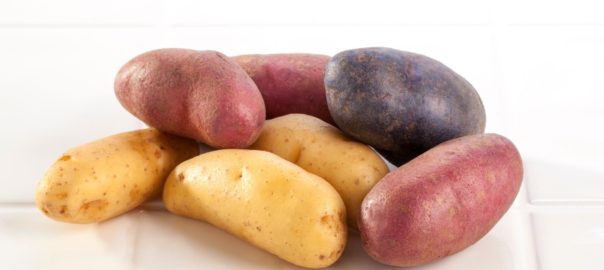
Waxy potatoes are low in starch and high in moisture. This category includes Fingerling, Yellow, Red Bliss, and New Potatoes (potatoes that have been harvested before fully ripe). Because of the higher moisture content, they work well when boiled, roasted, and in dishes where the potato needs to keep its shape such as potato salad, soups, stews, casseroles, and gratins. 

All-Purpose potatoes have both a medium amount of starch and moisture. Varieties include Yukon Gold, Peruvian Blue, and Purple Majesty potatoes. The all-purpose potatoes can be steamed, baked, roasted, and can often be substituted for any starchy or waxy potato.

Purchasing and Storing Your Potatoes

  • Select high quality potatoes that are firm, organic being best as much of the beneficial nutrition is in the skin. It is important to avoid wilted, sprouted, discolored, or leathery potatoes.
  • Potatoes should be stored in a cool, dark place between 45 to 50 degrees. They do not do well in the refrigerator as the starch content will turn to sugar which produces an undesirable taste. If stored at warmer temperatures potatoes may begin to sprout. A root cellar is best if you are fortunate enough to have one. If potatoes are stored at room temperature, they can last up to two weeks. 
  • Onions and potatoes should not be stored together or near each other. They both emit gases that will cause the other to breakdown. 
  • It is best to store potatoes in a burlap or paper bag to protect them from light. When potatoes are exposed to light, they produce chlorophyll which begins to turn green under the skin. Chlorophyll is not poisonous, but unfortunately this indicates a concentration of solanines in the potato which are toxic. The more light the potatoes are exposed to the greater the quantity of solanine. If there is a slight greening, it can be peeled off but if it is green and sprouting, it is best to throw out. A good motto to follow is “when in doubt, throw it out.” Even with this one safety precaution, potatoes are a great addition to your diet.

Best of all, potatoes are easy to add to any meal or be the meal itself. Whether baked, roasted, boiled, steamed, mashed, or added to other dishes, they can provide health-promoting nutrition, antioxidants to battle free radicals, resistant starch for managing blood sugar levels, and improving digestive health. 

Here is an easy and tasty recipe to enjoy.

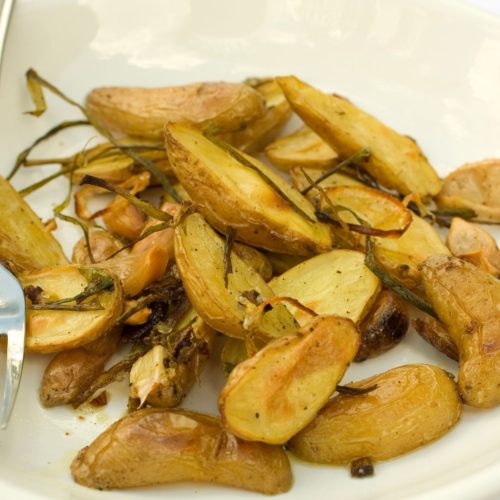
Roasted Rosemary Fingerling Potatoes

Taking full advantage of the beauty of fingerling potatoes, these little gems are perfect for roasting and pair amazingly well with rosemary, onions, and garlic.  Plus, they add a splash of color to your dinner plate.
Servings 4

Ingredients
  

  • 1 pound tri-color Fingerling potatoes, washed and cut in half
  • 4 tablespoons organic extra virgin olive oil, divided plus extra for greasing
  • 3 tablespoons fresh rosemary, minced
  • 3 cloves garlic, minced
  • sea salt and black pepper to taste
  • 1 tablespoon extra-virgin olive oil
  • 2 large yellow onions, peeled and cut thinly

Instructions
 

  • Preheat oven to 425°F
  • Lightly grease a rimmed baking sheet with olive oil or line with parchment paper or a silicone baking mat
  • Place potatoes, 2 tablespoons olive oil, rosemary, and garlic in a bowl and toss to combine
  • Add sea salt and black pepper
  • Layer potatoes on the baking sheet in a single layer
  • Roast in preheated oven for 15 minutes
  • Gently toss potatoes to help them brown evenly and return to the oven
  • Roast for another 10-15 minutes, potatoes should be fork-tender
  • While potatoes are roasting, add onions and 2 tablespoons olive oil to a large skillet
  • Sautee over medium heat, stirring occasionally, until they turn golden brown, about 10 minutes
  • Remove onions from heat
  • Place roasted potatoes and sauteed onions in a large bowl and toss to combine
  • Add extra sea salt and pepper if needed
    Serve immediately
    Enjoy!


[expand title="Sources"] 

Hart, J. Solanine Poisoning – How Does It Happen? Michigan State University Extension. Published February 7, 2014. Retrieved from https://www.canr.msu.edu/news/solanine_poisoning_how_does_it_happen


Hellmann H, Goyer A, Navarre DA. Antioxidants in Potatoes: A Functional View on One of the Major Food Crops Worldwide. Molecules. 2021;26(9):2446. Published 2021 Apr 22. doi:10.3390/molecules26092446. Retrieved from https://www.ncbi.nlm.nih.gov/pmc/articles/PMC8122721/


Lee SH, Oh SH, Hwang IG, et al. Antioxidant Contents and Antioxidant Activities of White and Colored Potatoes (Solanum tuberosum L.). Prev Nutr Food Sci. 2016;21(2):110-116. doi:10.3746/pnf.2016.21.2.110 Retrieved from  https://www.ncbi.nlm.nih.gov/pmc/articles/PMC4935237/


Leeman M, Ostman E, Björck I. Vinegar dressing and cold storage of potatoes lowers postprandial glycaemic and insulinaemic responses in healthy subjects. Eur J Clin Nutr. 2005 Nov;59(11):1266-71. doi: 10.1038/sj.ejcn.1602238. PMID: 16034360. Retrieved from https://pubmed.ncbi.nlm.nih.gov/16034360/


Reveille, John D. et al. "The Prevalence Of HLA-B27 In The US: Data From The US National Health And Nutrition Examination Survey, 2009". Arthritis & Rheumatism, vol 64, no. 5, 2012, pp. 1407-1411. Wiley, doi:10.1002/art.33503. Accessed 22 Oct 2021.

[/expand]
What Are Prebiotics?

You may have seen the term prebiotics in the news and thought it was a typo.  After all, at this point almost everyone knows about probiotics, those beneficial bacteria that are supportive for your health.  But what exactly are probiotics?  And what's the difference between the two?

Probiotics are bacteria that you definitely want in your gut for the health benefits they confer. They are contained in foods like yogurt, pickles (the refrigerated ones), olives, some cheeses and a number of exotic foods such as miso and kimchi, as well as food additives. These bacteria help in the treatment of problems like diarrhea and irritable bowel syndrome and in keeping your colon healthy.

But probiotics need food to survive and multiple. The cells that line the colon (colonocytes) and the good bacteria work together to protect you from invasion of harmful germs into your body, thereby preventing disease. They depend on the nourishment gleaned from food that is not digested in the stomach and small intestine. That's where prebiotics come in.

Those indigestible foods are the prebiotics, foods that serve as energy sources for the probiotics and good bacteria in the colon. Prebiotics contain indigestible starches and polysaccharides that ferment in the upper gut. The products of this fermentation are the food sources for the probiotics.


Health Benefits from Prebiotics


  • Improvement in diarrhea, both caused by bacteria and by antibiotics.
  • Relief from the symptoms of both diarrhea and constipation in irritable bowel syndrome.
  • Improvement in the symptoms and decreased inflammation in inflammatory bowel disease, such as Crohn's and ulcerative colitis.
  • Protection against cancer of the colon by keeping the colonocytes healthy.
  • Aids in lowering cholesterol levels in the blood.
  • Helps absorption of minerals such as calcium and magnesium.


Your health depends a lot on what you eat. Even if you are young and healthy, consuming a diet of healthy foods will help to keep your body strong and vigorous. If you have any type of chronic disease, or if you are getting older, your diet becomes even more important. 

They say laughter is wonderful medicine but so is food. Start treating your body to the foods it needs and deserves. 

Prebiotics Foods


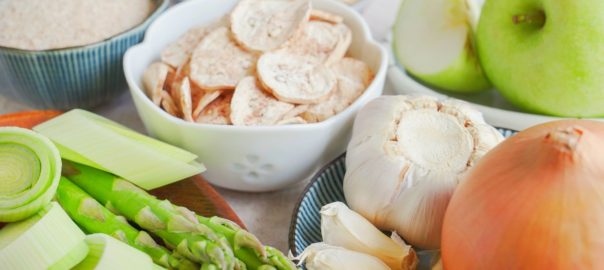
  • Onions - Both raw and cooked.
  • Bananas - Try to get them slightly unripe.
  • Asparagus - Tasty and good for you.
  • Oats - Whole oats are available in cereals.
  • Apples - They also reduce cholesterol.
  • Wheat bran - Also available in cereals.
  • Chicory root - Sometimes used as a coffee substitute.
  • Leeks - Also an excellent source for vitamin K.
  • Dandelion greens - They make a great salad.
  • Jerusalem artichoke - Either raw or cooked.
  • Radishes - Great in salads.
  • Cabbage - Preferably raw, but also as sauerkraut.
bad new

Overwhelmed By Bad News?

I read this share in social media. I love this sentence, “I learned a long time ago to not see the world through printed headlines.”

I find myself regularly reminding clients, and myself, that the media, just like any other business, is a business. Dollars depend on eyeballs. Whoever screams the loudest and shares the scariest stuff makes the most money. Our nervous systems and our mental health are paying the price for this.

It’s not easy, but we need to learn to shift our attention. These days I am doing a news fast three, sometimes four times a week. Believe me it’s still gets in, but I’m not nearly as overwhelmed.

I find it helpful to connect to the positive. I’m so grateful for my friend Bill who once a week sends an email with good news from around the world. And I love my small circle of friends who send each other funny things on a regular basis. Laughter is such a good thing.

We also need to remember to focus on the good things. The weddings, the babies, the joys and successes of others. The hard things? The challenging things? I’m not saying to ignore them, but don’t make them the centerpiece of your reality.

Don’t give into the media maelstrom.

I’ve also been spending more time in nature and highly recommend that. Sometimes just sitting outside listening to the birds and the insects. Watching the butterflies. Looking at the clouds. This is not being lazy, this is self-care and nurturing. I feel like we all need a little bit more of that.

How do you nurture yourself and “write your own headlines”?

More Greens, Please!

When I mention to people that they should be eating lots of leafy greens I often hear them say, “oh, I eat a lot of salad.”  There are two problems with that statement. One is that salad in and of itself is not a leafy green vegetable, especially not if it's made with iceberg lettuce. Many people like it and it's certainly front and center at the grocery store, but it is nutritionally deficient.

I once heard JJ Virgin, celebrity fitness and nutrition expert, describe it as the twinkie of lettuces; she's got a point there and you should not be eating it. The other issue is that salad alone is not enough dark leafy green vegetables for a healthy diet, even if it's made with spinach which IS a dark leafy green.

Benefits to Adding More Leafy Greens to Your Diet

Brain Health

Cognitive challenges are on the rise. The good news is that a prospective study published in the American Academy of Neurology found that eating 1 serving a day of green leafy vegetables may help slow cognitive decline with aging! 

Healthy Aging

Again, leafy greens can help here too. Many contain beta-carotene which provides a youthful glow and actually is a natural sunscreen that works from the inside out. The beta-carotene stimulates cell turnover which helps with a reduction of fine lines and wrinkles, reduces dullness, and stimulates clearer skin.

Heart Health

A study published in the Journal of Royal Society of Medicine found that a high daily intake of green leafy vegetables significantly reduced the incidence of several types of cardiovascular disease.

Other benefits include improving your inflammatory response, balancing your blood sugar levels, boosting digestive enzymes which can improve your gut health, strengthening the immune system, strengthening your bones, detoxifying toxins, reducing cancer risk, and helping with stress relief. Wow, that is so many benefits – just from 2 to 3 cups a day. Now that you know how powerful they are, let’s look at some leafy greens that can be added to your diet.

Some Leafy Greens That Can Be Added to Your Diet

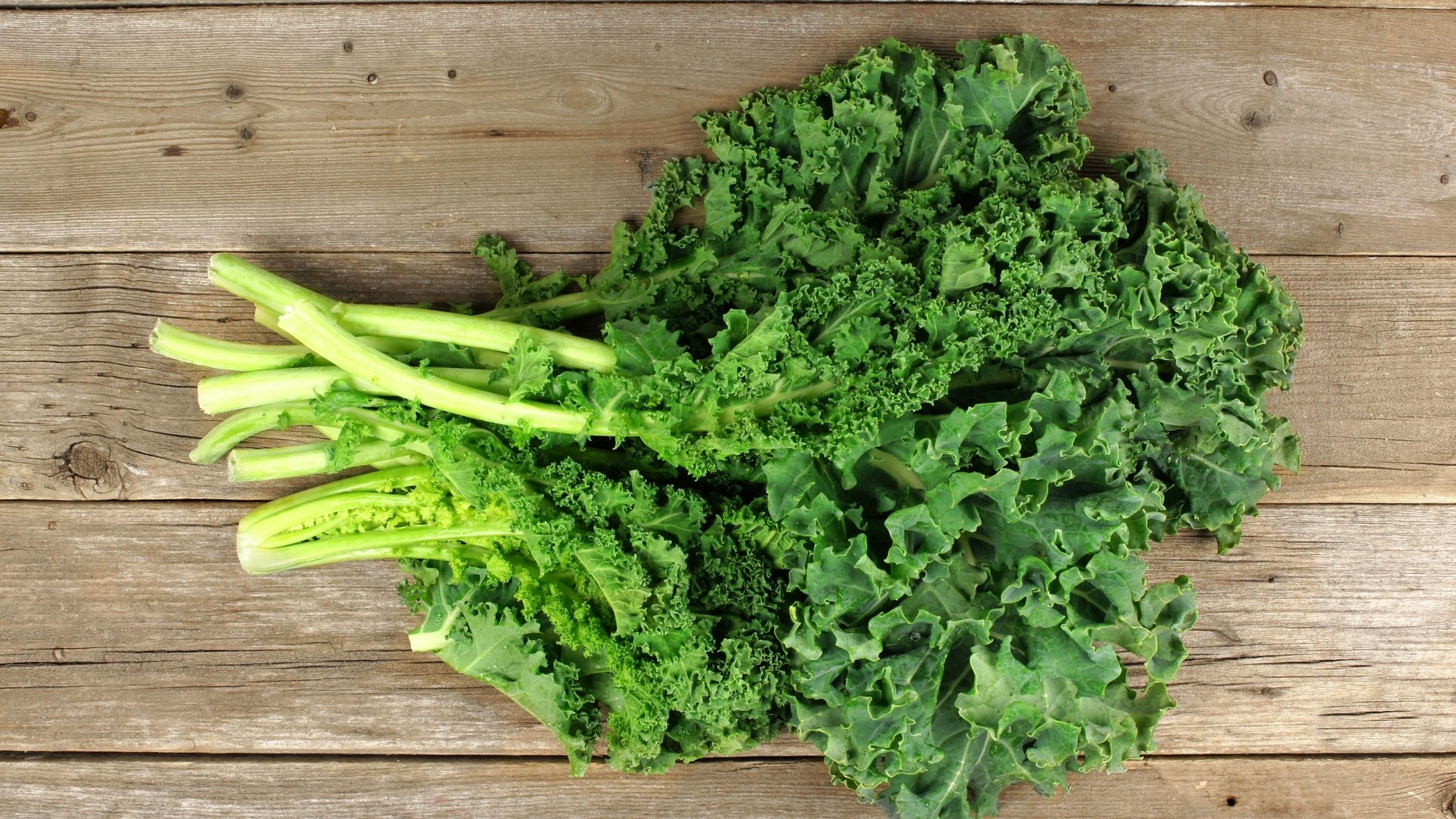
Kale

A powerful detoxifier which is also known to have anti-cancer properties, especially for breast, ovary, and prostate cancers.   Kale provides high levels of vitamins A, C, and K; very high in fiber it's also supportive to the digestive system. Kale chips are rising in popularity and can be a great way to eat a lot of kale with very little effort. 

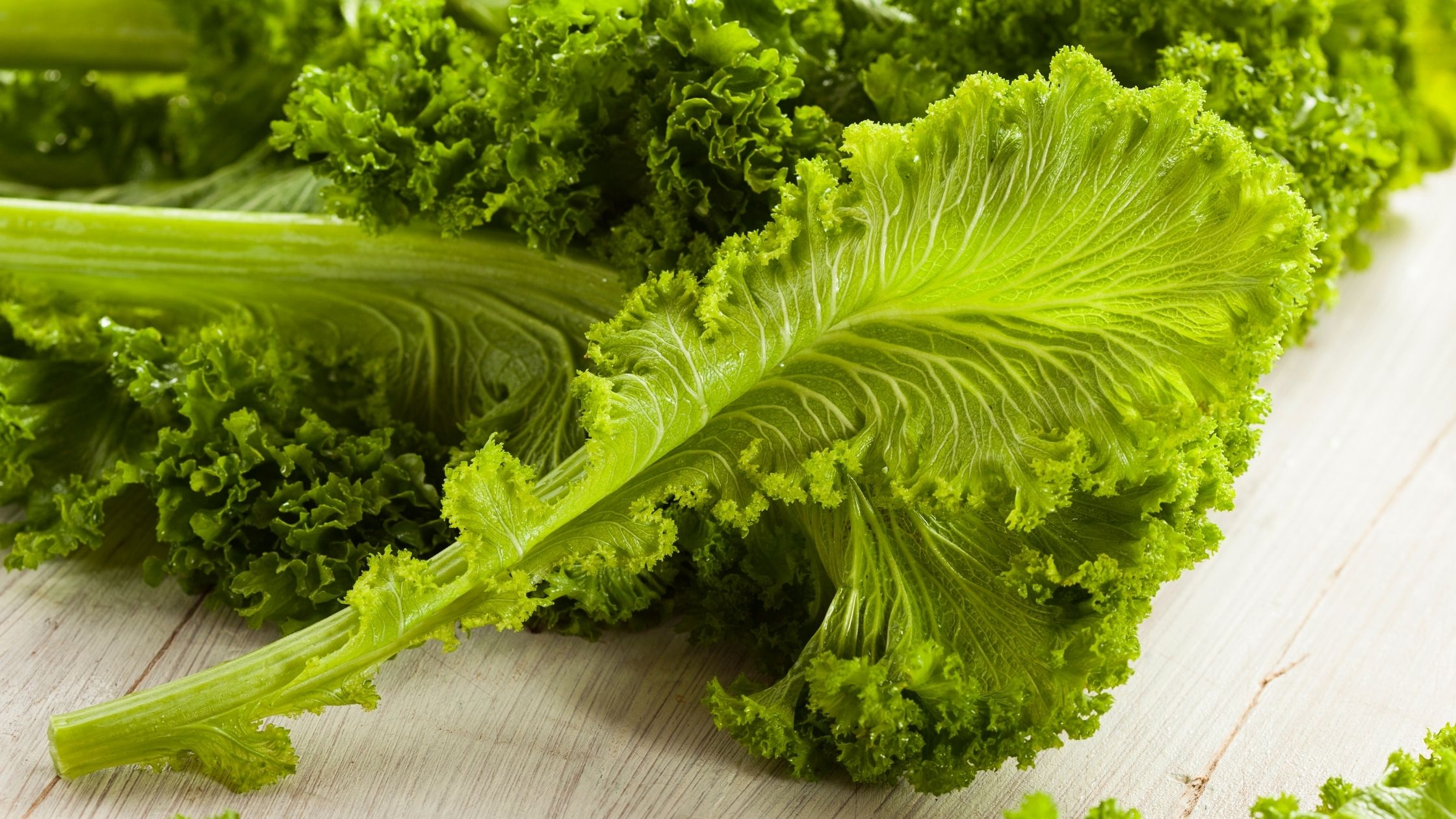
Mustard Greens

Another great source of vitamins A, C, and K, plus some folate. Mustard greens tend to have a somewhat peppery flavor making them a better choice for more pungent dishes.

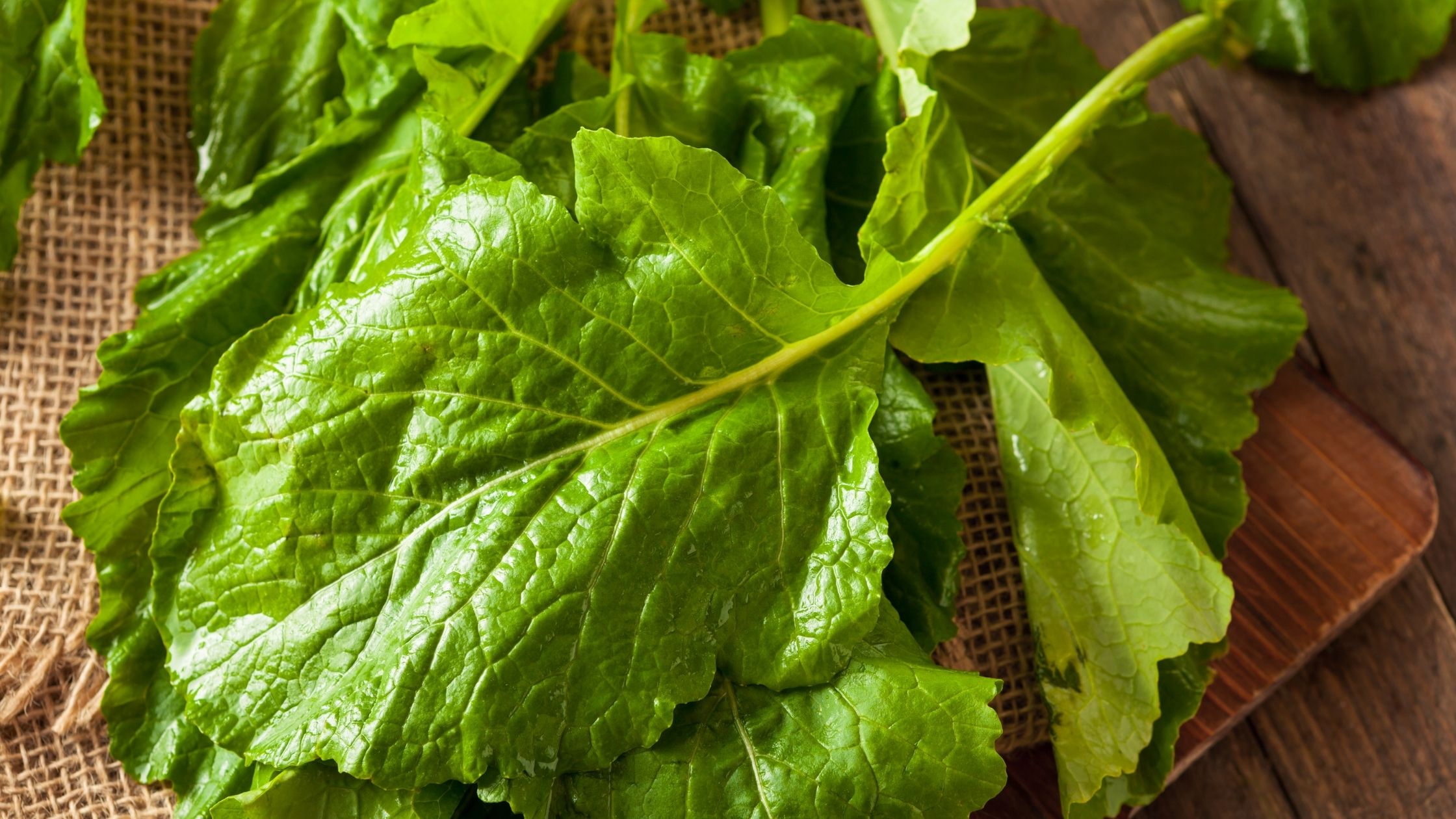
Turnip Greens

High in vitamins A, C, and K, plus folate (are we noticing a trend here?) turnip greens have a very pungent flavor and do best when steamed and served with heartier dishes.

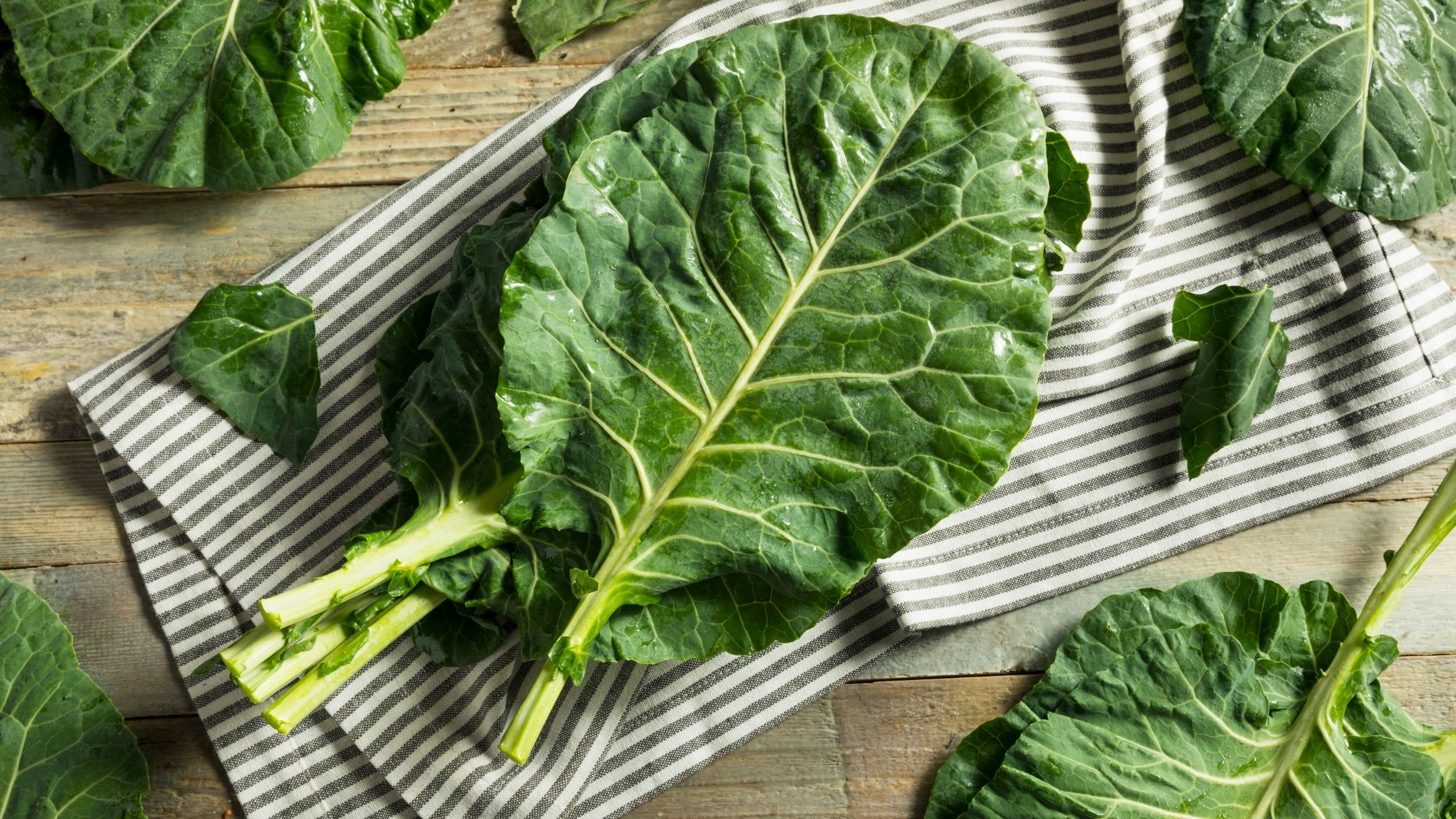
Collard Greens

An anti-cancerous dark leafy green that are an anti-inflammatory food.  And like kale and mustard greens, collard greens are high in vitamins A, C, and K but also have high levels of folate, manganese, and calcium.

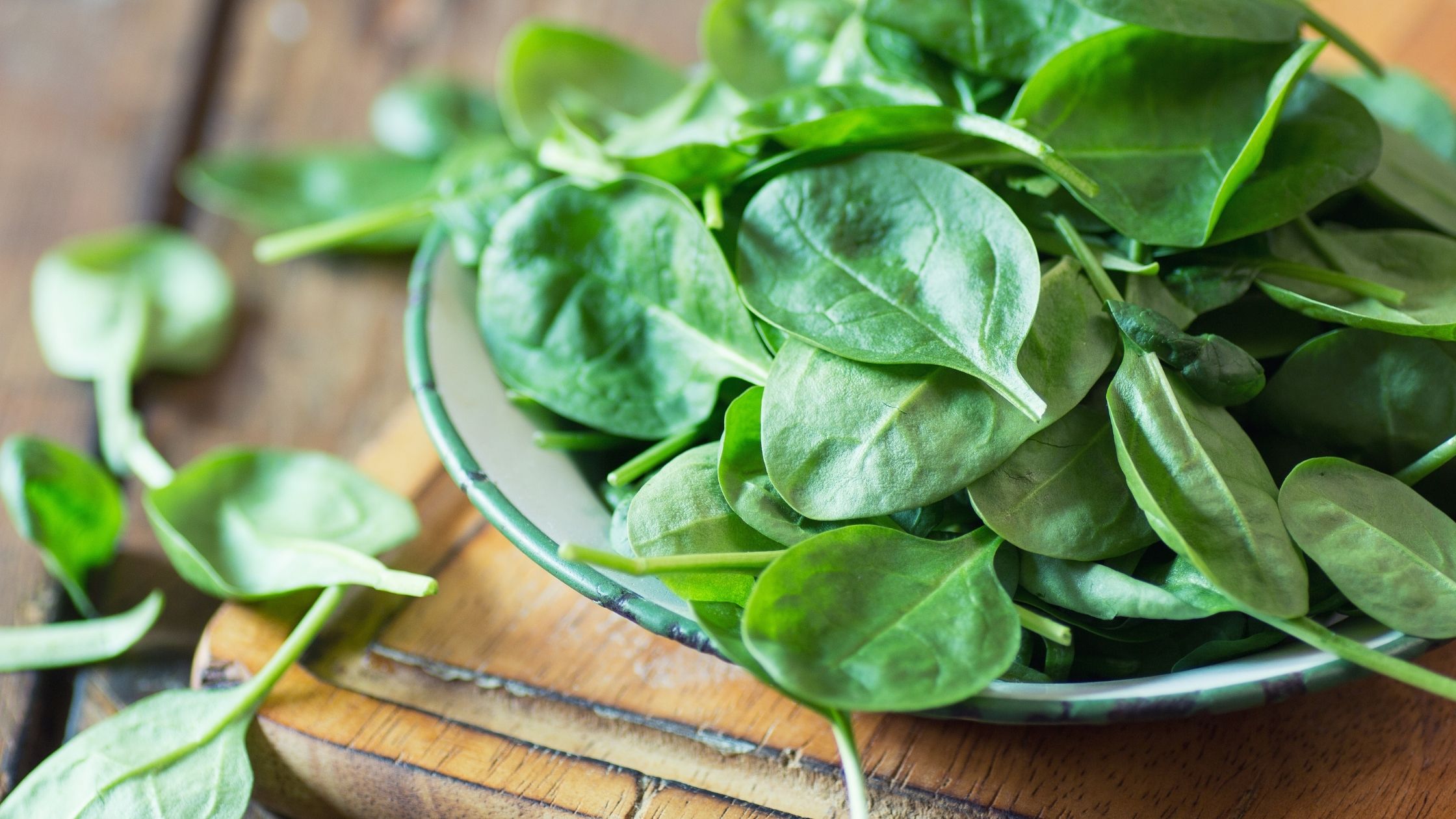
Spinach

Extremely nutrient-dense and being an excellent source of vitamin C, K, carotenes, and folic acid. It also is a very good source of manganese, magnesium, iron, and vitamin B2. Spinach has the ability to restore energy, increase vitality, and improve the quality of the blood. The flavor of spinach can be bitter with a slightly salty flavor. Spinach can contain a high amount of oxalates which can be problematic for some. You can check out more about this here

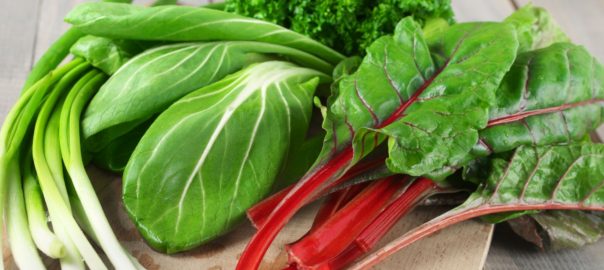
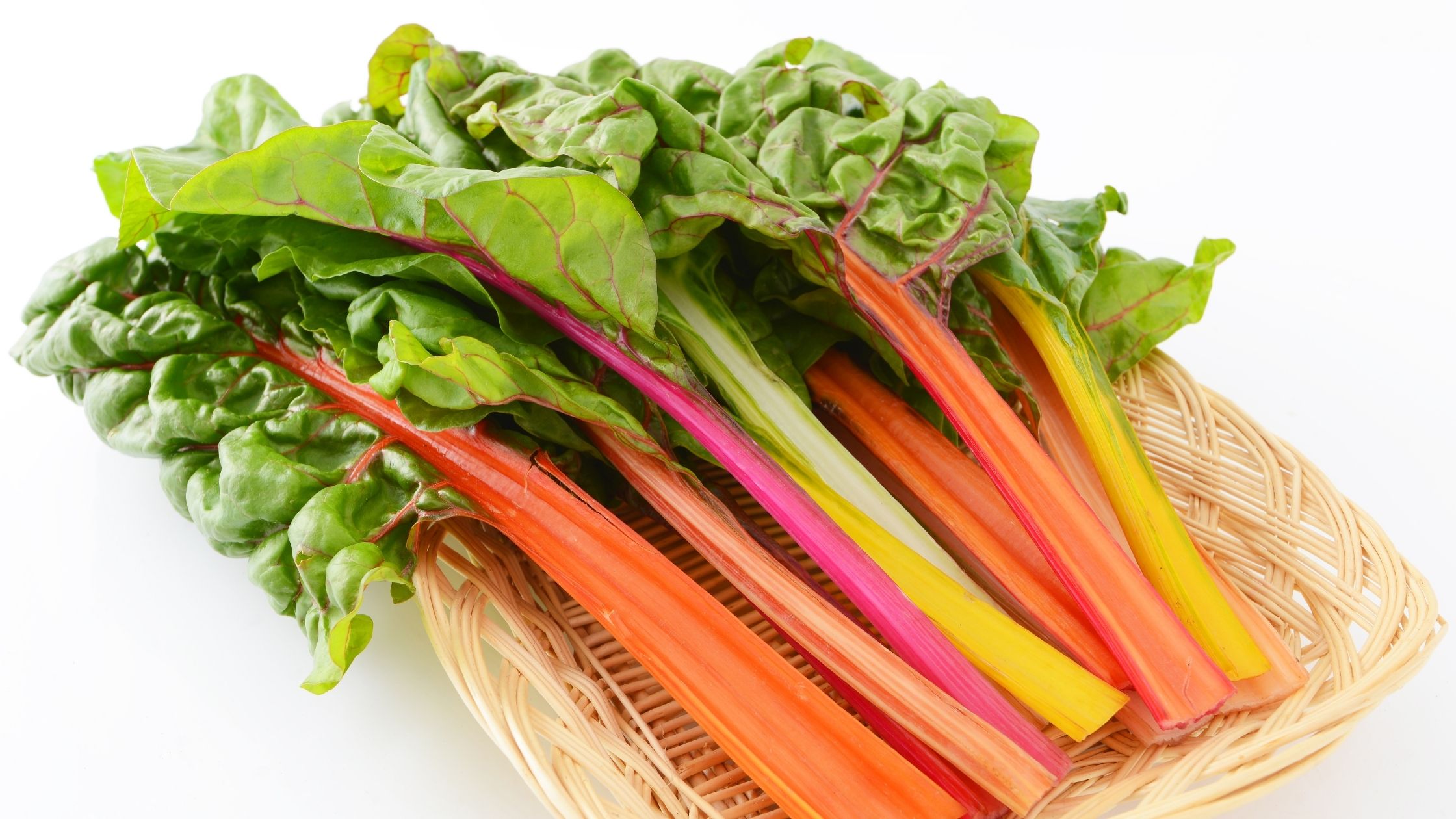
Swiss Chard

Both the stalk and leaves are edible and again have a bitter salty taste. Swiss chard is an excellent source of carotenes, vitamins C, E, and K, dietary fiber, and chlorophyll. It is also packed full of minerals such as magnesium, potassium, iron, and manganese. Swiss chard is a powerful anticancer food, especially for the digestive tract. Swiss chard, like spinach, can be high in oxalates.

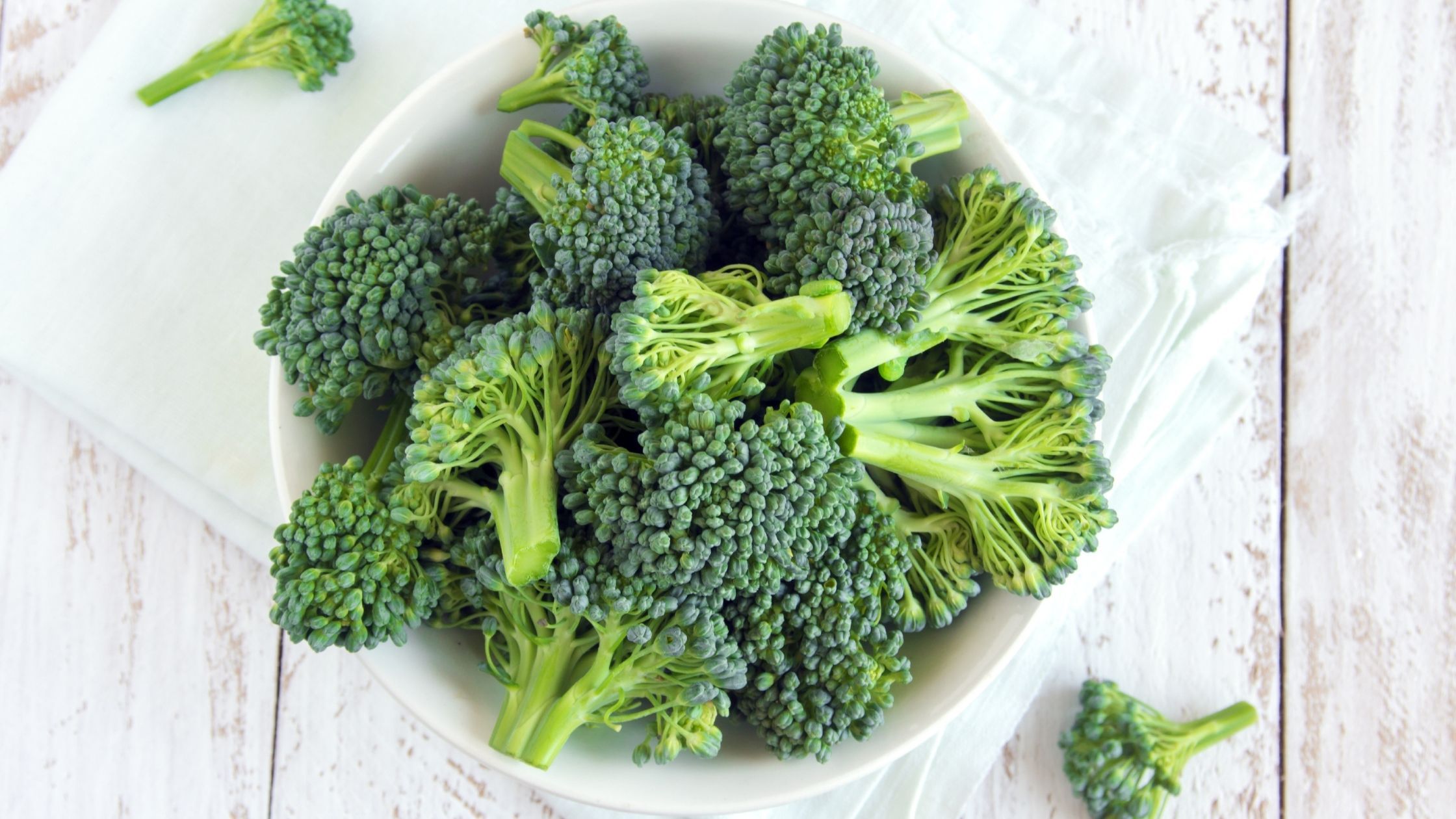
Broccoli

A member of the cruciferous family and is an awesome source of vitamins A, C, and K as well as folic acid and fiber. Broccoli has anticancer effects, especially in breast cancer. Broccoli can be eaten raw or cooked. Both florets and stems are edible. The stem skin can be rather tough so peeling it can be helpful. You can then slice and sauté or roast.  

Cabbage

Another cruciferous veggie with powerful cancer fighting capabilities. It is packed with vitamin C, B6, potassium, folic acid, calcium, magnesium, and manganese. The phytonutrients in cabbage give it the anticancer properties. Cabbage can be eaten raw, cooked, or fermented (sauerkraut). 

You want to include a wide range of these wonderful vegetables in your diet to get a variety of benefits. You also want to include a larger amount than you are likely to eat in a salad. Try aiming for as much as 2 to 3 cups per day. To avoid confusion, that's measuring them before you cook them. All of these dark leafy greens can be cooked, steamed, sauteed, or added to soups and omelets. Plus, many of these can even be eaten raw.

Recipe

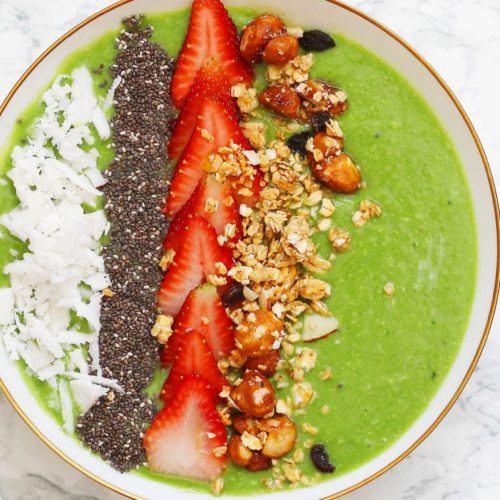
If you're looking for a delicious way to get your greens on look no further than this simple and nourishing Collard Greens Smoothie Bowl.  With the addition of green tea, you're skipping high sugar choices like juice.  By using frozen fruit and avocado, you also don't need ice to get the correct consistency.  

Collard Greens Smoothie Bowl

Ingredients
  

  • ½ cup chopped collard greens, washed
  • 1-½ cups frozen raspberries
  • ½ cup green tea
  • 3/4 cup pineapple chunks
  • 1/4 cup frozen avocado chunks

Instructions
 

  • Blend all ingredients together.  If needed add a little more green tea.
  • Garnish with your choice of toppings.  Some of my favorites are:
    1 tablespoon shredded coconut
    1 tablespoon seeds - pumpkin, flax, chia, hemp, or sunflower
    1 peeled and sliced kiwifruit
    ½ tablespoon cacao nibs
    1 teaspoon bee pollen

Notes

Feel free to substitute kale or spinach for the greens. And any berry works well in this recipe.
 

Leafy greens can be a powerful component to invest in your health, and there are so many to choose from to try. Breakfast, snack, lunch, and dinner are all opportunities to add more leafy greens to your diet. 

[expand title="Sources"] 

Morris MC, Wang Y, Barnes LL, Bennett DA, Dawson-Hughes B, Booth SL. Nutrients and bioactives in green leafy vegetables and cognitive decline: Prospective study. Neurology. 2018;90(3):e214-e222. doi:10.1212/WNL.0000000000004815


Pollock RL. The effect of green leafy and cruciferous vegetable intake on the incidence of cardiovascular disease: A meta-analysis. JRSM Cardiovasc Dis. 2016;5:2048004016661435. Published 2016 Aug 1. doi:10.1177/2048004016661435

[/expand]
weighted blanket

Weighted Blanket

Do you struggle with sleep issues? If you said yes you aren’t alone. The Center for Disease Control (CDC) states that 50 to 70 million Americans suffer from some type of sleep disorder. Insomnia is the most common type with approximately 30% of adults reporting short-term and 10% chronic sleep issues. 

Unfortunately, there are a number of health concerns that go along with sleep disorders. Short- and long-term effects of inadequate sleep can lead to depression, burnout, addiction, and even cardiovascular health conditions. Lack of sleep can also have a negative effect on production, judgment, social and family situations, and may lead to an increase in accidents.


Why Do We Have Sleep Disturbances? 

It may have to do with the stressors associated with our modern lifestyle. Oddly enough studies indicate that women tend to struggle even more.  But the reality is most of us struggle at one time or another with some sort of sleep challenges. Fortunately, there are  some supportive strategies that can improve your sleep quality. One of the most important things you can do is improve your sleep hygiene which refers to “habits that help you have a good night’s sleep.” 

Improve Your Sleep

Taking sleeping pills is an option that many people try to avoid. It may be from concerns about becoming dependent on the medication.  Or feeling like your sleep issues aren’t “bad enough” to warrant medication. It could also be that increasing numbers of people are looking for non-pharmaceutical solutions.

There are a number of supplements that can be helpful such as: 

  • L-theanine
  • 5 HTP
  • tryptophan
  • melatonin
  • magnesium

Herbal teas can also be supportive. These include chamomile, valerian, and linden. Some of my clients have shared that they have to switch up the supplements or herbs because their body begins to get used to these remedies and poor sleep quality returns.

Anxiety and Stress 

Your mental or emotional state can also contribute to many sleep disorders. Preparing your mind and body for sleep can improve your sleep quality, especially when it comes to falling asleep.

Occasionally we get overwhelmed and overstimulated as we go through our daily lives.  This can make it difficult to sleep well at the end of the day.  High energy output combined with an inability to refocus the mind often leads to a state of wakeful-seeming.  Even though we are tired, we cannot shift our focus and calm down enough to sleep or we do not sleep deeply enough for restorative purposes.

One way to help relax the body and the mind is to take a detox bath.  This bath is very soothing for many people and the addition of calming essential oils helps to support the transition to restorative sleep.

To make a detox bath combine the following ingredients and add them to a hot, but not scalding, tub of water:

  • 1 cup epsom salts
  •  1 cup baking soda
  • 3-5 drops of essential oil - choose either ylang ylang, cedar wood, or sandalwood

Soak for 20 minutes immediately before bedtime.

This bath can be repeated up to twice per week.

Caution: Do not use this bath if you have other health conditions that might be severely impacted by immersion in a hot bath.

Mindfulness for Sleep

Making sure that your bedroom is cool and dark is important.  You also want to go to bed as close to the same time each night.  And develop a routine for how you get ready for bed.  These cues signal your brain that it’s time to get ready to unwind and prepare for sleep.

Other strategies for sleep are incorporating sound. This can be through using  guided meditation, sleep stories, or listening to white noise. 


Sleep Tools

I’ve recently found a couple of game-changers that have been amazing when it comes to helping me have better sleep – a weighted blanket and weighted eye pillow. These two sleep tools have made such a huge difference.

Why all the weight you ask? Well, it turns out there is scientific evidence that adding a little weight is helpful with sleep quality. Using a weighted blanket has demonstrated a calming and relaxing effect. This can decrease anxiety, some studies have found it may relieve pain and improve mood. 

How Does a Weighted Blanket Help? 


It is believed that the weighted blanket provides deep pressure stimulation (DPS) which provides sensory modulation. DPS has been shown to increase the release of dopamine and serotonin thus creating a calming effect. Both these neurotransmitters can affect sleep. 

Weighted blankets have been shown to help those with autism, ADHD, mental health challenges, PSTD, and insomnia. They were also found to be helpful while patients underwent dental procedures. Studies show that weighted blankets improve feelings of safety, relaxation, and comfort. Many report that the “pressure therapy” produces a calm-inducing amount of pressure on your entire body, similar to the feeling of being hugged, swaddled, stroked, or held.

How is the Weight Added?


You might be wondering if heavier fabric is how weight is added, but a weighted blanket is different. Filled with polymer pellets or glass beads, these provide the weight and touch therapy. Polymer pellets are tiny plastic solids with a consistent shape. They are colorless and non-toxic. They are similar to what some children’s toys have in them. 

The other option is glass beads. These are small glass pebbles that have smooth round surfaces. They are very fine and have been compared to touching sand on a beach. Who doesn’t like to walk on a sandy beach? The glass beads are typically non-toxic and eco-friendly. Just make sure they are lead free. 

Using glass beads can make the blanket more smooth and less “bumpy” compared to the polymer pellets. The glass beads definitely would be more eco-friendly and not adding more plastic to our lives. However, it really is a personal choice as to which one is better when it comes to the feel of the blanket. This includes not only the beads but the fabrics.

How Much Weight Should I Use?


Weighted blankets are sold in different weights. Through studies it has been found that most people will do best with a blanket that is no more than 10% of their body weight. That means if you weight 150 pounds the heaviest blanket you would want to purchase would be 15 pounds.  Again this would be a personal choice. 

The pellets or beads are encased between two layers of fabric. There are many fabric options to choose from. The warmer options include minky fabric, fleece, chenille, silk, flannel, acrylic, and polyester. For cooler fabrics cotton, bamboo, linen, and microfiber are options. Each fabric will have pros and cons. If you are looking for more eco-friendly and sustainable fabrics, choosing cotton, linen, or bamboo will be best. 

Baloo is an eco-friendly brand made with lead-free glass microbeads and materials certified to be free of harmful chemicals.

Purchasing a duvet cover for your weighted blanket should be considered since weighted blankets do require extra care when cleaning. Because they can be more expensive than an average blanket, taking proper care of them will extend their life and a duvet cover will protect your investment. 

Is a Weighted Blanket Right for You? 


It can benefit both your physical and mental health by soothing anxiety and providing a better night’s sleep. But there are some challenges with weighted blankets including getting the right weight for you, extra care with cleaning, and being more expensive. 

If you are a “hot” sleeper you may get too hot. There are some people who should not use weighted blankets; if you snore or have sleep apnea, talk to your healthcare practitioner before investing in a weighted blanket. If you are considering a weighted blanket for your child, make sure your child can move the blanket without your help.

Similar to weighted blankets, weighted sleep masks use DPS, providing the same soothing effect – a comforting hug to your face. I’m absolutely in love with my weighted eye pillow and am amazed at what a difference it made for my sleep quality.  Here is the weighted eye pillow I love from Nodpod:

A weighted blanket or eye mask may be helpful to improve your sleep hygiene and ultimately, your sleep quality.


[expand title="Sources"] 

Chen, HY, Yang, H, Meng, LF, Chan. PYS, Yang, CY, and Chen, HF. Effect of deep pressure input on parasympathetic system in patients with wisdom tooth surgery. Journal of the Formosan Medical Association, Volume 115, Issue 10, 2016, Pages 853-859. https://www.sciencedirect.com/science/article/pii/S0929664616301735.


Mullen. B., BS, Champagne. T., MEd, OTR/L, Krishnamurty, Sl, PhD, Dickson, D., APRN, BC & Gao R., PhD (2008) Exploring the Safety and Therapeutic Effects of Deep Pressure Stimulation Using a Weighted Blanket, Occupational Therapy in Mental Health, 24:1, 65-89, DOI: 10.1300/J004v24n01_05. https://www.tandfonline.com/doi/abs/10.1300/J004v24n01_05?needAccess=true&journalCode=womh20


McCall WV. Paying attention to the sleeping surface and bedclothes. J Clin Sleep Med. 2020;16(9):1427–1428. https://jcsm.aasm.org/doi/full/10.5664/jcsm.8704


Love Stevens, M. and Roby, A. Weigh Down on Sleep Respiratory Care October 2019, 64 (Suppl 10) 3223902. http://rc.rcjournal.com/content/64/Suppl_10/3223902.short


Ackerley, R, Badre G., and Olausson, H. (25 May 2015) Positive Effects of a Weighted Blanket on Insomnia. Journal of Sleep Medicine & Disorders, SciMedCentral. https://www.jscimedcentral.com/SleepMedicine/sleepmedicine-2-1022.pdf


[/expand]