All posts by Mira


About Mira

Mira Dessy is The Ingredient Guru. A holistic nutrition professional, author, and a popular public speaker, she knows that it's not just what you eat, but what's in what you eat. She is the author of The Pantry Principle: how to read the label and understand what’s really in their food. Dessy is a Board Certified Holistic Health Practitioner whose mission is to educate and empower consumers. She curates the Lean Clean Green Subscription box, the premier, organic, earth-friendly, healthy, sustainable subscription box which can be found online at https://theingredientguru.memberbox.com

hydrate this summer

Stay Well-Hydrated For Summer

With summer just around the corner and temperatures rising it's important to stay well-hydrated during the summer months. Most of us don't drink enough water in the first place, add in the higher temperatures and more outdoor activity, it all adds up to sweating more, leading to more fluid loss and potential dehydration. Dehydration can cause a large number of physical problems from headaches and migraines, to constipation to deep fatigue or loss of energy.

What to drink

Before you reach for that cheap 54-oz Big Gulp think about what your body needs in terms of hydration. It certainly doesn't need all that sugar. An 8-oz can of Sprite claims that it has 26 g of sugar, multiplied by 6.75 to equal a 54-oz drink, that comes to 175.5 g of sugar, not to mention all those chemicals. If you're drinking sugar-free, you are taking in even more chemicals. And let's not forget that caffeinated sodas would deliver a jolting 155 mg of caffeine.
 
Other popular summer drinks include the thought of a refreshing cold beer on a hot day, or perhaps a wine spritzer or an alcopop.  But it's important to remember that alcohol is a diuretic; this means you lose more body fluids when you drink it. So even though after spending the day in the hot summer sun that beer, wine cooler, or mixed drink seems cool and refreshing, it won't help you stay healthy and hydrated.

The hydration factor

To figure out how much hydration you need, calculate your body weight. Divide that in half for the number of ounces needed to be properly hydrated. Divide that number by 8 to get the number of cups of fluid.

For example:

     150 pounds
     divided by 2 = 75
     divided by 8 = 9.4 cups

Take that number, divide it by four and then set a “hydration alarm” approximately every two hours. When the alarm goes off put your beverage in front of you with the goal to drink it before the alarm goes off again.

Remember that this does not mean plain water. Too much water is not healthy either as it can dilute your electrolyte balance. Soups, herbal teas, food with lots of liquid (like watermelon), plus water all count towards a daily hydration goal. 

May 1-7 is National  Drinking Water Week!

Join the 7-Day Hydration Challenge by downloading your FREE handout below! 

Sign Up to Download Your Free Hydration Handout!
Click the button below to download your FREE handout! In the future, we'll send you Food News You Can Use to know what's really going on in the world of food. You can unsubscribe anytime by clicking the link at the bottom of every email.

Rehydrate and refresh

Choose drink choices that are actually good for you. Here are a few suggestions:
 
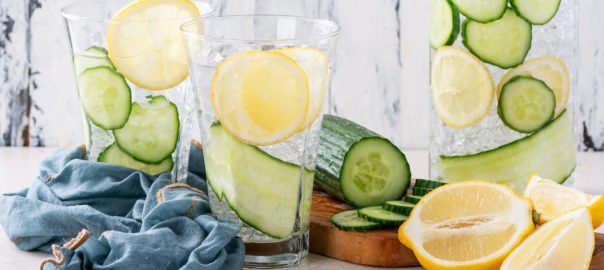
  • Water – always good, water is exactly what your body needs. For a refreshing change to plain water add a slice of citrus to your water. For a cool and cleansing taste try slices of peeled cucumber or even a sprig of mint.
  • Iced tea – although tea does have caffeine if you make your iced teas with green tea you'll be getting less caffeine overall. Or you can use herbal teas which have no caffeine and are delicious and enjoyable.
  • Spritzers – adding your favorite juice to cool seltzer water with some ice and perhaps a slice of fresh fruit can be a great way to stay hydrated. The usual proportions are 30% juice 70% seltzer. Just be sure to choose juices that are 100% juice, no additives, no preservatives, no colors.  If you are using concentrated juice you will need to adjust the proportions to your preference.
  • Agua fresca – these cool and tasty drinks, originally from Mexico, are made by taking blended fresh fruit, usually melons, and combining them with water, sugar, and a splash of lime juice. Because there is sugar, with both the fresh fruit and the added sugar, these should be consumed in moderation.  There is a delicious recipe posted below.
  • Lemonade or limeade – made with citrus juice, water and sugar this can be very satisfying and cooling. If you make it yourself you control how much sugar is in it.  There are a wide number of tasty recipes available online.
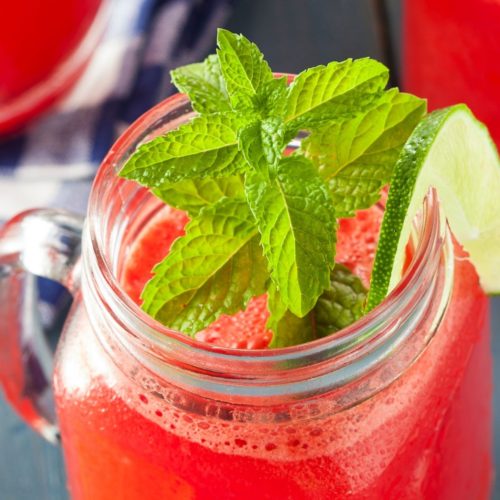
Agua Fresca

Ingredients
  

  • 3 cups of melon (cantaloupe, watermelon, honeydew, etc), seeded, peeled and diced
  • 1 1/2 cups cold water
  • 2 tablespoons evaporated cane juice crystals
  • juice of 1-2 limes

Instructions
 

  • Blend melon to a pulp in the blender
  • Strain pulp to remove fibers
  • In a pitcher mix together water and sugar until sugar crystals dissolve
  • Add melon juice
  • Add lime juice to taste
  • Serve over ice

Containers

Instead of relying on the availability of drinks on the road, one of the best things you can do to stay hydrated is taking your container with you. Don't drink from plastic containers if you can at all avoid it due to issues with BPA. To learn more watch my interview with Lara Adler, The Environmental Toxins Nerd.

Glass or stainless steel containers are your best bet. My personal favorite is Glasstic, a shatterproof plastic cylinder around a glass center cylinder. Easy to take apart and wash in the dishwasher, the company claims these are the last water bottle you'll ever need. I bought three over two years ago and they're still going strong. Get 10% off with this link!

Lara is also teaching about the issues with water contamination & filtration since 2012. Learn more from Lara and check out her brand-new e-course, PURE: Finding The Best Filter, For The Purest Water. She created it to educate and empower you, so you can find the very best water filter for your situation. 
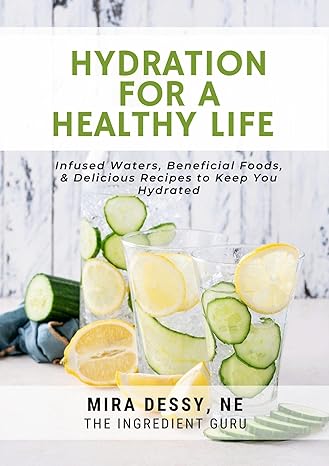
Learn More on my Ebook: Hydration For A Healthy Life

Discover the secrets to staying hydrated and maintaining a healthy lifestyle with "Hydration For A Healthy Life". Learn about the importance of water, electrolytes, and alkaline beverages, as well as tips for staying hydrated year-round. Plus, enjoy delicious recipes for infused waters that make hitting your hydration goals easy and enjoyable.

Whether you're a fitness enthusiast or simply looking to improve your overall health, this eBook has everything you need to keep your body running smoothly. Grab your copy now and drink up to a healthier you!

Recycle #5 Plastics

Can You Recycle #5 Plastics?


Are you wish-cycling?


The recycling symbol on the bottom of the plastic doesn’t necessarily mean that it can automatically be thrown into your recycling bin. The number five grade of plastic indicates polypropylene (PP). 

It is found in a wide number of containers including yogurts, cottage cheese, cream cheese, ricotta cheese, margarine (although you should not eat this), as well as some ice cream containers. It also includes toothbrushes, plastic plates, medicine bottles, ketchup bottles, and more. They are even in your Brita water filter.  

Wish-cycling is the practice of throwing everything, even these #5 plastics, into your recycling bin in the hopes that it will all be recycled. Unfortunately, because they can’t be recycled it can either slow down the line or contaminate it to the point that all the other products cannot be recycled either.

Recycling PP

There are a few options to recycle number five plastics. One of which is Preserve, a company based in Cortland, NY. 

Preserve sells products made from recycled #5's such as toothbrushes, razors, tableware and kitchenware.  And when you are done using those products they can be recycled even further into plastic lumber.  All of their products are designed to stay out of the landfill and reduce environmental impact.

They also have a recycling program and they want your #5 plastic products. According to Preserve their recycled products use 54% less water and 75% less oil than creating virgin plastic; they also release 64% less greenhouse gasses. After using the product you clean it and then deliver it to your nearest Whole Foods. 

If you don't have a Whole Foods near you, Preserve will accept mailed packages of #5 plastics.  This is a great way to help save the planet and to help support recycling efforts.  Although Preserve does not reimburse for mailing costs you could consider banding together with a group of friends and mailing a large amount together.  Shipments must be by ground and should be sent to:


Preserve Gimme 5 

823 NYS Rte 13 

Cortland, NY 13045


The sad truth is that you can't avoid exposure to plastics and BPA. It's too pervasive in our environment. You can, however, be aware of where it can be found and make positive changes. Learn more in my e-book!

Plastic Containers Making You Fat

Using Plastic Containers Could Be Making You Fat

Plastic, it's all around us, a significant part of our modern lives. From hangers to toothbrushes, hairbrushes, storage containers, toys, and decorative accessories we live our lives surrounded by plastic. 

One plastic ingredient that is still receiving a lot of news coverage is Bisphenol A, also known as BPA. 

What exactly is BPA? 

BPA is a building block for making plastic and plastic additives. Discovered in 1891 it is highly used in polycarbonate plastic items such as shatterproof bottles, CD's and DVD's, eyeglass lenses, and medical and dental equipment. It has also infiltrated our food packaging which can bring serious health risks.

A large part of the concern about BPA is that it is now known to be part of a category of endocrine interrupting chemicals called obesogens. Simply put an obesogen gets into our body and causes harm by reprogramming stem cells to turn into fat cells, or altering gene function. 

A study published in 2009 in Molecular and Cellular Endocrinology stated, “The recent dramatic rise in obesity rates is an alarming global health trend that consumes an ever increasing portion of health care budgets in Western countries. Recent research implicates environmental risk factors…evidence points to endocrine disrupting chemicals that interfere with the body's adipose tissue biology, endocrine hormone systems or central hypothalamic–pituitary–adrenal axis as suspects in derailing the homeostatic mechanisms important to weight control.” 

In plain English, our exposure to BPA may be one of the factors that is contributing to the growing epidemic of obesity.

Obesogens also have the ability to mimic estrogen and its effects on the body. This estrogenic effect may be linked to reproductive abnormalities, breast cancer, prostate cancer and even diabetes. Unfortunately, in spite of the knowledge of how bad BPA is for us, it still permeates our food chain. At the end of 2010 Canada acknowledged BPA as a toxic substance for both humans and for the environment; their government is working to remove it from use.

The use of BPA in our modern environment can be overwhelming. One high exposure source of BPA is the thermal paper lining credit card receipts, the BPA makes the paper printable. Unfortunately it also flakes off easily when we touch the paper, allowing transfer to anything you touch or ingest afterwards.  When you receive credit card receipts fold them inward so that the printed side (the side with the BPA lining) is more contained.  If the receipt is printed on both sides, which is happening more and more, try to handle the receipt as little as possible.


What can you do to decrease your exposure

1.Avoid products that are known to be most contaminated by BPA. Canned foods are a big health hazard as the lining in most cans has BPA in it. 

There are a few brands that claim to be BPA free but unfortunately, an article from Consumer Reports, December 2009, showed that some companies which claimed to have BPA free cans still had trace amounts of the chemical in their product. The report went on to state that those foods in plastic containers with metal pull-off lids, specifically Chef Boyardee Beef Ravioli in Tomato and Meat Sauce, had BPA levels that were 1.5 times higher than the same product in a metal can.

2. In addition to canned foods, plastics that are marked with a number 7 recycling code and any unmarked plastic containers are highly likely to be made with BPA.

Even products in glass jars may contain BPA in the lid. As a matter of fact those people who process their own food at home thinking that they are avoiding exposure may not be aware that Jarden Home Brands, the manufacturer of Ball, Kerr, Golden Harvest, and Bernardin brands, admits that there is some BPA in its lids. 

Although it is a small amount, BPA is most highly released under heat and pressure, both conditions which are met during the canning process. (In fairness it is important to note that the plastic storage lids made by Jarden do not specifically contain BPA) It is important to avoid these containers in order to reduce your exposure. Soups and other products are now available in cardboard packaging which does not have BPA. 

3. Other BPA containing products can include plastic bottles, plastic lined metal bottles, sippy cups, a lot of microwavable cookware, and plastic bags. 

Using unlined stainless steel drinking bottles and cups can avoid exposure. When purchasing lunch-meats at the deli, re-wrap them into wax paper or food safe BPA free containers (either glass or metal). If possible choose containers that have metal, wood, glass, or silicone lids in order to avoid the exposure to plastic.

4. Nutritionally, aside from removing as much BPA from your environment as possible, one of the dietary changes you can make is to increase your intake of folate.

Research from Duke University shows that increased folate intake by pregnant mice negated the harmful effects of BPA exposure. Good sources of folic acid are dark leafy greens such as kale, spinach, romaine lettuce, swiss chard, mustard greens and turnip greens. Folate can also be found in asparagus, broccoli, cauliflower, and lentils. Adding generous amounts of these whole foods to your diet is a healthy way to help protect your health.

It is important to be mindful of the different ways that BPA exposure exists in your environment. With these tips, you can help limit and control your exposure.

In addition to being a hormone disruptor, early exposure to BPA and other chemicals – even ones developed to be environmentally friendly – can increase the risk of issues such as anxiety, depression, inattentive behavior, aggression, and hyperactivity.

Learn how to decrease your exposure to these toxins! Discover which detoxifying foods can help your body release them.

This eBook comes with a free bonus section covering edible packaging.

The Dirty Truth About Toilet Paper: Eco-Friendly Alternatives

The United States leads the world in toilet paper consumption. We go through something on the order of 36 billion rolls of toilet paper! Creating that much TP requires:

  • Approximately 473,587,500,000 gallons of water
  • 253,000 tons of chlorine 
  • More than 17 terawatts of electricity

That doesn’t even address how much of an impact the packaging and transportation are. And all of that TP, with all of its associated costs and environmental impact, gets flushed down the loo to be processed in a waste management plant.  

Environmental impact of using toilet paper

Toilet paper is cheap and convenient but it costs planet earth a great deal. That’s why I’m sharing what you really need to know about the environmental impact of using TP. 

Don’t get me wrong, I’m not opposed to it. I’m not suggesting we go back to rags, or worse yet, leaves, but there is a way to use less TP that’s good for you and the environment.  Let’s start by examining the issues:

1.Forest Degradation

According to my research 27,000 trees are destroyed daily just to make toilet paper.  That would be mature trees that have some height to them and which doubtless produce a fair amount of oxygen and habitat.  We need our trees, anything that helps more of them avoid being pulped into paper is a good thing. 

2. The carbon footprint of toilet paper made from virgin pulp

Speaking of pulp, next are all the chemicals required to take a tree and turn it into the fibers used to make the actual paper. 

Creating TP using 100 percent virgin fiber generates three times as much carbon as products made from other types of pulp.

4. The process of cleaning and preparing pulp requires lots and lots of water

It takes 12 or more gallons of water to go through the process needed to make just one roll of toilet paper.  That 32 roll super pack? That’s the equivalent of 364 gallons of water.  Sure you’re using a little extra water when you wash before you wipe if you’re using a bidet, but I’m pretty sure it’s not 12 gallons worth.

5. Chlorine is used to bleach the pulp and turn it white

And the not so lovely finish is what it takes to make our toilet paper look white. Bleach derivatives, and in some cases formaldehyde (used to make the toilet paper stronger when exposed to water). 

Recycled paper products typically use far less toxic bleaching methods, such as processed chlorine free (PCF) This bleaching process totally avoids chlorine, instead of using oxygen, ozone, and hydrogen peroxide. However these chemicals are still added to the paper that you’re using to wipe your sensitive parts.  

How can you help? 

Use sustainable toilet paper and get a bidet!

Recycled Toilet Paper

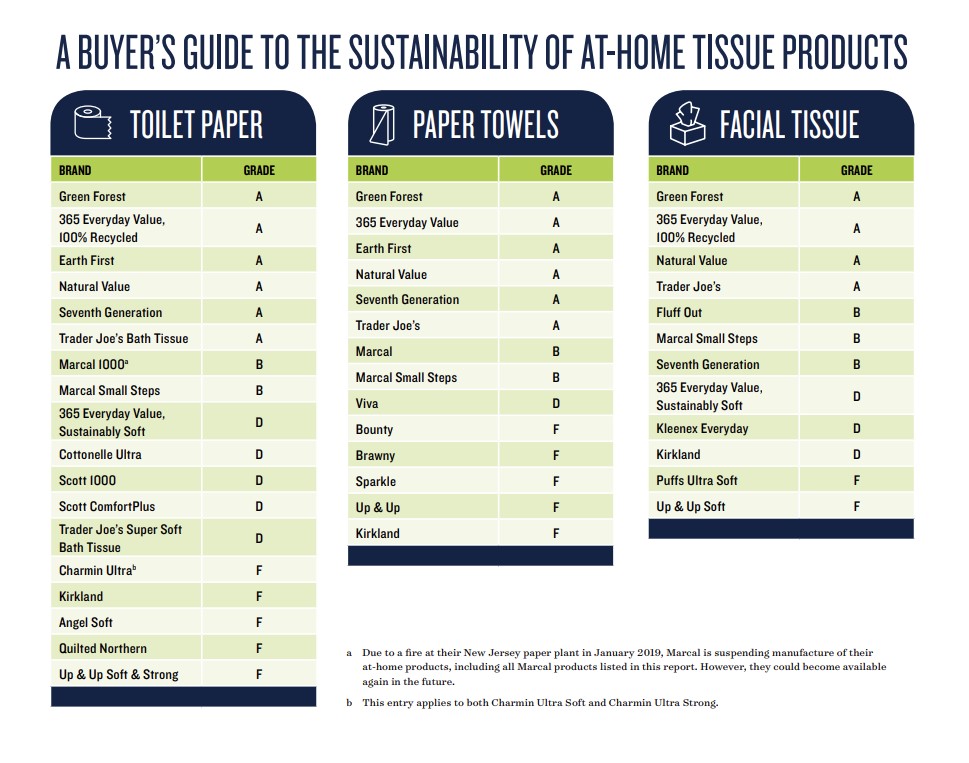
There are several brands of toilet paper, like Green Forest, 365 Everyday Value, Earth First, Natural Value, Seventh Generation and Tender Joe’s Bath Tissue that have minimal impact on forests. The six brands mentioned below use recycled waste paper to make toilet paper and do not use chlorine to bleach pulp.

Source: Skene J, with significant contributions from Vinyard, S. THE ISSUE WITH TISSUE: HOW AMERICANS ARE FLUSHING FORESTS DOWN THE TOILET. https://www.nrdc.org/. Published February 2019. 

Bidet

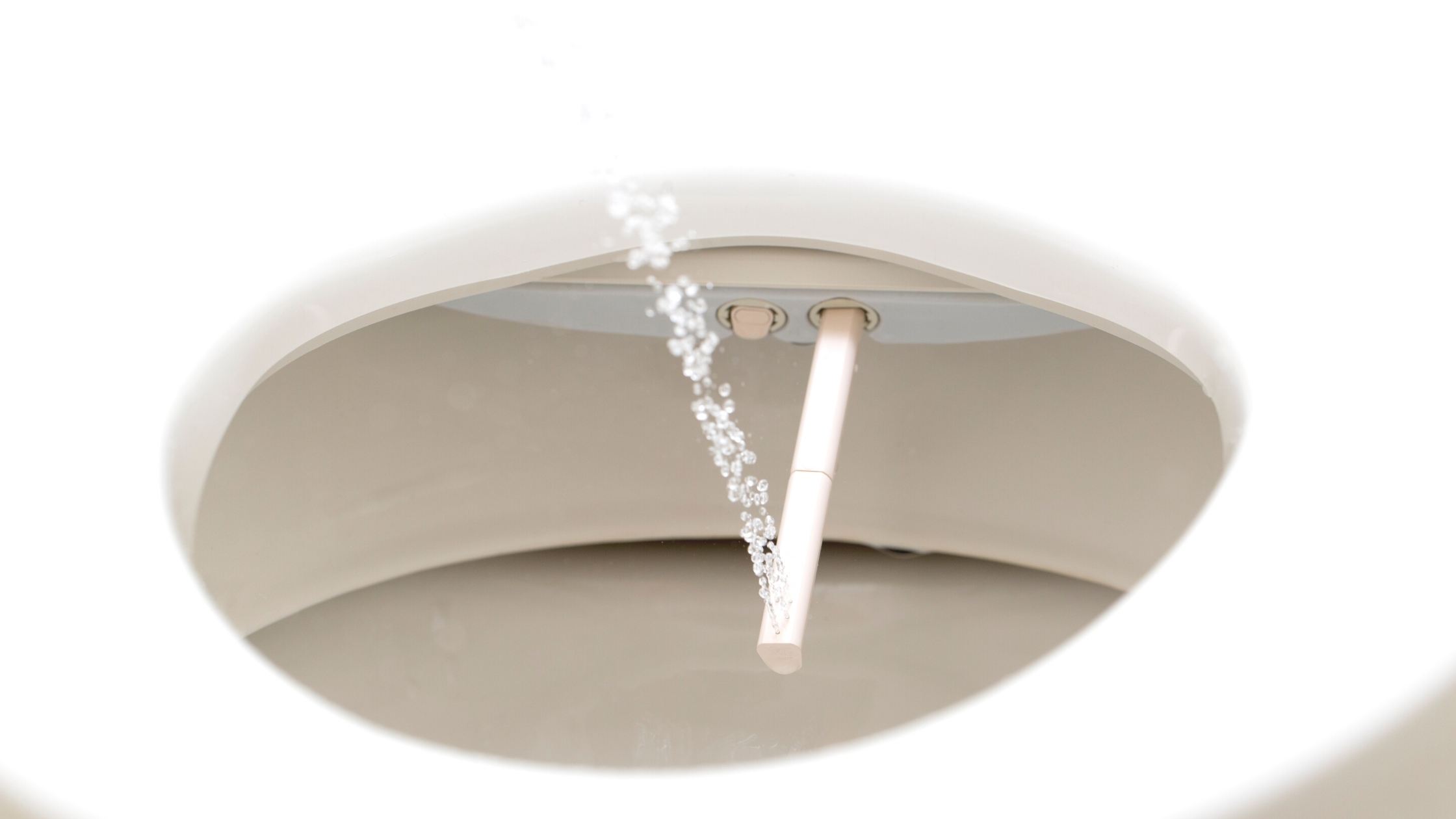
It turns out that if we all switch to using a bidet, we could save 15 million trees plus hundreds of millions of gallons of water.  That’s why after hearing Miki Agrawal talk at the Mindshare conference I decided to give the whole Hello Tushy bidet thing a try. 

She promises that it’s easy to put together and can be attached to almost any toilet. After playing a weird solo version of toilet twister in my itty-bitty toilet space it turns out that she’s right. All it takes is a screwdriver and following the directions. Plus, it works great! Now I’m wondering why I didn’t get one sooner.

Top three benefits of using a bidet

Here in the US, we don’t tend to use bidets, but I think that’s about to change. Especially if there’s less and less tissue in each package.

Here are just a few of the top benefits of using a bidet:

  • Cleaner: Because you’re rinsing the area before wiping, it’s cleaner and there’s less bacteria when you wipe
  • Less tissue: By cleaning first, you use less TP.  One resource I saw claimed that you could use up to 75% less toilet paper
  • Eco-friendly: Less TP use means less trees being cut down to make it and less water used to create it

Cleaner, saves money, and environmentally friendly. That sounds like a triple win in my book!

I swear the more I research this stuff to answer your questions the happier I am that I purchased a HelloTushy for my home.

Join me and help reduce the impact on the environment.

[expand title="Sources"] 

Miki Agrawal - -https://mikiagrawal.com

Armstrong M. Infographic: The U.S. Leads the World in Toilet Paper Consumption. Statista Infographics. Published October 5, 2018. https://www.statista.com/chart/15676/cmo-toilet-paper-consumption/

Bidets Save 15 Million Trees Annually—So Are We Using Them? - Rinseworks".Rinseworks, 2015,https://rinseworks.com/new/bidets-can-save-15-million-trees-annually/. Accessed 20 Oct 2021."Guidance On New PFAS Reporting Rule For Manufacturers".Green Science Policy Institute, 2021, https://greensciencepolicy.org/news-events/blog/guidance-on-new-pfas-reporting-rule-for-manufacturers. 

‌Business PK CNN. Your toilet paper roll is slimming down. CNN. Accessed March 30, 2022. https://edition.cnn.com/2022/03/08/business/toilet-paper-roll-shrinking-inflation/index.html

‌Skene J, with significant contributions from Vinyard, S. THE ISSUE WITH TISSUE: HOW AMERICANS ARE FLUSHING FORESTS DOWN THE TOILET. https://www.nrdc.org/. Published February 2019. https://www.nrdc.org/sites/default/files/issue-tissue-how-americans-are-flushing-forests-down-toilet-report.pdf

[/expand]

 
April produce guide

What's In Season: April Produce Guide

Spring is here and brings with it new foods that are at their peak of freshness. How many of these in-season foods can you add to your diet every day? 

Click on the links to find recipes boasting affordable, nutrient-rich, and better-tasting seasonal produce.

Artichokes 

Native to the western and central Mediterranean, artichokes are low in fat, rich in fiber, vitamins, and minerals like vitamin C, vitamin K, folate, phosphorus, and magnesium. 

Moreover, artichokes are among the richest sources of antioxidants. These delicious thistles are usually served as a hot vegetable with a sauce or as a cold appetizer. 

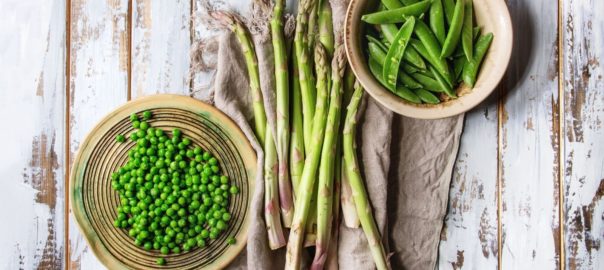
Asparagus

asparagus month

Asparagus is native from Siberia to southern Africa. It is high especially high in vitamin K and folate, essential nutrients that help lower blood pressure and support healthy pregnancy. 

Asparagus is low in calories, high in fiber, and contains 94% water, making it ideal for your digestive health. You can easily incorporate it into your diet; you can add it to salads, omelets, and it also makes a great side dish!

Broccoli

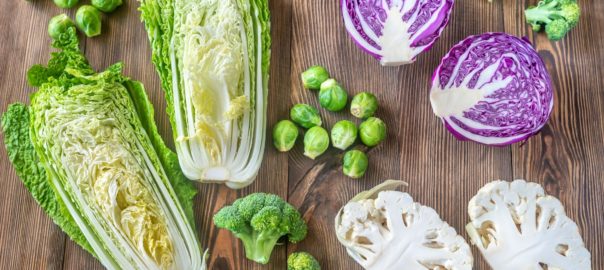
Broccoli, also abundant in January and February, is a superfood native to Europe. Low in calories and packed with many micronutrients, minerals, fiber, and antioxidants, broccoli has a reputation for helping to boost immunity and promote heart health.

The Institute for Functional Medicine suggests eating 2-3 cups of broccoli per day. Broccoli can be eaten cooked or raw. When cooking, it can be sautéed, steamed, roasted or air fried. If you plan to serve it without cooking, it's great for salads or dips.

Cauliflower

Not many vegetables contain choline. Cauliflower, along with broccoli, is among the sources of this nutrient that most people are lacking. Although the body makes some choline, we still need to consume choline-rich food to get enough. 

Consuming a sufficient amount of choline may reduce the risk of several health conditions, including cardiovascular disease, cancer, and dementia. 

If you're following a low-carb diet, cauliflower is a healthier choice to replace grains and legumes in a wide variety of recipes. I often like to curry cauliflower for a change of taste. The flavors of curry go well with cauliflower and greens. You can also try my autumnal cauli-mash recipe with roasted, crunchy Brussel sprouts.

Leeks

Leeks are an ancient crop and are native to eastern Mediterranean lands and the Middle East. Its close relatives are onions, shallots, scallions, chives, and garlic.

Low in calories but high in nutrients, such as magnesium and vitamins A, C, and K, leeks also contain some fiber, copper, vitaminB6, iron, and folate. 

They're widely used in soups and stews. You can also enjoy leeks in dips, salads, and quiche.

Lettuce

Lettuce is a nutritious vegetable in the aster family. Although it comes in many varieties, this leafy veggie, in general, is rich in vitamins K and A. Note that red leaf lettuce is higher in antioxidants.

Most lettuce varieties, such as iceberg and romaine, are eaten fresh and often served in salads, wraps, and sandwiches. 

Mushrooms

Mushroom is a type of fungi, but the term “mushroom” is used to identify edible sporophores. It is considered a vegetable for cooking purposes. 

Mushrooms also come in a lot of different shapes, sizes, and colors. The most common types found in the grocery are shiitake, portobello, button, oysters, and crimini.

They are a rich source of antioxidants, potassium, beta-glucan, and B vitamins for heart health and copper for bones and nerves. 

My favorite way to eat mushrooms is by tossing them into eggs, soup or using them to create my no-bean chili recipe

Pineapples

ineapples are delicious tropical fruits native to the Caribbean islands and Central and South America.

They are low in calories and loaded with antioxidants and compounds that can reduce the risk of chronic diseases, improve digestion, lower the risk of cancer, boost immunity, ease arthritis symptoms, and speed up recovery after surgery or vigorous exercise.

Serving one cup of fresh pineapples along with your usual breakfast or blending frozen pineapples into smoothies is a refreshing way to start your day!

Radish

Radish varieties are an excellent source of fiber, vitamin C, and antioxidants. Compared to other root vegetables, they have fewer carbs and calories.

Strong immune system, better digestion, and increased bile production are just a few of the many radishes' health benefits. Note that radishes are generally safe to eat, but people with thyroid problems must consume them in moderation.

Using Daikon radish root to substitute for ramen noodles is my personal favorite! 

Rhubarb

Rhubarb is classified as a fruit by the USDA. It is a good source of antioxidants, vitamin K, and fiber. Note that rhubarb may be high in oxalate and best to avoid if you are prone to kidney stones. 

Due to its sour and slightly sweet taste, its fleshy, tart leafstalks are usually sugared for use in pies, jams, and crumbles.

Spring Peas

Green peas are actually not a vegetable. They are part of the legume family, consisting of plants that produce pods with seeds inside. Other examples of legumes are lentilschickpeas, and beans

What makes peas unique is their high protein content. Half a cup of peas contains 4 grams of protein. 

Note that raw peas contain higher antinutrients that may disrupt the absorption of some nutrients. So it’s best to eat them fully cooked, fermented, or soaked.


When eating fresh, in-season produce, don’t forget to wash it first. Click here to get your toxin-free fruit and veggie wash!
[expand title="Sources"] 

https://www.britannica.com/plant/pea

https://www.britannica.com/search?query=asparagus

https://www.healthline.com/nutrition/rhubarb

https://www.healthline.com/nutrition/asparagus-benefits#TOC_TITLE_HDR_8

https://www.britannica.com/plant/Asteraceae

https://www.ncbi.nlm.nih.gov/pmc/articles/PMC6259877/

https://www.ncbi.nlm.nih.gov/pmc/articles/PMC2841576/

https://www.britannica.com/plant/rutabaga

https://www.healthline.com/nutrition/rutabagas

https://www.britannica.com/plant/turnip

https://www.healthline.com/nutrition/turnip-nutrition

https://www.medicalnewstoday.com/articles/284815

https://www.medicalnewstoday.com/articles/270435

https://www.britannica.com/plant/leek

https://www.healthline.com/nutrition/leek-benefits

https://www.britannica.com/plant/cauliflower

https://www.healthline.com/nutrition/benefits-of-pineapple

https://www.healthline.com/nutrition/benefits-of-cauliflower

https://www.britannica.com/plant/broccoli

https://www.healthline.com/nutrition/foods/broccoli

https://www.medicalnewstoday.com/articles/266765

https://www.britannica.com/plant/Brussels-sprouts

https://www.healthline.com/nutrition/benefits-of-brussels-sprouts

https://www.medicalnewstoday.com/articles/284765

https://www.britannica.com/plant/Brassica-olerace

[/expand]

Best Detoxifying Foods

Detox Your Body The Food Way

It is no secret that we are surrounded by toxins. They're in the air we breathe and can be on food on our plates. Chemicals and heavy metals fill the environment around us in sometimes harmful quantities. But do you really need an expensive detox diet or cleanse?

Just about every media source from TV to the internet to magazine covers is telling us we need to detoxify. But cleansing your body isn't just about getting rid of the bad stuff. It's also an opportunity for you to take care of yourself, nurturing your body so you can look and feel your best.  It starts with a real food diet.  

Long-time readers will know that I encourage cleaning up the chemicals in your diet, eating whole foods, and the use of alkalizing beverages and foods. I am not a fan of painful detox methods, extreme caloric reduction, or detox methods that cause you to feel ill.  I believe you should not feel bad, physically or mentally, while trying to support your body during a cleanse.

It is possible to eat well and support your body and good health while adding detoxifying foods.  

This top ten list gives you my suggestions for foods and nutrients to add to your diet, plus links to delicious recipes:

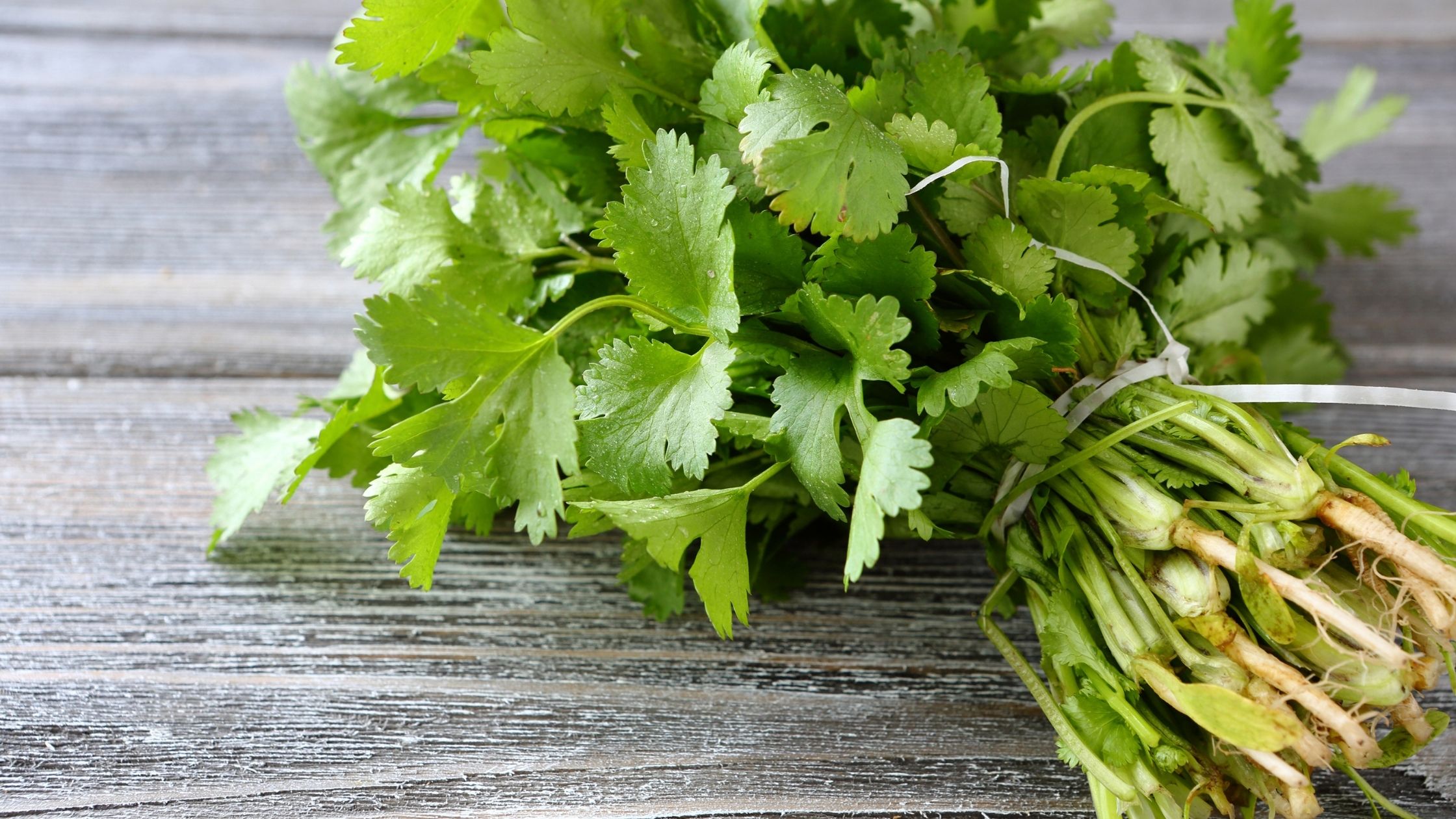
Cilantro - an excellent and tasty way to cleanse the body, ridding it of heavy metal accumulation.

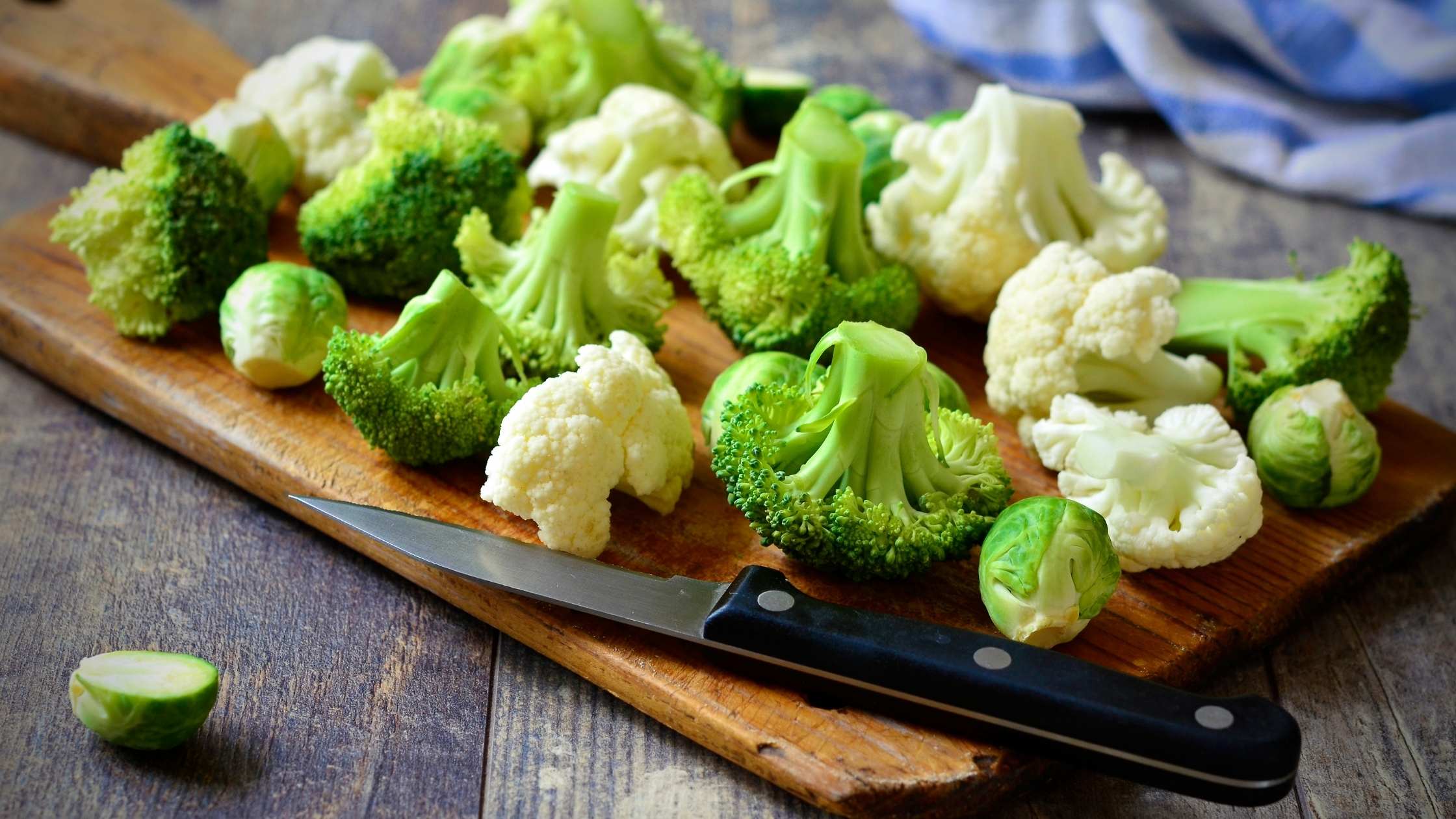
Cruciferous vegetables - broccoli, cauliflower, Brussels sprouts, kale, bok choy, cabbage, rutabaga, turnip, and radishes all support the liver which is important for detoxification.

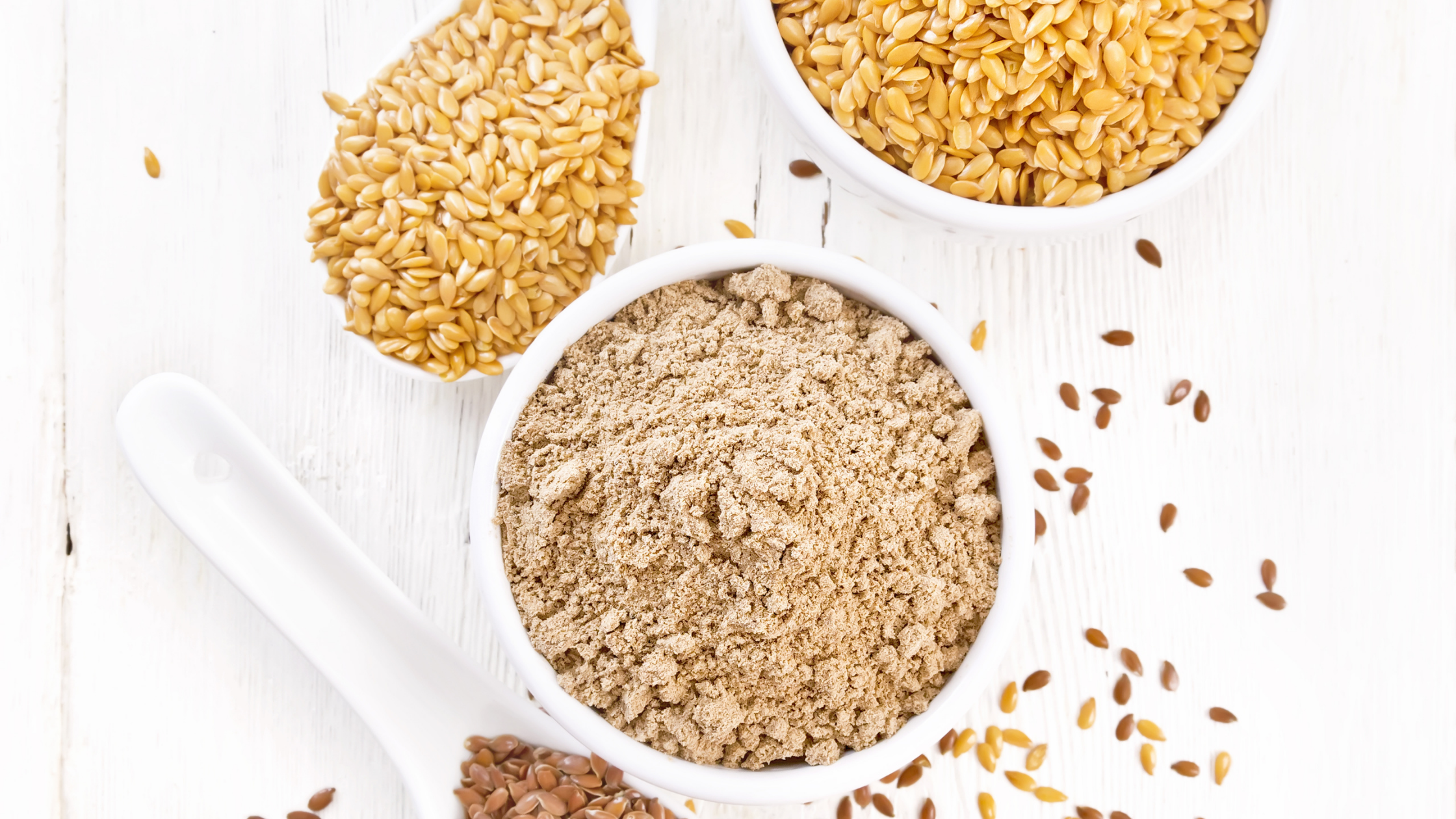
Fiber - supports a healthy digestive system which in turn helps with elimination when transporting toxins out of the body.  Good fiber choices include beans, fresh ground flax seeds, and whole grains.

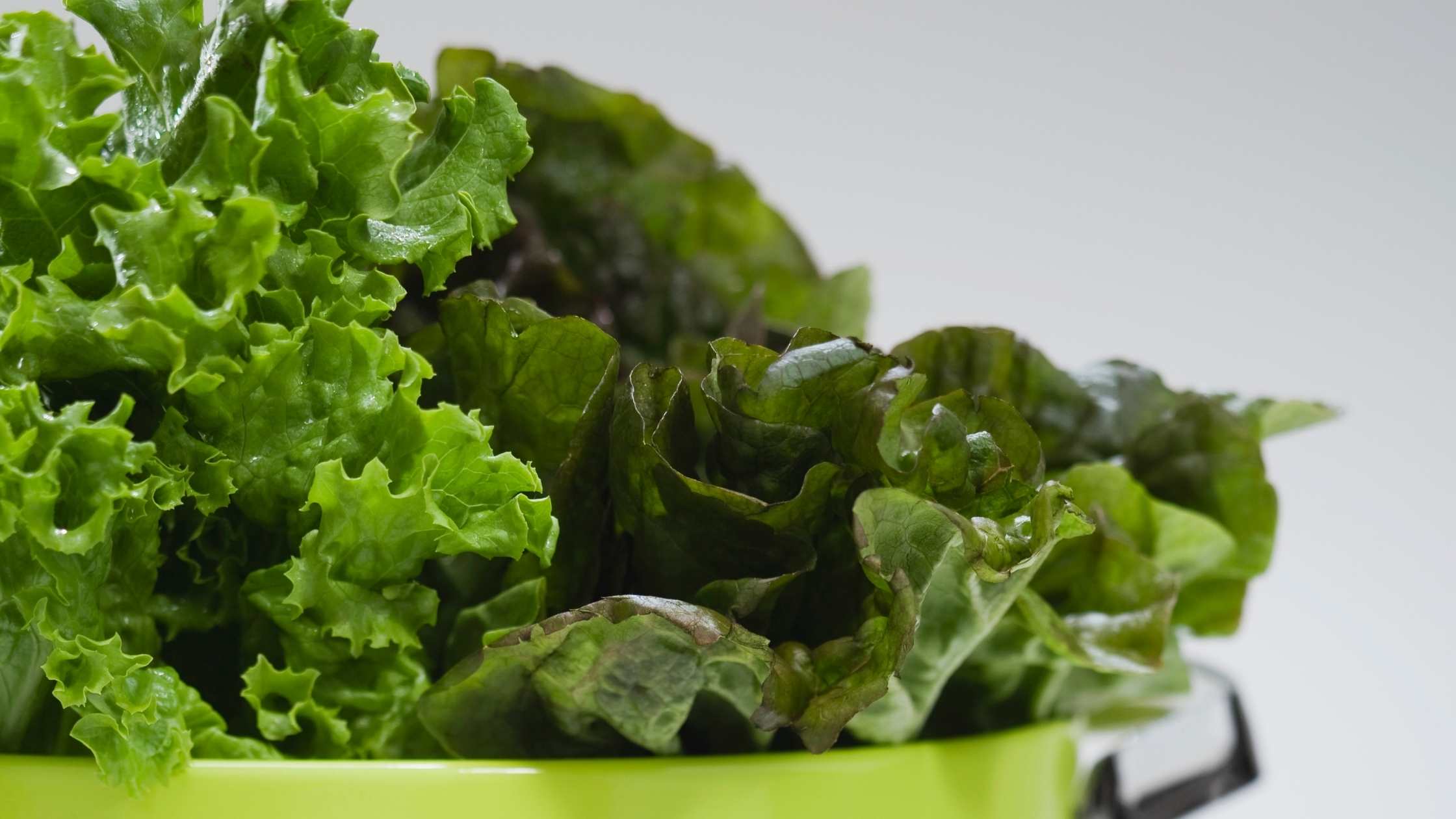
Folate - found in dark leafy greens, calves liver, lentils, beans, and asparagus, has been shown to help counter the effects of BPA in the system.

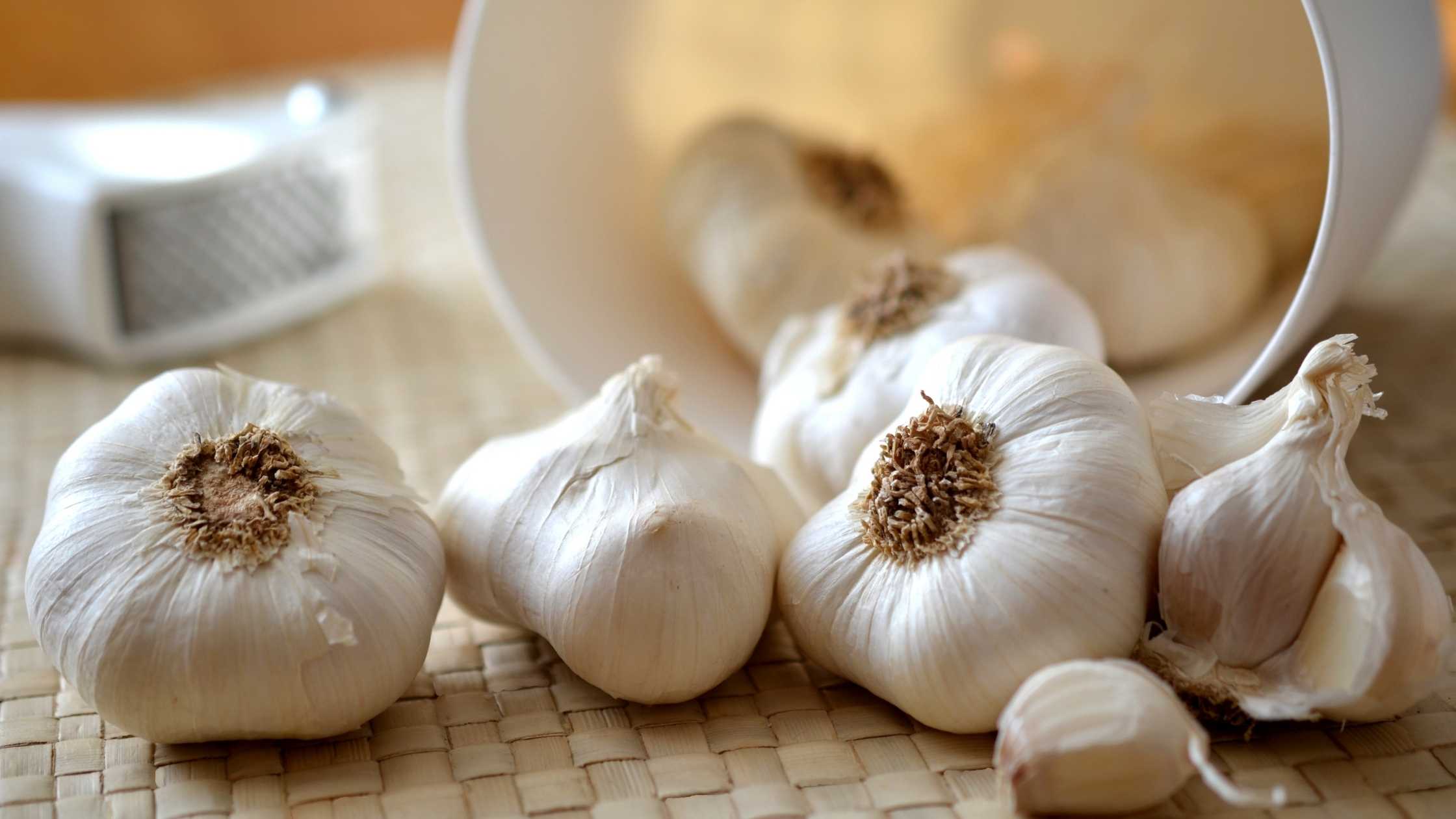
Garlic - high in sulfur garlic helps to dilate the blood vessels so they don't get blocked, it's also anti-inflammatory, anti-viral, and anti-bacterial.

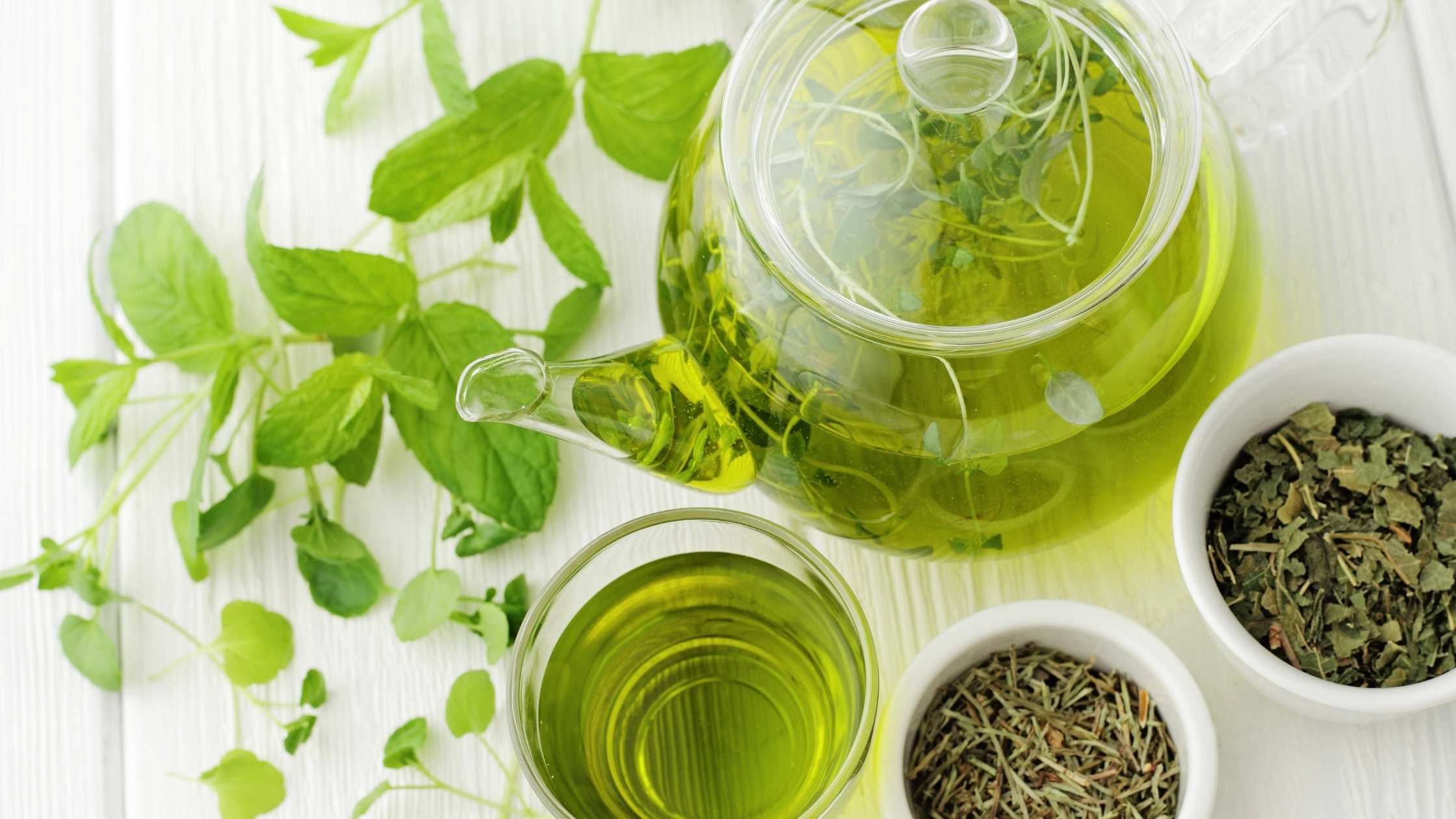
Green tea - high in anti-oxidants it supports the liver and helps with hydration.

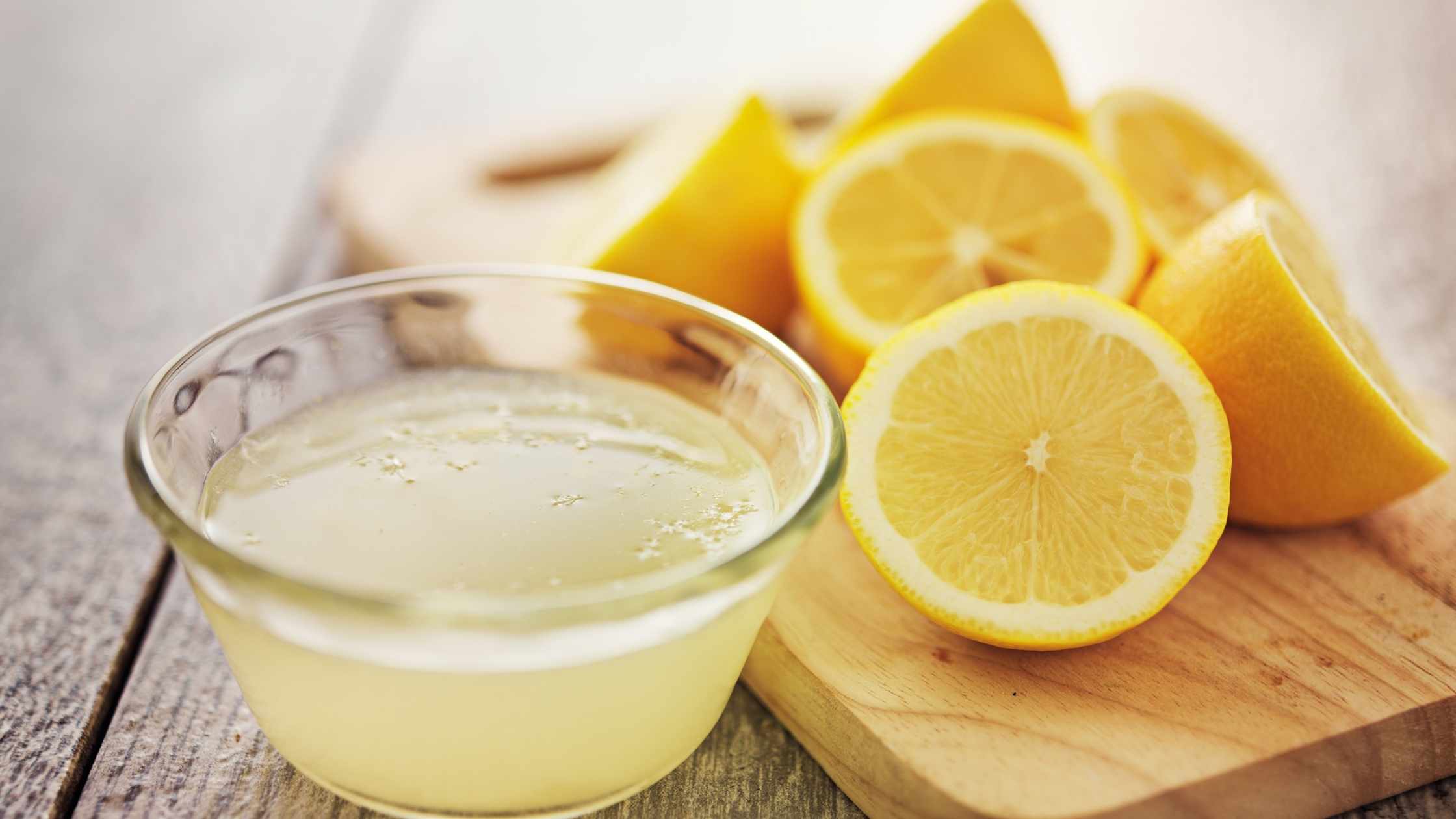
Lemons - have an alkalizing effect on the system, also add the juice to foods rich in iron to increase bio-availability.

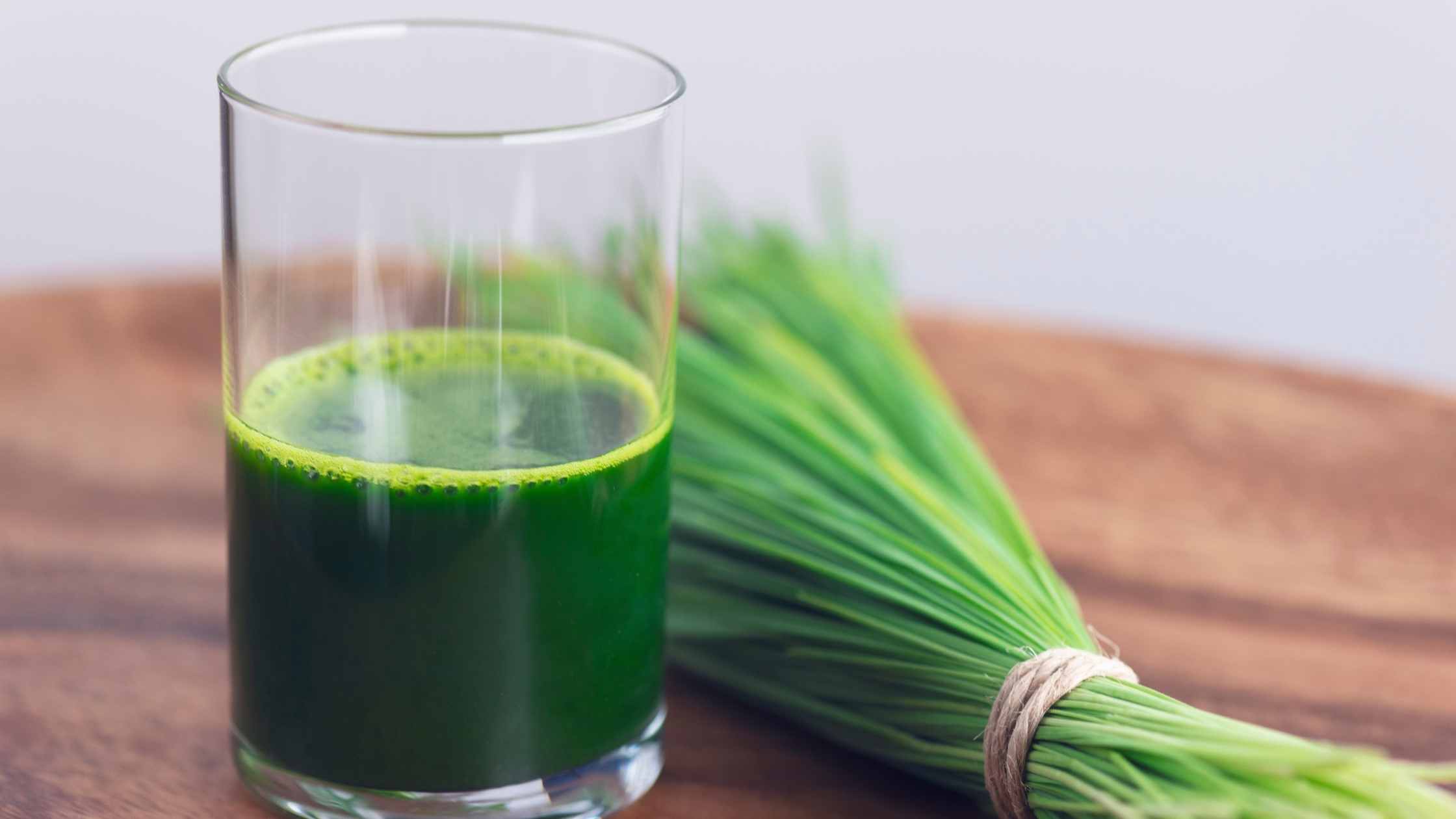
Wheatgrass - an excellent detoxifier that is also high in vitamins, minerals, and amino acids.

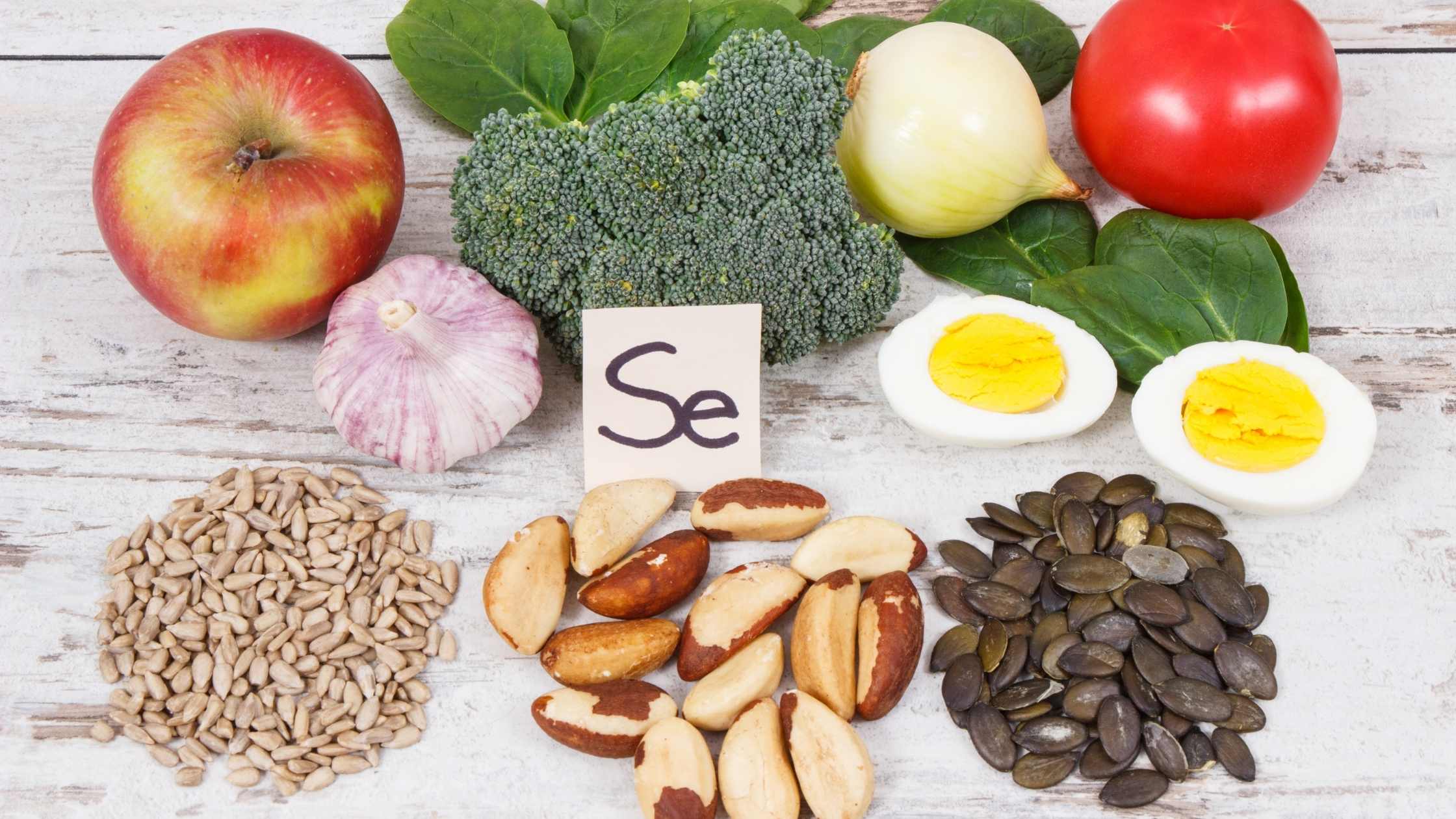
Selenium - helps to rid the body of mercury while protecting against free radicals, found in codfish, tuna, egg yolks, beef, shiitake mushrooms, lamb, and Brazil nuts.

Water - pure, clean water helps to flush the body of toxins.

Vegetables to not eat raw

Vegetables You Should Not Eat Raw

Chances are you know that eating raw meat, especially raw seafood, can carry significant health risks. Raw eggs these days are also not recommended due to the high potential for salmonella in the United States food system.   And there tends to be a fair amount of controversy over the consumption of raw milk.  But did you know that even some vegetables should not be consumed raw?

I’ve been reading the book Consider the Fork: A History of How We Cook and Eat by Bee Wilson. It is a wonderful read, fascinating and thought-provoking while sharing how changes in food preparation and tools have impacted our diet.  It’s astonishing to realize how much our food catalog expanded once we learned how to cook.

Some of the things on this list must be cooked because otherwise they are poisonous. Other things on the list are better cooked because it improves their nutritional value.

Vegetables To Not Eat Raw

Asparagus

This wonderful vegetable can be consumed raw however the antioxidant qualities increase after cooking

Broccoli

Although it is fine to eat broccoli in its raw state, cooking improves the amount of glucosinolates, anti-carcinogenic compounds.  It's important to note that those with thryoid issues do best to avoid raw broccoli (and other cruciferous vegetables) due to high levels of goitrogens which interfere with thyroid function.

Chaya

This is a super food that comes from the Yucatán, it’s similar to spinach. However it has cyanide in the leaves which is not neutralized until it’s cooked making it important to not eat this vegetable in it's raw state.

Eggplant

One of the nightshade vegetables and high in the glycoalkaloid solanine, eating eggplant in it's raw state delivers a higher level of solanines.  For those who have issues to arthritis or an HLA-B27 genetic marker eggplant should be avoided in the diet along with other nightshades.

Elderberries

Elderberries are know as a wonderful immune boosting superfood and many people make or take elderberry tonics during the winter.  Raw elderberries are actually quite toxic, it’s only after cooking that they are beneficial for us.

Lima beans

These are another raw food that contains a compound that turns into cyanide, fortunately cooking is the answer to break that down

Mushrooms

Raw these contain chitin which has the potential to upset your digestive system

Potatoes

Raw potatoes contain glycoalkaloids which can upset your stomach, luckily they don’t taste good raw

Tomatoes

In season and fresh, not the insipid grocery store variety, there is nothing quite so delicious as a raw tomato.  It turns out however, they have more of the antioxidant lycopene when they are cooked.

Yucca/Cassava

Cassava flour is a very popular alternative for many who eat gluten-free. This starchy tuber, however, contains cyanide in its raw state.  Cassava requires a somewhat complex processing in order to neutralize it before it can be eaten;  soon after harvesting it needs to be dried, soaked, rinsed, and then cooked.


[expand title="Sources"] 

Cardoso, MJ, Nicolau, AI, Borda, D., Nielsen, L., Maia, RL, Møretrø, T, Ferreira, V, Knøchel, S, Langsrud, S., & Teixeira, P. (2021). Salmonella in eggs: From shopping to consumption—A review providing an evidence-based analysis of risk factors. Compr Rev Food Sci Food Saf. 2021 20:; 1−26

[/expand]


crepes

Flourless Baking Ideas And Recipes

Out of flour?

More people are at home instead of out and about. Restaurants are offering limited service. Because of both those things that means more people are cooking at home. Including making desserts. But more people baking at home may lead to limited supplies at the grocery store for things like flour.  So there's an increased need for flourless baking recipes. Of course, flourless baking is nothing new if you're someone who usually eats gluten-free. You'll still find some delicious suggestions here. For those who are just learning how to bake at home, you'll be happy to know that flourless baking is just as good. And it's not difficult. Sometimes it's even better than the floured variety for some baked goodies.  I did a quick video about the idea of making sweet treats without flour   So if the supplies aren't readily available, it's time to look at different options. Luckily there are a number of them.  Here are my top seven suggestions for what you can make that don't require flour. 

Flourless Treats

  • Black Bean Brownies - these are absolutely amazing! Every time I make them for an event someone asks what the recipe is because these are so fudgy and just. that. good. When I tell them the secret ingredient is black beans people are surprised. But that doesn't stop them from having second helpings 🙂
  • Coconut Macaroons - This is another super easy 3 ingredient recipe that turns out delicious every time. Although these tend to be easily available around Easter/Passover time, the rest of the year notsomuch. It turns out they're so easy to make you don't need to wait for the right time of year to stock up.  Just be sure to buy unsulfured coconut shreds for the healthiest option.
  • Dessert Roll-ups - This is a delicious and easy way to use paleo-style pancakes as a dessert. 1 large banana, mashed + 2 large eggs, beaten + 1 teaspoon vanilla. Blend all ingredients together and then make thin pancakes with the batter. These can be filled with jam or chopped fresh fruit and then rolled up to eat. Or you can make a nut butter with jam or mashed fruit one. If desired top your crepes with a little whipped cream or a drizzle of honey. They're so delicious you may find yourself making another batch of batter.
  • Flourless Chocolate Cake - Warning, this is not a low-calorie recipe! But it is worth every single decadent bite. If you don't happen to have any it's possible to make your own almond flour using a vitamix or other blender. Just be careful because if you blend it too long you'll actually make almond butter (see nut butter cookies above).
  • Lemon Polenta Cake - Using polenta in place of the flour makes for a really delicious, moist cake. Just be sure to purchase non-GMO and glyphosate-free polenta. 
  • No-Flour Cookie Dough - Because sometimes you really just want to eat cookie dough. But these days, especially with the eggs, that's not really a good idea. So this flourless recipe is a great way to get that cookie dough texture and taste without risking salmonella.
  • Nut Butter Cookies - This is a really easy 3 ingredient recipe.  1 cup nut butter (I prefer almond) + 1/3 cup sugar + 1 large egg.  Mix all ingredients together.  Chill for at least 1 hour.  Preheat oven to 350 F.  Line baking tray with parchment paper. Place heaping Tablespoons of dough on the paper.  Flatten with a fork (can criss cross for a pretty design). Bake 8-10 minutes.  Let cool 15 minutes on the baking sheet before transferring to a wire rack to finish cooling.
   
smoothie ingredients

Superfood Ingredients For Your Smoothie

When it comes to making healthy superfood smoothies it’s not just about throwing some fruit and veggies into your blending and turning it on. Sure, superfoods can be great for the body, but some are better than others. Plus, you want to think about more than just the “super” foods.

When you’re thinking about your ingredients you want to nourish your body by making nourishing choices and adding healthy veggie too.

Here are my favorite mix and match ingredients for making a fabulous smoothie:

Frozen ingredients

While fresh foods are great, there is a place for frozen items in your smoothie.  One of my favorite reasons for doing that is because you’re getting the texture and consistency you want without having to add ice which, let’s face it, is just water.  Plus your frozen ingredients can provide just as many nutrients as their fresh counterparts.  Some of my favorite frozen ingredients include:

  • Berries or other fruits
  • Avocado (cut into chunks, not left in the shell)
  • Cauliflower (this will need to be blanched first)
  • Zucchini (cut into 1/2 thick slices)
  • Leafy Greens


Superfoods

The term superfood can be a bit confusing.  It seems like it’s appearing on almost everything these days.  Really all it means is foods that have a lot of nutrient density.  Some foods have more nutrients than others. But for the purposes of our smoothie I’m going to share my top superfood smoothie ingredients:

  • Seeds - I prefer a blend of seeds rather than just one kind. Some people like to have their seeds individually, hemp one day, flax the next. However you like them, be sure to add seeds to get some omega 3’s and fiber. I generally recommend 1 tablespoon
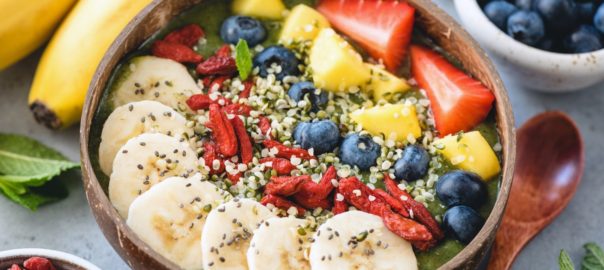
  • Goji berries - Full of amino acids and antioxidants, goji berries also have a lot of vitamins and minerals. They available dry in either bulk food bins or in the health food section of the store.  Just a tablespoon is plenty; you can either blend these in or sprinkle them on the top for a decorative effect
  • Coconut oil - a healthy medium chain triglyceride this is wonderful to support the metabolism. One tablespoon is plenty but be sure it’s melted before you add it.  Otherwise you wind up with globs of frozen coconut oil in your smoothie.
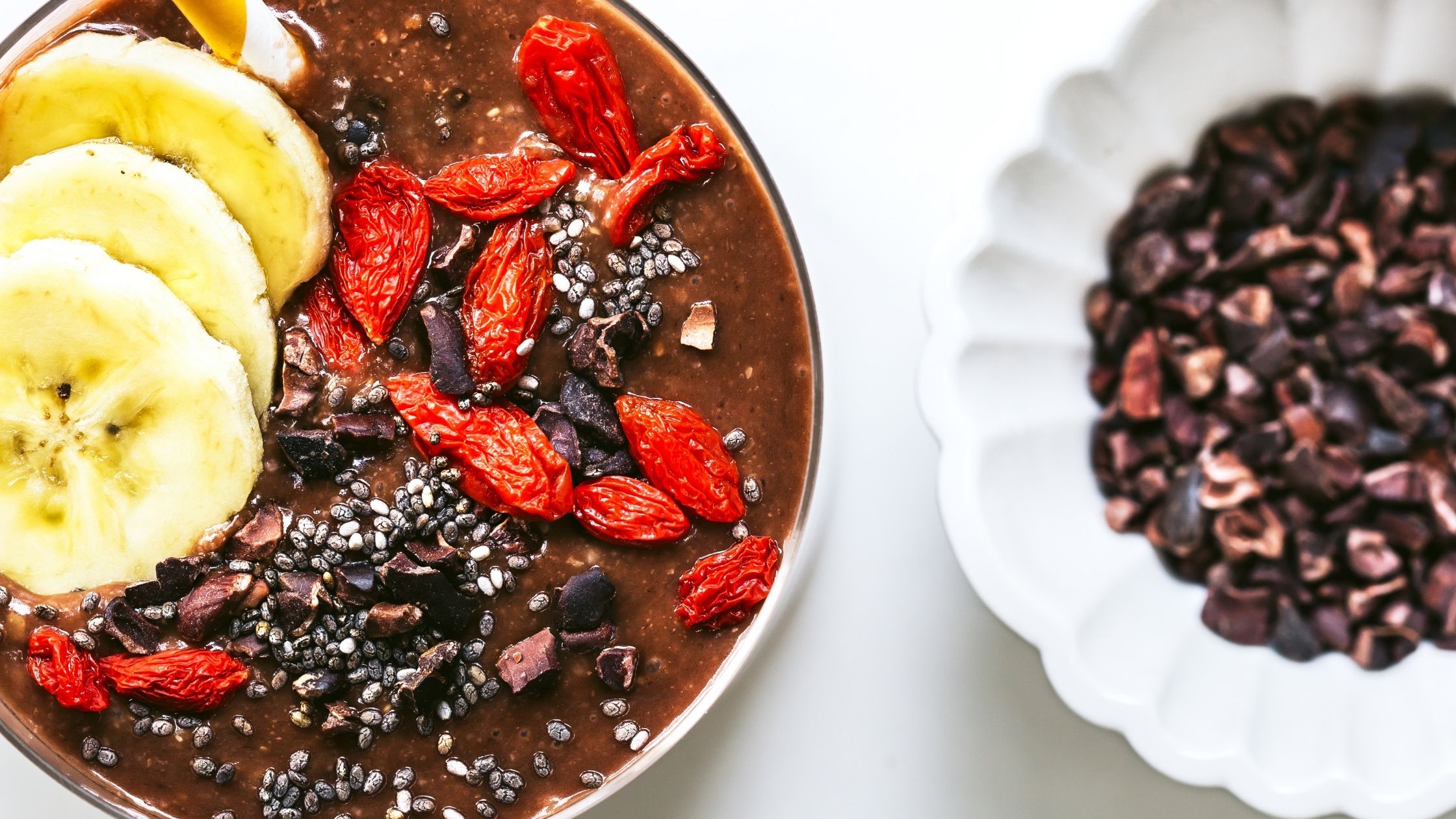
  • Cacao - The powder is a great way to add a delicious treat plus get more antioxidants. One to two tablespoons make a nice addition.  Combine this with a sprinkle of cacao nibs on top and it’s definitely a nourishing superfood treat.
  • Bee pollen - Highly antioxidant, bee pollen also provides some protein. Studies have shown it has immune boosting properties, making it a wonderful and delicious addition to a smoothie. I suggest 1/2 - 1 teaspoon, start slow and work your way up.  Some people may experience allergy symptoms when taking bee pollen.

What do I put in my smoothie?

I got a lot of people asking this. I generally do not put leafy greens in my smoothie. That's because I prefer to eat them  I do, however, love the following (not all at once):

  • Frozen zucchini: I buy zucchini, slice them into 1/2" slices, freeze them flat on a cookie sheet, and then pop them into a silicone bag.  I usually throw 3-4 slices into a smoothie.

  • Frozen avocado: peeled, de-seeded, and chopped up, this is a great way to get avocado into a smoothie

  • Pumpkin: I usually use canned organic pumpkin. This with a vanilla protein powder, bee pollen, and some pumpkin pie spice?  YUMMMM!

  • Frozen cauliflower: This is a great way to get a little more veg, I generally only use 1/2 a cup or less

  • Frozen berries: They're delicious and I'm a huge fan.  Sometimes I'll alternate with frozen peaches.  I generally don't do bananas anymore because it's too much and too sweet

  • Boosters:  Love these and add them in rotation depending on flavors:  bee pollen, 7 seed mix, cacao nibs, raw nuts, pomegranate arils, or shredded coconut.  I also use spices, typically either cinnamon, nutmeg, or pumpkin pie spice

  • Bone broth: Yes! Sometimes I freeze bone broth in ice cube containers.  I can then chunk 3-4 cubes into a smoothie for a nutrient dense boost without too much of a flavor override.  Give it a try!

  • Rootz protein powder - It really tastes good! It includes easy-to-digest egg and hemp proteins, greens, bee pollen, berries, coconut, and a ton of really amazing ingredients. And it had nothing artificial in it.

Think about your blends


Not all superfoods will go well together. You want to make sure you are pairing your ingredients carefully so you don’t wind up with a terrible tasting smoothie.  That would be a complete waste of good ingredients. 

When you’re thinking about what you want to add to your smoothie be sure to put together ingredients that combine nicely.  If you’re not sure slice some up and try eating a bite of them together to make sure you like the combination. 

It’s also helpful to write down combinations that you’ve tried and love.  Creativity in the kitchen is great, delicious, repeatable creativity is better. 

Simple Smoothie Recipe

Rather than following a formula I’m a fan of being creative with my smoothies.  
It also depends on 
(a) what I have on hand, and 
(b) what I’m in the mood for
Here’s my general guideline when it comes to making a smoothie

Ingredients
  

  • 1 - 1 1/2 cups liquid
  • 1 cup fruit 
  • 1 cup veggies 
  • 1-2 tablespoons booster foods
  • 1 serving protein powder (if using)

Instructions
 

  • Tips: 
    Don’t simply throw everything in there and hit blend.  
    Start by blending liquid, boosters, and non-frozen ingredients.
    Then blend the remaining ingredients.
    Too many frozen ingredients won’t blend well If using frozen ingredients.
    Let it blend long enough to break them all down to avoid icy lumps.
    It’s okay to add extra liquid if needed (this isn’t an exact formula)
    Remember to write down combinations that you really love so you can have them again.
    Mix it up; don’t make the same smoothie every day. After all, variety is the spice of life

health benefits of carob

The Health Benefits Of Carob

What is Carob?


Carob (Ceratonia siliqua) is a flowering evergreen tree in the legume family. It is also sometimes referred to as St. John's Bread. There’s a biblical story story which shares that St. John the Baptist subsisted on carob beans mixed with honey while he crossed the desert.

Carob was traditionally eaten in the Middle East as a source of sugar before sugar cane and beets were used for that purpose. The seeds are also referred to as “locust beans.” Locust bean gum, a thickening agent found in alternative dairy and other products, comes from these seeds.


Benefits of Carob


Naturally sweeter than cacao (the base ingredient for chocolate), carob is more than a sweetener.  There are a wide range of health benefits from it and many of the studies being done indicate positive outcomes from the use of carob:


  • Many people prefer carob to chocolate because, unlike chocolate, it does not contain the stimulants caffeine or theobromine. It also does not have any oxalic acid which can cause calcium oxalate kidney stones in some individuals.
  • It is rich in tannins creating a binding effect which can be helpful when given to someone with diarrhea. Tip: I have found documentation suggesting 15 g. of carob in applesauce (for flavor and ease of ingestion) is an acceptable dose for children.
  • Carob is currently being examined as a protein source.  Research indicates that the flour made from the germ of carob has a high protein content, as much as 46%.  according to studies currently being done at the Universidad de Sevilla, Instituta de la Grassia, by isolating the germ further, protein content percentages, in a laboratory setting, have reached as high as 95%.  This isolate is of interest because it would offer an alternative to soy or dairy proteins for protein shake formulas created for athletes and for diabetics.  
  • The germ flour of carob also yields higher levels of arginine, an essential amino acid that is important for healing wounds, for immune function, and for hormone release among other physiological functions.  
  • For people with celiac disease or gluten intolerance carob flour and carob bean gum can be a good choice as carob contains no gluten.
  • There appears to be a cholesterol lowering effect of carob fiber which is taken from the pulp of the fruit. According to a study published in the European Journal of Nutrition “Daily consumption of food products enriched with carob fibre shows beneficial effects on human blood lipid profile and may be effective in prevention and treatment of hypercholesterolemia.”  
  • Carob fiber is also high in phenolic antioxidant substances, and there are studies underway looking into the chemo preventive qualities of carob.
  • Carob is rich in polyphenols which can reduce oxidative stress scavenging free radicals. These phenols have been shown to reduce the risk of some chronic diseases such as cancer and heart disease.
  • The tannins and polyphenols found in carob fiber may have the potential to be helpful with those who suffer from type 2 diabetes. These compounds can reduce the blood glucose response by inhibiting enzyme activity; therefore, slowing the rate of starch digestion.

Carob usually comes in a powder form although it is possible to also buy it in blocks. It is not currently available in gum or liquid form, these tend to be only used for commercial applications.


Is it like chocolate?

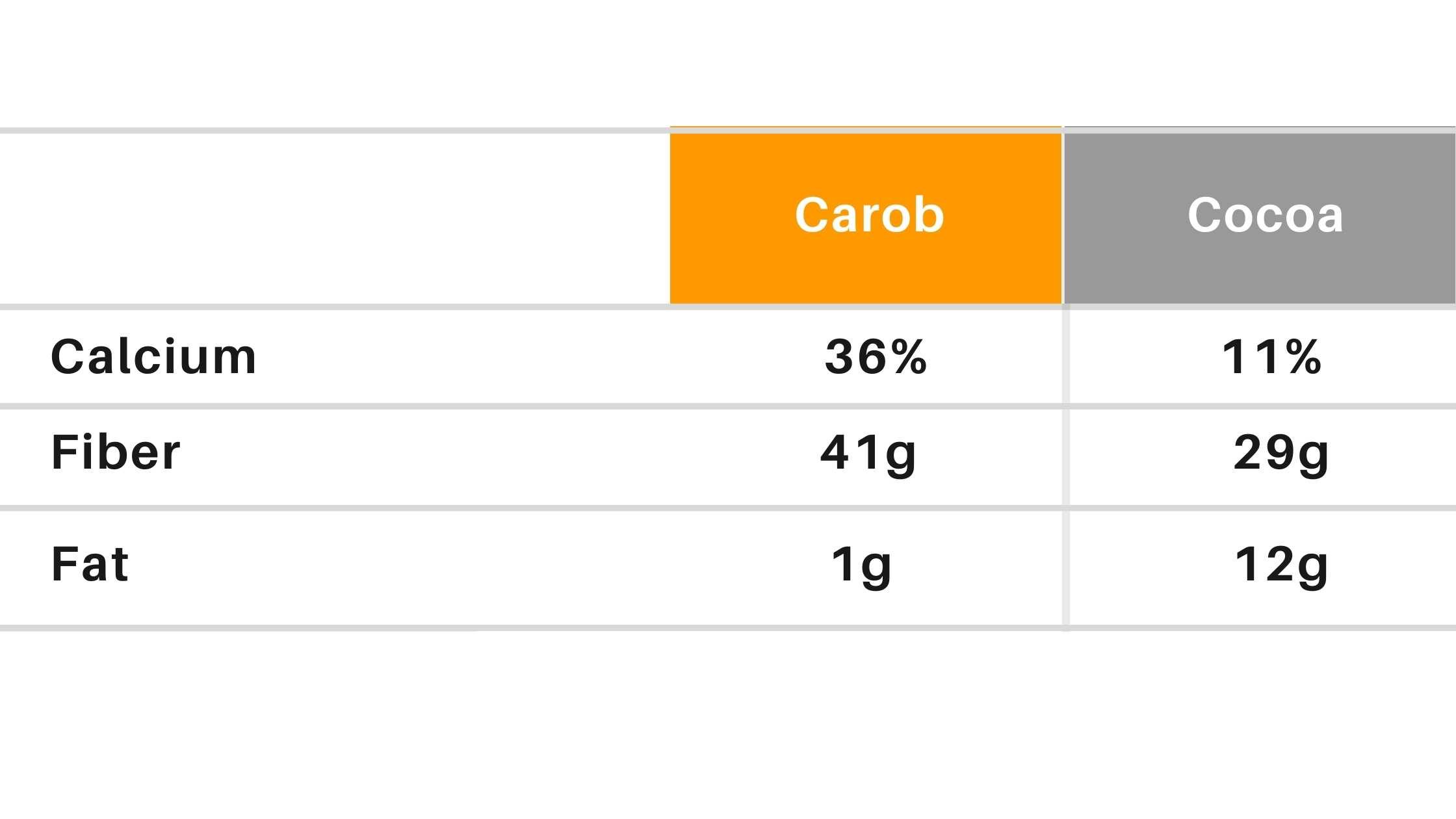
Carob does not have the same taste/flavor as chocolate, but many people like it. Especially because, as mentioned above, it’s naturally sweet.  As well as being sweeter, carob provides good nutrient density when compared to cocoa.  The comparison below is for one cup:         

Carob can be substituted for cocoa in a recipe by replacing each part of cocoa powder with 2-1/2 parts carob powder by weight.

To substitute for baking chocolate, use 3 Tablespoons carob powder plus 2 Tablespoons water for one square baking chocolate.

You can also purchase carob chips, a healthier option is to choose the unsweetened ones.

If you are monitoring calories and/or carbohydrates, here is a comparison of unsweetened carob and unsweetened cocoa powder:

1 Tbsp unsweetened carob = 25 calories and 6 grams of carbohydrates

1 Tbsp unsweetened cocoa powder = 12 calories and 3 grams of carbohydrates

In conclusion, carob is great as a sweetener substitute, it is high in protein and will probably be coming soon to a protein supplement near you.  Useful for people who cannot ingest gluten, it is also showing promise as a functional food that may help lower cholesterol and help prevent oxidative cell damage. It may also be effective in the prevention of colon cancer and reducing the risk of type 2 diabetes. 

Consider adding carob to your diet but please remember to read the labels.  If you start seeing wonderful health claims on the front of a package that's fine but always check what other ingredients are in your food before you unthinkingly purchase something because of the marketing language.

I like carob, and we do use it sometimes in baking. I don't consider it to be a “substitute” for chocolate, but instead another ingredient with its own unique flavor. Give it a try, you may discover a new flavor to use plus some health benefits too.

[expand title="Sources"]