All posts by Mira


About Mira

Mira Dessy is The Ingredient Guru. A holistic nutrition professional, author, and a popular public speaker, she knows that it's not just what you eat, but what's in what you eat. She is the author of The Pantry Principle: how to read the label and understand what’s really in their food. Dessy is a Board Certified Holistic Health Practitioner whose mission is to educate and empower consumers. She curates the Lean Clean Green Subscription box, the premier, organic, earth-friendly, healthy, sustainable subscription box which can be found online at https://theingredientguru.memberbox.com

crackpot breakfast casserole

Crockpot Breakfast Casserole

Overnight breakfast success

I love using my crockpot for all different kind of recipes.  And really, there's no reason not to. Crockpots are simple to use easy to clean up, and an energy-efficient way to cook. But as great as they are for dinners and snacks, breakfast is where a crock pot really rocks.
 
There's nothing better than coming downstairs to a nice hot breakfast, ready and waiting. But you didn't have to cook it. Because you made it in the crockpot. After all, if you're willing to leave it on all day to make dinner, why not leave it on overnight to make breakfast? Especially when you're cooking for a crowd. After all if you've got a house full of guests that's the time you don't want to be stuck in the kitchen cooking anyway. So let your crockpot do all the work and you'll look like a kitchen star.
 
This casserole is a family favorite. While it takes a little bit of prep time it's delicious and totally worth it. 
 
Sweet potato crockpot breakfast casserole
Print
Ingredients
  1. Slow Cooker Breakfast Casserole
  2. 2 large sweet potatoes, washed and shredded
  3. 1 onion, chopped
  4. 1 bell pepper, chopped
  5. 2 cloves garlic, minced
  6. 3 tablespoon coconut oil
  7. 1 pound cooked meat - organic and preservative free
  8. 1 cup shredded cheese - we prefer white cheddar
  9. 1 dozen organic eggs
  10. 1 cup whole organic milk
  11. 1 teaspoon herbs of choice - suggestions include oregano, basil, chives, thyme, but you can use whatever you prefer
  12. 1/2 teaspoon sea salt
  13. 1/2 teaspoon fresh ground pepper
Instructions
  1. Grease inside of crock
  2. In a pan saute potatoes in 2 tablespoons coconut oil until starting to brown, remove and set aside
  3. In remaining 1 tablespoon of coconut oil saute onion, peppers and garlic until warmed through and starting to soften
  4. Layer in the crock 1/3 potatoes, 1/3 vegetables, 1/3 meat, 1/3 cheese, repeat layers, top layer will be cheese
  5. Mix together eggs, milk, herbs, salt and pepper
  6. Gently pour egg mixture over layers in crock
  7. Cook on low 8-10 hours (or overnight) until eggs are set
Notes
  1. Delicious served with a little salsa on top
The Ingredient Guru, Mira Dessy https://theingredientguru.com/
For more great crockpot recipes:
what's in season july

What’s In Season: July Produce Guide

July brings such a treat for our taste buds. There are so many fresh and in-season fruits and vegetables that it's hard to pick just one! With such a bounty of fresh produce available, it’s super easy to eat the rainbow at this time of year.

Here's your ultimate guide to July produce, including nutritional profile, buying tips, and some seasonal recipes.

Apricots
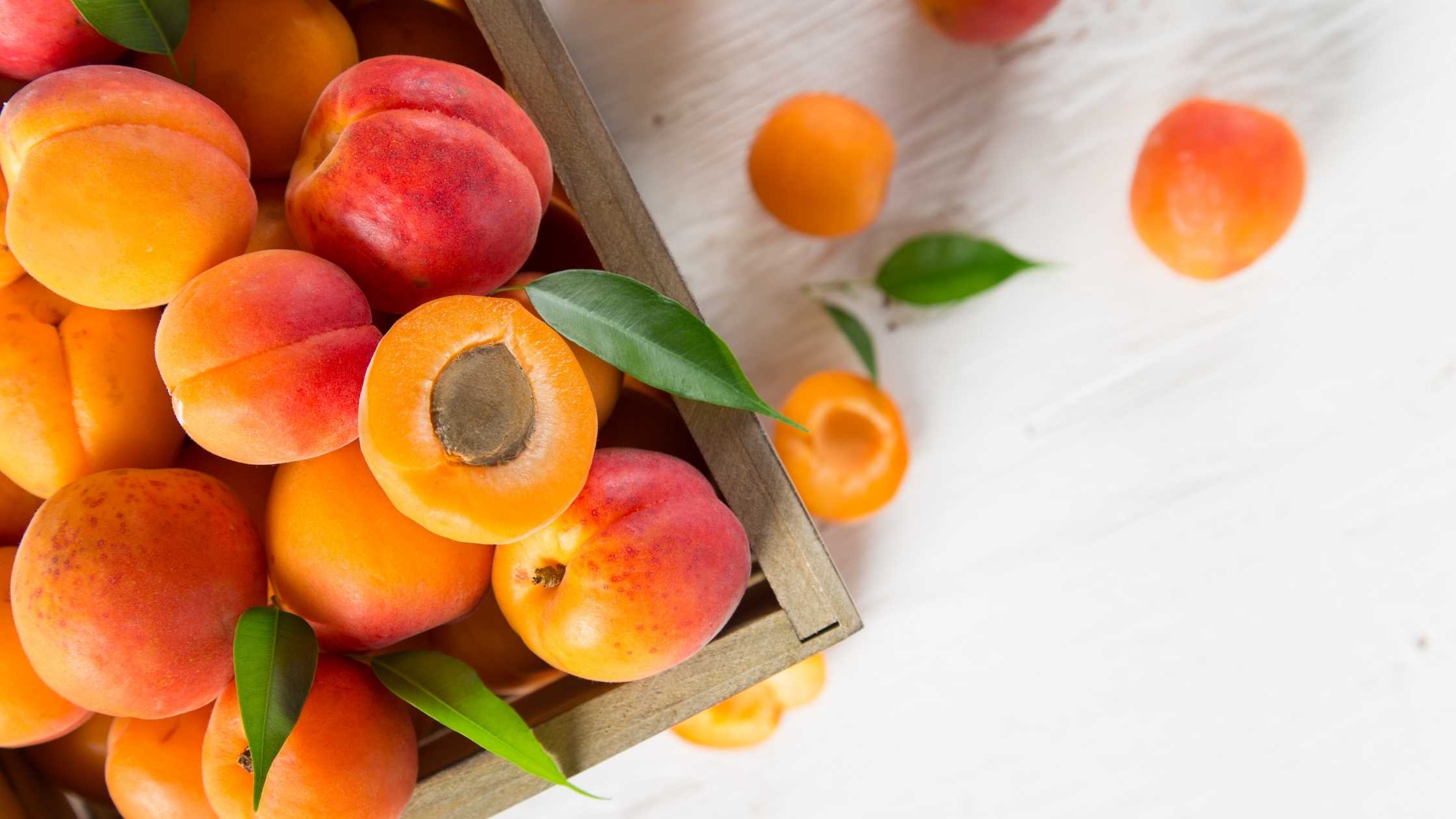
Apricots are grown throughout the warm regions of the world, especially in the Mediterranean.

They are low in calories and fat, a good source of vitamin A and C, and packed with antioxidants, fiber, and vitamins. These multiple benefits can promote eyes, skin, and even gut health. Not to mention that fresh apricots are a hydrating food. 

Apricots can be eaten fresh or cooked and can be preserved by canning and drying. Dried apricots are especially high in iron. 


Blackberries
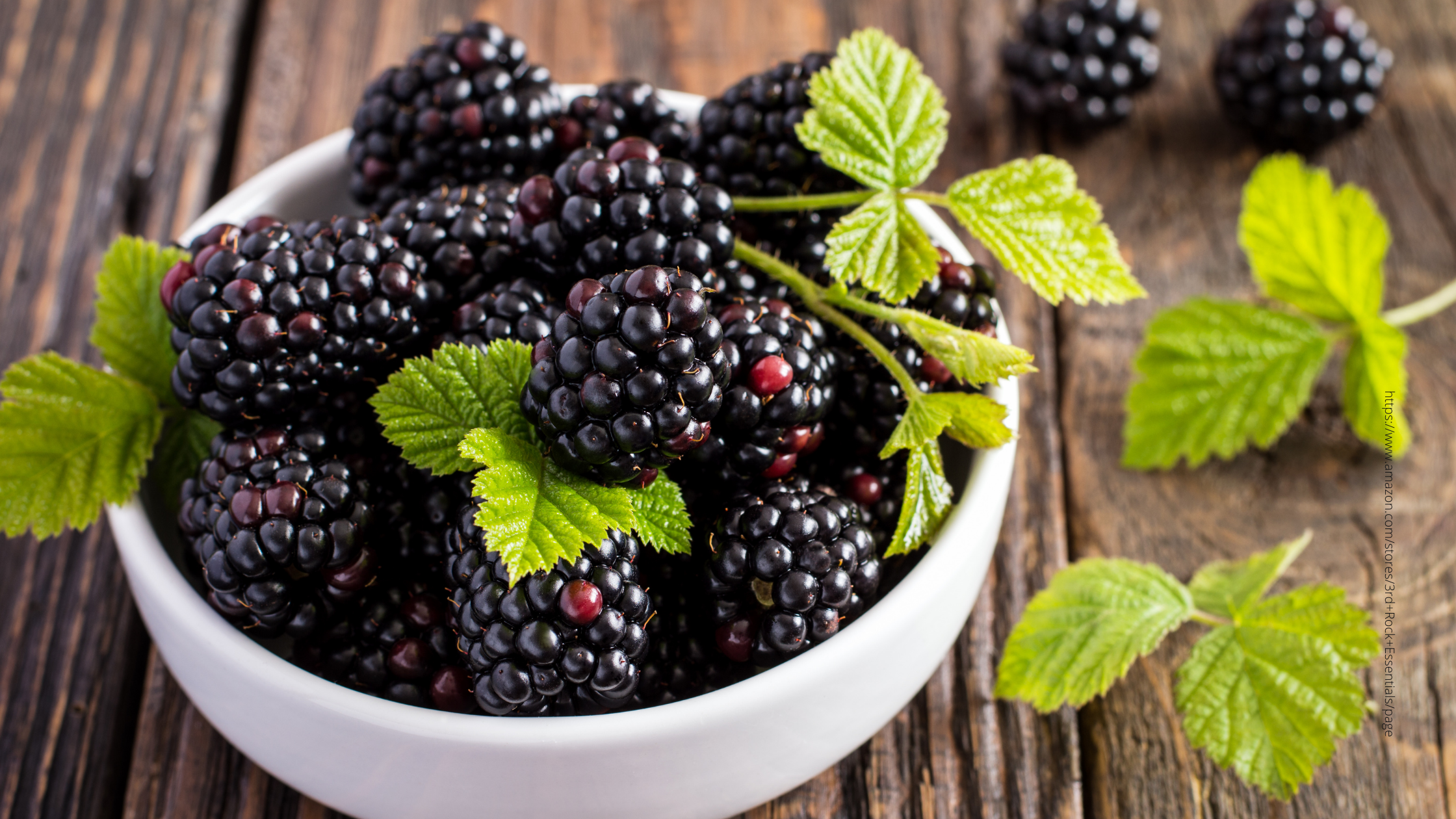
Blackberry bushes grow all over North America (especially in eastern portions), but their favorite place is along the Pacific coast.

Blackberries are high in vitamin C and antioxidants, which help to reduce inflammation in the body. A cup of raw blackberries has 30.2 milligrams of vitamin C or half the daily recommended value. For this reason alone, they've been touted as a superfood.

They are generally eaten fresh, in preserves, or baked goods such as pies!


Blueberries
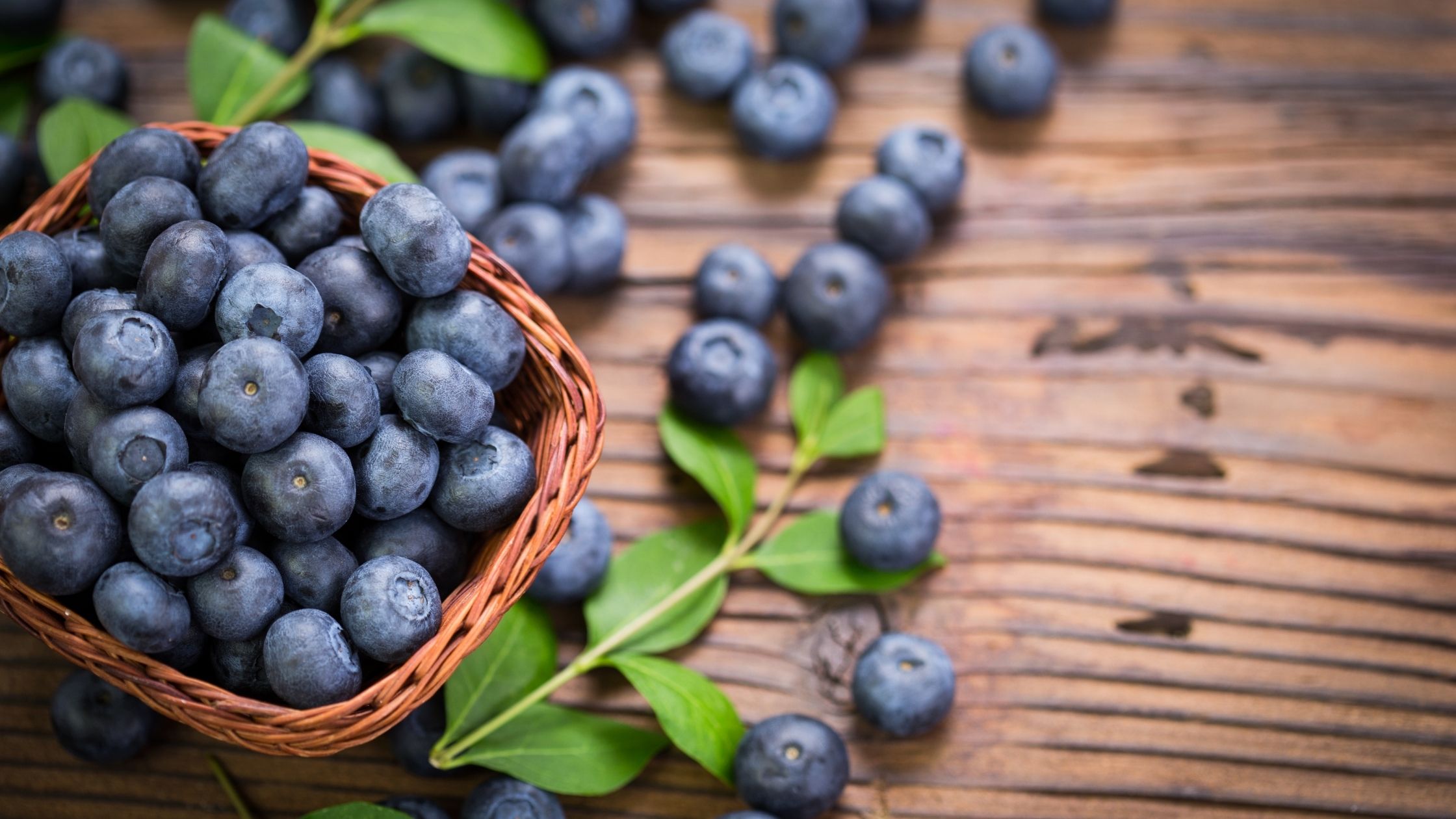
The Native Americans were the first to recognize blueberries as a versatile and healthful fruit. They used them for medicinal purposes, as a natural flavoring for food, or in pastries like pies and muffins

Blueberries boast many vitamins, including vitamin C, manganese, iron, plus dietary fiber, which is great at aiding digestion! 

Today they're hailed as "superfoods" because of their nutritional value. Fresh berries can be eaten fresh from summertime's harvest while dried ones make excellent flavorings such as sauces with tart lemon juice added in too!

Cantaloupe
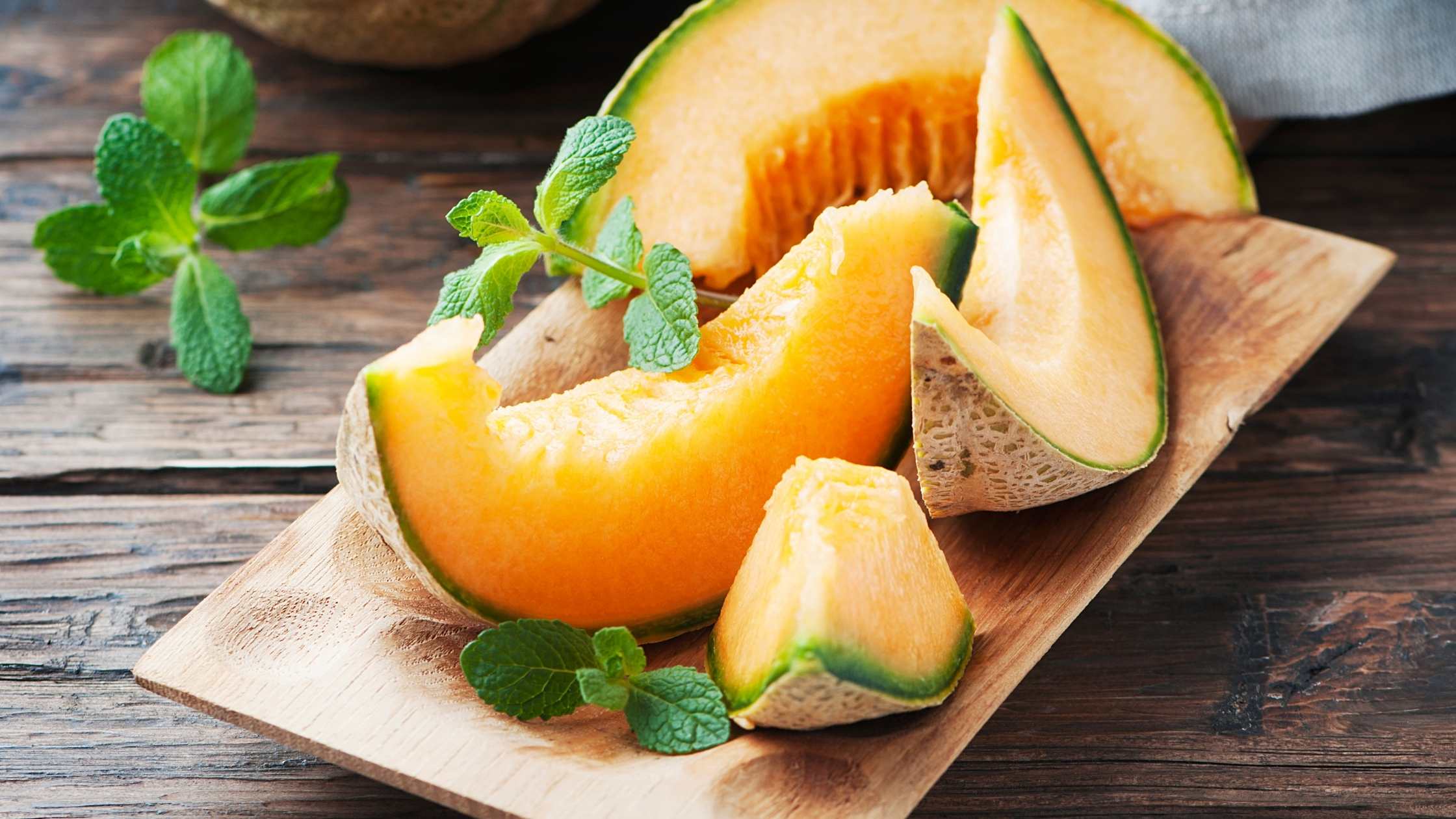
Cantaloupes are not only delicious, but they have a variety of health benefits as well. They contain high levels of beta-carotene, which is an important nutrient for eye and skin protection since it is converted to vitamin A in the body. 

Cantaloupe has over 100% DV per cup for Vitamin C, meaning that eating one serving will give you enough Vitamin C throughout your day! 

This fruit can be enjoyed on its own or mixed with other fruits like bananas, blueberries, strawberries, etc., making it versatile and enjoyable while getting all your daily nutrients at once!

Corn
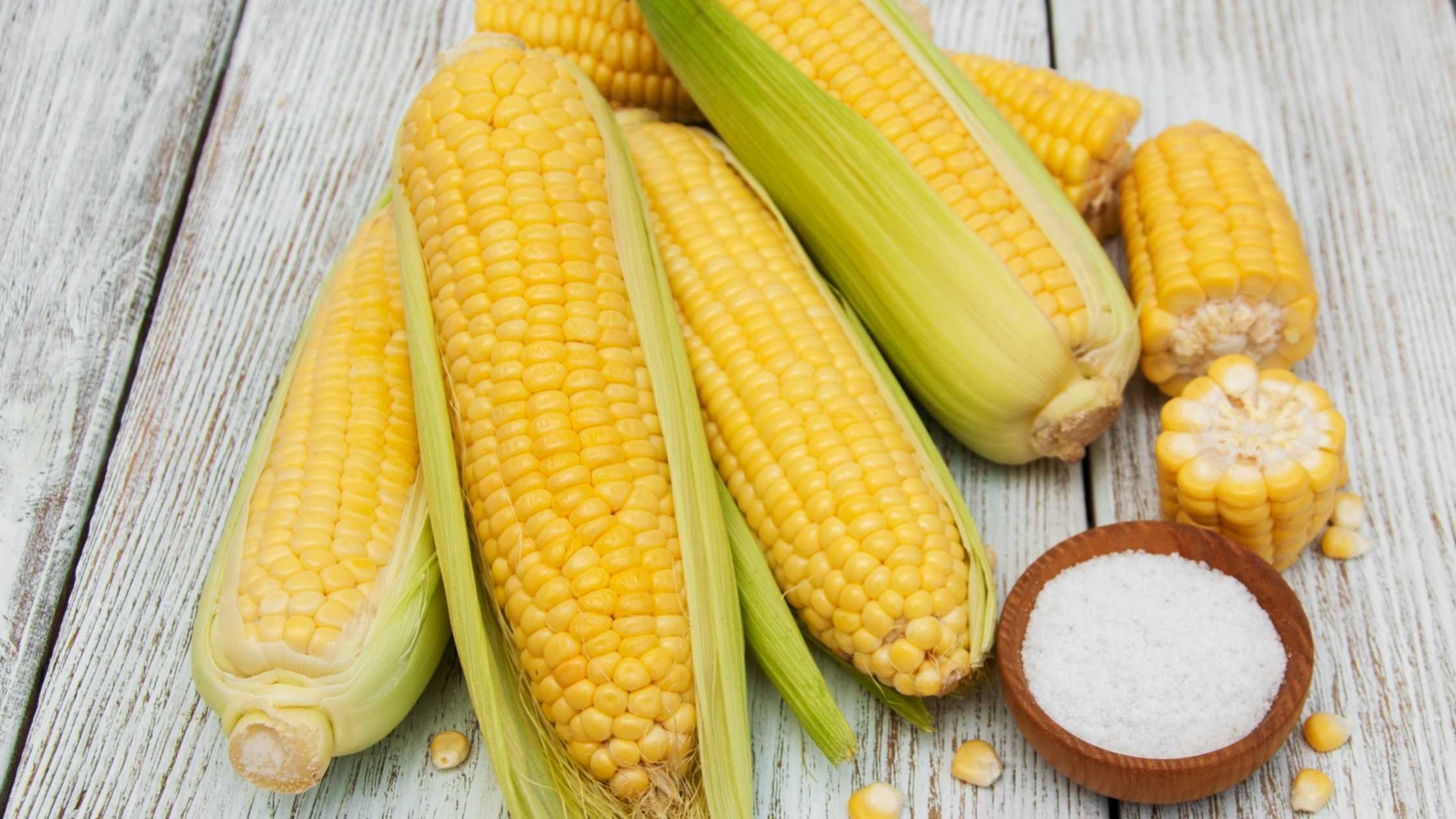
Corn originated in the Americas and is one of the most widely distributed food crops. 

It is one of the most highly genetically modified (GM) ingredients in the United States.  Because of the challenges that genetic modification presents for our health and the environment, I encourage people to choose organic corn and only eat it in moderation. 

Whole-grain corn is rich in fiber and provides many vitamins, minerals, and antioxidants.

Despite the sugar in sweet corn, it is not a high glycemic food, as it has low to medium sugar levels.


Cucumbers
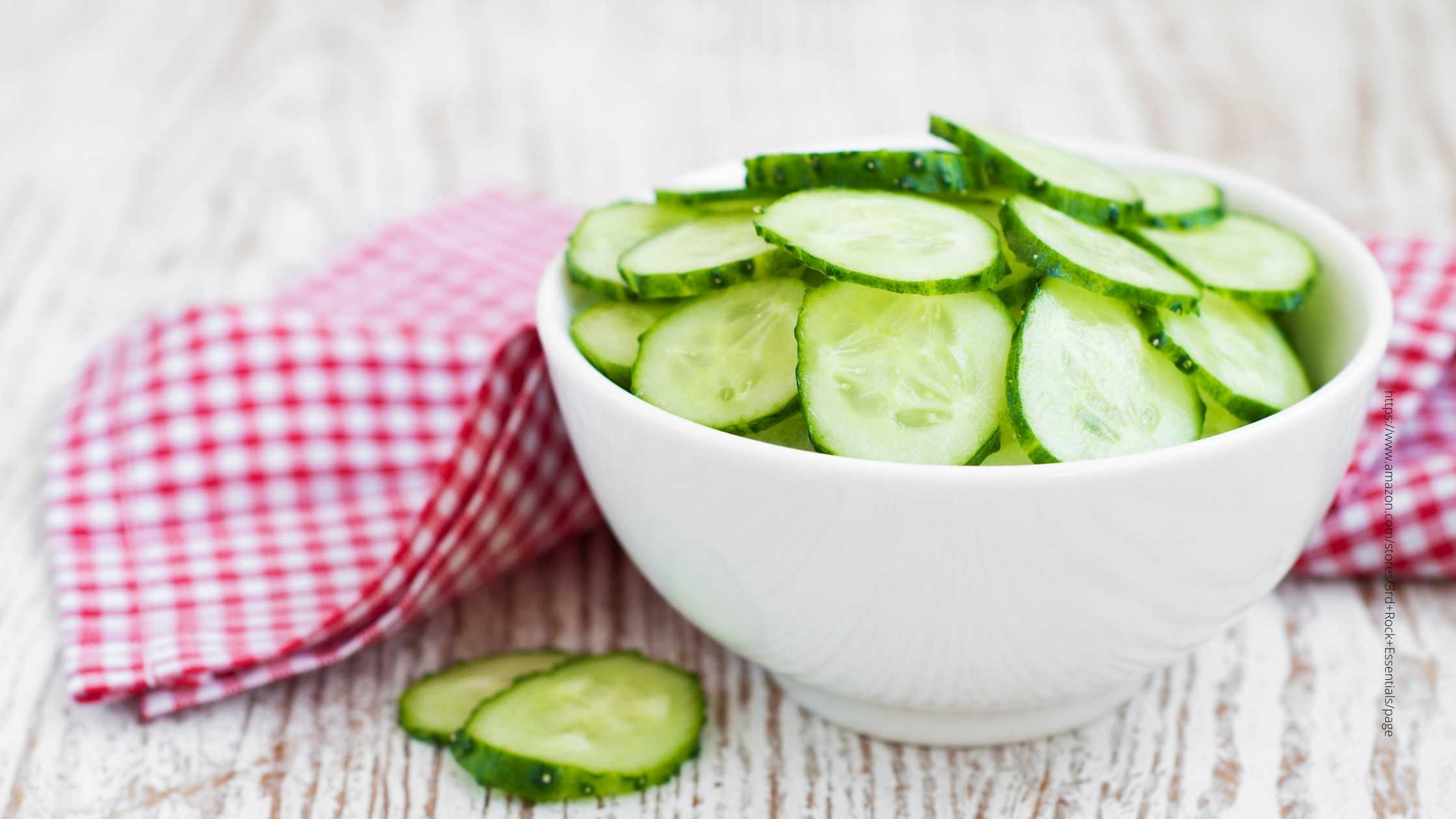
Cucumbers are widely cultivated. It contains 96% water but high in many important vitamins, such as vitamin K and minerals.

Eating this incredible fruit may lead to many potential health benefits, including better digestion, balanced hydration, and lower blood sugar levels.

Cucumber is a refreshing summer vegetable. It goes perfectly with BBQs and other hot dishes for an added crunch. It also makes some of the yummiest pickles!


Green beans
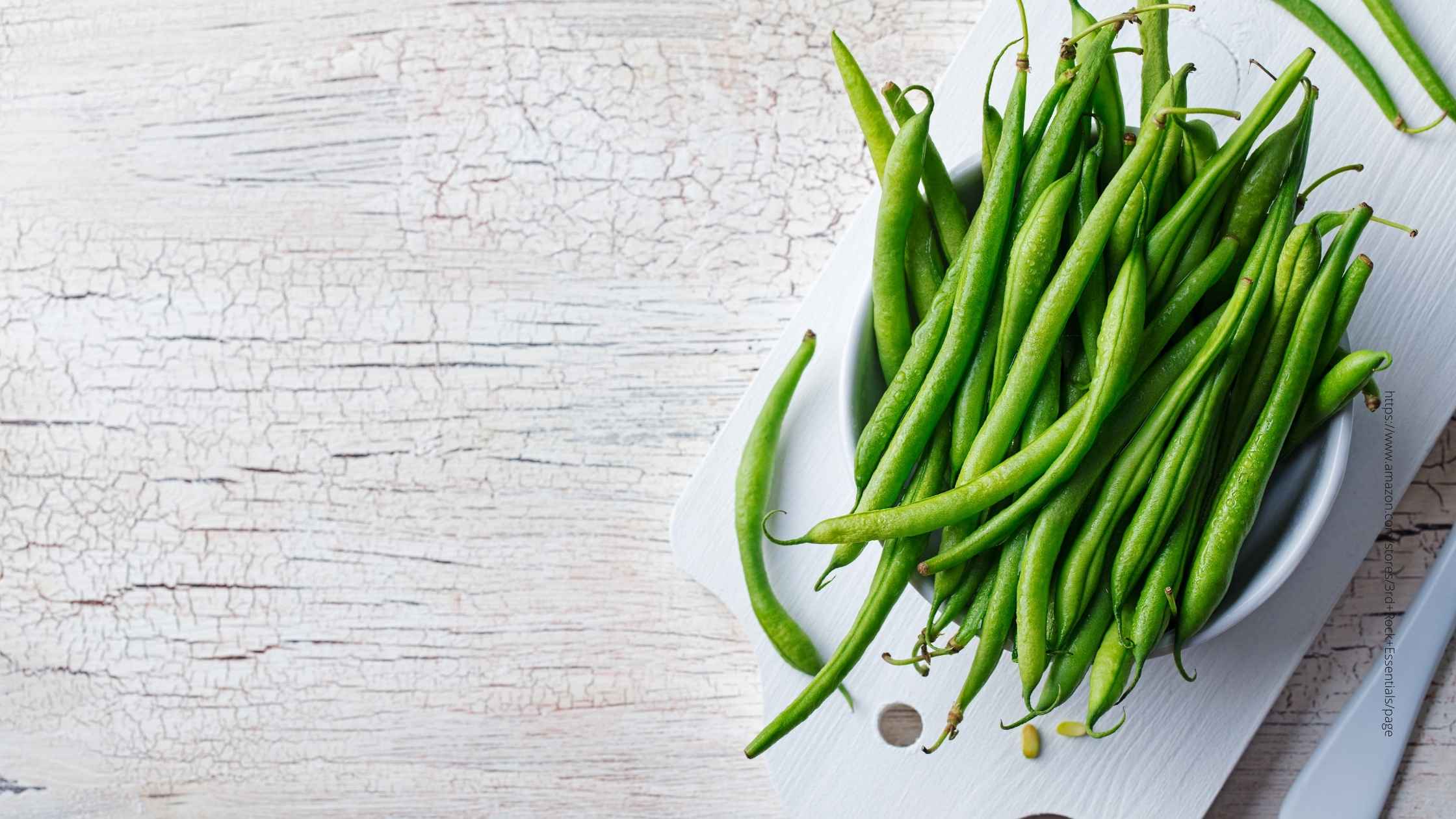
Green beans, also called string beans, are a common food in many kitchens across the United States. 

These vegetables contain several essential vitamins, including folate, which is 10% of your daily recommended intake value and helps prevent neural tube defects and other birth defects. 

You can either blanch them or sauté them to eat raw, and they taste great with melted butter sauce on top! 


Kiwi
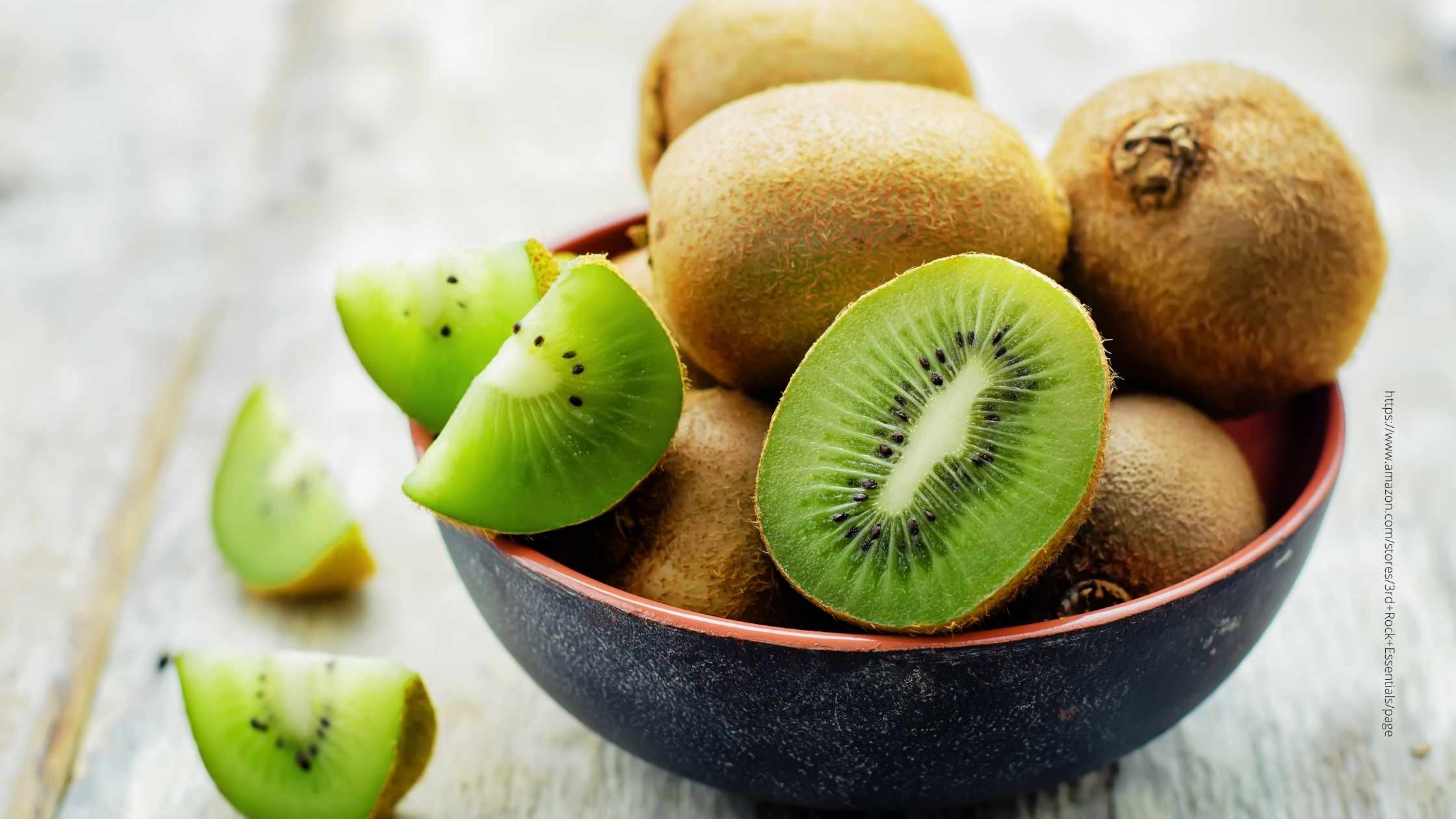
Kiwifruits originated in China and were originally called Chinese gooseberry. At some point, it transitioned to New Zealand, where it was renamed Kiwifruit. From there, it traveled to California, where it is now a commercial crop.

Kiwifruits are very high in vitamin C, with just one small fruit providing 120% of your RDA. They have a lot of fiber and are also a good source of potassium, magnesium, and vitamin E. 

Our favorite way to eat them is to simply cut them in half and scoop them out with a spoon, although kiwi pineapple smoothies are pretty tasty, and kiwi lime pie is a wonderful thing.  


Kohlrabi
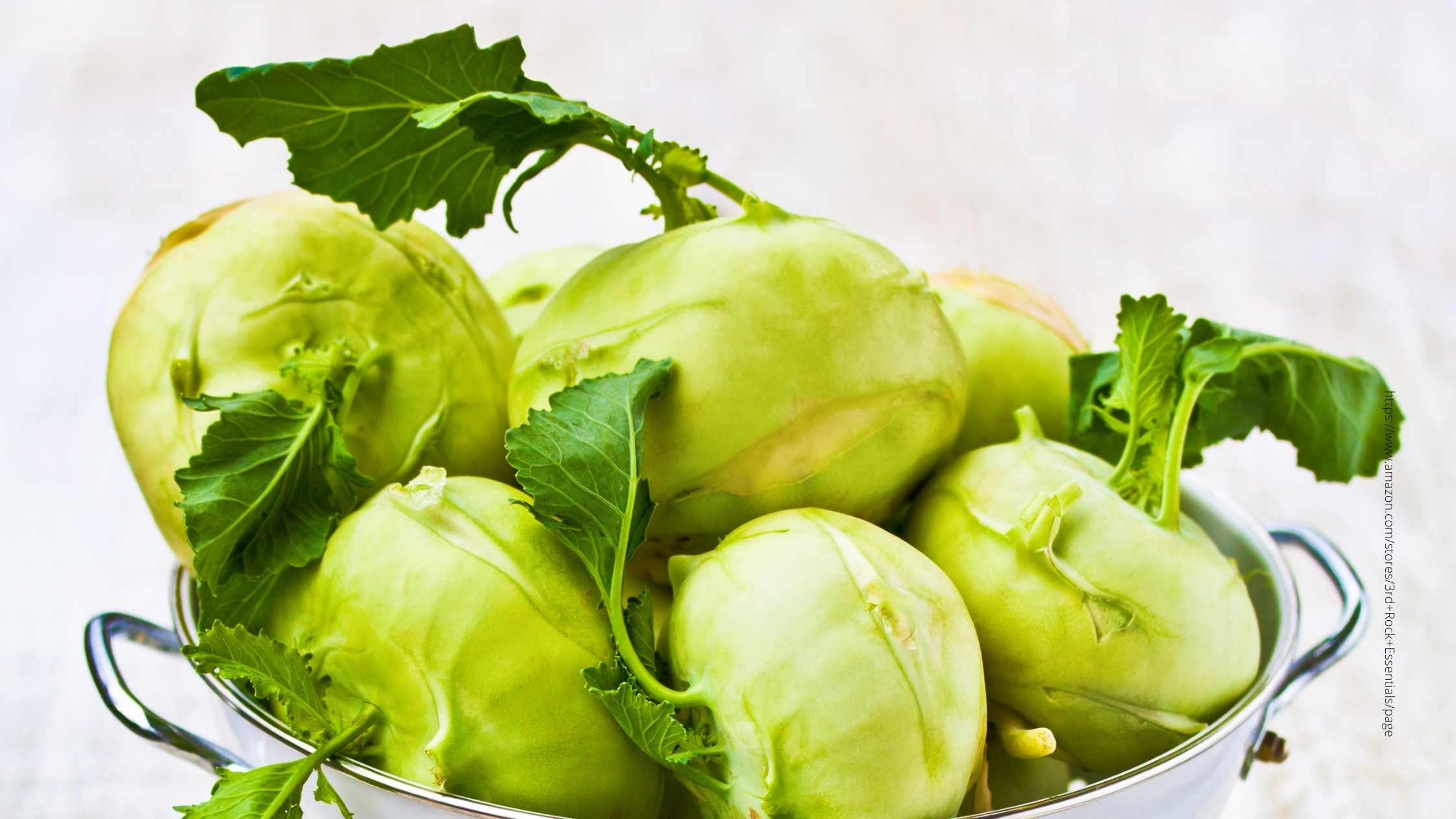
Kohlrabi is not widely grown commercially but has several health benefits that make it popular in certain regions. 

A single cup (135 grams) contains 17% of the recommended daily fiber intake. It also generously provides your body with vitamin C and B6, which supports the immune system, protein metabolism, red blood cell production, among other things.

Kohlrabi can be roasted or baked but keep the cooking simple to take advantage of its crunch and slightly sweet taste.


Lettuce
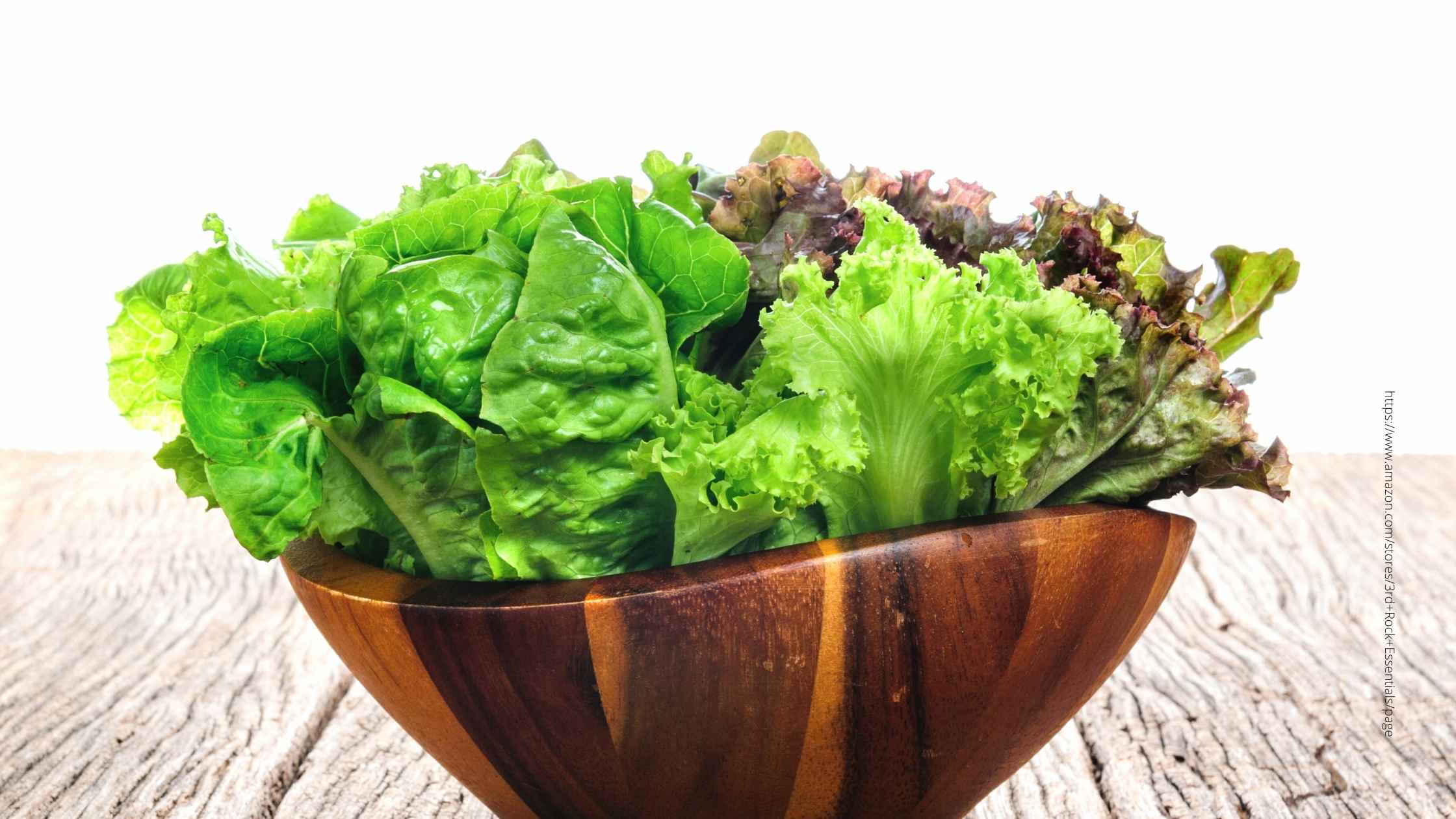
Lettuce is a nutritious vegetable in the aster family. Although it comes in many varieties, this leafy veggie, in general, is rich in vitamins K and A. Note that red leaf lettuce is higher in antioxidants.

Most lettuce varieties, such as iceberg and romaine, are eaten fresh and often served in salads, wraps, and sandwiches.


Mangoes
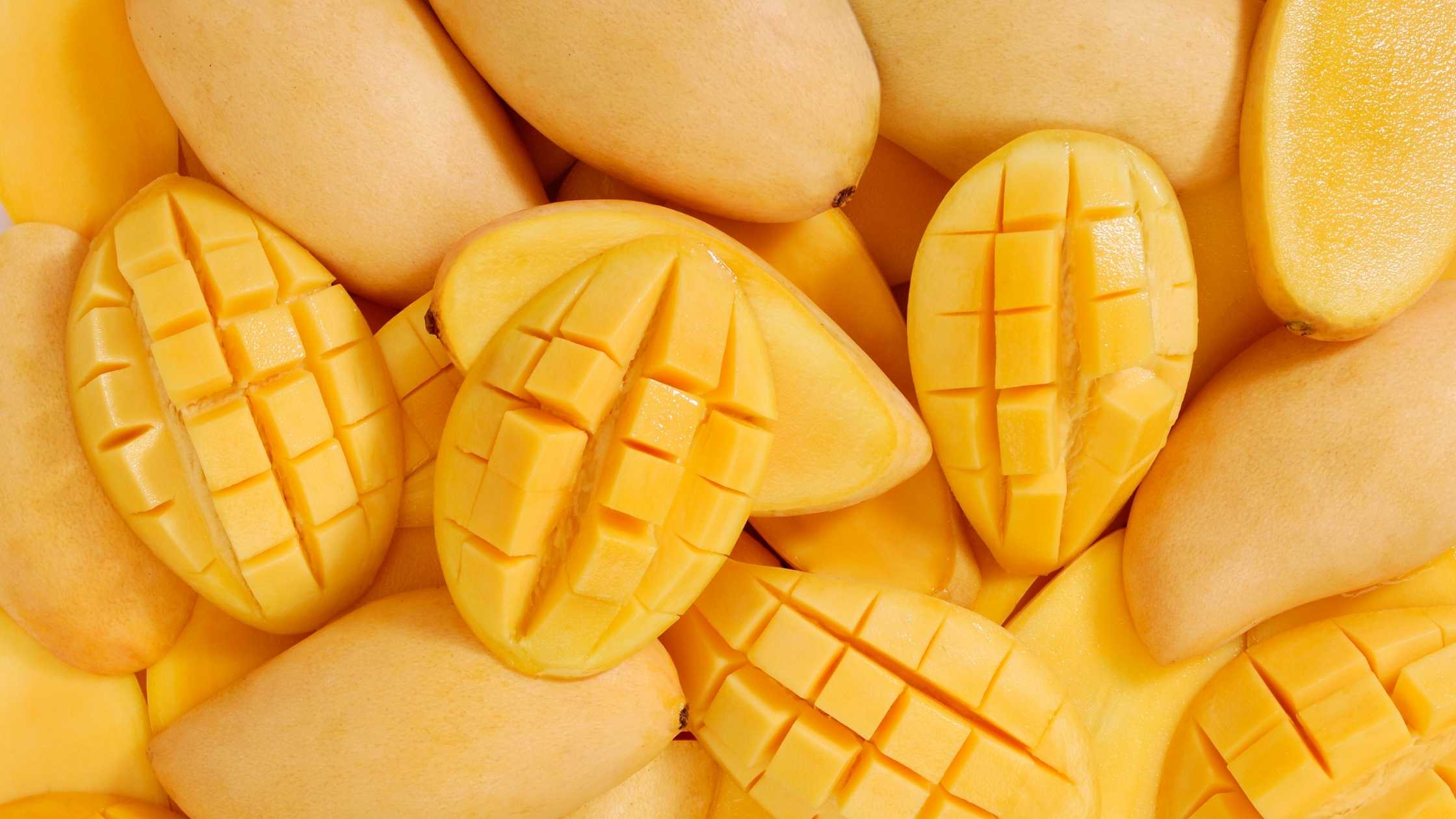
Mangoes are indigenous to southern Asia. They are packed with immune-boosting nutrients -- vitamin A, C, K, and E.

Just one cup of mango has 46 mg of vitamin C or 76% of what you should get per day.

Fresh, yellow mangoes are delicious when eaten plain. I love it as part of smoothies as well!


Okra
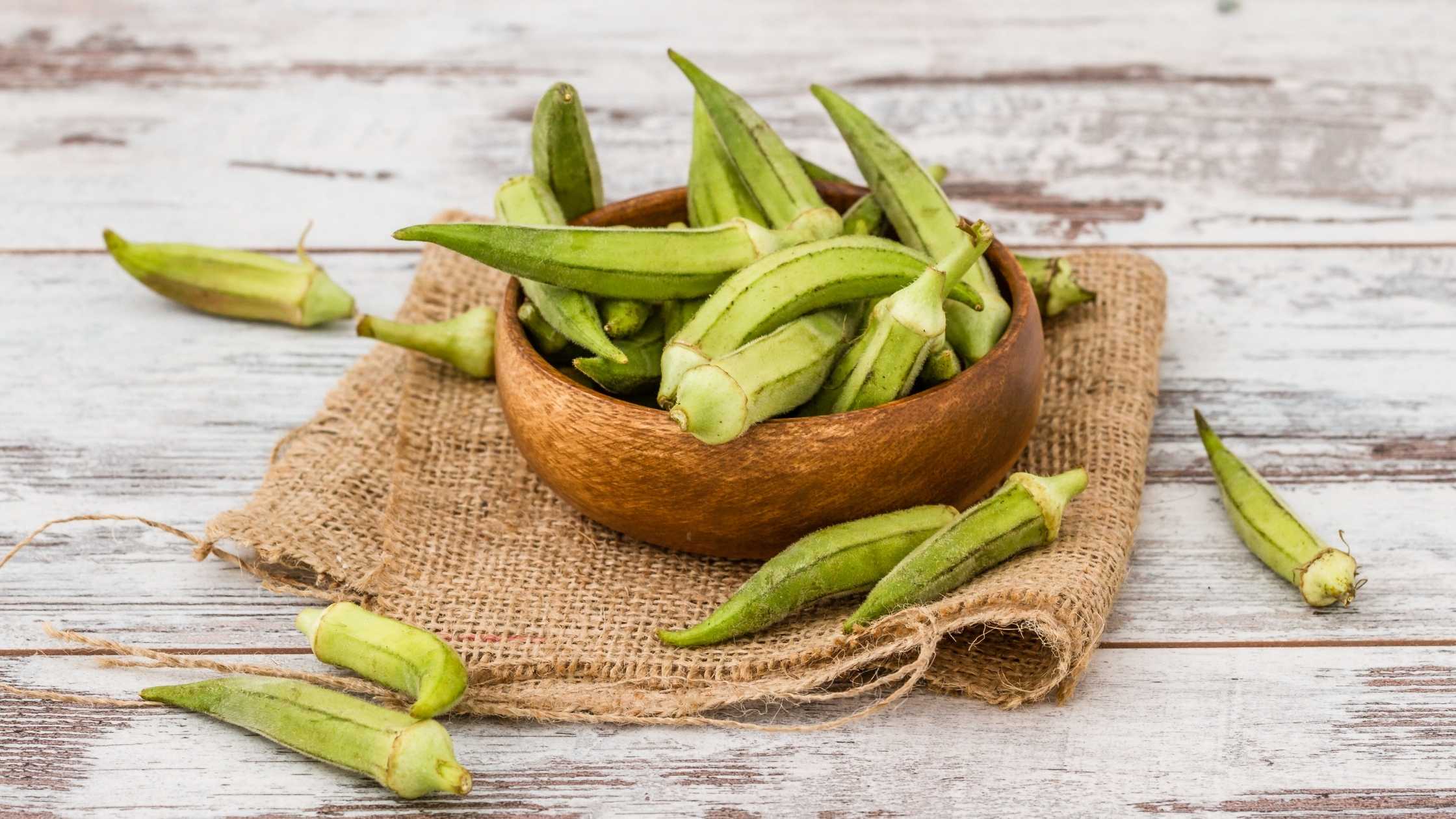
Okra is native to the tropics of the Eastern Hemisphere, such as in Africa and South Asia. 

It is high in vitamins C and K1, which boost the immune system and prevent blood clotting. 

This vegetable is somewhat unique as it also boasts protein and fiber, a nutrient that many fruits and vegetables lack.

Cooking okra is simple. It can be sauteed, pickled, or added to soup and stews.


Peaches
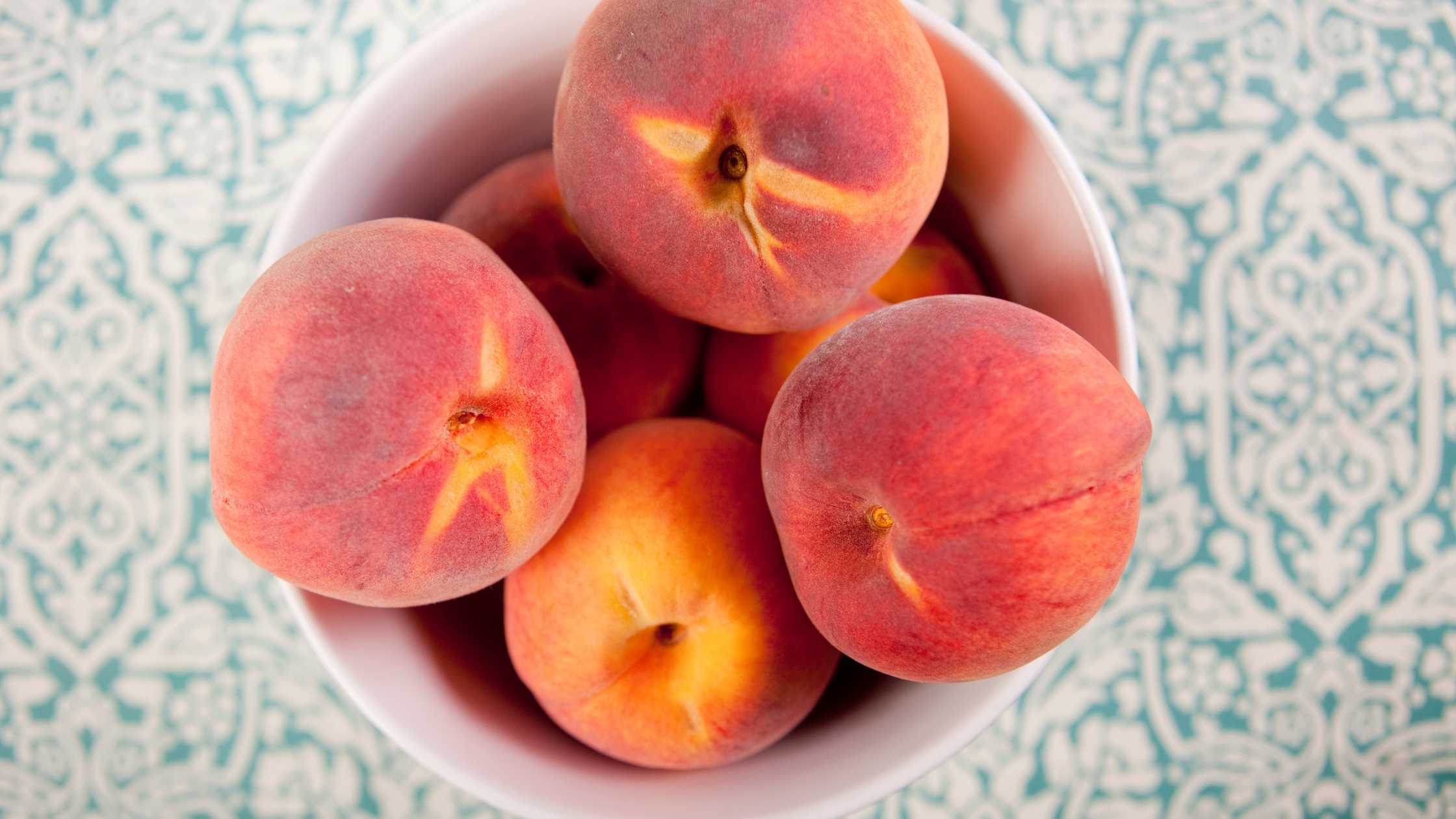
Peaches probably originated in China and spread westward through Asia and to the Mediterranean countries before finally reaching other parts of Europe. 

Peaches are a rich source of antioxidants that can help protect your body from aging or disease. Plus, they contain a good amount of vitamin A for eye health, especially abundant yellow-fleshed varieties! 

They are widely eaten fresh and are also baked in pies and cobblers.

Peppers
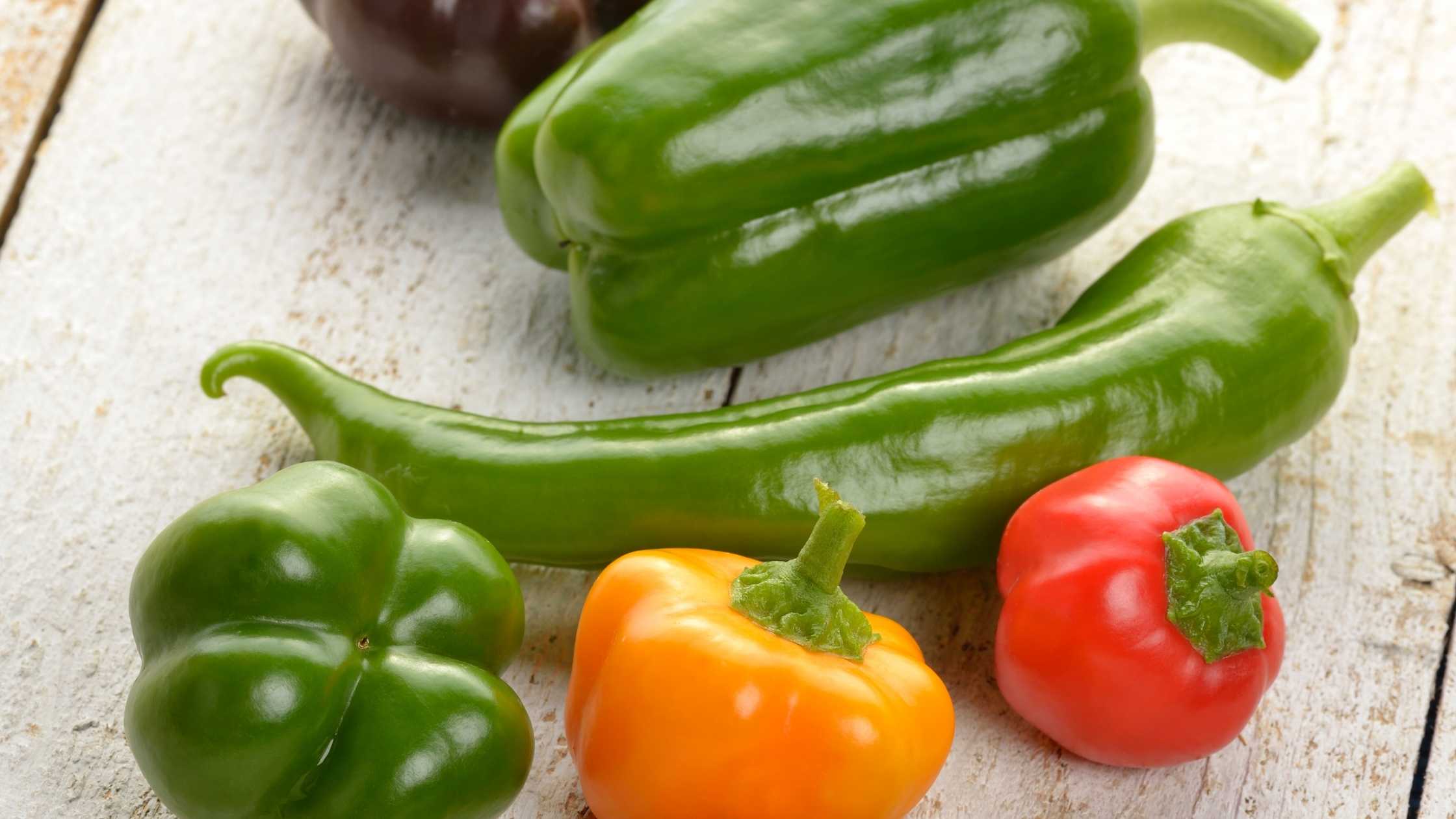
Peppers are the fruits of a tropical plant related to chilies, tomatoes, and breadfruit; all three were originally grown in America. 

One thing you may not know about peppers? They have 92% water content! The rest consists mainly of carbs with small amounts of protein and fat--making them one very nutritious meal choice for those looking to maintain their weight.

Not only do they provide 169% vitamin C (which is essential), so it's no wonder bell pepper recipes can be found everywhere, from grocery stores on the street corners alike! 

As far as eating these babies go, either raw or cooked will work wonders for our bodies health.


Plums
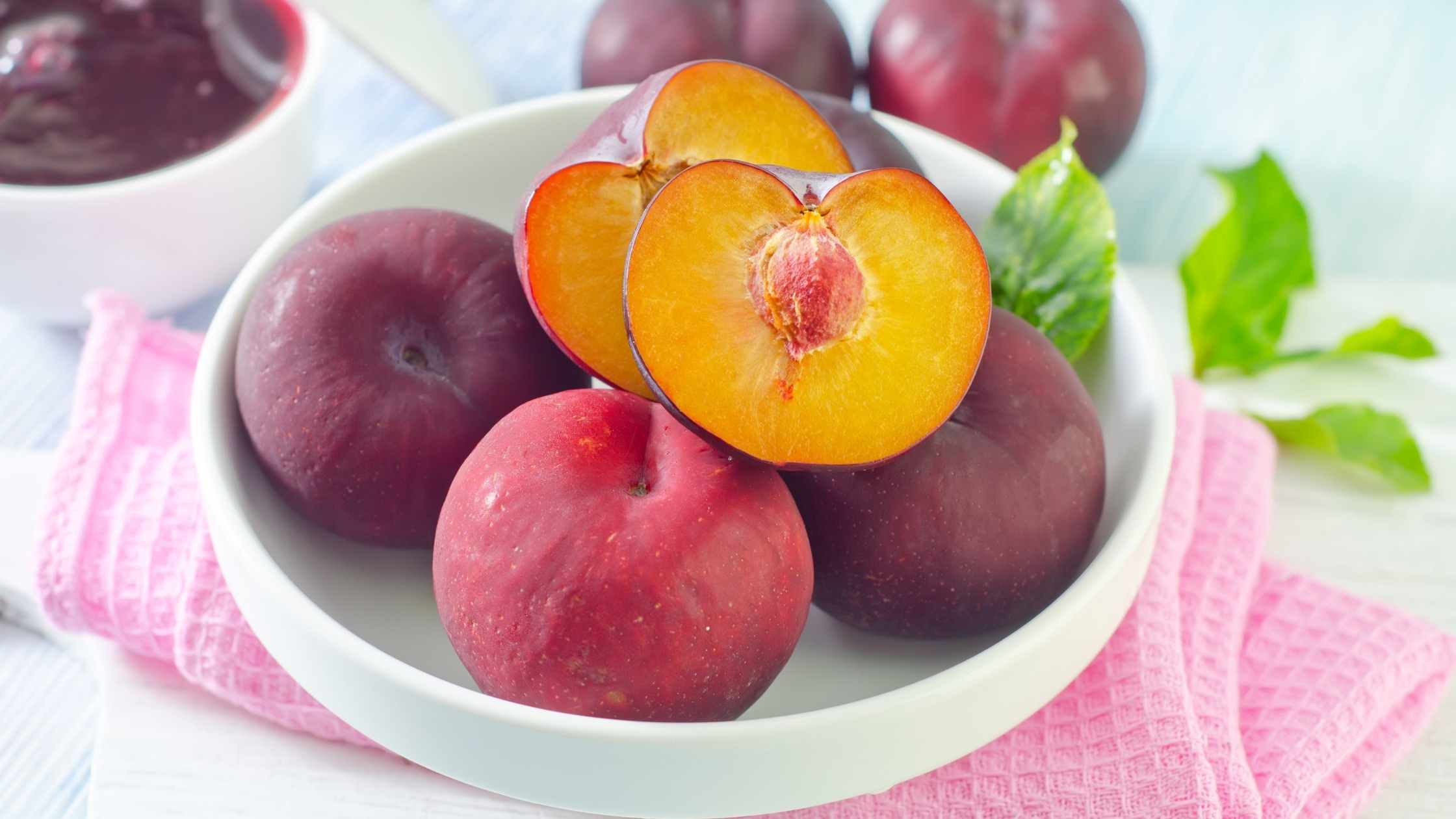
Plum trees have been cultivated around the world and grown in a variety of soils. They come from the same family as peaches or cherries.

Plums contain a fair amount of vitamins, minerals, fiber, and antioxidants. Additionally, one plum provides a small amount of B vitamins, phosphorus, and magnesium.

Plums can be eaten fresh, as an after-dinner dessert fruit, or cooked into jam for your morning toast! 


Raspberries
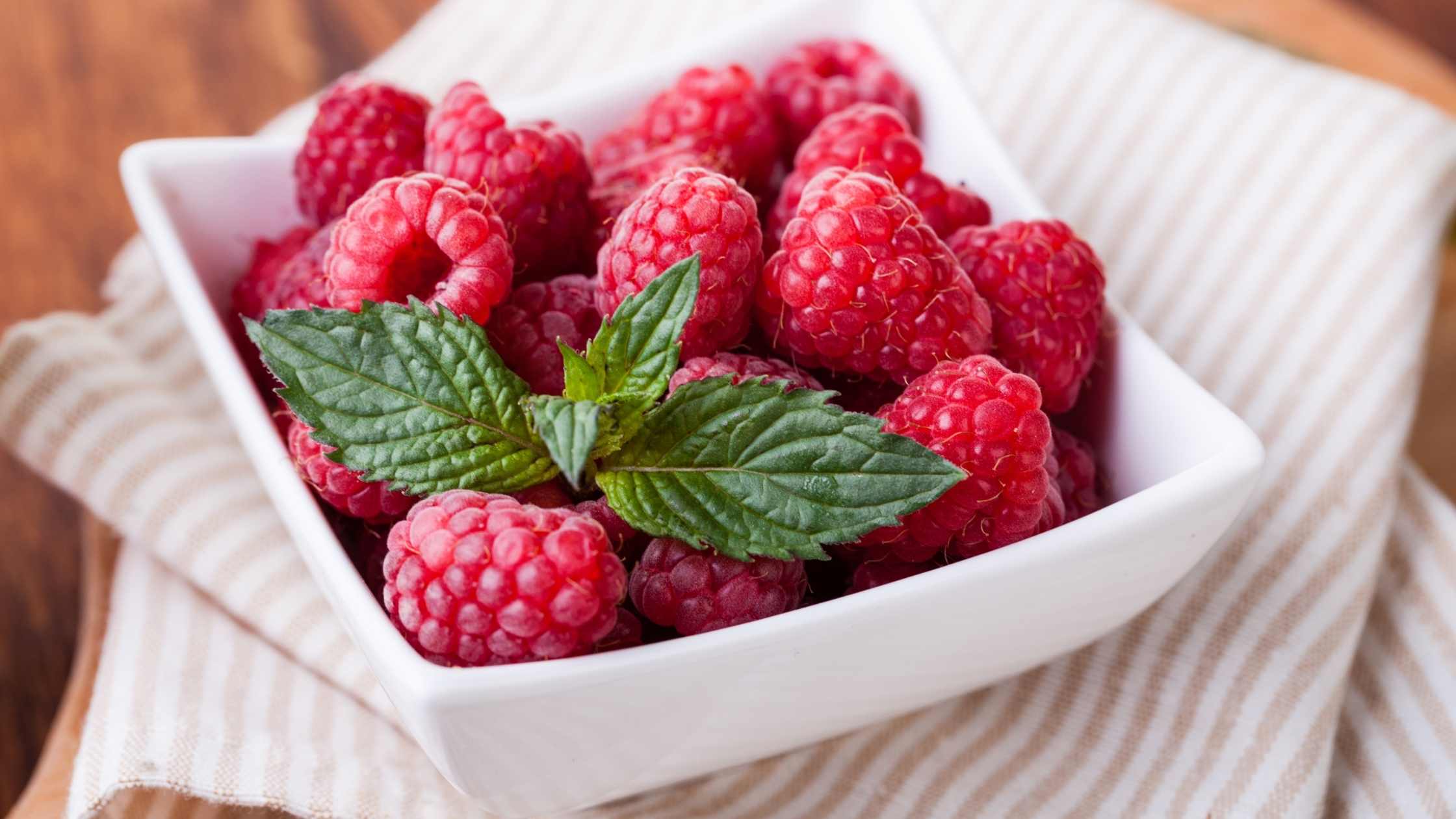
Red raspberries originate from Europe or northern Asia and are often cultivated in temperate areas throughout the world. The most common place to find US-grown berries is California, Oregon, and Washington.

Raspberries contain vitamins, minerals, and fiber which can help provide proper nutrition to your diet. They also come with various health benefits, including providing more than half the recommended daily intake for vitamin C.

Raspberries are a popular ingredient in jams and jellies, but they're also delicious by themselves. 


Strawberries
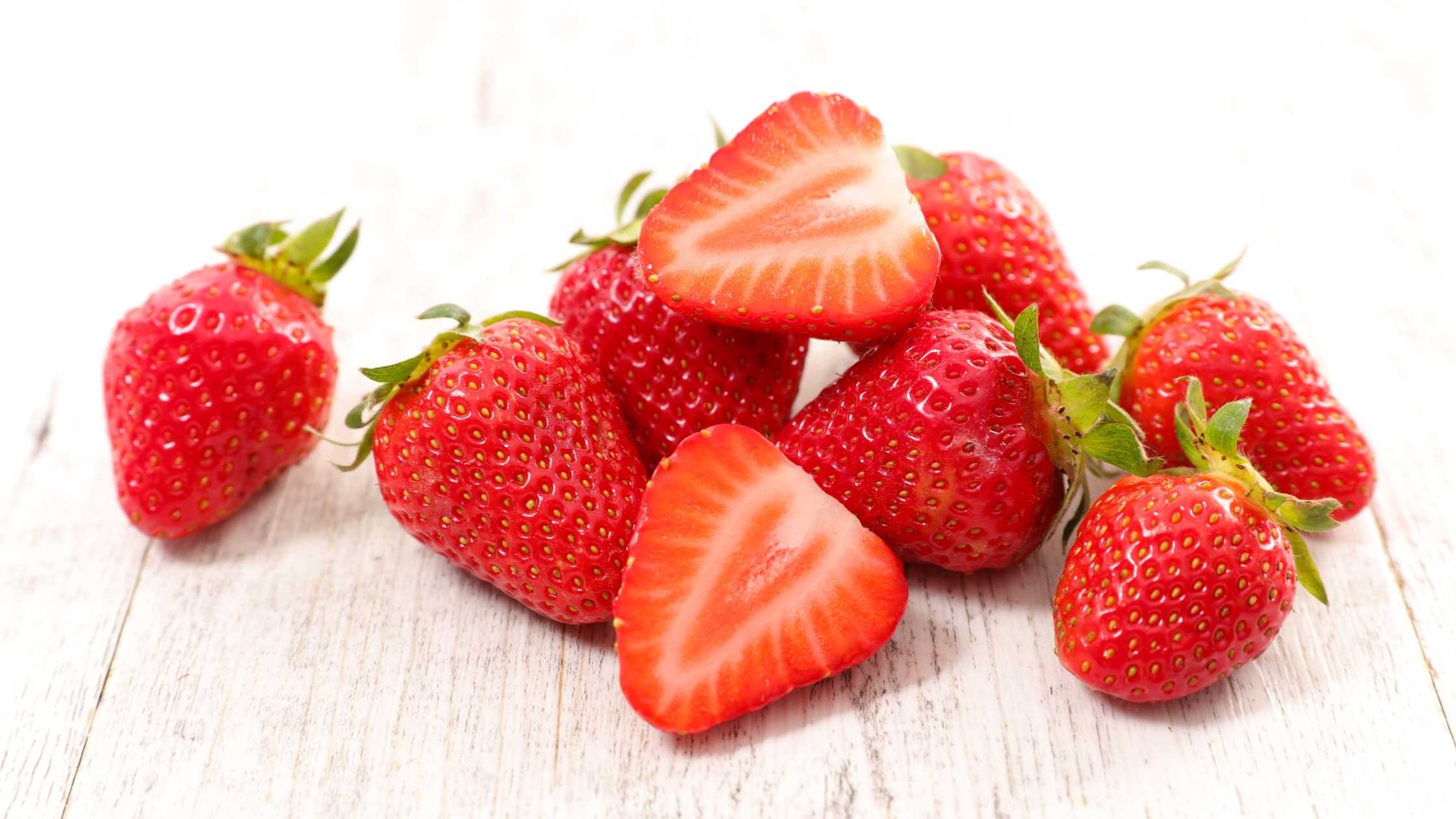
As you know, strawberries top anew this year’s''Dirty Dozen" list of produce found with the most pesticides. Again, it’s best to buy these organic and wash them thoroughly before eating to avoid this. 

These delicious berries are a good source of vitamin C, manganese, folate (vitamin B9), and potassium. Reduced cholesterol, blood pressure, and inflammation are just a few of its health benefits. 

Furthermore, berries could help prevent spikes in blood sugar and insulin levels.

The fruits are commonly eaten fresh, baked, and preserved


Summer Squash

Squash is considered a vegetable in cooking but botanically classified as a fruit. 

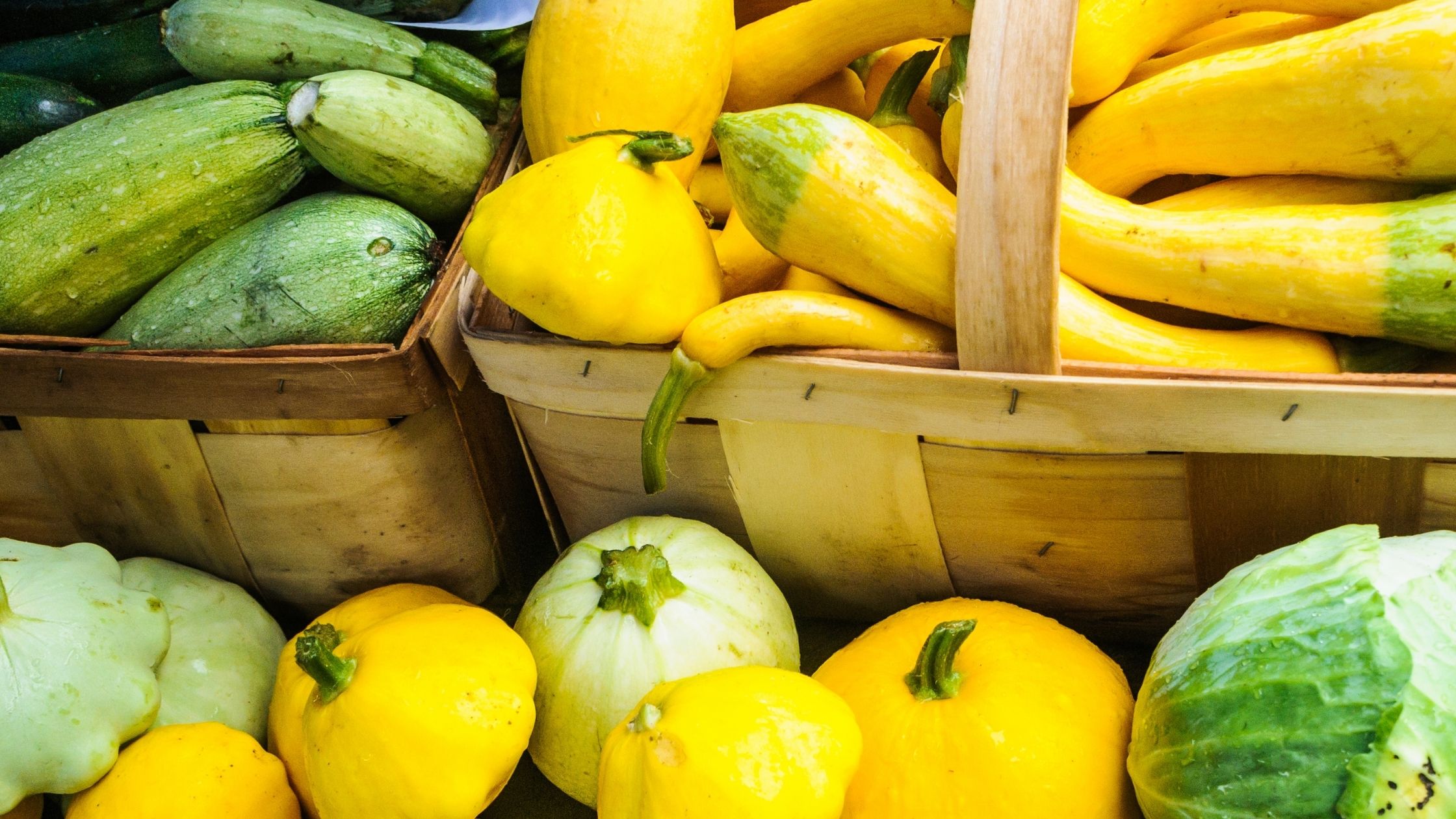
Some popular varieties of summer squash include yellow squashes (196 grams provides more potassium than a large banana), zucchini (low-calorie alternatives to noodles), and pattypan (which contains many vitamins and minerals such as vitamin C, folate, and manganese).

All of these varieties can be sautéed, baked, grilled, or used to make casseroles and soups.


Swiss Chard
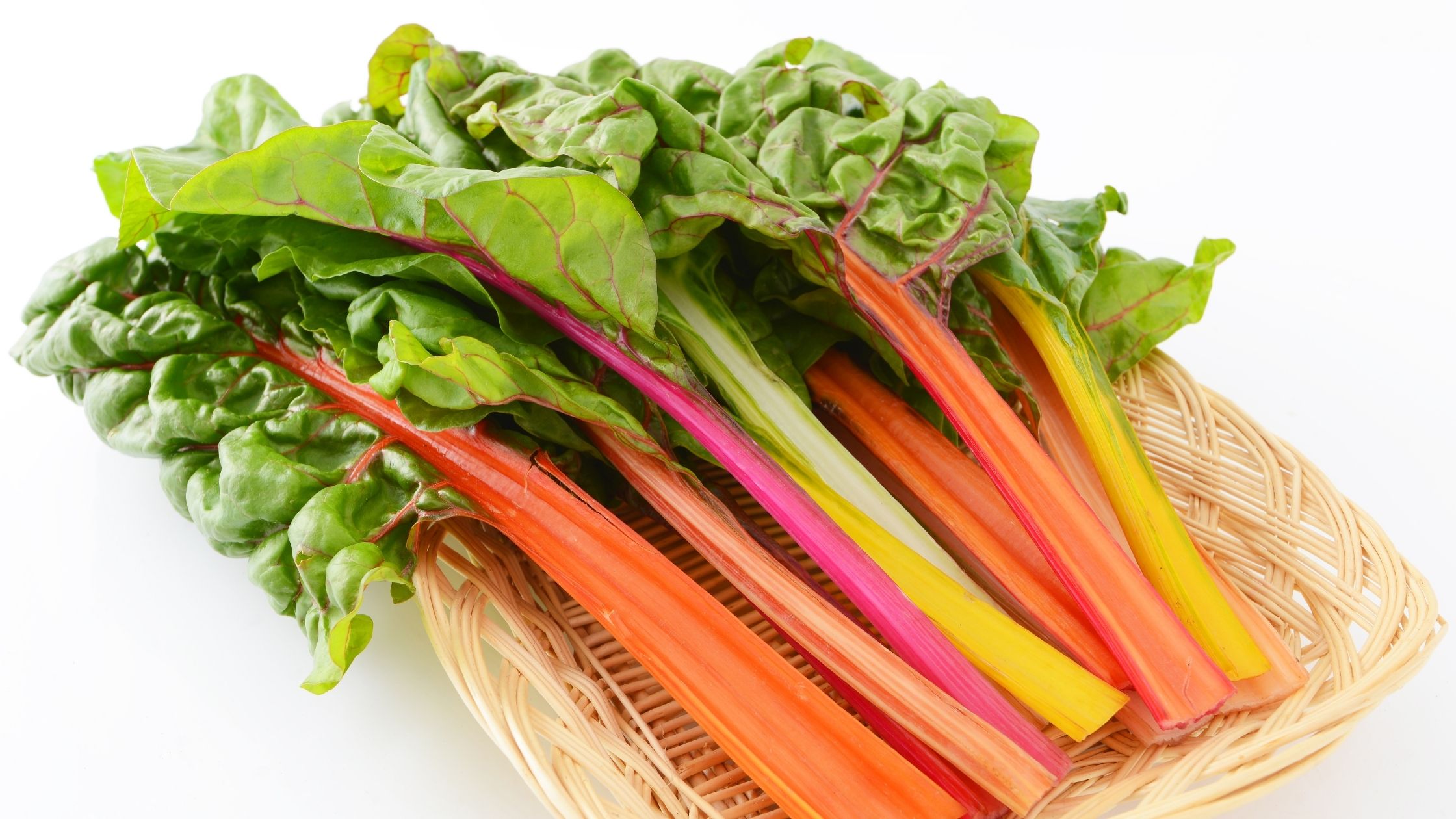
The name may imply that it originated in Switzerland, but it is native to the Mediterranean region. Due to its enormous cultivation in Switzerland, it was referred to as a Swiss Chard

These leafy greens are an excellent source of vitamins A and K and nearly fulfills the daily need for vitamin C. Additionally, it is extremely low in calories, making a weight-loss-friendly vegetable.

Swiss chard can be eaten raw in salads, sautéed, or served in soups.


Tomatoes
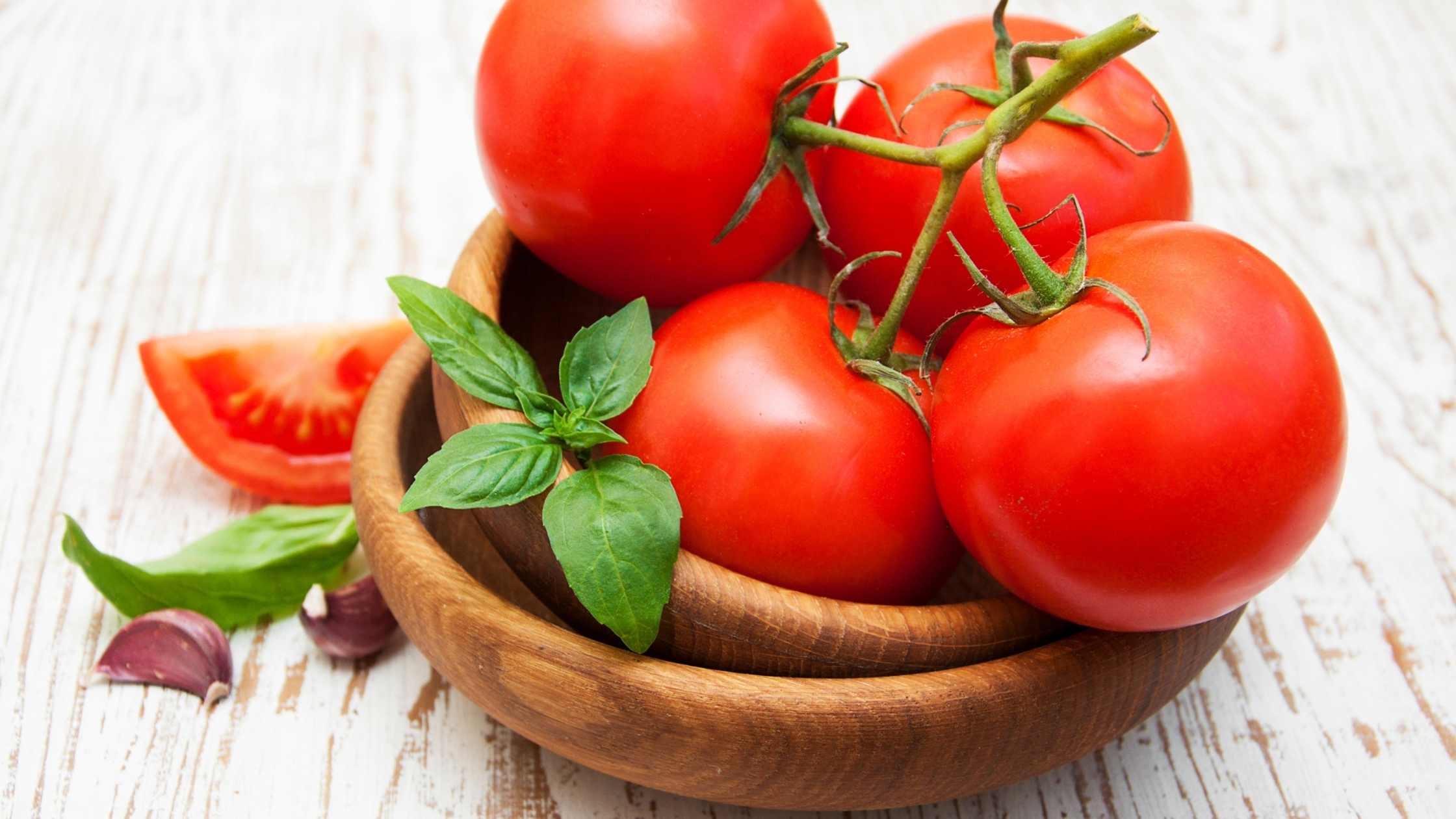
Labeled as a vegetable for nutritional purposes, tomatoes are fruits native to South America.

They're high in vitamins C and lycopene-- an important phytochemical that helps fight off diseases such as cancer.

You can find them eaten raw atop salads with all sorts of tasty toppings like cheese or avocado, baked into delicious dishes like lasagna or marinara sauce, sun or oven-dried, and pickled.  Green tomatoes are also fabulous as a chutney.


Watermelon

Watermelon is native to tropical Africa and cultivated around the world. 

Despite its high water content, it's surprisingly healthy with many nutrients such as lycopene and vitamin C! 

It can be eaten raw or preserved in pickles for a tasty twist to your typical condiment.


Zucchini
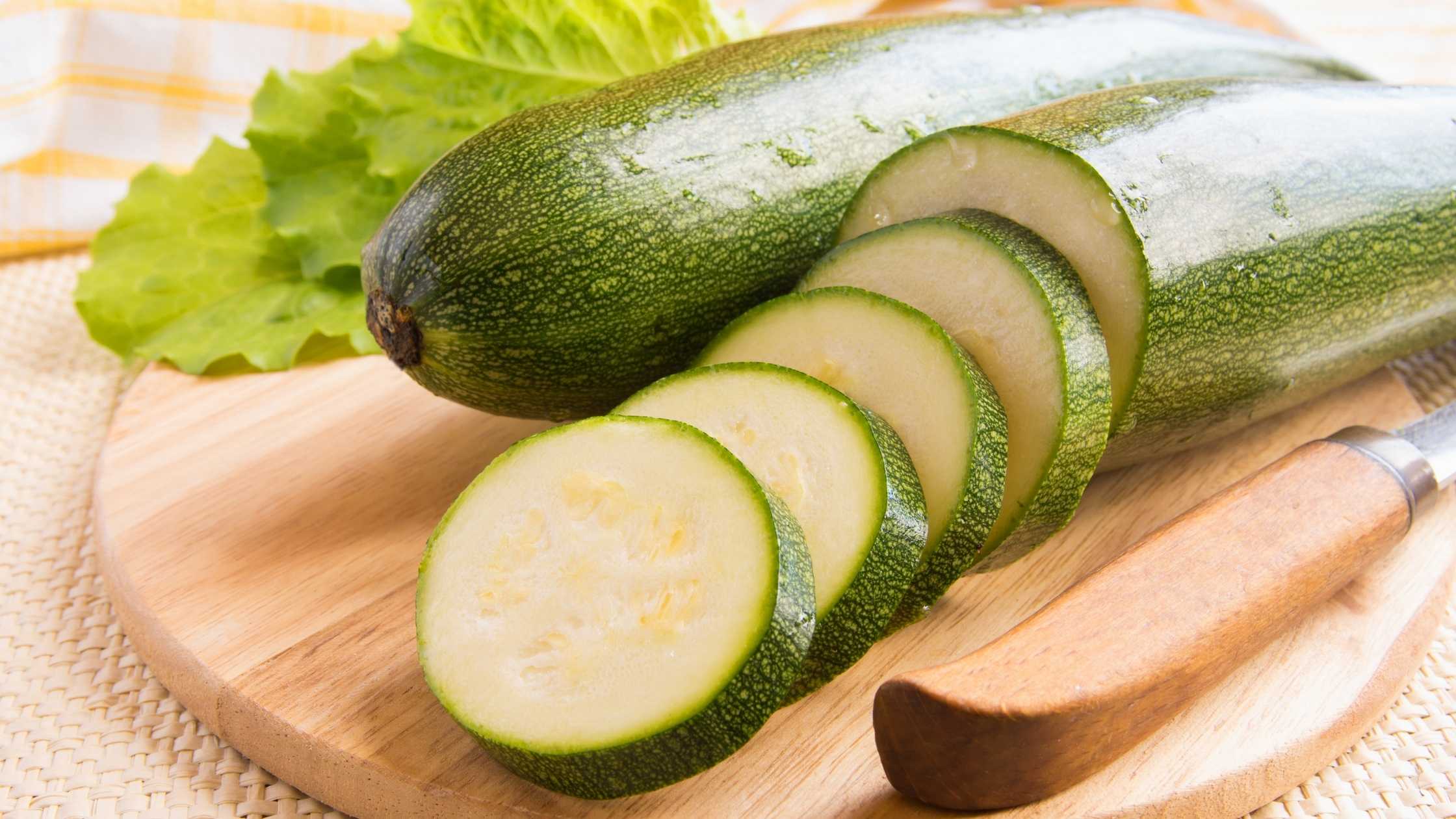
Zucchini is a variety of summer squash. Although it is considered a vegetable, it is classified as a fruit.

It is particularly high in vitamin A and offers several health benefits -- from healthy vision to healthy digestion. 

Zucchini is versatile and eaten raw or cooked in stews, soups, salad, and even chips!
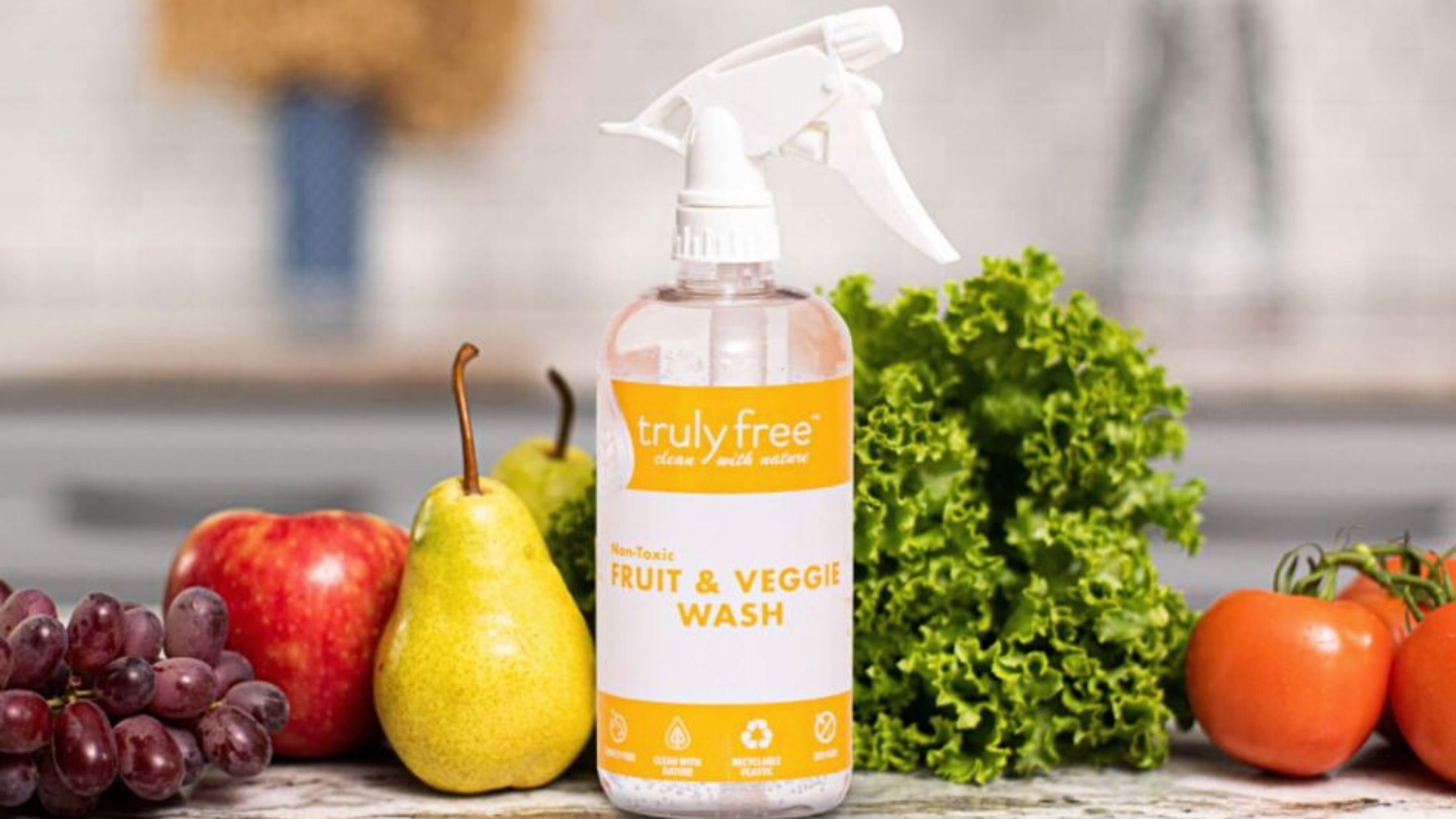

When eating fresh, in-season produce, don’t forget to wash it first. Click here to get your toxin-free fruit and veggie wash

[expand title="Sources"]


https://blueberry.org/about-blueberries/history-of-blueberries/

https://www.britannica.com/plant/blueberry-plant

https://www.britannica.com/plant/cucumber

https://www.healthline.com/nutrition/7-health-benefits-of-cucumber

https://ndb.nal.usda.gov/ndb/foods/show?n1=%7BQv%3D1%7D&fgcd=&man=&lfacet=&count=&max=25&sort=f&qlookup=&offset=50&format=Full&new=&rptfrm=nl&ndbno=09042&nutrient1=315&nutrient2=&nutrient3=%E2%8A%82=0&totCount=298&measureby=m

https://www.healthline.com/nutrition/vitamin-c-foods

https://www.healthline.com/nutrition/foods/bell-peppers#nutrition

https://www.britannica.com/plant/pepper-plant-Capsicum-genus

https://www.healthline.com/nutrition/benefits-of-plums-prunes

https://www.britannica.com/plant/plum

https://www.healthline.com/nutrition/raspberry-nutrition#uses

https://www.healthline.com/nutrition/types-of-squash

https://www.healthline.com/nutrition/foods/tomatoes

https://www.britannica.com/plant/tomato

https://www.healthline.com/health/food-nutrition/green-beans

[/expand]

asthma

Ingredients And Asthma

Chances are you don't think much about your breathing because it's an autonomic nervous system task, your body does it for you.  If you're someone who struggles with a breathing condition you do pay more attention to anything that might be a trigger for you.

Unfortunately, there's a whole class of triggers that almost no one is talking about...additives. These are things put into your food by the manufacturers, such as preservatives, sweeteners, artificial ingredients, and more.  They provide no nutritional value and may be part of the problem if you're one of the millions of Americans who struggle with asthma or other breathing issues.


Foods That May Trigger Asthma


High Fructose Corn Syrup

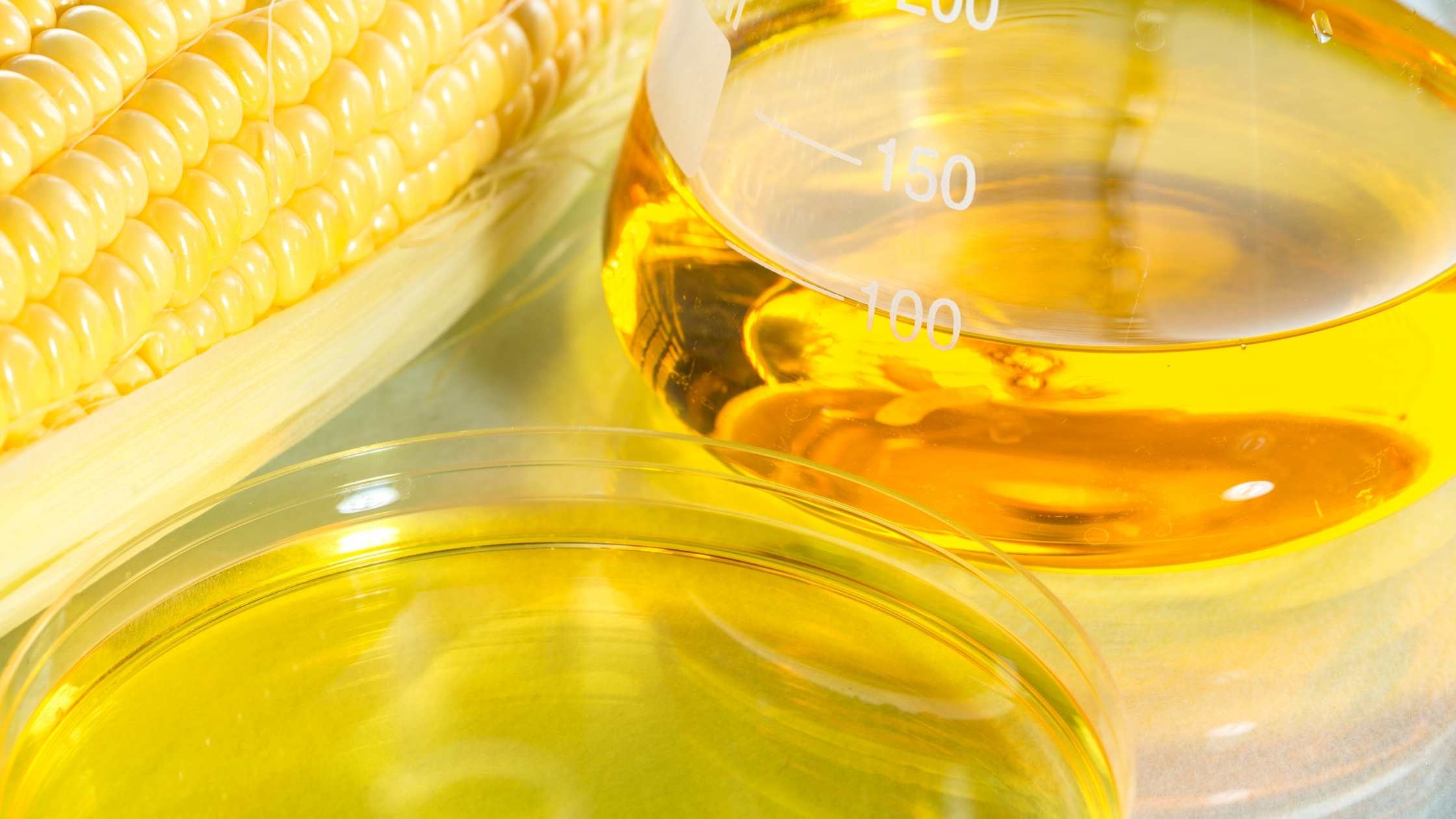
A 2018 study found evidence that high fructose corn syrup (HFCS) consumption is associated with asthma risk. It was concluded that moderate (2 to 4 times per week) and frequent (5 to 7 times per week) consumption of HFCS in sweetened soda, fruit drinks, and apple juice increased the asthma risk from between 49% to 61%. This particular study surveyed adults so one does have to wonder what the effects are on children who often consume more of these types of beverages.

Additionally, a woman’s HFCS consumption during pregnancy is associated with an increased risk of asthma in her offspring.

Preservatives:  Nitrates, benzoates, sulphur dioxide, and sulphites

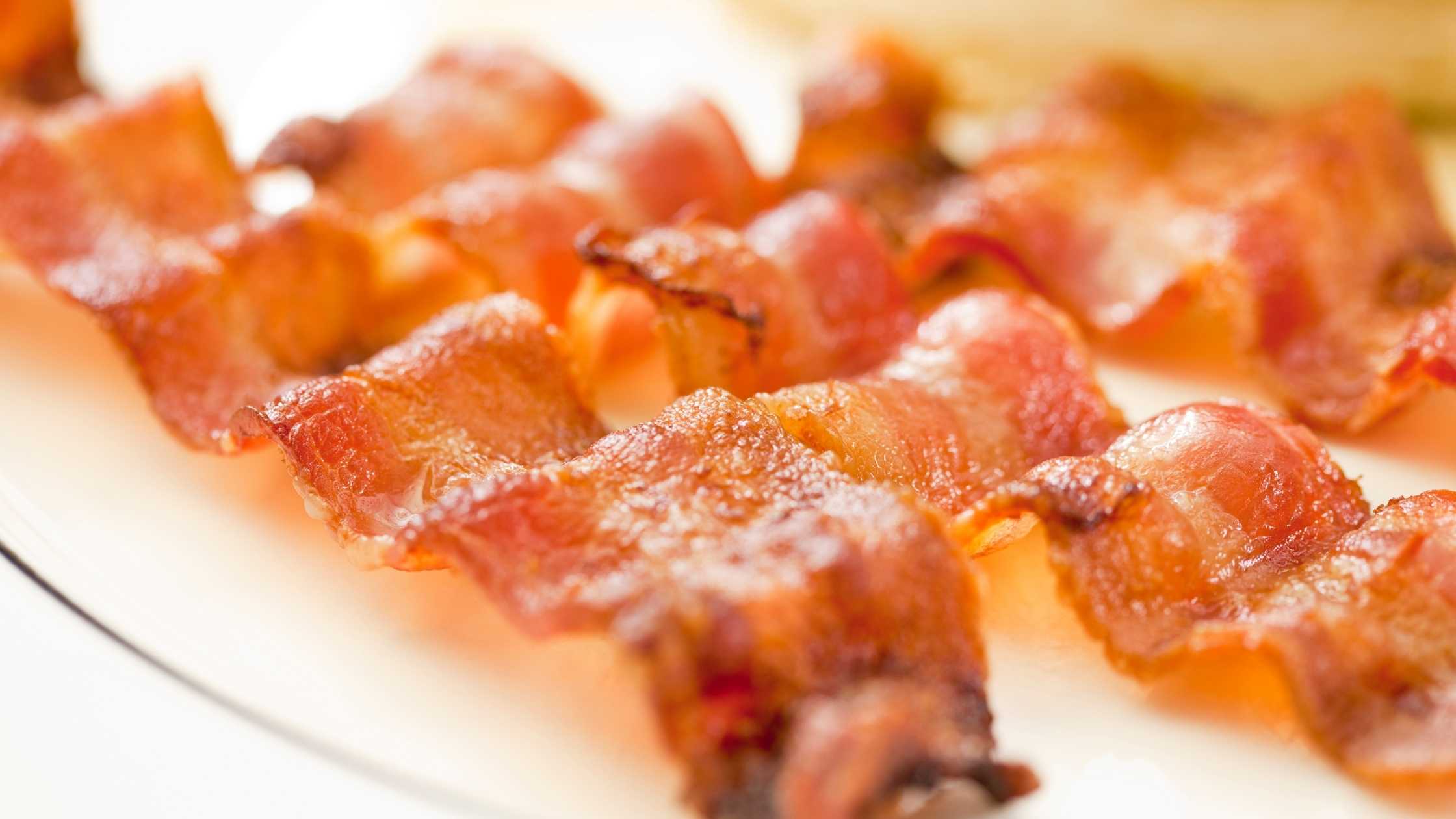
Nitrates and nitrites are used in processed meats such as bacon. These preservatives can cause dyspnea which is shortness of breath.

Benzoates have been found to produce sensitivity in some individuals. This preservative can be found in steroids used to treat asthma. This is why it is important to not only read the labels on your food but also any medications that you may be prescribed.

Sulphur dioxide and sulfite are used in a wide range of acidic beverages, dried fruits, and breakfast sausages for example. These items are required to be on labels due to the potential allergic or asthmatic reaction.

BHT + BHA

These two preservatives can cause inflammation and are linked to allergies and asthma. BHT and BHA will be found in cereals, sausage, hot dogs, meat patties, chewing gum, potato chips, beer, butter, and vegetable oils. They are used to preserve color and flavor.

Toothpaste

An artificial mint flavoring used in toothpaste can be an issue for many people.

BPA

A link to asthma from an exposure by female mice led to the pups having an increased risk. Scientists studied children for prenatal and postnatal exposure and found correlations, also.  

Soft Drinks

The high concentrations of sugar in soft drinks made the lungs and airways more susceptible to inflammation due to allergic reactions. Additionally, the preservatives in soft drinks may cause allergic reactions that result in asthma and COPD.

Yellow #5

Tartrazine also known as yellow #5 is made from coal tar and is banned in most European countries. It is found in cookies, frostings, cereal, pickles, ice cream, chips, salad dressing, and cheese. It has been linked to an increased risk of asthma. Additionally, if it is combined with aspartame, it can be toxic.

Foods For Healthy Lungs

As you can see processed foods can contain a lot of problematic ingredients if you are susceptible to asthma or other lung challenges. Fortunately, there are foods that can support healthy lungs.  

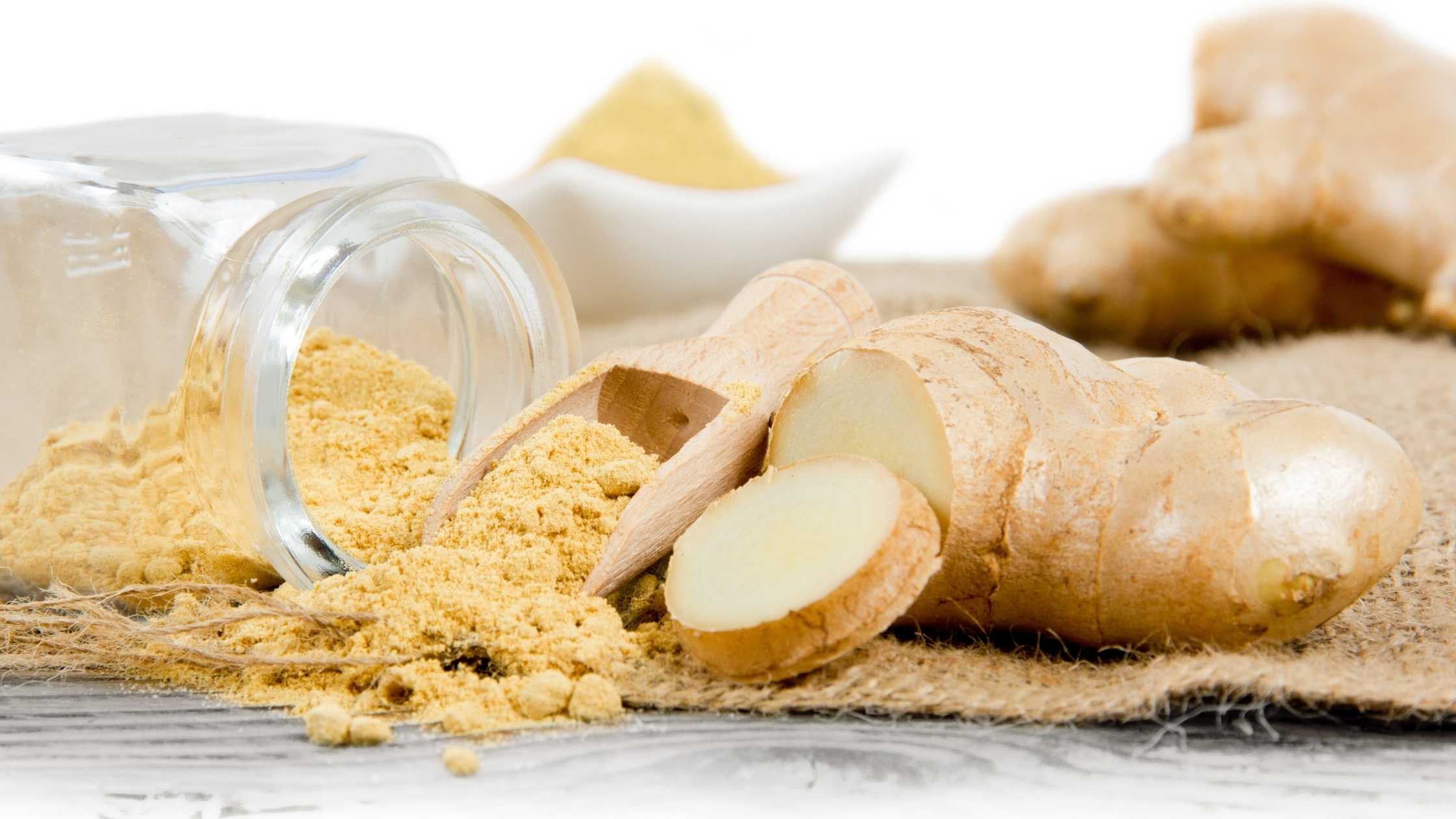
Ginger

Has anti-inflammatory properties which can cause bronchial dilation in asthmatic patients. This has been confirmed in both animal and human clinical studies. It can also help break down and expel thick mucus build up.

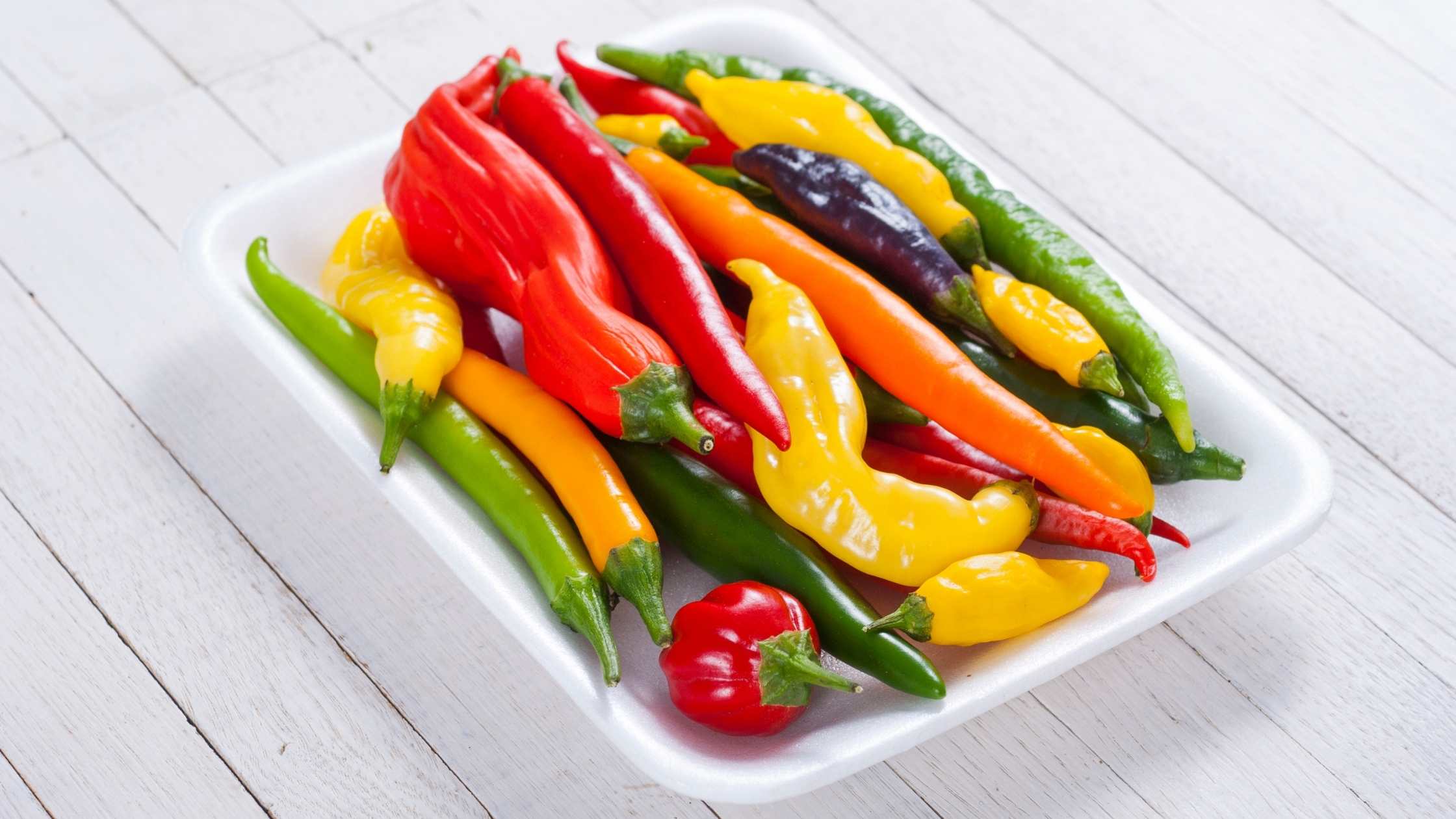
Chili peppers

Contain a substance called capsaicin. Capsaicin is anti-inflammatory and mucus thinner. They can also improve blood flow.

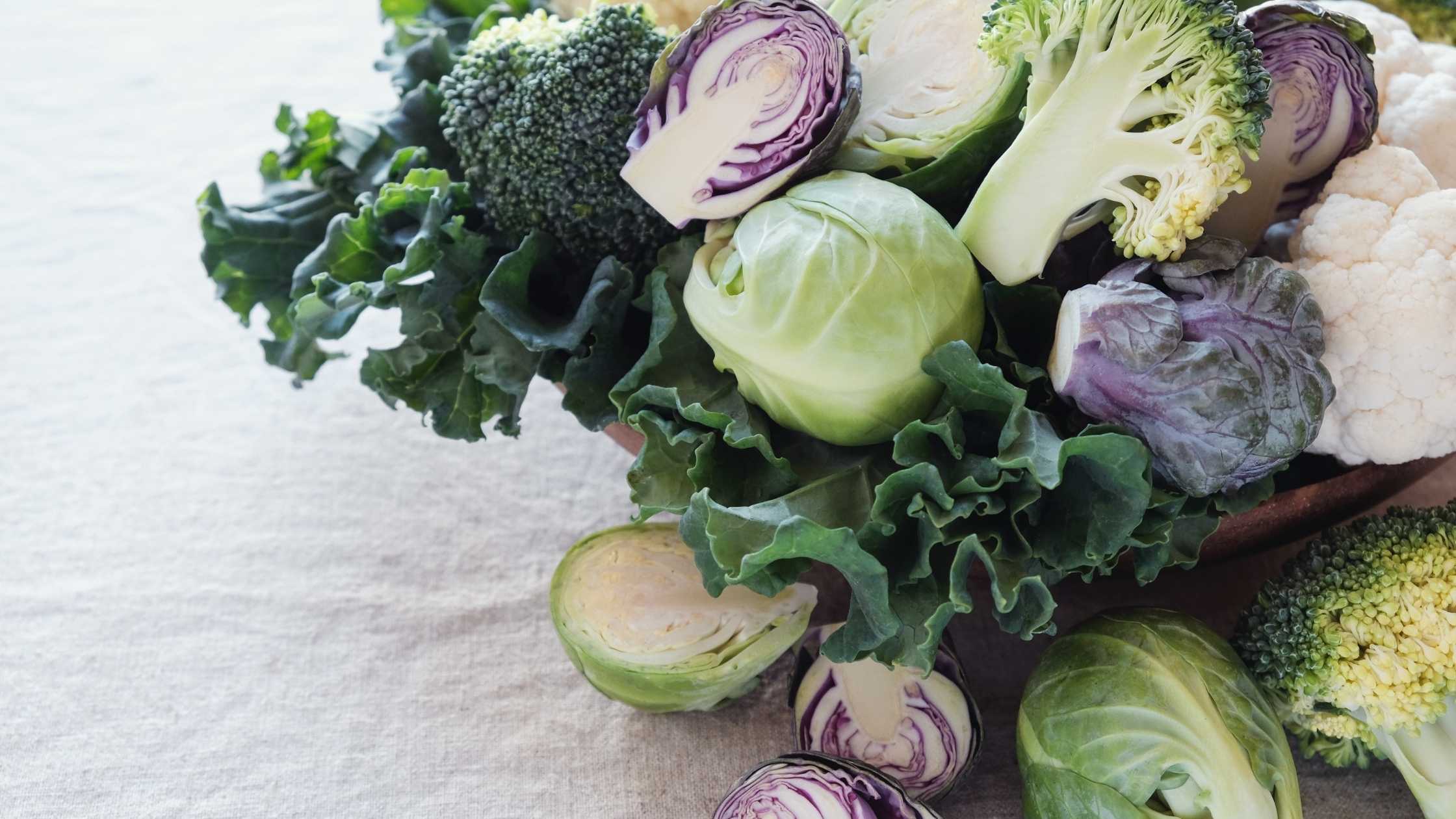
Cruciferous vegetables

Are sulphur-rich foods and may reduce airway inflammation which can be beneficial in conditions such as asthma, allergic rhinitis, and chronic obstructive pulmonary disease (COPD).

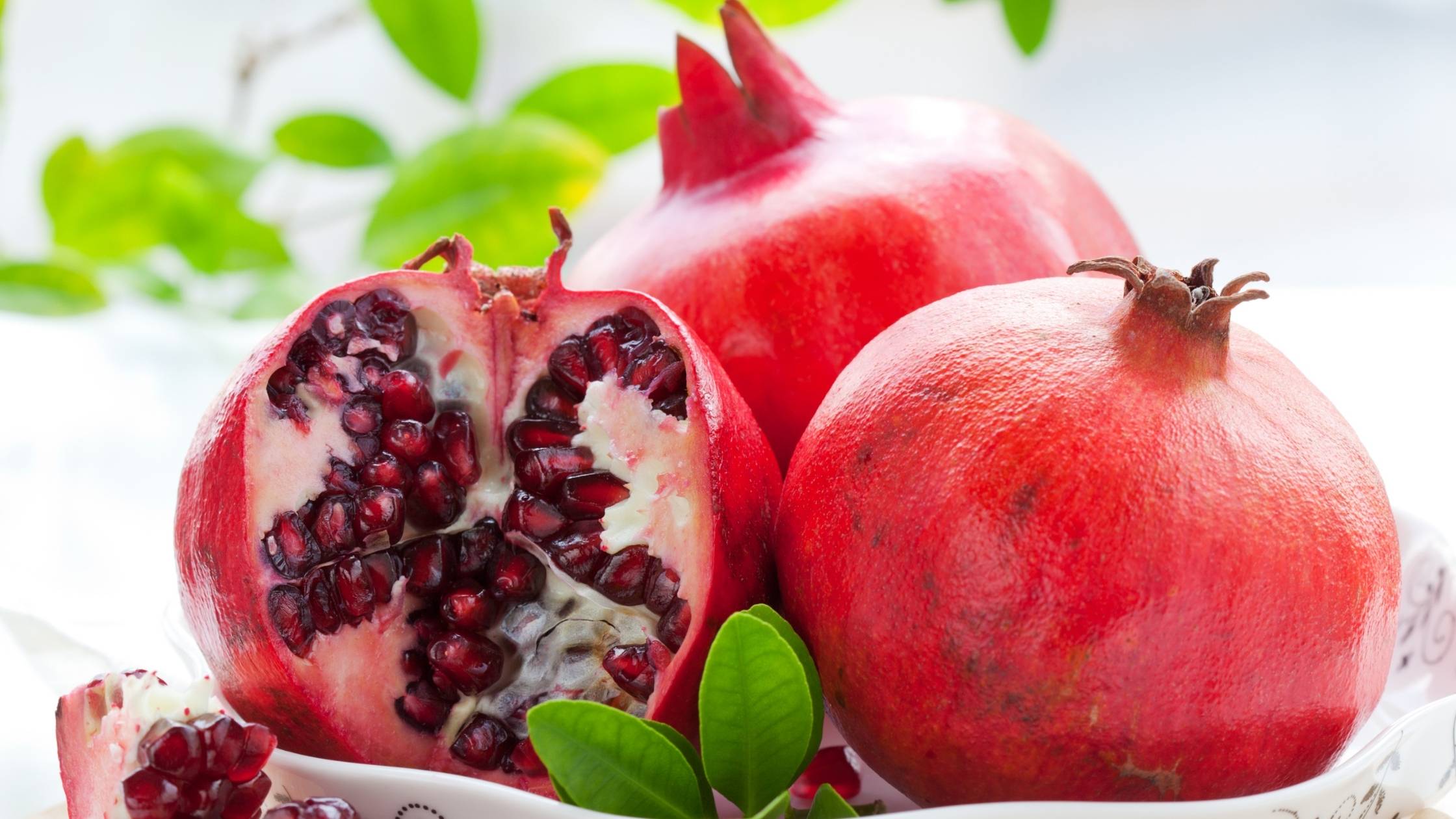
Pomegranates

Packed with antioxidants that may help reduce inflammation in the lungs. They may fight against asthma by modulating various signaling pathways.

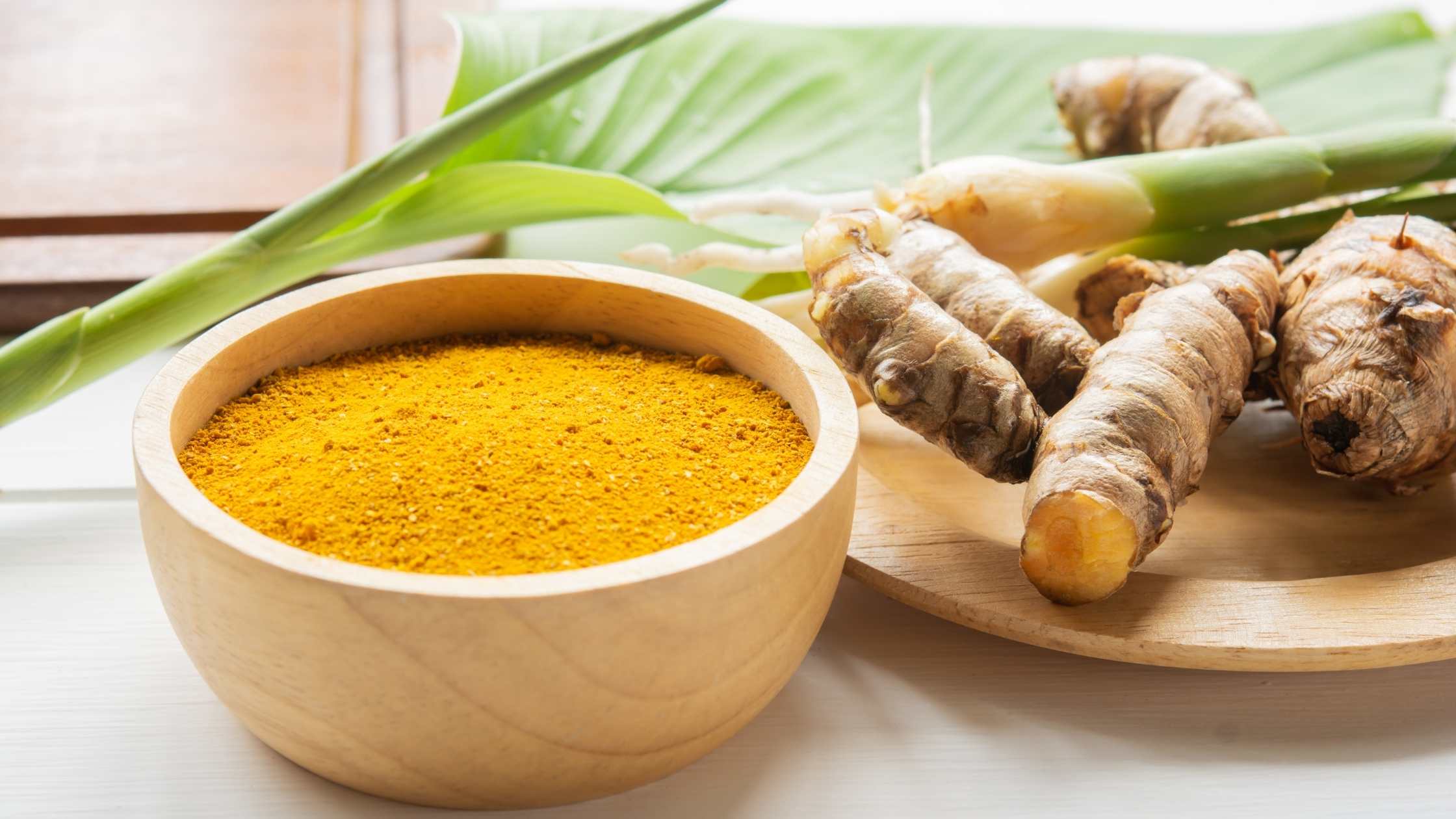
Turmeric

Contains curcumin which helps relieve inflammation and chest tightness associated with asthma.

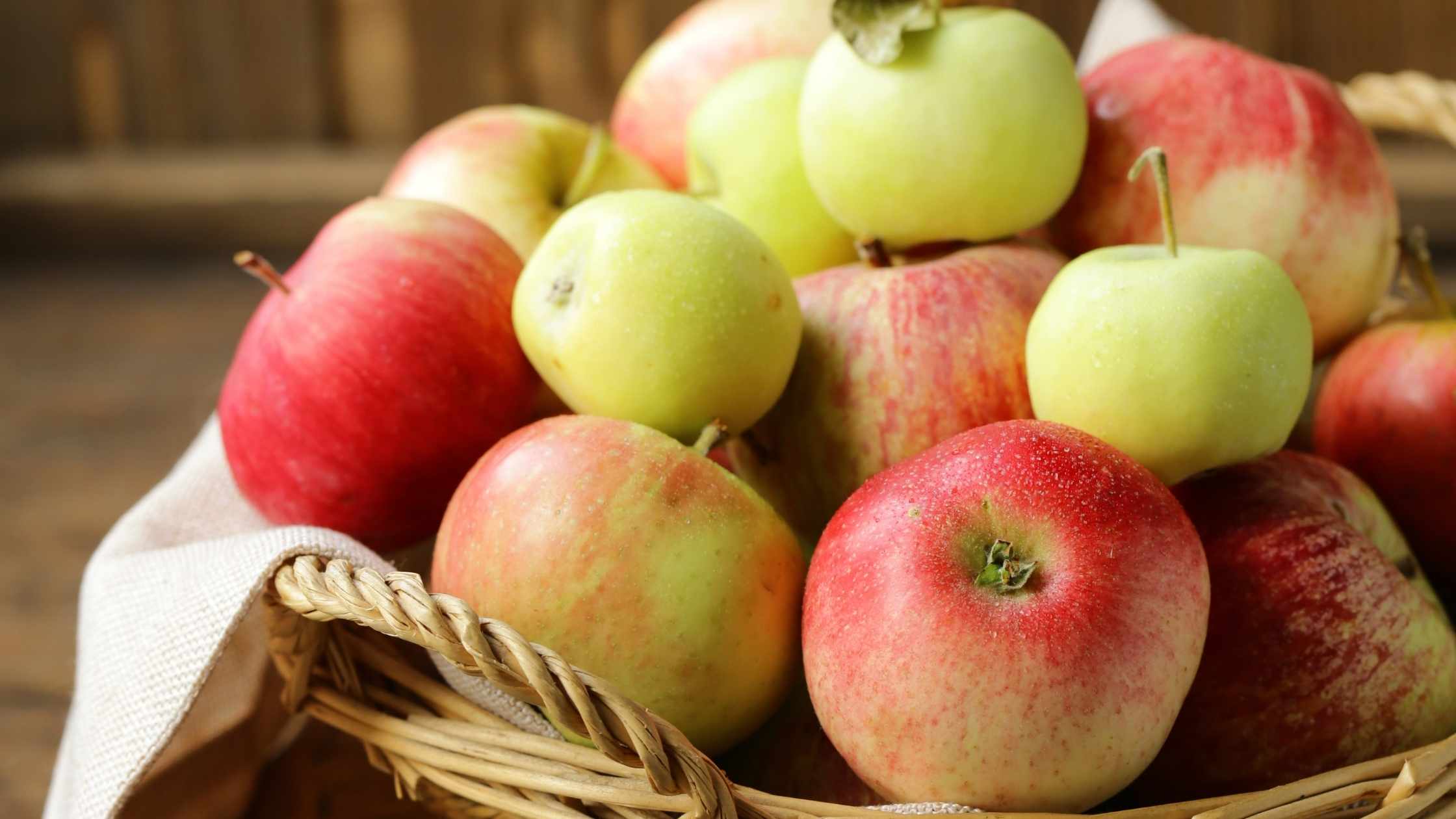
Apples

Contain flavonoids, vitamin E, and vitamin C which all help with lung function. Again, these can help reduce inflammation and swelling in the lungs.

Water

Extremely important for healthy lungs. It helps keep blood flowing to and from the lungs and the lungs well hydrated. Choose clean filtered water to avoid any chemicals.

With all of the body systems, it is important to consume foods that promote a health. With every bite we take we can invest in health and our lung health is no different. Choose wisely and breathe easy!

[expand title="Sources"] 

  • Acero, J., (29 November 2017). Nitrate-toxicity, side effects, diseases and environment impacts. Naturalpedia. Retrieved from https://naturalpedia.com/nitrate-toxicity-side-effects-diseases-and-environmental-impacts.html.
  • DeChristopher, L., & Tucker, K. (2018). Excess free fructose, high-fructose corn syrup and adult asthma: The Framingham Offspring Cohort. British Journal of Nutrition,119(10), 1157-1167. doi:10.1017/S0007114518000417
  • Freedman BJ. Asthma induced by sulphur dioxide, benzoate and tartrazine contained in orange drinks. Clin Allergy. 1977 Sep;7(5):407-15. doi: 10.1111/j.1365-2222.1977.tb01471.x. PMID: 412611.
  • Harrington, R. (02 March, 2010). Bisphenol A linked to asthma – study. Food Navigator. Retrieved from https://www.foodnavigator.com/Article/2010/03/02/Bisphenol-A-linked-to-asthma-study#.
  • Schor, j., ND, FABNO. (5 September 2018). Fructose consumption linked to asthma. Natural Medicine Journal. Retrieved from https://www.naturalmedicinejournal.com/journal/fructose-consumption-linked-asthma.
  • Shaheen, S. O., Sterne, J. A., Thompson, R. L., Songhurst, C. E., Margetts, B. M., & Burney, P. G. (2001). Dietary antioxidants and asthma in adults: Population based case–control study. American Journal of Respiratory and Critical Care Medicine, 164(10), 1823–1828.
  • Shaikh, S., and Bhandary, YP. (12 March 2021). Therapeutic properties of punica granatum L (pomegranate) and its applications in lung-based diseases: a detailed review. Journal of Food Biochemistry. Retrieved from https://onlinelibrary.wiley.com/doi/abs/10.1111/jfbc.13684.
  • Soft Drinks Linked to Lung Disease and Asthma. (28 July 2020). Natural Therapy Pages. Retrieved from https://www.naturaltherapypages.com.au/article/soft-drinks-linked-to-lung-disease-asthma.
  • Woods, R. K., Walters, E. H., Raven, J. M., Wolfe, R., Ireland, P. D., Thien, F. C., & Abramson, M. J. (2003). Food and nutrient intakes and asthma risk in young adults. The American Journal of Clinical Nutrition, 78(3), 414–421.
  • Yadav, L., & Upasana, U. (2022). Golden Spice Turmeric and Its Health Benefits. In (Ed.), Antimicrobial and Pharmacological Aspects of Curcumin [Working Title]. IntechOpen. https://doi.org/10.5772/intechopen.103821

[/expand]

How To Pick A Healthy Snack

Americans have a snack habit. We've become accustomed to eating multiple times throughout the day. Sometimes we snack because we're hungry. But more often than not it's because we are bored, thirsty, or possibly responding to emotional stimuli.

Occasionally we snack because we are on-the-go and are looking for something to tide us over until we can get to mealtime. While there's nothing wrong with an occasional small bite between meals, snacking can become a problem when it fills you up with empty calories. This means things like chips, crackers, muffins, or cookies. Another problem with snacking is if you eat so much that you are no longer hungry by the time you get to the real meal.
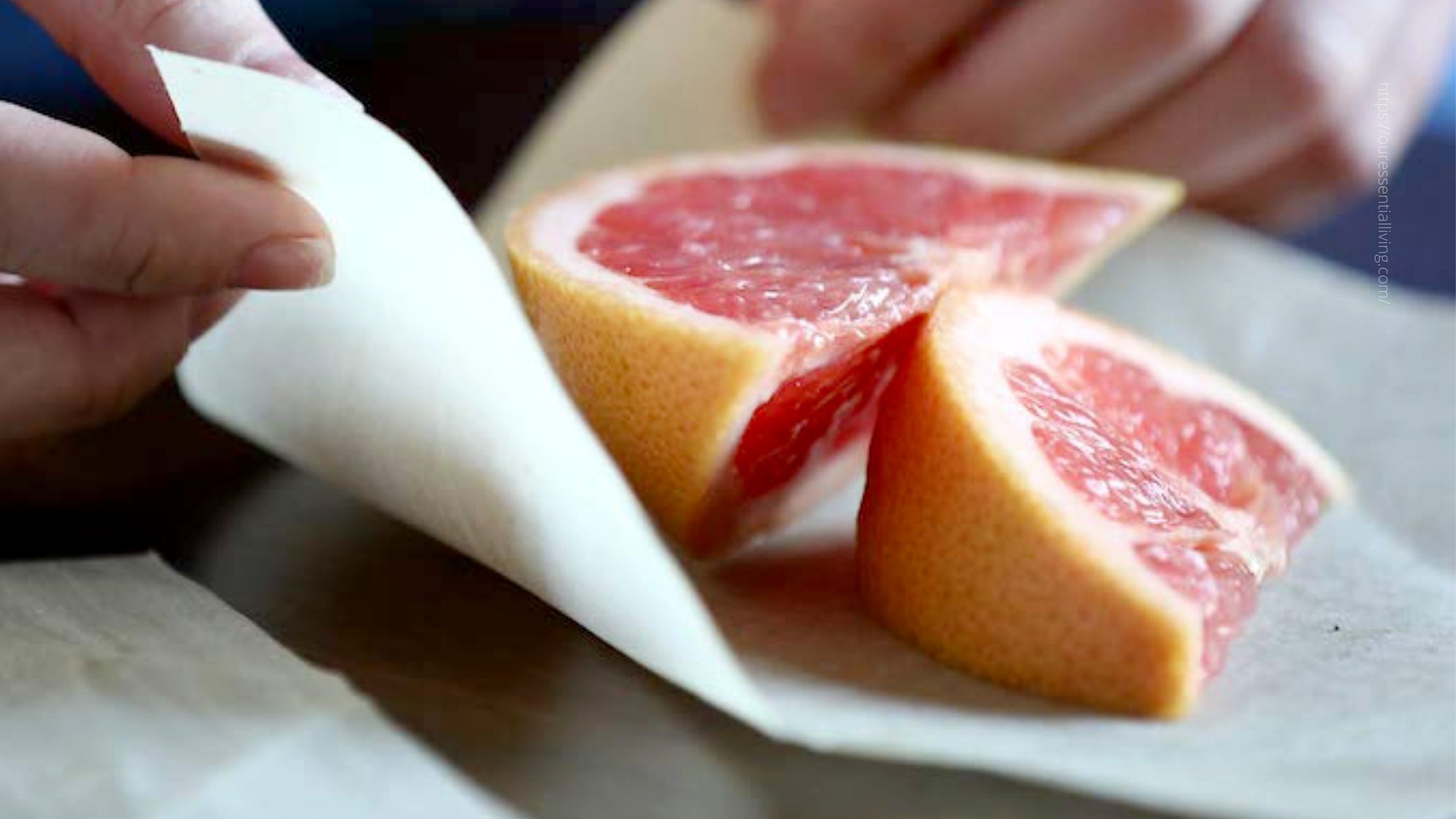
Snacks to avoid

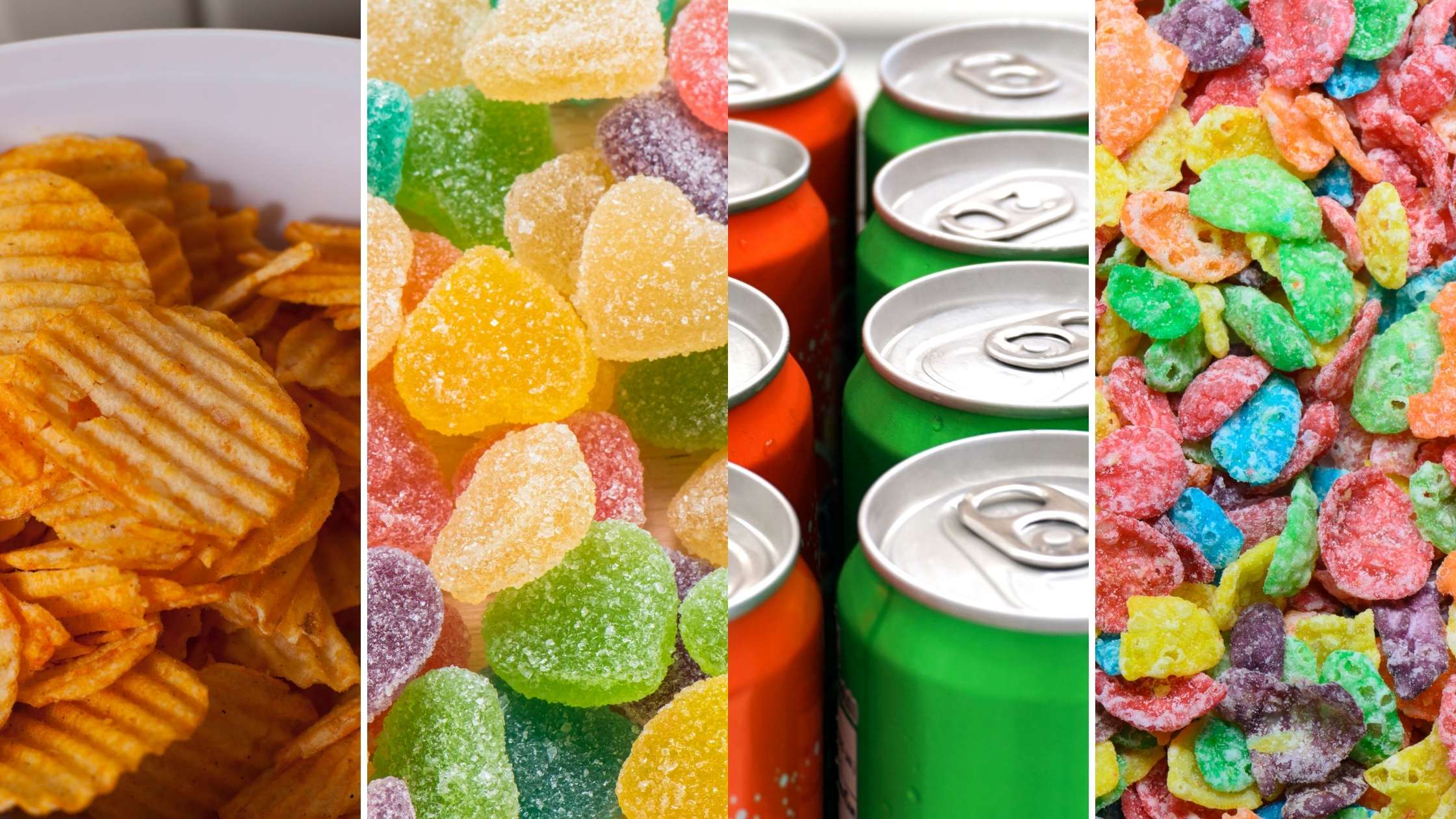
When choosing snacks be sure to read the label. Don't choose one just because it says "protein" or "# grams of protein" on the front label. You need to turn the package over and read the ingredients on the label. You also want to avoid the following in your snack products:

  • excess sugar (more than 4 g per serving)
  • artificial sweeteners
  • artificial flavors
  • artificial colors
  • ingredients you don't understand
  • starchy things (tapioca, potato, rice flours, etc)

You may be wondering why things like rice cakes, popcorn, puffed quinoa, puffed chickpeas, etc are not on this list. Sure, I get that they taste good. The problem, however, is that these exploded grains are very easily converted to sugars by the body. This means they hit the blood stream relatively quickly. There's also not a lot of nutrition in those puffed grain snacks. It's better to stick with something that's going to provide more of what your body really needs, protein and healthy fat.
How to pick a healthy snack

Ideally, a snack should be small, just enough to blunt your hunger without filling you up, and balanced with protein and a little healthy fat. When snacking you want to make sure that you are eating clean, nutrient-dense foods rather than high calorie, low nutrition foods, sometimes referred to as energy-dense. Here are some great, non-perishable choices for healthy snacking:

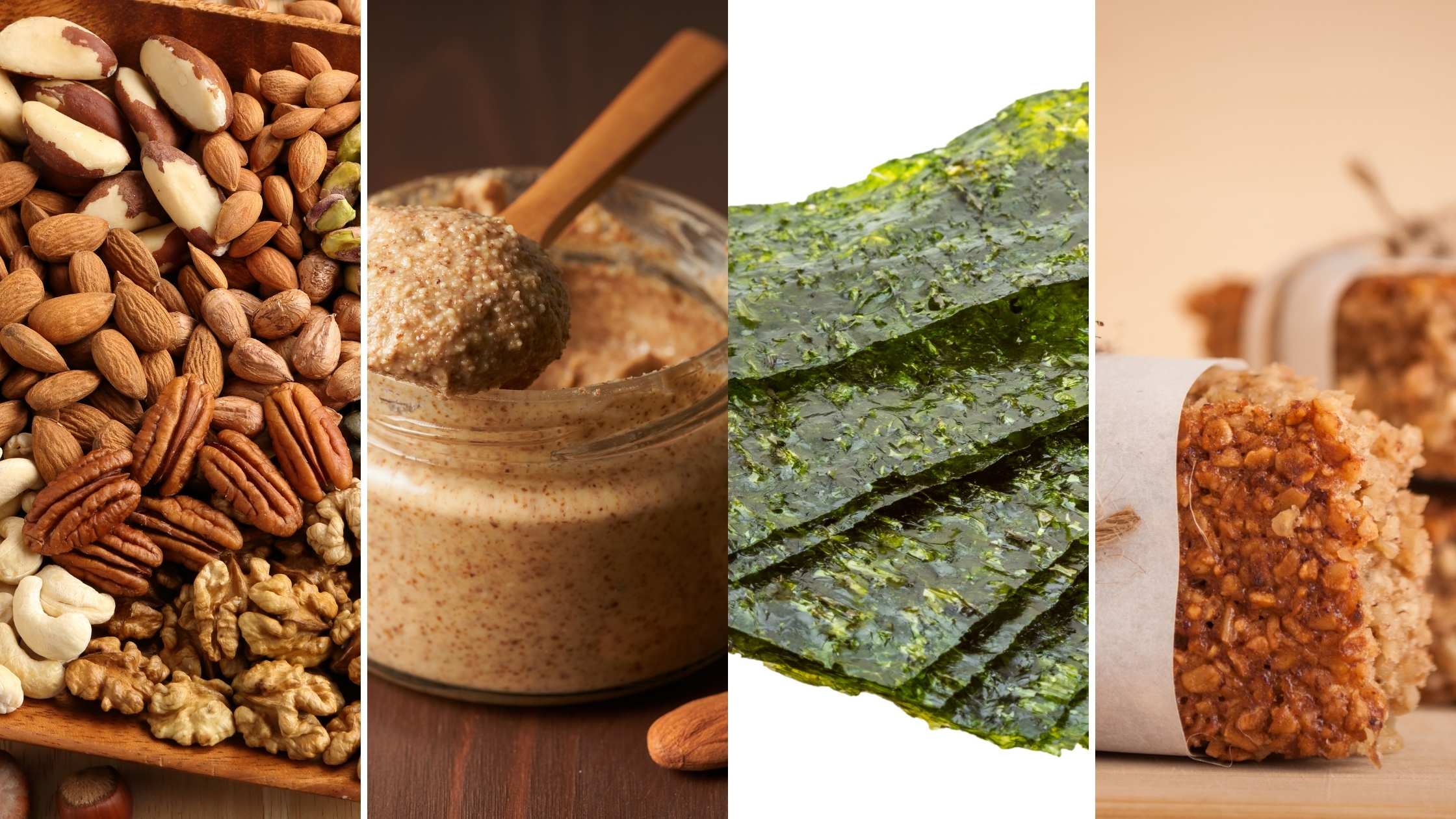
  • Nuts – choose raw nuts as your best nutritional choice. Even better is if they are sprouted.
  • Nut butter – many of these now come in squeezable tubes and can be a quick grab-and-go non-perishable snack. Be aware that there can be a lot of sugar in some of these, choose the best option possible by reading the label
  • Canned fish – such as sardines are a great choice. These can be a nourishing snack and also provide some healthy omega 3 fatty acids
  • Jerky – this can be purchased or made at home. These days there's a wide variety of jerky products made from meats such as salmon, venison, lamb, bison, pork, turkey, and more. Check the label to be sure there are no added artificial ingredients
  • Energy bars – be sure to read the label and make check that you're getting a true protein bar, not a glorified candy bar with an excessive amount of sugar. Just like with the jerky, you want to make sure there are no added artificial ingredients (sweeteners, flavors, etc)
  • Dried and seasoned chickpeas – this can be a tasty way to get a crunchy snack on-the-go without having to worry about spoilage
  • Seaweed or kale chips – okay there's no protein in this one (so you may want to pair it with a handful of nuts or some jerky), but if you're looking for a good veggie-rich crunchy snack these can really hit the spot

How does protein boost energy?

Proteins are a far different energy source than carbohydrates. When a person eats carbohydrates they are broken into sugars, which provide quick energy. However, this energy only lasts a short time, eventually leaving the person feeling tired. Proteins provide a much longer source of energy than carbohydrates do. The energy from proteins is a more consistent fuel that powers the body. In addition, adequate protein in the diet guards against fatigue, disease, and moodiness. If you want to know your body's protein requirements, Georgetown University provides a helpful table for determining how many grams of protein men and women need each day.

Choosing protein for snacks

It's important to understand that there are two main types of protein; complete and incomplete. A protein is considered to be complete if it contains all of the essential amino acids necessary for body growth and function. In general, animal products contain complete proteins while plant-based products are incomplete. However, consuming a variety of plant-based products can still give a person all the amino acids they need by combining to form a complete protein.  As an example, combining grains and legumes will form a complete protein.

Protein-rich snack ideas

These suggested protein-filled snacks can provide long-lasting energy boosts. So you'll get the nutrition you need and won't feel depleted.

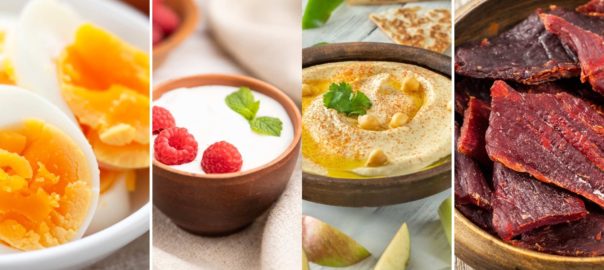
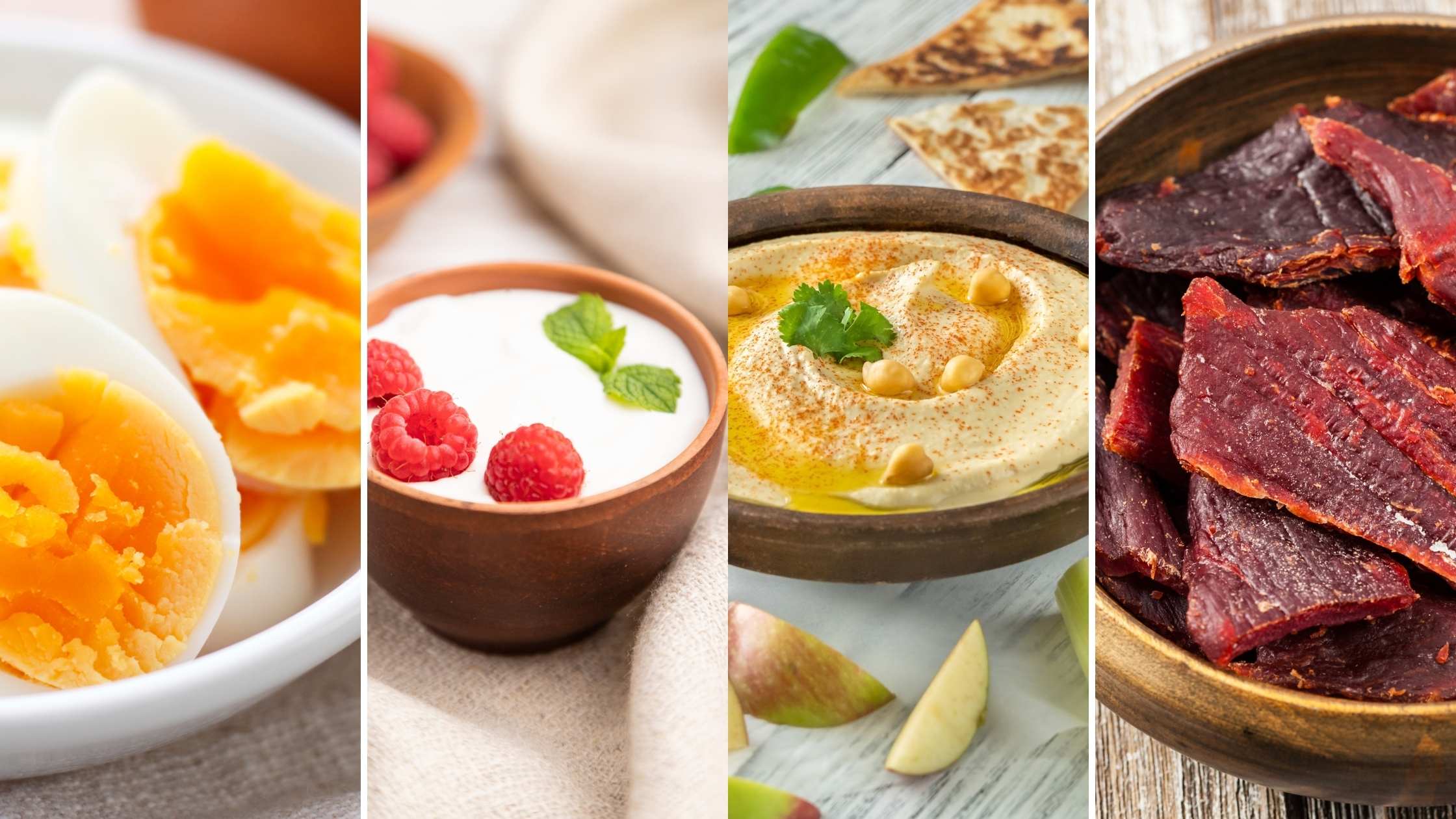
  • A hard-boiled egg with some fresh veggies
  • A can of sardines with lettuce or endive
  • A cup of yogurt
  • Half a cup of cottage cheese with some fresh veggies
  • 2 Tbsp almond butter and an apple
  • A small handful of nuts and seeds
  • Beef jerky
  • A stick of string cheese and some fresh veggies
  • 2 T. hummus with raw veggie sticks

Of course, protein should be consumed in moderation. While protein is vital for all individuals and moderate amounts of protein make excellent snacks, consumption of excessive amounts may eventually begin harming the kidneys.  Protein is a good choice for busy days when adequate stamina is vital.


Iliana Spector, a health writer for Assisted Living Today, contributed to this article

tips to organize fridge

Nine Tips To Help You Organize Your Fridge

Chances are you don't think too hard about your refrigerator. It's simply a convenient appliance where you can store perishable foods until you're ready to eat them.  However if you want to take the best advantage possible of this wonderful appliance there is an efficient way to store food in it to help things stay fresh just a little longer.

One side benefit of an organized refrigerator is that you’ll always know where things are, or at least where they’re supposed to be.  And chances are if you’re keeping things organized you’re less likely to be growing science experiments in the back corner that eventually need to be thrown out.  So utilizing your fridge effectively can also help reduce food waste.

Here are the best refrigerator efficiency tips so you can get the most out of your fridge:

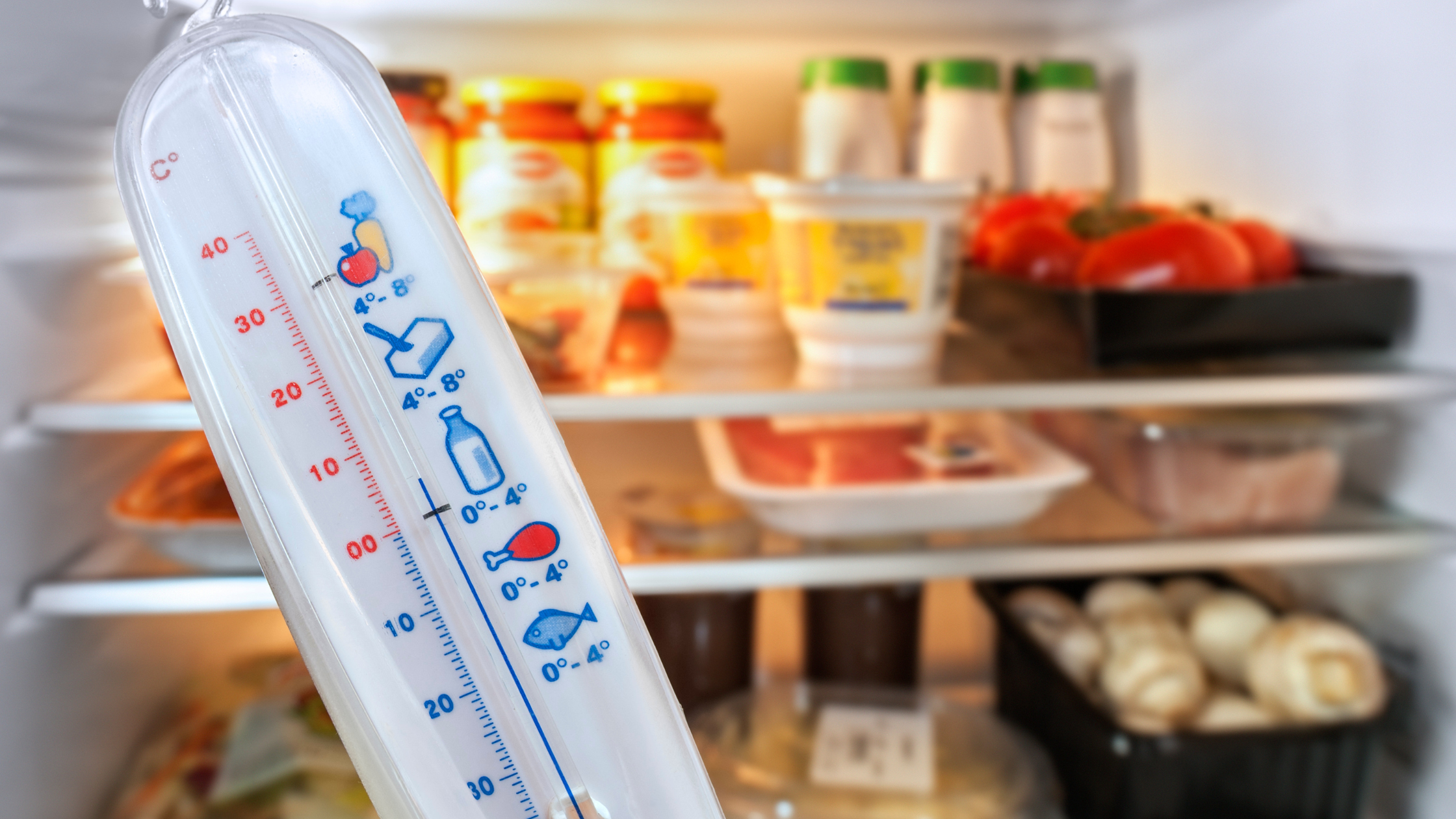
1.One of the best things you can do is purchase a refrigerator thermometer and use it to figure out which shelves in your refrigerator are the coldest. This admittedly does take a while but once you know it will help you be as efficient as possible in storing food in your refrigerator.  I prefer an analog face as I have concerns about digital and how it will eventually function in the cold

2. The coldest part of the fridge tends to be the back of the shelf closest to the freezer. If you have a side-by-side it tends to be that side. This section is where you should be storing things like milk and raw meat to keep them as cold as possible

3. When storing raw meat in the refrigerator it is helpful to put a dish, a tray, a bowl, something below it in case it leaks. The last thing you want is to have to unload your entire refrigerator to sanitize it because you have meat juices on the shelving. This also applies if you use plastic baggies to marinate your meats. You need to have something under the bag in case it leaks. I want to encourage you to shift to glass containers for marinating and food storage instead of plastic.  Not only will is stop the leaks, it's better to not have plastic touching your food.

4. Condiments and items you use regularly should be stored in the door. This way you can access them quickly.  Because the door shelves are narrower you can spot them more quickly as well. It may be tempting to keep other things in the space however if you need the space for condiments and sauces do that first. Then store other items in the door according to highest use.

5. Many people keep things in the refrigerator that don’t belong there. The following things do best if they are stored outside the refrigerator:

  • Hot sauce
  • Worcestershire sauce
  • tomatoes
  • onions
  • potatoes
  • cooking oils
  • peanut butter
  • honey
  • coffee
  • garlic
  • avocados (unless they are close to overripe)
  • soy sauce
  • vinegar

The exception to this list, of course, is if the label says ‘refrigerate after opening.’

6. Using small bins in the refrigerator can help you keep certain items together to make them easier to find like jams, pickles or olives.  Bins are also good for things that don’t stack well such as tubes of pesto or oddly shaped things that don’t stand up right

7. In order to prevent the amount of time you have to rummage around in your fridge if possible taller things go in the back smaller things go in the front.  Obviously, this makes a lot of sense, the challenge, however, is when you live with other people who aren't as mindful about how things are stored in the fridge as you are.

8. Vertical space can be a problem in refrigerators. Certain things, like that bottle of wine you’re chilling, can lie on its side. This also applies to tetra-pack containers such as almond milk.  Simply be sure that the container is not overly full and if there is a pour spout that it’s pointing up in order to reduce the potential for drips or leaks.

9. My favorite refrigerator containers are clear glass because this allows you to see what’s actually in there. I am also a fan of assembling leftovers into meal portions. Instead of putting all the meat in one container, all the vegetable number one in another container, and all of vegetable number two in another container. Create a meal and put that in the refrigerator for a quick grab and reheat access.  It’s also helpful if you stack all of your leftovers together that way people can see what’s available when they’re hungry instead of having to rummage all over the fridge.

Organizing your refrigerator is not a one-and-done proposition.  It gets used a lot and things can wind up shoved in for expediency rather than efficiency. It's a good idea to set aside a few minutes once or twice a month and re-arrange the fridge for maximum use and visibility.  Chances are because you’ve done this once you’ll know where things ought to go and it shouldn’t take as long to set the fridge to rights.

The Fridge and Freezer Food Storage E-Guide is available for FREE  when you sign up for the Preparedness Pantry Masterclass
sheet pan fajitas

Sheet Pan Fajitas

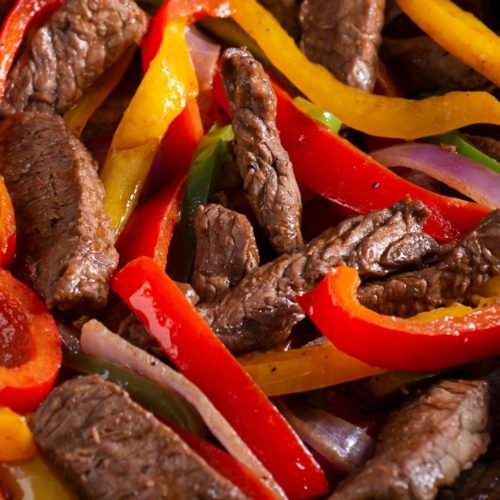
When you’re looking for a meal that’s fast, fun, and flavorful, there’s nothing like fajitas. Preparing it on a sheet pan is even better; it makes cooking simple and cleanup a snap. If you’ve never made fajitas before don’t be tempted to use a nice cut of top round.  This recipe really does best with flank steak.
sheet pan fajitas

Sheet Pan Fajitas

Equipment

  • I use a three-quarter size pan for the particular recipe plus a silpat baking mat to everything spreads out nicely and nothing sticks

Ingredients
  

  • 1 1/2 pound flank steak, sliced thinly
  • 3-4 bell peppers, cleaned and sliced into strips (I like to use a variety of colors)
  • 1 large red onion, sliced thinly
  • 2 Tablespoons olive oil
  • 1 Tablespoon ground cumin
  • 2 teaspoons chili powder
  • 1/2 teaspoon cayenne pepper (more if you like it spicier)
  • 1/2 teaspoon red pepper flakes (more if you like it spicier)
  • sea salt and fresh ground pepper to taste
  • Garnish:1/2 cup fresh cilantro, chopped1 large lime, sliced1 large avocado, peeled, pitted, and sliced

Instructions
 

  • Preheat the oven to 400°F
  • Place the silpat on the sheet pan and set aside
  • Combine all ingredients in a large bowl and toss until well coated
  • Spread ingredients on the sheet pan in a layer and roast 15-20 minutes until steak is done to your preference
  • When serving lay out fajitas on Siete tortillas or romaine lettuce leaves, garnish, roll or fold, and enjoy!

Notes

Note: You can substitute fish, shrimp, pork, or chicken for the beef
 
nightshades

Nightshades: Their Impact On Inflammatory Conditions

The nightshade family of plants offers disease-fighting power that can boost maximum nutrition. They can be a rich source of vitamins, minerals, and fiber. Yet, alongside all their goodness, they can also be problematic for some.

What Are Nightshades?

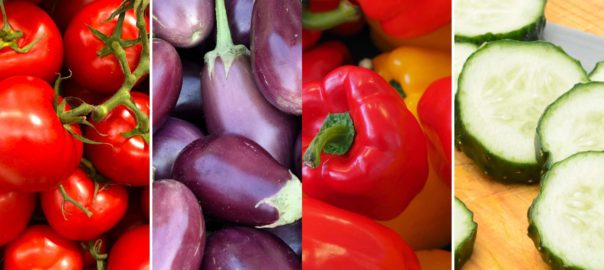
The nightshade family of fruits and vegetables belong to the Solanaceae family which contains 1000s of plants. Most are actually poisonous, but there are some that are edible. These include tomatoes, goji berries, garden huckleberries, ground cherries, tomatillos, tamarillos, naranjillas, pepino, eggplants, peppers (bell, chili, and sweet), okra, and potatoes.

Foods that may be mistaken as nightshades include zucchini, sweet potatoes, yams, and black pepper; these are in different botanical families so may be safely consumed.


Why You Should Avoid Nightshades


1.The Solanaceae family of plants contain solanine which is a bitter-tasting alkaloid. It is part of the plant’s protection mechanism which helps keep it from being eaten by animals and humans. Solanine may significantly affect the body causing pain and inflammation.

2. Nightshades can also contain saponins. Saponins are another way a plant can protect itself. In the body it can bind with cholesterol causing a leaky gut or increased inflammation in the digestive tract having a direct aggravating effect on the immune system. 

3. Other challenges that can be experienced if there is a sensitivity to the nightshades include acne, bloating, brain fog, diarrhea, fatigue, gas, heartburn, hives, joint pain or swelling, migraines, nausea, and gastrointestinal issues.


What To Do To Determine Nightshade Sensitivity


As you can see the nightshade family of fruits and vegetables can be both health promoting and health obstructing. So how do we know which one they are for us? It all depends on you has an individual and your current health status. The best way to know is to do an elimination diet.

Do an Elimination Diet

Avoid all nightshades for a period of 28 days. This allows your system to clear any effects from them. Nightshades not only include the above-mentioned items but spices such as cayenne pepper, crushed red pepper, chili powder, and paprika. Condiments such as ketchup and barbeque sauce and the supplement ashwagandha are also included. All of these will need to be eliminated for this 28-day period. 

Once you have completed the elimination period of no nightshades, you will slowly bring in one nightshade item at a time. It is very important to use a food journal during this period and only introduce one item at a time. Write down your pain levels that may arise for one to two hours after a meal or any other symptoms that come up. Please note that a reaction can take as long as 72 hours to occur. 

Use a Food Journal

By using your food journal, it will help chart your progress through the reintroduction period. You can slowly make your way through the nightshade family of foods.

You may find that some of the items you have no reaction to and others you do. By knowing if some of the nightshades do not produce a reaction, you can continue to consume these thus reaping the health benefits.

Others you may find produce pain or inflammation, and it would be best to avoid. You may also find that you are less sensitive to the nightshades if you cook them. Cooking can reduce the alkaloid content by 40 to 50%. If at any time you experience tingling in the mouth, rash or hives, itching, swelling of the face, tongue, or throat, difficult breathing or wheezing – stop eating right away.

If you have determined that some or all nightshades are a trigger for pain and/or inflammation, it could be a message that there is an underlying challenge that may be producing chronic low levels of inflammation such as a leaky gut. Removing the foods that cause issues and improving your digestive function can heal the gut, and eventually nightshades may be able to be consumed. 


Final Thoughts

The nightshade family is a nutrient-dense family of foods that can be rich in vitamin C, iron, fiber, potassium, and antioxidants. Some may be sensitive to the alkaloids they contain so going through an elimination diet to determine if you are sensitive to one or more of the nightshades can be beneficial to your over all health. 

Strawberry Feta Salad

Strawberry Feta Salad With Balsamic Reduction

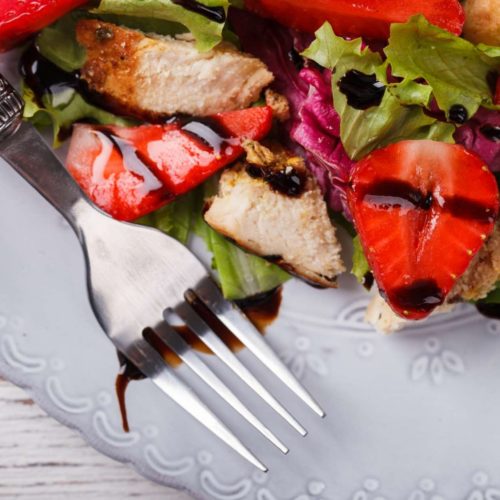
This summertime salad is the perfect blend of sweet and savory flavors. The fresh strawberries are drizzled with a rich balsamic glaze, while the peppery arugula and salty Feta cheese balance out the sweetness. The pecans add a satisfying crunch, making this salad an irresistible treat.


Whether you're serving it as a side dish or a light starter, this strawberry salad is sure to please. So go ahead and give it a try - you won't be disappointed!

Strawberry Feta Salad

Strawberry Feta Salad with Balsamic Reduction

Servings 4

Ingredients
  

  • 2 cups Romaine lettuce, washed, dried and chopped
  • 2 cups arugula, washed, dried, and chopped
  • 1-pint fresh strawberries, rinsed, topped, trimmed and quartered
  • 3 ounces Feta cheese
  • ½ cup pecan halves, if desired these can be lightly toasted first in a dry pan on the stovetop
  • Sea salt and fresh ground black pepper
  • 2 Tablespoons extra virgin olive oil
  • 1 cup balsamic vinegar

Instructions
 

  • Add sea salt and black pepper to taste
  • Season with salt and black pepper, to taste
  • Drizzle lightly with the olive oil
  • Toss gently to combine the ingredients, place into a salad bowl (or serve into individual bowls) and set aside
  • Add balsamic vinegar to a small pot with heat set to medium-high
  • Heat until just under a boil, reduce heat and simmer approximately 10 minutes until vinegar is reduced to 1/3 of a cup
  • Remove vinegar from heat and let cool slightly
  • Drizzle balsamic reduction over the salad and serve
  • Place romaine, arugula, strawberries, feta, and pecans to a large bowl

skin brushing

Benefits Of Skin Brushing

We brush our hair, we brush our teeth, but what about our skin?  References to this age-old practice can be found in Ayurvedic, Scandinavian, and Native American traditions. Skin brushing is very invigorating and only should be done in the morning as brushing before bedtime can make it more difficult to get to sleep.  Shower or bathe after skin brushing to clear away skin cells or other material loosened by the procedure. Brushing should never be done with wet skin as this can cause stretching. Do not brush skin that has a rash or other damage including varicose veins

Here are some reasons to dry-brush your skin in the morning

  • Stimulates the lymphatic system and moves fluid 
  • Cleansing your skin removes dead cells
  • Can improve cellulite by breaking up fat deposits under the skin
  • Stimulates the liver when the lymph system is stimulated
  • Increases circulation and helps to open up your pores 

How to dry-brush your skin the right way 

  1. Start with the feet, brush up each leg several times moving toward the heart 
  2. Brush the abdominal area in a circular motion. 
  3. Brush from the chin down the neck and chest 
  4. Do not brush the nipples as they are too sensitive 
  5. Finish by brushing the hands and up the arms 
Shower or bathe after skin brushing to clear away skin cells or other material loosened by the procedure. Brushing should never be done with wet skin as this can cause stretching. Do not brush skin that has a rash or other damage including varicose veins. 

Hydrotherapy treatment after dry-brushing

Many people like to incorporate hydrotherapy after skin brushing. Sometimes called contrast showering, this is the practice of alternating hot and cold water to stimulate circulation. 
  1. Start by showering, and washing, at a comfortable temperature 
  2. Slowly increase the temperature to a higher temperature (hot but not scalding) and rinse your entire body, including your scalp
  3. Stay in this hot water for 30 seconds
  4. Reduce the temperature to the coldest temperature you can stand, again rinsing your entire body, including your scalp
  5. Stay in this cold water for 30 seconds
  6. Repeat the hot/cold cycle of water 3-5 times 
Hydrotherapy should not be used if you have a heart condition, diabetes, hypertension, hypotension, Raynaud's, or are pregnant unless you first consult your doctor to ensure this is a safe practice.  When purchasing a skin brush it is important that each person have their own. Always use a dry soft brush, preferably with natural bristles and a long handle. 
resources to reduce footprint

Resources To Reduce Your Ecological Footprint

Bioplastics may seem like an alternative to reduce plastic pollution. They are being touted as the best replacement because it is supposed to break down.  However, it turns out that many bioplastics are made with GMO corn. Since I try to avoid GMO foods it bothers me that this product is still finding its way into the environment.  

Some bio-degradable plastics have a mystery ingredient that helps them to break down faster.  Researching it on the internet I come up with the information that that chemical is “proprietary” and so does not need to be shared with the general public.  Other information states that it may “leave some toxic residue but the environmental impact is lessened.”  This, again, is not something that I want touching my food or in our environmentl.

Resources 

These are products which will help me continue to reduce my environmental impact; something I consider to be an important part of the balance to a holistic life.

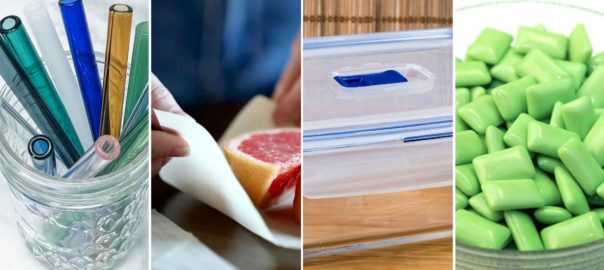
Grocery Bagresources to reduce footprint

Bring reusable grocery bags!  One of my challenges these days is to not use the thin plastic bags that the grocery store gives out in the produce section. Here’s a great video on making produce bags from old t-shirts

Glass & Stainless Steel Straws

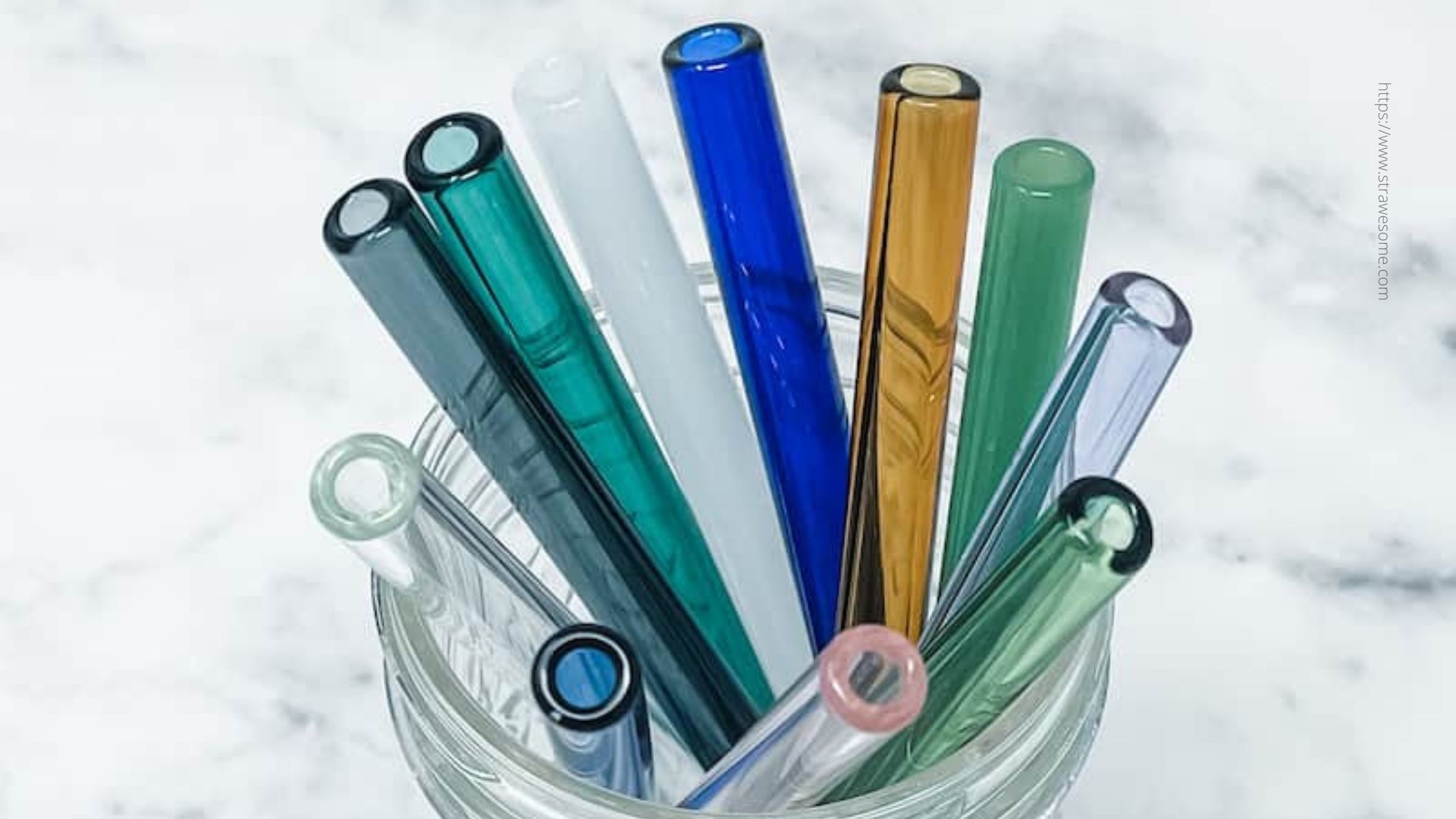
Plastic straws are definitely not a good choice for the environment; it turns out that Americans use as much as 500 million straws per day!  That’s a lot of plastic waste that’s not breaking down, getting into the environment, and possibly harming wildlife. To avoid plastic straws you can purchase reusable straws that are easy to wash and use again over and over.  There are a number companies making these straws in either glass, metal, or silicone.  The glass straws are available from a company called Strawsome.

Bring Your Own Takeout Container

When it comes to dining out there are a lot of companies who use styrofoam or plastic containers.  Definitely not an eco-friendly option. Other companies offer cardboard or recycled cardboard containers. While these are definitely a better option than plastic or styrofoam, they’re still single use containers and environmentally still have a higher impact.

A better option is to bring your own container from home. While it does take time and attention to remember to bring your own container this is a big win for the environment as you can wash and re-use your container over and over. Plus it’s one less disposable container winding up in the landfill. 

Cloth Napkins, Sandwich Bags

We do use cloth napkins in our house.  Not 100% of the time. When I have a party I confess I buy paper because I just don't have that many cloth napkins.  But on a daily basis it's cloth and we have a good size, mismatched collection.  

When talking about the idea of reusable sandwich bags I came across only one resource for food-safe plastic fabric.  If you decide to make your own reusable sandwich bags please do not use PUL or oilcloth, neither of those is acceptable for food contact.  

When it comes to wrapping sandwiches, or even covering foods in a container, one of the best options, instead of plastic wrap, is to use beeswrap. These are cloths that have been treated with beeswax in order to make a pliable, re-usable wrap. Although they are somewhat expensive at the grocery store, they’re actually quite easy to make at home using this DIY Beeswrap Kit (note: this kit includes a specially blended mix of beeswax, pine resin, jojoba, and coconut oil for a flexible, reusable food wrap, you simply add your own fabric).  

Gums

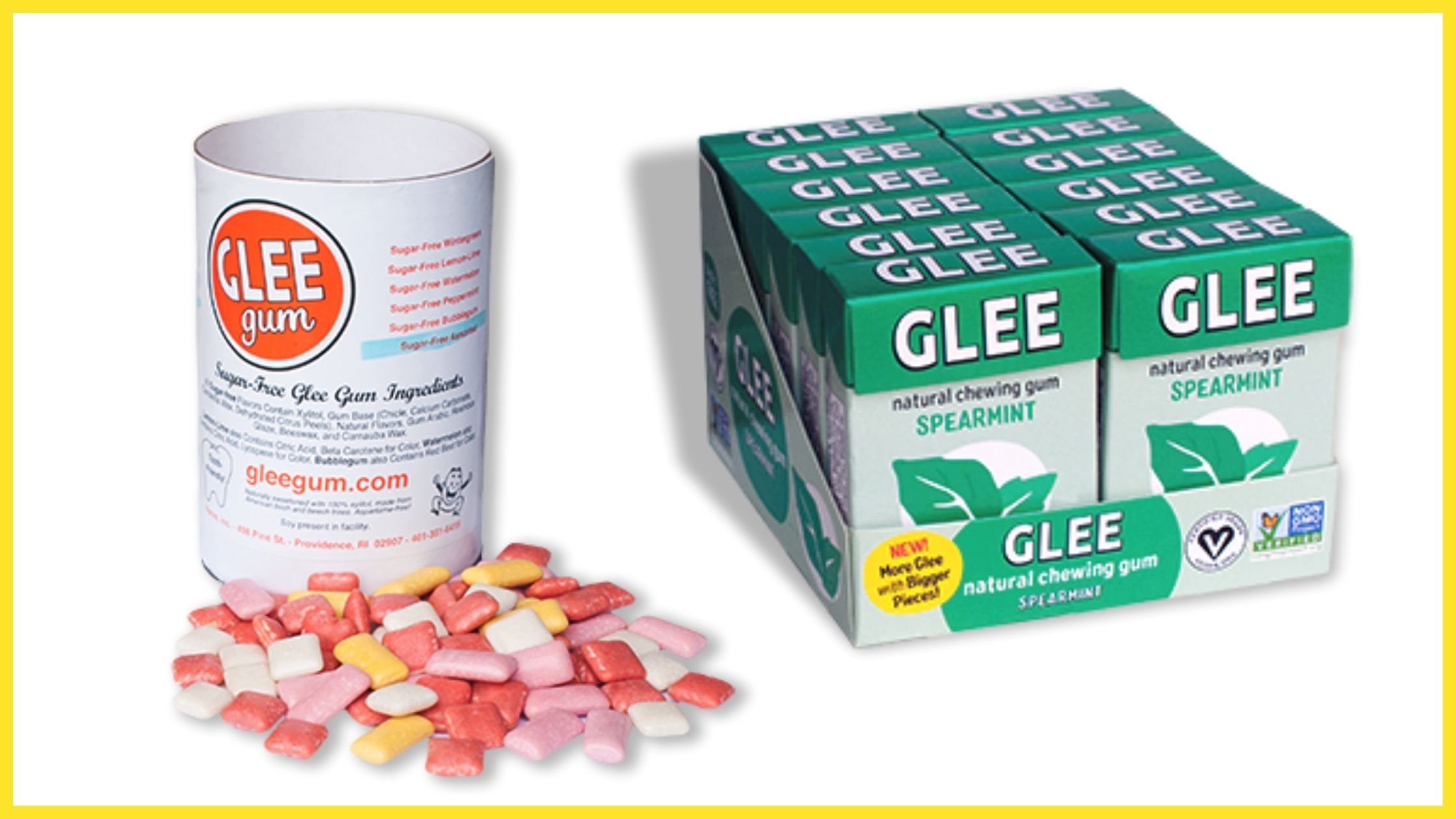
If you chew gum did you know that chances are you’re actually eating plastic? Yuck! That’s because most chewing gums are made with polyvinyl acetate.  Apparently, the only brand of gum currently available that is 100% chicle and plastic-free is my favorite Glee gum. According to their website Glee gum is: plastic free and has no artificial colors, flavors, sweeteners, or preservatives.  It’s also aspartame-free (it’s made with xylitol) as well as non-GMO and vegan. There’s not even any plastic in their packaging because they use cardboard.

One step at a time

When it comes to making these kinds of eco-friendy choices it can seem a bit overwhelming, especially if you’re trying to do it all at the same time.  When I’m working with clients I encourage them to remember that we make sustainable change by working on new habits one step at a time. If you try to change everything at once it's too much.  You are trying to remember and be consistent about too many things.  You are not learning and setting those new habits.  

Take me for example…while I may forget from time to time to put my bags back into the car I do use them the vast majority of the time.  I've also gotten very good about telling cashiers that I do not need a bag if I am only purchasing a few products and can easily carry them when I've forgotten my bags.  That was my first big eco-friendly step.  Little by little I added others.  You can do the same.  

Pick one thing that is important to you.  Practice and develop that habit.  When you are comfortable that you are utilizing it the majority of the time, move on to another one.  Slow and steady is the way to make effective, long-lasting, positive change.


There's so much plastic in our environment that we often don't even see it. It's become part of the background.

Read on to learn more about BPA, where it hides, and some strategies for supporting your health amidst the sea of plastic that surrounds us.

[expand title="Sources"]

"No One Knew How Many Plastic Straws Americans Use Every Day. Then A 9-Year-Old Kid Did The Math". Money, 2022, https://money.com/how-many-plastic-straws-used-every-day/.

Terry, Beth. "Chewing On Plastic? Yum! » My Plastic-Free Life". My Plastic-Free Life, 2010, https://myplasticfreelife.com/2010/01/chewing-on-plastic-yum/

[/expand]