All posts by Mira


About Mira

Mira Dessy is The Ingredient Guru. A holistic nutrition professional, author, and a popular public speaker, she knows that it's not just what you eat, but what's in what you eat. She is the author of The Pantry Principle: how to read the label and understand what’s really in their food. Dessy is a Board Certified Holistic Health Practitioner whose mission is to educate and empower consumers. She curates the Lean Clean Green Subscription box, the premier, organic, earth-friendly, healthy, sustainable subscription box which can be found online at https://theingredientguru.memberbox.com

beans

How To Eat Beans

My friend Sam writes, "Do you have some tricks to help me to eat beans? Me who HATES the texture of beans or anything remotely chalky. We do like Mexican but I won’t touch re-fried unless they are buried under cheese. I don’t like lentils in any way, shape or form."

Benefits

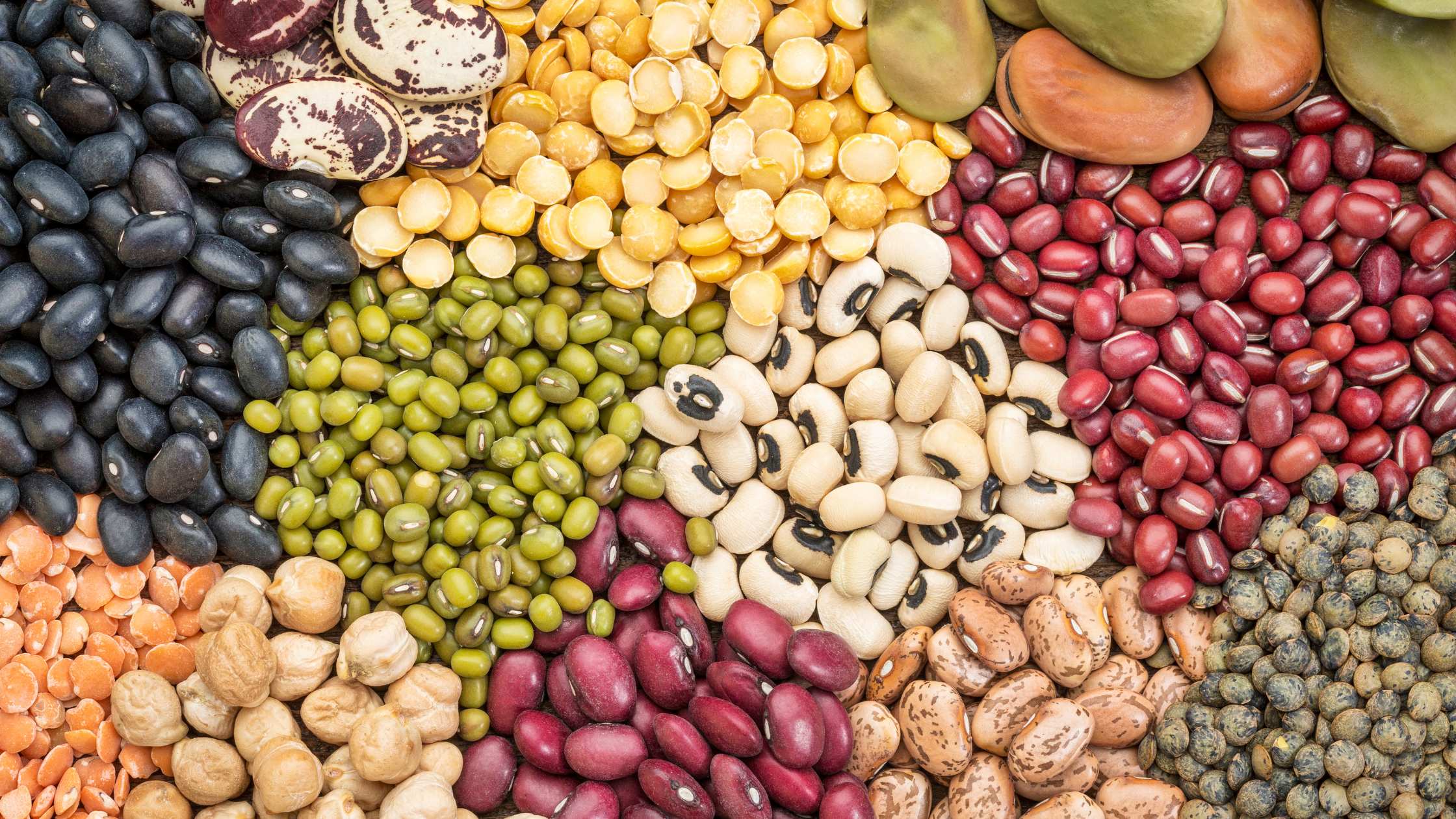
Beans are a great; high in fiber, B vitamins and protein they are an excellent food to add to the diet. Different beans have different micronutrients so varying the types of beans that you eat is a good nutritional choice. Right now beans are available fresh from the farmer's markets.

Recipes
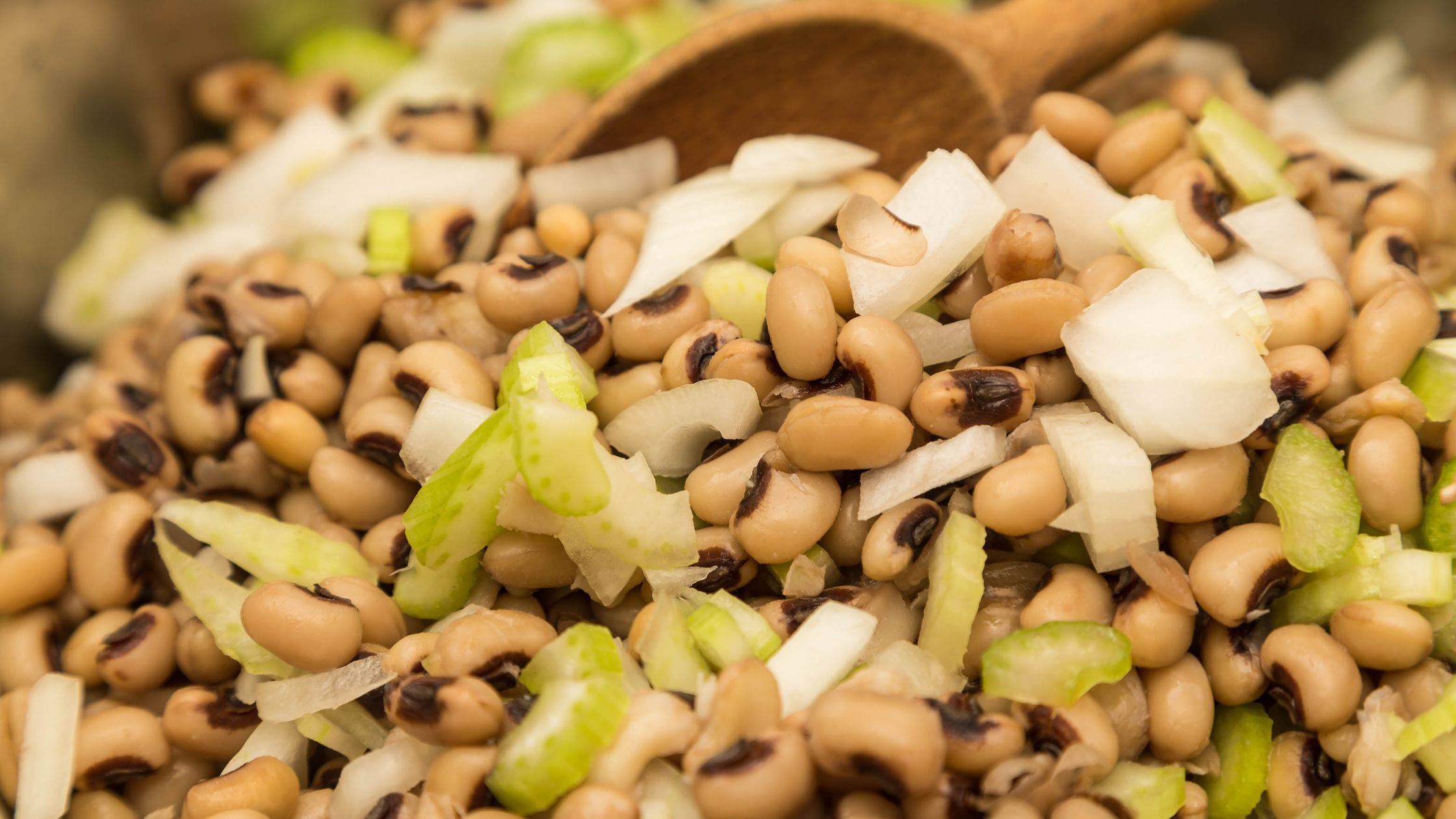
They are very tasty, not chalky and make a great addition to a lot of different dishes such as my peas-y peas and celery.

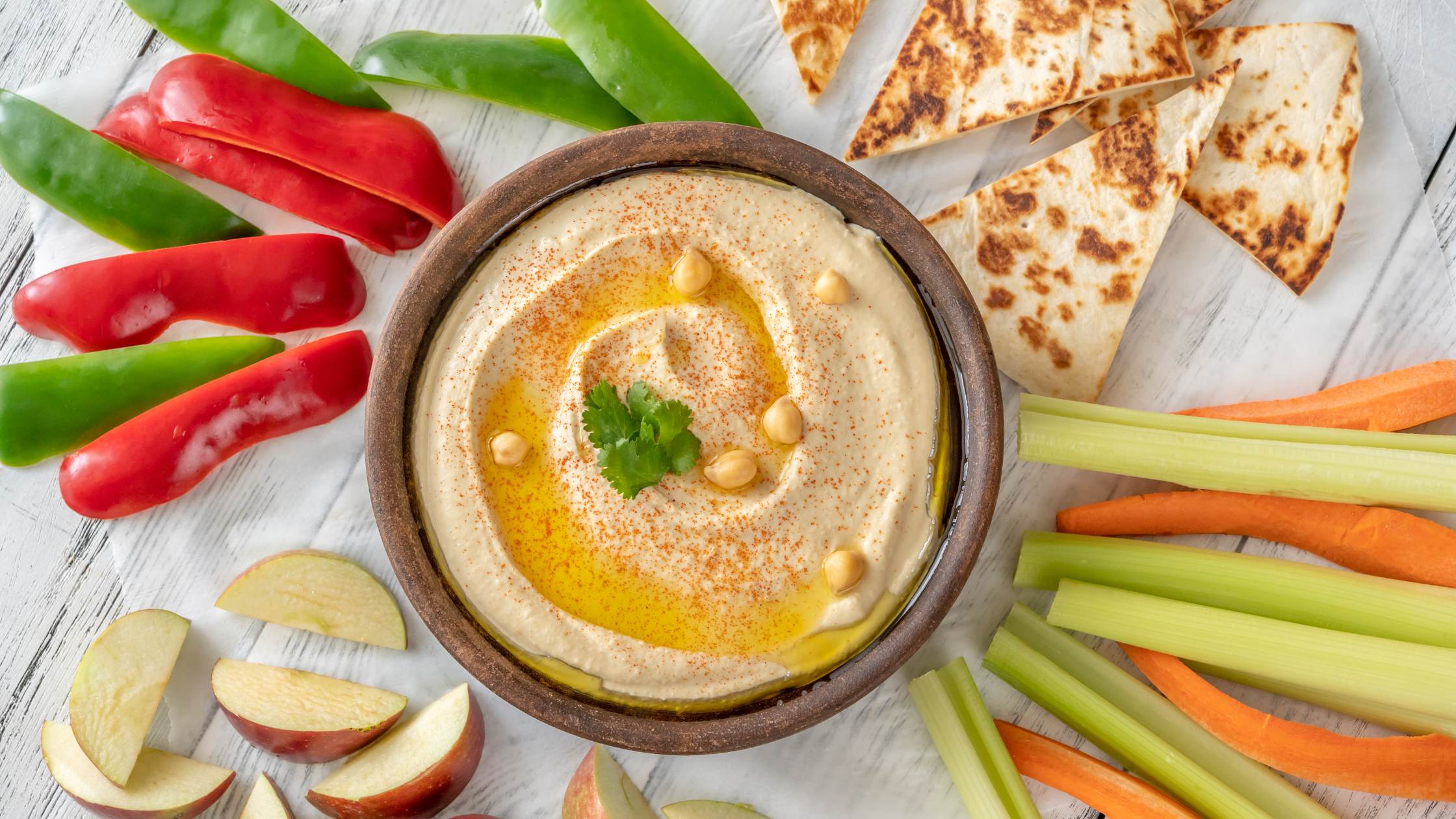
Another great way to eat beans is to use them to make a spread like hummus. Hummus is made from chickpeas, but you can make something similar with other beans. Add spices and herbs to flavor it anyway you want; this makes a great dip for veggies, pita bread, or crackers.

One of my favorite ways to eat beans is to take cooked beans (although canned beans are fine too), mash them up with sauteed minced onion and garlic, add some chopped parsley and curry powder and make patties out of it. Pan fry the patties, stuff them into a pita with frisee lettuce, chopped tomato, and a delicious sauce (suggestions include tahini, spicy yogurt, or a falafel sauce) and you've got a great meal with beans.

A third suggestion would be to take dried beans, grind them into a flour (a grain mill works best for this although there is a KitchenAid attachment that will also do the job) and then add that to a tomato sauce for casserole dishes or put the flour into baked goods. You'll still get the protein and nutrients from the beans but they won't be so obvious in your food.

As the saying goes, beans are good for your heart. Eat some today.
Other Bean Recipes:

Peas-y Peas And Celery

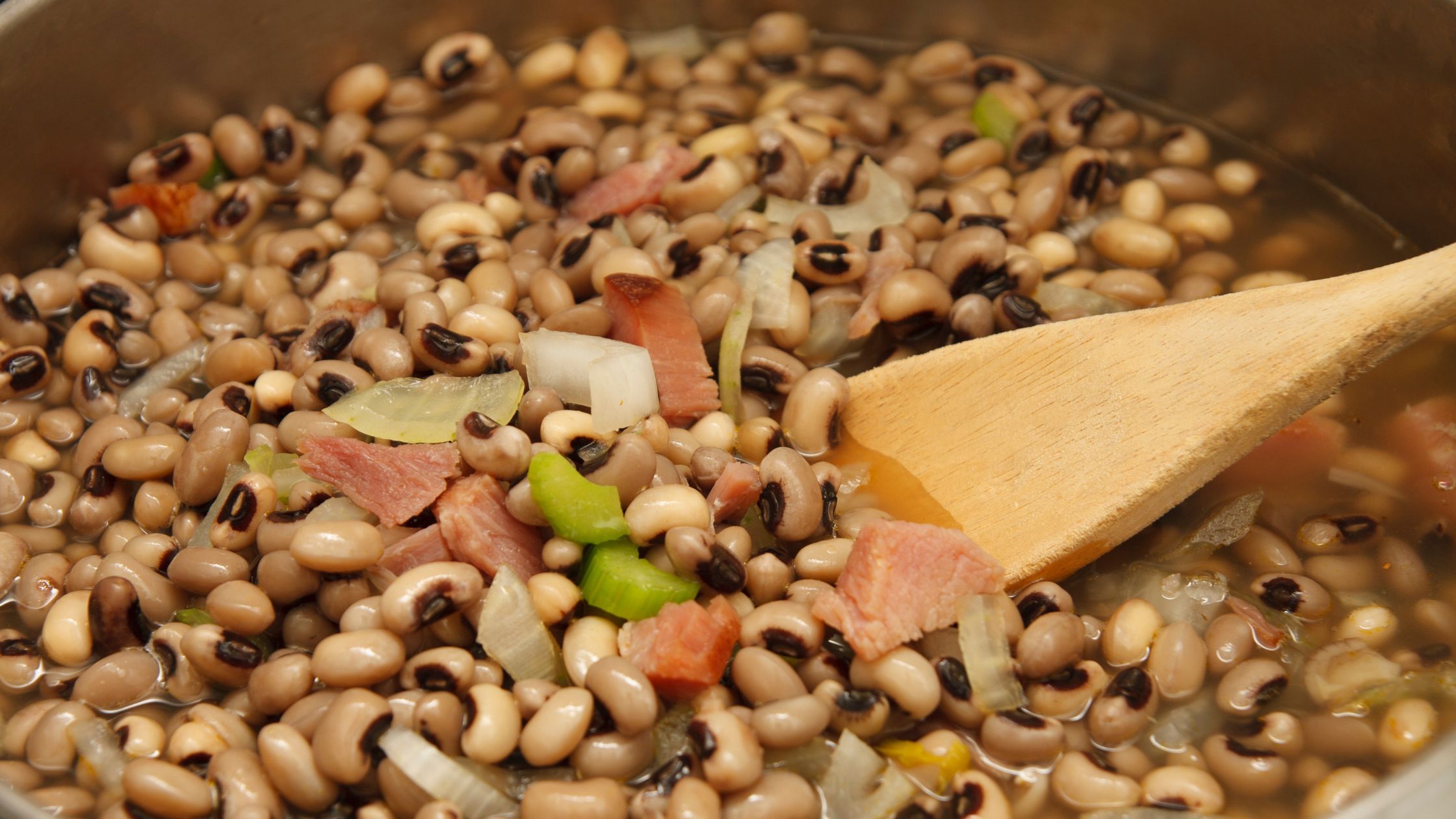
A recent trip to the farmer's market introduced me to a new pea I had never tasted before, purple hull peas. Related to black eyed peas, they are both cowpeas (Vigna unguiculata) which are very common in the Southern part of the United States.  They are sometimes also called field peas.
 
I was familiar with black eyed peas but had only ever eaten them after they had been dried and needed rehydration.   These were fresh and I wasn't quite sure what to do with them.  
 
After browsing cook books and the internet and finally decided to use them in a family favorite, peas and celery.  Turns out they fit right in and made this tasty dish even better.  The fresh purple hull peas were absolutely amazing.  They were creamy and tasty; now our new family favorite is.
 

purple peas celery

Peas-y Peas and Celery

Ingredients
  

  • 1 1/2 T. vegetable oil
  • 1 small onion, chopped
  • 1 clove garlic, minced
  • 3 C. vegetable broth
  • 1 C. fresh purple hull peas
  • 1 C. green peas
  • 1 stalk celery, diced
  • salt and pepper, to taste
  • 2 t. butter

Instructions
 

  • Saute onion and garlic in olive oil until onion begins to soften
  • Add broth and vegetables and bring to a low boil
  • Reduce heat to low, cover, and simmer for 30 minutes, or until beans are just tender
  • Drain liquid, toss vegetables with butter, salt and pepper

I'm sure you'll like them too.  So much that I'm sharing this recipe from the farmer's market for their summer succotash.  As the farmer points out, if you can't get purple hull peas you can always substitute fresh baby lima beans, fresh cranberry beans, or fresh black-eyed peas.


The Power Of Mesquite And Hawthorn: Ancient Foods For Modern Health

Mesquite Flour

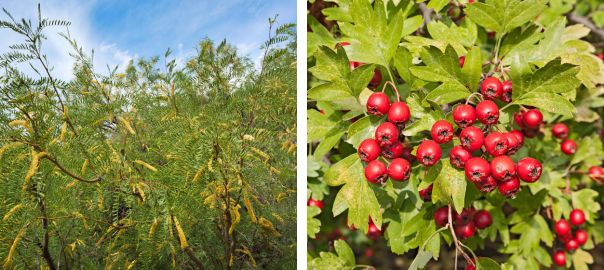
My friend Misty recently asked me, “What do you know about mesquite flour?” Mesquite (genus Prosopis) is a deciduous, leguminous tree that thrives in Texas and Mexico, extending as far north as Kansas and westward to Southern California. While many use the wood to impart a flavorful smoke to barbecued meats, mesquite also serves another purpose.

Before moving to Texas, I had heard of people using mesquite flour, which is high in protein and fiber, and was originally part of the Native American diet among Southwestern tribes. Further research revealed that mesquite flour boasts a favorable nutritional profile, rich in calcium, manganese, iron, zinc, and the amino acid lysine. Its high soluble fiber content and low glycemic index make it a potentially good option for diabetics, despite its reported sweet flavor.

Traditionally consumed by the Pima Indians, mesquite flour’s decline in their diet is linked to a rise in diabetes cases among them. A study published in the American Journal of Clinical Nutrition suggested that the slow digestion and absorption of starch in traditional foods helped protect susceptible populations from diabetes. These foods included corn, lima beans, white and yellow teparies, mesquite, and acorns. Additionally, an ethnobotanical study highlighted in the Journal of Ethnopharmacology noted mesquite's potential for diabetes treatment.

Given its leguminous nature, mesquite flour lacks gluten, making it suitable for quick breads, cakes, muffins, and cookies rather than yeasted bread. Moreover, the flowers of the mesquite tree are attractive to bees, leading to the production of flavorful mesquite honey, which you can find online along with recipes for using mesquite flour. It seems somewhat similar to another legume flour, carob, which I’ve discussed previously; both are sweet, high in fiber, and provide good protein content.

Hawthorn for Health

In another inquiry, Karen asked, “What do you think about using hawthorn berries to help prevent the flu?” While I’m not an herbalist, I did some digging and can share my insights.

Hawthorn (Crataegus monogyna) is a small tree or shrub predominantly found in Europe, Asia, and Africa. Often grown as a hedge, its leaves are edible in salads, and the fruits (berries, known as haws) are commonly used in jams, jellies, syrups, or to flavor brandy for liqueur. Hawthorn’s herbal properties are known to be cardiac, astringent, and diuretic, with the blossoms and berries being the most utilized parts. It’s primarily effective for lowering high blood pressure, aiding diarrhea, and promoting cardiac health. However, I could not find specific information on using hawthorn berries or their powder as a flu preventative.

To avoid the flu, the best methods remain the obvious ones: wash your hands frequently with soap (especially monitoring small kids who may skip the soap), avoid contact with anyone infected, and consume immune-boosting foods like garlic, ginger, cayenne, and vitamin C.

As an interesting side note, I learned that the oldest known hawthorn, the Hethel Old Thorn, is reputed to be over 700 years old and is located in Norfolk, East Anglia, United Kingdom.

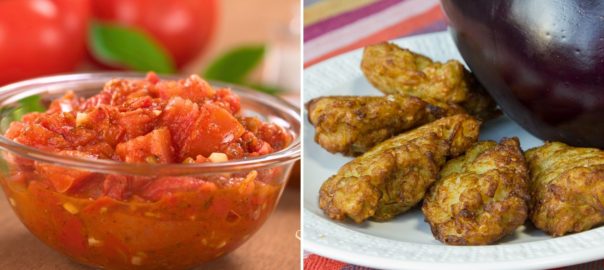
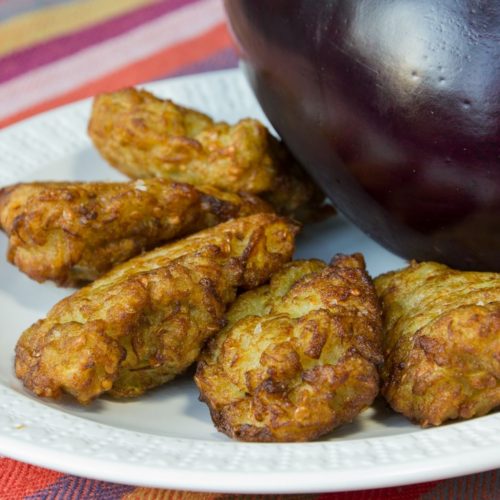
Eggplant Corn Fritters With Chunky Tomato Red Pepper Coulis

I am always experimenting in the kitchen. Recently I created a dinner that came together out of ingredients from the farmer's market that I had on hand.  Because this dish turned out so well I definitely plan to make it again; it's a great summertime meal full of flavor and freshness.

Although I used fresh ground flour to make my fritters you can still make this recipe if you don't have a mill by checking out my baking substitutions post.

Eggplant Corn Fritters

Servings 4

Ingredients
  

  • Grapeseed oil
  • 1/2 C. cornmeal
  • 2/3 C. Ezekiel flour
  • 2 teaspoons baking powder
  • Salt and freshly ground black pepper
  • 1/3 cup milk, plus more if needed


  • 1 egg
  • 1 eggplant, peeled and diced
  • 1 ear corn, kernels removed

Instructions
 

  • Cut eggplant into medium dice
  • Toss with 1 t. salt and let rest 20 minutes
  • Rinse eggplant
  • Combine dry ingredients
  • Beat together milk and egg
  • Add milk mixture to dry ingredients (adding more milk if needed to make a smooth batter)
  • Stir in the eggplant and the corn
  • Drop batter by ¼ C. measure into hot oil
  • Turn fritters once while cooking, fritters should be golden brown on both sides
  • Drain fritters on paper towels
  • Serve with chunky tomato red pepper coulis

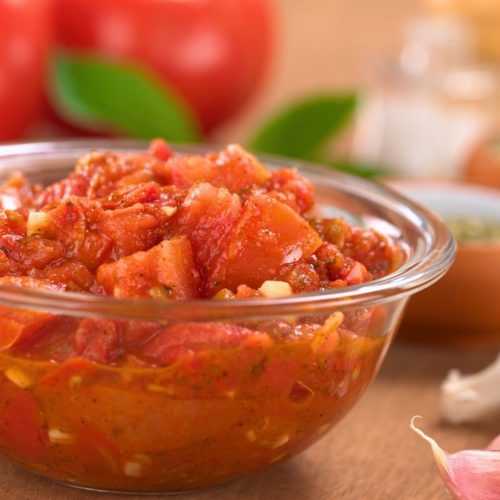
Chunky Tomato Red Pepper Coulis

Ingredients
  

  • 2 T. olive oil
  • 1 small onion, diced
  • 1 clove garlic minced
  • 2 medium tomatoes, chopped
  • 1 red pepper, diced large
  • 1 t. minced fresh basil
  • 1 t. minced fresh oregano
  • salt and pepper to taste

Instructions
 

  • Saute onion and garlic in a large saucepan until onion starts to soften
  • Add red pepper and saute 1-2 minutes
  • Add tomatoes and herbs, turn heat down to medium low and cook 10-12 minutes until vegetables are soft, tossing vegetables frequently
  • Add salt and pepper
  • Remove 2/3 of vegetables from the pan and put in a large bowl
  • Blend thoroughly with an immersion blender
  • Add reserved vegetables to blended vegetables
  • Serve over Eggplant Corn Fritters
    Enjoy!

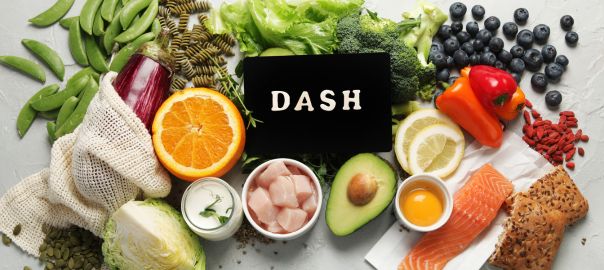
What About The DASH Diet

A recent question came in from Eden asking what I thought about the DASH diet. DASH stands for Dietary Approaches to Stop Hypertension. Here is my reply: I think the concept of the diet is certainly a good one; low sodium (most of us eat too much already) and lots of lean protein, fresh veggies, fruit, and whole grains. This is the basis of a good dietary approach for all of us. However, I do not believe that DASH goes far enough.

Concerns About Low Fat and Healthy Fats

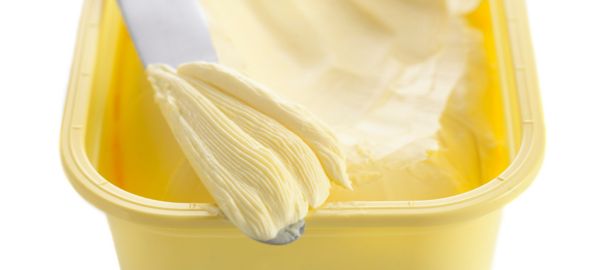
One issue I have with the DASH diet is its focus on low fat. While reducing fat intake can be important for many people, the emphasis should be on the types of fats we consume. I do not consider margarine or other fake fats to be healthy choices. Instead, using healthy fats, as I wrote about [here], in moderation is a much better option than relying on trans fats.

The Importance of Fiber for Blood Pressure

Another concern is that the diet does not specifically address how increased fiber content can help lower both blood pressure and cholesterol. A study published in the Journal of the American College of Nutrition showed that "bean consumers had lower systolic blood pressure in comparison to non-consumers." Incorporating beans and other high-fiber foods is essential for everyone and can be particularly beneficial for reducing blood pressure.

Holistic Considerations: Stress and Relaxation

The DASH diet does promote exercise but falls short in addressing stress management and other holistic concerns. Teaching people how to breathe or engage in active relaxation techniques has been proven to lower blood pressure. Practices like meditation, Qi Gong, Yoga, and other mindful exercises also offer techniques that help reduce blood pressure. Lastly, the DASH diet does not mention or strongly promote foods that are specifically helpful for lowering blood pressure, such as garlic, onions, hibiscus, and foods rich in magnesium and potassium. Nor does it caution against foods that can raise blood pressure, which I wrote about [here]. Overall, I think the DASH diet is a good starting point for lowering blood pressure, but there are additional changes and considerations that can further enhance its effectiveness.
meat marinade

Meat Marinade

Grilling season is here. There's something special and delicious about gathering around the grill with friends and family. Marinating meat before grilling is a great way to add flavor and tenderness, but it also has a surprising health benefit: it can reduce the formation of carcinogens. When meat is cooked at high temperatures, it can create heterocyclic amines (HCAs) and polycyclic aromatic hydrocarbons (PAHs), which are known to increase the risk of certain cancers.

Fortunately, when you marinate meat it can help reduce the formation of these carcinogens. The acid in the marinade, such as vinegar or lemon juice, helps to break down the proteins and fats in the meat, making it less likely to form HCAs and PAHs when cooked. Plus, using herbs and spices in your marinade adds antioxidants and polyphenols which can help neutralize free radicals and reduce oxidative stress.

When you marinate meat before grilling, you not only add flavor and tenderness to the meat, you also reduce your exposure to the potential for forming carcinogenic compounds and enjoy a healthier grilled meal.

Other ways to reduce the carcinogenic impact of grilling are:

  • Trim off as much fat as possible to reduce the amount of PAHs
  • If marinating in the refrigerator bring the meat to room temperature before grilling
  • Cook at a lower temperature - low and slow is the key here
  • Cook with gas instead of charcoal, pellets, or wood

Here's one of my favorite marinade recipes:

meat marinade

Mira's Meat Marinade

Ingredients
  

  • 1/3 C. olive oil
  • 1/3 C. ketchup
  • 1/4 C. rice wine vinegar
  • 2 cloves garlic minced
  • 2 T. coconut aminos
  • 1 large sprig rosemary

Instructions
 

  • Poke meat with a fork before soaking in marinade
  • Let marinate at least 6 hours before serving (in the fridge), turning as often as you remember (I have left this as long as 24 hours and it is absolutely delicious)
  • Pull the meat out of the fridge about 30 minutes before you start the grill
    Enjoy!

[expand title="Sources"]

 
Joshi AD, Kim A, Lewinger JP, et al. Meat intake, cooking methods, dietary carcinogens, and colorectal cancer risk: findings from the Colorectal Cancer Family RegistryCancer Med. 2015;4(6):936-52. doi:10.1002/cam4.461
 
Oranuba E, Deng H, Peng J, Dawsey SM, Kamangar F. Polycyclic aromatic hydrocarbons as a potential source of carcinogenicity of mateJ Environ Sci Health C Environ Carcinog Ecotoxicol Rev. 2019;37(1):26-41. doi:10.1080/10590501.2019.1555323
 
 
[/expand]

Gluten-Free Coconut Almond Cookie

My friend Helene recently shared a wonderful gluten-free cookie recipe with me. She said it was so fabulous that she was going to have to freeze the cookies, otherwise she was afraid she might eat them all. Frozen cookies have never stopped me, sometimes they are even better that way.

While we were talking Helene also asked if there were any eggs in shortbread. The answer is no.

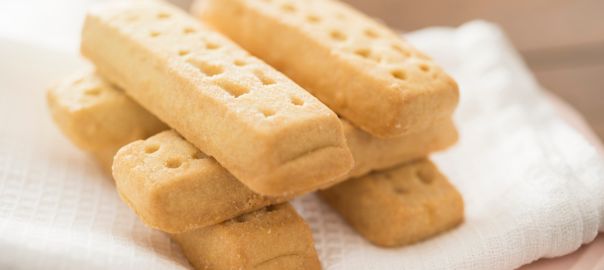
Shortbread is a particular type of cookie that has a 1-2-3 recipe. One part sweetener (usually sugar), two parts butter (or other shortening), three parts flour (although old-fashioned shortbread was and is made with oats) and then enhanced with flavorings and or spices. The "short" refers to the crumbly dough. Fat retards gluten so even if you used wheat flour, the high amount of fat would prevent the dough from forming long gluten strands.

Helene's Coconut Almond Cookies:

Ingredients
  

  • 1 c. coconut Flour
  • 1 1/2 c. Almond Meal
  • 1/2 tsp salt
  • 1/2 c. butter
  • 1/4 c. honey
  • 1 Tbsp Almond Extract

Instructions
 

  • Mix the dough together in a cuisinart until a ball forms
  • Freeze dough for approximately 30 mins
  • Preheat oven to 350 deg F
  • Roll dough between two sheets of was paper
  • Cut cookies using a cookie or biscuit cutter
  • Bake for 7 mins, remove to wire rack to cool

Shortbread cookies are typically baked low and slow so they will be very light in color. They can be formed in long rectangles, also called fingers, large circles which are cut into triangles as soon as they are removed from the oven, or small round biscuits. Although most people think of them as Christmas cookies, shortbread can also be made savory (such as this Parmesan Shortbread from Epicurious).

Aromatherapy, Understanding The Science Of Smell

Aromatherapy article 

Learn how science is exploring the healthcare uses of aromatherapy and some scent suggestions to lift your mood.

I’ve just learned how to add my Examiner.com articles here and will be sharing them through this blog as well.  Let me know how you like this format.

Love Your Farmer

Care2.com is running a contest to support your local farmer’s market.  The winning market will receive $5,000 but there are other prizes as well.  Support your farmer’s market and give them a vote today!

The photo on the right is from my local CSA (Community Supported Agriculture), Home Sweet Farm who runs a Monthly Market Day. You can read a little bit about them at Examiner.com. While a CSA is not a farmer’s market many of them do eventually get large enough to participate in farmer’s markets.  I think it’s a great thing to support a farmer whether through the CSA, the farmer’s market, or even buy purchasing local produce or products that may appear at your neighborhood grocery store.
If you don’t have a local farmer’s market see if you can start one in your area;  if you are lucky enough to have one, show them the love and vote today.