Mira Dessy is The Ingredient Guru. A holistic nutrition professional, author, and a popular public speaker, she knows that it's not just what you eat, but what's in what you eat. She is the author of The Pantry Principle: how to read the label and understand what’s really in their food. Dessy is a Board Certified Holistic Health Practitioner whose mission is to educate and empower consumers. She curates the Lean Clean Green Subscription box, the premier, organic, earth-friendly, healthy, sustainable subscription box which can be found online at https://theingredientguru.memberbox.com
View all posts by Mira →
The Texas State Fair is going on right now and my husband I decided to take some time off to go check it out. We realized that the only “State” Fair we’ve been to is the Big E in Massachusetts. And even though we’ve lived here for several years we’ve not yet made the journey up to Dallas during the Fair. So the time had come to journey northwards and check out what Texas has to offer.
Like most State Fairs there’s the lights and games and noise and the crowds. All of which adds to the general atmosphere that makes up the fair. One of the first sights we saw entering the fair had nothing to do with food but was absolutely adorable and got us started on the right foot. After all, if you start off smiling you’re bound to be in a better mood to enjoy the day.
Is that not the most adorable kissing booth you have ever seen in your life?
The fairgrounds are quite extensive and we wandered around enjoying all of the exhibits, the fabulous music (including my new favorite band, The Killdares – a Celtic Rock bank).
As we got closer to the Midway and all of the rides we passed what can only be described as fried food alley. I confess that years ago I would have enjoyed all of the different offerings, these days it truly holds no attraction for me. Atop the smell of fried food was the nauseating aroma of sugar from all of the cotton candy, and sugar powdered treats.
The State Fair bills itself as the Fried Food Capital of Texas and is so enamored of fried food that the program lists the Top Ten of Fried Foods that were submitted for this year. From Fried Red Velvet Cupcakes to Fried Beer, Fried Spaghetti and Meatballs, and, my former favorite, Funnel Cake. I jokingly posted to twitter that you know you’re in Texas when they serve Chicken Fried Bacon.
In a nod to those few of us who don’t eat fried food there were a few items on offer that were not fried. Namely a Greek Salad and fresh fruit from the Fruiteria (aren’t those mango flower pops adorable?)
But of course the Fair isn’t just about food. With craft exhibitions, classic cars, modern cars, animal exhibits, a shopping gallery and a fairway full of games there’s more to do than can be covered in one day.
Important survival tips learned while visiting the Fair?
Bring healthy snacks, including protein – this may help you avoid some of the junk food temptations
Bring water – staying well hydrated is so important
Bring sunscreen and/or a hat
If you are going to indulge in fried treats remember it’s just that, a treat, don’t eat fried everything
Wear comfortable shoes
Overall it was great fun. I didn’t get to see and do everything that I wanted to, but there’s always another year to back and do it again.
October is Breast Cancer Awareness Month. I'm delighted to share an article with you written by Dr. Helayne Waldman, co-author of The Whole Food Guide for Breast Cancer Survivors. Dr. Waldman is a holistic nutrition educator in private practice and a consultant to breast cancer clinics and doctors in the San Francisco Bay Area.
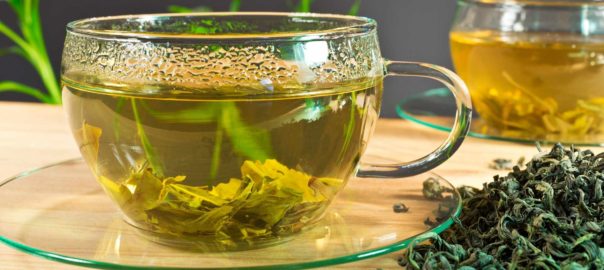
Green Tea For Inflammation
Inflammation is your immune system’s natural response to an injury, such as a pulled muscle, or to germs, allergens, chemical irritants, and other threats. Your immune system reacts by releasing white blood cells and chemicals into the bloodstream, which infiltrate your tissues, creating the indicators of inflammation that most of us are familiar with: redness, heat, swelling, and pain.
This is a normal and appropriate response; our bodies need to stay vigilant in order to fend off an invasion or injury with aggressive pro-inflammatory mechanisms, such as clotting, fever, and swelling. But too often, inflammation becomes a chronic condition, and in this state, we leave ourselves more vulnerable to breast cancer occurrence and recurrence.
An important characteristic of chronic inflammation is its relationship to angiogenesis, the development of new blood vessels that serve to feed a tumor. While this too is a natural and normal process, it is also one that tumors can hijack to build a blood supply to accommodate their growing needs. Inflammatory cells stimulate the formation of new blood vessels which then transport critical nutrients to the tumor.
This is a recipe for chronic inflammation, and clearly, inflammation and the resulting angiogenesis need to be kept under control. What can you do to control and reduce the cancer-promoting effects of chronic inflammation? Here’s one idea: Drink green tea.
Health Benefits
Green tea is widely recognized for its anti-oxidative, anti-inflammatory, and anti-carcinogenic properties. It supplies catechins, a class of antioxidants with therapeutic value for reducing your risk of breast cancer.
The most abundant in green tea is epigallocatechin-3-gallate, or EGCG, a catechin that has demonstrated inflammation-reduction and cancer-interruption both in the lab and in animals.
In May 2013, researchers concluded:
Findings support the hypothesis that EGCG... directly targets both tumor cells and tumor vasculature, thereby inhibiting tumor growth, proliferation, migration, and angiogenesis of breast cancer.
The finding that EGCG acts on cancerous cells while leaving healthy cells unharmed reinforces past results --- that the catechins in green tea induced apoptosis, or cell death, in cancer cells but not in their normal cell counterparts.
Another recent study from the journal PLoS (Sept., 2013) once again put EGCG to the test, this time against a highly aggressive form of breast cancer known as inflammatory breast cancer. The authors summarized:
EGCG decreased expression of genes that promote [cancer cell] proliferation, migration, invasion, and survival. Consistently, growth, invasive properties, and survival of [inflammatory breast cancer] cells were reduced by EGCG treatment.
Well done!
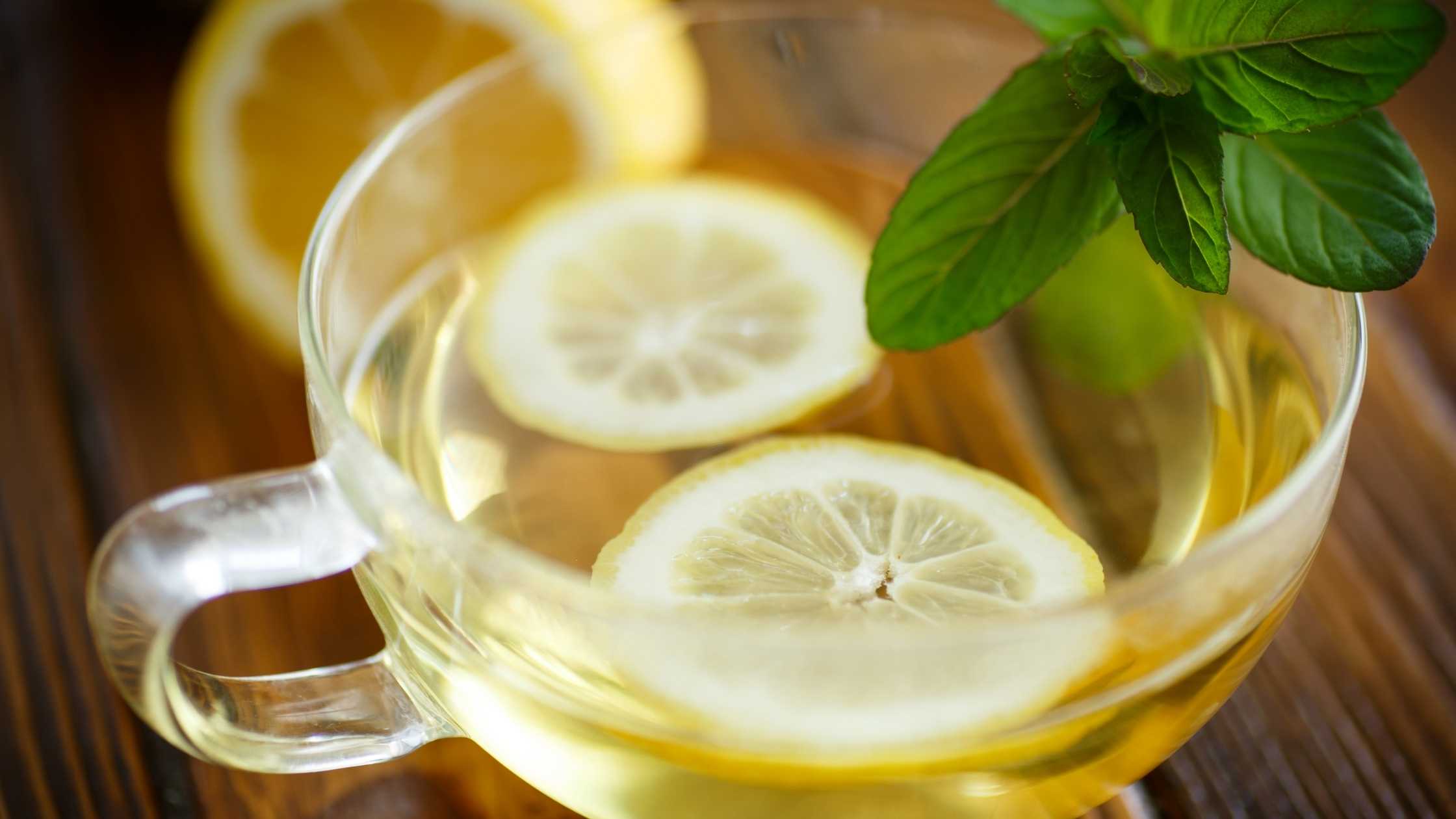
To enjoy all of the anti-inflammatory and anti-cancer benefits green tea has to offer, it is best to get caffeinated green tea and add lemon juice when drinking --- caffeine helps to enhance green tea’s tumor-suppressive properties while the vitamin C in lemon juice amplifies the effects of EGCG.
Many people spend a lot of time worried about their weight. Focused on the number on the scale. While that certainly can be important, what is more important is to be healthy and to keep moving. We are more than the number of pounds we carry.
Having said that it’s also important to recognize that we need to stay active in order to be fit and healthy. There’s a popular image which has been making it’s way around the internet, facebook, pinterest and more. It shows an overweight person walking and the caption reads, “No matter how slow you go you are still lapping everyone on the couch.” How very true. Get up, get moving, keep your body active. Weight loss It’s not easy, but it is simple — eat right, stay hydrated, be well rested, and move your body.
Activity can help you lose weight but even better than that it will make sure your body stays strong, flexible, and limber. A variety of activities is best for overall fitness and health.
This month we’ve covered what you need to know and healthy food choices. I’ve shared lots of great information to help you really understand the importance of cholesterol and how changing your diet can help with heart health. Now for the best part, delicious recipes!!
After all, let’s be honest, it’s great to know about what to do to make healthy changes, but sometimes it can be just a little challenging to know what to do with that information. I’m taking the guesswork out of figuring it out by giving you this great roundup of recipes. I start with a few tasty recipe cards below followed by delicious shares from some of my friends to help you add new recipes for your heart-healthy diet.
Heart-healthy recipes
Garlic
This first one was submitted by Sam, a newsletter subscriber who sent it in along with a delightful story:
1 handful each of three of these herbs (fresh): Rosemary, Thyme, Sage, Marjoram
Instructions
Put in a large pot, bring to a boil
Reduce heat and simmer for 45 minutes or till the garlic is soft
Remove garlic and herbs
At this point you can freeze or eat
To eat, put back into pot on LOW heat
Add 1 small container of organic cream
Season with a dash of white pepper
Serve over homemade croutons and Gruyere cheese grated on top
The Ingredient Guru, Mira Dessy https://theingredientguru.com/
If you’re shrinking at the thought of peeling an entire bulb of garlic here’s a quick an easy way to get the job done.
And now for the story:
My sister’s knitting group meets at the library. Last year the group had a drop-in. We were talking about fall soups. She said she once made a garlic soup but lost the recipe. I gave her this one.
Yes, she was THE Peggy! We laughed at how far her soup had traveled before she got it back.
Oat Bran
Another great recipe is oat bran muffins. Now before you run for the hills I promise, these are delicious. It is important to note that if you’re not used to a lot of fiber you will need to start with ½ of a muffin and bumping up by ½ of a muffin every 3-5 days in order to allow the body time to re-regulate when adding this much fiber.
Pre-ground flaxseed meal is often de-germed for shelf stability. Flax seeds can be purchased inexpensively and ground into meal at home. This way you get all of the beneficial parts of the seed. Use a clean coffee grinder, pulse them for one minute and then use.
The Ingredient Guru, Mira Dessy https://theingredientguru.com/
Broccoli Avocado Bowl
This delicious dish is from my friend Shawn Borup. It is one packed with heart-healthy ingredients including leafy greens, avocado, beans, and seeds, so yummy!
1 ½ cups cooked white beans (soaked overnight and preferably sprouted) or 1 can, No BPA
Instructions
Mix all your dressing ingredients together in a bowl. Steam the broccoli until crisp-tender, about 8 minutes. Set aside. Toast the pumpkin and sesame seeds in a pan over medium heat until lightly golden. Chop the greens and put into a serving bowl. Add the rest of the ingredients and fold in the sauce. Serve over organic quinoa or brown rice if desired. Top with sauerkraut and cayenne pepper to taste.
By Shawn Borup
The Ingredient Guru, Mira Dessy https://theingredientguru.com/
Recipe Roundup
I reached out to a number of friends and I’m delighted to share all of these amazingly delicious recipes with you.
The goal was to create a list of fabulous new recipes for you that include healthy fats plus use ingredients like garlic, onions, high fiber, fish, olive oil, and are low sugar, no crappy ingredients. This roundup covers a wide range of ideas from dressing to dessert. Be sure to bookmark this page so you can stay up to date as it continues to grow.
Sam writes and asks, “We have a bunch of beefsteak tomatoes that my sister wants dried. We have a gas oven but no dehydrator. What is the best way to do this?”
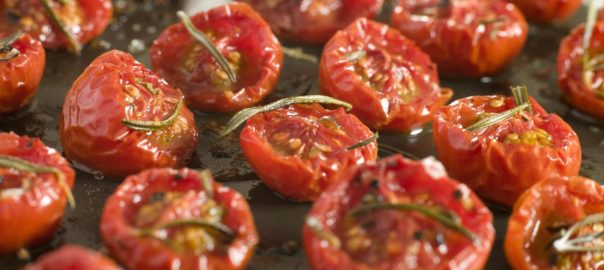
You can dry or dehydrate foods in the oven and tomatoes do very well when preserved this way. The first thing to do is figure out if you want your oven-dried tomatoes in slices or in sections (i.e., slicing into quarters or eighths).
1. Start by washing the fruit well and discarding any that is over-ripe or bruised.
An easy way to wash it is to put the tomatoes in the sink, fill it with water and add approximately 1/2 cup of vinegar plus the juice of 1/2 lemon per gallon.
2. Drain the fruit well and core it before slicing.
3. Preheat your oven to 200 degrees F.
4. Prep your “drying tray” by placing cooling racks (fine mesh ones work best but the others will still work) on top of cookie sheets.
This will allow maximum air circulation around the tomatoes and help them to dry faster. In case you’re interested this is also how I cook bacon in order to avoid bacon grease splatter all over the stovetop [20 minutes at 325].
5.Slice your tomatoes.
If you are going to dry your tomatoes in sections you’ll need to pierce the skin in a few places to make sure all of the moisture can get out during the drying process. I find that when dehydrating tomatoes it goes faster and works better if I remove most of the seeds and the pulp. That’s a personal choice though, some people like the seeds in it. If you’re removing the seeds this is the time to do so.
6. Gently toss them with a little bit of olive oil and then arrange them on the cooling racks. Lightly sprinkle with sea salt or minced herbs if desired.
7. Bake.
This is where it gets a bit tricky. How long to cook them for. Well, that depends. On how thickly they are cut, on how juicy they are, on the ambient humidity, and how dry you want them. If you’re looking for serious long-term storage it will probably take at least 8 hours. You want the tomatoes to be very reduced in size, with curled-up edges and almost leathery looking. They need to still be a bit flexible, you don’t want to dehydrate them until they are brittle.
In order to use your oven-dried tomatoes, you’ll need to rehydrate them for about 20-30 minutes in liquid. You can use either warm water, broth, wine, or even olive oil. These amazing veggie treasures can be used in soups, chopped for salad topping, added to meatloaf, used to create an intense flavor in sauces, the variety of uses is only limited by your palate and your imagination.
The kids have gone off to college. Some for the first time, some returning to that parent-free no nutrition guidelines environment. If you've just sent your student back to school you may be wondering what they're eating.
Unfortunately for many of them if it's not standard college fare (often run by cafeteria companies such as Aramark) it's fast food. As parents we know this isn't a great choice but now that they're off on their own it's tough to get information across to them.
Here are five fabulous tips for your college student are:
Portion Control
Dining halls make it easy to overeat. Be mindful of your portion sizes. Start small. If you're still hungry you can go back for seconds, but if you load up your plate chances are high that you will over-eat.
Don't Skip
You're in a hurry and it's tempting to skip breakfast but don't do it. Eating a balanced breakfast keeps your metabolism going and your blood sugar stable all day long.
Rethink Your Drink
Cool, they have soda at every meal, even breakfast! NOT! Those empty calories sure add up. And diet soda is high in chemicals that are not good for your health. Juice is also freely available but very high in sugar. Make sure you stay hydrated and drink more water. Consider adding lemon to flavor it a little. Get a water bottle and take it with you around campus. Or see if mom and dad will spring for one of those soda makers and make your own sparkling water right in your room.
You Are Not A Hobbit
Avoid the fourth meal. That late-nite pizza or mac-and-cheese at midnight? Not a good idea. If you're hungry have a healthy snack (such as low sugar protein bars, fresh fruit, raw nuts, fresh veggies, hot air popcorn, or yogurt) but don't eat a full meal right before bed. You won't sleep well and you'll pack on the pounds.
Get ZZZZZs
Sleep deprivation affects not only your ability to think straight, it also changes your metabolism and your hormones making it harder for you to make good food choices. Aim for seven or eight hours a night. The occasional all-nighter is going to happen, but try not to make it a habit.
and a bonus tip:
Exercise
Hitting the books means lots of sitting. This sedentary lifestyle can really contribute to weight gain. Remember to stay active. Walk to class if possible, go to the school gym (it's FREE!), or join in some sort of club that encourages physical activity. Keep moving and keep off the pounds.
Other issues which may be challenging include the fact that most, if not all, fast food is highly addictive. The more you eat it the more you want. And because it's so energy dense, meaning a lot of calories/fat/sodium/sugar, it can often lead to weight gain.
Learning how to choose nutrient dense foods, or high nutrient foods, is an important part of a healthy college lifestyle.
In part one of this series of articles for Cholesterol Awareness Month, you learned some of the important facts you need to know about cholesterol and how it can affect your health. In part two you’re going to learn about some healthy foods to add to your diet which can help to reduce cholesterol and support better overall health.
Good for you food choices
Let’s start by remembering that if a label says the product is low-fat or fat-free this often means it’s been adulterated with chemicals that are probably not good for your health. For optimal health it’s important to avoid a highly processed SAD (Standard American Diet) plan and instead eat real, whole foods which are delicious as well as nutritious.
Omega 3 fatty acids
These are excellent for heart health. Unfortunately, the modern/SAD diet tends to be very high in omega 6s and does not include nearly enough omega 3s
cold water fatty fish: salmon, tuna steak, arctic char, mackerel, cod/sablefish, haddock, herring, anchovy, and sardines.
walnuts
flax seeds and chia seeds
While you do need omega 6 fatty acids in the diet, many people are getting too much of this and not as many of the omega 3’s. Plus certain omega 6s should be avoided; these are typically found in:
soybean oil
corn oil
canola oil
peanuts and peanut oil
safflower oil
sunflower oil
grapeseed oil
Fiber
Adding fiber to your diet is a great idea not only for cardiac health but also for gut health. A higher fiber diet will help to form bulk for your stools and also provides prebiotics, the food that the probiotics in your gut need to live.
Whole grains such as buckwheat, quinoa, and oatmeal (old-fashioned rolled oats, oat groats, or steel-cut, NOT instant)
Note: if you’re not used to eating fiber start slow as too much can cause intestinal distress.
Olive oil
A delicious way to cook, dress salads, or create a dipping sauce, olive oil is a heart-healthy food that you want to make sure is part of your pantry. Be sure to choose extra virgin, cold-pressed olive oil as many “light” olive oils are highly processed and don’t have the same benefits.
Vegetables
Sadly these days most people think that salad counts as a vegetable. But what they’re really eating is nutritionally deficient iceberg lettuce with a few pieces of other vegetables, croutons, candy-coated nuts, or dried fruit, and drowned in chemically laden, high-calorie dressing.
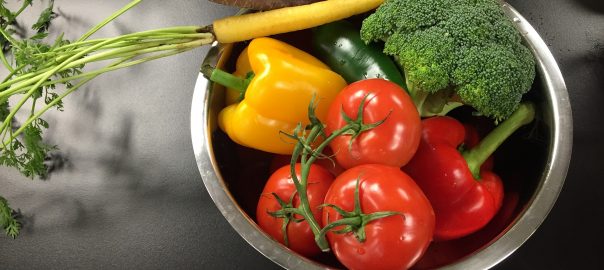
If you’re going to have some vegetables I want to encourage you to choose real vegetables packed with nutrients. Colorful, tasty, and good-for-you choices include:
brassicas – broccoli, cauliflower, cabbage and Brussels sprouts(high in fiber and phytonutrients)
tomatoes (lycopene is great for reducing LDL)
sweet potatoes (high in beta-carotene and fiber)
Polyphenols
Found in a number of delicious foods this category of antioxidants is highly supportive of heart health and a very delicious way to support lowering your cholesterol.
Green tea
Red wine
Grape juice
Cocoa products (such as dark chocolate or cocoa powder) – due to caffeine and/or sugars these need to be eaten in moderation
How much to eat
The following are appropriate serving sizes for the foods referenced above. Food journaling is a good way to monitor how much and when you are eating so you can build your nutritional plan to incorporate more of these foods:
Protein – 6-8 ounces of animal protein / 12-24 ounces of vegetable protein
Leafy Greens – 3-4 cups per day
Colorful veggies – 2-3 cups per day
Complex Carbs – .5-1.5 whole grains / 2-3 medium root vegetables
Fruit – .5-1.5 cups
Booster foods – 2-4 tablespoons (seaweeds, greens powders, nutritional yeast, seeds, spices, and herbs)
Liquids – 1-3 cups per day (nourishing broth, green tea)
note: 3 tablespoons = 1 teaspoon
Don’t forget to check out the other articles in this series
Chances are you’ve been encouraged to reduce dietary fat because you’ve been told that fat is bad for you. While there are certainly some fats that are not good choices, corn oil, soybean oil, and canola oil among them, it turns out that what you eat doesn’t have as much of an impact on your cholesterol as previously believed.
Cholesterol is a waxy steroid. For years we have been inundated by the message that we need to avoid cholesterol. But what this message doesn’t tell you is that cholesterol can actually be beneficial for your body. While you want to be aware of how what you eat affects your cholesterol, you really need to understand the numbers that truly matter.
Cholesterol is produced by the liver. It is very important for overall body health. Measured in low-density lipoprotein (LDL), high-density lipoprotein (HDL), and triglycerides, cholesterol can accumulate in the body. This is what has so many of us scared of higher levels. You’ve been told that HDL is good, LDL is bad, and your overall cholesterol number is critical. However, this is not the entire picture and you may have been looking at information that’s not complete.
Why we need cholesterol
Cholesterol is critical for good health. It’s responsible for healthy cell membranes, insulating nerve tissue, and for the production of a wide variety of hormones (sex hormones, cortisol, corticosterone, and others).
It’s important to ensure that your body has enough cholesterol for what it needs. Too little is not healthy; without hormones, the body does not function well. Cholesterol is also used by the body to convert sunshine to vitamin D and it helps to metabolize fat-soluble vitamins A, E, and K. Without these fat-soluble vitamins you may experience a wide variety of health issues including bone pain, muscle weakness, fatigue, and foggy thinking.
Studies show that higher levels of cholesterol may be beneficial for women. And one study published in The American Journal of Medicine concluded, “Among older hospitalized adults, low serum cholesterol levels appear to be an independent predictor of short-term mortality.” In other words, lower cholesterol was not better. Furthermore, it appears that having higher levels of cholesterol as an older adult may be linked to a reduced risk for Alzheimer’s and dementia.
Food-based sources
After years of being told to avoid low-fat foods and to not eat things like eggs, seafood, and organ meats, studies now show that whole food sources of cholesterol do not have much of an impact on blood levels. According to the Harvard School of Public Health, “Don’t worry about the percentage of calories from fat. Focus on choosing foods with healthy fats.” Furthermore, these are all very healthy nutrient-dense foods. You should be including healthy fats in your diet, not avoiding them.
It turns out that low-fat foods are the real problem. Without good sources of healthy fat, you reduce your body’s ability to metabolize fat-soluble vitamins. And often low-fat foods are highly manipulated with chemicals, sugars, or simple carbohydrates to make up for the loss of the taste and mouth-feel of fat. These are non-nutritive ingredients that do nothing to help support your body.
Foods that impact cholesterol
The foods which do have a major impact on cholesterol include trans-fats (anything marked hydrogenated or partially-hydrogenated), high-fat poor quality carbohydrates such as pastries and cookies, and high levels of alcohol consumption. Obesity and smoking can also negatively affect cholesterol levels.
Reducing cholesterol
It is important to note that new studies show that simply reducing your cholesterol level is not sufficient to reduce your risk of heart disease. Indeed your overall cholesterol level may not be the indicator we’ve been taught to believe it is. It turns out that when it comes to cholesterol it’s more important to look at inflammatory markers such as Homocysteine and C Reactive Protein as well as Lipoprotein (a).
And the risk factor for cardiovascular disease can vary greatly; even those with “healthy” cholesterol levels (i.e., under 200) can still have an elevated risk of heart disease.
While we have all heard that a cholesterol level higher than 200 is unhealthy, the truth is that just looking at your cholesterol level does not reveal the entire picture.
In the video below Drs. Stephen Sinatra and Jonny Bowden cholesterol.
Texas A&M University. “‘Bad’ cholesterol not as bad as people think, study shows.” ScienceDaily. ScienceDaily, 8 May 2011.
“Ask The Expert: Healthy Fats”. The Nutrition Source, 2012, https://www.hsph.harvard.edu/nutritionsource/2012/06/21/ask-the-expert-healthy-fats/#percent-calories.
Petursson, Halfdan et al. “Is The Use Of Cholesterol In Mortality Risk Algorithms In Clinical Guidelines Valid? Ten Years Prospective Data From The Norwegian HUNT 2 Study”. Journal Of Evaluation In Clinical Practice, vol 18, no. 1, 2011, pp. 159-168. Wiley, doi:10.1111/j.1365-2753.2011.01767.x.
Onder, Graziano et al. “Serum Cholesterol Levels And In-Hospital Mortality In The Elderly”. The American Journal Of Medicine, vol 115, no. 4, 2003, pp. 265-271. Elsevier BV, doi:10.1016/s0002-9343(03)00354-1.
Mielke, M. M. et al. “High Total Cholesterol Levels In Late Life Associated With A Reduced Risk Of Dementia”. Neurology, vol 64, no. 10, 2005, pp. 1689-1695. Ovid Technologies (Wolters Kluwer Health), doi:10.1212/01.wnl.0000161870.78572.a5.
As you know, I’m all about reading the label. It’s the most important skill you can learn when it comes to understanding what’s really in your food. After many people responded via Facebook, twitter, and online to my blog post about ingredients in Ranch Dressing I thought I would share another post highlighting how your food isn’t always what it seems to be.
Manufacturers spend enormous amounts of money trying to figure out how to misdirect and mislead you so that you will purchase their product. Leaving aside the issues of packaging inherent in plastic containers, here is a perfect example:
At first glance this seems to be exactly what a juice purchaser might be looking for. 100% in very big letters. 100% juice all together. The 100% directly above large print Wild Cherry. It even says “no sugar added” which more consumers are focusing on. Many people have learned that juice drink is not really juice. And they’ve learned that what they really want is a pure product. So manufacturers are shifting their labeling to try to take advantage of that.
Now for the ingredient panel:
So the first thing we notice is that while the item may be fruit juice it’s mostly from apple, followed by pear. And these juices are from concentrate. The package also lists “natural flavors” which could be any number of things including MSG. Ascorbic acid, despite popular thinking, is not the same as vitamin C. It’s a laboratory version and may not be as well absorbed. It’s also frequently made from corn syrup making it highly likely that this ingredient is genetically modified. Ascorbic acid is often used instead of a more natural form of vitamin C as natural vitamin C tends to break down under the pasteurization process that most juices go through. Ascorbic acid doesn’t, making it the vitamin C additive of choice for most manufacturers.
Obviously what the manufacturer wants to you to believe via the front-of-package labeling is not quite everything that you need to know. Read the label, learn to understand what’s really in your food and become an educated consumer
Long used by people as a source of sweetener, honey is added to foods and beverages, but can also be used for medical purposes. As a sweetener it is primarily composed of fructose and glucose. While mild and health supporting, honey does present a health hazard to children under one year of age due to the potential for naturally occurring botulism spores. For this reason children under one year of age should not be given honey.
There are various kinds of honey available, all made from different nectar sources. These different types of honey have a number of properties which can help treat a range of health problems. A few types include avocado, clover, fireweed, buckwheat, blueberry, alfalfa, eucalyptus, but there are many more. Honey also comes in a number of different forms, crystalized, raw, on the comb, creamed, and dry among them.
Honey is produced in all over the globe; in United states alone there are over 300 different kinds. When it comes to taste, darker honey has a stronger taste while the lighter honey is milder in flavor.
When it comes to health benefits, Manuka honey is at the top of the list. It is produced mainly in New Zealand where the bees feed off of the Manuka plant (which is native to New Zealand). What sets Manuka honey apart from other varieties is it’s anti-bacterial properties.
Normally used to treat minor burns and wounds, it can also be used for a wide variety of health issues. Not only does it have extraordinary antibacterial properties, it also boasts great antiviral, antioxidant, and antimicrobial properties as well. There is even emerging evidence that manuka honey may fight MRSA and possibly prevent antibiotic resistant bacteria.
Below is a list of common ailments helped by the use of manuka honey?
Hair Problems: Many people believe it can prevent common hair problems like split ends, hair loss, hair thinning, dry scalp, and more. simply mix a tablespoon of the honey, a tablespoon of mayo, and an egg together and then apply it directly to your hair.
This will also help moisturize your hair in the process to help give your hair a good shine. Make sure you massage the mixture into your head and leave it there for at least 10 minutes before rinsing out.
Stomach Problems: Manuka honey is thought to help calm your stomach for certain issues such as indigestion, stomach ulcers, and acid reflux. Suggested usage is to eat 1 to 2 tablespoons of the honey thirty minutes prior to consuming a meal. The beneficial properties of the Manuka will quickly go to work to calm your stomach.
Colds and Coughs: The antibacterial properties can coat your throat and stop the coughing. Some suggest that is may also fight off bacteria. Suggested usage is 1 tablespoon of raw Manuka honey to help fight a cold when you feel it coming on.
Gum Disease: Another antibacterial use for Manuka is it’s use as a mouthwash to help eliminate bacteria responsible for gum disease, bad breath, and tooth decay.
Cuts & Burns: Manuka honey is also used for treating minor cuts, scrapes, and burns. Once the wound is cleaned thoroughly apply the honey directly to it and make sure you cover the surrounding area of the cut as well.
Found in most health food stores, more grocery stores are beginning to stock it as well. To make sure you are getting 100% raw Manuka honey with all its health benefits you have to check the UMF of the brand. If you notice a brand of Manuka honey doesn’t have the certified UMF trademark on it don’t buy it.
John Maddox writes articles for a variety of sites. He also runs the website How To Get Rid Of Cellulite promoting natural ways to get rid of cellulite.


 Is that not the most adorable kissing booth you have ever seen in your life?
 .
.







 Long used by people as a source of sweetener, honey is added to foods and beverages, but can also be used for medical purposes. As a sweetener it is primarily composed of fructose and glucose. While mild and health supporting, honey does present a health hazard to children under one year of age due to the potential for naturally occurring botulism spores. For this reason children under one year of age should not be given honey.