

Category Archives: health


September - cholesterol awareness month

September Is Cholesterol Awareness Month – Part 2

More about cholesterol

In part one of this series of articles for Cholesterol Awareness Month, you learned some of the important facts you need to know about cholesterol and how it can affect your health.  In part two you’re going to learn about some healthy foods to add to your diet which can help to reduce cholesterol and support better overall health.

Good for you food choices

Let’s start by remembering that if a label says the product is low-fat or fat-free this often means it’s been adulterated with chemicals that are probably not good for your health.  For optimal health it’s important to avoid a highly processed SAD (Standard American Diet) plan and instead eat real, whole foods which are delicious as well as nutritious.

Omega 3 fatty acids

These are excellent for heart health.  Unfortunately, the modern/SAD diet tends to be very high in omega 6s and does not include nearly enough omega 3s 

  • cold water fatty fish: salmon, tuna steak, arctic char, mackerel, cod/sablefish, haddock, herring, anchovy, and sardines.
  • walnuts
  • flax seeds and chia seeds

While you do need omega 6 fatty acids in the diet, many people are getting too much of this and not as many of the omega 3’s.  Plus certain omega 6s should be avoided; these are typically found in:

  • soybean oil
  • corn oil
  • canola oil
  • peanuts and peanut oil 
  • safflower oil
  • sunflower oil
  • grapeseed oil

Fiber

Adding fiber to your diet is a great idea not only for cardiac health but also for gut health.  A higher fiber diet will help to form bulk for your stools and also provides prebiotics, the food that the probiotics in your gut need to live.  

  • Whole grains such as buckwheat, quinoa, and oatmeal (old-fashioned rolled oats, oat groats, or steel-cut, NOT instant)
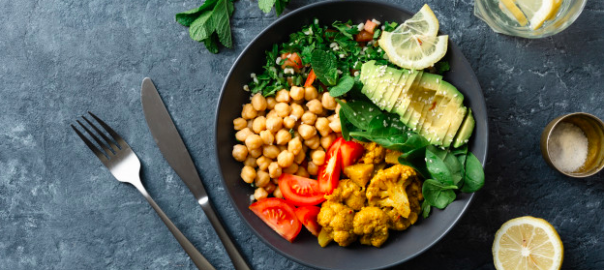
  • Legumes – beans, lentils, chickpeas

Note: if you’re not used to eating fiber start slow as too much can cause intestinal distress.  

Olive oil 

A delicious way to cook, dress salads, or create a dipping sauce, olive oil is a heart-healthy food that you want to make sure is part of your pantry.  Be sure to choose extra virgin, cold-pressed olive oil as many “light” olive oils are highly processed and don’t have the same benefits.

Vegetables

Sadly these days most people think that salad counts as a vegetable.  But what they’re really eating is nutritionally deficient iceberg lettuce with a few pieces of other vegetables, croutons, candy-coated nuts, or dried fruit, and drowned in chemically laden, high-calorie dressing.  

If you’re going to have some vegetables I want to encourage you to choose real vegetables packed with nutrients.   Colorful, tasty, and good-for-you choices include:

  • avocados (high in monounsaturated fats)
  • brassicas – broccoli, cauliflower, cabbage and Brussels sprouts(high in fiber and phytonutrients)
  • tomatoes (lycopene is great for reducing LDL)
  • sweet potatoes (high in beta-carotene and fiber)

Polyphenols

Found in a number of delicious foods this category of antioxidants is highly supportive of heart health and a very delicious way to support lowering your cholesterol.  

  • Green tea
  • Red wine
  • Grape juice
  • Cocoa products (such as dark chocolate or cocoa powder) – due to caffeine and/or sugars these need to be eaten in moderation

How much to eat

The following are appropriate serving sizes for the foods referenced above. Food journaling is a good way to monitor how much and when you are eating so you can build your nutritional plan to incorporate more of these foods:

Protein – 6-8 ounces of animal protein / 12-24 ounces of vegetable protein
Leafy Greens – 3-4 cups per day
Colorful veggies – 2-3 cups per day
Complex Carbs – .5-1.5 whole grains / 2-3 medium root vegetables
Fruit – .5-1.5 cups
Booster foods – 2-4 tablespoons (seaweeds, greens powders, nutritional yeast, seeds, spices, and herbs)
Liquids – 1-3 cups per day (nourishing broth, green tea)

note: 3 tablespoons = 1 teaspoon

Don’t forget to check out the other articles in this series

If you enjoyed this article join The Ingredient Guru Community to get the ingredients for living a healthy life.

cholesterol awareness

September Is Cholesterol Awareness Month – Part 1

What is cholesterol

Chances are you’ve been encouraged to reduce dietary fat because you’ve been told that fat is bad for you.  While there are certainly some fats that are not good choices, corn oil, soybean oil, and canola oil among them, it turns out that what you eat doesn’t have as much of an impact on your cholesterol as previously believed. 

Cholesterol is a waxy steroid. For years we have been inundated by the message that we need to avoid cholesterol.  But what this message doesn’t tell you is that cholesterol can actually be beneficial for your body.  While you want to be aware of how what you eat affects your cholesterol, you really need to understand the numbers that truly matter.

Cholesterol is produced by the liver.  It is very important for overall body health.  Measured in low-density lipoprotein (LDL), high-density lipoprotein (HDL), and triglycerides, cholesterol can accumulate in the body. This is what has so many of us scared of higher levels.  You’ve been told that HDL is good, LDL is bad, and your overall cholesterol number is critical.  However, this is not the entire picture and you may have been looking at information that’s not complete.

Why we need cholesterol

Cholesterol is critical for good health. It’s responsible for healthy cell membranes, insulating nerve tissue,  and for the production of a wide variety of hormones (sex hormones, cortisol, corticosterone, and others).

It’s important to ensure that your body has enough cholesterol for what it needs.  Too little is not healthy; without hormones, the body does not function well.  Cholesterol is also used by the body to convert sunshine to vitamin D and it helps to metabolize fat-soluble vitamins A, E, and K.  Without these fat-soluble vitamins you may experience a wide variety of health issues including bone pain, muscle weakness, fatigue, and foggy thinking.

Studies show that higher levels of cholesterol may be beneficial for women. And one study published in The American Journal of Medicine concluded, “Among older hospitalized adults, low serum cholesterol levels appear to be an independent predictor of short-term mortality.”  In other words, lower cholesterol was not better.  Furthermore, it appears that having higher levels of cholesterol as an older adult may be linked to a reduced risk for Alzheimer’s and dementia.

Food-based sources

After years of being told to avoid low-fat foods and to not eat things like eggs, seafood, and organ meats, studies now show that whole food sources of cholesterol do not have much of an impact on blood levels. According to the Harvard School of Public Health, “Don’t worry about the percentage of calories from fat. Focus on choosing foods with healthy fats.” Furthermore, these are all very healthy nutrient-dense foods. You should be including healthy fats in your diet, not avoiding them.  

It turns out that low-fat foods are the real problem.  Without good sources of healthy fat, you reduce your body’s ability to metabolize fat-soluble vitamins.  And often low-fat foods are highly manipulated with chemicals, sugars, or simple carbohydrates to make up for the loss of the taste and mouth-feel of fat.  These are non-nutritive ingredients that do nothing to help support your body.

Foods that impact cholesterol

The foods which do have a major impact on cholesterol include trans-fats (anything marked hydrogenated or partially-hydrogenated), high-fat poor quality carbohydrates such as pastries and cookies, and high levels of alcohol consumption.  Obesity and smoking can also negatively affect cholesterol levels.

Reducing cholesterol

It is important to note that new studies show that simply reducing your cholesterol level is not sufficient to reduce your risk of heart disease.  Indeed your overall cholesterol level may not be the indicator we’ve been taught to believe it is. It turns out that when it comes to cholesterol it’s more important to look at inflammatory markers such as Homocysteine and C Reactive Protein as well as Lipoprotein (a). 

And the risk factor for cardiovascular disease can vary greatly; even those with “healthy” cholesterol levels (i.e., under 200) can still have an elevated risk of heart disease.

While we have all heard that a cholesterol level higher than 200 is unhealthy, the truth is that just looking at your cholesterol level does not reveal the entire picture.  

In the video below Drs. Stephen Sinatra and Jonny Bowden cholesterol.

This information is covered in more detail in their book The Great Cholesterol Myth.

In summary

The important things to know about cholesterol:

  • Don’t rely on just one number, total cholesterol
  • Don’t look only at the traditional cholesterol panel (total cholesterol, HDL, LDL, and triglycerides)
  • Be sure to also test for inflammatory markers and lipoprotein particles
  • Include more high-quality, healthy fats in your diet
  • Remove all poor-quality fats

Be sure to check out the rest of this series. Part Two – heart healthy foods, and Part Three  – delicious recipes


If you enjoyed this article join The Ingredient Guru Community to get the ingredients for living a healthy life.


Sources: 


Texas A&M University. “‘Bad’ cholesterol not as bad as people think, study shows.” ScienceDaily. ScienceDaily, 8 May 2011.

“Ask The Expert: Healthy Fats”. The Nutrition Source, 2012, https://www.hsph.harvard.edu/nutritionsource/2012/06/21/ask-the-expert-healthy-fats/#percent-calories.

Petursson, Halfdan et al. “Is The Use Of Cholesterol In Mortality Risk Algorithms In Clinical Guidelines Valid? Ten Years Prospective Data From The Norwegian HUNT 2 Study”. Journal Of Evaluation In Clinical Practice, vol 18, no. 1, 2011, pp. 159-168. Wiley, doi:10.1111/j.1365-2753.2011.01767.x. 

Onder, Graziano et al. “Serum Cholesterol Levels And In-Hospital Mortality In The Elderly”. The American Journal Of Medicine, vol 115, no. 4, 2003, pp. 265-271. Elsevier BV, doi:10.1016/s0002-9343(03)00354-1. 

Mielke, M. M. et al. “High Total Cholesterol Levels In Late Life Associated With A Reduced Risk Of Dementia”. Neurology, vol 64, no. 10, 2005, pp. 1689-1695. Ovid Technologies (Wolters Kluwer Health), doi:10.1212/01.wnl.0000161870.78572.a5. 

People.Csail.Mit.Edu, 2022, http://people.csail.mit.edu/seneff/EJIM_PUBLISHED.pdf. 

“Trans Fat”. U.S. Food And Drug Administration, 2022, https://www.fda.gov/food/food-additives-petitions/trans-fat. Accessed 

Manuka Honey Health Benefits

Long used by people as a source of sweetener, honey is added to foods and beverages, but can also be used for medical purposes. As a sweetener it is primarily composed of fructose and glucose. While mild and health supporting, honey does present a health hazard to children under one year of age due to the potential for naturally occurring botulism spores.  For this reason children under one year of age should not be given honey.
There are various kinds of honey available, all made from different nectar sources. These different types of honey have a number of properties which can help treat a range of health problems. A few types include avocado, clover, fireweed, buckwheat, blueberry, alfalfa, eucalyptus, but there are many more. Honey also comes in a number of different forms, crystalized, raw, on the comb, creamed, and dry among them.

Honey is produced in all over the globe; in United states alone there are over 300 different kinds. When it comes to taste, darker honey has a stronger taste while the lighter honey is milder in flavor.

When it comes to health benefits, Manuka honey is at the top of the list. It is produced mainly in New Zealand where the bees feed off of the Manuka plant (which is native to New Zealand). What sets Manuka honey apart from other varieties is it’s anti-bacterial properties.

Normally used to treat minor burns and wounds, it can also be used for a wide variety of health issues. Not only does it have extraordinary antibacterial properties, it also boasts great antiviral, antioxidant, and antimicrobial properties as well.  There is even emerging evidence that manuka honey may fight MRSA and possibly prevent antibiotic resistant bacteria.

Below is a list of common ailments helped by the use of manuka honey?

Hair Problems: Many people believe it can prevent common hair problems like split ends, hair loss, hair thinning, dry scalp, and more. simply mix a tablespoon of the honey, a tablespoon of mayo, and an egg together and then apply it directly to your hair.

This will also help moisturize your hair in the process to help give your hair a good shine. Make sure you massage the mixture into your head and leave it there for at least 10 minutes before rinsing out.

Stomach Problems: Manuka honey is thought to help calm your stomach for certain issues such as indigestion, stomach ulcers, and acid reflux. Suggested usage is to eat 1 to 2 tablespoons of the honey thirty minutes prior to consuming a meal. The beneficial properties of the Manuka will quickly go to work to calm your stomach.

Colds and Coughs: The antibacterial properties can coat your throat and stop the coughing. Some suggest that is may also fight off bacteria. Suggested usage is 1 tablespoon of raw Manuka honey to help fight a cold when you feel it coming on.

Gum Disease: Another antibacterial use for Manuka is it’s use as a mouthwash to help eliminate bacteria responsible for gum disease, bad breath, and tooth decay.

Cuts & Burns: Manuka honey is also used for treating minor cuts, scrapes, and burns. Once the wound is cleaned thoroughly apply the honey directly to it and make sure you cover the surrounding area of the cut as well.

Found in most health food stores, more grocery stores are beginning to stock it as well. To make sure you are getting 100% raw Manuka honey with all its health benefits you have to check the UMF of the brand. If you notice a brand of Manuka honey doesn’t have the certified UMF trademark on it don’t buy it.


John Maddox writes articles for a variety of sites. He also runs the website How To Get Rid Of Cellulite promoting natural ways to get rid of cellulite.

photo: Fir0002/Flagstaffotos

Vegan Shame


What is vegan shame?

I recently read about a new website, called Vegan Shame, which has been created to publicly castigate vegans who have gone away from this style of eating. I’m stunned at the militant attitude that many people take toward their food and wonder how we’ve come to a point that someone’s nutritional plan has become another form of tribalism; promoting a dogmatic adherence to diet.

A website geared toward creating an attitude of shame around food is, in my opinion, harmful.  You should not feel bad about what you eat.  We all need to learn to eat in a way that fits our bio-individual requirements and promotes health for our bio-individual bodies.  The most important thing to remember is that there is no one-size-fits-all nutritional plan.  It’s just not possible to have one nutritional plan that provides perfect nutrition for every single person on the face of the planet.

Eat for your health

There are many different nutritional plans that work for a vast number of people.  There are basic nutritional needs that we all have.  But we cannot all eat the same thing all the time.  Sadly, because they need to sell their book, program, supplements, or meal-plans, many diets out there promote themselves as “the only plan you need.”  Many are good, some are better than others, but none that I have seen thus far are perfect for everyone.

I frequently have to remind people of this. One example I use is the Atkins Diet. Although not so popular anymore, at one point it was all the rage. Some people were delighted. “Look at me! I’m eating bacon cheeseburgers and I lost 25 pounds!” While their next-door neighbor is wondering why it’s not working for them because they’re following the exact same diet and yet they only lost 4 pounds. That is bio-individuality at work. 

What does your body really need?

The truth of the matter is that in addition to bio-individual health, your nutritional needs vary throughout your lifetime due to basic biological changes. Let’s be realistic, if your nutrition needs never changed you’d still be drinking breast milk.   As you age you tend to produce less digestive enzymes.  Or certain health issues require you to change your diet to avoid or add foods that will be more supportive of your health.   Again, this leads to no one diet being the penultimate choice for every person throughout their lifespan. Unfortunately, society persists in promoting the myth that one size should fit all when it comes to diet.  And it makes no allowances for variables that can impact health. 

Food cultures

Food choices are complicated by a number of factors.  Firstly there are cultural food preferences; people in different countries learn to prefer different foods or food combinations.  Then there are the -isms of the food world, omnivorous eaters, vegetarians, vegans, macrobiotic eaters, and more.  This is compounded by the immense variety of “diets”, South Beach, Zone, Atkins, and a huge number more.  Then there are those who have food sensitivities and truly must avoid certain foods.  This creates a rich and diverse mix of food cultures. 

This mix is one that we should welcome.  Of more importance than creating a hardcore, militant attitude toward food, I encourage you to learn to eat well for your body. To be in tune with your body and choose what is nourishing and supportive for you.

We should all support ourselves, in health, by loving ourselves, loving our bodies, and making positive choices and associations with food.  And let’s not shame or disparage those who eat differently than we do.


Juicing Vs Smoothies

I am frequently asked how I feel about juicing.  I’m also frequently asked how I feel about smoothies.  Most people seem to have a preference for one over the other, but is there one which is better than the other?

My personal feeling on the matter is that there is room for both.  I own a blender and a juicer and use them both at different times.  Primarily I make smoothies.  Throwing together a quick concoction of kefir, berries, greens, and other assorted items to make a delicious beverage which provides a great start to my day.

(more…)

Food Hygiene For Home Cooks

Screen shot 2013-04-13 at 10.33.42 AM

Food hygiene is just as important in the home as it is within a professional catering setting, if you aren’t preparing, cooking or storing food correctly you could be putting yourself and other people at risk of food poising and other contagious conditions, including colds, flu, and the dreaded Norovirus. As a home cook do you fully understand food hygiene?

Various studies have shown that our kitchens are the most germ-ridden room in the whole house with the kitchen sink harbouring 100,000 times more germs than the bathroom! With this in mind we have compiled a list of food hygiene essential tips for the home cook.

Cleanliness extends to all aspects of cooking and begins with hand washing. Before preparing any type of food you should ensure your hands are clean as they are the main culprits for spreading germs. Using warm water and soap it is essential that you wash your hands before touching food and during the cooking process when touching raw foods, the trash bin, or going to the bathroom. Next up is the produce you are cooking with; using water clean all fruit and vegetables that will not be peeled as they may have bacteria and harmful pesticides lurking on their surfaces from anything from the soil they were grown in to the hands of the transporters and grocery workers. You do not need to wash raw meat, however, although many people do. This may actually cause more germs to spread as bacteria on the surface of meat can splash back onto your surfaces and sink.  Surfaces must also be cleaned before and after preparing foods but beware of cloths and sponges which act as the perfect breeding ground for germs. Regularly clean your kitchen cloths and sponges or use disposable paper towels.

During preparation keep raw and cooked foods, as well as other food groups, separate to prevent cross contamination. Remember, foods can be indirectly as well as directly contaminated; even if you have kept raw and cooked foods apart it is still essential that surfaces, hands, and utensils do not transfer bacteria from raw foods to cooked foods, so keep them clean.

When preparing food use separate plates, utensils and chopping boards for different food groups and wash surfaces and hands when moving on to different food groups. In a catering setting some cooks will often use a colour coded system to highlight which utensils can be used with certain food types.

Cooking food is your chance to kill off any remaining bacteria. Ensure that you are aware of the correct temperature your food should be cooked at and check that it is hot all the way through before consuming.  If you are cooking meat it is especially important to check that it is thoroughly cooked throughout; white meats should have no pink flesh left and juices should run clear from the meat when pierced.

Frozen ingredients should be completely defrosted before you begin cooking, unless otherwise stated, to ensure even cooking throughout.

To serve food, use clean plates and do not place cooked foods onto plates or surfaces that raw foods have touched without first cleaning them. Observe the same food hygiene safety with utensils; never use a utensil to handle cooked foods if it has been used previously with raw foods.

Storing leftovers or cooked food intended to be eaten at a later stage in a fridge or freezer is the best way to keep germs at bay, the cold temperatures slow down the production of germs. However, food must be cooled throughout before it is put into the fridge or freezer – food that is put into the fridge or freezer before being cooled then cool unevenly which can cause germs to breed, creating food poisoning. Foods placed in the fridge must be consumed within two days and should only be reheated once.
Cooked and uncooked foods should be kept covered when stored to prevent cross contamination. Food stored in your fridge should be separated into food groups and also cooked and non-cooked foods; store cooked food on higher shelves, above raw foods, as the juices from raw foods could potentially drip down and contaminate cooked foods. Separation is also important upon purchase; place different food groups in separate bags never mix cooked and uncooked foods or frozen with non-frozen items.

By understanding food hygiene you can enjoy food and cooking without the fear of illnesses associated with improper food handling. 

Ryan Burch is a member of the team at High Speed Training Ltd, one of Europe’s leading e-learning providers with over 42 high quality online learning products, created in partnership with a specialist company in each relevant field. 

photo: o0o0xmods0o0o

Puppies Spells Stress Relief

It’s that time of year for many students.  Exam time.  And because it’s the end of the semester that means final exams.  This tends to bring high levels of stress, late nights fueled by far too much caffeine, and poor eating choices.  For those who have students in their life here are a few strategies that may help with stress reduction.

  1. Know your stressors – recognizing when we are stressed is a big piece of the puzzle.  We can then be proactive about it by engaging in stress-relieving activities
  2. Stay hydrated – when we are dehydrated that simply causes physical stressors as well.  Drink water to stay hydrated, not caffeinated beverages.  Caffeine has been known to increase anxiety and to raise blood pressure, not good combinations for a stressful situation
  3. Eat well – make sure to not let your blood sugars dip out of control.  When this happens we are more likely to binge eat, especially on sugars, which can further destabilize blood sugar.  Having small snacks that are high in protein such as raw nuts, or delicious crunchy veggies with hummus are a great way to help avoid the munchies later in the day.
  4. Sleep – the temptation when we are stressed about impending deadlines is for us to pull an all-nighter.  This can actually impair cognitive function.  When we are well-rested we are better able to handle stress.
  5. Breathe – when we are stressed we often start to breathe shallowly.  This is usually an unconscious shift.  By stopping to take deep, slow breaths we help to oxygenate and we also force ourselves to calm down, even if just for a little while.  Try it now, take three long slow deep breaths, you’ll be amazed at how different you feel.
  6. Try whole body relaxation – this is a process where you tense and relax the muscles in your body.  The entire process takes just a few minutes but can help to let go of a lot of stress.  Typically the pattern is to start by tensing the muscles in your feet, counting to five, and then relaxing them.  Then repeat this for the calves, thighs, buttocks, and so on all the way up the body to the face.  
  7. Take a laugh break – laughter is good for us.  Watching a funny video on YouTube, telling jokes with a friend, or reading something humorous can all help to relieve stress. 
Some colleges, in an effort to help with stress relief, have even started puppy rooms where students can come and hang out with puppies to get a little fur-ball therapy.  The animals run the gamut from certified therapy pets to animals borrowed from a shelter.  The movement seems to be growing as each year around this time there are more articles about more schools who are doing it.  Some schools, such as Yale, apparently even have a therapy dog program where students can borrow a dog from the library for 30 minute sessions.
Figuring a picture is worth a thousand words, cute pictures make us smile, and that smiling is very stress-relieving I wanted to share the following.
These puppies are currently living with my friend Larry who rescued their pregnant mother from the animal shelter so she would not have to give birth there.  He has taken on the commitment to raise them and find foster homes for them.

National Caregiver’s Month – Part 4

November is National Caregiver’s Month. A time to focus on those who care for others, especially if that caregiver is ourselves. Dr. Vicki Bradley has created Self-Care Reminders for Caring Professionals and Family Caregivers to focus on those very special people. Part one of this series can be found here, part two here, and part three here.


But when can we care for ourselves?

I have been asked this question several times and I have an answer. We can care for ourselves now, all the time, and while we care for others. All we need to do is redefine self-care. The most helpful definition of self-care is to consider everything we do for ourselves as self-care. So, for example, the way we eat, sleep, breathe, and walk can all be ways to care for ourselves.

The following two self-care reflections are simple metaphors to encourage us to care for ourselves while we care for others. Both reflections are adapted from my book, Self-Care Reflections.

The Dance of Self and Other Care

We need to take care of us while we are taking care of them. We cannot wait until we have some free time or a vacation. We need to care for ourselves now.

We can use the metaphor of a dance to visualize caring for them and us during each day. In a dance, let’s say a dance with two partners, the couple steps forward and, then, back – over and over again.

In the “dance” of self and other care, we make choices all day, every day to take care of them and us. One dance step is a movement to help ourselves. The next step is a movement to help them. We can dance through our day!

How will your daily dance steps reflect your self-care?

The Tapestry of Self-Care and Other-Care 

Most information about self-care emphasizes self-care as “taking a break” (getting away from) and “venting” (talking) about the persons in our care. The underlying belief seems to be that we cannot take care of ourselves unless we separate ourselves from the persons in our care.

“Taking breaks” and “venting” can be helpful. However, self-care needs to be an ongoing interwoven part of our lives and our days – similar to weaving a tapestry.

Weaving is an art that intertwines multiple threads to form the whole fabric. Weaving together our self-care with the care of others is also an art. Our focus on both the care of ourselves and others becomes the fabric of our lives. 

How will you weave the fabric of your life to include self-care and other-care?

The mission of Self-Care Reminders is to encourage caring professionals and family caregivers to care for ourselves, so we can better care for others (and we’ll be happier, too). Contact Vicki to purchase the book Self-Care Reflections, a set of Self-Care Option Cards, or to schedule a “Filling up Our Wells” workshop.
