Category Archives: health


National Caregiver’s Month – Part 3

November is National Caregiver’s Month. A time to focus on those who care for others, especially if that caregiver is ourselves. Dr. Vicki Bradley has created Self-Care Reminders for Caring Professionals and Family Caregivers to focus on those very special people. Part one of this series can be found here and part two here.

Have you ever felt like this (I have!) 

It makes sense to take good care of ourselves, so we can take better care of our family members. But what if we feel trapped? We may be looking at all those people who are not family caregivers. They don’t seem to struggle with self-care! And, then how do we manage this self-care thing, any way! Our family members may seem to need us so much that there doesn’t seem to be time for anything else.

I have two reflections that might help you. I know they have helped me. I call them “No Comparison” and “Self-Care as a State of Mind.” Both reflections are adapted from my book, Self-Care Reflections. 

No Comparison

Many of us need to “think for them.” In other words, we may need to help people in our care be safe and accomplish multiple tasks. We often need to think about how to do these things for them. “Thinking for them” generally becomes a normal part of our everyday lives.

However, “thinking for them” adds an extra layer of mental activity to our lives. Imagine a day or a week or a lifetime without “thinking for them.” No, wait! Whose life would that be anyway! We need to be kind to ourselves. If we compare our achievements to another’s achievements, then we need to take into account the extra layer of mental work we do as we “think for them.” Often, because we are caregivers, we have accomplished more than most people in our everyday lives.

How will you acknowledge your giving achievements?

“Self-Care” as a State of Mind

If I limit my thoughts about “taking care of me” to just specific actions, then it is like turning on and off a switch: “now I am caring for me” to “now I am not caring for me.” For example, “now I am taking time for me” but “now I am washing dishes.”

If, instead, my attitude is that I am always doing my best to “take care of me” then I feel more taken care of – by me. I am more aware of how I act in ways that are caring to me.

For example: I am “taking care of me” when I am washing dishes. It’s not a vacation, but I care enough for me so that I have clean dishes.

How will you become aware of all the ways you care for you all day – every day?

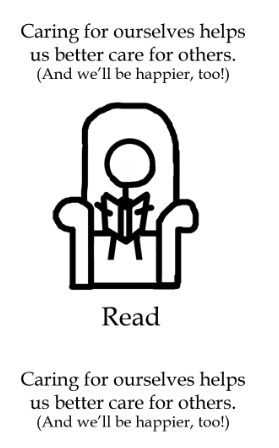
The mission of Self-Care Reminders is to encourage caring professionals and family caregivers to care for ourselves, so we can better care for others (and we’ll be happier, too). Contact Vicki to purchase the book Self-Care Reflections, a set of Self-Care Option Cards, or to schedule a “Filling up Our Wells” workshop.
cranberries

Cranberries: Nature's Little Helper

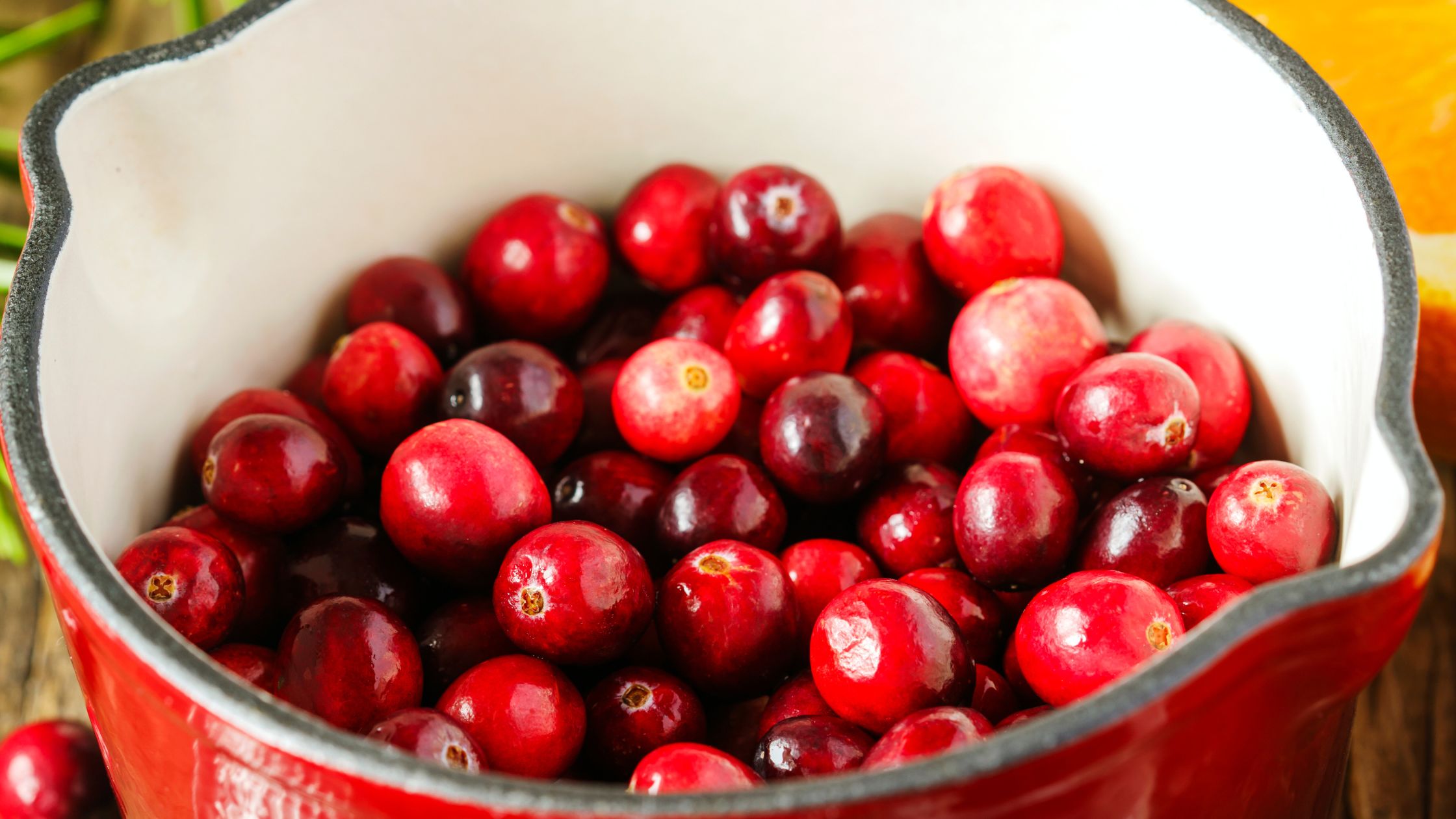
Cranberries don’t get as much press as they deserve. They might be sour and somewhat reclusive in traditional cooking, but their health benefits go far. Also called “bounceberries”, for their ability to bounce when ripe, these little powerfruits pack quite a bit of nutrition and health benefits aside from their well-known ability to cure a urinary tract infection.

Blocking Bacteria from Sticking Around in your Body 

Proanthocyanidins, or PACs, are a natural component found in cranberries. These condensed tannins inhibit the adhesion of infection-causing bacteria within the urinary tract. Recent research shows that these PACs may act elsewhere in the body preventing other infectious diseases. According to The Cranberry Institute,

     “The adhesion of the different types of bacteria that cause both stomach ulcers, and periodontal gum disease, have been shown to be inhibited in the presence of cranberry, and it is likely that others susceptible bacteria will be found as well [...] Not only may regular consumption of cranberry products help maintain health, but in the process will reduce the number of infections in a given population, and thereby the doses of antibiotics which are needed. It is becoming increasingly clear that a reduction in general antibiotic use also reduces the likelihood of the bacteria becoming resistant to those very same antibiotics, which is a public health problem of global proportions.”

It has been accepted by medical communities worldwide that antibiotics lower immune function in children and resistant bacteria has become a serious issue. Cranberries very well may be to solution here.

Cranberries: Good for your Teeth?

Plaque is simply bacteria that have attached to your teeth and gums. Much like cranberries ability to break up the adhesive purposes of bacteria in urinary tracts, cranberries contain a substance known as a nondialysable material (NDM) that has demonstrated the ability to break up oral bacteria that causes tooth decay and gum disease. According to Critical Reviews in Food Science and Nutrition,

    “clinical trial using a mouthwash containing cranberry [...] showed a two order of magnitude reduction in Streptococcus mutans colony forming units compared with the placebo group (unpublished data). A large percentage of dental caries (cavities) can be attributed to S. mutans.”

Antioxidant Packed Little Disease Fighters

These simple little berries pack a lot of antioxidants in a small space. Cranberries contain more antioxidants than any other common fruits. These antioxidants fight off the free radicals we are exposed to daily by consuming them and removing them from the body, in laymen’s terms. They are believed to fight off heart disease and cancer. Eating cranberries helps the body maintain a healthy level of antioxidants even under high stress.

Cranberries May Be the Fountain of Youth

Research supports theories that aging is caused by free radicals destroying cells in your body. It has been found that antioxidants and other phytonutrients provide protection against these free radicals that cause chronic age-related afflictions including loss of coordination and memory. As said before, cranberries are high in antioxidants. Preliminary studies in animals have shown that cranberries protect brain cells from free radical damage and subsequent neurological damage.

Cranberries are also a rich source of the flavonoid quercetin that has been shown to inhibit development of breast and colon cancers. Drinking cranberry juice has proven benefits to your heart as well by breaking up “bad cholesterol” or lipoproteins. Cranberries have also been known to reduce the bacteria associated with peptic stomach ulcers, benefit the eyes and improve cataracts, macular degeneration, and diabetic retinopathy, and prevent kidney stones by preventing the calcium and phosphate from binding together.

Eating Cranberries

High in vitamin C, cranberries support immune function along with providing antioxidant and antibacterial benefits to your body; however, these effects are nearly depleted by the addition of high amounts of sugar. So how can you include them in your diet? Aside from drinking cranberry juice, you can mix them with other naturally sweet fruits or add a zip to your meals and use them like you would lemon. Dried cranberries can be added to an array of common foods including cereal and trail mix or if you just don’t favor the flavor you can always take a cranberry supplement. Other ways to include cranberries in your diet?

  • use them in a vinaigrette
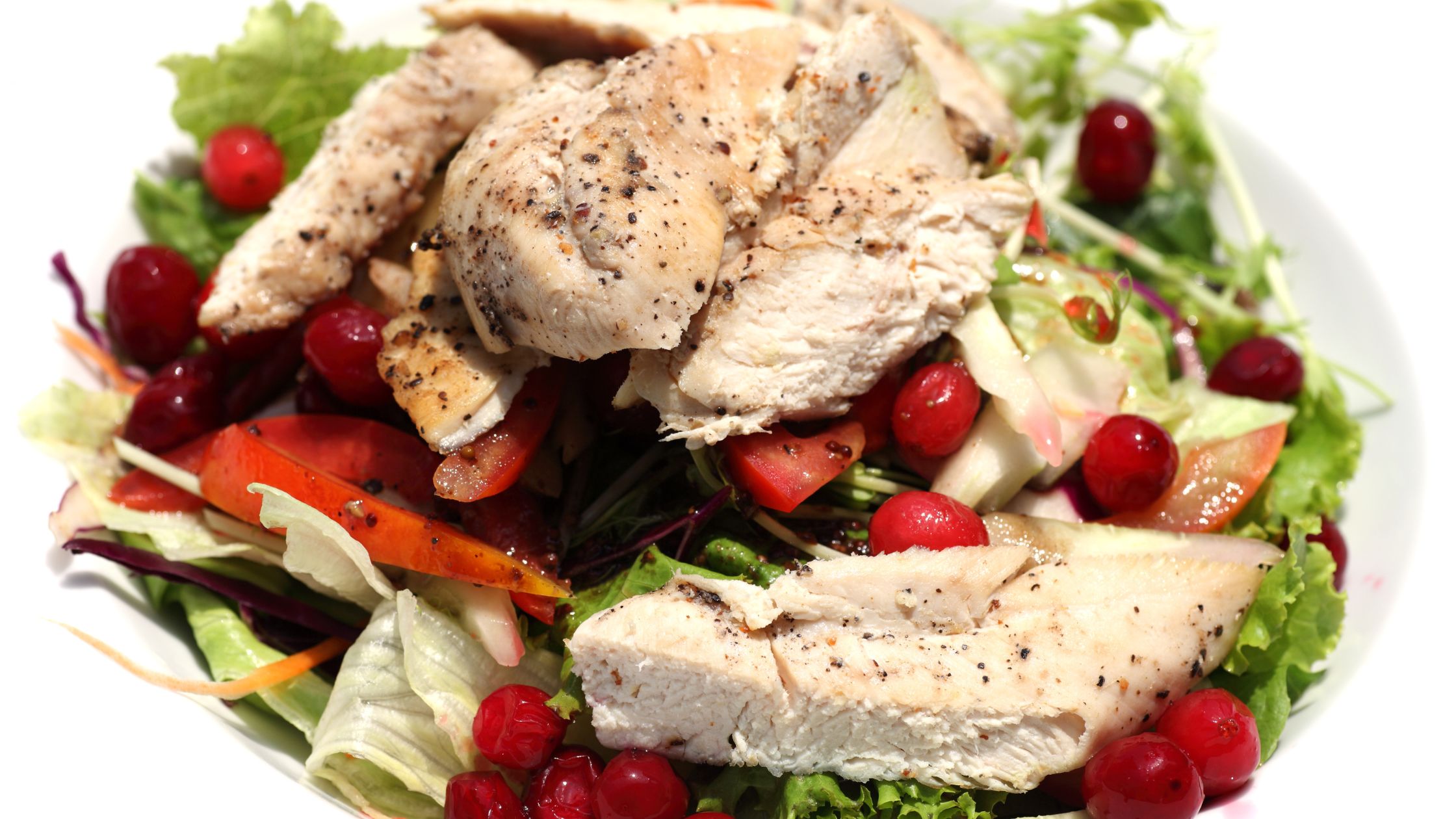
  • throw some on your salads
  • grab some dried cranberries on the go
  • add them in bread  and muffins
  • add them to your spicy meals
  • or even, make a cosmopolitan 

Sauce it Up

You can make some cranberry sauce in ten minutes. Serve this with cottage cheese, yogurt, or ricotta cheese for breakfast or a snack. It’s also good with cheeses and nuts and as we all know, cranberries go great with turkey, but it also compliments a good chicken dinner or pork roast. Here is a recipe for a healthy chutney to accommodate any meat dish or add to your morning oatmeal

Kate Hunter is a writer at Everlasting Health Center, Reno’s best vitamin, supplement, herb and health food store since 1995. She enjoys organic gardening, whole food cooking, and following up on the latest health food news. Katie obtained B.A. in English with an emphasis on writing from Southern Oregon University and has been writing about nutrition, healthy living, cooking, and gardening for over nine years. She is a mother of three and spends her time baking, canning, growing and drying herbs, and, of course, reading food labels.

National Caregiver’s Month – Part 2

November is National Caregiver’s Month. A time to focus on those who care for others, especially if that caregiver is ourselves. Dr. Vicki Bradley has created Self-Care Reminders for Caring Professionals and Family Caregivers to focus on those very special people. Part one of this series can be found here.

We may need a reminder to encourage self-care:

Most of us who are family caregivers know that when we feel exhausted, grouchy, or sick, then we really cannot care well for our family members. Only when we take good care of ourselves can we truly care well for them. Imagine asking someone to use a broken wheelchair or learn in a schoolroom with no books. When we do not take good care of ourselves, we are offering our family members a broken inadequate caregiver.

Below are two self-care reflections. The first reflection encourages us to think of all the ways we can care for ourselves. The second suggests a simple way to put our self-care into action. Both reflections are adapted from my book, Self-Care Reflections.

Physically-Mentally-Emotionally-Spiritually

One common way to think of our “selves” is to divide the self into four “parts” – the physical (our bodies), the mental (our minds), the emotional (our feelings), and the spiritual (our souls). To care for ourselves well, we need to care for all four parts of ourselves – our bodies, our minds, our feelings, and our souls.

Caring for All the Parts of Ourselves 

Physically – how we move our bodies, eat, and drink

Mentally – how we think and learn 

Emotionally – how we acknowledge and share our feelings

Spiritually – what we believe and how we live our beliefs

What are ways that you care for the parts of yourself?

Implementing Self-Care Ideas

How can we implement self-care ideas? We may have great ideas and wonderful intentions, but we may be unsure of how to make our ideas become reality. It may seem too difficult to do these things.

If someone else asked for our help, we would probably do our best to help them. We can find a way to help ourselves, too.

To take care of ourselves, we can ask the same kinds of questions we may ask about another person who needs help: What do they (I) need? How can I help them (myself) get their (my) needs met?

With practice, we can learn to implement really big and everyday small self-care ideas. Just like we don’t give up on others, let’s stick with it for us!

How will you implement your self-care ideas?

The mission of Self-Care Reminders is to encourage caring professionals and family caregivers to care for ourselves, so we can better care for others (and we’ll be happier, too). Contact Vicki to purchase the book Self-Care Reflections, a set of Self-Care Option Cards, or to schedule a “Filling up Our Wells” workshop.

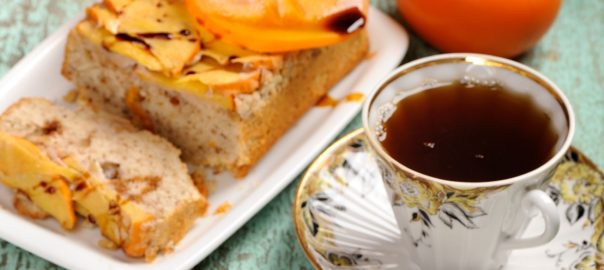
Persimmon Tea For Acid Reflux


Persimmons are a beautiful, fragrant, sweet berry available in the Fall.  Some varieties can be eaten while still slightly firm although most varieties taste best when allowed to ripen to an almost mushy consistency. Dried persimmons are a way to enjoy this delicious treat throughout the year and are available at Asian markets.

Commonly offered after traditional Asian meals as a digestion aid, persimmon tea, sometimes called "persimmon punch," also alleviates the symptoms associated with gastroesophageal reflux disease or GERD. GERD symptoms occur when stomach contents rise into the esophagus, which produces irritation.

Acid reflux sufferers often experience varying degrees of heartburn, a feeling that food remains stuck in the region of the sternum, or nausea and regurgitation after meals. Various factors contribute to GERD including a hiatal hernia or a weakened sphincter between the stomach and esophagus. Certain medications, obesity or pregnancy may also create the condition.

Persimmons are known, not only for their antimicrobial properties, but also contain vitamins A, C, and ten different minerals. The tea, made from simple ingredients consisting of persimmons, ginger, cinnamon, and sugar, offers a number of health benefits that include diminishing flatulence and the discomfort that accompanies GERD.

Making the tea merely requires boiling the persimmons, adding the spices and sugar, and cooling the mixture. Some believe the secret of the remedy lies in the cinnamon and ginger components of the tea.

Cinnamon originated in China and using the bark as a spice and health remedy dates back thousands of years. The popular spice offers anti-inflammatory and antimicrobial properties as well as providing it's antacid properties, relieving excess gas and calming diarrhea. Ginger also has a long history in alternative medicine for relieving nausea and having anti-inflammatory properties.

Persimmon Tea

Ingredients
  

  • 2 quarts water
  • 3 cinnamon sticks
  • 2 tablespoons of fresh ginger root, sliced
  • 1 cup dried persimmons
  • 3 tablespoons evaporated cane juice crystals

Instructions
 

  • Simmer the water, cinnamon sticks and ginger in the saucepan for approximately 45 minutes.
  • Add the persimmons and cane juice crystals.
  • Simmer for an additional 15 minutes.
  • Remove from heat and allow the mixture to steep for one hour.
  • When cooled, strain the liquid, discarding the solid ingredients.
  • Refrigerate the concentrated tea and enjoy as needed, hot or cold.

Many people enjoy drinking the concentrated tea while others add a few tablespoons of the liquid to other beverages, which also provides symptomatic relief. Individuals suffering from acid reflux typically consume three to four ounces of persimmon tea before or with meals and before going to bed. The sweet, spicy flavor of the tea appeals to many and GERD suffers appreciate the beverage's calming effects.

This simple home remedy remains worth a try for people plagued with the discomfort associated with gastric disorders. Some claim that including persimmon tea with an acid reflux diet and lifestyle modifications may reduce the need for prescription medications however GERD patients should consult with their primary care provider before eliminating any prescription medications.


Rowena Kang is a writer and the Outreach Director for the Morgan Law Firm, a firm that represents clients going through a divorce in Austin.

National Caregiver’s Month – Part 1

November is National Caregiver’s Month.  A time to focus on those who care for others, expecially if that caregiver is ourselves.  Dr. Vicki Bradley has created Self-Care Reminders for Caring Professionals and Family Caregivers to focus on those very special people.  She has generously offered to write a four-part series about self-care and we’ll be sharing it on the blog throughout the month.  

“Filling up Our Giving Wells”

The metaphor of a Well has helped hundreds of people in my workshops (and me!) imagine caring for ourselves, so we can better care for others. This is the way it works: If our Wells are empty, then we don’t have much to give to others. If our Wells are full, then we can do great things for them. And, by the way, we have also found that caring for ourselves makes us happier, too! The following two self-care reflections use the Well metaphor to encourage caregiver self-care. Both reflections are adapted from my book, Self-Care Reflections.

Continuum of Self-Care

I offer the following options as a way to assess our own self-care. Remember, our family members need us (and we’re worth it). Our self-care matters!

“Empty Well” – Loss of Self
Signs – No good well-filling ideas; belief that there is no time to care for self
Feelings – resentful, depressed, pessimistic

“Half Full Well” – Struggling to Care for Self
Signs – May have good self-care ideas, but difficult to implement or remember
Feelings – tired, cranky, overwhelmed

“Full Well” – Self-Caring
Signs – “Self-care” flows in and “giving” flows out in equal measure
Feelings – grateful, happy

Where are you on the continuum of self-care?
If you want a “fuller Well” keep reading . . .

Tiny Buckets We may be worried that taking care of ourselves will be too time-consuming or difficult. However, some of the simplest ways to refill our Wells can be thought of as “tiny buckets.” Tiny buckets do not carry much water, but they are easy to carry. In other words, we can easily do simple things each day to care for ourselves. For example, I love being prepared to write at a moment’s notice. I really do like to write. A technologically-advanced gadget cannot fill this role in my life. I keep pens and scratch paper everywhere – on my desk, on the kitchen table, in my purse, and in my car. Any time I have an idea or remember something I need to do, I just write it down. I have a system that works for me. This “tiny bucket” really makes me feel good! Small things don’t take much time and can easily become part of our routine. Small ways of caring for ourselves can be easily implemented. All of the small ways to care for ourselves do add up to a fuller Well!

What are your “tiny buckets”?

The mission of Self-Care Reminders is to encourage caring professionals and family caregivers to care for ourselves, so we can better care for others (and we’ll be happier, too). Contact Vicki to purchase the book Self-Care Reflections, or a set of Self-Care Option Cards, or to schedule a “Filling up Our Wells” workshop.

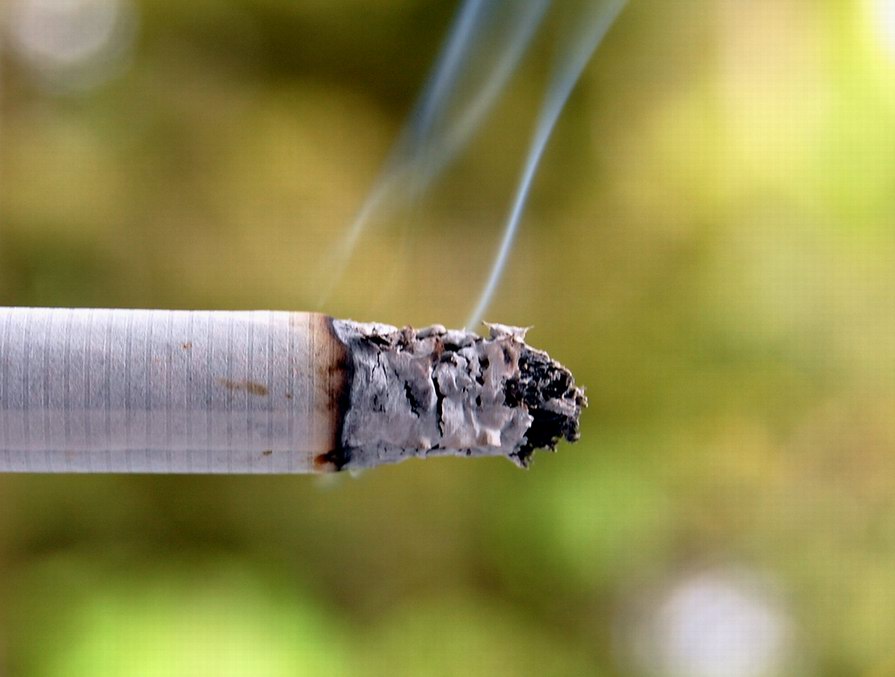
Quitting Smoking (the Holistic Way)

The Great American Smokeout is on November 15th this year.  Created in 1977, this is a day set aside as a national effort toward encouraging and supporting people to quit smoking.  Today’s article is written by Alex Kerwin, a creative writer from Michigan.  In addition to his work as a guest writer, Alex works closely with Best Drug Rehabilitation, helping people find drug rehab programs to aid in their recovery.

There are plenty of studies linking cigarettes to various diseases and health problems, and many people have surely witnessed disturbing ads on TV, which illustrate the dangers of cigarettes by featuring former smokers who use tracheotomy devices to speak or bear scars from removal of a diseased lung. It’s clear that smoking is bad for our health. This increased awareness hopefully sparks more people to quit the habit, but the process is no doubt a test of determination and will power. Focusing on a holistic plan that emphasizes nutrition and exercise can help ease the process of kicking cigarettes to the curb—for good.

Many smokers fear that quitting will cause weight gain. Smoking cigarettes burns an extra 200-250 calories per day, depending on the number of cigarettes and the smoker. This can slightly elevate their metabolism. Nicotine also acts an appetite suppressant, so smokers tend to eat less. Quitting smoking can easily pack on the pounds for smokers who grab a cigarette because they’re stressed or want to feel calm. They may replace smoking with food, and since starchy and sweet foods that are high in carbohydrates increase serotonin levels, just like nicotine, quitters-in-progress can make the mistake of turning to unhealthy foods to get a similar fix.

In 2007, Duke University Medical Center conducted a study that showed dairy products, vegetables and fruits can help break the smoking habit. Nineteen percent of participants reported that dairy products worsened the taste of cigarettes, 14 percent had a similar effect with non-caffeinated beverages, and 16 percent reported the effect with vegetables and fruits. However, alcohol, caffeinated beverages and even meat, enhanced the flavor of cigarettes.

With the average person gaining four to ten pounds after quitting smoking, choosing low-glycemic foods that are filling and help regulate blood sugar levels can help control weight. Foods rich in fiber, such as fruits, vegetables, and nuts, along with lean, protein-rich sources such as beans, fish and egg whites, can result in a satisfying meal that’s low in bad fats and high cholesterol. Providing the body with proper nutrition from natural foods boosts antioxidants, aiding the immune system that might have been damaged by smoking.

Smoking is both physically and emotionally addictive, which only increases the difficulty of quitting. However, a smoker can choose from several options to help gain support in their journey. Consulting a doctor on a regular basis to help with exercise and nutrition plans or joining a support group can aid in recovery. Choosing to participate in a holistic drug rehab program is also beneficial, as these programs emphasize a detoxification process through proper nutrition, exercise, and spiritual exploration to help understand emotions and deal with stress. By discovering what led the person to smoke in the first place, they might be less likely to relapse and start again.

It’s important to remember that quitting is a process—be patient with your body and allow it to detoxify the natural way. Avoid crash diets and give your body time to restore its balance so it can provide for you in the future. By getting in tune with your body and your mind, you’ll appreciate the benefits of quitting smoking even more and realize that cigarettes are part of a problem, not a solution.

photo: Challiyil Eswaramangalath Vipin

Gmo: What You Need To Know

As election day draws nearer there is an enormous amount of attention being paid to what the voters will do at the polls.  California is in the forefront of the move to label GMOs in food.  Other states have considered it but as of yet none have actually passed such a bill.  The general thinking is that if one state passes this legislation manufacturers will be forced to change all of their labeling nationwide in order to not have to create two forms of packaging.

The battle has been heated and intense with both sides contributing money to try to reach out to California voters and garner their support.  The chain of food ownership has become startlingly clear as the Cornucopia Institute put together this infographic showing who contributed what to the campaign.  Consumers were truly able to see that although companies like Cascadian Farms Organic, Larabar, and Kashi have a reputation as being consumer friendly and producing clean products, they are in fact owned by major corporation such as Kellogg and General Mills.  These giant food producers have a vested interest in maintaining our state of ignorance and have contributed hundreds of thousands of dollars to try to convince consumers to vote against GMO labeling.

This is not just an issue that we face here in the US.  All over the world governments and consumers are rethinking the use of GMO.  Just last month Russia suspended the use of GMO corn after a controversial French study showed ill effects in lab animals.  This study has since been brought into question however many of the issues it raised are valid and warrant further study.

This is not, however, the first time that there have been issues with GMO corn.  Back in 2005 there was a German study which showed severe health effects and damage to the liver and kidneys causing the German government to call a halt to the use of the corn.  A 2009 study done in Austria showed that there was a link between GMO crops and a decline in human fertility.

In August of this year two Australia farmers began to travel around New Zealand educating farmers against GMO crops.  As is the case here in the US, those that do not want GMO crops have no recourse if their fields are “accidentally” contaminated.  However there is no way for them to protect against wind, flood, and animals carrying seed.  All of these are potential methods of contaminating crops.  Monsanto has a known reputation for suing farmers for theft if their fields become contaminated, even if this contamination is against the wishes of the farmer.  The only way to protect against GM is to keep it out of the country.

In this video (1.5 hours but worth watching) Jeffrey Smith, the Executive Director of the Institute for Responsible Technology talks about GMO crops and their effects.

You can also watch the movie The World According to Monsanto to learn more.

If you want to read further about GMOs consider the following books:

At this point it may be difficult to stop the spread of GMO crops.  I believe it should be stopped and I believe it should be eradicated to the best of our ability.  But even more importantly I believe that we should have the right to know what’s really in our food.  I will be watching the election to see what happens in California.  I will be hoping that Californians lead the way in supporting our right to know what’s in our food.

photo: faul

National Honey Month

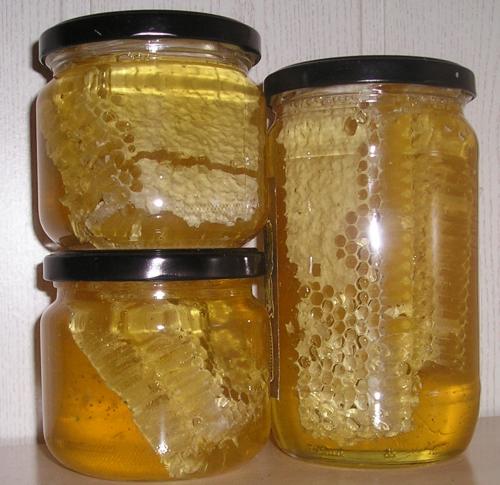
September is National Honey Month.  That sweet, drippy, delicious treat.  Honey comes in many different flavors depending on where the bees collected the nectar.  Monofloral honey such as orange blossom, tupelo, buckwheat or clover may be more expensive due to the difficulty of limiting the bees access.

While there are lots of different ways to use honey, one popular usage at this time of year is to make Honey Cake.  This dessert is typically served for the Jewish New Year,  Rosh Hashanah.  This year the holiday starts at sundown on Sunday, September 16.

Honey is often seen as a healthier alternative to sugar although it is important to note that it is still a sweetener, is fairly high in fructose (approximately 38%), and should be consumed in moderation.

Raw, local honey is considered by many to be the best form.  Raw honey is not heated or pasteurized, therefore the enzymes remain intact.  It is also considered more desirable by those who have allergies as it appears to be helpful in reducing allergic symptoms and chronic sinusitis.  Local honey has regional pollens in it making it beneficial for helping with local pollen allergies.  One new study even suggests that honey has potential as an additional therapy for “the management of chronic diseases associated with oxidative stress.”

photo: akarlovic

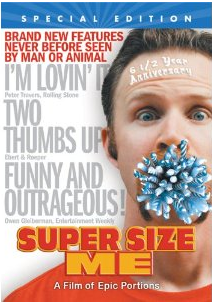
Supersize Me – A Review

Supersize Me
Directed and Produced
  by Morgan Spurlock
Samuel Goldwyn Films,
  Roadside Attractions

Although this film came out in 2004 the information in it is still relevant today. The basic premise of this documentary film is what would happen if you only ate at McDonald’s for one month.

Director Morgan Spurlock did exactly that. At the beginning of the film his personal trainer shows that he is in above average shape as compared to the majority of the American public. Some of the rules for Spurlock’s McDiet were that he must eat three full meals a day from McDonald’s, he could only eat food that came from McDonald’s, and that he could only supersize his meal if that option was offered to him (if it was not offered he was not allowed to make that choice on his own).

Within the first week Spurlock gained nearly 10 pounds and began to suffer health consequences. As you watch the documentary, and Spurlock’s decline, you are shown how nutritionally deficient fast food is for your body. The more processed the food the less it meets your body’s needs. The film is interspersed with some very sobering facts. One of the most eye-opening is that McDonald’s calls people who eat a lot of their food heavy users. People eating even more? They are the super heavy users. Heavy, of course, has a double connotation here and the sad choice of the word user speaks to how addictive and unhealthy this stuff really is.

At the end of the film Spurlock is in seriously bad health. It took Spurlock more than a year to lose the weight that he gained in 30 days and to return to a healthy state.

While the film is extreme in that he only ate at McDonald’s and did it continuously for 30 days, it clearly highlights not only how non-nutritious this food is but how well entrenched it is in our culture. Most children can recognize McDonald’s distinctive golden arches before they are able to talk complete sentences.

McDonald’s did remove their supersize option shortly after the movie came out. They also added salads and more grilled options. They claim that these changes had nothing to do with the movie. Whether it did or not the fact remains that this is still an unhealthy meal option that should be avoided. McDonald’s themselves states, any processing our foods undergo makes them more dangerous than unprocessed foods.”

 Watch the movie, avoid the food.

I originally wrote this for a private client. They are no longer publishing their newsletter and I am now able to share this review with you.

disclaimer: cmp.ly/5

Sad American Exports

candy | photo: mikebarry

In nutrition circles there is a abbreviation for the standard American diet, SAD.  And SAD it is.  Often overloaded with sugar, fat and/or salt, nutritionally deficient, mostly beige, it’s not a health-sustaining, nourishing diet.

It’s not a good thing that many of our fast food choices, McDonalds, KFC, Pizza Hut, Coca Cola, Pepsi and more have all gone abroad, encouraging obesity and poor nutritional choices.

Now the SAD exports have gone one step further.  Apparently British shoppers have begun to develop a taste for “American” foods; something they call squeezy cheese as well as  jell-o, Hershey’s, tootsie rolls and more.  Bringing these products into the grocery stores will create easier access and increase the potential for further destruction of health and nutrition.

Although some of the products may be manufactured slightly differently as I’ve mentioned in articles before, it can still be an overwhelming deluge of non-healthy food items.  I can only hope that the novelty of having foods from another country will wear off and the British will choose to avoid the over-processed, highly chemical versions of not-food coming to a grocery shelf near them.  I’m sad to think that junk food is one of our big exports, it’s not something to be proud of.