All posts by Mira


About Mira

Mira Dessy is The Ingredient Guru. A holistic nutrition professional, author, and a popular public speaker, she knows that it's not just what you eat, but what's in what you eat. She is the author of The Pantry Principle: how to read the label and understand what’s really in their food. Dessy is a Board Certified Holistic Health Practitioner whose mission is to educate and empower consumers. She curates the Lean Clean Green Subscription box, the premier, organic, earth-friendly, healthy, sustainable subscription box which can be found online at https://theingredientguru.memberbox.com

Jell-O Simply Good (or Still Just As Bad?)

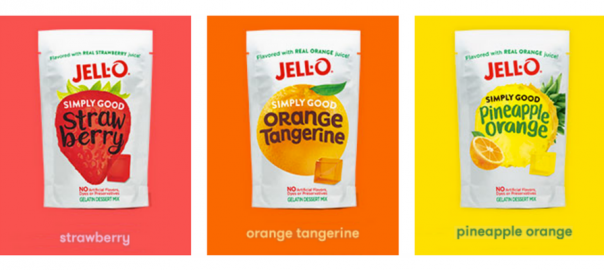
Kraft recently released a new line of “Jell-O Simply Good” products. According to them, they are “delightfully honest” and “made with the good stuff.”

However, I found several questionable ingredients still lurking inside. Let’s take a look…

A Closer Look at the Ingredients in Jell-O Simply Good
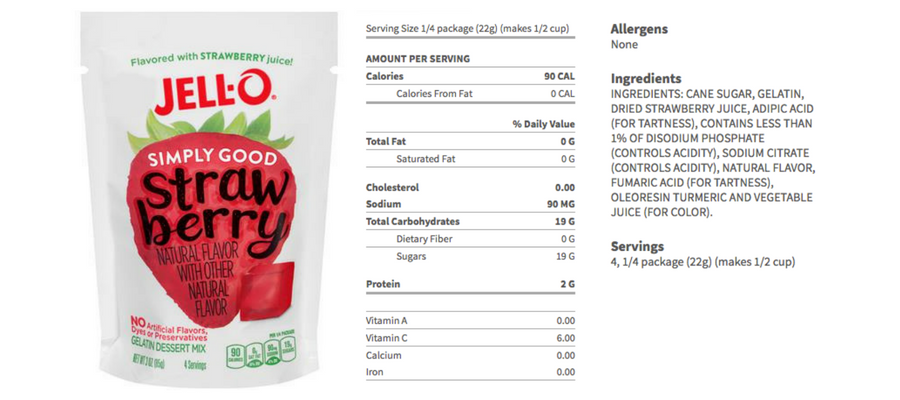
Cane sugar is the most abundant ingredient in this product (19 grams per 1/2 cup serving to be exact). And it’s most likely made from genetically modified and pesticide laden sugar cane.

Gelatin gives Jell-O its gel-like consistency. And it can be a health-promoting ingredient if sourced from grass-fed and pastured raised cows. However, in this case, the source of gelatin is unknown.

Dried strawberry juice provides a “natural” flavoring. But, it doesn’t add any nutritional value. In fact, it only adds more sugar.

Adipic acid gives Jell-O a bit of tartness. While it is an organic compound, adipic acid is the precursor of nylon. And it rarely occurs in nature.

Disodium phosphate helps control acidity. Scientists synthesize it by combining phosphoric acid with a sodium compound. According to the Environmental Working Group, sodium phosphates may increase one’s risk of heart and/or kidney disease when consumed in excess.

Sodium citrate also controls acidity. And it is generally considered safe in small doses. However, it’s most likely made from genetically modified corn. Thus, those with corn allergies should avoid products with sodium citrate.

Natural flavor additives lead consumers to believe the flavor is all natural. However, this is far from the truth. While the final product is derived from something found in nature, chemical solvents are used to manufacture them. Further, food companies are not required to disclose the actual contents of natural flavors. Thus, we’ll never really know!

It’s also worth noting that Jell-O Simply Good truly gets its flavor from these “natural” flavors as opposed to strawberry juice. Juice is actually quite bland and its flavor diminishes over time. On the other hand, scientists specifically design natural flavors to be potent and shelf-stable.

Fumaric acid is another additive used for tartness. In general, small quantities are considered safe.

Turmeric oleoresin is supposedly a “natural” coloring agent made from turmeric. However, volatile chemical solvents are used to make it. And when fed to rats and mice in this study, it had carcinogenic effects.

According to the same study, consumption of turmeric oleoresin was also associated with a higher incidence of stomach ulcers and inflammation of digestive organs.

And in case you’re wondering, human safety studies don’t exist. They wouldn’t be ethical. And this is true for most food additives.

Vegetable juice is used for coloring in this product. And it’s relatively benign. However, the type of vegetable juice used is unknown. And the vegetables are most likely grown with pesticides.

Jell-O Simply Good versus Original Jell-O Mixes

The main difference between Jell-O Simply Good and the original Jell-O mixes is the removal of artificial flavors and dyes. This is a step in the right direction. But, far from “simply good” or “delightfully honest” in my opinion.

Other than the flavors and colors, the products are almost identical. Both have questionable additives, zero nutritional value, and an abundance of refined sugar.

A Healthy Alternative
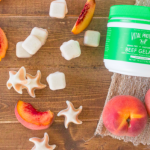
real gelatin peach gummiesAs previously mentioned, gelatin can be a nutritious addition to your diet. However, quality matters. I recommend using a clean, no additive gelatin made from grass-fed and pastured raised cows.  My preferred brand is Vital Proteins.

Here is a fun recipe you can use to make homemade “jello” gummies with fresh juice and natural sweeteners.

Do you already use gelatin? If so, what are your favorite ways to incorporate it into your diet?
Ingredients Based On Corn

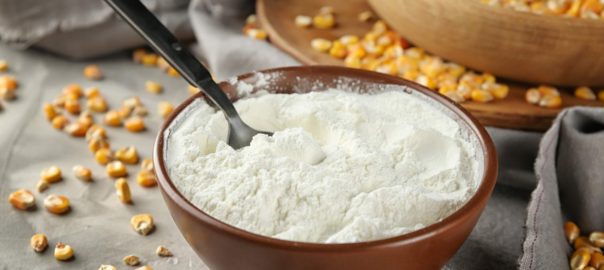
Corn is one of the most highly genetically modified (GM) ingredients in the United States.  Because of the challenges that genetic modification presents for our health and for the environment, I encourage people to eat organic corn. This also helps to avoid the high levels of pesticides and glyphosate used in growing the crop. The ability to use these chemicals are the primary reason for the genetic modification in the first place.  

Varieties of corn

There are many different forms of corn. When eating fresh, frozen or canned, it is sweet corn which only represents approximately 1% of all the corn we grow in the United States.  Field corn, sometimes referred to as dent corn, is the most common variety grown in the U.S. It represents nearly 60% of the entire corn crop. This variety is used for ethanol and livestock feed.   

Other uses for corn include corn flour, corn starch, corn syrup and in the confectionary business.  Popcorn is a separate variety. According to the Popcorn Board, the average American eats 42 quarts per year for a total consumption of 13 billion quarts.

Corn is also used in the textile industry and as a biodegradable plastic.

On the label

Corn by itself is easy to identify in foods or on the label. The challenge is that it can be turned into a rather startling variety of ingredients. These ingredients make an appearance in nearly every single food category at the grocery store. This is problematic for the nearly 10 million people in the U.S. diagnosed with an allergy to corn. 

For those trying to avoid it, whether due to allergies or a desire to avoid GM contamination, it's not always easy to know which ingredients got their start from corn.  If you're looking to avoid GM products the easiest way is to choose either organic or GMO Project Verified products.  In the case of a food sensitivity or allergy use this list as a resource to help you know which products to avoid.

Corn-based ingredients

  • Ascorbic Acid - also sometimes listed as vitamin C
  • Baking Powder - this may contain cornstarch
  • Brown Sugar - made from white sugar with caramel coloring added 
  • Calcium Citrate - also known as 'calcium salt of citric acid' 
  • Caramel - coloring agent frequently used in soft drinks.  Can be made from cane sugar but most commonly made from corn; a known carcinogen
  • Cellulose - a form of plant fiber (note: this ingredient can also be made from wood) 
  • Citrate - this sour flavor enhancer comes in several different forms: Calcium Citrate, Magnesium Citrate, Potassium Citrate, Sodium Citrate, etc. 
  • Citric Acid - made by adding the mold Aspergillus niger to a base of corn steep liquor, molasses, hydrolyzed corn starch, or other cheap sweet solutions
  • Corn
  • Corn Meal – as well as being used for cooking, cornmeal can be used for dusting baked items
  • Corn Starch – may be found in OTC tablets
  • Corn Syrup - may be found in liquid OTC medications such as cough syrup
  • Decyl Glucoside - often found in shampoo and other personal care products
  • Dextrin, Maltodextrin – used as a  thickening agent for condiments, frozen confections, and other foods
  • Dextrose (glucose) – found in sweets, may also be present in processed meats
  • Ferrous Gluconate - an ingredient found in black olives
  • Flavoring - Artificial or "Natural Flavors" may be corn-based
  • Golden Syrup 
  • Honey - HFCS is sometimes fed to bees causing their honey to then have corn in it
  • Hydrolyzed Vegetable Protein (HVP)
  • Iodized Salt - Dextrose may be added to iodized salt to help stabilize the iodine 
  • Lactic Acid 
  • Magnesium Citrate - Magnesium salt of citric acid
  • Magnesium Stearate
  • Malic Acid
  • Malt/Malt Flavoring
  • Maltitol - a sugar alcohol made by hydrogenating maltose
  • Maltodextrin
  • Maltose
  • Mannitol - This sugar alcohol is often blended with corn-based sugars
  • Methyl Gluceth - a cosmetic emollient
  • Modified Food Starch
  • Monosodium Glutamate (MSG) - MSG can be made from corn
  • Polydextrose
  • Polysorbates (i.e. Polysorbate 80)
  • Potassium Citrate 
  • Powdered Sugar - may contain cornstarch
  • Saccharin
  • Sodium Citrate 
  • Sodium Erythorbate - may be made from beets, corn, or sugar cane
  • Sodium Starch Glycolate - may be made from corn, rice, or potatoes
  • Sorbitan - made by dehydrating sorbitol  
  • Sorbitan Monostearate - may be found in various types of yeast (baking, brewing)  
  • Sorbitol – this sugar alcohol often appears in diet candies or gum, can also be in oral care products
  • Starch – unless otherwise specified (such as potato starch) this is probably cornstarch
  • Sucralose - Splenda is often made with dextrose or maltodextrin 
  • Sweet’N Low - made with dextrin 
  • Vanilla Extract – may be made with corn syrup 
  • Vinegar, Distilled White 
  • Xanthan Gum - often grown on a base of corn or corn sugar 
  • Xylitol - can be made from birch or corn, in the US it is frequently corn
  • Zein – used in time-release medications

More Food Allergy Info

All About Eggs
Do You Have Oral Allergy Syndrome?
Food Intolerance Testing


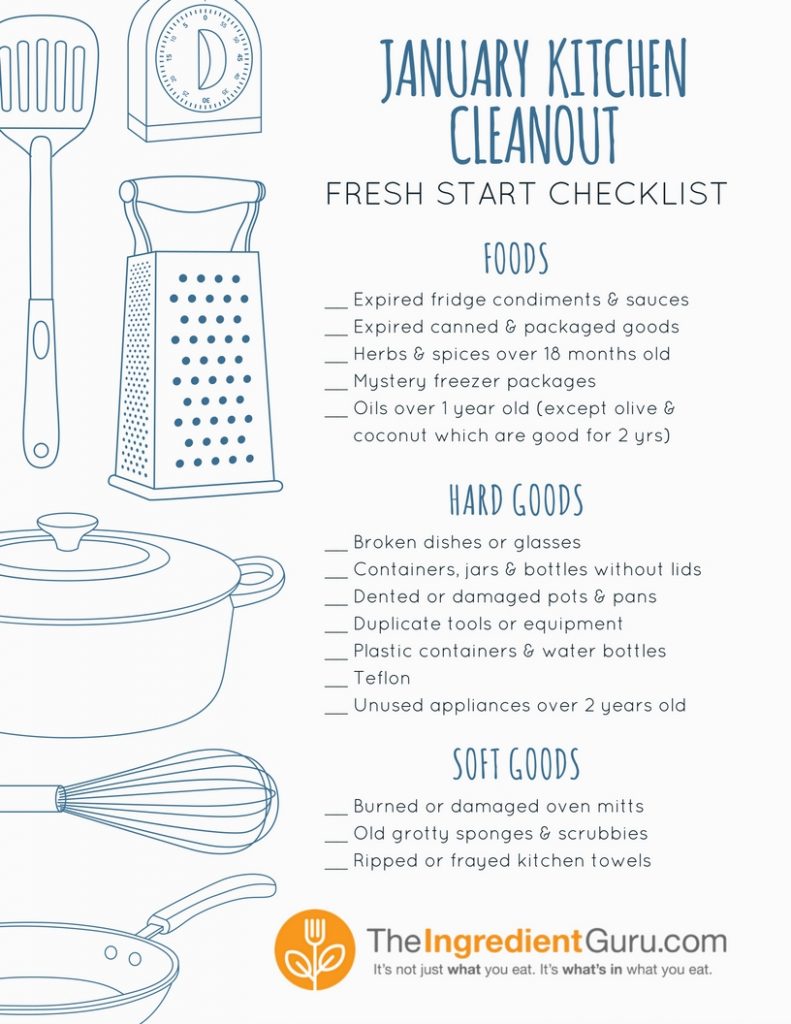
January Kitchen Cleanout

If you’re like me the thought of a new year brings hopes for shiny and new beginnings.  Part of that includes the kitchen.  After all it really is the heart of the home.  But the kitchen and pantry tend to get cluttered over time.  The disorganization and clutter happens slowly.  We become so accustomed to it that we don’t even realize how out of order things have become.  Disorganization makes it overwhelming when you’re trying to cook or meal plan. 

A fresh start

With the beginning of a new year is a great time to make a fresh start. Time to get rid of everything that’s getting in the way of your organized, healthy kitchen.  Once it’s cleaned out, you’ll find it easier to make wonderful, healthy meals to feed yourself and those you love.  I love cleaning out my kitchen and always set aside some time in the first week of the year to get things back on track.  After all of these years I’ve gotten to a point where it’s quick and super easy.  In order to help you enjoy a sparkly fresh start with your kitchen I’ve made this handout.  With just 15 items it’s a simple and easy to understand way to get your fridge, freezer, pantry, and kitchen ready to go for the year ahead.

A kitchen cleanout can seem a bit overwhelming if you’ve never done it before.  Break the task list down to make it easier on yourself.  Set your timer for 30 minutes and go down the list.  At the end of 30 minutes you’re done for today (or do another 30 minutes if you’re feeling motivated).  With just a few cleanout sessions you’ll be amazed at how organized your kitchen is.  Before you know it you’re ready for the year ahead.

 
january-kitchen-cleanout

You can get free copy of this printable here.

Word Of The Year: Mindfulness

Over the years I've developed a habit of choosing a word to serve as my intention for the year.  This year the word is mindfulness.  As I go through each year I reflect frequently on my word and see if I am meeting my reasons for having chosen it.  

Choosing a Word

In past years it has sometimes been a struggle to come up with a word.  There are so many to choose from! And finding just the right one that resonates is not as easy as you might think.  Usually I wind up taking the time from Christmas until somewhere after the New Year to identify a word.

This year, as I worked on my new book on meditation I kept coming back to the word and it really resonated with me. Each time I thought about it, wrote about it, saw it on my desk or my computer it caught my attention and made me stop for a moment. 

I realized that it flows well from my previous word of Focus.

The dictionary defines mindfulness as

noun
1. the state or quality of being mindful or aware of something.

2. Psychology.

  1. a technique in which one focuses one's full attention only on the present, experiencing thoughts, feelings, and sensations but not judging them:
    The practice of mindfulness can reduce stress and physical pain.
  2. the mental state maintained by the use of this technique

Benefits of Mindfulness

One of the things that appeals to me about choosing this word is how much it resonates with our need for self care.  When I work with clients I encourage them to be more mindful about their eating which, of course, has an impact on health. I encourage some sort of self care practice, breathing, meditation, yoga, all of which require a degree of mindfulness.

Moving forward into the new year there will be more of that.  Both for them and for me.  While I am a holistic health practitioner and I support others to achieve their wellness goals, I know I benefit from these practices as well.

The truth is that mindfulness is a very supportive piece of our overall health and wellness.  Studies have shown that it can help lower stress and reduce blood pressure. This, in turn, is good for heart health. [1]  Mindfulness can also help with nutrition, satiety, and even weight loss.  There are a number of studies about this and even a book on the subject

Savor: Mindful Eating, Mindful Life


In the year ahead I'm looking forward to deepening my own sense of mindfulness.   And I'm excited to share with others, supporting them to develop their own mindfulness practices as part of their wellness plan.

Words From Past Years

If you're interested these are the words that I've chosen in the past.  I find it fascinating to look back at previous years, at the reasons I chose certain words and reflecting on the growth that brought to my life.

I'd like to encourage you to pick a word of your own. It's an interesting exercise and can have some amazing results. If you want to take it one step further you can even go to OneWord365 and put it out there into the universe.

Homemade Gifts For The Holidays

The holidays are just around the corner! Hanukkah, Winter Solstice, Christmas, Kwanzaa whatever you celebrate, the winter season of gift giving is here. People love to get, and gift, food gifts. One of the challenges with food gifts, however, is that many of the pre-made options come with ingredients that are not all that great for our health. 

Making homemade foodie treats is one great way around that issue.  When you make food you’re the one in control of the ingredients. And there’s really something special about a homemade gift that makes both the giver and the recipient happy. As a matter of fact it turns out that baking for other people is good for our mental health

If you’re looking for last-minute gift ideas here are some great suggestions for tasty treats.  Packed up in a jar with a pretty ribbon, in a special tin, or simply in a basket covered with some decorative fabric these are gifts that allow you to share the love with a healthy and delicious treat.

Gift ideas

Granola in a Jar

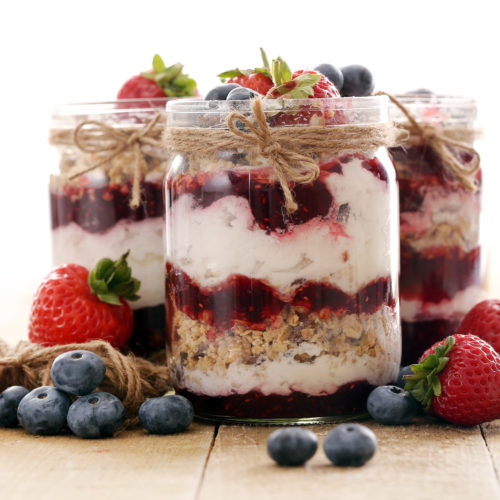
Granola or Muesli are great choices.  Because you can flavor it any way you like you can make a wide variety based on just this simple recipe.  Put in a jar with a pretty ribbon or a decorative piece of fabric on top it can make a simple, healthy holiday treat.
There's still enough time to make a batch of vanilla.  While it won't be ready right away it will still be delicious and they'll think of you every time they use it all year long.
You can also make vanilla sugar by placing opened vanilla beans into evaporated cane juice crystals and letting it infuse for some time before removing the vanilla bean and packaging up the sugar.  And in a similar vein, but with a twist, why not make flavored salt.  I got the idea for this after seeing all the different bottles at the grocery store.  They're rather pricey and yet so simple to make at home.

Ingredients
  

  • 4 C. flaked grains – oats, quinoa, your preference
  • 1 C. raw, unsalted nuts, chopped – my favorites are pecans or almonds
  • 1/4 C. flax seed, ground
  • 1/4 C. sesame seeds
  • 1/4 C. raw, unsalted sunflower seeds
  • 1/4 C. raw, unsalted pumpkin seeds

Instructions
 

  • Mix ingredients together well

Notes

Store in an airtight container


Tasty Seasoned Salt

Ingredients
  

  • 1/2 cup coarse grind sea salt
  • 1 teaspoon celery seed
  • 1 teaspoon dried onion
  • 1/2 teaspoon dried rosemary
  • generous pinch dried thyme
  • fresh ground black pepper

Instructions
 

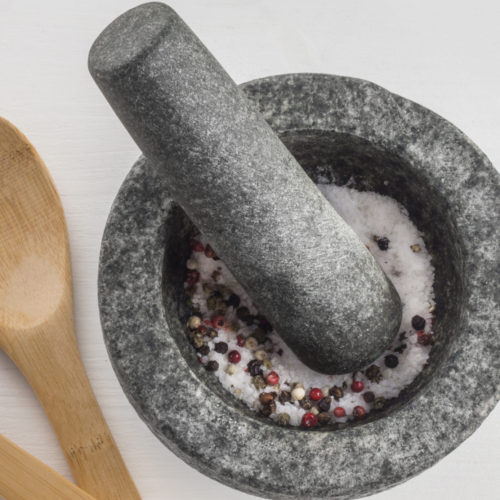
  • Place all ingredients into a mortar or a coffee grinder and pulse until blended. Delicious for soups, salads, and on the table as seasoned salt.
    note: I have a coffee grinder clearly marked Not For Coffee and use it for grinding all my herbs and seeds

Coffee Seasoned Salt

note: for this one I use the coffee grinder that actually IS for coffee

Ingredients
  

  • 1/4 cup coarse grind sea salt
  • 1 teaspoon espresso powder
  • generous pinch vanilla powder

Instructions
 

  • Place all ingredients into a mortar or coffee grinder and pulse until blended.

Notes

Delicious on desserts, especially if they are chocolate (just a pinch though)
I don't drink coffee but for those who do this apparently is a delicious addition to your cup


Crockpot Nut Mix

When looking for tasty snack ideas you don't have to go any further than these Crockpot Nut Mixes.You can make any flavor combination you, or the person you're giving them to, likes.

Ingredients
  

  • 4 c. raw soaked nuts
  • 1/2 C. melted coconut oil
  • seasonings

Instructions
 

  • Cook on low for 2-3 hours, stirring every 30 minutes, with the lid off
  • When done turn off the crockpot and let the mixture cool completely in the crock before jarring up
  • How you season them is up to you.  I have a couple of mixes that I like but feel free to go ahead and make up your own.
    1 T. Penzey's taco seasoning + 1/2 t. hot sauce or 1 t. red pepper flakes
    1 T. tamari sauce + 1/2 t. garlic powder + 1/4 t. sea salt
    1 T. curry powder + 1/2 t. ground cinnamon
    1 T. sucanat + 2 t. ground cinnamon + 1/4 t. nutmeg
    2 t. vanilla + 2 t. sucanat + 1/2 t. pumpkin pie spice


Flourless Brownies

These Flourless Brownies are sure to be a hit.  You can either make them and gift them right away, or put together a gift box with all the ingredients and the instructions so your giftee can make them later after the holiday sugar overload has come and gone.
If you're really in a hurry, is to purchase mulling spices at the grocery store.  If you get them in the bulk food section they're very reasonably priced.  Placed into tea pockets, or into cut squares of cheesecloth tied up with kitchen twine, and delivered with a container of cider the recipient can easily make mulled cider whenever they wish.
I'm not the only one who has some fabulously delicious food gifts that are just right for the holidays. Here are some of my favorite recipes created by friends that are also wonderful tried and true options for gift giving.  

Ingredients
  

  • 1 ½ C. black beans
  • 2 eggs
  • 1 heaping T. ground flax seed
  • 3 tablespoons coconut oil, melted
  • 1/4 cup cocoa powder
  • 1 pinch sea salt
  • ½ t. baking powder
  • 1 teaspoon almond extract
  • 3/4 cup evaporated cane juice crystals
  • 2 t. instant espresso powder
  • 1 C. dark Belgian chocolate w/almonds, chopped

Instructions
 

  • Preheat oven to 350 degrees F
  • Lightly grease an 8x8 square baking dish
  • Add remaining ingredients (except chocolate); blend until smooth; pour the mixture into the prepared baking dish
  • Top with chopped chocolate
  • Bake in the preheated oven until the top is dry and the edges start to pull away from the sides of the pan, about 30 minutes
    Enjoy!

Other recipes

I’m not the only one who has some fabulously delicious food gifts that are just right for the holidays. Here are some of my favorite recipes created by friends that are also wonderful tried and true options for gift giving.  

  • Peanut Blossom Bites from Theresa Houghton – So delicous, they’re fabulous any time of the year, not just for the holidays
  • Pumpkin Mousse from Karen Brennan – A wonderful way to enjoy the flavors of the season 
  • Creamy Turmeric Latte from Kirstin Nussgruber – This one is great to assemble as a gift in a basket, be sure to include the instructions so they can make it themselves
  • Holiday Nut Mix from Margaret Floyd – Highly addictive.  You’ve been warned. 
  • Avocado Chocolate Mousse from Kerry McClure – Because who doesn’t love chocolate mousse?
  • Grain Free Thumbprint Cookies by Julie Matthews – Everyone loves this holiday favorite and this is a wonderful way to enjoy them
  • Quick and Easy Almond Butter Coconut Balls by Dr. Keesha Ewers – These things are seriously addictive

Whatever you celebrate, whatever your reason for the season, I hope that it is filled with warmth, laughter, love, and joy. Happy Holidays!


goals not resolutions

Goals Not Resolutions

What's in a resolution

With the New Year fast approaching many people sit down to make up a list of resolutions. This year I will.....

  • Lose 20 pounds
  • Exercise every day
  • Eat right
  • Give up junk food
  • Insert your favorite resolution here

The problem with the concept of a resolution is that we go about it the wrong way. We write down the results we are looking for not how we plan to get there. We craft ultimatum statements and that ultimately sets us up for failure.

In order to be successful with your anticipated changes for the new year consider setting goals instead of creating resolutions. Goals are a desired outcome. They are not as finite as resolutions. If you do not live up to your resolution frequently you are left feeling discouraged and possibly have a loss of self-appreciation or self-confidence. You're also more likely to abandon it altogether (and perhaps any other resolutions that you formed at the same time).  With goals, however, the end result is planned for but not mandated. Along the way there may be reasons that you did not achieve your goal which you can examine and reconsider.  Or the goal may need to be modified along the way; because it's a goal there's room for that.

Creating goals

When creating goals there are a few things to consider. Because it's one of the most commonly chosen resolutions, we'll use an example of losing weight as a goal. Most people simply say that they will lose weight. They do not put qualifiers on the statement and do not think about how they will achieve their goal. Being prepared to think all the way through the goal helps to increase awareness and mindfulness and can increase your motivation and ultimate success.

  • What is your anticipated goalto lose weight
  • Why do you want to achieve this goalto look and feel better, so clothes fit better, to improve health
  • How much weight do you want to lose - is this goal realistic
  • How long do you think it will take you to achieve your goalset realistic expectations for appropriate weight loss (you cannot lose 10 pounds in two weeks)
  • What are the steps required to achieve this goalhow will you have to change your nutritional plan and modify your eating patterns to achieve your goal
  • When do you plan to start the first stepchoose a time that is workable, don't start the day after a huge holiday party when you are not focused
  • What do you need to do to start that first stepdo you need a support person, a program, a goal buddy, or a written plan

Be realistic

Don't overwhelm yourself by setting too many goals at once. If you decide that in the next two weeks you are going to lose 20 pounds, start a new high-intensity exercise program, and give up your daily fast food run you may find yourself feeling overwhelmed.

When we try to do too much without planning and awareness we can be setting ourselves up for failure. On the other hand, reasonable expectations and a well-thought out plan can be the cornerstone to your success.  

And don't discount the need for a deeper level of support.  A friend or family member who can serve as an accountability buddy, or working with a coach who can nurture you and design a program that works for you.

Above all remember to be kind to yourself. A goal is a hoped for achievement. If you do not master your goal it is not because you have failed. It simply means that you were not able to get to where you thought you might. This gives you an opportunity to re-evaluate your goal and see if it needs to be adjusted or modified.

Most importantly, when working toward a goal remember to stop occasionally, look back at how far you've come. Perhaps you've lost less weight than you had hoped for but you've made significantly healthier food choices. Maybe you haven't been able to get to the gym every day like you had hoped, but when you do go you are feeling stronger and have more endurance. These are accomplishments to be proud of. Pat yourself on the back, review your plan and keep working towards your goal.

Cream Of Whatever Soup

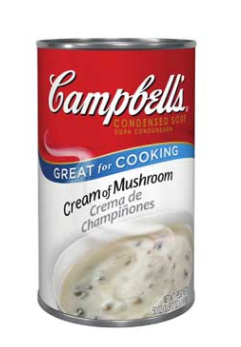
It’s winCream of mushroom soup - Campbellstertime and meal planning seems to turn to soups, stews, and casseroles.  For a lot of people that includes taking a shortcut by using some kind of creamy soup as one of the ingredients in their recipe.  Unfortunately while this seems to save time it’s actually not a great idea.
What’s in that soup can?

When it comes to canned products there are number of ingredients that are used in order to make the product more shelf stable. Or they’re added because they’re cheaper, easier to source, and more convenient for the producer.

For a lot of people using cream of potato/mushroom/onion/whatever in a recipe is something that they have a difficult time giving up.  Just adding milk to the recipe doesn’t really seem to work out too well as it’s too much liquid.  So they make a lot of changes but hold on to their creamy condensed soup-in-a-can.

I’m not only talking about Campbell’s here.  All of the canned soup companies use these types of ingredients in them.  This just happens to be the one that I’m talking about for the purposes of this article.  Remember, if you’re going to buy canned soups you must read the label and avoid negative ingredients.

Luckily you don’t need to rely on the can.  But let’s start by looking at what’s in that can and then I’ll share my favorite cream of whatever soup mix recipe.

Ingredient breakdown

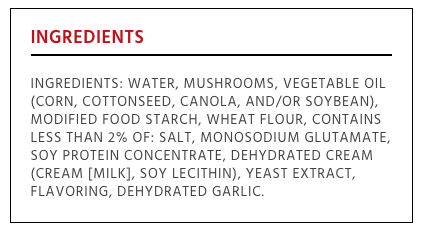
Cream of mushroom soup ingredients - Campbells

  • Funny enough even though it’s condensed soup the first ingredient is still water.  That means you’re paying a lot for all of these ingredients but mostly water
  • The vegetable oils include corn, canola, and soy, three of the most genetically modified foods on the face of the planet.  GMO foods are not a great choice for health, you can read a brief blurb about it here
  • Modified food starch is often made with corn (making is a GMO) and can be more difficult for your digestive tract to process
  • Monosodium glutamate can cause a wide range of health issues.  In this particular can it’s there as monosodium glutamate, but may also be present as part of the “yeast extract”
  • Soy protein concentrate is obviously made from soy and is therefore a probable GMO ingredient. Extracted from defatted soy flour there may be a concern about pesticide accumulation during the concentration process as GMO crops tend to be heavily sprayed with glyphosate
  • Dehydrated cream is most likely to be from cows treated with rBGH, an artificial hormone linked to increased risk for diabetes, cancer, and several other heath issues.  It’s also been shown that cows treated with rBGH have a higher risk for mastitis and infertility
  • Flavoring is a very generic term and we don’t really know what it includes

Homemade alternative

Instead of reaching for the can, consider making your own cream of whatever soup mix.  Because it’s a powder it is shelf stable for quite some time and you can make enough to always have on hand for your favorite recipes

Cream of Whatever Soup Mix
Print
Ingredients
  1. 2 cups powdered organic milk
  2. 3/4 cup organic cornstarch
  3. 1/4 cup organic bouillon powder or organic bone broth powder
  4. 2 tbsp dried onion flakes
  5. 1 tsp dried basil
  6. 1 tsp dried thyme
  7. 1/2 tsp ground black pepper
Instructions
  1. To use simply mix 1/3 cup of dry mix with 1 1/4 cups of cold water in a saucepan
  2. Cook and stir until thickened
  3. If desired add 1/2 cup of additional items such as diced mushrooms
  4. Can also add directly to a casserole calling for cream of soup
Notes
  1. Store in an airtight glass jar
  2. Keeps well for 3-4 months
The Ingredient Guru, Mira Dessy https://theingredientguru.com/
 
Enjoy using this and be sure to share your favorite recipes that call for cream of whatever soup mix below

Antibiotic Weedkiller


Understanding glyphosate

There’s an increasing amount of attention to how harmful glyphosate (the active ingredient in Monsanto’s Round Up) is.  Roundup is not only used as a weed killer, it’s now also being used as a desiccant, to dry crops before harvesting. Currently sprayed on wheat, oats, and beans, Monsanto additionally recommends it for desiccant use on flax, non-GMO canola, Non-GMO soy, peas, lentils, and sugar cane.  This increases our exposure to glyphosate dramatically.  

Not only are crops grown with genetic modification to allow for large scale use of Roundup as a weed killer, these crops are being dosed with extra applications before harvesting.  Non-GMO crops can be exposed to Roundup through wind-borne and insect-borne exposures.  Unfortunately, with the use of Roundup as a harvesting agent, now even non-GMO crops may be purposefully sprayed.  For some crops this could mean as many as three deliberate exposures to glyphosate.

Impact of glyphosate

Leaving aside the fact that Roundup is not an effective weed killer1 there are a wide range of issues regarding it’s use

  • large scale harm to the environment2
  • it adversely affects mineral content of the crops3
  • increasing evidence that it causes gut health issues and can damage DNA4
  • the World Health Organization has deemed it a probable carcinogen5

there’s one fact that most people don’t realize.  First developed as an antibiotic, glyphosate was not as effective as it’s developers intended. However they realized that it had potential as an herbicide and a new product was born.  Decades later we are dealing with an increasing fallout in terms of exposure, the impact on the environment, and the increase in illnesses linked to glyphosate exposure.  Increasing numbers of the population are experiencing issues with gut health, autoimmune system challenges, food allergies and more.  Issues that at their root have to do with the very nature of an antibiotic, to kill cells.  Yet we continue to bathe our crops, and our planet, in this persistent, endocrine disrupting, harmful product.

A new herbicide

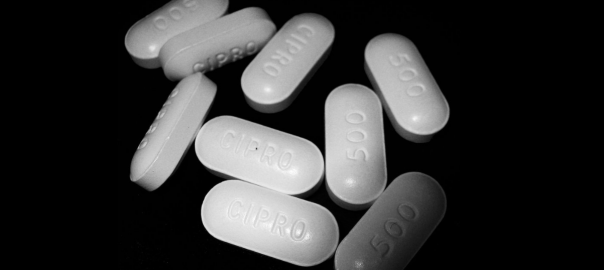
So why do I mention Roundup?  Because it’s happening again.  Scientists in Australia have discovered that the antibiotic Ciprofloxacin (commonly known as Cipro) appears to be an effective herbicide.  According to Dr. Josh MyIne from the School of Chemistry and Biochemistry at the University of Western Australia, “It kills plants in a very similar fashion to the way it kills microbes, by binding and interfering with an enzyme called gyrase.”  This may wind up being a case of history repeating itself.  Once again we potentially have an antibiotic being used as an herbicide.  Doubtless it will come with claims that it will be harmless to humans once it’s used for an agricultural purpose.  As we are learning from glyphosate.  This is not true.

Dangers of Cipro

What makes the use of cipro especially concerning is that it belongs to a particular class of antibiotics known as fluoroquinolones.  While a potent and effective antibiotic, this class of medication has a high potential for toxic side effects including pain, depression, CFS, thyroid issues, and more.  I learned a startling amount of information about how harmful these medications can be from The Anxiety Summit Season 4 where my friend and colleague, Trudy Scott, the Food Mood Expert, spoke at length with fluoroquinolone toxicity patient advocate, Lisa Blomquist.  

As yet we have no idea what the potential for harm is from converting antibiotic cipro to an herbicide.  But if we take a lesson from the previous example it does not look promising.  Unfortunately the potential exists for cipro to be brought to agricultural use without examining any of those issues.  


 * * * * *

Glyphosate-resistant Weeds: current status and future outlook
The Environmental Impacts of Glyphosate
3 Damaging Effects of Roundup (and its active ingredient glyphosate)
4 Gut-Wrenching: New Studies Reveal the Insidious Effects of Glyphosate
5 IARC Monographs Volume 112: evaluation of five organophosphate insecticides and herbicides

Top 10 Ingredients To Avoid

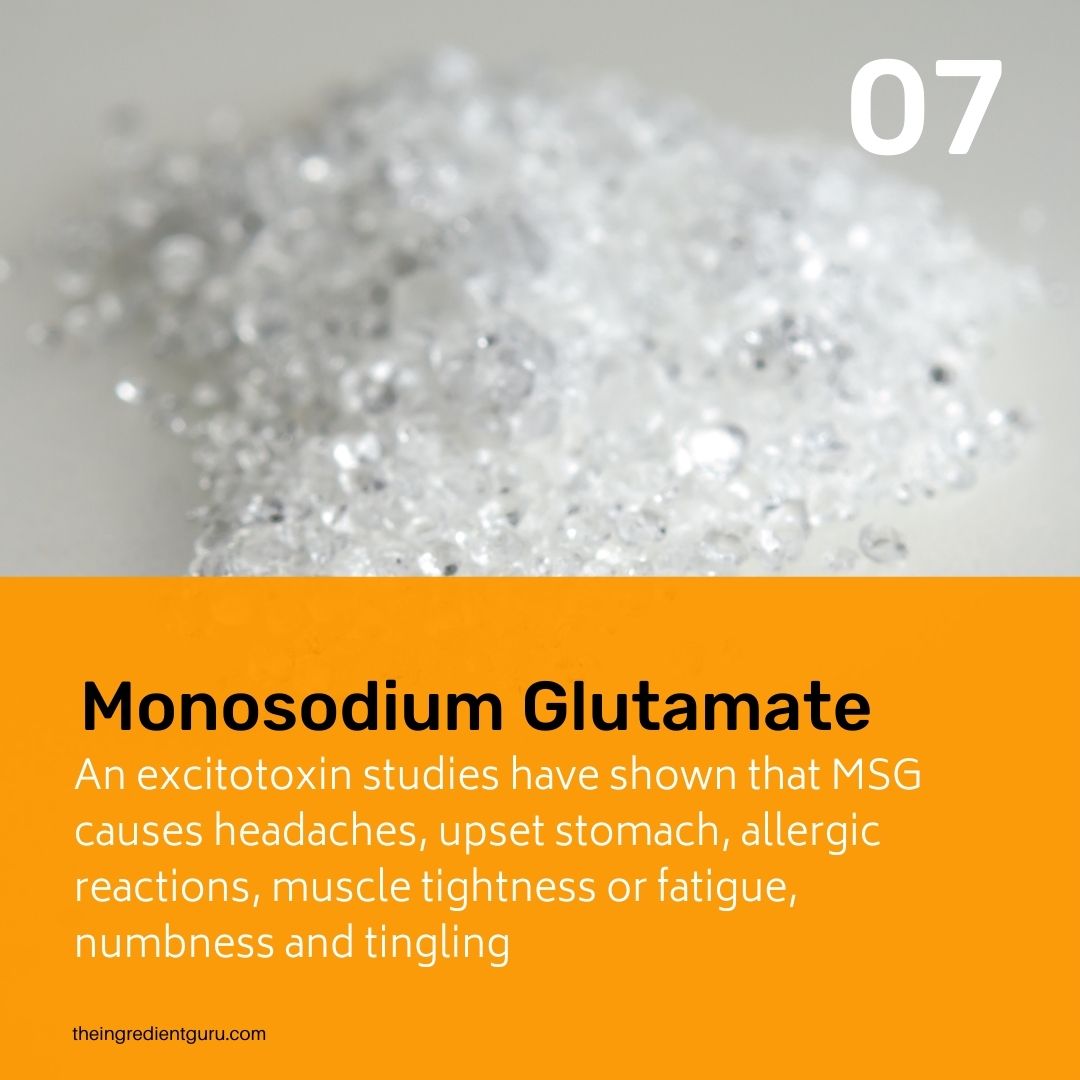
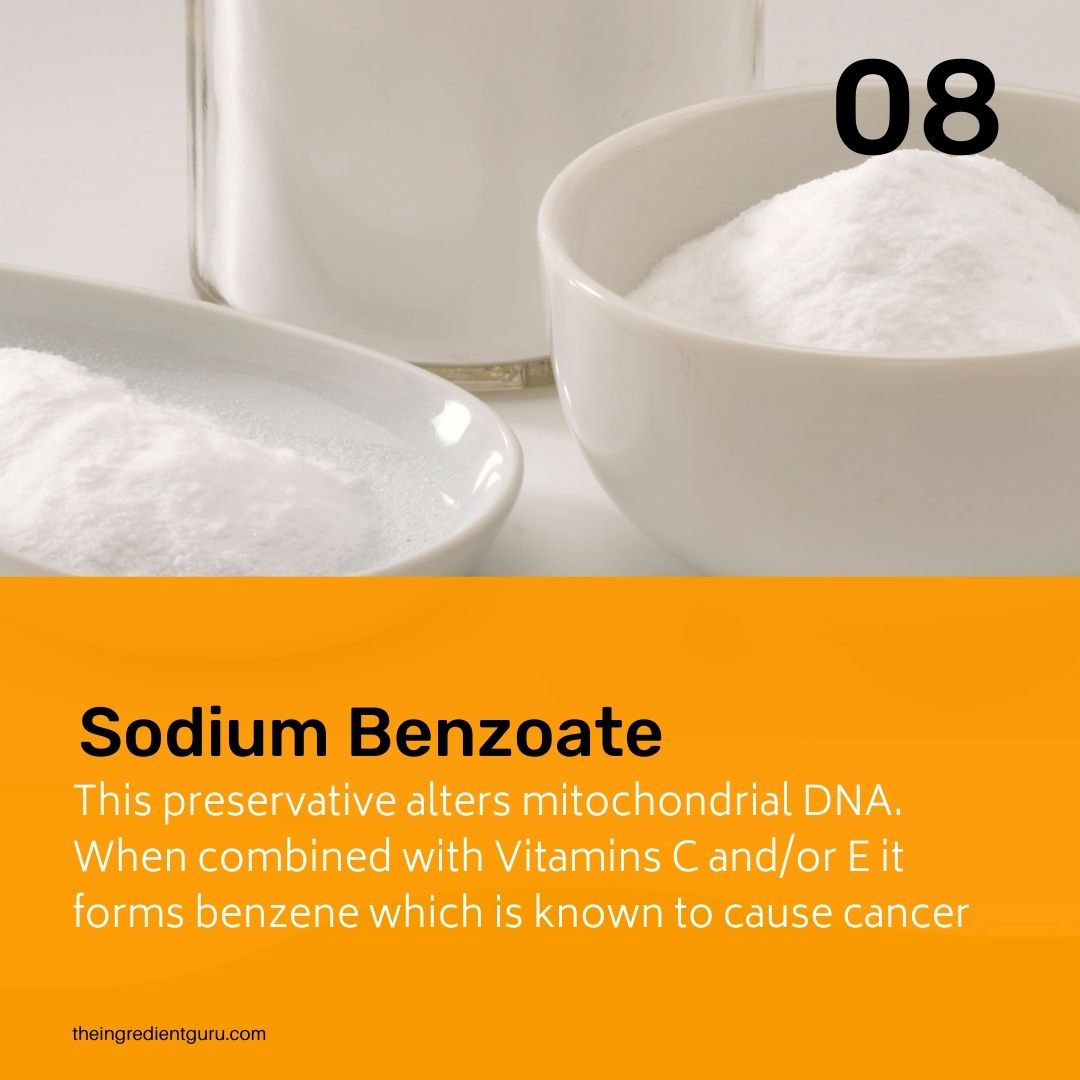
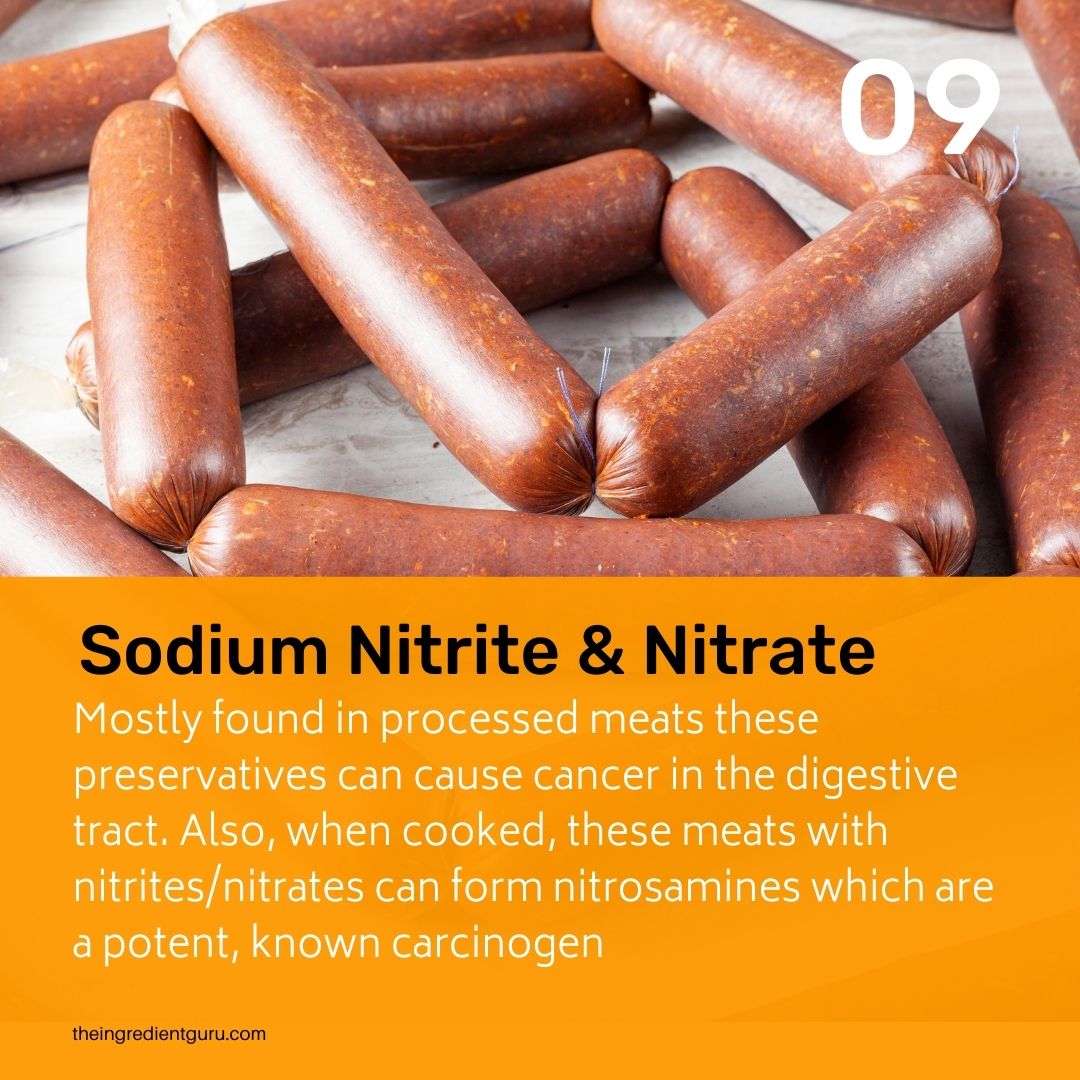
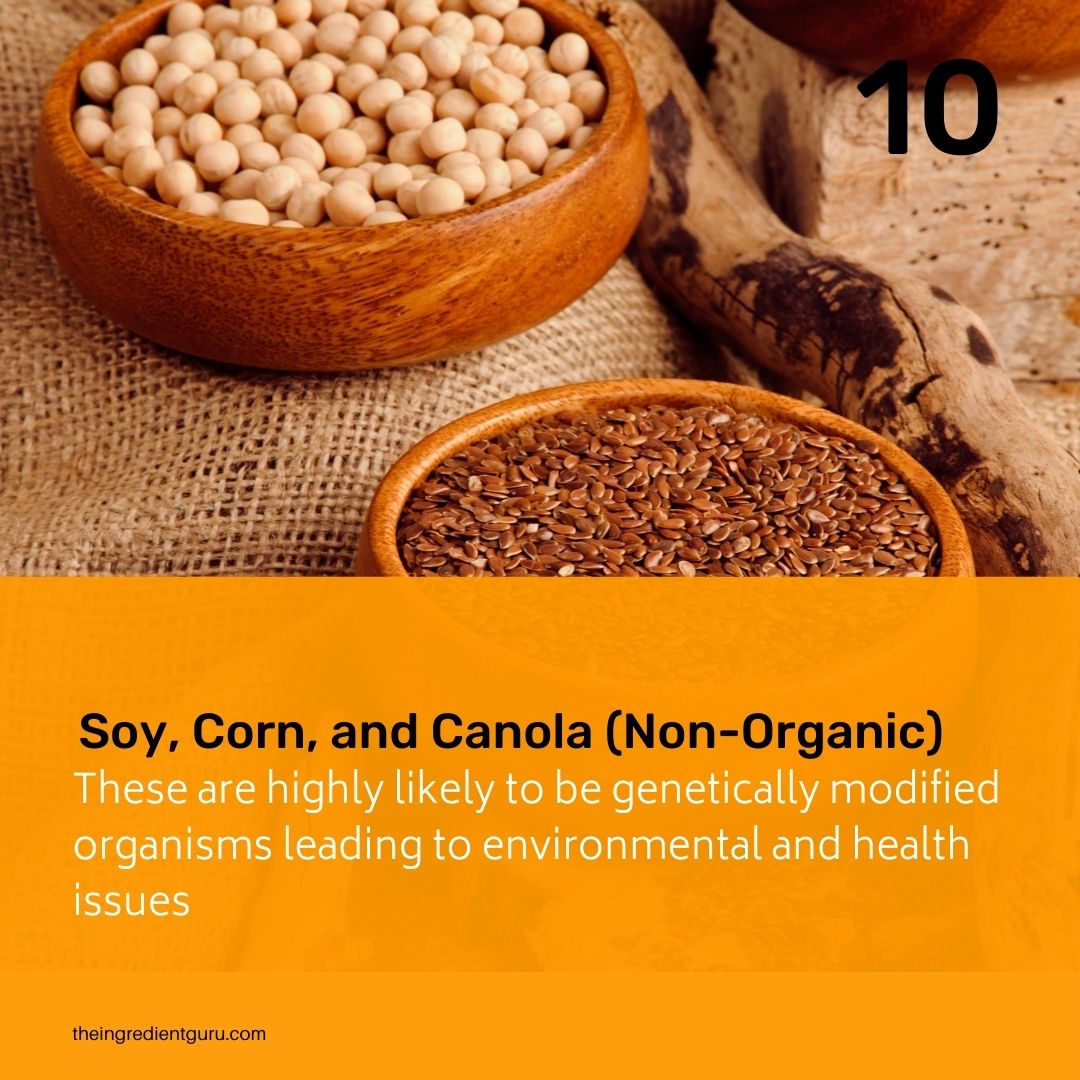
I'm often asked which ingredients we should avoid in our food.  There really isn't a simple answer for that.  I could say all of the fake ones, but that leaves you to decide which ones are fake.  And truthfully some of them aren't "fake", meaning they're not entirely from chemicals.  They're just highly modified.  Either because they've been through some sort of a chemical process to invert, alter, or manipulate their chemical structure to change them significantly from their original form. 

An overview of Splenda (TM)

A perfect example of manipulation is Splenda.  It started out as sugar (which some could argue is highly processed, stripped of all minerals and therefore not a great choice to begin with).  In processing it becomes modified by the addition of sucralose which is made by replacing three hydrogen-oxygen atoms and inserting three chlorine atoms in their place. Because it contains less than 5 calories per serving it's labeled as having no calories.  (A single packet, weighing 1 gram, actually provides 3.36 calories -- a miniscule amount, however this is still misleading labeling).

Unfortunately Splenda (TM) is far from the harmless non-nutritive sweetener that it's advertised to be.  It has been shown to alter intestinal pH and reduces intestinal microflora.  We need a balanced pH for good health.  We also require beneficial levels of bacteria to help support good digestive health.

According to one report published in the Journal of Toxicology and Environmental Health, Part B, there seems to be some evidence that Splenda (TM) may not be as biologically inert as advertised.  It also appears that exposure to high temperatures can cause it to break down into a toxic substance.

Ingredient Overview

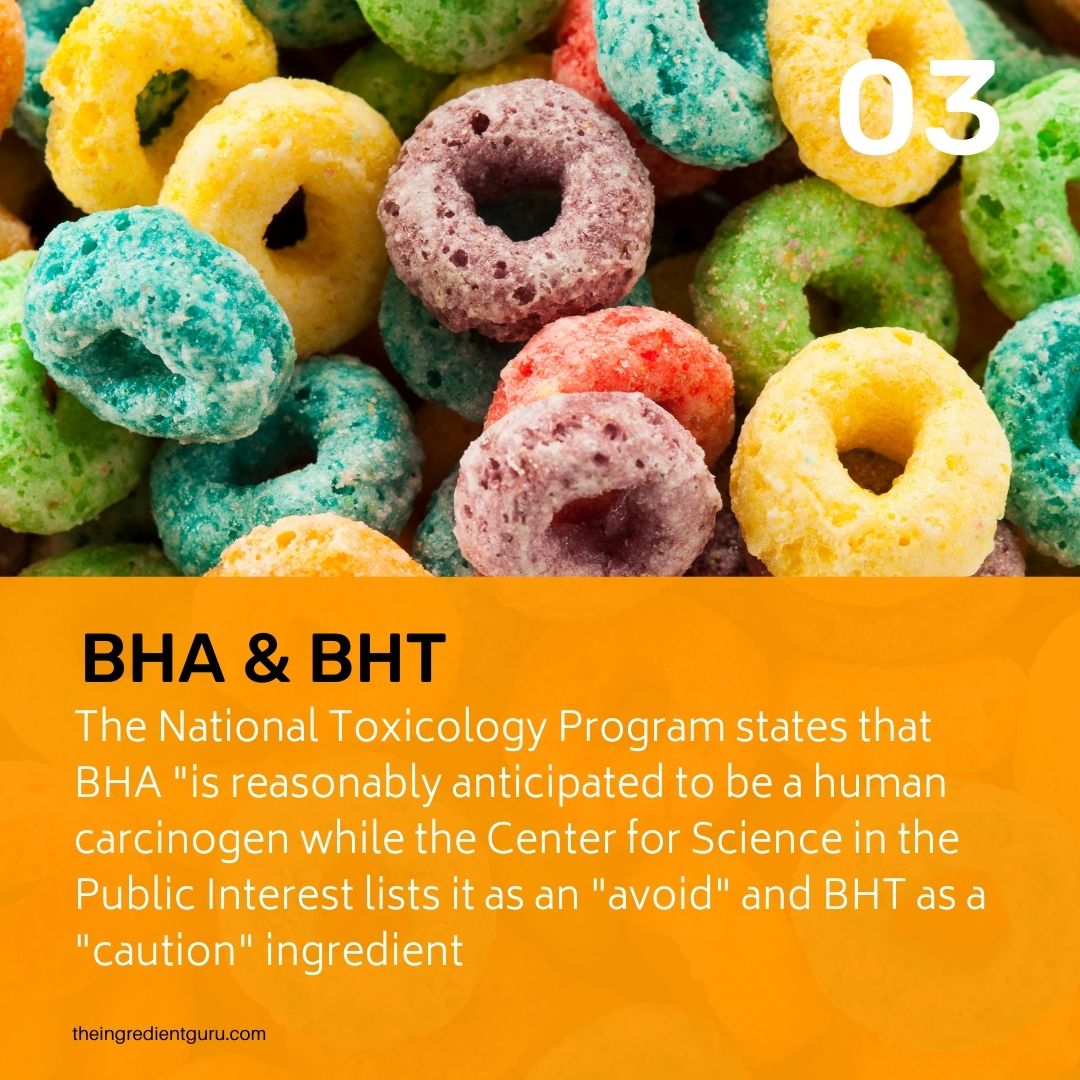
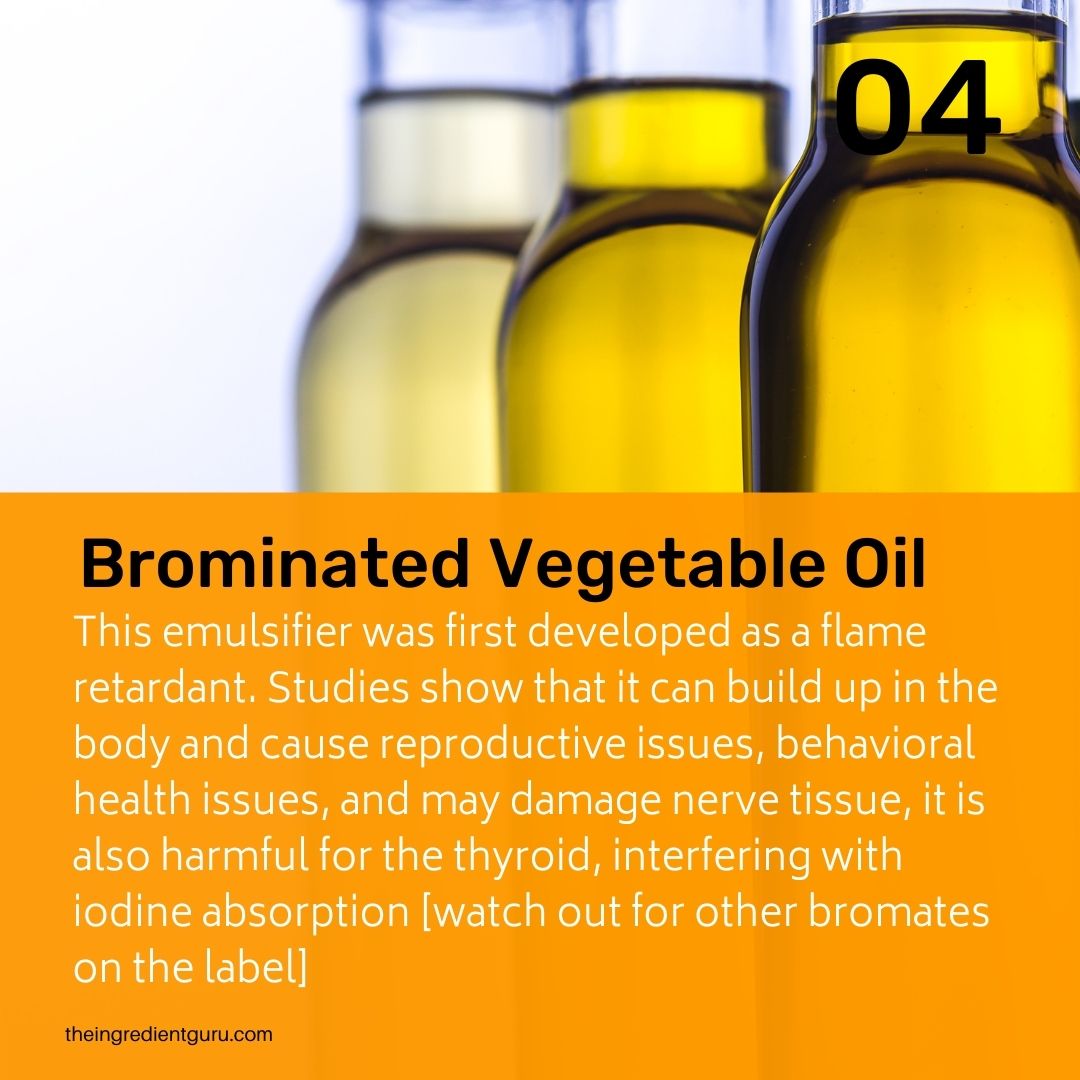
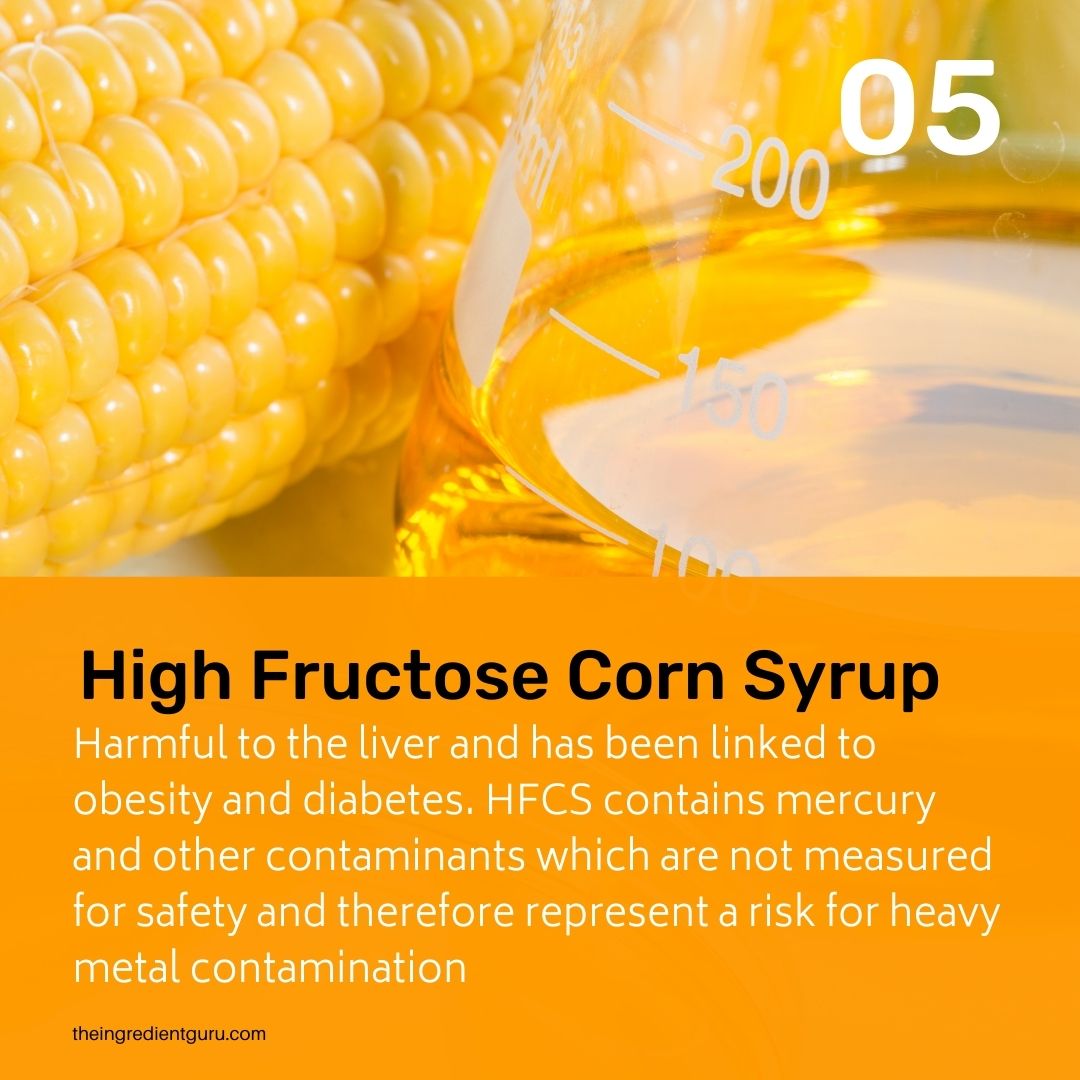
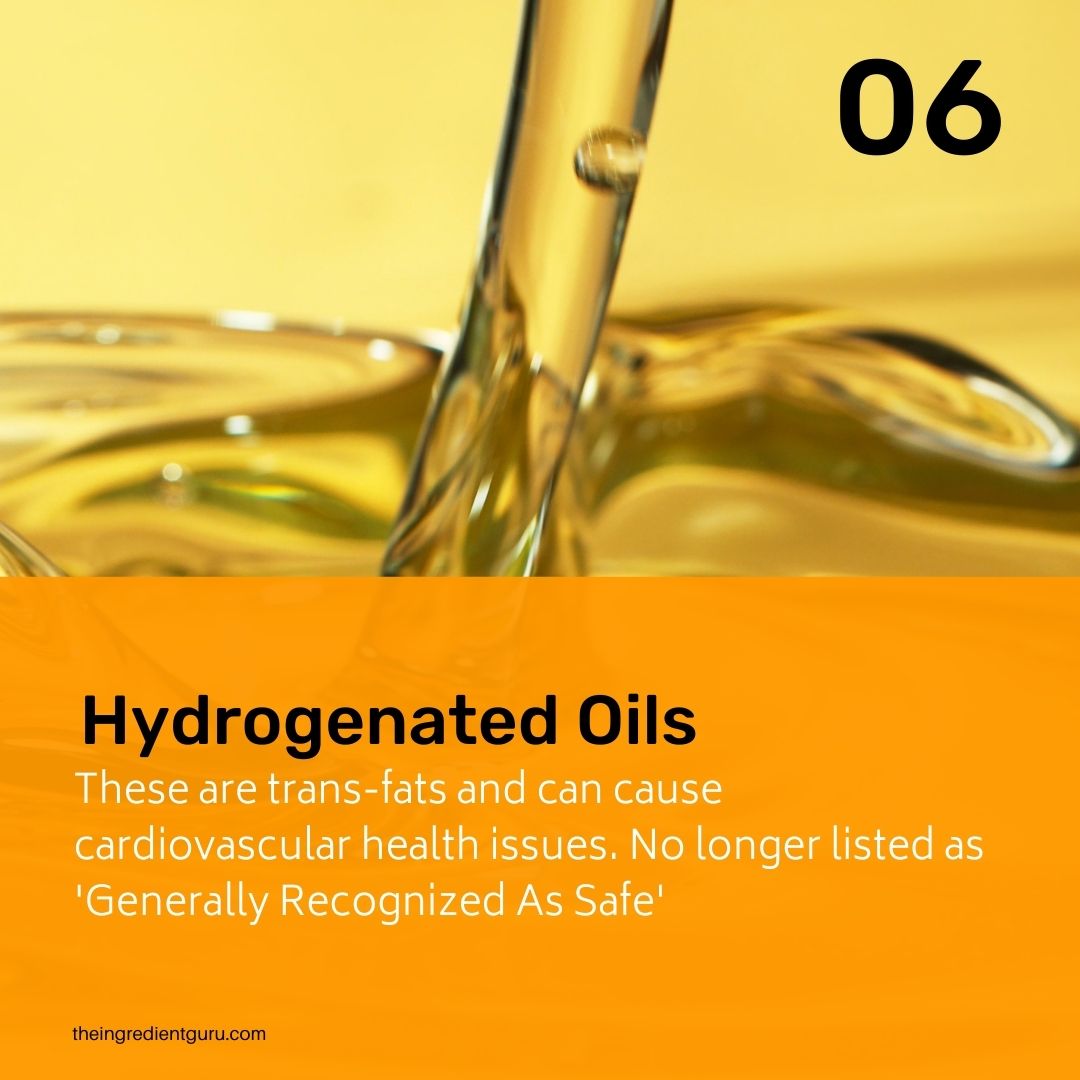
While I frequently write about what ingredients are, where they appear, and other information you need to be aware of in the newsletter, I also recognize that it's helpful to have a "cheat sheet" of sorts to give you an overview and help you break it down a little bit further.  So I've created the infographic below.  These are my top ten "baddies" and the ones that you really want to watch out for.  Print it out, write it down, whatever you need to do to be able to bring this information with you to the grocery store. 

Note: click on each card to zoom in. 

If you're looking for more in-depth information about ingredients your best resource is The Pantry Principle:  how to read the label and understand what's really in your food

For regular, weekly updates on what's going on in the world of food manufacturing and processing be sure to check out my newsletter, Food News You Can Use.

The Myth Of Weight Loss Programs

A new book is out that accuses Weight Watchers of targeting and tricking women.  (This blog post is not meant to be a dismissal of Weight Watchers alone.  It’s more of an observation of the industry as a whole.) In the article the author of the book shares a couple of sobering thoughts:

“I would boldly stand by the claim that health food, today’s health food is worse for you than junk food. It’s usually the same thing; the difference is that no one eats Fritos or Papa John’s thinking it’s good for them.”

“The whole game is about distracting people. It’s kind of like a magic trick. If we’re pointing out to you, “Hey, look over here because it’s low fat!” it’s because we’re distracting you from the fact that it’s high sugar.”

The article essentially boils down to a couple of truths.

  1. Crutch foods don’t teach you how to eat real food – if you’re being taught how to lose weight because you’re buying snacks, meals, and foods from a particular company and you can only buy their products, chances are once you go off that you will gain weight again.  This is because you get stuck in their system, you’re not learning how to nourish your body independent of their products.
  2. You MUST read and understand the label – the article actually encourages people to avoid reading the label. I believe that’s the wrong approach.  Yes, you can be easily mis-lead and manufacturers do manipulate in a number of different ways.  However I believe that if you understand the label and know what you’re looking at, this is your best option to be able to make informed, intelligent decisions about your food.

I know a lot of people who have successfully lost weight with Weight Watchers. Unfortunately I also know a lot of people who have lifetime memberships. If you’ve lost weight that’s wonderful and I’m happy for you. Really I am. But if you’re yoyo-ing and you think it’s your fault I want to tell you you’re really not to blame.  The truth is even though you lost weight on the program, you still haven’t learned how to eat real food.

Another truth? Not everyone who eats real food is super skinny. Thin does NOT equal healthy.  In some cases thin is unhealthy.  That’s counter to what the beauty industry, all those glamor magazines, and the weight loss industry would have you believe.  But I promise you there are people out there who are thin and unhealthy.  What’s more important is to be nourished.  To learn to avoid crappy ingredients, to be healthy in body and mind, and to eat real food.