All posts by Mira


About Mira

Mira Dessy is The Ingredient Guru. A holistic nutrition professional, author, and a popular public speaker, she knows that it's not just what you eat, but what's in what you eat. She is the author of The Pantry Principle: how to read the label and understand what’s really in their food. Dessy is a Board Certified Holistic Health Practitioner whose mission is to educate and empower consumers. She curates the Lean Clean Green Subscription box, the premier, organic, earth-friendly, healthy, sustainable subscription box which can be found online at https://theingredientguru.memberbox.com

Vegetarian Shepherd’s Pie

Seasonal eating

If we choose to eat seasonally (and we should) we need to respect the foods that are available during certain seasons.  That means also paying attention to the needs of our body.  In the cooler months of the year, we are looking for comfort food.  Warming, nourishing foods that are deeply satisfying. Not the lighter, crisper salads and cooling foods of summer. That’s because winter is the settling in and deep, rooted nourishing time of year.  It’s perfect for hearty dishes like Shepherd’s Pie.

The versatility of shepherd’s pie

Shepherd’s pie is a great dish because it is so versatile; a “crust”, a vegetable filling and a mashed root vegetable topping.  It makes a delicious meal served with say, a hearty salad, and a simple millet muffin. The crust can be made with ground meat or you can use a legume base, such as lentils. For the topping potatoes tend to be the most common. But sweet potatoes, a carrot and parsnip combination, or even turnips can be a delicious way to top off the pie.

One of my favorite dishes for this time of year is my vegetarian shepherd’s pie using lentils for the crust.  Because only half of my family are vegetarians, I usually make two pies, one with a ground turkey crust and one with a lentil crust.  This means there are plenty of tasty leftovers to keep everyone happy for a couple of days.

About lentils

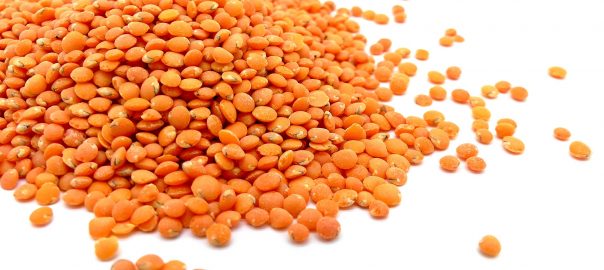
Lentils, (Lens Esculenta), also known in Indian cuisine as dal, are a legume (as are all dried beans and peas).  While most legumes need to be soaked before cooking, lentils are very quick and easy to prepare. 

They come in different varieties, green, brown, black, yellow, orange, and red, although most of us are familiar with the green kind which is easily available.  Lentils are nutrient-dense powerhouses and their nutrition content includes being very high in fiber, folate, tryptophan, and manganese. Their nutrient-rich profile makes them good for healthy bones, fatty acid and cholesterol synthesis, and help stabilize blood sugar among other things.  They are also good sources of protein, iron, and phosphorus, all of which the body needs for bone health.

Cooking with lentils

When cooking lentils it’s important to know that they are often packaged straight from harvest. So they need to be sorted and rinsed before you can cook them. The general ratio for cooking lentils is 1 cup of lentils to three cups of water or nourishing broth.

After cooking it’s best to let them sit for 10 minutes or so to firm up before using in a recipe. Otherwise if you try to use them while they are still warm they tend to get mushy.

If you are using them in a salad, let them cool completely before adding the other ingredients and your dressing.


Vegetarian Shepherd's Pie
Print
Ingredients
  1. 1 cup lentils
  2. 3 cups water
  3. 1/2 C. chopped onion
  4. 1 T. nutritional yeast
  5. 1 T. dried, Kirkland No Salt seasoning
  6. 1 tsp. sea salt
  7. 2 C. lightly steamed or heated veggies
  8. 1 Tbsp GMO coconut aminos
  9. 2 C. mashed potatoes
  10. paprika
Instructions
  1. Lightly grease pie pan
  2. Preheat Oven to 350F
  3. Bring the water to a boil
  4. Add the lentils and the onion, cook on medium for approximately 30 minutes
  5. Remove the lentils from the heat and let sit 10 minutes
  6. Mash together with nutritional yeast, seasoning, and salt
  7. In a lightly greased pie pan, put in the mixture and shape it into a bottom crust
  8. Fill the crust with veggies
  9. Drizzle with coconut aminos
  10. Top with mashed potatoes
  11. Sprinkle with paprika
The Ingredient Guru, Mira Dessy https://theingredientguru.com/


Spicy Millet Muffins
Print
Ingredients
  1. 2 1/4 C gluten free flour baking blend
  2. 1/3 C millet
  3. 1 t baking powder
  4. 1 t baking soda
  5. 1 Tsp fine sea salt
  6. 1 jalapeno seeded and minced fine
  7. 1 T toasted cumin seeds
  8. 2 T toasted pine nuts
  9. 1 C buttermilk
  10. 1/2 C olive oil
  11. 1/2 honey
  12. 1 egg whisked
Instructions
  1. Preheat oven to 400 degrees Fahrenheit.
  2. Oil a 12 cup muffin tray and line the bottom of each with cut parchment paper
  3. Mix all dry ingredients with the jalapeno, toasted pine nuts and the cumin seed.
  4. Mix all wet ingredients together then fold into the dry ingredients until incorporated well.
  5. Fill each cup 3/4 full and bake for approximately 15 minutes.
  6. Let cool and remove from tin.
Notes
  1. You may want to do 2 pans as this recipe makes a little more than a dozen muffins. You can fill the empty muffin tins with water or pie-weights to help make the cooking time a little more even.
The Ingredient Guru, Mira Dessy https://theingredientguru.com/
 
Don’t forget to check out these other delicious lentil recipes:

Word Of The Year: Change

It's the beginning of a new year. As in years past, this shift in the calendar brings up an exercise that I've been doing for several years now. I choose one word to be my word of the year.

What's in a Word?

In previous years I've chosen the words Inspire, Focus, Mindfulness, and Balance. As I've mentioned before, it's not an easy task to take all of your aspirations and goals for an entire year and condense it down into one word. As I go through the process of choosing my word I find that I go through different words. Testing each one to see how it feels and whether I think it's one that can last me for the entire year. 

This is more than just a word. It's my focus for the year. At regular points throughout the year I check-in with myself to see how I'm doing and if what I'm doing is on-track with my intentions for the word I've chosen. The more years I do this the more I realize that there's a bit of a challenge involved.  This year I was tempted to choose a word that I had chosen before. It felt comfortable and, if the truth be told, simpler. But when I sat with the word and really thought about it I realized that I didn't want simple. I wanted the word to represent growth and to be the basis of making a difference.

This Year's Word

The word that I've chosen this year is Change. It feel like a pretty powerful one.

According to the dictionary definition:

change
[cheynj]
verb (used with object)changed, changing.
1. to make the form, nature, content, future course, etc., of (something)different from what it is or from what it would be if left alone: to change one's name; to change one's opinion; to change the course of history.
2.to transform or convert (usually followed by into)
3.to substitute another or others for; exchange for something else, usually of the same kind

Why Change?

So why did I choose this particular word? Well, when I stopped to think about it I realized that it really resonates with me on a number of different levels. The first being, admittedly, the impact on my life after Hurricane Harvey. This has brought about a rather large amount of change. From my housing situation to my office to choices in my daily life. A lot of things have changed. And this is likely to continue for the foreseeable future. And it requires me being open to change on a lot of different levels. Something that most of us don't really like to do. I confess I'm no exception.

When I thought about it a little further I realized that I have a mission for change. My Big Hairy Audacious Goal is to support and educate others to make informed decisions about the food they buy so we can change the paradigm of food production in this country. Slowly but surely it's working. As more people learn about what's really in and on their food, they demand better. In turn, this can and has caused a change in the larger marketplace. We now have a number of major food producers meeting the demands of consumers; removing harmful ingredients and changing their manufacturing processes.

Thirdly, going deeper, I realized I am an agent of change. I am a holistic nutrition professional who helps people find food-based solutions to support chronic health issues. By supporting, mentoring, and encouraging others I give them the tools and information they need to make changes. This, in turn, can have a positive impact (a change) on their nutritional plan and their health. The change comes from within. From my clients and followers making conscious decisions and following through on them. It's powerful and rewarding stuff to see everything that they are doing and I am grateful to be a part of that.

So for better or worse, change is the word of the year. I'm excited to see what lies ahead. I hope you'll join me in chosing a word of your own to create a one word focus for the year.


Favorite Kitchen Tools

Good kitchen tools can help make cooking easy, delicious and fun. I’ve put together a list of a few of my favorites, the ones I find myself reaching for over and over again. Some are new discoveries and some are my dependable old friends.


CHEF’S KNIFE
Everyone needs a good chef’s knife. With an 8” blade and perfectly balanced, this is my favorite and I use it all the time. When I was displaced by Hurricane Harvey for a few months the one thing I missed the most was my knife.
Wüsthof Classic 8-Inch Chef’s Knife

FLEX EDGE BEATER
I love my mixer and all of the attachments that come with it. Especially this scraper mixer blade This is an amazing mixer because it makes short work of beating, mixing, and blending. I even use it to mix my meatloaf.
KitchenAid Flex Edge Beater

IMMERSION BLENDER
This is the handiest dandiest tool in my kitchen. Perfect for making mayonnaise, blending soups and sauces, making applesauce, I also use it for making a bulletproof style boosted tea.
All-Clad Stainless Steel Immersion Blender

CUISINART
My mother bought me one years ago and I remember thinking “What the heck am I going to do with it?” Now I don’t know how I’d live without it. I use it to chop everything, including making chopped salads in the summer.
Cuisinart 14-Cup Food Processor

JULIENNE BLADE
Perfect for making julienned vegetables and especially for ‘zoodling’ zucchini, butternut squash. I’ve even used it to julienne apples for a shredded apple dessert.
OXO Good Grips Julienne Peeler

ECO-FRIENDLY FOOD STORAGE
I’m a big supporter of the movement to reduce plastic, especially one-time use plastic. I do my best to use eco-friendly products. In my kitchen, I’ve moved away from plastic wrap to Bee’s Wrap for food storage. Made of organic cotton, naturally antibacterial sustainably harvested beeswax, and organic jojoba oil that help keep food fresh. Each cloth is washable, reusable and compostable. Even their product packaging is sustainable, made from 100% recycled paper and biodegradable cellulose.
Bee’s Wrap 3-Piece Sustainable Reusable Food Storage

VITAMIX
I Iove my Vitamix. It was an investment for sure, but there’s good reason that foodies, home chefs and restaurant kitchens around the world are loyal to Vitamix. Mine gets used almost every day. Sure, it’s perfect for making smoothies, but it’s also great for blending NiceCream (“ice cream” made from frozen banana), homemade almond milk, coconut whipped cream, soup, and more.
Vitamix 7500

INSTANT POT
I’ve had my Instant Pot for less than a year now, and I really can’t remember what I did without it! It is my absolute favorite tool in the kitchen. Pressure cooking made easy-as-pie (hmmm… pie. I haven’t tried making a pie in my pot yet…)  The ease alone would be enough but Instant Pot takes it even further – a slow cooker, rice cooker, steamer, warmer and sauté pot, and that’s just the 6-in-1 model.  The 7-in-1  also makes yogurt, and the 9-in-1  cooks eggs, sterilizes, makes yogurt AND cake. All this multi-tasking, no hogging my kitchen counter space – it’s a keeper. So I’ve given my Instant Pot it’s very own drawer, to store all its handy accessories.  I have so many favorites I’ve made a favorites list for Instant Pot Tools too. You can read that list here.
Instant Pot

LE CREUSET PAN
I adore my Le Creuset pan. It’s cast iron and enameled. From eggs for breakfast to sautéing veggies for dinner, this pan practically lives on my stovetop because we use it so much.
Le Creuset Signature Iron Handle Skillet, 9-Inch

MANDOLIN SLICER
Fabulous for slicing things at any time of year it’s great for salads, frying, canning, and makes quick work of different cuts for a wide variety of foods
Mueller Austria V-Pro 5 Blade Adjustable Mandolin

SHAMELESS PLUG
If you’re giving gifts for the kitchen this holiday season why not share a copy of my book The Pantry Principle: how to read the label and understand what’s really in your food? This is a fabulous resource to help you learn more about your food, so you can make healthy choices. Available in Kindle or paperback, it’s an essential guide for anyone who eats, in other words, it’s an essential guide for everyone.


Affiliate Disclosure: Recommendations I share on my website may contain affiliate links. If you click through my referral link, at no additional cost to you, I may earn a small commission if you make a purchase. I only recommend products and services I use myself and would share with friends and family. Your purchases from these companies through my links helps me continue to bring you free information on my site.


Ten Tips For A Happy Healthy Holiday

Cultivate Wellness

The holiday season has arrived.  Along with the excitement and anticipation of celebrations we find ourselves surrounded by tempting food choices that we might not otherwise indulge in.  For many these foods seem to bring out self-defeating negative statements. We tell ourselves things like, “I’m cheating” or “I’m so bad” or “I’m probably going to regret this.” Instead of feeding your mind with these negative thoughts consider making a mind shift.  Focus on the company of the people you are gathered with, appreciate the setting, and feed yourself good foods and positive thoughts.

Ten Tips

To help you stay on track and feel great while celebrating the season:

1. Eat breakfast: The most important meal of the day, often we’re tempted to skip breakfast so we’ll be “really hungry” when we get to that big meal or buffet. The roller-coaster effect on your blood sugar may cause you to overeat which adds to weight gain during the holidays. Chose a breakfast that is high in fiber and protein.

2. Eat before the party: Just as you want to be metabolically stable by eating breakfast, you want to have a small snack before the party to stave off any potential hunger that might lead you to make less desirable choices. Snack on something with a little protein like a handful of raw nuts.

3. Start off raw: When arriving at the party or event start by eating a salad or raw vegetables. These foods are high in fiber and very alkaline both of which are beneficial for your body. Just go easy on the creamy, fatty dressings by choosing healthier dressings such as vinaigrette or hummus.

4. Eat slowly: Savor your food and be mindful of what you are eating. The point of the party is to spend time with friends and family; to socialize rather than to stuff yourself. Eating quickly and mindlessly can lead to overeating; savoring your food and taking your time to eat will help prevent this.

5. Avoid sabotage: Frequently at family gatherings you may be encouraged to overeat the family food-pusher asks you to have “just one more” slice of pie, serving of casserole or whatever dish they are promoting. Learning to gently refuse seconds, thirds or more will help you feel better and avoid excess.

6. Size matters: If your host has different size plates available always choose the smaller one. You are more likely to finish your plate no matter what size it is. Using a smaller plate allows you to have more control over your portion sizes.

7. Beware of buffets: When presented with a large array of choices most of us tend to try to take “just a little bit” of everything on the buffet. The problem is that by the end of the buffet line your plate is overfull and you are more likely to overindulge. Successful buffet techniques include looking at the buffet first and choosing those items you really want to eat. Make sure that at least half of your plate is salads, if available, to help cut down on the foods with fatty, rich sauces. Also try to avoid going back for seconds.

8. Don’t deprive yourself: Moderation is key. Allowing yourself to have small tastes of certain foods, especially fatty, sugary desserts can help prevent a deprivation-induced binge. If you put a whole dessert on your plate you’ll be tempted to eat it. Instead cut it in half or quarters and have just those few bites on your plate.

9. Share the wealth: In addition to party invitations many people receive gifts of highly caloric foods like chocolate, candy, cookies, alcohol and more. Sharing them with office mates and others helps remove temptation.

10. Moderate your alcohol intake: alcohol has a lot of calories and can reduce the number of calories that you burn. Alcohol can also increase your appetite, once again leading to overindulgence. To avoid this (and a potential hangover) limit the number of alcoholic drinks and alternate each one with water or sparkling water.

With a little preparation you can successfully make it through the holiday season without regret. Happy Holidays and be well.


Thanks to my friend Melanie Dawson who blogs at Cultivate Wellness for the graphic

Three One-Pot French Dishes Every Cook Should Know

Coq au Vin, Beef Bourguignon and Cassoulet the Ingredient Guru Way

Most classic French dishes are simple, rustic fare prepared well. Dishes such as cassoulet, beef Bourguignon and coq au vin have a gourmet air to them in the States, but in the French countryside, they’re about as common as fried chicken and mashed potatoes are in the American South. And best of all? They require just one pot to make.

Delicious anytime, these dishes are especially warming and nourishing in the Fall and Winter months when we enjoy seasonal foods and hearty dishes. It goes without saying that for optimal nutrition ingredients should be fresh and organic. The better quality the ingredients that you start with the more delicious and nutritious your dish will turn out.

COQ AU VIN

Start to finish: 1 hour, 30 minutes | Prep time: 30 minutes | Servings: 4

Ingredients:

  • 8 bone-in chicken thighs, skin removed
  • Kosher or sea salt, to taste
  • Freshly ground black pepper, to taste
  • 4 tablespoons unsalted butter, duck fat or schmaltz, plus more as needed
  • 2 Spanish onions, roughly chopped
  • 1 medium carrot, roughly chopped
  • 1 medium stick celery, roughly chopped
  • 1 tablespoon all-purpose flour
  • 1 tablespoon tomato paste
  • 2 or 3 cloves garlic, crushed
  • 3 cups button mushrooms, cleaned and stems removed (reserve stems for vegetable stock)
  • 3/4 cup dry red wine
  • 2 cups chicken broth
  • 4 fresh thyme sprigs
  • 2 parsley sprigs
  • 1 bay leaf
  • 1 to 2 tablespoons parsley, freshly chopped

Directions:

  1. Season the chicken thighs to taste with sea salt and freshly ground pepper. Melt 2 tablespoons of butter in a tall, heavy-bottomed pan on the stove over medium heat.
  2. Add the chicken thighs and cook until browned, about 8 minutes. Set the chicken aside.
  3. Add the other 2 tablespoons tablespoon of butter to the pan. Add onions, carrots and celery and cook until softened and lightly browned, about 8 to 10 minutes. Add a little more butter to the pan if needed.
  4. Add the tomato paste, stir everything together and continue cooking until the tomato paste turns a rusty color, about 3 minutes.
  5. Next, add the garlic and mushrooms. Season the mushrooms to taste and cook until most of their water cooks off, about 7 minutes.
  6. Add the wine to the pan while scraping the bottom with a spatula. Add the broth, thyme sprigs, parsley sprigs and bay leaf to the pan. Return the chicken to pan and bring everything to a simmer.
  7. Simmer the coq au vin uncovered until the chicken pulls away freely from the bone, 45 minutes to 1 hour. During cooking, spoon the fat from the surface of the cooking liquid and discard.
  8. Taste the coq au vin and season it as needed with kosher salt and freshly ground black pepper. Garnish with freshly chopped parsley before serving. Pair the coq au vin with a bold, dry red wine and serve over mashed potatoes.


BEEF BOURGUIGNON

Start to finish: 1 hour, 30 minutes | Prep time: 30 minutes | Servings: 4

Ingredients:

4 slices thick-cut, naturally cured bacon, roughly chopped

2 pounds beef chuck, cut into 1-½ inch cubes

Sea salt or kosher salt, to taste

Freshly ground black pepper, to taste

2 Spanish onions, roughly chopped

1 medium carrot, roughly chopped

1 medium stick celery, roughly chopped

2 or 3 garlic cloves, crushed

2 cups button mushrooms, cleaned and stems removed

1 teaspoon flour (gluten free does work here)

1 teaspoon tomato paste

1/2 cup Burgundy or other dry red wine

1 ½ cups beef broth or chicken broth

2 sprigs parsley

2 sprigs thyme sprigs

2 sprigs rosemary

1 bay leaf

1 to 2 tablespoons parsley, freshly chopped

Directions:

Cook the bacon over medium-low heat until the fat renders out, about 12 minutes. Transfer the bacon to a plate lined with paper towels.

Season the beef to taste with sea salt and freshly ground black pepper. Increase the heat to medium and brown the beef in the rendered bacon fat. Set the beef aside.

Add the onions, carrots and celery to the pan and cook until softened and lightly browned, about 8 to 10 minutes. Add the garlic and mushrooms to the pan.

Cook the garlic and mushrooms until most of their water evaporates, about 7 minutes. Add the flour and tomato paste to the vegetables and stir to coat. Cook until the tomato paste turns a rusty color, about 3 minutes.

Add the wine to the pan while scraping the bottom with a spatula. Add the broth, thyme, parsley, rosemary and bay leaf to the pan and bring everything to a simmer.

Return the beef to the pan and cover. Turn the heat on the stove to low and cook until the beef is tender, at least one 1 hour. Spoon the fat from the top of the cooking liquid as needed.

Garnish the beef bourguignon with freshly chopped parsley. Pair the dish with your favorite Burgundy and gluten free noodles (my favorite is Jovial tagliatelli).


Cassoulet

Start to finish: 1 hour, 30 minutes | Prep time: 30 minutes | Servings: 4

Ingredients:

  • 2 teaspoons bacon fat, schmaltz or duck fat
  • 2 medium onions, roughly chopped
  • 1 carrot roughly chopped
  • 2 or 3 cloves garlic, minced
  • 1/4 pound naturally cured kielbasa, thinly sliced
  • 2 ¼ cups plum tomatoes, roughly chopped
  • 1 cup chicken broth
  • 1/2 cup dry white wine
  • 3 ½ cups Great Northern beans, cooked to al dente, or 2 cans Great Northern beans
  • 1 ½ cups skinless chicken breasts, diced
  • 1/2 tablespoon fresh thyme, chopped
  • Sea salt or kosher salt, to taste
  • Freshly ground black pepper, to taste

Directions:

  1. Heat the fat in a large pan on the stove over medium heat. Add the onions and carrots and cook until softened, about 7 minutes. Add the garlic.
  2. Continue cooking until aromatic with garlic, about 3 minutes. Add the kielbasa and cook until browned, about 5 minutes.
  3. Add the tomatoes, broth, wine, beans, chicken and thyme. Bring the cassoulet to a simmer.
  4. Simmer the cassoulet until thickened, about 40 minutes. Season to taste with salt and pepper and garnish with freshly chopped parsley, if desired.


How To Get More Veggies Into Your Diet

Vegetables and whole foods are classic ingredients for a healthy diet. Most of us do not eat nearly enough, leaving us deficient in fiber and important nutrients. Integrating vegetables into daily recipes and menus for a family can be challenging if you’re used to the standard meat-and-potatoes diet. Here’s how to liven up your mealtimes with vegetables and whole foods that everyone will enjoy.

Make Superb Soups

Soup is cheap and very easy to make. When made with bone broth it’s even better because the broth adds vitamins and minerals to the soup. Blending in a variety of vegetables is an ideal way to get more vitamins into your diet. Soups are great for using up old vegetables, and they also freeze well. Mix in a few extra lentils to bulk out the soup, and you have a hearty meal full of goodness on a cold day.

One-Pot Wonders

A one-pot meal is perfect for a supper dish, and adding vegetables is an excellent way of getting more fiber and vitamins in the diet. Try a tasty stew or curry which are simple to put together. Or, go for a Moroccan tagine, which is bursting with flavors and has dried fruits as well as vegetables within the dish. Don’t forget to make double portions so you can freeze the surplus, saving you time in the kitchen.

Make a Colorful Plate

One of the great things about vegetables is the color. Instead of a meat and potato-colored plate of food, go for a variety of colors in the meal. You can even get kids to eat as many different colors as they can. Salads also look great with colorful vegetables, such as red radishes and tomatoes, yellow pepper and orange carrot. Add quinoa as a protein accompaniment, and you have a nutritious meal.

Get Organized with Packed Lunches

Being prepared with packed lunches saves money and avoids snacking on sugary food. Store lunches in the refrigerator overnight and take them to work or school the next day.  Pack the portions into lunch boxes and you have a cheap lunch full of vegetables to enjoy. Alternatively, chop some celery, carrot, and pepper the evening before and use them in a hummus dip for lunchtime. You can add grated carrot or chopped celery to a sandwich and take some vegetable sticks to work as a snack to enjoy on a break. If you take a salad to work, consider making a salad in a jar for a quick and easy delicious lunch that’s got a lot of veggies.

Salad In A Jar
Print
Ingredients
  1. 1-4 T. dressing (lemon juice and extra virgin olive oil plus herbs is great)
  2. Then firm veggies (carrots, celery, jicama, etc)
  3. Then proteins (tuna, cooked egg, diced leftover chicken, etc)
  4. Then soft veggies (zucchini, avocado, cucumbers, etc)
  5. Then nuts and seeds salad greens (add a lot, stuff them in there)
  6. To serve the salad turn it over back and empty it onto a plate or into a bowl
  7. Dressing will wind up on top, coating your salad.
Instructions
  1. These can be made 3-5 days worth at a time for a quick grab-and-go lunch
The Ingredient Guru, Mira Dessy https://theingredientguru.com/


Have a Meat-Free Day

Going at least one day a week without eating meat allows you to be creative with using a variety of vegetables and whole foods. A vegetable curry can be made with carrot, eggplant, and other vegetables but can be bulked out with chickpeas or lentils. Try a stir-fry with corn, mushrooms, and peppers or create a tasty salad with whole grains and a variety of vegetables.

Create Some Juices

Vegetables in juices can taste surprisingly good and are an excellent way to increase your vitamin uptake. They can be mixed with fruits or combined with other vegetables to make a variety of drinks. Try mixing kale or carrots to create a range of colorful juices to enjoy with breakfast. While there is some controversy over the juicing versus smoothies issue I believe there’s room for both. Juicing can add a lot of enzymes and nutrients to the diet, especially beneficial when you’ve been eating away from home or “off plan.” 

Grow Your Own

One of the best ways to get kids and fussy eaters to eat more vegetables is to get them to grown their own. Salads, tomatoes, beans and many other vegetables can be grown in just a few square feet of dirt. Many can even be grown in a pot for container gardening. Adding a few herbs gives you a choice of flavors for salads and cooking. Anything homegrown is sure to look good on a plate and taste even better.

By taking a few simple steps your vegetable intake will increase with very little effort and you’ll enjoy some fabulous flavors.

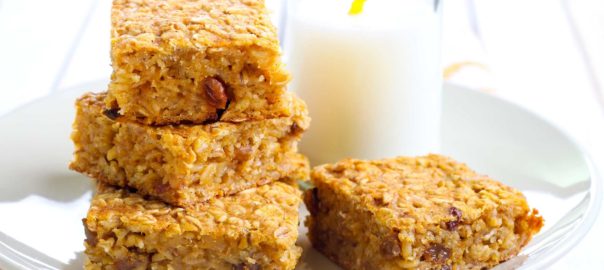
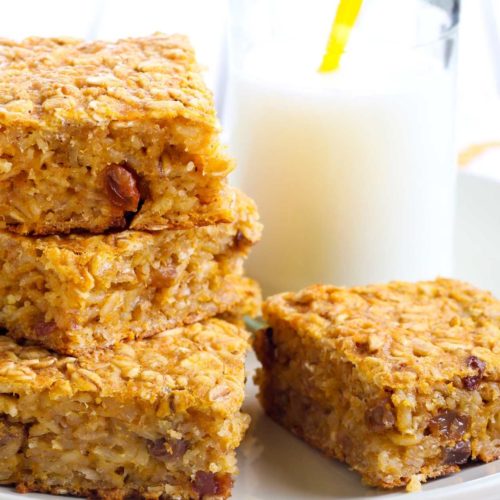
Pumpkin Oat Breakfast Bars

My friend Erin recently shared this delicious recipe for a great on-the-go-snack bar. With pumpkins in season, it's easy enough to make your own puree. If you don't have the time or inclination to make your own, the canned stuff works just fine. A couple of words of caution, however, when choosing canned pumpkin:

  • It's best to use a brand that has a BPA free lining
  • Organic pumpkin is preferred
  • I highly recommend that you read the label and make sure that you are getting only 100% pumpkin. You don't need all those other ingredients.

These breakfast bars are fabulous for a quick breakfast, perfectly portable if you need to have breakfast on-the-go. And so tasty that they also make a great snack. If you'd like, add a serving of protein powder to make your bars even more nutritious. If you do add the protein powder you may find that you need just a Tablespoon or two of water so the mix isn't too dry.

Pumpkin Oat Breakfast Bars

Ingredients
  

  • 3/4 cup pumpkin purée
  • 2 eggs
  • 1/4 cup organic butter or ghee at room temperature
  • 1 large or 2 small ripe bananas
  • 1/4 cup honey
  • 2 cups rolled oats (not the quick cook variety)
  • 1/2 cup pecans, chopped (you can also use walnuts or sunflower seeds)
  • 2 Tbsp shredded coconut, unsweetened
  • 1/4 cup oat bran (optional)
  • 1/2 tsp cinnamon, ground
  • pinch of Celtic sea salt
  • 1 Tbsp grated orange rind
  • 1/4 cup dried currants
  • 1/4 cup dried blueberries

Instructions
 

  • Measure out the 2 cups of oats and pour just enough warm water over them to cover them
    Soak for about 5 minutes while you’re mixing up the wet ingredients
    In a mixing bowl, stir together the pumpkin, eggs, butter or ghee, honey, and banana
    You may want to mash the banana before adding to the bowl if it's not really soft
    Before adding the oats, drain them well
  • Add the oats, nuts, coconut, oat bran, cinnamon, salt, orange rind, currants, and blueberries, and stir until ingredients are well combined (this step is where you would also add the protein powder, if using)
    Spread mixture into a lightly greased (butter, ghee or coconut oil) pan so the batter is no more than an inch or two deep. An 8” x 10” baking dish works well
    Bake in a 350 degree F. oven for 40-50 minutes, or until golden brown
    For very crisp bars, remove from the pan and cool completely on a wire rack
    Cut the bars when cool 

Terrific Health Benefits Of Turmeric

Officially known as Curcuma longa, turmeric is an herb that has been used for thousands of years. You can use this incredibly tasty spice with a variety of foods and it even provides several important health benefits.

What Is Turmeric?

Native to India and related to the ginger plant, turmeric is the primary spice used in the Indian dish known as curry. Often available at ethnic grocery stores, sometimes at larger traditional grocery stores, it’s best to use turmeric when it’s fresh since the essential oils are more powerful. Fresh turmeric, however, doesn’t last long and must either be consumed quickly, frozen, or made into powder form.

Health benefits of turmeric

Turmeric provides several incredible health benefits and may play a part in preventing many diseases. The bioactive compounds, called curcuminoids, are largely responsible for the health benefits of turmeric:

  • natural anti-inflammatory properties
  • highly antioxidant
  • improves brain function
  • may lower the risk of cardiovascular disease
  • may potentially help prevent certain cancers
  • when applied in paste form may help promote the healing of wounds and bruises

Tasty ways to use turmeric

Most often we think of turmeric as it is used in curries, but there are many ways to enjoy it. Incorporating healthy ingredients into scrambled eggs or a tasty frittata is easy when you add turmeric. It works well with nearly all types of veggies, particularly cauliflower. Rice, stews, soups, desserts, and tea are all delicious when turmeric is added to the recipe. Turmeric is even used in juices and different types of smoothies.

Turmeric is an incredible herb that can be used fresh or in powder form. It offers a rich, distinct flavor to dozens of dishes and may be instrumental in preventing many serious health conditions. Keeping fresh or powdered turmeric in the kitchen is a great way to add rich flavor to foods you enjoy while providing many potential health benefits.


Mushroom Curry
Print
Ingredients
  1. 1 cup coconut milk
  2. 2 roma tomatoes, diced (keep liquid)
  3. 1/2 tsp turmeric powder
  4. 1 1/2 tsp coriander powder
  5. 1 tsp grated fresh ginger
  6. 1/2 tsp fresh ground black pepper
  7. 4 coves garlic, minced
  8. 1 medium onion, diced
  9. 2-4 tbsp coconut oil
  10. 2 large portobello mushrooms, diced bite size
  11. 2 zucchini, diced bite size
  12. 2 yellow squash, diced bite size
  13. 2 cups snap peas diced
  14. 1 bell pepper, diced
  15. 1 eggplant diced
  16. 1 tsp sea salt
  17. 2 tbsp cashews, divided
  18. 2 tbsp cilantro, minced
Instructions
  1. Mix together cumin, coriander, turmeric, and black pepper and set aside
  2. Place eggplant into a bowl and sprinkle with salt to sweat
  3. Set aside to sit for one hour, rinse before using
  4. Add 2 tbsp coconut oil to pan
  5. Add onion and saute until starting to soften
  6. Add garlic and ginger and cook 2 minute
  7. Add spices and stir well for 1 minute
  8. Add tomatoes and liquid
  9. Add mushrooms and stir well, cook 1-2 minutes, add more coconut oil if needed
  10. Add vegetables and cook 2-3 minutes
  11. Add coconut milk, bring to a boil, reduce heat, cover and simmer 15 minutes or so until vegetables are tender
  12. Add sea salt
  13. Serve over basmati rice
  14. Garnish with cilantro and cashews
  15. Top with quick mango pickle if desired
Adapted from Curry In A Hurry
The Ingredient Guru, Mira Dessy https://theingredientguru.com/


Quick Mango Pickle
Print
Ingredients
  1. 3 ripe but firm mangos, peeled, seeded, and diced
  2. 1/2 tsp turmeric powder
  3. 1/2 tsp paprika
  4. 1 clove garlic, minced
  5. 1/2 tsp sea salt
  6. 2 tbsp coconut oil
  7. 1/2 tsp mustard seeds
  8. 1/2 tsp urad dal
  9. pinch chili powder
  10. 1 tbsp apple cider vinegar
Instructions
  1. heat oil
  2. add mustard seed and urad dal and cook 1 minute
  3. add garlic and cook 1minute
  4. add turmeric, paprika, and chili powder, stir well
  5. reduce heat
  6. add mango and vinegar, cover and simmer on low 20 minutes or until soft and well combined
Notes
  1. keeps well in the fridge for 2-3 weeks
Adapted from India Today
The Ingredient Guru, Mira Dessy https://theingredientguru.com/

 
Sources:

Grover, A.K. and Samson, S.E. Benefits of antioxidant supplements for knee osteoarthritis: rationale and reality. Nutr J. 2016; 15: 1.nPublished online 2016 Jan 5. 

McClees, Heather. One Green Planet. How to heal cuts and wounds with turmeric. 2017 Feb 8.

Nagpal, M and Sood, S. Anti-inflammatory and Anti-oxidant Properties of Curcuma longa (Turmeric) Versus Zingiber officinale(Ginger) Rhizomes in Rat Adjuvant-Induced Arthritis. J Nat Sci Biol Med. 2013 Jan-Jun; 4(1): 3–7.

Ramirez-Tortosa, M.C., et al. Oral administration of a turmeric extract inhibits LDL oxidation and has hypocholesterolemic effects in rabbits with experimental atherosclerosis. AtherosclerosisVolume 147, Issue 2, December 1999, Pages 371-378.

Shanmugam, M.K., et al. The Multifaceted Role of Curcumin in Cancer Prevention and Treatment. Molecules 201520(2), 2728-2769.


What Is Leaky Gut?

You may never see the term “leaky gut” on a hospital chart.  That’s not because it isn’t real or acknowledged by the functional medicine community. Leaky Gut Syndrome, sometimes referred to as Intestinal Permeability, is a term used to describe a set of symptoms that have an undiagnosed cause. It can be challenging to get your doctor on board when you have the symptoms. This is due to the fact that there are no specific diagnostic criteria for leaky gut. Plus identifying the cause is not always easy. That can leave you struggling to find answers, much less a solution. The good news is that there are ways to combat leaky gut syndrome.

Symptoms of Leaky Gut Syndrome

Leaky gut syndrome can have a lot of symptoms, though all of them are a result of the digestive organs. The most common symptoms include:

  • Gas
  • Bloating
  • Cramps
  • Aches and pains
  • Food sensitivities

The first four symptoms often point toward a food sensitivity that may be triggering the other symptoms. Many doctors fail to find the reason why. Why do you have these symptoms after eating gluten, large amounts of fat, red meat, or whatever your triggering food or ingredient happens to be? Research hasn’t caught up to the symptoms, but many doctors acknowledge that there must be some underlying cause for food sensitivities. Until mainstream medical care catches up, you can still mitigate your symptoms by avoiding foods that trigger a negative response.

Identify Your Food Sensitivities

If you want to say goodbye to the worst of your leaky gut symptoms, you need to know what is causing the reaction. One common starting point is to implement an Elimination Diet. Eliminations diets usually remove the seven most common food allergens–corn, eggs, soy, wheat/gluten, nuts, fish, and dairy. You’ll also avoid added sugars and processed foods where possible. You want to follow this dietary plan for approximately 6-8 weeks.  One issue with an elimination diet, however, is that you might not find everything. As you start adding foods back in on a weekly basis, you could be missing delayed reactions or attributing them to the wrong foods. An elimination diet also does not easily identify additives or environmental exposures that can be contributing to the issue.

A simpler way to identify food sensitivities is to use testing such as a Delayed Allergy Test (LRA) by Elisa ACT. Through blood draw and analysis, the LRA test identifies all three of the different reactions to food sensitivities on as many as 505 distinct items. It includes foods, food additives, toxic metals, molds, and environmental chemicals. That means that even if you don’t notice a reaction, the test will. That’s really good news when you have delayed reactions that can be easily overlooked or attributed to a different cause.

Control Your Symptoms Through Diet

Once you know which foods trigger your sensitivities, you can just avoid them, right? Unfortunately, it’s not really that easy. Simply knocking food items off of your grocery list can leave you with an increased risk of developing new sensitivities. This is because you often wind up substituting something you’re sensitive to for a new food and then eating large amounts of that food.  A common example is people who choose a gluten-free diet and then start to consume large amounts of corn or rice starch.  They then find out six months down the road, when they retest, that they have now developed a sensitivity to corn or rice.

Rotation diets can help you handle this issue. Following a four-day plan, you eat foods on a strictly controlled schedule. By limiting exposure to proteins so you only consume them once every four days, you reduce the likelihood of developing new sensitivities or intolerances. This is one of the biggest benefits to the rotation diet. The last thing you want is to develop an endless cycle of additional allergies.

Additionally adding in functional foods, where allowable, such as bone broth and lacto-ferments can help support good gut health. Lacto-ferments can include kombucha, kefir, and lacto-fermented vegetables such as kimchi.  Increasing collagen peptides in the diet is also supportive as this is very healing for the gut.

Get On Board With Treatment

There is no cure for leaky gut syndrome, primarily because there is no single cause. Those with celiac, Crohn’s, IBS, or several other autoimmune disorders can have many of the same symptoms. Your gut is the heart of your immune system. When it isn’t working properly, you are more vulnerable to disease and other illnesses. A leaky gut can leave you feeling generally worn down, and causes can range from poor stress management to diagnosable diseases. When you can’t find the cause, you should still work toward mitigating your symptoms. Run the tests and come up with a nutrition plan and rotation diet that works for you.

Our suggestion is to run an LRA test and come up with a nutrition plan and rotation diet that works for you. It’s important to remember that the more compliant you are with your new nutrition plan, the more effective these changes are going to be when it comes to improving your gut health. Strict elimination, combined with good nutrition and gut support, can often be very helpful in reducing or removing the uncomfortable symptoms that lead you to test in the first place.


no flour GF cookie dough

No-Flour Cookie Dough

Remember when you were a teenager and you’d get together with your friends to make cookies? And you wound up eating half the cookie dough before you even got the first batch out of the oven? Okay, well maybe that was just me, but it sure was tasty.

Don’t eat that

Fast forward a few years and all of a sudden we were being told not to eat cookie dough because it contained raw eggs and those could be a source of salmonella poisoning. I’ll confess that when I was a kid I ate it anyway because I loved it so much. But then when I had kids I wouldn’t let them eat it because somehow it was okay if I got sick but not if they did.  So I figured out how to make cookie dough without the eggs.

Then we were told not to eat any raw cookie dough (even without the eggs) because raw flour could be a source of e. coli. That was a bummer. It was also the end of the raw cookie dough in our house.

Going gluten-free

Over time I changed my diet, going gluten-free and reducing the amount of sugar and sugary foods I ate. Giving up the cookies wasn’t too difficult. It turns out that as good as I am at baking regular bread, cakes, and cookies, when it came to gluten-free it was more of a challenge. One that for the most part I wasn’t interested in trying to figure out. It was easier to give it up or to buy what I wanted from the Gluten-Free Sourdough Company.

In spite of making healthy changes, I confess that every now and then I’d have a secret, sneaky craving for cookie dough. Then one day I was having a conversation with my sister-in-law who told me about a raw cookie dough recipe she had eaten that was made with chickpeas and peanut butter. She couldn’t find the recipe but just knowing it was made with chickpeas was enough to get me started. I began to experiment and eventually hit on the recipe listed below. 

The day I came up with the final version my editor for my book The Pantry Principle was visiting. She wanted to know what I was making. I told her it was a healthy version of raw cookie dough and offered her a spoonful right out of the Cuisinart. She loved it! We both dove in with spoons, it was kind of like a return to my high school days.

Cookie dough is popular again

Fast forward yet again and once again raw cookie dough seems to be a big thing. There are companies, cafes, and cookie dough bars opening all over the country. The Minnesota State Fair has even added raw cookie dough to the list of foods available at the fair. I imagine it won’t be long before other state fairs follow suit, I fully expect to see it at the Houston Livestock and Rodeo Show next year. The problem is that what’s available commercially seems to be made with regular flour (making it a non-option for those who need to eat gluten-free). Commercial options are also high in sugar and definitely, need to be consumed in strict moderation. What I love about my recipe is that because it’s made with chickpeas it’s got some protein. Don’t get me wrong, it still has sugar (especially in those chocolate chips), but I’ve cut the sugar down to as little as possible making this an option that is as healthy as I think I can make it. 

If you’re seeing news blurbs about cookie dough and feeling a sense of nostalgia (and a desire to make cookies just so you can eat the dough) consider making my No-Flour Cookie Dough. Just be aware that this recipe does not bake into cookies, it’s meant to be enjoyed raw.

No-Flour Cookie Dough
Print
Ingredients
  1. 1 can chickpeas, drained
  2. 1/2 cup creamy almond butter
  3. 1 tablespoon evaporated cane juice
  4. 1 tablespoon maple syrup
  5. 1 teaspoon vanilla extract
  6. generous pinch sea salt
  7. 1/2 cup chocolate chips
Instructions
  1. Combine first five ingredients in food processor until mixed well
  2. Scoop into a bowl and add chocolate chips by hand
  3. Spoon into ramekins or mini-muffin cups and chill 2 hours before serving
  4. -- or enjoy with a spoon straight out of the bowl 😉
The Ingredient Guru, Mira Dessy https://theingredientguru.com/