All posts by Mira


About Mira

Mira Dessy is The Ingredient Guru. A holistic nutrition professional, author, and a popular public speaker, she knows that it's not just what you eat, but what's in what you eat. She is the author of The Pantry Principle: how to read the label and understand what’s really in their food. Dessy is a Board Certified Holistic Health Practitioner whose mission is to educate and empower consumers. She curates the Lean Clean Green Subscription box, the premier, organic, earth-friendly, healthy, sustainable subscription box which can be found online at https://theingredientguru.memberbox.com

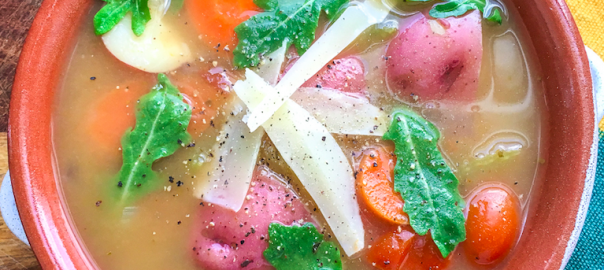
Summer Vegetable Soup - The Ingredient Guru Recipe

Instant Pot Summer Vegetable Soup

I love my Instant Pot

Ever since I got an Instant Pot® (IP) it has become my favorite appliance. I use it so much that I got tired of dragging it up from the cupboard under the counter and now it lives on my kitchen counter full-time.  It gets used regularly for a wide variety of dishes.  That includes for summer meals. 

Just because it’s summertime doesn’t mean that we should not eat soup. And while there are lots of delicious cold summer soups, like this amazing gazpacho, even hot soups can be a wonderful summertime dish because they take advantage of the season and what’s fresh.  Of course just because we want to enjoy summer soups, doesn’t mean we want the heat and humidity in our kitchen that comes along with cooking soup. That’s where the instant pot is such an amazing kitchen tool. it takes so much less time and therefore adds less heat to the kitchen.

This recipe is so quick and easy to put together that it’s sure to become one of your summertime (or anytime) favorites. And one of the best things about it is that it’s actually a pretty flexible recipe. Don’t have green beans? Use lima beans.  Or asparagus. Don’t have zucchini, add mushrooms. You really can add a wide variety of vegetables to this.  (pssst…I’ve sometimes been known to clean out my crisper drawer by simply throwing a bunch of veggies into the instant pot, following the general proportions of this recipe, adding bone broth, herbs, and letting the IP do it’s magic.)

Instant Pot Summer Vegetable Soup
Print
Ingredients
  1. 1 tablespoon extra virgin olive oil
  2. 3 cloves garlic, minced
  3. 4 large stalks celery, chopped
  4. 4 large carrots, sliced
  5. 1 medium red onion, chopped
  6. 1 cup green beans, cut into pieces
  7. 1 cup zucchini or summer squash, diced
  8. 8 cups bone broth
  9. 1 pound red potatoes, quartered
  10. 1 teaspoon fresh rosemary, minced
  11. 1/2 teaspoon fresh thyme, minced
  12. 1 teaspoon fresh parsley, minced
  13. 1 pint cherry tomatoes, chopped
  14. 2 cups fresh baby greens such as kale, spinach or arugula
  15. Sea salt and fresh ground black pepper to taste
  16. 2 tablespoons fresh lemon juice
  17. Parmesan cheese, freshly shaved or grated
Instructions
  1. Add olive oil to liner pot and set function to Sauté
  2. Add garlic, celery, carrots, and onion,
  3. Sauté until onion is wilting and golden in color, approximately 4-5 minutes
  4. Add green beans, zucchini, potatoes, tomatoes, herbs, salt and pepper
  5. Add bone broth and stir to combine
  6. Put on lid and lock into place, setting the vent to “Sealing”
  7. Set pot to “Manual” for 3 minutes
  8. When cooking time is finished, allow pressure to release naturally for 10 minutes, then manually release any remaining pressure
  9. Remove lid and add baby greens and lemon juice, stirring to combine well
  10. Serve immediately topped with freshly shaved or grated Parmesan cheese
  11. Enjoy!
The Ingredient Guru, Mira Dessy https://theingredientguru.com/

More delicious summer recipes

Here are a few more fabulous summertime recipes

Food Facts For Migraine Health

Migraines are more than just a severe headache. They often tend to be made up of several symptoms including:

  • pain or throbbing of the head, forehead, neck or stomach
  • visual aura
  • dizziness
  • nausea or vomiting
  • sensitivity to smell, sound, or light
  • sensitivity to touch or weight of clothing or blankets
  • tingling or numbness of hands, feet, or face (sometimes only on one side of the body)

Symptoms may not be the same from episode to episode and the length of an episode can vary from several hours to several days. There are a wide variety of triggers however food and food-based ingredients tend to be a big culprit. Below are four different categories of migraine triggers that may have to do with what you are eating or drinking. We'll discuss each of the categories below, at the end of the article we'll share a strategy for monitoring

Food Triggers

One potential trigger for migraines can be a sensitivity to or inability to properly process certain foods. These often include fermented or aged foods including:

  • alcohol
  • cheeses
  • chocolate
  • citrus
  • shellfish
  • caffeine
  • MSG
  • “natural flavorings”
  • or preservatives such as nitrates, nitrites, and sulfites

About Tyramines

Another potential trigger for migraines can be tyramine, a trace element from the amino acid tyrosine. It functions as a catecholamine releasing agent (the catecholamines are neurotransmitters in the brain, norepinephrine, epinephrine, and dopamine). Foods that are high in tyramines include:

  • bananas
  • avocados
  • beer
  • cabbage
  • sour cream
  • yogurt
  • most cheeses
  • soy products – soy sauce, soy bean paste, tofu, or natto
  • sauerkraut
  • pineapples
  • eggplants
  • figs
  • red plums
  • raspberries
  • peanuts
  • brazil nuts
  • coconuts
  • yeast
  • cacti
  • processed meats (lunchmeat, sausages, canned fish, etc).

Reduce Refined Sugars

Sugar can be highly inflammatory; consuming high levels of sugar and simple, or highly refined, carbohydrates can negatively impact blood sugar levels. When this happens the body releases insulin which in turn causes a drop in blood sugar. This cycle, sometimes referred to as a blood sugar roller coaster, can be a potential link to headaches or migraines. Learning to understand where sugar hides in the diet can be key to managing your blood sugar levels and possibly have a positive impact on your migraines.

Healthy Hydration

For many migraine sufferers dehydration can be a trigger. Making sure that you are getting proper hydration is an important part of migraine health. To figure out how much hydration you need calculate body weight. Divide that in half for the number of ounces needed to be properly hydrated. Divide that number by 8 to get the number of cups of fluid.

Take that number, divide it by four and then set a “hydration alarm” approximately every two hours. When the alarm goes off set your liquid in front of you with the goal to drink it before the alarm goes off again. Remember that this does not mean plain water. Too much water is not healthy either. Hydrating foods such as soups, herbal teas, and food with lots of liquid (like watermelon) all count towards a daily hydration goal.

Be Mindful of Micronutrient Status

Nutrient deficiencies are a possible trigger for headaches which may or may not include migraines. And in addition to eating a highly processed diet, or a diet that is low in nutrient density, taking certain medications can deplete nutrients, potentially adding to the issue. Working with a medical or nutrition professional who can order appropriate testing to check your micronutrient status would be helpful.

Food Changes

Because there are so many different foods that are highly linked to migraines, one way to possibly support reducing migraines is to remove them. But while removing whole foods can be helpful, it's important to know that some processed foods can contain hidden ingredients that can be migraine triggers . And because many of these ingredients are used in a wide variety of items, this makes reading the labels, understanding these ingredients, and avoiding them an important part of your migraine wellness plan.

Monitoring your headache/migraine activity while avoiding triggering food groups can help you more clearly identify which ones may causing your issues.

Using a food journal can be a good way to do this. As you build a complete picture of your food-based migraine triggers and change your diet this should help to reduce your episodes. It's important that if you are working with a doctor and/or nutrition professional to help you resolve your migraine issues you let them know about these changes.

Learn More: Join the Migraine Management Masterclass

Join and unlock exclusive access to the Migraine Masterclass as part of your subscription to the The Kitchen Table community! Whether you're personally dealing with migraines or supporting someone who is, this masterclass offers invaluable insights and practical strategies to alleviate chronic headaches. Don't miss out on this opportunity to gain expert guidance and take control of your migraine health!

[expand title="Sources"]

Keith Rowe. “Meds That Can Deplete Nutrients: Do You Take Any of These 8 Meds?” BrainMD Blog, 21 Nov. 2022, brainmd.com/blog/medications-that-can-deplete-nutrients/.


NutritionReview.org. “A Practical Guide to Avoiding Drug-Induced Nutrient Depletion.” Nutrition Review, 22 May 2019, nutritionreview.org/2016/12/practical-guide-avoiding-drug-induced-nutrient-depletion/.

[/expand]

lotus flower - meditation tips

Ten Tips For Meditation Newbies

Why meditate?

Meditation, especially mindfulness meditation, is getting a lot of attention these days.  As people begin to really understand and accept the idea of a mind-body-wellness connection, this practice is becoming more popular. And studies show that meditation has a wide range of health benefits:

  • reduces stress
  • reduces anxiety
  • increases focus
  • improves self-awareness
  • may help with memory
  • may help reduce addiction and addictive behaviors
  • improves sleep
  • has been shown to help reduce pain

Getting started

Many people can be hesitant or nervous about starting a practice. That’s because most people equate meditation with sitting still for hours, possibly in lotus position (if your knees bend that far), hands in a mudra position, all while chanting Om and clearing your mind of all thought. While that can, as does, work for some people, for many other’s that simply isn’t going to cut it.

We tend to forget that we are all bio-individual human beings.  Mind and body. So just as one particular diet is not going to work for every single human on the face of the planet, there is no one single meditation practice that works for everyone either. It’s important to find a practice that works for you, that means one that you are comfortable with and are willing to continue to practice.

Meditation is not meant to be overwhelming. It can be simple and enjoyable. It can even be something simple like a gratitude practice one to two times per day. If you want to start or improve your meditation practice without stress, however, there are a number of things you need to know. Getting a good start will help you enjoy the process of learning, support you while you find what works for you, and increases your ability to maintain a balanced meditation practice.

Tips for meditating

  1. Start slow Most people seem to think that they need to jump into an extensive practice, meditation for 30 minutes or an hour at a time. It’s better to begin and develop a practice, even a short one, that you can stick with. Starting with even as little as two to three minutes can be a good start. And you’ll feel so good about it that you’ll want to continue.
  2. Stretch first Especially if you’re new to a meditative practice, sitting or lying still, even just for a few minutes, can get, well, a bit fidgety. If you move your body first, stretching, bending, even just jumping in place if that’s what you need to do, you’ll be much more likely to clear your energy enough to be able to be calm for your practice.
  3. Remember to breathe Sometimes the easiest way to get started is to simply focus on your breath. Breathing helps you maintain awareness and connects you to the present. It also allows you to focus on breathing deep into the belly for full relaxation and oxygenation.
  4. Counting helps If you’re having a hard time focusing on your breath you can add a simple counting practice which has the added benefit of creating just a little more awareness.  One popular method is called box breathing. This is where you breathe in for a count of four, hold your breath for a count of four, breath out for a count of four, hold your breath for a count of four.  Repeat.
  5. You’ll still have thoughts Clearing your mind of all thought is extremely difficult. Instead of trying to not think, simply let your mind float. When you have thoughts come up, and they will, acknowledge them. Don’t focus on them thought, simply recognize that they are there and then return your focus to your breath..
  6. Get comfortable You are not required to bend yourself into a pretzel shape in order to achieve some sort of meditative nirvana. If you’re doing a still meditation (which is what most people start with), simply sit or lie comfortably.  Adjust your body to make sure you don’t feel cramped or crooked. Rest your hands comfortable, at your sides, on your belly, on your lap, whatever works for you. Making yourself comfortable first means you won’t get distracted from your practice by discomfort in your body.
  7. Use a timer Especially in the beginning, the temptation is to keep cracking open your eyeballs to peek and see how much time has passed.  Yes, even if you’re just meditation for two minutes.  If you’re not used to it, two minutes can be a long time.  A timer allows you to let go of that concern because once your time it up it lets you know.  You may find yourself surprised at how quickly the time passes when you don’t have to worry about it.
  8. Try meditating multiple times per day By trying different times of the day you’ll find the time that works best for you.  You’ll probably also discover that, especially in the beginning, it’s easier to do 3-4 mini sessions while you work your way up to a longer one. s
  9. Be patient Like anything new, in theory, it would seem that it should be really easy to meditate.  Especially if you’re only doing it for a few minutes. But we’ve become conditioned to always being busy, especially with technology and our always-on social life. It takes time and effort to break this habit. Be kind to yourself, be patient and know that you will get there.
  10. Keep it up Make it a habit to set aside time every day for meditation.  The more you do this the more you’ll come to appreciate the restful break from our overscheduled and busy lives that meditation provides. Don’t push yourself to move too quickly. Simply acknowledge that you are building a new skill, and that takes time.

Bonus tip

Unless you’re using one of the meditation apps listed below, be sure to turn off your cellphone so that you are not interrupted while you’re trying to meditate. Even if you are using an app, set it to do not disturb so that you won’t be in the middle of a session when your phone goes off.

Meditation resources

There are a number of resources out there that can help you as you learn to build your practice. These include meditation apps and books. Don’t forget to invest in a comfy pair of yoga pants, and maybe even a yoga mat or a zafu meditation pillow, if you’re going to do a more traditional style of meditation.

Beyond Meditation: Making Mindfulness Accessible for Everyone

This book is an essential resource for anyone seeking to understand the effect mindfulness has in one’s life journey. It is filled with practical techniques, guided meditations, stories, and other nuggets of wisdom that can help ease your journey through the world. 

The beauty of meditation is how many different ways there are to practice it and how easy it can be. By incorporating a meditation practice into your life you'll achieve both physical and mental benefits. Using the tips and resources listed above you’ll become skillful at this wonderful practice, developing a healthful habit that you can enjoy for the rest of your life.

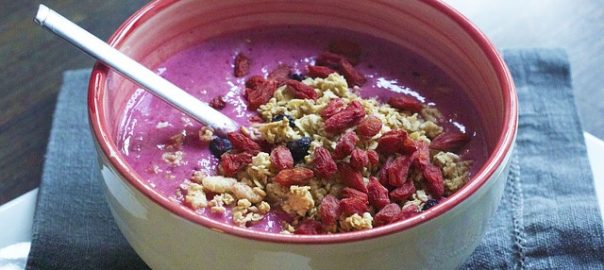
Powerhouse Summer Smoothie Bowl

Powerhouse Summer Smoothie Bowl

Smoothies are a familiar way to get fruit into your diet. But you can take it one step further by adding veggies and healthy fat. This means you’re not simply getting a dessert disguised as a healthy snack, you’re actually getting several nutrient dense servings of fruit and vegetables.

If you’re familiar with the idea of smoothie bowls, then you know that there are a wide variety of bowl types as well as a never-ending list of ingredients to choose from. Smoothie bowls are a great way for you to get a lot of nutrients in an easy to digest dish. So where do you start?

This article provides a smoothie recipe that you are really going to love. The Powerhouse Summer Smoothie Bowl delivers great nutrition that’s easy to prepare and simply delicious.

Why You Should Try It

The reduced sugar in this smoothie is a definite plus. It’s more than just a fruit and fruit juice sugar bomb.  With the addition of leafy green veggies plus avocado for a healthy fat, you’re getting a more nutrient-dense smoothie. And the toppings are booster foods that add a delicious and nutritious extra.

  • Dark leafy greens are always a good choice. Rich in antioxidants and important nutrients they tend to be high in vitamin A, vitamin C, calcium, iron and more. Due to their bitter nature, they’re also great for heart health and can help stimulate the liver.
  • The bromelain in pineapple aids the digestive function. A fabulous source of vitamin C and manganese, pineapple is also anti-inflammatory and an antioxidant-rich food. 
  • Avocados are a good source of pantothenic acid and fiber, but they also deliver a nutrient dense punch with vitamin K, copper, and folate. Studies have shown them to be supportive of cardiovascular health as well as helping to balance blood sugar.
  • Known for their phytonutrient dense qualities, blueberries are high in vitamin K, manganese and are a great source of anthocyanins. Research indicates that they are helpful for blood pressure regulation, memory support, and have anti-carcinogenic properties.
  • Using green tea instead of juice not only cuts down on the sugar, but it also bumps the antioxidant qualities of this smoothie. Rich in the amino acid theanine and EGCG (epigallocatechin gallate), green tea has been shown to be supportive for brain health, boosting the metabolism, protective of brain function, and it’s anti-carcinogenic.
  • And last but not least are the toppings. The seeds are wonderful sources of protein and omega-3 fatty acids. The cacao is high in both fiber and iron as well as providing antioxidants and magnesium.

So all in all this smoothie is a great choice for real food nutrition. Either as a bowl or a traditional smoothie, it definitely delivers a nutrient-dense punch.

Powehouse Summer Smoothie Bowl
Print
Ingredients
  1. 1 cup organic baby kale or spinach
  2. 1 cup frozen organic blueberries
  3. 3/4 cup green tea
  4. ½ cup pineapple
  5. ½ of an avocado
  6. 1 scoop collagen protein powder
Topping suggestions
  1. ¼ cup granola
  2. 2 Tbsp. pumpkin seeds or mixed sprouted seeds
  3. 1 Tbsp. flax seeds
  4. 2 Tbsp. cacao nibs
  5. 1-2 Tbsp. blueberries
  6. 1 Tbsp. goji berries
Instructions
  1. Start by blending the blueberries, green tea and leafy greens
  2. Add remaining ingredients and blend until smooth
  3. If a thinner consistency is desired (for a smoothie rather than a bowl) add a little more tea
  4. If a thicker consistency is desired then freeze the pineapple before adding to the blender
  5. Pour/scrape into a cup or bowl
  6. Use toppings of choice and garnish the smoothie as desired
  7. Enjoy!
The Ingredient Guru, Mira Dessy https://theingredientguru.com/

More delicious summer recipes

Here are a few more fabulous summertime recipes


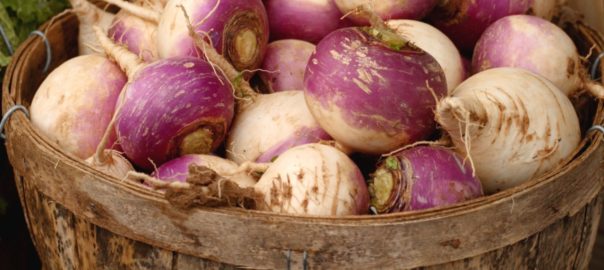
turnips

Turnips: The Underappreciated Root

A different kind of root vegetable

When thinking about root vegetables most people are familiar with carrots, potatoes, and onions. There are, however, a number of other root vegetables. One overlooked vegetable, in particular, is a great addition to the diet; especially when you’re looking to eat a rainbow that has more than green veggies in it. This amazingly healthy choice for root vegetables is turnips. This creamy-purple root vegetable is part of the Brassicaceae family and tends to be grown in temperate climates.  It has a similar look to beetroots; with a bulbous shape and large green leaves. Turnips are easily grown on a small scale in a backyard small garden or they can be planted in containers. All parts of the plant are edible, root, leaves, and sprouts from the seeds.

Nutrition in turnips

Turnips are a must have nutrition-packed vegetable for the diet. A delicious and filling low-calorie root vegetable, they provide dietary fiber plus numerous vitamins and minerals such as Vitamin A, Bs, C, K, folate, magnesium, iron, and calcium, copper and phosphorous. Sprouts made from turnip seeds have been shown to have the second highest level of glucosinolates (mustard sprouts are the highest) which is highly anti-carcinogenic, anti-fungal, and anti-bacterial.

Not only are these amazing vegetables delicious, but they are also versatile and can be enjoyed in different forms. Turnips can be added to stews, grills, appetizers. They can be steamed, mashed, slightly cooked, or roasted and used in the preparation of a variety of cuisines worldwide. Baby turnips are very tender and can even be eaten raw. Braced by their long shelf life, these veggies ideally should always be included on the grocery list. But you may be wondering how turnips benefit our health?

Health benefits of turnips

In addition to their wonderful flavor and versatility, it turns out there is a wide variety of ways that adding turnips to your diet can support good health

Fight Inflammation

Due to the high levels of polyphenols and flavonoids, turnips are a highly anti-inflammatory food. Given the connection of inflammation to chronic health issues, adding anti-inflammatory foods, such as turnips and turnip greens, to the diet is a beneficial way to reduce risk factors for many different diseases.

Reduce the risk of chronic illnesses

Part of the nutritional content of turnips includes high levels of Vitamin C, a powerful antioxidant. Vitamin C provides the body with superior defense against chronic diseases like diabetes, high blood pressure, and cancer by boosting the immunity of the body. It does this by protecting the cells from free radicals. In addition to Vitamin C, turnips are an excellent source of Vitamin K, a fat-soluble vitamin which has been shown to be beneficial for reducing cancer risk, preventing osteoporosis, helpful against insulin resistance, supportive for cardiovascular health, and it and also be beneficial for supporting brain health in older adults.

Helpful for good digestion

The fiber content found in turnips does a great deal for our digestive system. Fiber promotes good bowel movements and is generally supportive of overall bowel health. Regular elimination, due to better fiber content in the diet, is frequently associated with better detoxification. Fiber also provides pre-biotic content, the food for the probiotics living in our gut, and helps to maintain a healthy system overall. A higher fiber diet means a stronger, more supportive microbiome and ultimately a healthier you.

May help support weight Loss

Turnips combine the advantage of high fiber and nutrient dense (lots of nutrients for very little calories) content. The fiber is supportive for gut health and can help contribute to satiety, the feeling of being full after eating which may in turn help with weight loss. This dietary fiber, found primarily in the roots, can help to boost the metabolism as well as controlling sugar levels in the body. This, in turn, can be part of the key to maintaining a healthy weight.

How to eat turnips

No matter how healthy turnips are the best part is how delicious they are. Here are a few ideas on some great ways to include turnips in your diet:

  • Baby turnips are very tender and tasty, these can be sliced and eaten raw or diced into salads
  • Turnip sprouts are a tangy addition to a salad or can be added to other dishes
  • Sauteed with the greens, some onions and a little garlic, turnips are mild and very delicious
  • Roasting turnips is a great way to bring out their flavor, either on their own or in combination with other root vegetables
  • Instead of potatoes consider boiling and then mashing turnips with a little butter, salt, and garlic. Or you can make a medley by combining different root vegetables and mashing them together
  • Turnips are also wonderful in soups and can be a fabulous way to get a little more veggie (and fiber) into your diet

Recipe

As the weather gets cooler, soup becomes a weekly item on our family menu. Warm and comforting, it's an easy meal and a great way to use turnips and their greens together.

This recipe is based on Bert Greene's Mixed Turnip Chowder. I simply substituted a leek for the onion, added turnip greens and a couple of cloves of garlic. If you can't get rutabagas you can increase the turnips and potatoes to make up for them.

Mixed Turnip Chowder

Ingredients
  

  • 2 T. unsalted buttermilk
  • 1 leek rinsed and finely chopped
  • 1 large rib celery finely chopped
  • 1 pound turnips peeled and diced
  • 1 ½ pounds rutabagas peeled and diced
  • 2 medium potatoes peeled and diced
  • 2 cloves garlic minced
  • 1 quart vegetable broth
  • salt and pepper
  • 1/8 t. mace (note: I don't use this)

Instructions
 

  • Melt the butter, add the leek and garlic and cook a couple of minutes
  • Add the celery and cook a few minutes longer
  • Add the root vegetables and broth
  • Bring to a boil then reduce to a simmer
  • Simmer about 20 minutes
  • Remove half of the vegetables and 1 C. broth
  • Add greens to the remaining soup in the pot
  • Blend the removed vegetables and broth until smooth
  • Return to the pot and add salt and pepper
  • Simmer another 5 minutes and then serve
    Enjoy!


[expand title="Sources"]

[/expand]

photo courtesy of jackmac34

Earth Day Every Day – 10 Ways To Celebrate

Happy Earth Day!

The start of Earth Day

This annual event, celebrated on April 22 around the world, is a holiday that focuses on the environment. It’s meant to raise awareness of and appreciation for this beautiful planet that we live on.

First started in 1970 by Senator Gaylord Nelson (WI-D), the event was created after a 1969 oil spill near Santa Barbara, CA. That first Earth Day celebration was a tipping point, bringing together people of all backgrounds, political affiliations, and across all socio-economic strata who were concerned about the environment and wanted to effect change. That first Earth Day, April 22, 1970, saw demonstrations all across the country with 20 million people gathered to protest the harmful things being done to the environment.

CBS News had a special presentation with Walter Cronkite, Gaylord Nelson, and more.

Earth Day 1970 CBS Special

1970 also saw the creation of the United States Environmental Protection Agency as well as the Clean AirClean Water, and Endangered Species Acts. 

The growth of Earth Day

The Earth Day movement continued to spread. In 1990 it leaped onto the global stage. That year there were 200 million people in 141 countries protesting on behalf of the environment. Around this time there was also a big push towards global recycling efforts. And in 1992 there was the first United Nations Conference on the Environment and Diversity in Rio De Janeiro. 

From there the movement grew and is now considered to be one of the largest secular observances around the world. Billions of people participate in a variety of ways from environmental cleanup efforts, to planting trees, to promoting activism on behalf of the environment.

Celebrating Earth Day

There are many different ways to celebrate Earth Day. Focusing on environmental issues, recycling efforts, it’s also a good time to develop a personal awareness of Earth-related issues. Here, in no particular order, are ten of our favorite resources that are earth friendly today and every day:

  • Join EarthDay.org to stay on top of this celebration and to be in the loop for activities and events around the world.
  • Buy a water bottle that is reusable and shatterproof at Glasstic – get 10% off the last water bottle you will ever own.
  • Protect yourself and the environment with 3rd Rock Sunblock – no parabens, no hormone-disrupting chemical, GMO-free, and not harmful to coral or other underwater marine life.
  • Switch your laundry detergent for a great environmentally friendly product, My Green Fills.  Bonus, you’ll save money by getting “the last laundry detergent bottle you’ll ever buy.”
  • Ditch the plastic, get your own beautiful glass straws. This helps to reduce the harmful impact of plastic straws on marine life as well as reducing the use of this non-biodegradable product.
  • Ditch even more plastic by bringing your own utensils when you eat out using this beautiful Bamboo Utensil Travel Set.
  • Buy organic as much as possible, especially for the Dirty Dozen (those 12 fruits and vegetables most likely to be contaminated by pesticides, for animal products (so the animals can be raised without the use of added hormones, heavy antibiotics, and high levels of pesticides in their feed, and for the most common genetically modified crops – corn, canola, and soy.
  • Take a little time to connect with the earth through the healing practice of grounding.
  • Donate to an environmental cause of your choice. One organization, Defenders of Wildlife, is currently running a matching grant program that will triple your gift to help protect species around the world. Other environmental organizations include The Nature Conservancy, the World Wildlife Fund, The Sierra Club
  • Plant a tree, preferably from a local nursery so you’re sure that it will do well in your area.

Bonus – because taking time for low-tech quiet activities is never a bad idea. And if it happens to focus on the earth, so much the better.

For more seasonal and superfood info check out these posts:

quinoa tabbouleh - delicious recipe

Quinoa Tabbouleh

Tabbouleh is a Middle Eastern salad dish; it makes a great meal when paired with falafel (fried chickpea patties), dolmas (stuffed grape leaves), hummus and other Middle Eastern or Mediterranean food items. It’s primary ingredient is cracked bulgur wheat, something that is not allowed for those who cannot eat gluten. In order to make a version of tabbouleh that would be suitable for a gluten free diet I’ve substituted quinoa as the base.

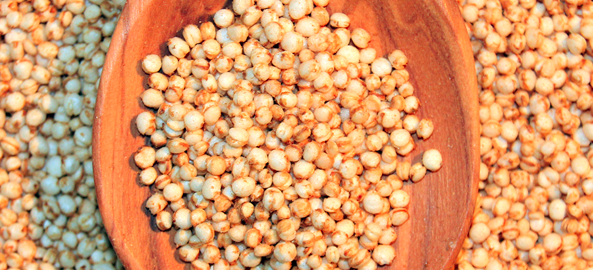
Quinoa is a gluten free grain.  Actually it’s a pseudo-grain.  Quinoa has a lot of fiber, and is high in B vitamins, calcium and iron. It also has balanced amino acids which gives it a good protein profile. Before you use quinoa you’ll need to wash it (unless you buy pre-washed).  This is because the outer coating has saponins on it. If they don’t get washed off they will make the quinoa taste soapy. When cooking quinoa the ratio is pretty much the same as rice, two cups of water to one cup of grain, simmered for 14-18 minutes.

Most tabbouleh is made with parsley and mint.  In this recipe I exchanged the mint for cilantro which makes a delicious change and gives it a bit of a kick.  Rich in phytonutrients, fiber, iron and magnesium the cilantro adds even more to the nutrient profile of this recipe.

This is one of my family’s favorite summertime recipes.  Easy to make it’s delicious as a side dish or it makes a great part of a composed salad plate.

Quinoa Tabbouleh
Print
Ingredients
  1. 2 C. cooked quinoa
  2. 1 C. finely minced cilantro
  3. ½ C. minced parsley
  4. 1 clove garlic minced
  5. 1 t. sea salt
  6. 1 C. cherry tomatoes – halved
  7. 1 red pepper, small dice
  8. 3 scallions, mostly white part, minced
  9. 3 T. fresh lemon juice
  10. 2 T. olive oil
  11. ¼ C. pine nuts
Instructions
  1. Mix all ingredients together
  2. Stir well
  3. Add fresh ground pepper to the top
  4. Enjoy!
The Ingredient Guru, Mira Dessy https://theingredientguru.com/

Shopping The Perimeter Of The Grocery Store

Is it Safe on the Outside?

There are over 50,000 items for sale in a typical grocery store. The sad truth is that most of them are not food. They are processed conglomerations of ingredients. Because of this, there’s a common myth that if you shop the perimeter of the grocery store you’ll be “safe” from food challenges. More and more people are shopping just the “outside” of the grocery store, convinced that if they avoid what’s in the middle they’re only getting healthy food. Unfortunately, this is not true.

Most grocery stores are set up in a similar pattern. Walk into the produce section which is usually near the bakery or the deli. Moving around the outside edges, the perimeter, of the grocery store you’ll find the fish counter, meat, poultry. The dairy section is at the back of the store. This is because the further into the store you have to walk to buy staple ingredients, such as milk, eggs, and butter, the more time you spend in the store. The longer you are there the more money you are likely to spend. On the inside aisles is where you’ll find all of the packaged, canned, and frozen foods. You often have to walk through them to get from one section to the next, increasing the possibility that you will be tempted by what is in the aisles.

Does It Belong Here?

While the fresh food is usually found on the perimeter of the grocery store it’s important to be aware of two big issues that impact that section of the grocery store. The first is something called product placement or product creep. Grocery stores and food producers are well aware that consumers are purchasing more heavily from the outer edges of the store. Their job, however, is to sell as much as they can. One way they try to influence consumers is by moving in items that would not normally be in a particular section (but that go with those foods).

One example of this would be finding packaged shortcake, glaze for strawberries, and cool whip or some form of canned whipped cream in the produce section at the height of strawberry season. The grocery store may attempt to promote this as being “for your convenience” but the truth is it’s there to tempt you to purchase it and to increase their sales and profits.

Unfortunately, if you don’t take the time to read the labels you may get more than you bargained for. That glaze for strawberries, for example, contains genetically modified ingredients, excessive sugars, artificial colors, and possibly MSG. Rather than just getting fresh fruit, if you purchase these add-on items you’re also buying a wide range of chemicals and additives which may be harmful to your health.

This happens all around the grocery store. Salad dressings by the salad, seasoning mixes and marinades by the meat, etc. Product placement is a big factor for grocery stores. As a matter of fact, food manufacturers pay something called a slotting fee to grocery stores to determine where in the store their product will appear. This idea of manipulating the perimeter is a big reason that eggs and dairy are all the way in the back of the store. The grocery chain, and by extension the food manufacturers, are looking to get you to spend as much time in the store as possible and encourage impulse buying. They know that the longer you are there the more you will spend.

What’s In What You’re Eating?

Another major concern with shopping the perimeter of the grocery store is not just what the food items are, but what’s in them. Unfortunately, it’s things that we can’t really see that pose an even bigger challenge to health.

Produce

When shopping in the produce department the second thing you need to be aware of is the Dirty Dozen. Those twelve fruits and vegetables which are highly contaminated by pesticides. Eating them increases the toxic body burden. This list changes each year as the Environmental Working Group evaluates the current state of pesticides and toxins used to grow produce. The only way to avoid the toxic burden of the Dirty Dozen is to purchase organic for those twelve fruits and vegetables. To make it easy to remember the list (and stay on top of the changes) simply download the Environmental Working Group’s free app, EWG Healthy Living (ios and android).

Meat and Poultry

In the meat and poultry section buying organic is your best choice. Conventionally raised animals are given high levels of antibiotics, partially to keep them healthy in spite of the crowded conditions they are raised in. It’s also because these antibiotics act as a growth stimulator. Unfortunately, the antibiotics are passed on through the to end product when we then wind up consuming them. It’s important to note that the overuse of antibiotics in farming has led to an increase in antibiotic-resistant bugs. Conventionally raised animals are also allowed to be raised on genetically modified (GM) feed which is often heavily laden with pesticides. These items can have an impact on your body as well as affecting the environment. Note that the term “natural” is not the same as organic. Although there are some rules around the natural label when it comes to meat products, this label still allows for the use of GM/pesticide-laden feed. The only way to avoid added hormones, pesticides, and genetic modification is to choose organic.

Dairy

The dairy section is another area of concern. Not only because of the antibiotics, GM feed, and high levels of pesticides found in conventionally sourced dairy products, but also because of added hormones. rBST sometimes referred to as rBGH, is a growth hormone which causes cows to produce more milk. Studies have shown that dairy with rBGH tends to have more Insulin-Like Growth Factor 1 (IGF-1). This, in turn, has been linked to cancer, specifically of the breast, prostate and gastrointestinal tract. Although it is possible to do the research and avoid dairy with added hormones if it is conventionally raised all of the other issues still remain. Once again, choosing organic is the best, healthiest option.

Summary

  • Be on the lookout for product creep — items that are in a category where they don’t belong
  • Be mindful of the Dirty Dozen fruits and vegetable, buying organic for those choices
  • Choose organic meats to avoid added hormones and antibiotics
  • Avoid added hormones and antibiotics in dairy products by choosing organic
  • Read labels to help you avoid negative ingredients

2019 Word Of The Year: Simple

Since 2013 I have picked a Word every year to be my focus for the upcoming year. As I've written about before it's never an easy process.*  As a matter of fact, it can be downright difficult to pick one single word that becomes the guiding focus of the year. And oddly enough it's amazing how much that word will resonate throughout your year and your life. Last year's word, Change, for example, turned out to be really powerful on a lot of different levels both personally and professionally.

New Year New Word

This year, as I was going through the mental gyrations that I go through each year, I was beginning to despair of ever finding just the right word. I usually start by reading the words from previous years. This allows me to revisit my thought process and to reconnect with my intention setting goals. I then reflect back on the previous year; giving myself a report card of sorts. 

Luckily I'm not the only one who does this. At an end-of-year wrap-up meeting with some colleagues, we wound up discussing how challenging it can be to narrow your focus for the year ahead to just one word. One of my friends, Kirstin Nussgruber, mentioned that her word of the year for 2019 was going to be Simple.  As soon as she said that it really resonated with me. I announced that I was borrowing it and we were going to be word-buddies for 2019.

The Meaning of a Word

Part of the reason that picking a word is so difficult is that, for me, it that it has to truly have meaning. There has to be some deep reasoning behind it to make it my word. This is because for an entire year I am going to sit down and regularly focus on this word.  It's also going to start showing up in my life in a lot of different ways.
Sometimes, like this year, it's an internal "click" which lets me intuitively know that I've found the correct word. Once I've found the word, whatever it is, I then need to absorb it on a number of different levels in order to really make it my own. I start by looking up the meaning and then doing some journaling and introspective thought around the word.
According to the dictionary some of the meanings of the word simple are as follows:

Simple
[sim-puhl]
adjective,sim·pler, sim·plest.

  1. easy to understand, deal with, use, etc.:simple matter; simple tools.
  2. not elaborate or artificial; plain:simple style.
  3. not ornate or luxurious; unadorned:simple gown.
  4. not complicated:simple design.
  5. not complex or compound; single.
  6. occurring or considered alone; mere; bare: the simple truth; simple fact.
  7. free of deceit or guile; sincere; unconditional:frank, simple answer.

A Personal Journey

This resonates with me on so many different levels. First, and foremost, I am craving some simplicity in my life. After dealing with the last 16 months since Hurricane Harvey life has, quite frankly, been a bit of a roller coaster. Simple sounds really good right about now. There are a lot of areas of my life, home, work, relationships, personal development, that could all benefit from a focus on simplicity.

I also find myself really loving the idea of simple as not complicated. What I do, as The Ingredient Guru, can sometimes be very challenging for a lot of people to get stay abreast of. There is so much misinformation, conflicting information, and partial truths that staying on top of what's really in and on your food is a full-time job. I'm lucky, I love what I do, the research, delving into the information, and sharing. I'm also tremendously grateful that people see me as a trusted resource. I like taking what can be an overwhelming topic and making it simple, i.e., easy to understand and to implement.

Find Your Word

I encourage you to adopt the practice of creating an intention word for the year. You'll be amazed at how powerful it can be to condense the focus for an entire year down to one single word. If you'd like you can even join in the fun with others over at OneWord365 and see who else is in your word tribe. 

And whatever the upcoming year brings for you I wish you warmth and wonder, joy and health.  Be well.

* Prior words of the year: InspireFocusMindfulnessBalance, and Change.

 
glyphosate, is it safe?

The Dangers Of Glyphosate

What is Glyphosate?

Glyphosate is the active ingredient in Roundup, popular weedkiller, currently used in yards, parks, and farms all over the world. Controversy has long reigned over the use of this highly effective herbicide, due to its potentially dangerous effects on health and on the natural environment. Many highly respected researchers, including Dr. Stephanie Seneff at the MIT Computer Science and Artificial Intelligence Laboratory, have been looking into the effects of glyphosate for many years. As a result of all of this research, there is now a considerable body of evidence against its use in gardening and agriculture.

In agriculture, we have seen a sharp rise in the amount of genetically modified crops, created to be resistant to Roundup, i.e., glyphosate. By modifying the crops, so the thinking went, farmers could spray Roundup on the crops with abandon. Although we have seen an increasing amount of genetically modified crops, we also now have a number of glyphosate-resistant weeds. This, quite obviously, defeats the purpose of spraying crops with herbicide.

Not Just For Weeds

In addition to its uses as a weed killer, glyphosate is also being sprayed on a variety of crops to dry them out before harvesting.  Currently, it’s being used on a wide variety of crops including:

  • buckwheat
  • corn
  • flax
  • lentils
  • millet
  • non-GMO soybeans
  • oats
  • potatoes
  • rye
  • sugar beets
  • wheat

This widespread usage is causing more glyphosate to appear in the food supply. Even at levels above EPA guidelines, which have been already been found by experts to be too high. This excessive exposure only adds to the overall body burden and increases the damage to the environment and to our health.

Health Risks

For many people, the biggest concern around glyphosate is its potential effects on human health. The health risks could be wide-ranging. Scientists have suggested links between the use of glyphosate and conditions including auto-immune diseases, autism, and problems with the body’s natural microbiome. Some studies even suggest that it could contribute to a range of common cancers, including breast cancer and certain types of leukemia.

The Microbiome

In 2013, a study by Dr. Stephanie Seneff and Dr. Anthony Samsel showed that glyphosate inhibits the activity of cytochrome P450, which is an important human enzyme. By interfering with this enzyme, it increases the damaging effects of other dangerous chemicals, reduces the body’s resilience to toxins, and contributes to inflammation. The results of these effects include gastrointestinal disorders which are associated with disturbances in the gut microbiome.

Gout

In another study, Dr. Stephanie Seneff and her colleagues argue that glyphosate-induced changes to the microbiome contribute to the epidemic of gout that is present in the developed world today. Like many gastrointestinal diseases, gout is a condition that is characterized by inflammation. Seneff’s findings suggest that traces of glyphosate in the diet could be the primary factor in the recent dramatic rise in gout cases in the United Kingdom.

Cancer

In another study, Dr. Anthony Samsel and Dr. Stephanie Seneff found correlations between the use of glyphosate on crops and a rise in the number of cases of a range of common cancers, including breast cancer, kidney cancer, pancreatic cancer, thyroid cancer, bladder cancer, liver cancer, and myeloid leukemia. These findings reflect the World Health Organization’s labeling of glyphosate as “probably carcinogenic.” Some proponents of glyphosate argue that the amounts that are used on food crops are not large enough to cause cancer in humans, but it is difficult to precisely control the size of the dose of glyphosate that any particular individual receives from their diet.

Effects on the Natural Environment

In addition to its potentially harmful effects on human health, glyphosate also poses dangers for the environment. Monsanto, the manufacturer of Roundup, recommends that people do not use the product close to fresh water because of its harmful effects on amphibians and other wildlife. However, it is not clear whether farmers and gardeners follow this recommendation. Even if they do make an effort to keep glyphosate away from sources of fresh water, rainwater, runoff can carry the product into streams and rivers, where it can wreak havoc on the health of fish and amphibians such as frogs. Furthremore, even if glyphosate does not directly kill fish and other wildlife, it can kill plants that these animals depend on for survival, causing ecological devastation that extends all the way up the food chain.

Depleting Nutrients From Soil

According to the National Pesticide Information Center, glyphosate binds tightly to particles of soil and can persist in the ground for up to six months after it is applied. Bacteria will gradually break it down, but many experts argue that the effect on the soil is long lasting. Healthy soil contains a range of minerals that plants need to grow, including magnesium, nitrogen, and phosphorous. Glyphosate can affect the concentrations of these nutrients in the soil, which could affect the ability of plants, including food crops, to grow and produce healthy fruits, vegetables, and seeds.

Friend or Foe?

Many gardeners and farmers rely on glyphosate because it is very good at killing unwanted plants and weeds. However, the dangers of glyphosate mean that its ability to get rid of weeds might not be worth the potential damage to our health and the environment. In particular, concerns over the damaging health effects of dietary glyphosate, as highlighted in the research of Dr. Stephanie Seneff, should give us pause before using glyphosate or purchasing foods that have been grown using this dangerous herbicide. The effects of glyphosate on the natural environment also should also not be ignored, as it could have potentially devastating effects on natural freshwater ecosystems.

Further reading

For more information about gluten and glyphosate:


If you enjoyed this article, please join my community to receive more information and special offers with my free newsletter, Food News You Can Use (I do the research so you don’t have to). This concise, informative newsletter gives you updates you need to know about the ingredients for living a healthy life.


[expand title=”Sources”] 

[/expand]