Category Archives: health


Aromatherapy, Understanding The Science Of Smell

Aromatherapy article 

Learn how science is exploring the healthcare uses of aromatherapy and some scent suggestions to lift your mood.

I’ve just learned how to add my Examiner.com articles here and will be sharing them through this blog as well.  Let me know how you like this format.

Can’t Exercise?

We all know the common advice about keeping healthy. Eat right, exercise and get enough sleep. Many of us think that exercise means vigorous physical activity. Although that is a great way to get in shape and stay fit it is not always possible. 


Some people have health conditions that prevent them from being able to engage in activities such as aerobics, tennis, jogging, or team sports. These conditions include severe arthritic conditions, Chronic Fatigue Syndrome (CFS), fibromyalgia, low blood pressure problems such as Postural Orthostatic Tachycardia Syndrome (POTS) and others. Unfortunately many people afflicted with conditions that prevent them from being as physically active as they are used to may think that there is nothing they can do to stay active. This leads to weight gain, loss of muscle tone and can even affect other body systems.

It doesn’t have to be that way. If you are unable to engage in heavy physical exercise, if even long distance walking is beyond you or yoga triggers your low blood pressure, there are things you can do to stay healthy. The first is to realize that pushing yourself to exhaustion is not going to help. If you can walk for five minutes a day that’s where you start. If you can do a few Tai Chi poses start there. It takes time to build your body back up.  And your new activity level  may be reduced from what you are used to, but remember, any movement that you can do is helpful for your body.

Here are a few links to some websites with information on different types of gentle exercise that you may be able to do to keep your body moving. You may need to engage in these activities with a fitness professional who can guide you and monitor your progress on your journey to health. As with any health condition please consult a healthcare practitioner before you engage in new types of physical activity.

photo courtesy of commons.wikimedia.org/wiki/File:Tai_Chi,_Cannon_Beach.jpg

heart healthy food

Five Heart-Healthy Foods To Add To Your Diet

A client came to me for an appointment because she was surprised at a recent physical to discover that she had high cholesterol.  She's only 31 and  works very hard to provide a clean diet for herself and her family, eating organic foods, and not eating a lot of processed foods.  It never entered her mind that she might have high cholesterol.

In our conversation, I shared with her some simple yet effective ways to start making heart-healthy changes to her diet. While this isn't an exhaustive list, it highlights the top five foods to incorporate for better heart health.

These dietary changes should ideally accompany other lifestyle adjustments like quitting smoking, avoiding trans-fatty acids, and introducing regular exercise into your routine.

Even just a 15 minute walk a day if that's all you can do to start. I'm a fan of using the free app Charity Miles which makes a donation to your favorite charity for each mile you walk, run, or bike. The donations are from ads so there's no cost to you. It's a win for everyone.

Here are some heart-healthy foods to add to your diet:

  1. Flax Seed: Rich in fiber and omega-3 fatty acids, flax seeds can help reduce total and LDL cholesterol. Their nutty flavor makes them a perfect addition to baked goods, cereals, or smoothies.

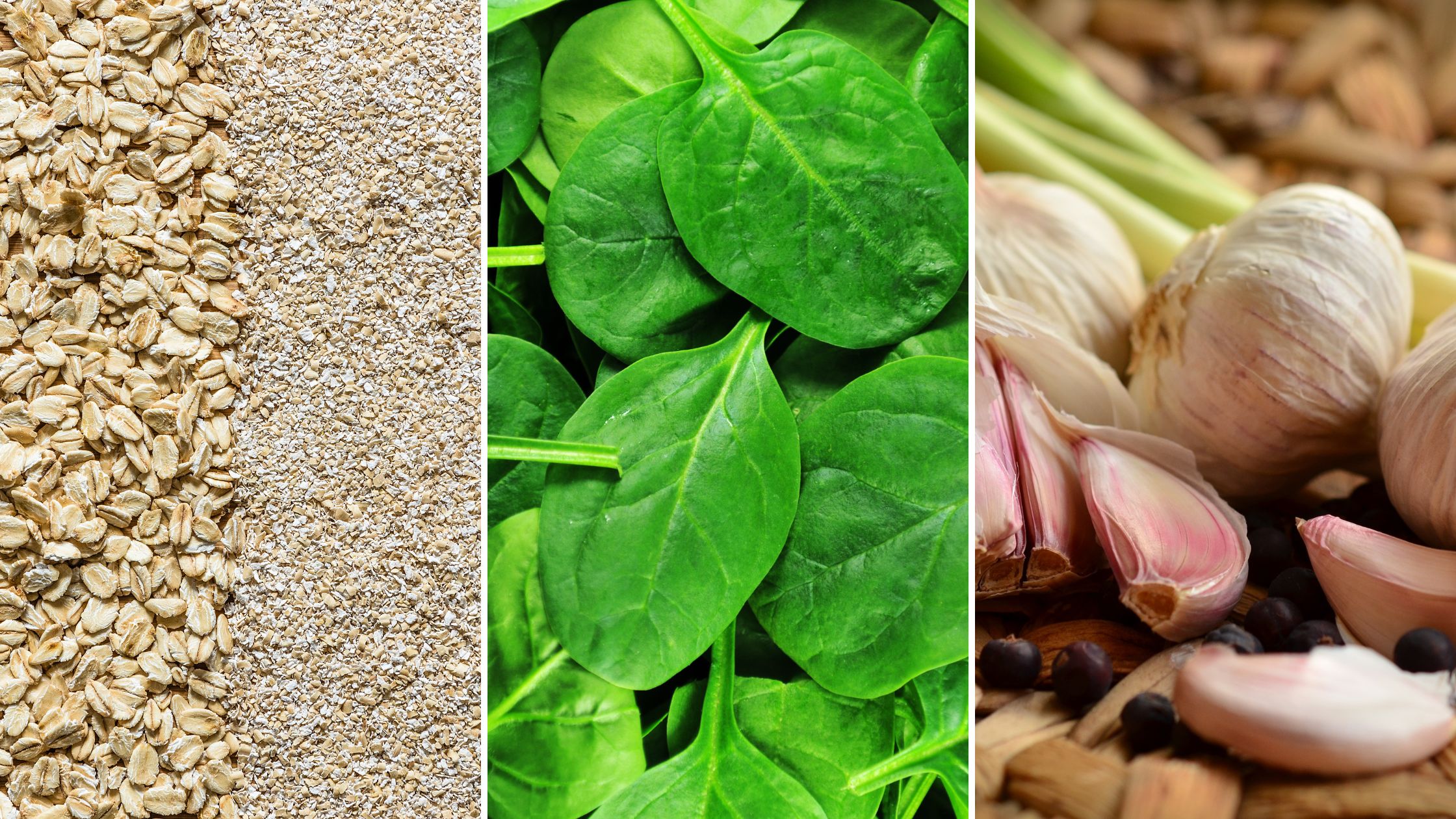
  2. Oat Bran: High in soluble fiber, oat bran is effective in lowering LDL cholesterol. It can be enjoyed as a cereal or used in baking muffins, cookies, or bread.

  3. Cold Water Fish: Foods like salmon, sardines, tuna, rainbow trout, and herring are excellent sources of heart-healthy omega-3 oils and provide quality protein.

  4. Garlic: Known to lower total cholesterol and triglycerides while boosting HDL cholesterol, garlic also helps reduce platelet aggregation. You can learn more about the benefits of garlic in my dedicated article here.

  5. Foods high in Coenzyme Q10 (CoQ10): Spinach is high in Co-Q10, which is important for heart (and muscle) health, as well as lutein, an antioxidant which can help reduce hardening of the arteries, spinach is a wonderful food to add to the diet. Spinach is also high in folate which is effective in reducing homocysteine in the blood and magnesium which is helpful for reducing blood pressure.

    Although more greens in the diet are always a good thing, spinach isn't actually one of the highest sources of Coenzyme Q10. This can be found in beef, beef liver, seafood, poultry, avocado, nuts and seeds, lentils, and cruciferous vegetables.

Remember, being heart-healthy isn't just about what you eat; it's also about staying active. Regular physical activity, like walking, jogging, or running, is crucial for weight control, cardiac health, stress reduction, and overall mood enhancement.

If you're curious about how far you're walking or running and don't have a pedometer, consider using the Charity Miles app to track your distance while also contributing to a good cause.

calcium comes from

Calcium Comes From

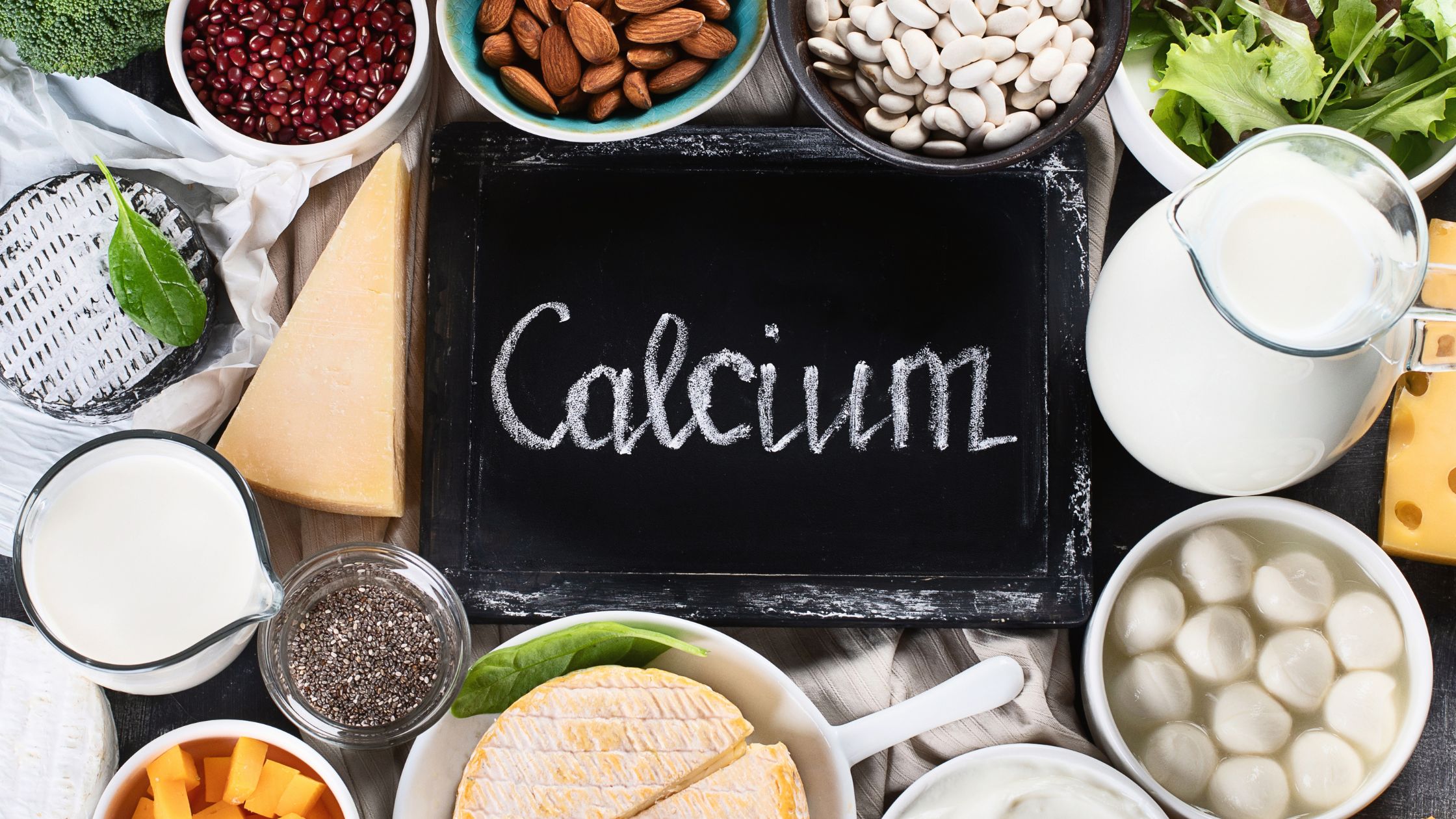
Calcium is a cornerstone of good health, playing a pivotal role not just in bone and teeth strength but also in muscle function, nerve signaling, and blood clotting. Despite popular belief, fortified milk and dairy products are not the only paths to achieving your daily calcium intake. A diverse diet rich in whole foods can offer ample calcium and additional health benefits.

Understanding Calcium's Role and Requirements

Adults aged 19-50 should aim for an Adequate Intake (AI) of 1,000 mg of calcium per day, a benchmark set by the Linus Pauling Institute at the University of Oregon. This goal is attainable through careful dietary choices, even without dairy.

Calcium.” Linus Pauling Institute, 2024, lpi.oregonstate.edu/mic/minerals/calcium. Accessed 22 Aug. 2024.

Broadening Your Calcium Sourcescalcium
Leafy Greens and Seeds: Nutrient Powerhouses

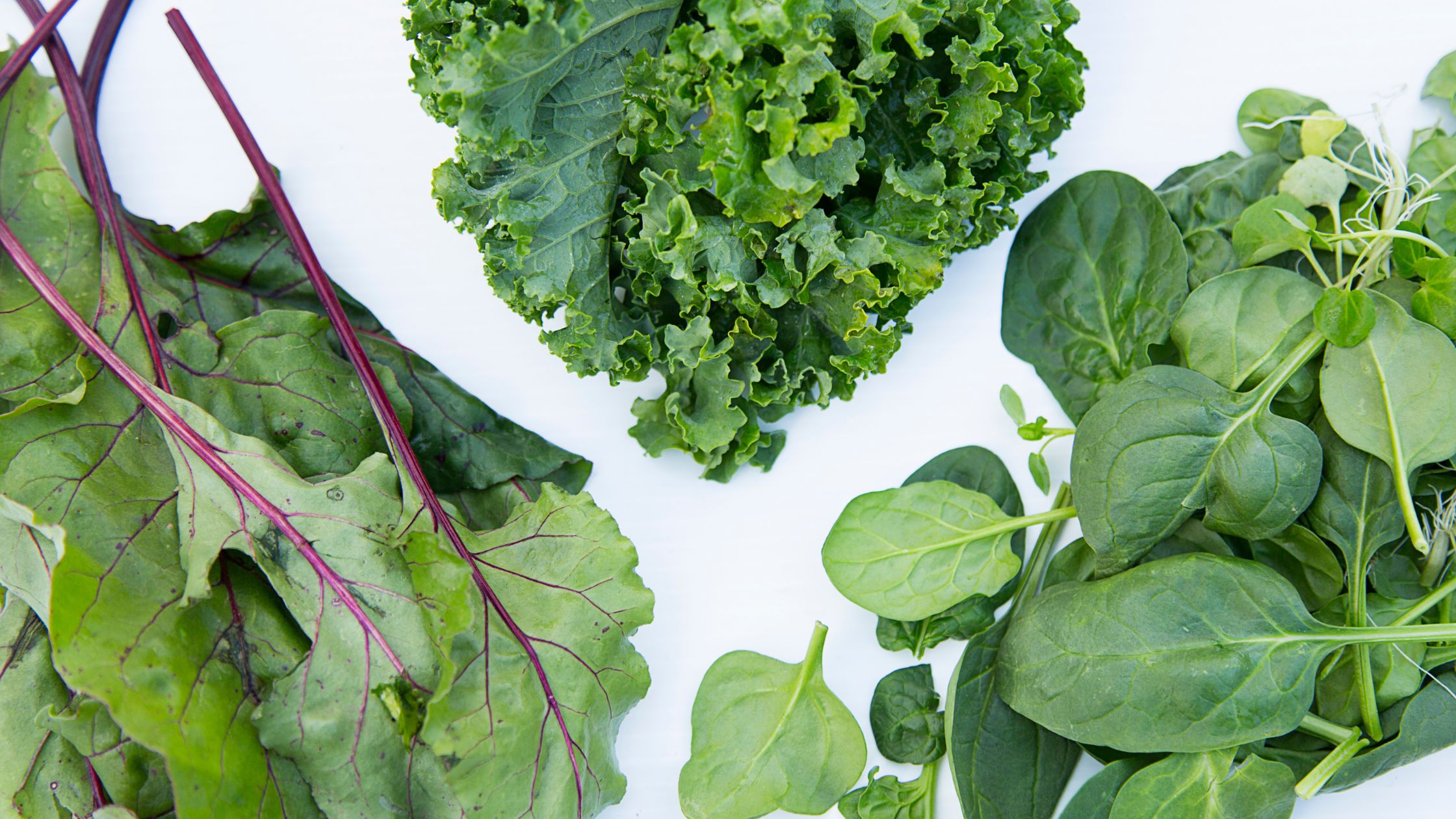
Dark, leafy greens such as kale, turnip greens, mustard greens, collard greens, and spinach are calcium-rich. For example, a cup of cooked spinach provides approximately 245 mg of calcium. Seeds, too, are surprisingly high in calcium; four tablespoons of sesame seeds offer 351 mg, surpassing the calcium content of a cup of milk.

Plant-based Milks and Other Alternatives

For those avoiding dairy, plant-based milks like almond, hemp, and rice milk are viable alternatives. While the calcium in these milks is often fortified, they provide a dairy-free means to meet your intake requirements. Remember, the nutritional content can vary, so it's essential to check labels.

Seafood, Nuts, and More

Beyond greens and seeds, other calcium-rich foods include sardines (382 mg per 100 g), almonds (266 mg per 100 g), and flax seeds (255 mg per 100 g). These options not only diversify your diet but also pack in additional nutrients beneficial for overall health.

The Spice of Life

Don't underestimate the power of spices. A 2 tsp. serving of dried basil contains over 63 mg of calcium. Incorporating herbs like basil, rosemary, thyme, and even cinnamon can boost your calcium intake while adding flavor to your meals.

Rethinking Calcium in Your Diet

Shifting away from the idea that dairy is the only calcium source allows for a more inclusive and healthful approach to nutrition. Whether due to dietary restrictions, ethical choices, or personal preference, there are numerous ways to ensure you're getting enough calcium. This holistic view supports not just bone health but a vibrant, varied diet rich in essential nutrients.

By expanding your dietary horizons beyond dairy, you can meet your calcium needs through a balanced intake of greens, seeds, nuts, alternative milks, and even spices. Embrace the variety for a healthier, more inclusive approach to nutrition that ensures your body gets the calcium it needs for strong bones, muscle function, and more.

Beans and grains for amino acids

What You Need To Know About Amino Acids

Amino Acids Are The Building Blocks

We don’t often think about the amino acids in our food and their impact on our health. But they play a really crucial part to health. This post addresses the important thing that we need to know about amino acids and shares on of my favorite recipes.
 
Amino acids are the building blocks of protein and there are twenty altogether. Eight of the twenty are considered “essential amino acids” because we require them but our body cannot manufacture them so we must get them from our food. These eight are phenylalanine, valine, threonine, tryptophan, isoleucine, methionine, leucine, and lysine.
 
Animal products such as meat, dairy, and eggs, contain all eight. But different foods such as legumes, seeds, and grains do not.  Therefore they must be combined to create a complete protein. Legumes are high in the essential amino acid lysine, but they are low in methionine grains have both methionine and cysteine but are low in lysine.  Combining them allows you to get a high-quality protein with all of the essential amino acids. 

Going meatless

There’s a lot of media attention to the idea of reducing how much meat we’re eating. Including a suggestion for ditching the meat at least one day a week and switching to Meatless Mondays

If you are a meat eater who is simply trying to eat less meat, incorporating a vegetarian plan one day a week can be a great way to get started. But it’s important that you don’t become a carbotarian and simply add lots of pasta or simple carbohydrates for your meatless meals. While getting proper nutrition from vegetarian meals requires a little more thought and effort, it is not difficult.

Amino Acid Food Combinations 

In many cultures there are a lot of recipes that call for a mixture of legumes and grains that then create a complete protein. 
  • a Korean dish called Kong bap is a mixture of seven grains and four beans.  Because this dish contains beans (adzuki beans and green peas) and grains (barley, rice, Job’s tears, sorghum, and corn) it provides all of the essential amino acids.  This dish also has soybeans which are considered to be a complete protein by themselves. 
  • South and Central America have many dishes that call for a combination of beans with corn
  • In the Middle East, there is hummus or falafel (made from chickpeas) and whole wheat pita as a common option
  • India brings us dal (lentils) and rice 
Grains and legumes are not the only combinations that make a complete protein.  Nuts and seeds can also be combined with either grains or legumes as a good source of protein.  
 
The idea is to ensure that if you are not eating meat that you are not simply adding legumes to your diet but that you are adding them with whole grains and/or seeds to get proper nutrition.

Delicious lentils for dinner

One of our favorite dinners is a curried crockpot lentil and rice dish.  This recipe originally came from a Lebanese friend of mine and is called M’judra, I’ve modified it a little over the years and it’s one of our regular choices. Especially because the crockpot makes this an easy option.
 
This pairs really well with an Indian spinach dish called Palak and a salad of tomatoes and cucumbers with a spice called Chat Masala.  It’s a tasty, healthy and satisfying meal.  I make it with a fair amount of curry powder because that’s how we like it, if you need to reduce the curry powder it will still be delicious.
 
Curried Crockpot Lentils and Rice
Print
Ingredients
  1. 1/2 C. rinsed lentils
  2. 1 C. rinsed red rice (can use brown rice if you prefer)
  3. 1 green pepper, diced
  4. 1 onion, diced
  5. 2 T. curry powder
  6. 1 T. nutritional yeast
  7. 1/2 t. fresh ground black pepper
  8. 3 1/2 C. vegetable broth
  9. 1 T. olive oil
Instructions
  1. Saute the pepper and onions in the olive oil until just starting to soften
  2. Place all dry ingredients into the crockpot
  3. Add broth and stir well
  4. Cover and cook on low for 5-6 hours (check at 4.5 hours to see if you need a little more water)
  5. Add salt to taste after done cooking
Notes
  1. Note:  Don't add the salt while cooking because it will delay the lentils from softening
The Ingredient Guru, Mira Dessy https://theingredientguru.com/
Check out my other recipes using lentils:


Image by carlo sardena from Pixabay 

Taking Time

As a holistic Nutrition Educator I often encourage my clients to work on other areas than just food.  We talk about ways to reduce stress in their lives, ways to increase exercise and to work toward living a happy, healthy, balanced life.  I try very hard to practice what I preach and I thought I would share an example of that today.


I’m very fortunate that my family lives in TX where the winters are, let’s be honest, not to hard to take.  I’m doubly fortunate that the community that we live in has over 180 miles of hiking and biking trails.  This morning Steve and I took advantage of that and hopped on our bikes to ride over to the local coffee shop for a date.  Granted the coffee shop is not that far, only about four miles.  But taking the time to ride our bikes over, sit together and enjoy a cup of coffee/tea and then ride back was something that put me in a great mood all day.  We got sunshine, fresh air, a little physical activity and some time to simply be together.

Many of my clients complain that they don’t “have time” for these moments.  And while they don’t happen as often as we may like, we need to make them happen.  It goes a long way toward helping us de-stress and be more balanced.

Obviously if you live in a cold, snowy winter climate a bike ride is not an option for you. Perhaps a sled ride followed by a thermos of hot chocolate.  Perhaps a snowball fight outside and then a cuddle in front of the fire to warm up.  Even just some quiet time sitting in a sunny window if going outside is not an option can be very calming and restorative.

We’re each given the same amount of time, it’s how we use that that determines our state of mind and state of being.  Take time for you.

Be well.

photo courtesy of  freedigitalphotos.net
Is baobab the next superfruit

What’s The Next Superfruit?

According to an article I recently read, the baobab is the next superfruit. I imagine this means it should be hitting the shores of the USA any day now. No doubt to be found in a wide variety of items at the grocery store.

Health benefits of baobab

Apparently the fruit has extraordinarily high levels of vitamin C, nearly six times that of an orange. It is also reported to be high in calcium, potassium, and both soluble and insoluble fibers. The fruit is also anti-inflammatory and antipyretic (fever reducing).

In addition to all of the wonderful benefits of the fruit, many other parts of the tree are usable. These include the seeds,  fibers, and leaves.  These other products are apparently sometimes used in cosmetics and folk-medicines. Once they come to the United States they will no doubt find their way into every imaginable product.

What’s wrong with superfoods?

While I am always happy to find foods that have great nutritional benefit or plants that have beneficial value, I confess to being underwhelmed at the thought of another “super” food.  From açaí  to goji berries to mangosteen and more, every new discovery brings a touted superfood. These are delivered to us at an enormous premium and pushed into our everyday consciousness via massive marketing campaigns to try to convince us to buy a product, any product, that has this newest discovery in it (sometimes in the most minimal quantities). In addition to the push by producers to include the newest, latest, greatest thing, by consuming, and often over-consuming, whatever this newest product is. Sometimes to the detriment of those who produce it.

One prime example of this trend is what has happened/is happening in Peru with the rise in popularity of quinoa. Farmers, feeling pressure to produce, are depleting the soil that would otherwise have an opportunity to lay fallow and recover. They are also switching not using the natural llama fertilizer as they reduce their herds to allow them to grow more quinoa. In the long run this quite possibly may lead to a reliance on chemical fertilizers which is not the best option for the soil or the plants.

Consider local superfoods

While it’s interesting, and tasty, to have the availability of superfoods from other parts of the planet, don’t lose your awareness of what is available around you. Before you rush off and buy the latest baobab concoction, think more about what you eat on a regular basis. Blueberries, sweet potatoes, avocados, liver, and pumpkin seeds are among just a few of the wonderful and delicious superfood that are available in the United States. If you live outside of the US consider looking for those nutrient dense foods that are available closer to home.

Improving daily nutrition is better for long-term health than jumping on the latest-and-greatest bandwagon.   Spending your food dollars for overall health, such as fresh, local, organic food is better than spending a large sum for a small quantity of any food, no matter how super it purports to be. Remember to eat well from the abundance that surrounds you.