All posts by Mira


About Mira

Mira Dessy is The Ingredient Guru. A holistic nutrition professional, author, and a popular public speaker, she knows that it's not just what you eat, but what's in what you eat. She is the author of The Pantry Principle: how to read the label and understand what’s really in their food. Dessy is a Board Certified Holistic Health Practitioner whose mission is to educate and empower consumers. She curates the Lean Clean Green Subscription box, the premier, organic, earth-friendly, healthy, sustainable subscription box which can be found online at https://theingredientguru.memberbox.com

Candy Bars

snickers candy bar | photo: FightinG FalcoN

It’s in the news.  Mars has announced that it will stop selling king or super-sized candy bars.  They are now only going to sell candy bars with 250 or less calories in them.   Quite honestly I’m annoyed about this announcement.  My initial response is that they are pandering to the public.  In their press announcement the company states, “Mars has a broad-based commitment to health and nutrition.”

I’m not convinced they do.  Let’s remember, their job is to sell candy.  And they’re going to try to convince you that their candy is a healthier choice than that of another brand.  But whatever they say, and whatever they do, the bottom line is that they need you to buy their candy.

These super-sized candy bars are a problem.  A king-sized snickers bar is supposedly three servings, each one containing 170 calories, 8 grams of fat and 18 grams of sugar.  Eat the whole thing and you are getting a whopping 510 calories, 24 grams of fat and 54 grams of sugar.  Not a good thing.

It’s pretty much a given that we are programmed to finish our food.  I’m guessing that the vast majority of people who open a king-size candy bar wind up finishing the whole thing.  In that regard downsizing could be a good thing.  If Mars limits their candy bars to be no more than 250 calories (regardless of how many servings) that’s less than half of what king-size candy bar consumers are currently getting.

Before we get all excited about that, however, we have to look at the ingredient list of a snickers bar:

    Milk chocolate (sugar, cocoa butter, chocolate, lactose, skim milk, milkfat, soy lecithin, artificial flavor), peanuts, corn syrup, sugar, skim milk, butter, milkfat, vegetable oil (partially hydrogenated soybean and/or hydrogenated palm kernel oil), lactose, salt, egg whites, artificial flavor

It contains trans fats (remember anything partially-hydrogenated is a trans fat) and that’s a problem.  Mars claims that they will eventually be removing these from their products but for now they are still in there.  And they’re using what I call tricky math.  The label claims that if you eat one serving of a king-size snickers you get 0g trans fats.  That’s because the government allows .49 g and less per serving to be considered zero.  Eat three servings and you could potentially be eating almost 1.5 g of trans fats.  That added up quickly for a product that supposedly had no trans fats at all.

Next we look at the soy lecithin, soybean oil, and corn syrup.  These are, in all likelihood, from genetically modified crops.  Those of you who have been reading the blog for a while know that I am vigorously opposed to the use of GMO’s in our food.  Unfortunately the government does not believe that consumers have the right to know what’s in their food and does not require manufacturers to label the source.  Better to avoid them to the best of your ability.

Then there’s the artificial flavor.  We don’t need that, it’s not good for us, and we shouldn’t be eating it.

So while Mars claims to have a “broad based commitment to health and nutrition” the answer is, not really.

Walking The Walk

walking | photo: jzlomek

Some of the people I work with want to lose weight.  So we talk not only about what they are eating (and how and why), but about the other aspects of their life.  Are they engaged in some sort of mindfulness practice, do they have good social interactions, are they exercising?

When it comes to exercise often not moving enough is a big problem.  If you don’t like exercise, if you don’t feel well, if you’re very tired it can be difficult to get started.  Then there is the self-created shame factor.  I have many people who tell me they don’t like to go to exercise classes because they feel uncomfortable in a class where everyone knows the moves and/or is thinner/fitter than they are.  While I feel everyone has to start somewhere I certainly understand the uncertainty and hesitation that comes along with starting to change your routine.

In order to encourage people to begin to make small mindful changes we look at the Metabolic Equivalents for how much activity they are getting now.  Then we look for ways to bump it up.  Small, steady changes can have a huge effect.

Just a couple of days ago I was working with someone and made a few of my favorite suggestions to her for getting more activity into your routine.  Take the stairs instead of the elevator, park further away at the grocery store/mall, and if you are watching television walk up and down the stairs (or use a stepper if you don’t have stairs) during the commercials.  This not only gets you moving more, it gets you in the habit of thinking about being more active.

She looked at me and accusingly asked if I did any of those things.  Whoops.  I do choose stairs over elevators as often as possible.  If I have to park further away at the store I don’t mind, but I certainly don’t choose to do it, and often don’t have to.  And I don’t walk up and down stairs when watching television (although I also don’t watch much).

So I have decided to walk the walk.  For the next 30 days I will deliberately choose to park as close to the furthest end of the row as possible when I am going somewhere (bonus:  should be lots of parking, most people don’t choose to do that).  I will also commit to walking up and down stairs if I am watching television and there are commercials.  And I will continue to choose stairs over elevators.  I don’t have a pedometer so I won’t be able to tell you how many extra steps this adds to my daily/weekly routine, but I know that it will be a good thing  And the next time I suggest this to someone if they ask that same question I’ll be able to answer a supportive and affirmative yes.

Healthy Super Bowl Snack Ideas

Healthy Super Bowl Snack Ideas

Super Bowl Sunday

It’s right around the corner; this one day of the year that is almost an unofficial national holiday. In fact, the NFL would very much like this to be a 3-day weekend in order to accommodate their fans and the parties.

While I don’t follow football very closely I do find myself curiously swept up in the party that accompanies this last game of the season.  And I admit to wanting to watch the half-time show and the, usually, creative commercials.  I find it curious that this is one day of the year when companies spend millions of dollars and put forth extra effort to make sure their commercials are smart, funny, creative, or interesting.  It’s the only time I usually enjoy watching them.  

This day, Superbowl Sunday, is a time when many people make elaborate plans for parties and food.  This is one of the few traditional gatherings where the menu doesn’t usually include an entree or side dishes; it’s a smorgasbord of snacks.

The tradition

If you’re hosting or attending a Super Bowl Party you’re probably familiar with the traditional lineup of foods:  loaded nachos smothered in queso, buffalo wings, cheesy spinach dip, chili, and sausage-laden pizza and more.  

Depending on the teams (and who you’re rooting for) the menu changes somewhat to accommodate the event.  It’s like rooting for your favorite team, just with food.  Unfortunately, many of these traditional party/snack choices won’t leave you in good shape. The temptation is to overindulge on these energy-dense choices, often leaving you with heartburn, bloating, interrupted sleep, headaches, or worse.

Seven Super Snacks

Super Bowl Sunday doesn’t have to be a day of overindulgence in fatty foods and unhealthy choices.  Here are my Seven Super Bowl Snacks that will still allow you to enjoy the spirit of the celebration without regret:

  1. Instead of buying cheesy popcorn or sugary kettle corn consider making your own.  Hot air-popped popcorn with a modest amount of melted butter or coconut oil, salt and spices to taste is a crunchy delicious treat.  Try chili powder, onion powder, or my personal favorite, ground-up noosh and nori.
  2. Instead of caramel popcorn or people chow try making a healthy trail mix in your slow cooker.  It’s extremely tasty, and with four different options to choose from you can make something for everyone.
  3. Add a fruit platter with a yogurt dip for a healthy, delicious treat.  To make the yogurt dip take 1 cup plain organic yogurt and mix it with 1 heaping tablespoon of your favorite flavor of jam or with honey.  Much less sugar than already sweetened yogurts and it’s your choice of flavors.
  4. Cut a selection of veggies into strips and rounds to use as dippers instead of chips and crackers.  These go well with bean dips and even cheese spreads.  You can also serve them with a tasty guacamole or a healthy homemade salsa.  Less simple carbs, more veggies, that’s always a win.
  5. Instead of ordering giant super subs consider setting out an assortment of preservative-free healthy lunch meats and a selection of gluten-free wraps, romaine lettuce for roll-ups, or even nori sheets.  Let your guests make their own winning combination.
  6. Homemade meatballs served in a marinara sauce in the slow cooker make a great snack without all the grease and fuss of sausages or wings.
  7. If you’re going to serve pizza consider getting a pre-made cauliflower crust and topping it with lots of heart-healthy veggies, light on the cheese.  Avoid preservative-laden processed meats choosing grilled chicken breast instead (or add your own after delivery).

Here’s to healthy snacking and a day when we gather for fun.


photo credit: kakisky

Indoor Onions

Just a short post today.  I recently found out that a number of my friends didn’t know this super simple trick for growing spring onions (some folks call them green onions) indoors.  So I thought I’d share.

Trim off any wilted or slimy bits from the onion.
Cut the ends so that there is at least 1″ of white bulb above the roots.
Place root end down into a glass with a little water at the bottom.
Place in a window where they will get indirect sunlight.
Watch them grow, cut and use as needed.

Here are a couple of pictures to demonstrate:

freshly cut spring onions
spring onions after one day


Isn’t that cool?  I find it’s best the first time you let them re-grow.  After that it doesn’t always work as well and they’re not as firm.  But it’s a great way to always make sure you have some on hand, especially if you use these onions a lot.  And I do.
So what do I use them for?  Soups, salads, as a garnish, in sauteed greens, in stir fry, they’re very useful, high in vitamin K, and a tasty addition to a lot of dishes.

Note:  Thanks to Mike for the reminder.  I forgot to mention in the instructions that you need to change the water daily.  Otherwise the jar gets rather stinky and the onions won’t continue to grow.

More Than Acidophilus

Lately I’ve been seeing a fair amount of advertising and other information floating around the internet talking about acidophilus.  Manufacturers seem very excited about it…..

More than just acidophilus…

When taking antibiotics it’s important to also take probiotics.  This is because the antibiotics will kill both beneficial and not-so-beneficial bacteria in your gut.  In order to remain healthy it is important…

Diabetes And Diet

There’s been a lot of buzz around the internet the last week about a celebrity chef who has Type 2 diabetes.  This morning the rumors have been confirmed.  Paula Deen spoke with USAToday this morning and shared that she has been struggling with type 2 diabetes for three years.  She’s also inked a new deal with Novo Nordisk, a pharmaceutical company which makes diabetes medication.

First, I’d like to start by saying I’m very sorry to hear of Paula’s diagnosis.  Diabetes can be a challenging disease to deal with and the health complications from it can be very serious.  I hope that she manages to get her diabetes under control and wish her well on this healthy journey.

On the other hand, I’m wondering about how this will change or affect her cooking and the food that she has promoted.  She does say that she and her sons have created diabetic friendly versions of some of her recipes.  And she is exercising and has given up sweet tea.  But she still plans to promote, for the most part, the same type of food.  In the USAToday article they quote Paula as saying she’s not changing her show because of the diagnosis but, “I suspect I’ll stick to my roots but will say a little louder, ‘Eat this in moderation.'”

That’s really not the answer.  Paula Deen is uniquely poised to be a beacon for nutrition education, to help people understand the connection between your food, your thinking about your food, and your health.  To continue to eat food which you know is a major cause of your illness and expect to simply take medication to correct it is not honoring your body.  It’s time to grow up and move past the child-like petulance that says ‘I like this so I’m going to eat it anyway.’  There is so much wonderful food out there, so many flavors, textures, methods of cooking, and more.  There’s no need to limit yourself to one type of cooking, especially if you know it’s making you sick.  As someone who works with food every day she is certainly in a position to make delicious food that is also healthy.

Diabetes is an illness that, for many, responds very well to dietary changes.  Reducing sugars, increasing nutrient density, using healthy fats, etc.  Yes, changing dietary patterns takes some time.  Yes it takes some time for your palate to adjust as well.  But it is possible and it is so very worthwhile.

It is my sincere hope that this is early days yet.  Perhaps now that she is becoming a public face for diabetes and diet Paula Deen will learn to make healthy, delicious changes.  I always say “Eat well to be well.” I hope that she can learn to do this and teach others to do the same.

colic probiotics

Colic And Probiotics

Previously, I wrote a post about gut health and allergies. In that post, I mentioned a study conducted in Sweden highlighting the benefits of having a diverse bacterial ecosystem in the gut to help protect against future allergies and conditions, including eczema.

The Importance of a Diverse Gut Ecosystem

Strong and diverse gut health does more than protect against allergies. It is also crucial for babies when it comes to colic. Colic is believed to affect as many as 1/3 of all babies. There does not appear to be a difference between those babies that are breastfed and those that are bottle-fed.

There are many different theories as to the cause of colic, and it's important to note that no one knows for certain. Given that we are bio-individual creatures, it's likely that there are multiple reasons. Dietarily, there appears to be some success for a large number of babies when lactose (milk sugar) is removed from their diet.

These babies have what is referred to as lactose overload, or functional lactase insufficiency. In plain English, they are not producing enough lactase (the enzyme which breaks down lactose), and this causes gastric distress. This is not lactose intolerance, but rather the undeveloped digestive system not having enough lactase; this situation does correct itself over time.

Gut Health and Colic

Over the past few years, the health of the intestinal ecosystem has come under scrutiny as a possible reason for colic.

Back in 2009, researchers at the Texas Health Science Center (THSC) in Houston found a connection between gut health and colic. The study seemed to indicate a correlation between bacterial balance and colic. Although the initial study was small, all the colicky infants tested positive for Klebsiella, a bacteria often found in the mouth and intestines of adults.

The study concluded, "Infants with colic, a condition previously believed to be nonorganic in nature, have evidence of intestinal neutrophilic infiltration and a less diverse fecal microflora." (The less diverse microflora theory was shown to be true in the Sweden study mentioned above.)

Benefits of Probiotics

Now another study, published in the journal BMC Microbiology in June 2011, appears to show positive results for inoculating with beneficial bacteria, such as lactobacillus.

In this study, two strains of lactobacillus had positive antimicrobial effects. Studies are continuing to see which strains are best; I assume the studies will also look at how to best deliver probiotics to the infant without overwhelming their system.

I know many mothers add higher levels of probiotic foods to their diet to help their immune systems be as strong as possible. I also know some mothers who have used liquid probiotics and put it on their nipples just before breastfeeding to help the infant get some beneficial effect. If you feel it would be beneficial to add probiotics to the diet of your infant child, it's important to let your healthcare professional know. If you are working with a lactation specialist, let them know as well.

The Mother's Gut Health

One thing that neither of these studies addresses is the gut health of the mother. As I've mentioned before, Dr. Natasha Campbell-McBride points out that most gut disturbances tend to be generational disorders.

It is highly beneficial for the mother to have a strong bacterial ecosystem; this is what gets passed along to the infant and what helps to inoculate them during a natural birthing process.

For all of us, having a strong, diverse, healthy gut is important to health. Now it looks like it's even more important to support the health of future generations.

[expand title="Sources"]

Klebsiella study: http://www.ei-resource.org/news/irritable-bowel-syndrome-news/klebsiella-bacteria-linked-to-infant-colic-and-irritable-bowel-syndrome/

Lactobacillus study: http://www.biomedcentral.com/1471-2180/11/157/abstract/

[/expand]

New Weight Loss Injection

mouse on a wheel | photo: riekhavoc

Word is buzzing about a new hormone that has just been discovered.  Called irisin it’s believed to effectively help shift adipose (fatty tissue) from white fat to brown fat.  Brown fat is desirable because it essentially burns fat.  Babies have a lot of it but it decreases as they grow.  In adults it tends to be concentrated in the upper areas of the chest and neck.

I’m not writing to you about this discovery so that you’ll all want to run out and get some.  I’m writing because I want to warn you.  This is being touted as a possible new weight loss discovery.  From the article I read studies showed that with exercise and irisin there were changes to the body including subcutaneous fat becoming browner, better insulin metabolism, and an increase in energy expenditure (read fat loss).  The results were better in mice than in people but apparently the people results were encouraging enough that, although no one is ready to market anything, there was mention of the possibility of some day creating an injectable version.  Chances are, over time, we’re going to start hearing a lot more about this.

Folks there is no magic pill, potion, or injection that will cause you to lose weight without having to make changes.  The biggest and most positive health changes (which are not always weight loss I might add) come about from changing the diet and changing your level of exercise.  Even small changes can have a big result.  Some pills and potions have had devastating effect on it’s users (remember fen-phen?) while others have simply done nothing.

My suggestion is that you not rely on some apparently magical ingredient to lose weight.  It’s not easy and it takes time but truly the answer is to eat less, eat the right things, and move more.  If you need support that’s fabulous, work with a Health Coach, a Nutrition Professional, a Fitness Coach, a Wellness Coach, if you can do it on your own that’s great too.  Because the simple truth is that the answer doesn’t lie in a pill or an injection.  You cannot continue to eat Krispy Kreme donuts and lie on the sofa watching Law and Order Marathon session and expect to be in good shape or to lose weight.  So now you know the word (irisin), you can ignore it and bypass what I expect to be growing hype.  Focus your energy on you, your health, your journey, in a safe and healthy way.

Hidden Sugars, Diabetes, And Glycemic Index

A community member asked, “Can you share about hidden sugars in foods? And their various names? I have a diabetic in the family and get very frustrated trying to cut back on the sugars."

Sugar is a very tricky ingredient in our food supply.  Manufacturers want to include it because we are predisposed to like sweet foods.  However, unfortunately, this often means that sugars are added to things that don't need them, leaving us with a higher sugar intake and, often, a misguided palate when it comes to understanding what our food should taste like.  

Common examples include adding sugar to things with fruit in them, such as applesauce, or adding sugar to things that don't really require it, such as ketchup.

One way to identify how much sugar is in a particular food is to look at the label.  The sugar grams are listed as part of the nutrition facts.  Obviously, you want to look for lower numbers in that category.  Identifying how much sugar is in something does not however identify how many sugars or what they are.  

One trick that manufacturers use to manipulate the ingredient list is using multiple sources of sugars.  Because most of us know that the higher up on the ingredient list the more of that ingredient is in the package, manufacturers don't want any form of sugar as the first ingredient.  So they split the sugars up by using a little fructose here, honey there, glucose at the end.  This makes it very important to know the names of the various sugars.
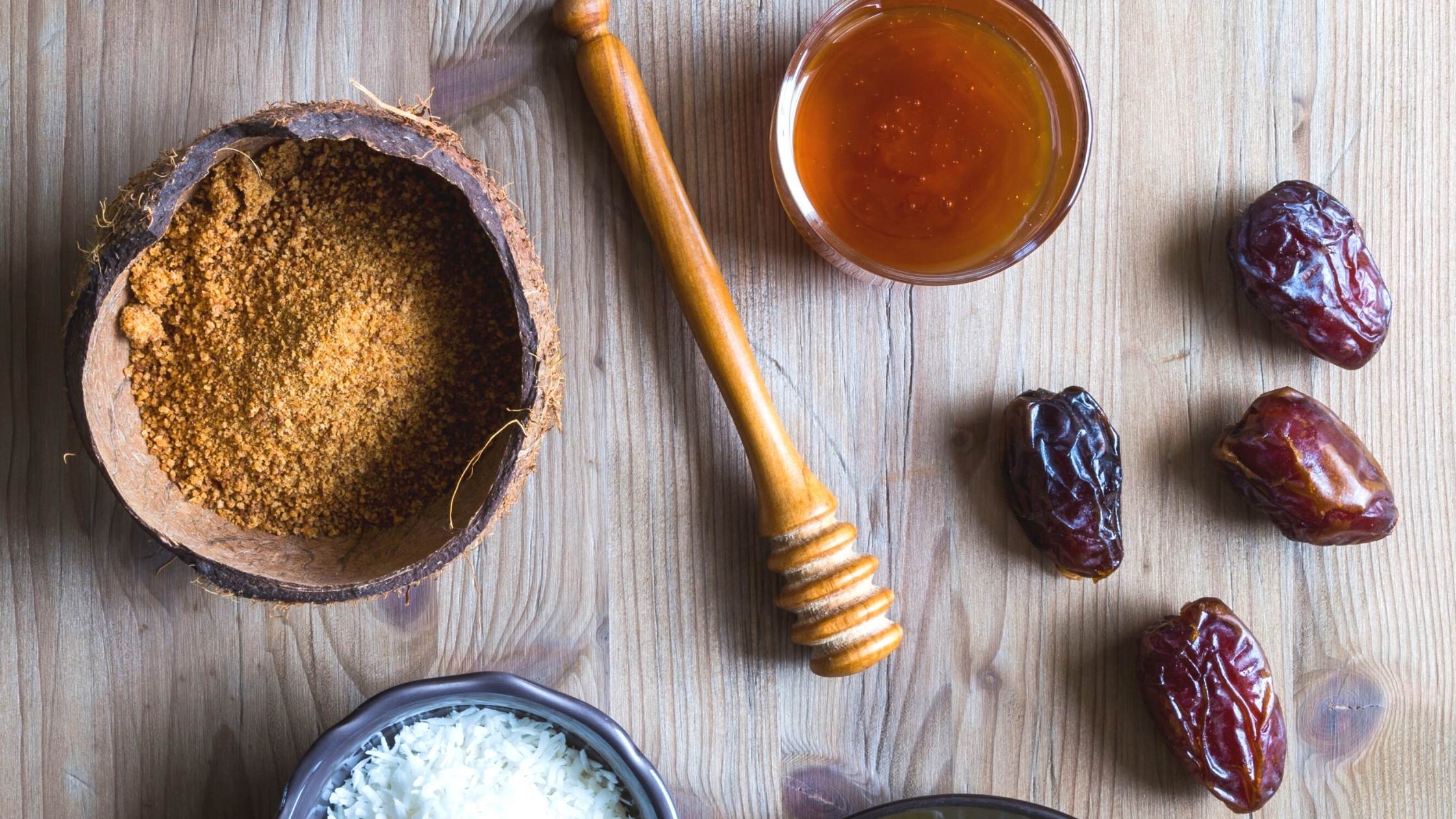
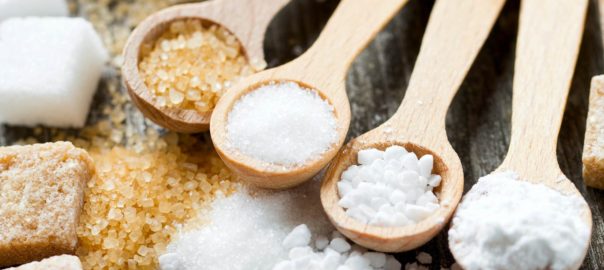
Sugar, honey, maple syrup, agave, brown rice syrup, molasses, and barley malt, corn syrup, high fructose corn syrup, and fruit juice concentrates are all forms of sugar that are fairly simple to identify by name.  Sugar itself is processed into different forms from the lowest process, sucanat (which stands for SUgar CAne NATural) to the most highly processed white, or table, sugar.  In between are turbinado, muscovado, demerara, evaporated cane juice crystals, and date sugar.  It's important to know that in this country the majority of brown sugar is nothing more than highly refined white sugar with a little molasses added for color and moisture.  It's also important to know that if you are feeding a vegetarian or a vegan, many of them will not eat white sugar as it is typically processed through bone char.
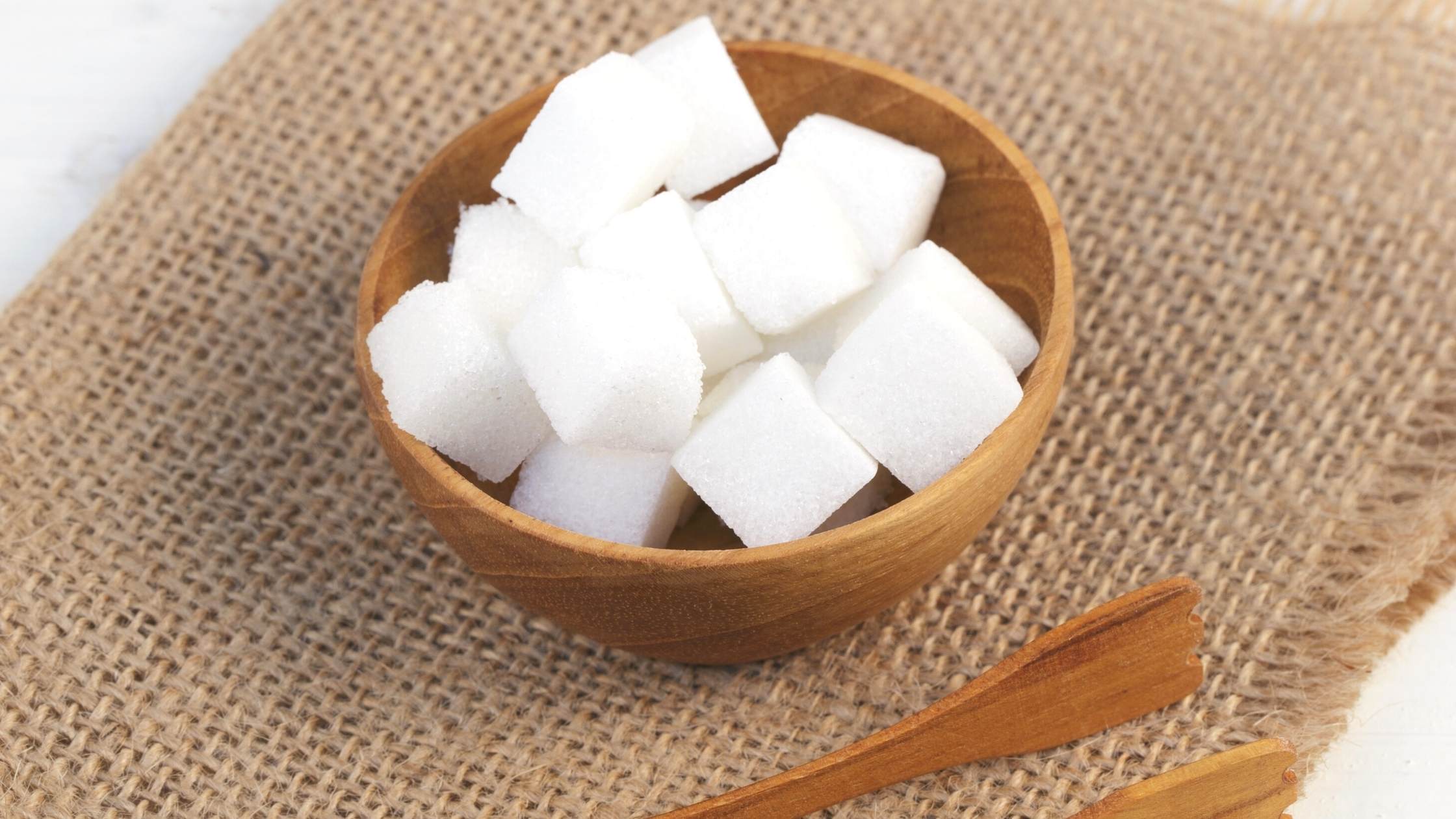
For other forms of sugar, it's important to understand that when processed, in most cases the sugar molecule is identified by the ending -ose.  This includes fructose, lactose, glucose, dextrose, etc.  Sugar alcohols, which do not have as much effect on blood sugar and insulin levels, primarily end in -ol.  Examples would be sorbitol, mannitol, erythritol, xylitol, and others.  Isomalt is the only sugar alcohol that does not follow that rule.  I am not strictly opposed to sugar alcohols (unlike artificial sweeteners) however, because they are processed and can have a laxative effect if ingested in excess (or if you have a sensitive system), I feel that they should be used with caution and in moderation.

Many people with blood sugar instability who try to limit their sugar intake rely on artificial sweeteners.  Listing both their common and chemical names, these are splenda, sucralose, neotame, acesulfame potassium, saccharine, nutrasweet, aspartame, and sweet-n-low.  These are not healthy choices.  Although they have zero calories they may to be carcinogenic or have the potential for other negative health effects.
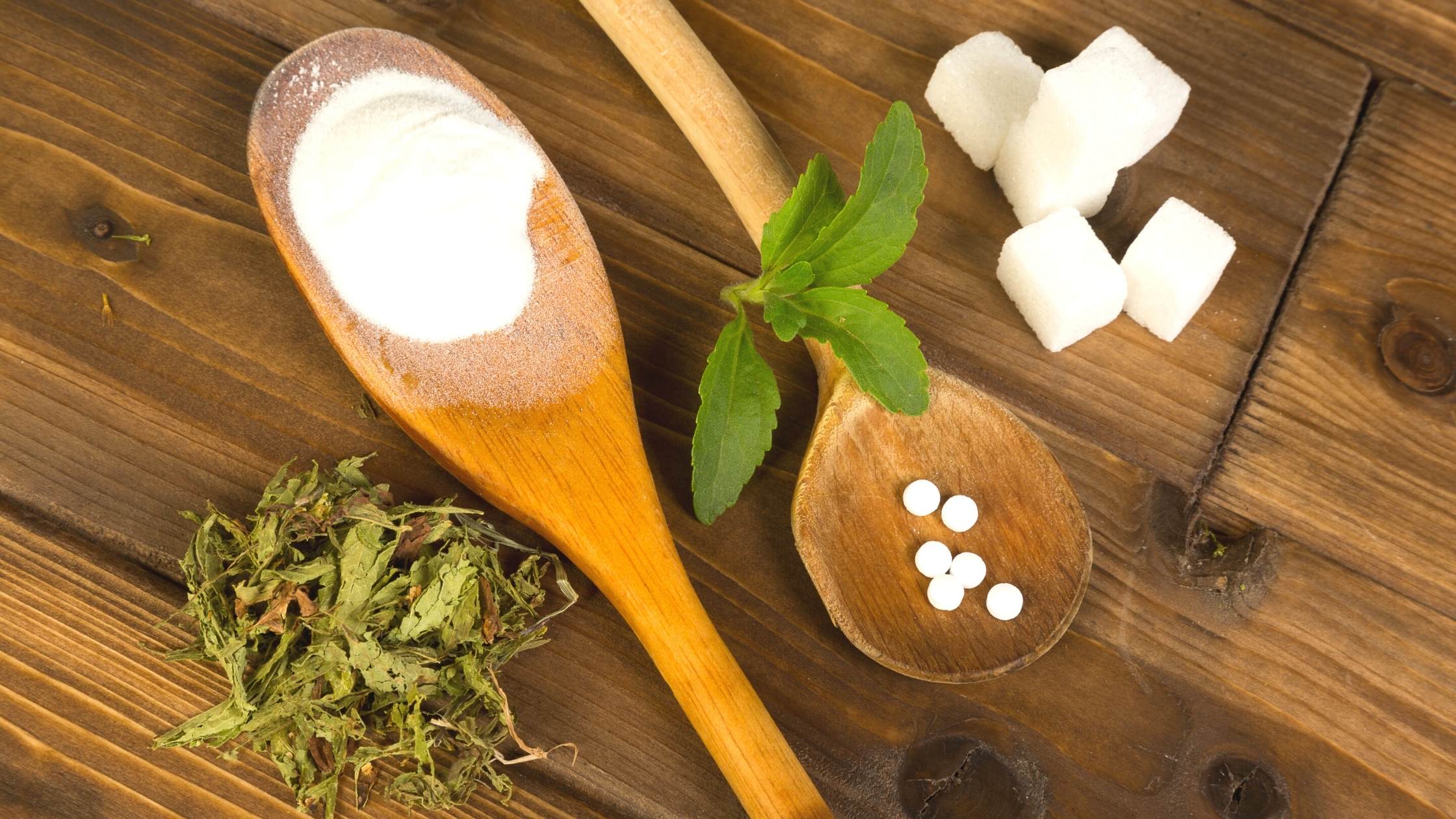
There is another sweetener choice which is stevia.  Made from a plant it is 300 times sweeter than sugar, has zero calories, and is considered a good choice for those who have blood sugar issues as it does not raise blood sugar levels.  Unfortunately, there are now several chemical analogs available, purevia and truvia. These are not stevia, instead they are laboratory created versions of stevia, and should be considered an artificial sweetener and avoided as much as possible.
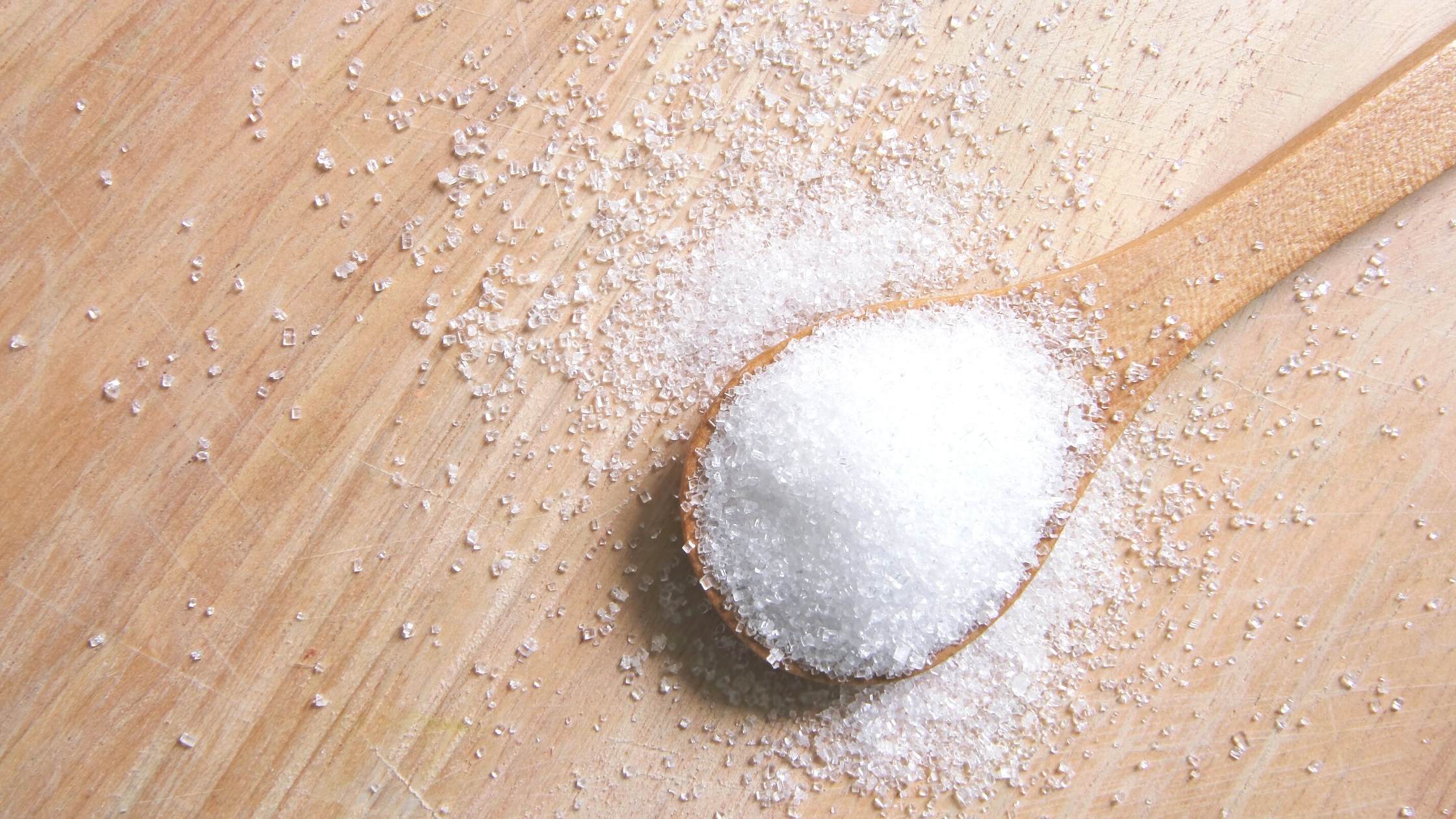
There’s a new sweetener on the market which is rather deceptive.  Marketed by Tate & Lyle this new sweetener is called Allulose.  It’s a low calorie sweetener which seems to be taking over the alternative sweetener space. Although it can be found in minute amounts in foods such as raisins, figs, and wheat, in it’s highly processed form you can be consuming too much of it.  Unfortunately because it's not fully metabolized by the body (not a good thing in spite of marketing to the contrary), the FDA has decided that Allulose does not need to be included on the nutrition panel under the total sugars. That means the only way to know if you’re consuming it is to read the ingredient panel.
 
Allulose can be difficult for many people to process has the potential to cause significant digestive issues, and has been shown to alter the microbiome. One study published in the British Journal of Nutrition found, “Certain bacteria such as Klebsiella pneumonia are able to utilise allulose as a substrate. This finding has been a subject of concern, since Klebsiella pneumoniae represents an opportunistic human pathogen. It therefore raised the question of whether a high dietary intake of allulose may cause an undesirable growth advantage for potentially harmful bacteria at mucosal sites such as the intestine."
 
The naming of this ingredient is unfortunate as many people equate the -ose ending with “safe” or “natural” sugars.  In this case, as mentioned above, the amounts created for commercial use may be challenging for the gut.  This sweetener, unfortunately, is the exception to the -ose rule.
 
I do not recommend you consume Allulose.
 

Managing Blood Sugar 


When managing blood sugar for those who have diabetes there are several guidelines to follow:

  • choose natural, low process sugars in moderation
  • if you are going to consume sugar spread it out throughout the day rather than "saving" it all for a big dessert or other treat
  • when consuming sugars make sure that you are also getting some protein to help balance the effect of the sugars in your system
  • eating smaller meals more often, every 2 1/2-3 hours is often helpful for many people to keep a more stable blood sugar
  • get protein at every meal
  • reduce simple carbohydrates, white flour products, white pasta, white rice, these are easily broken down by the body to sugars
  • reduce alcohol consumption, this is easily converted by the body
  • eat foods lower on the glycemic index*
  • if you are overweight losing weight can help with blood sugar management
  • staying physically active is also important
  • don't ignore your blood sugar, if necessary work with a doctor or nutrition professional to help you properly manage your blood sugar levels**

*The Glycemic Index is how much sugar foods have in them.  The more processed a food is the higher its glycemic load.  An example would be:

  • apples - glycemic index 38 - low
  • applesauce (unsweetened) - glycemic index 53 - medium

** Typical blood sugar levels (for non-diabetics) are considered to be:

  • fasting (before a meal) - less than 83 mg/dl
  • post-prandial (after eating) - less than 100 mg/dl 1-2 hours after eating   

Learn More on Sugar: The Special Report

Dive into the eye-opening world of sugar with "Sugar: The Special Report". Discover the hidden dangers of excessive sugar and other sweeteners lurking in processed foods. Gain insights into the health impacts of sugar on chronic diseases and uncover simple steps to make healthier choices.

Whether you're looking to improve your diet or better understand the effects of sugar on your health, this eBook is a must-read. Get your copy now and take control of your sugar intake for a healthier, happier life!

Twitter Party #foodrevparty

As I said…it was a busy night.  I actually managed to participate in two twitter parties with the second one based on Jamie Oliver’s Food Revolution.  The topic of the evening was Winter Seasonal Foods.  This was a great topic; I love seasonal eating.  We try pretty hard to eat seasonal foods in our home for two reasons. First, if it’s seasonal it’s often local, and that means fully ripe, fresh, and much more tasty.  The other is that it keeps our taste buds and food sensibilities engaged.  If you can only have strawberries when they are local and in season you sure appreciate them a whole lot more than when you buy them year round. I often find that out of season produce looks beautiful only to discover that it somehow doesn’t smell or taste right.

This is an overview of an hour of fast and furious typing by a LOT of people.  There are some really great ideas here about how to incorporate seasonal eating into your nutritional plan.  Hopefully these suggestions will help you add more seasonal foods to your menu.  I only list the first question here as the others all seemed to keep circling back to the idea of recipes, and food suggestions.  There’s a brief synopsis of the other questions at the end.

Winter is here for most of us, which brings new meal challenges. What seasonal foods are readily available in your area?  The answers seemed to be pretty consistent (with the exception of at least one participant who lives in a tropical climate and so has no distinct tropical variation), most people talked about winter squashes, cabbages, sweet potatoes, some mention of root crops and some citrus.  Recipe suggestions were great and I encourage you to use any and all of these:

  • parsnips in spaghetti sauce – I plan to try this
  • oven roasted butternut squash fries
  • butternut squash soup
  • grilled butternut squash
  • using butternut for vegetarian soup base
  • braised squash with lemongrass
  • butternut squash salad with raisins and ginger
  • risotto with winter squash and wild mushrooms
  • kale chips (love these!)
  • fermented cabbage (here’s a great recipe from Nourished Kitchen)
  • fermented carrots (another great recipe from Nourished Kitchen)
  • use spaghetti squash or sauteed shredded cabbage instead of pasta
  • using cranberries to make whole-cran-lemonade
  • using cranberries for smoothies
  • baby carrots roasted with rosemary
  • roasted vegetables with herbs, acid (vinegar, lemon, etc) and olive oil
  • growing herbs indoors all year round for fresh seasonal flavor
Discussion continued with talk about the use of Farmer’s Markets, CSA’s, and the use of freezers, canning/preserving, and dehydrating as a way to deal with an abundance of seasonal produce.  These were seen as a great way to obtain seasonal foods.  After all, and I believe it’s true for most people, if you’re going to go to the trouble of obtaining and eating food that is specifically in season, you probably also want to get food that is as local as possible.  And if you have more than you can eat, you’re smart to want to save some for a later time by preserving it through one means or another.  
As the evening began to wind down the topic turned to cocktails.  Specifically pumpkin martinis.  Not sure that’s going to be on my #gottatryit list.  However I am really glad to have some new, wonderful ideas for recipes that all rely on the bounty of winter produce.  The discussion of how to obtain produce from various sources year round reminds me to always be aware and alert for opportunities to source locally, seasonally, and, most important, to try to get to know my farmers.  And the discussion of dehydrators reminded me that I need to learn more about how to use mine and to be more consistent in it’s use.