All posts by Mira


About Mira

Mira Dessy is The Ingredient Guru. A holistic nutrition professional, author, and a popular public speaker, she knows that it's not just what you eat, but what's in what you eat. She is the author of The Pantry Principle: how to read the label and understand what’s really in their food. Dessy is a Board Certified Holistic Health Practitioner whose mission is to educate and empower consumers. She curates the Lean Clean Green Subscription box, the premier, organic, earth-friendly, healthy, sustainable subscription box which can be found online at https://theingredientguru.memberbox.com

Make Do Bullet Blender

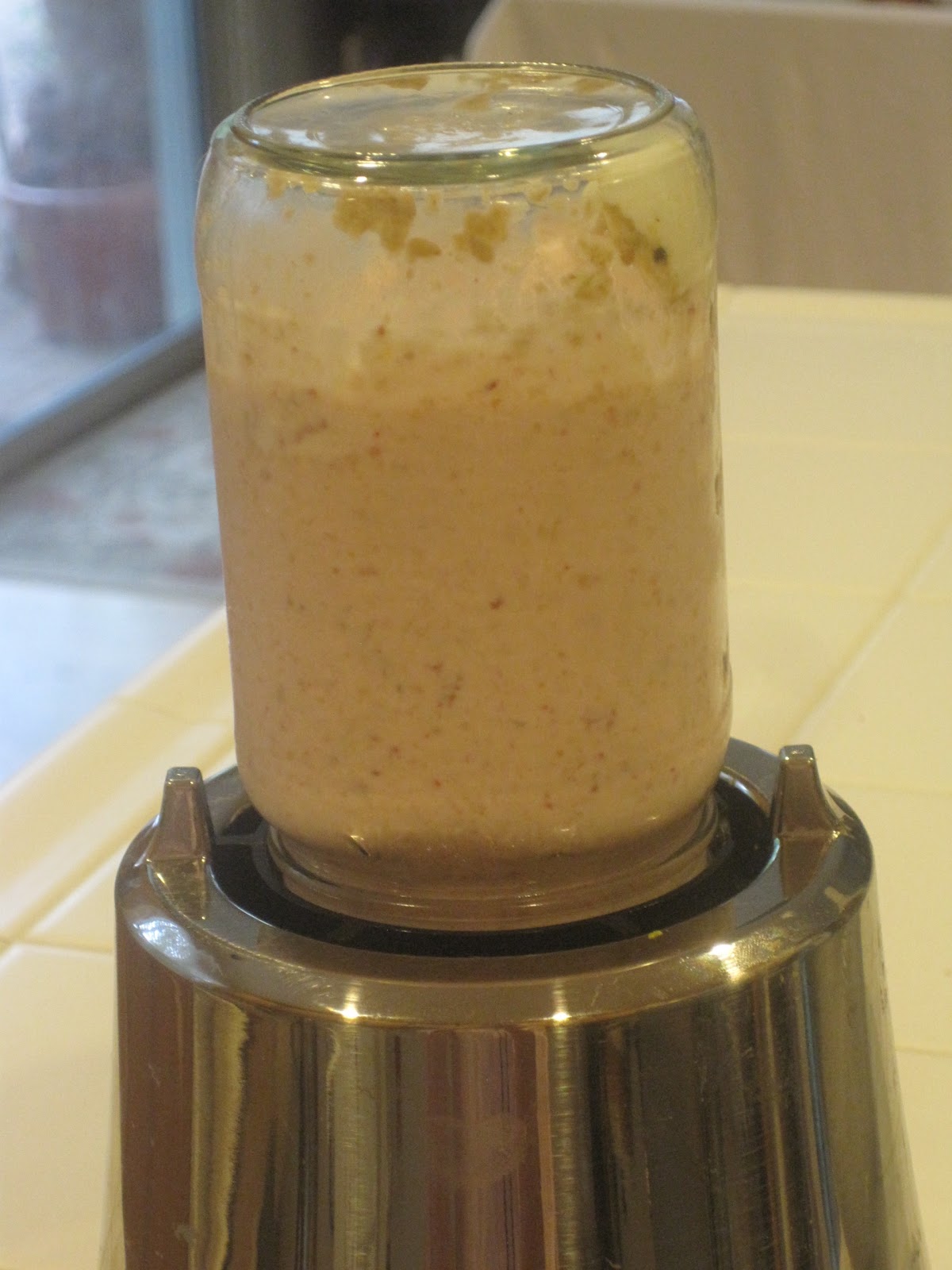
Recently I was wasting time researching ideas for food preparations on Pinterest and came across a posting that mentioned using regular mouth canning jars as a personal bullet blender device.  According to the pin/link that mentioned it the mouth of a regular pint jar happens to fit the blender blade base which then fits into the blender and can be used to make personal smoothies.

I already own a blender and am not interested in buying another appliance for my kitchen.  But there are times when it would be great to be able to make individual smoothies without having to clean the blender in between each recipe.

This morning, after mulling it over for a bit, I decided to give it a try.  I figured the worst thing that would happen is that it wouldn’t work and I would have to dump it all into the blender and start from scratch.

To make this morning’s smoothie I put the following ingredients into a regular mouth pint canning jar:  Greek style yogurt, organic strawberries, washed and quartered, fresh ground flax seed, greens powder, coconut oil, and a splash of almond milk to make sure there was enough liquid.  I put the blade base on the jar and it fit very well, placed the whole thing on the blender and hit the button.

I didn’t measure very well as I wasn’t sure how it would work but it seemed to have come out okay.   The hardest part was trying to carefully undo the jar and blade base from the without undoing the jar and spilling the contents all over the blender.

It turns out this works very well and I anticipate more personal smoothies in our future.

Top Hydrating Foods For Summer

Hydrating For The Season

The seasons have changed and those hot, summer days can cause you to sweat.  A lot.  Through sweating, you wind up losing valuable hydration.  While it's important to make sure that you drink enough to stay well hydrated don't forget to also look at what you're eating.  Many of the foods that are in season at the time of year have high water content and therefore can help keep you hydrated.

Health effects of dehydration

Dehydration can cause a wide range of negative health effects:

  • low blood pressure
  • increased heart rate
  • headache
  • weakness
  • dizziness
  • possibly even unconsciousness   

Making sure that you are aware of your hydration needs can help you avoid these symptoms and help you stay healthy during the heat of summer.

Hydration Formula

Before we talk about hydrating foods let's look at how much fluid you should be taking in.  This formula is based on an average person who is not exerting themselves to a high level. This is a very rough estimation of required hydration.  Start with your body weight, divide it in half, and convert those ounces to cups.  As an example:

                         A person weighing 150 lbs
                         Divided in half = 75 lbs
                         75 ounces = 9.4 cups

This number then needs to be further modified depending on whether you are living in an extreme temperature location, if you are exercising and how much, if you are pregnant or nursing, and/or how much of your hydration may be coming from food.  

Obviously, if you are out running a 5K, doing Bikram yoga or even spending long hours in the sun doing yard work you need to up your fluid intake. But this formula serves well as a general starting point.

It is important not only to stay well hydrated but also to consider the source of your hydration.  Avoid rehydrating through overconsumption of high sugar (such as soda or sports drinks), caffeinated, or alcoholic beverages.

Drinking More Water

Some people don't like to drink water.  Here are a few ways that you can bump it up a little.

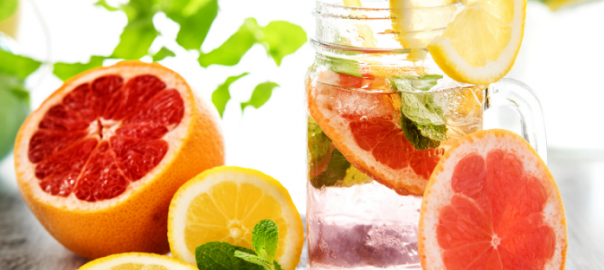
  1.  Add flavor to your water by the use of things such as mint, cucumber, lemon, or lime.   By adding a little flavor (without sugar or chemicals) you may find yourself inclined to drink more water.  
  2. For those people who are used to drinking soda, consider purchasing a SodaStream seltzer maker (avoid the flavored, chemical-laden additives) and start to break yourself of the soda habit.  This has an added benefit of reducing your plastic waste because you won't throw out endless amounts of plastic bottles.  I have had my SodaStream for over 3 years and my bottles are still going strong.
  3. Try drinking water kefir, a great way to quench your thirst and add healthy probiotics to your system at the same time.   Note:  water kefir needs to be drunk in moderation as too much can overwhelm your system.

Hydrating Foods

Eating lots of hydrating foods has an effect on how much fluid intake you will need.  Food sources such as smoothies and cold soups (like this amazing gazpacho) add hydration as well as satisfying the appetite.  Specific foods which are high in water content include:

  • apples - tend to be highly contaminated with pesticides so it is worthwhile to purchase these organic.  High in fiber, vitamin C and the flavonol quercetin which is beneficial for heart health, blood sugar stabilization also considered anti-inflammatory.
  • bok choy - sometimes referred to as Chinese Cabbage, low in calories and high in vitamins A, C, calcium, and fiber. Like most cabbages, it is believed to be anti-carcinogenic.  There are some concerns about pesticide use with this vegetable and an organic purchase is suggested.
  • carrots - in addition being an excellent source of vitamin A carrots also provide good levels of fiber, vitamin C, K, and potassium.  Highly antioxidant they are considered a good cardiovascular support food. 
  • cantaloupe - extremely high in vitamins A and C cantaloupes are also a good source of potassium.  The high levels of vitamin A make them very supportive of lung health while the high levels of A and C make them a good choice for eye health.  Be sure to wash thoroughly before cutting open.
  • cucumbers - very high in vitamin K,  considered antioxidant and anti-inflammatory.  Because they are one of the "dirty dozen" purchase these organic whenever possible.
  • celery - another great source of vitamin K,  high in fiber and studies indicate that it can be helpful in reducing blood pressure.  Another "dirty dozen" veggie; choose organic whenever possible.
  • cherries - very high in vitamin C and a good source of potassium, cherries come in both tart and sweet varieties.  Shown to be effective for helping to reduce blood pressure, it seems cherries may also support collagen health.
  • grapefruit - very high in vitamin C with a very high antioxidant level.  As with most citrus, it also contains limonoids, a phytonutrient which appears to be helpful in reducing tumors.
  • peaches - purchase organic due to the high levels of pesticide contamination.  Highly antioxidant, a good source of fiber, vitamin C and potassium. Peaches are believed to help support healthy skin due to their high levels of phytonutrients.
  • plums - high in vitamin A, C, K, and fiber, also help the body to absorb more iron from iron-rich foods.  Highly supportive of eye health with studies showing that plums may lower the risk of age-related macular degeneration.
  • strawberries - another pesticide-laden fruit, these are best purchased organic.  Very high in vitamin C, also provide manganese and fiber.  Not only are they anti-oxidant and anti-inflammatory, but emerging research also seems to indicate that daily intake of strawberries may be related to a reduction in inflammatory bowel disease.
  • tomatoes - a great source of antioxidants and high in vitamins A, C, K, and potassium.  In addition to being cardio-supportive new research appears to indicate that tomatoes may also be beneficial for bone health, especially in post-menopausal women.  
  • watermelon - very high in vitamin C, also provides a good source of vitamin A, some potassium and magnesium.  Watermelon is considered an anti-inflammatory, alkalizing fruit.
  • yogurt - in addition to being a good source of calcium, live culture yogurt also provides probiotics, phosphorus, potassium, zinc, and protein.  As a dairy product, it is also one of our few food sources of vitamin D.  Organic is the best choice to avoid antibiotics, hormones, and GMO feed.  It's also important to get whole milk yogurt as the vitamin D in the yogurt is a fat-soluble vitamin (meaning it needs to be eaten with fat for the body to properly utilize it).  Choose the plain variety and add fresh fruit if needed for sweetness to avoid the added sugars.
  • kefir - a delicious fermented yogurt, kefir is thinner and has a tangy tart flavor to it.  With all the benefits of yogurt, kefir adds a little extra probiotic punch as the fermentation increases probiotic activity.
Try to include more of these fabulous and tasty foods into your summertime diet.  Not only will they provide nutritional support, but they'll also help keep you hydrated.

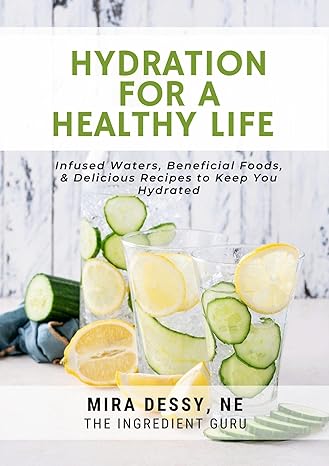
Learn More on My eBook: Hydration For A Healthy Life

Discover the secrets to staying hydrated and maintaining a healthy lifestyle with "Hydration For A Healthy Life". Learn about the importance of water, electrolytes, and alkaline beverages, as well as tips for staying hydrated year-round. Plus, enjoy delicious recipes for infused waters that make hitting your hydration goals easy and enjoyable.

Whether you're a fitness enthusiast or simply looking to improve your overall health, this eBook has everything you need to keep your body running smoothly. Grab your copy now and drink up to a healthier you!

Resources

These are companies that I want to share with you because I use their products and/or they have a product that I believe is a good one.  I do want to be clear, these are affiliate links.  If you choose to buy something through them I do receive a small commission which helps support my blogging habit. Thank you.

Drink water 300x250Aquasana offers a variety of water filter systems including whole house filtration.  After all, it’s not just what you drink.  Our skin is our largest body organ and what goes on it gets into us.

 If you want to get rid of the chlorines, chloramines, and other contaminants frequently found in residential water check out what they have to offer.

Blendtec makes amazing blenders, grain mills, and mixers.  They are reliable, heavy duty and yet not as expensive as some of the other brands out there.  I love mine and use it regularly.

I use a lot of herbs, in cooking, for teas, and to add to baths.  I have always found their herbs to be great quality.  The amount of information available at Bulk Herb Store is wonderful and I really like their videos, books, and other products too.

Body Ecology is an amazing program created by Donna Gates.  Offering straightforward information and products on how to rebalance your inner ecosystem and help you get back to health.

Cultures for Health is your one-stop shop for all things related to cultured food.  Yogurts and other cultured foods, cheese making, fermented foods and more can be found here.

 Offering high quality, pharmaceutical grade supplements Emerson Ecologics is also a great resource for aromatherapy, acupuncture, personal care, and veterinary supplies.  All products are available through this link at 10% off retail.  Because I am not allowed to publish the access code, please contact me to gain access to the site.

10% Off Only Natural Pet Brand Products Use Coupon Code EZ10! Exp 6/30/12 If you are looking for good quality natural and holistic pet care Natural Pet Brand is a good place to get grooming supplies, vitamins, treats, flea and tick treatments and more.

  Nourishing Hope is the website of Julie Matthews, a highly regarded expert on the topic of feeding and healing diets for those with Autism and ADHD.  Her information is not diet specific but rather encompasses all of the dietary strategies and she helps families choose the one that works best for them.

I like these products from Slimware because they are an attractive way to help teach people about portion control.  The offer plates and bowls that discreetly help you measure what you’re eating.

When working with clients who have trouble with constipation or other bowel disorders I suggest to them that there’s a better way to poop.  It sounds strange but it’s true, if your colon is properly aligned things are easier (if you know what I mean).  The Squatty Potty is a great way to help support good colon health.

Vital Choice is an amazing resource for the most amazing wild fish, shellfish, canned seafood, and more.  Every time I have ordered from  them I have been extremely happy with the quality of their product.

For those who are looking for a great workout consider the X-iser.  Designed to deliver maximum interval training benefits it’s small, compact, and a great way to keep in shape.

Affiliate Accounts

Support for the blog 

As regular readers know I am passionate about food and health.  It’s what I do for a living, it’s how I help others, it’s what I read and study in my spare time.  My goal is to be a resource you can trust. I write when I can, trying to keep things interesting, informative and, above all, understandable. 

It is important for you to understand that some of the links on this site are affiliate links for whichI may receive a small referral fee at no extra cost to you. While I may sometimes be asked to review a book, product, or service, my thoughts and opinions are my own.  My promise to you is that I will I will only put links on this site that I believe in, feel I would support, or am willing to purchase or use personally. 

AMAZON DISCLOSURE: This website and it’s owner participates in the Amazon Services LLC Associates Program, an affiliate advertising program designed to provide a means for sites to earn advertising fees by advertising and linking to Amazon properties including, but not limited to, amazon.com, endless.com, myhabit.com, smallparts.com, or amazonwireless.com.
 
Your support helps to fund this site and my writing activities. Thank you.


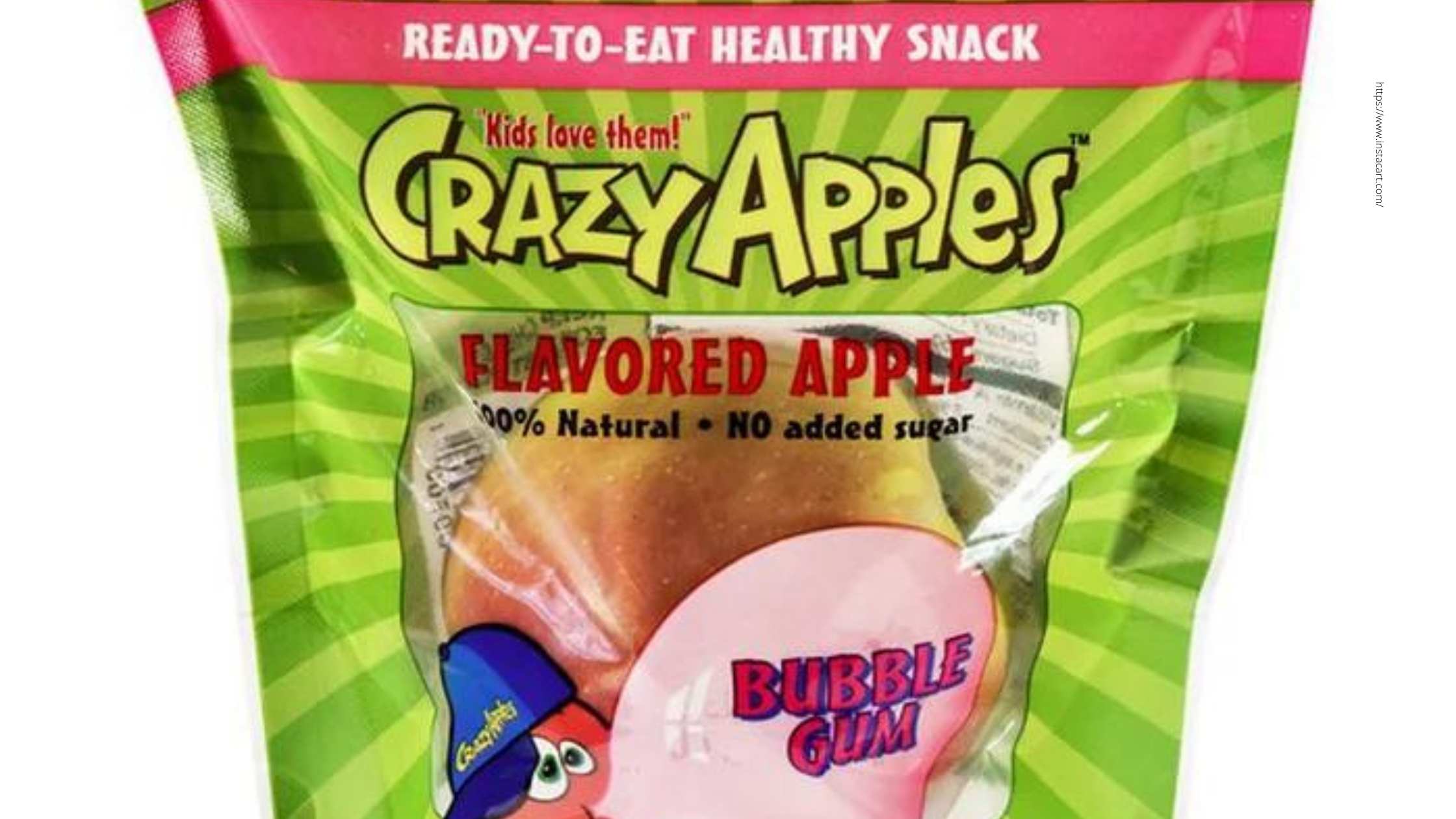
Bubblegum Flavored Apples Anyone?

Consumer Question:

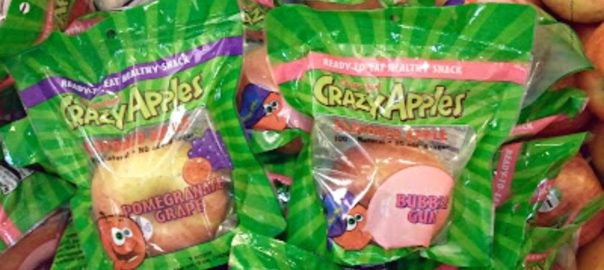
"We came across these apples at Stop & Shop here in town. We could not believe our eyes when we saw flavored apples!! I told my husband to take a pic to send to you because I wasn't sure you would believe me when I tell you that they had bubblegum flavored apples. I believe there were four flavors total to choose from. 

I'm curious what your thoughts are. I walked away all kinds of confused. Was this an attempt to help kids with poor eating habits cross over the healthy eating or the other way around? How exactly did they alter this apple to make it flavored? And of course the obvious...yet another example of FAKE food.

Oh and as you can see it was placed right next to the apples and the packaging says ready to eat snack.  What's so difficult about preparing an apple for eating?  hmmm you wash it?!?!"

The Answer

Good eye and good thinking.  This is very similar to something I just saw in my local grocery store called grapples.

Research indicates that the flavoring comes from "natural" (read possible MSG ingredients) and artificial flavoring. It seems that the apples are marinated for several days in an undoubtedly chemical concoction which allows the apple to soak up the flavor.  This process has apparently been approved by the FDA.

The Grapple company website assures the consumer that the product has not been genetically modified and there are no added sugars or calories.  Unfortunately, there is a huge chemical load, not just from the flavorings, but one assumes these are not organic apples and therefore potentially high in pesticide residue.

The Crazy Apple company website says they can't tell you how they do it but I assume it's the same sort of process.  They do however assure you that their apples are gluten free (duh!), dairy free (again, duh!), and contain no soy or nuts.

I believe this is seen as a way to market apples to kids but I'm not really sure why this sort of adulteration is seen as a positive.  Since apples by themselves are sweet, crunchy, and tasty I'm not sure what the appeal is here.  Unfortunately I see this as a big step backwards as items like these further dull the taste buds to what food should taste like.

Update:  It turns out these apples are being spotted all over the place and most of you are not happy about it.  My friend Adrienne suggests, "If you want a grape flavored apple take a slice of apple and some grapes.  Eat them together.  It's a party in your mouth!"  Good advice.

gluten free

Understanding Gluten Free

I've realized that I need to put together this post on gluten free.  I've been writing about the topic for a while but mostly in smaller posts either on Facebook or Twitter.  But there still seems to be some confusion out there about gluten so I'm answering a number of questions and putting it all in one place.

What is gluten?  

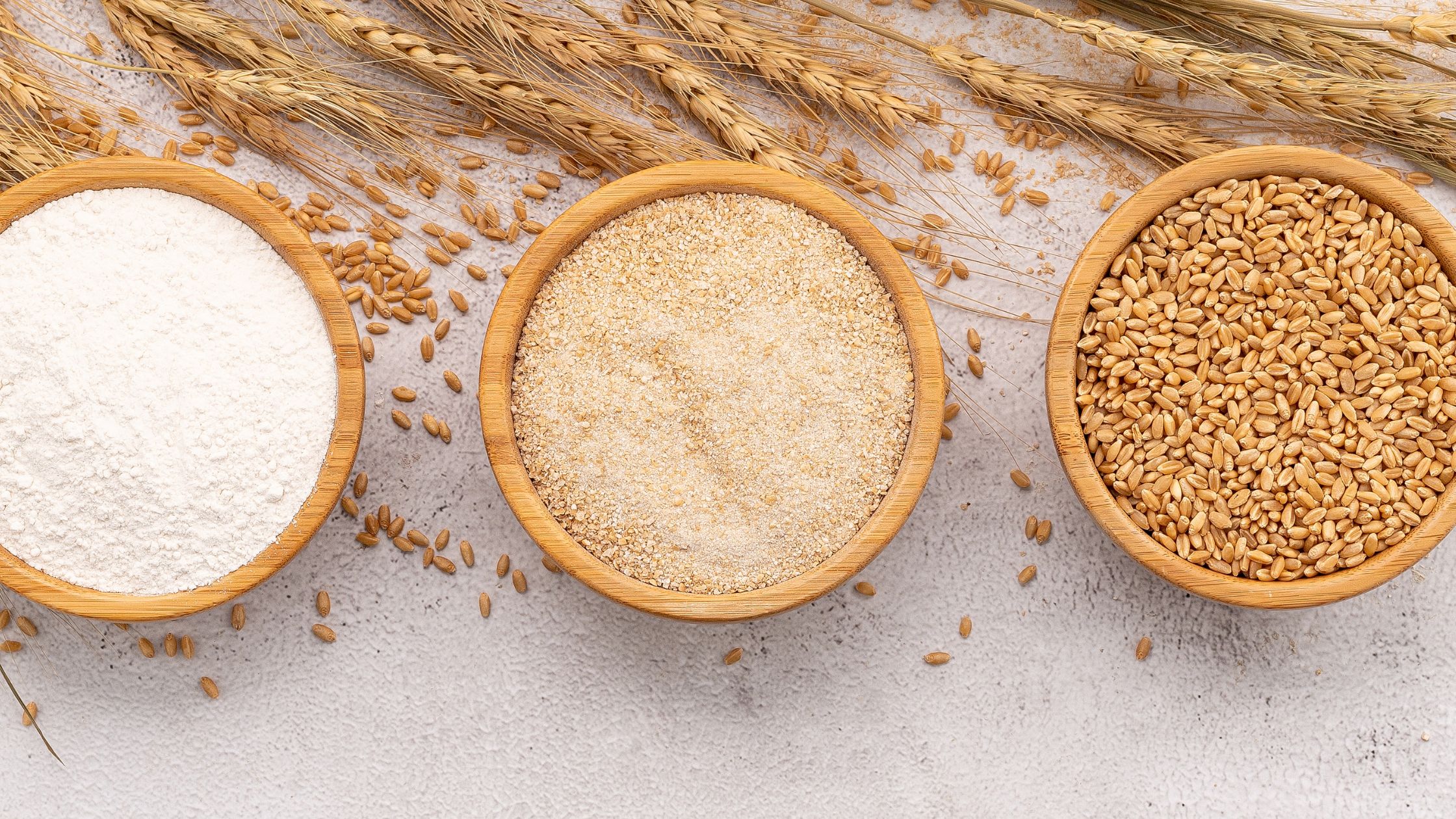
Gluten is a composite of gliadin and glutenin and is the active protein which makes flours sticky enough to rise when baked into  bread products.  The more gluten there is in a grain the more stretchy the flour made from that grain will be, and the more it can rise.

What's the big deal about gluten?  

For those who have autoimmune disorders such as Celiac Disease or an IgA deficiency eating gluten can provoke an inflammatory body response and is very damaging to the intestinal system. It can cause a wide range of digestive difficulties including diarrhea, constipation, bloating, gas, pain, and damage to the intestinal tissues.  Additionally many people who suffer from Inflammatory Bowel Diseases (such as Crohn's or Ulcerative Colitis) find that they do not do well when they eat gluten. Trudy Scott, author of The Antianxiety Food Solution notes in her book that there are a number of clinical studies showing that gluten can also provoke anxiety, depression, and other mood disorders.  Trudy provides easy to understand instructions for a gluten elimination challenge on her blog.

Which grains have gluten? gluten

Fewer grains are glutinous than non-glutinous; they are easy to remember using the mnemonic BROWS. That stands for Barley, Rye, Oats, Wheat, and Spelt. While oats do not contain gluten they are often grown near, stored with or transported with grains that do contain gluten so there is a concern regarding cross contamination.  Therefore many people who need to avoid gluten choose to buy certified gluten free oats.  All of the other grains do not have gluten; these include quinoa, teff, amaranth, corn, rice, buckwheat, and millet.

Gluten free does not mean low carb

I have heard that there are some people who think that if a product is gluten free that also means it is low carb.  Grains by their nature are higher in carbohydrates; so gluten free grains (any grains really) do not qualify as low carb.  It is important to note that some grains are lower in carbohydrates than others.

Gluten free does not mean whole grain

Sadly many people in the search for gluten free don't stop to consider that the healthiest way to eat grains is in their whole form.  A whole grain contains the outer bran, the endosperm, and the innermost germ where the beneficial oils are.  Unfortunately many gluten free products available on the market are not made with whole grains.  They are made primarily with the starchy endosperm.  Whole grains are important as the fiber and the germ help to slow down how quickly your body can absorb the simple carbohydrate of the endosperm and also helps to balance blood sugar levels.  The fiber is also important for digestive and bowel health.  Eating a diet high in simple carbohydrates can cause weight gain, intestinal problems, and other health problems.

Gluten free is NOT a weight loss plan

I am not certain how this concept got it's start.  The only supposition I have (and this is my personal thought, not substantiated as yet by any studies) is that people who went gluten free and lost weight did so either because they lost the "false fat" from inflammation, or because they changed their entire nutritional plan.  By being mindful of the gluten in their food they were also mindful of other aspects of their eating which in turn lead to weight loss.

Gluten free for athletes

This appears to be true.  While there are currently no definitive studies regarding this issue it seems many athletes are going gluten free and finding that they feel better and anectdotally report better performance.  Articles about gluten free athletic performance have appeared in magazines such as Men's Health.  And according to the website The Gluten-Free Athlete a number of professional athletes are following this diet.  If you are interested in trying this you can either stop eating gluten and see how you do, or consider taking using Trudy's gluten elimination challenge.

How pervasive is gluten

People who need to avoid gluten because of health issues need to be aware of the fact that gluten not only appears in food but also in many personal care products.  Our skin is our largest body organ and anything we put on it gets into our system.  Gluten can be found in lipstick, lotions, moisturizers, and shampoo products.  It is important that you read the ingredients on these labels as well as on your food if you need to avoid gluten.
real food

Real Food – Part Two

This is a second guest post (part one located here) by Alex Clark who ran the blog A Moderate Life. She's given permission to share this story with you.


Embracing the Slow Food Movement

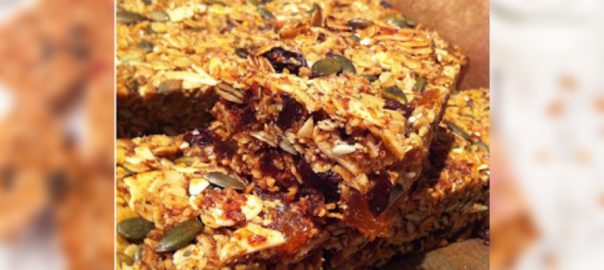
This morning, my daughter told me that there were only two granola bars left in the fridge.  This is a huge change from years ago when I would find empty cardboard boxes with bright colors in my pantry and have to run out to the store at night, ruining my evening with bright fluorescent store light.  I think its because my daughter REALLY loves my granola bars.

I say mine because I make them from scratch. But making them from scratch means you can’t just magically have them ready.  They take time, as does everything related to Real Food, and that pisses some people off and turns them away from this healthful way of life. When, along the way, did we all begin to really believe that FAST and QUICK was better than NICE and SLOW?  When did we start to think that convenience was much more important in our lives than GOOD?

I actually know people who would rather take a frozen dinner and stick it in the microwave for their kids than take a pot out of the cupboard and heat up a can of soup because it takes less effort and it is ready more quickly. I am not talking to those people. They would never be able to GET what Real Food is about, and they only see food preparation as a chore that must be done in order to fuel their charges.

The Pleasure of Slow Cooking and Nourishing Meals

I am here to talk to the folks who have made a choice to eat healthy and are willing to make an investment in terms of money to buy healthy ingredients. I am here to ask them now to make a bit more of an investment in order to increase their returns tremendously. It is an investment in time. Real Food takes time. It takes preparation; that’s why some folks call it the Slow Food Movement.

I know some folks who only have Real food on holidays. At that point, they understand, and accept that it takes time to cook a turkey, or roast a leg of lamb, and they are willing to wait because the dinner is gonna be so stinkin' delicious that it is worth it. I am sad for those people who will wait patiently for a meal two or three times a year, because why not wait patiently EVERYDAY to get delicious, nutritious and AMAZING foods?

I won’t compromise…I simply won’t! I am at the point where I have enough “hours logged” in this lifestyle that it is no longer overwhelming, and I am here to share with you a few tips on how to make the transition easier in your life.  It’s also important to note that as a moderate life enthusiast, I have sifted through the information on traditional cooking and found the things that appeal and are most important to me, and those are the areas I focus on.  Taking on too much is a recipe for disaster, because All or Nothing usually ends up being nothing at all. First–BE PATIENT!!!Your investment of time is in small increments.  It does not take two days to bake a loaf of 100% Sourdough bread , it takes about 30 minutes of actual work and two days of waiting and then 55 minutes of baking, a few minutes to cool and slice and bag and you have bread for a few days…bake two loaves and freeze them and you have bread for a few more days! Its all about figuring out how to maximize your return on invested time! This is so key because you have to be able to plan ahead for things.  Your chicken stock simply isn’t going to appear unless you make it, and it isn’t going to be ready in fifteen minutes, it takes 10 hours, but you only worked about 15 minutes to throw everything in that crock pot.

Planning and Managing Prep Chores

You should get a calendar exclusively for food prep chores.  I make kombucha, sauerkraut and other pickled vegetables, whey, cream cheese, bread, whey soda, sprouts, sprouted wheat flour, crispy nuts, healthy cookies, granola bars, soaked oatmeal and bone stock on a regular basis. I put into my calendar when something needs to be started, how long it takes to complete and when I need to start to make more. This makes it easy and helps me to shop for supplies each week, because I always know what I am making, and I always then have things stocked to throw together wonderful food.  I am adding a milk club to my calendar so I can get fresh real milk, and that will also take time to pick up, store in my nifty glass containers like in the old days and process if I want to make yogurt or kefir.  When you see things written down and you see the dates, you won’t get overwhelmed with the process of it, and you won’t take on more than you can chew because it’s all laid out for you. [note: why didn't I think of this? So much easier than all my stickie notes tacked onto my jars reminding me of the days. I have a mom's calendar and now that not all the kids live at home there's a blank column. Perfect for this task.]

Understand, this is the way our grandmothers lived, before the advent of technology and mechanization of many household chores, so it’s in our genetic memory. I remember her explaining to me how she would wash on Monday, dry on Tuesday, fold and iron on Wednesday! How she would can vegetables, and make jam during the growing season to stock up for winter.  Now, we can do things much more quickly and we have many more options, so that should leave you plenty of time to do your Real Food Chores. No excuses! Once you begin the process, it’s easy as those oatmeal raisin cookies that I will bake tomorrow because the oats are soaking over night!  Enjoy your food, slow down, take your time and create something worth relishing!

Real Food – Part One

This is a guest post by Alex Clark who ran the blog A Moderate Life. She's decided, after blogging since March 2010, to stop writing about real food. Mostly because she so busy living her real life. She's given permission to share this wonderful story. I fully sympathize with her childhood outlook having dreamed of canned spaghetti and ding dongs when I was a kid. Although the posts are from April 2010, the information is still timely and relevant.


Celebrating the Legacy of Traditional Cooking: A Tribute to My Mom's Nourishing Meals

What a lovely Saturday it is! Not because its beautiful out, but because we are home relaxing after a busy work week–and that sounds good to me! I was at the grocery store the other day looking for things that I wasn’t finding and getting very frustrated that I was even trying as I knew this stuff wasn’t going to be there. No raw dairy, no full fat organic yogurt, no fertile eggs, no grassfed butter, no organ meats, no artisan bread, no Scottish porridge oats…I know..complain, complain, complain…and then, I saw some liverwurst and I got happy for a moment–ah, offal!!

As I smiled, a wave of guilt came over me so strongly that I almost cried, and I had this HUGE AHA moment! For years I had been complaining to people that my mother had fed us terribly when I was a child. Not that she was a bad cook, but she was just different than all the other American Moms out there.  That’s pretty obvious because my mother is from England and grew up in the Yorkshire and Leicestershire countryside.  As a young woman, she was a midwife, going from home to home delivering babies and caring for the mothers and babies in the home. She came to America and met my dad, a Greek surgeon, who came from (oh god, thats another huge long story–let’s save it for another time shall we?) China at a party in Brooklyn.  Thus our family was born and moved into the American landscape as a couple raising first generation American children in the mid 60′s.
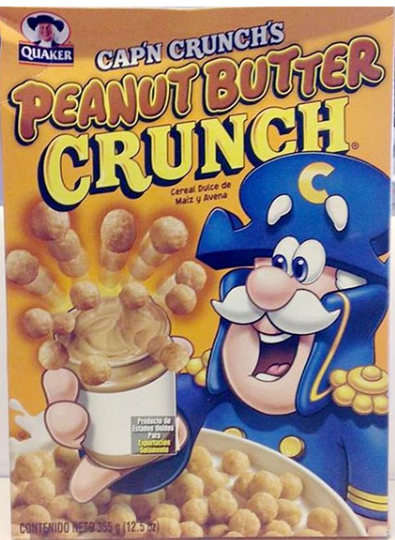
So, when other kids were eating Captain Crunch for breakfast, we were having porridge with treackle, or crepes rolled up with lemon and sugar, instead of flap jacks.  When other kids were eating Oscar Meyer and Wonderbread, we were eating liverwurst and lettuce with butter sandwiches or cream cheese and lettuce on brown bread.

As kids, we envied our peers their white bread, their big glasses of pasteurized and homogenized milk at every meal (we had water only or a taste of wine, or a shandy, beer and ginger mixed–remember my folks were from Europe!), oh and the thought of Hellmann’s Mayo on a sandwich instead of that GAWD AWFUL butter on everything!!!

Dinner, occasionally, was a child’s worst nightmare. While our friends were eating Kraft Macaroni and Cheese with Ball Park Franks, we were having Beef and Kidney Stew, long cooked with potatoes. Or we would watch our dad crack open a lamb shank that my mother had braised for hours and drink out the marrow with a satisfied slurp. 

Snails crossed our plates, tripe, the crackling off a fresh leg of pork, eggs and bacon with bread fried in the grease, Brussels sprouts, turnips, rutabagas…all made an appearance, and while we ate them, simply cooked in my mother’s kitchen, with my granny sitting by her side preparing the veggies, we longed for the dinners our friends were eating.

We did this because we thought it would be better to fit in…to assimilate…to eat what they were eating meant we were one of them.  I remember sitting in terror and dread the first time my mom let me have a birthday sleep over and she served spaghetti and meat sauce…everyone loved it! I was so concerned because it wasn’t Ragu!!!

As the years have gone by, and I have explored many eating traditions and nutritional directives, I sometimes used my mother’s cooking as a “poor me” to fit in and explain myself better and why I was still searching. 

People gasped at my stories of my mother buying beef hearts and having them ground by the local butcher or my grandmother buying cows gristles and ligaments and slow cooking them to release all the gelatin and collagen.  It was unheard of, it was unknown and it was unwanted. Surely McDonald’s was better.

Now, sitting in my kitchen, with a pantry stocked full of home made, organic foods based almost entirely on Real Whole Foods recommended by Sally Fallon and the Weston A. Price Foundation, I realize that my mother was RIGHT–she fed us good, wholesome, nourishing, frugal, building, traditional foods! She set the building blocks for future health in every bite of liver and every piece of rye bread we ate!

I am lucky because my kids already know that what my friends grew up on is not good for them, and they love to eat the way we eat (though, they have yet to have a piece of tripe or a lamb shank!). Over the years, my mother stopped cooking traditional foods and became an excellent cook with a European flair.  She and my dad are in their golden years and are healthy and happy and travel extensively. They are concerned with health and wellbeing, but I do think I need to sit down with them and explain why kidneys need to be back on the menu!

Here’s to my Mom, and the wonderful food she made me eat as a kid–I am now glad she made me, ’cause I know how deep down good it was for me.

Read: Part Two

Roasted Corn Salad

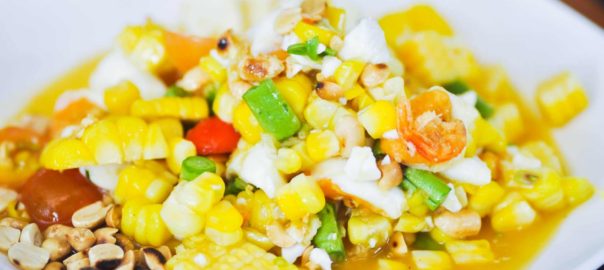
I love summer and summer food.  For me, there is nothing better on a hot day than a quick simple barbecue with lots of tasty side salads.  My sister-in-law is a genius at the side salad thing, probably because she grew up in Texas where all my friends seem to be good at that.   Me?  Well, it's a learned thing, mostly started by her generous gift of two cookbooks loaded with salad recipes.

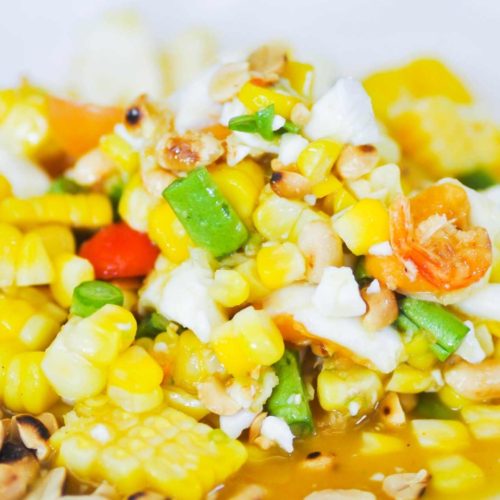
This is my latest creation.  It was late by the time we ate and I was too hungry to stop and get out the camera.  When I remembered to take this picture there was, I kid you not, only three spoonfuls of salad left.  That's how good it is.  The general family consensus is that it's a keeper.  Hope you think it is too.

Roasted Corn Salad

Ingredients
  

  • 3 ears of corn
  • 1 red bell pepper diced
  • 3 spring onions, cleaned and diced
  • 1/2 cup celery diced
  • 1 clove garlic, pressed
  • 1 small bunch of cilantro minced
  • 1/3 cup extra virgin olive oil
  • 1 small lime juiced
  • sea salt and pepper to taste

Instructions
 

  • Shuck the corn and cook in a pot of water until just starting to boil
  • Remove from the water, pat dry and place on a medium high grill
  • Turn corn occasionally to prevent burning (although my guinea pigs family says the darker bits are tasty too)
  • When corn is slightly browned all over remove from grill
  • Using a sharp knife remove kernels from cob and place into a bowl
  • Add bell pepper, spring onions, celery, garlic, and cilantro
  • Mix well
  • In a separate container whisk together olive oil, lime juice, salt, and pepper
  • Pour dressing over corn salad and toss well to coat evenly


vitamins

What's In Your Vitamins?

Not that long ago I was working with a client, we were having a Pantry Party.  For those who may not know, a Pantry Party is where I come to your house and we play in the pantry.

Working with you, based on your health goals, we go through the contents of your pantry and I help you understand what may be in there that really isn't food.  

We talk about ways to get rid of those non-food choices, suitable substitutions, and overall nutrition education.  I love Pantry Parties, they're a lot of fun, and my clients love them too.

This particular client happened to keep their vitamins in the pantry.  At one point, as we were talking about a number of the negative ingredients in various food items, I happened to grab one of the vitamin bottles.  That vitamin bottle brings us to today's blog entry.

It's important for you to understand that nutrition applies not only to food; it applies to whatever you put in your mouth.  If you eat it or ingest it in any way, you need to be aware of the ingredients that are in it; because if it goes into your mouth it gets into your system.   This includes Food, medicine, vitamins, mouthwash, and toothpaste.

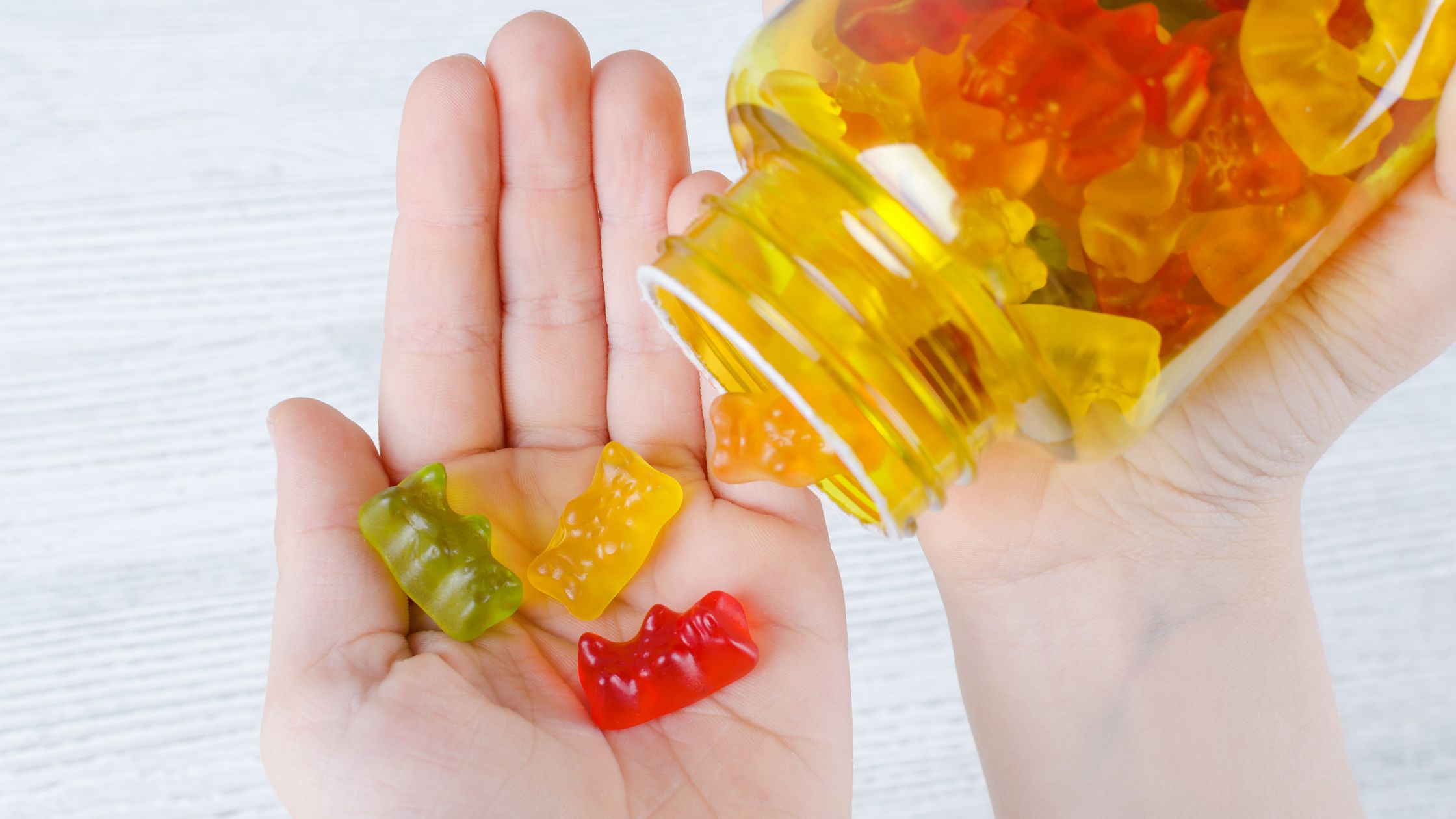
Gummy Bear Vitamins

I am going to focus on one particular vitamin here but this information and thought process would apply to any supplement.  First, I will start by saying I do not get the gummy-bears-as-vitamin concept.  Sure, it sounds good in theory, make vitamins fun and perhaps more people will take them.  But vitamins are not candy and we should not be thinking of them as equivalents.

I am, admittedly, a huge proponent of food as medicine; however I do recognize the potential need for supplementation.  My theory is supplement, replete, and stop (having corrected the diet along the way).  Gummy vitamins/supplements fall very low on my list because all of that sticky, candy residue stays on your teeth and creates a perfect environment for bacterial growth.

I know, I know, some of you are going to complain that gummy candies are fun and I shouldn't be such a spoilsport.  I get that they're tasty and the chewiness is fun.  But every day?  Not a good habit to get into in my book.

This particular vitamin is meant for adults.  It's a calcium supplement with vitamin D3.

citracal
 

On the plus side:vitamin

  • Taking calcium with D3 is a good choice, the D helps the body to properly utilize the calcium and D3 is the better choice over D2.  
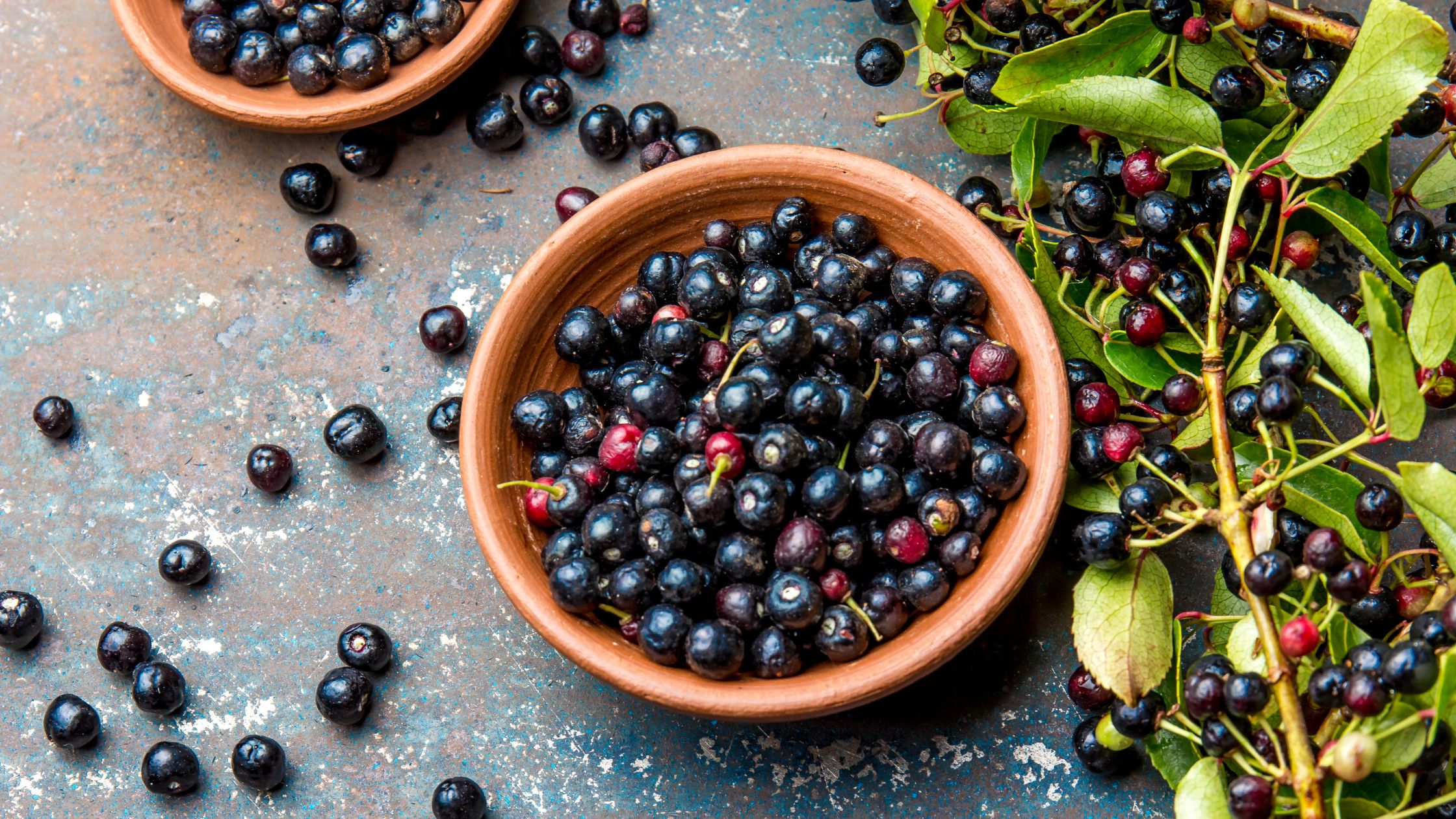
  • This supplement uses maqui berry (also known as Chilean winterberry) juice concentrate for color.  A good choice because it's a fruit, however why go all the way to Chile?  Why not use something like cherries or blackberries?  
  • The tricalcium phosphate is meant to provide the calcium supplementation.  There is some debate about which forms of calcium are best, but leaving that out of the discussion this is not an unreasonable form.

And that brings us to the negatives with this product:vitamins

  • The very first ingredient is corn syrup which is essentially a sugar.  
  • The second ingredient  is sucrose, also known as table sugar.  
  • If we look at the nutrition label we see that this product provides 7 grams of sugar for two gummies.  That's as much sugar as a 3.5 ounce cheese danish (not that I recommend you eat the danish either).
  • The artificial flavoring, Yellow #6 and Red #40 are definite negative ingredients. 

As many readers know, I am strongly opposed to artificial flavors and colors.  The colors are made from petrochemicals.  There is landmark study which shows a significant response among children who consumed artificial colors.  I feel, quite strongly, that artificial colors are not good for anyone, child or adult, and need to be removed from our food.  There are plenty of natural food color alternatives.  But that's a blog post for another day.  If you don't want them in your food (and believe me, you don't) then you certainly don't want them in your vitamins.

Inert or neutral ingredients would be the water, sodium citrate, citric acid and pectin.  These are used to make the form, or body, of the candy.  The citric acid is for flavor, the pectin is what makes it gummy.

Overall that makes this not a great choice if you are looking to supplement your calcium.  Considering the food as medicine concept, it is important to remember that if you eat right you can, in fact, support your health with food.  One study from 2007 concluded that, "Calcium from dietary sources is associated with a shift in estrogen metabolism toward the active 16α-hydroxyl metabolic pathway and with greater BMD and thus may produce more favorable effects in bone health in postmenopausal women than will calcium from supplements."

Am I telling you not to take supplements?  Absolutely not, that's a decision that you need to make for yourself, in combination with all of your health professionals.  But I am strongly suggesting that instead of trying to supplement your calcium with candy you may want to consider adding foods that are high in calcium to your diet.  Obviously this includes dairy, but for non dairy sources consider the following foods:

     salmon, sardines, collard greens, spinach, turnip greens, okra, white beans, broccoli, Brussels sprouts, and sesame seeds

Update:  I just found this article stating calcium supplements may not be good for your heart, possibly even leading to cardiac arrest.  Especially if you are a woman.  The article points out that the body handles calcium very differently (and very well) when it comes from food sources.  The rush of calcium to the system from supplements however may not be so beneficial.  One of the study researchers, Dr. Ian Reid was quoted as saying,"A reassessment of the role of calcium supplements in osteoporosis management is warranted."

Want to connect with me for a Pantry Party?  Send me an email.