All posts by Mira


About Mira

Mira Dessy is The Ingredient Guru. A holistic nutrition professional, author, and a popular public speaker, she knows that it's not just what you eat, but what's in what you eat. She is the author of The Pantry Principle: how to read the label and understand what’s really in their food. Dessy is a Board Certified Holistic Health Practitioner whose mission is to educate and empower consumers. She curates the Lean Clean Green Subscription box, the premier, organic, earth-friendly, healthy, sustainable subscription box which can be found online at https://theingredientguru.memberbox.com

child's peanut allergy

Food Allergy Awareness: Raising A Child With Peanut Allergy

This article by Ned Newton shares his experience as a parent who has had to learn to deal with the issues of food allergy, his young child’s health and safety, and how it has changed the nutritional plan in their home.


It seems pretty ridiculous now, but I have always remembered the one kid in my elementary school class who was allergic to chocolate. Me? I liked chocolate. A lot. But this one allergic reaction meant that any cupcakes that were brought in for birthday parties were always, to my disappointment, chocolate free.

Peanut Allergies

When my four year old son was diagnosed with peanut allergies, my first thought was about Joey from middle school. I was afraid that my son would be stigmatized, even if it was not in an overt way, for being different. Then I learned about EPI-pens and anaphylactic shock, and I had a new set of almost overwhelming concerns.

(more…)

Good Food Gone Bad

Every year millions of Americans get food poisoning. By CDC estimates it could be as many as 76,000,000 per year. Those who think they have a “tummy bug” but it’s accompanied by diarrhea lasting more than 24 hours? It’s probably some form of food poisoning. Here’s a great infographic put together by Compliance and Safety with some helpful information about how to protect yourself and your family by practicing food safety.
(more…)

Health Benefits Of Whole Grain

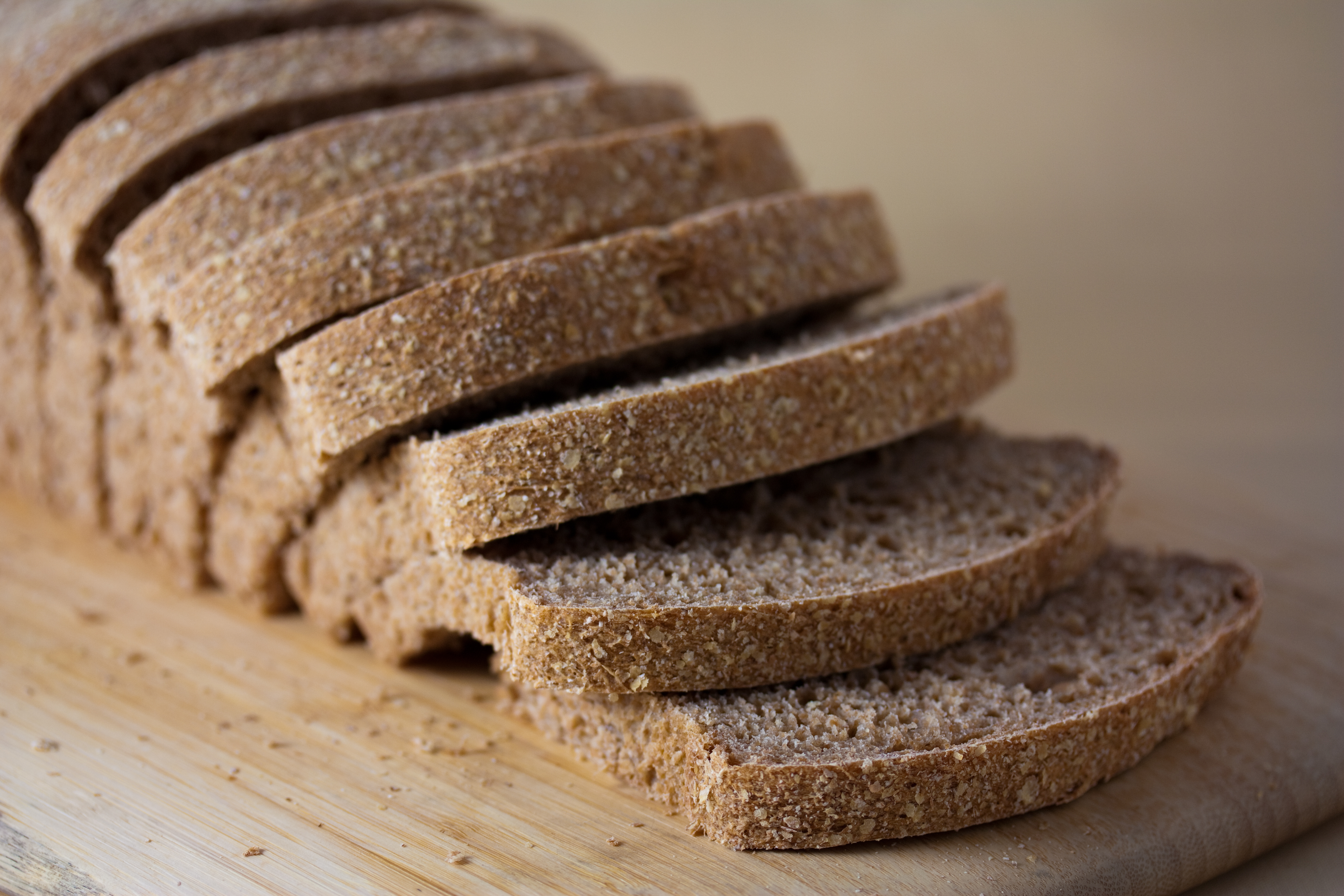
homemade whole grain bread

The United States Department of Agriculture (USDA recommends that at least one half of all grain products consumed be from whole grain sources. Many people mistakenly believe that if the label states the presence of wheat that indicates whole grain. For the purposes of this article we will focus on bread.

(more…)

Welcome Back

butterfly

Welcome back to all my readers. I feel like a butterfly that has emerged from a chrysalis. The new website is up and the new blog is now in place. I believe it’s all better than ever, and I’m ready to move forwarding bringing you more great content, information, recipes, and ideas.

(more…)

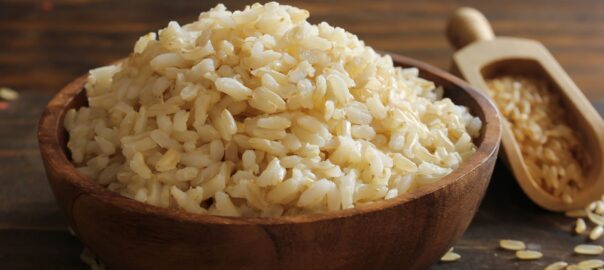
brown rice

Eating Brown Rice To Fight Diabetes

It is estimated that 18 million Americans have type 2 diabetes, and the number is increasing. Researchers at the Harvard School of Public Health have noted that the consumption of white rice has also increased drastically. These researchers found that eating five or more servings of white rice per week increases the chance of developing type 2 diabetes.

Conversely, Dr. Qi Sun, an instructor at Brigham and Women’s Hospital in Boston, discovered that replacing 50g of white rice with an equal amount of brown rice lowers the risk of type 2 diabetes by 16% (Brown Rice vs. White Rice: Which is Better? Bill Hendrick, Web M.D. Health News, June 14, 2010).

Impact of Replacing White Rice with Whole Grains

It is also important to note the study found that replacing white rice with other whole grains such as barley and wheat resulted in a 36% reduction in the occurrence of type 2 diabetes. The study mentioned above suggests brown rice benefits when included regularly in meals.

In three studies conducted by the Health Professionals Follow-Up Study and the Nurses’ Health Study I and II, scientists studied rice consumption and compared it to diabetes risk in 39,765 men and 157,463 women.

Adjustments were made for age, lifestyle, and dietary risk factors. They found individuals who ate five or more servings of white rice had a 17% increase in their risk of diabetes. Their research also found that eating two or more servings of brown rice per week resulted in an 11% reduced risk of type 2 diabetes. This study is another strong indicator of brown rice benefits (Ibid).

Glycemic Index and Nutritional Differences

The difference between the two types of rice is a difference in what is termed the glycemic index. The glycemic index measures how quickly a certain food raises blood sugar levels. The studies mentioned above found that white rice has a higher glycemic index than brown rice. This is believed to be due primarily to the refining process. When brown rice is refined, there is a loss of fiber, vitamins, and minerals such as magnesium. Brown rice also contains essential nutrients such as lignans, phytoestrogens, and phytic acid.

All of these minerals and nutrients are believed to aid in the prevention of type 2 diabetes. Whole grain foods have also been shown to possess compounds that lower blood pressure and prevent cancer (Ibid).

Understanding Insulin Resistance and Type 2 Diabetes

The underlying cause of type 2 diabetes is believed to be insulin resistance. The body’s cells become resistant to the insulin produced by the pancreas. Insulin is necessary to transport glucose into the cells. As the body ages, the cells become resistant to insulin, and they require more insulin for this transport process.

When a food with a high glycemic index such as white rice is ingested, the blood glucose level spikes, which requires a high amount of insulin. The increased insulin in the bloodstream results in a drop in the blood glucose. These spikes and drops cause damage to the peripheral nerves and blood vessels, resulting in damage to the eyes, kidneys, heart, and lower extremities.

Challenges and Solutions for Preparing Brown Rice

While the benefits of brown rice seem evident, preparing it can prove challenging. Brown rice provides more fiber than white rice and requires more water and a longer cooking time.

A possible alternative to conventional preparation is to use a digital rice cooker. Rice cookers contain an inner pan that sits on an element. Certain amounts of rice and water are added to the cooker. The cooker senses when the rice is cooked by the temperature of the inner pan. This eliminates much of the guesswork in preparing the rice.

Enhancing Brown Rice with Flavor

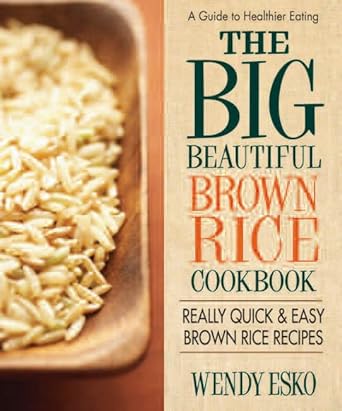
Vegetables and sauces can also be added to enhance flavor. Eating brown rice not only increases an individual’s chance of preventing diabetes but can add a tasty addition to any meal. For some tasty recipes and more information, be sure to check out The Big Beautiful Brown Rice Cookbook by Wendy Esko.big beautiful brown rice

13 Tips To Prevent Food Waste

This video about food waste from the BBC highlights just how much food is wasted in developed countries. Some of it is due to confusion about labeling but much of it is due to carelessness. Food has become so cheap that we don't value it and discard it easily.

The GMO connection 

Food waste is balanced by the unfortunate sadness of health issues from people consuming too much food (and often the wrong kinds of foods).  Cultural habits tend to encourage finishing everything on our plate, even if we've already had enough to eat. But this can be a lead-in to weight gain and obesity. So while it's certainly not a good idea to polish off your plate simply because it's there, it's also not good to throw away large amounts of food.

Given the high number of people who don't have enough to eat in the premier nations, let alone the rest of the world, this is a major issue. Yet iI=f we continue to think there's not enough food this continues to pave the way for more GMO foods.  Unfortunately, the increased use of GMOs causes increased use of pesticides, not the decrease that was initially promised.  GMO also appears to be strongly tied to an increase in Irritable Bowel Disorders as it destroys intestinal flora.

What to do about food waste?
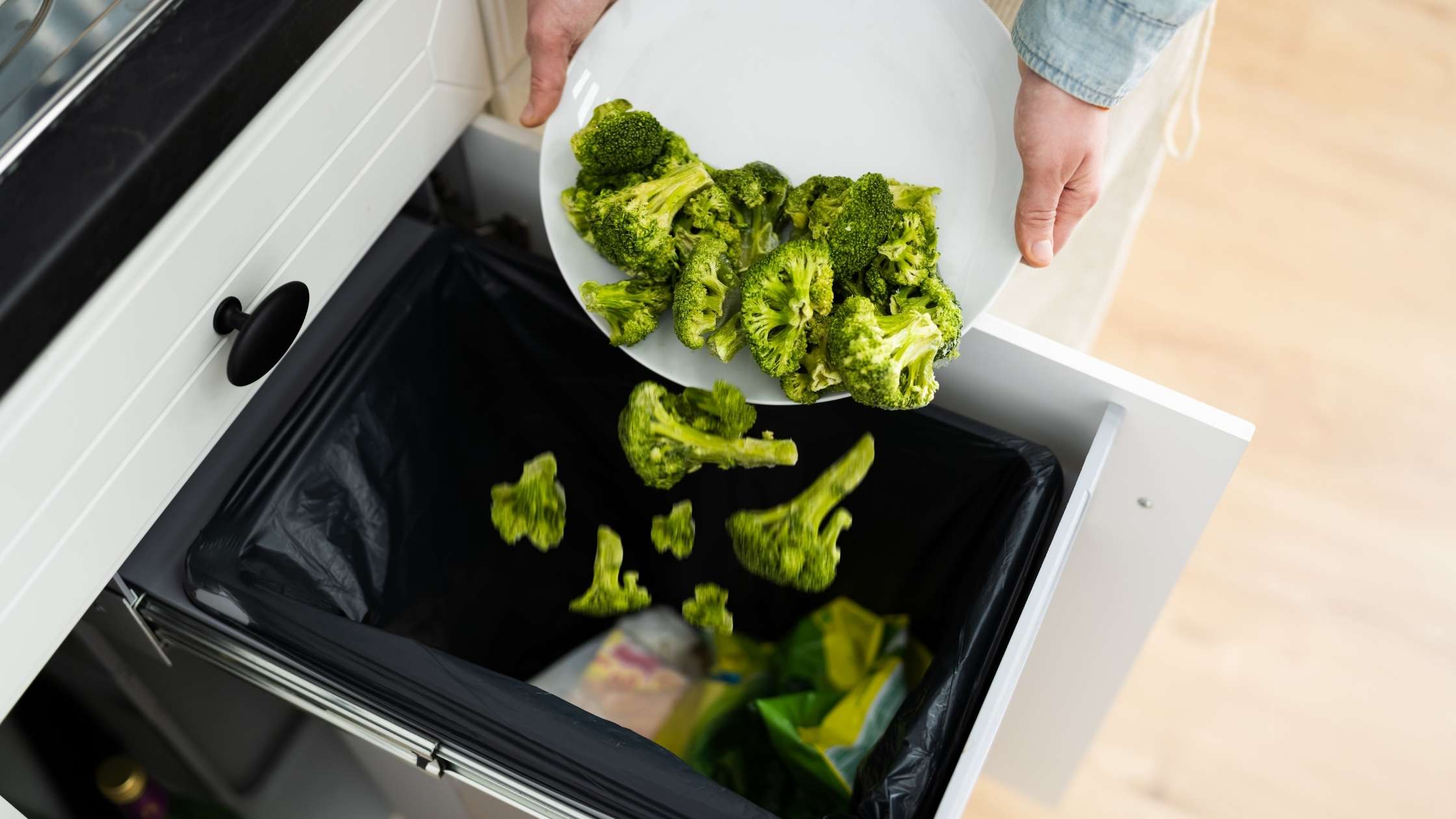
How do we address this issue? How can we stop the senseless destruction and waste of massive amounts of food? Remember this is food which took many man-hours to grow, nurture, harvest, transport, produce, and provide.  And which you had to work hard to earn the money to pay for it.  Food which might have provided a meal to someone in need.

One suggestion is to look at our consumption habits.  If we routinely throw out certain fresh foods perhaps we're buying too much.  If we collect foods in containers, letting them turn grey and fuzzy before we throw them out, perhaps we are preparing too much.  Or perhaps we're not just packaging them attractively enough to be appealing for a second or third meal. Below are some great tips to help you stop wasting food, and money.

Strategies to help reduce food waste
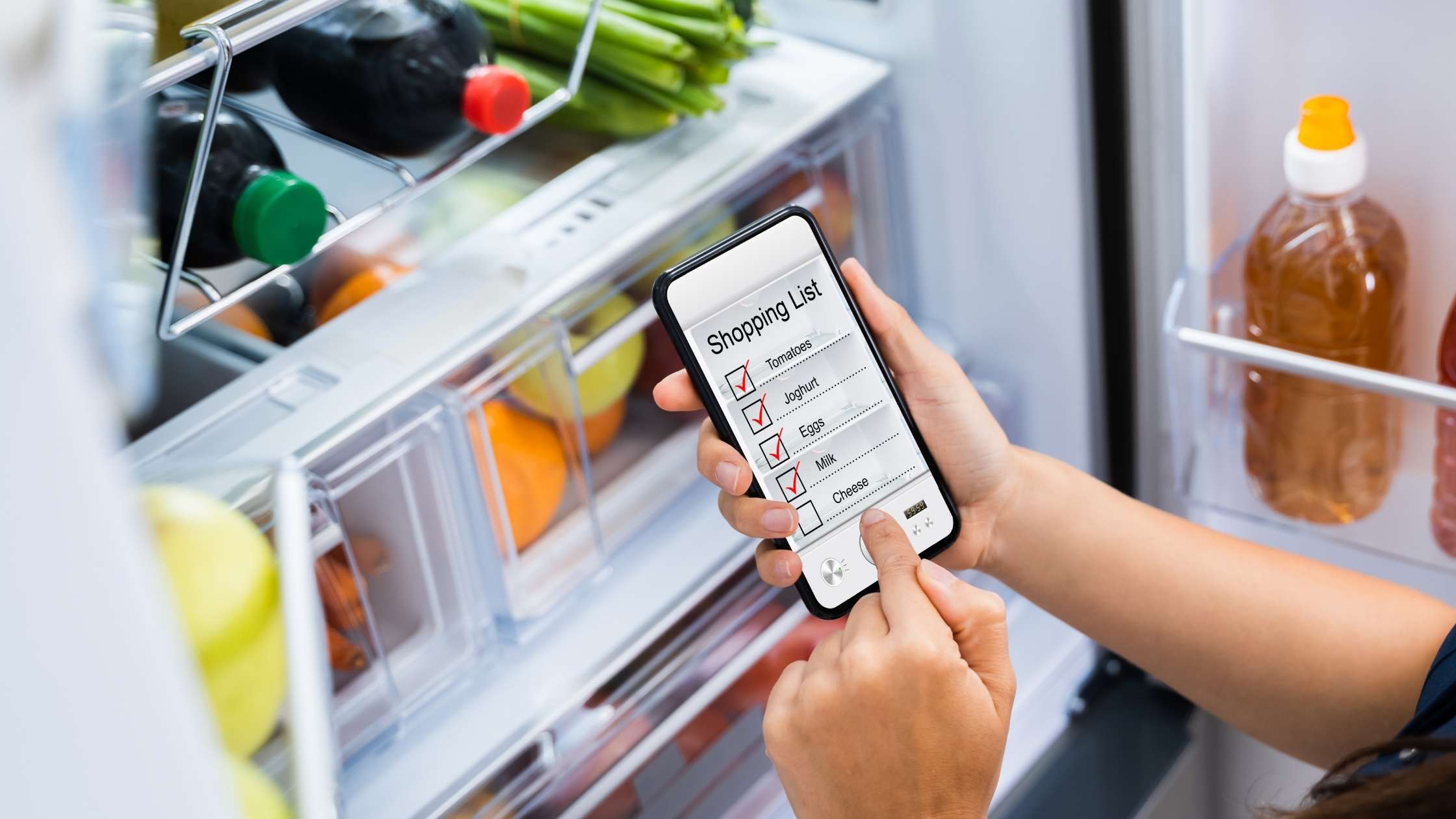
1. Shop more frequently

Some people see this as a pain.  However, while it's important to have a fully stocked pantry of staple products, it can be better for food waste to shop 2-3 times per week for fresh items buying only what you need for the next couple of days.  This requires menu planning and making it a habit to not impulse buy. 

2. Only buy what you will use

This can be a challenging habit to implement.  Oftentimes we purchase because it's on sale.  Or we think 'I've always wanted to make that.'  Perhaps we say to ourselves 'I think I just saw a recipe for that.'  And if we don't get to that item, it winds up in the trash.  If we only buy what we know we will use there will be much less waste.

3. Plan for leftovers

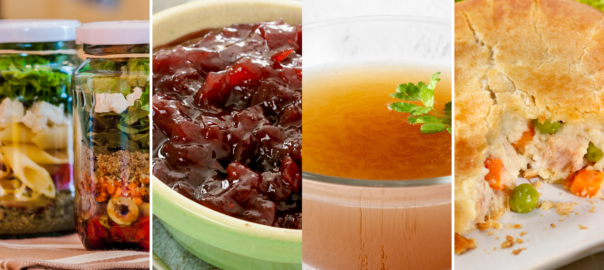
When cooking a whole chicken, for example, plan the meals that will be the result of that original meal. Have several recipes on hand that call for cooked chicken (including this fabulous pot pie recipe). This strategy works for any meal that you make.

4. Scaling back

As household dynamics change you may no longer be cooking for a large number of people. Also, many recipes are written for four to six servings. Learn how to scale back your favorite recipes or to plan that half of the meal will be stored in the freezer for a later meal. 

5. Sharing purchases

Grocery stores or warehouse shopping stores make bulk buying less expensive. For example, 10 pounds of onions is much less expensive than purchasing them either on a per pound basis or in a three-pound bag.  However, unless you're planning on making frequent batches of onion soup you can't go through it all quickly enough.  If you share with one or two friends everyone gets the benefit of the less expensive price and there is bound to be less waste.

6. Attractive use of leftovers

Using wide mouth pint jars to make a meal-in-a-jar from leftovers somehow seems much more attractive to people than looking at a collection of containers where you have to open and peer at each one to decide which one(s) you want to eat.  This food saving tip also includes learning to make a composed plate with perhaps one new food (usually a quick saute of some kind) and arranging everything well on the plate.  If you put the same attention into arranging a plate of leftovers as you do a plate of freshly cooked food, people will respond positively.  If you plop it wherever on the plate and just lump it there, they are less enthused about the meal.

7. Rummage cooking

I'd love to see a t.v. show on this concept (rather than the immensely stocked everything-you-could-imagine pantries) and it's one that takes a bit of practice.  This is where you notice that the refrigerator is getting full.  Learn to look at the ingredients gathering in your refrigerator and begin to plan what you can make for a menu using up those last bits.  In the beginning, it may be a soup or stew.  But as you learn to put flavor profiles together you'll begin to have more varied meals.  While not all of them may be successful as a "menu" chances are, because you made them, they are all tasty, something you enjoy, and a great way to prevent waste.

8. Serve smaller portions

It's always better to go back for seconds than to have too much on the plate.  Studies have shown that we eat more than we think if we have larger portions in front of us.

9. Dehydrating

If you have food that is still edible but you either have too much or it will go bad before you can use it dehydrating it can be a good way to preserve it.  Use either a dehydrator or dry in your oven on low (approximately 170 degrees) until dry.

10. Save the scraps

Remember that ends and peels of things such as carrots, onions, celery, and mushrooms can be saved in the freezer until you have enough to make a bone broth. Don't throw them out when you can get a little more nutrition out of them and make a super tasty broth.

11. Pickle the peels

Most people discard the stems of broccoli and cauliflower leaves. These are actually edible and can be a great way to make kimchi, a delicious fermented food. If you’re not familiar with how to make it this cookbook has a number of recipes to get you started.

12. Save the seeds

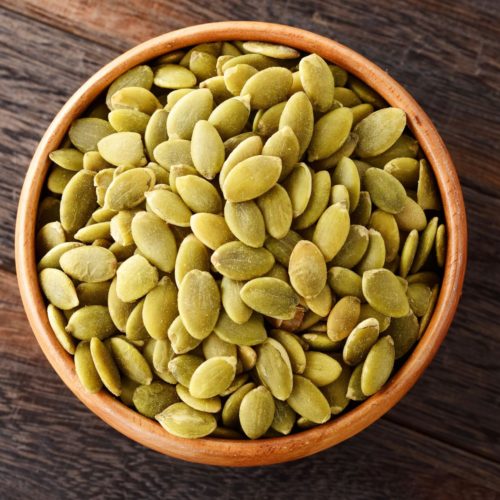
Pumpkin and squash seeds are a wonderful snack, nutrient dense, and super easy to prepare.

Pumpkin and Squash Seeds

Instructions
 

  • Simply wash thoroughly to remove the gunky bits, rinse the seeds, toss with a little olive oil and your seasoning of choice.
  • Then place in a single layer on a cookie sheet lined with parchment paper in a 250° F oven, turning occasionally, for 35 minutes.
  • Turn the heat up to 325° F for another 10-12 minutes until dry and crisp (keep stirring every 5 minutes).

13. Make chutney

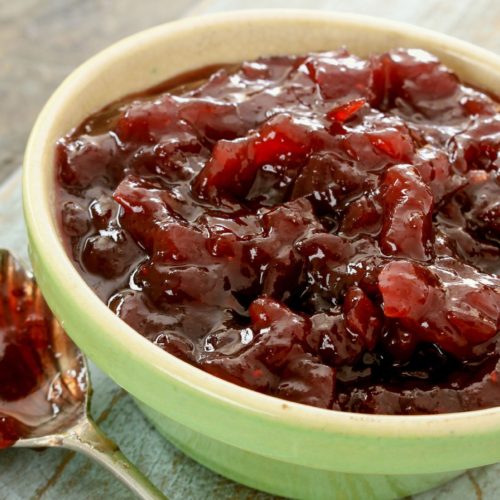
If you’ve got some fruit that’s getting a bit over-ripe it’s perfect for making chutney. Here’s a super simple chutney recipe:

Chutney

Ingredients
  

  • one pound of fruit peeled, cored, and chopped
  • 1 cup water
  • 1 pound of tomatoes, chopped
  • 1 medium diced onion
  • 1/4 cup Thompson’s organic raisins
  • 1/3 cup organic cane sugar
  • 1 teaspoon molasses
  • 1 cup apple cider vinegar
  • 2 teaspoons sea salt
  • 2 teaspoons curry powder
  • 1 teaspoon mustard seed

Instructions
 

  • Place fruit and water in a medium sauce pan, set to a boil, and cook until fruit is slightly soft.
  • Add remaining ingredients to saucepan and stir to combine completely.
  • Turn temperature down to a simmer.
  • Stir and cook until mixture has reduced and thickened, about 1 hour.
  • Ladle into sterilized canning jars, seal, and water bath 15 minutes.

Use these tips and chances are you'll not only save time and money, but you may also discover a newfound creativity in the kitchen.


three cookie syndrome

Three Cookie Syndrome

We're just past the holiday season and a lot of people are re-examining their eating habits. As I'm working with clients we have one habit that they all seem to be engaging in so I wanted to take a moment to address it.

It's a phenomenon that hits our subconscious when we are eating, especially when we are eating treats of some kind.

I call it the three cookie syndrome. It goes something like this:

  •  you decide to eat cookies 
  •  you open the package of cookies and see a serving size is two cookies 
  •  you eat three cookies 
  •  a little overwhelmed you say to yourself, “what the hell, I ate three cookies.” and then go on to finish the entire sleeve (or half a box, or some overwhelming percentage of the package).

For many people this is the beginning of the downward spiral that can signal the end of a diet or a change to eating plans. They give up, feeling that they are a failure, and feed themselves negative emotions and messages while not paying attention to their eating.

Breaking the Cycle

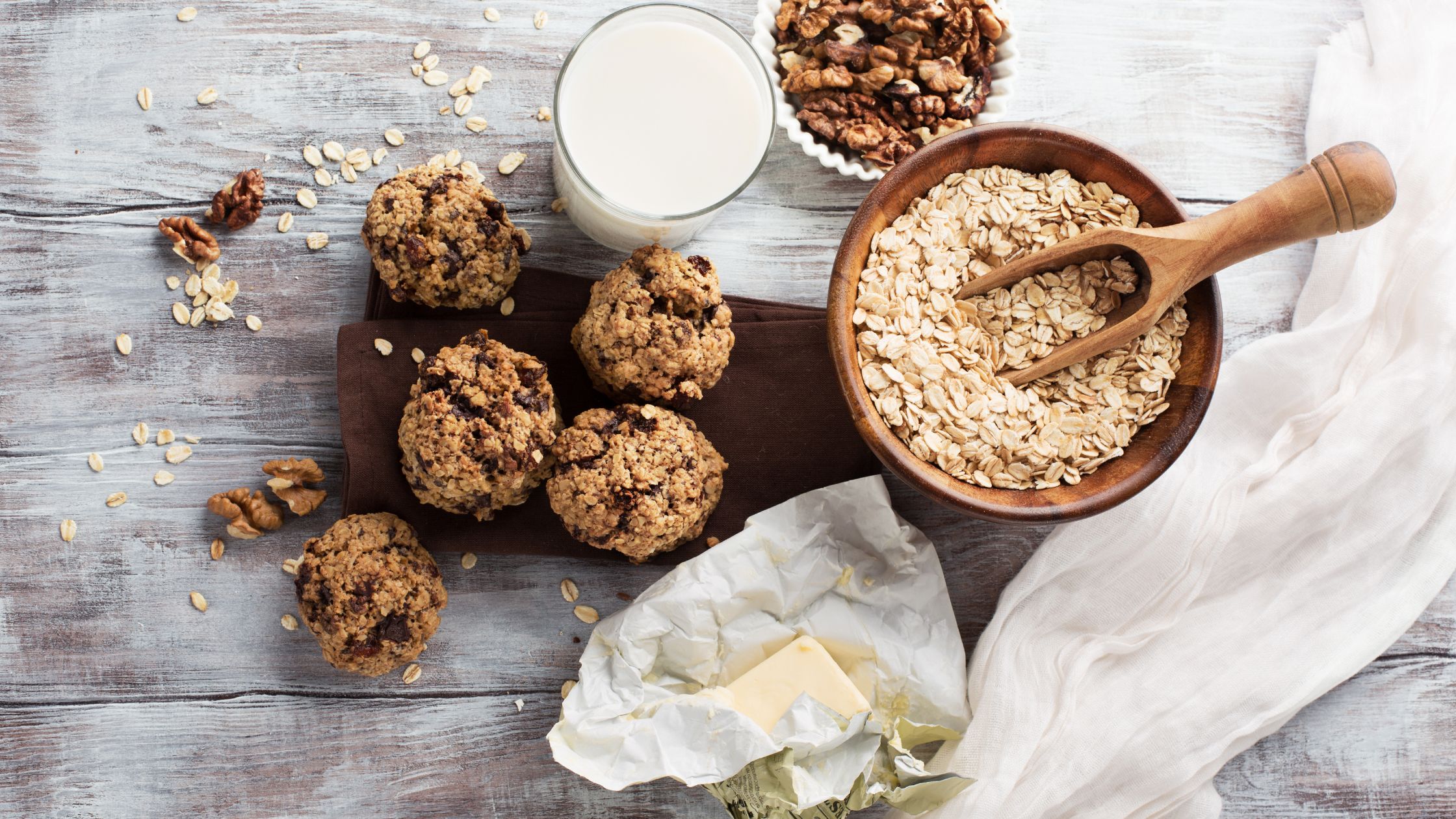
cookies

Rather than allowing the consumption of an entire sleeve of cookies (admittedly not the best choice) to overwhelm us it is more constructive to simply acknowledge that we have veered off the path of our eating plan.

Instead of wallowing in guilt or other negative feelings we need to remind ourselves that it's not an all or nothing proposition.  

We can start again to rebuild our nutritional plan and to focus on making healthy choices. Sometimes that focus can come in the middle of that sleeve of cookies. Sometimes it happens immediately afterwards, more often it happens the next day.

Embracing Healthy Choices

Eating well, eating to nourish and support our bodies means loving and accepting ourselves. Garfield says “Diet is die with a t on the end of it.” Rather than looking at our desire to change our food choices as a diet it does help to look at it as a nutritional plan. To remember that we are choosing to make different choices because those choices are supportive for our bodies.

For those who have an illness such as celiac disease, or a food sensitivity, eating those foods brings a fairly immediate negative body response. So we don't do that.

For those who are choosing to make changes, it sometimes happens gradually. However it's never too late to start to make those changes.

Simply remember what the goal is and why you are making these choices.  Treat yourself with loving kindness and take it one step at a time.


peanut butter risks

Peanut Butter Risks And Alternatives

The FDA is out to lunch - with yet another case of food poisoning in the news it's clear that those charged with keeping our food supply safe are not doing their job.  The scariest part of this is that in the face of budgetary cuts there are talks of allowing food producers more leeway to self-monitor.  This is putting the fox in charge of the hen house.  If true sanctions and consequences were put into place there might be more attention paid to the safety of the food products.

Salmonella Contamination

Fortunately that is happening in at least one situation.  Sunland Inc, the company responsible for manufacturing salmonella-laden peanut butter in the recent outbreak has been closed.  Articles that I have seen indicate that the company was surprised by this move and thought they would be able to re-open by the end of the year.  But after reading the conditions there and the continual disregard for food safety it is good to know that they will not be allowed to continue until they can prove (not just say but prove via inspection) that they have cleaned up their act.  I hope this trend of requiring manufacturers to truly be responsible, and not just say they're following the rules, continues.

I was so upset to read this latest article from the Consumer's Union. Apparently PCA, the company responsible for the salmonella-contaminated peanut butter that has killed a number of people and sickened many more has declared bankruptcy. This effectively removes them from any legal due process being brought against them. The worst part is that they knew and ignored the fact that their product was contaminated as reported here.

The best that we can hope for at this point is that there are no further illnesses or deaths and that this will bring about much-needed changes to our food supply system.

Rat Feces

And salmonella isn't the only thing found in peanut butter.  Although this article is two years old it mentions rat feces.  I was not able to find specific mention of rat feces allowed in peanut butter (assuming that is part of what the FDA lists as "objectionable matter contributed by rodents") but did find mention of rodent hairs at 1 or more per 100 grams of product being considered an "aesthetic" (their word not mine) defect and possibly actionable. Also found in peanut butter?  Neurotoxic chemicals.  Peanuts are a highly pesticide residue contaminated crop; this makes choosing organic an important factor for those who choose to eat peanuts and peanut products.

I found it interesting to note that the article also did a side by side taste-test comparison of various peanut butters.  All of them were jarred, most had oil residue floating on the top, and sounded very unappealing from both a taste and visual perspective.  While the article didn't list the ingredients I'm sure that most of them have added fat (thus the extra oil floating at the top), sugar, and salt.  None of which is really needed for peanut butter.

Other Challenges

Over the years peanut butter has increasingly gotten a bad rap, primarily due to allergies. It's a popular legume though and that makes it difficult to tell people that they should avoid peanuts.  That bad rap, however, is not undeserved.  Part of the health challenge is that peanuts are a highly inflammatory legume.  They also tend to be high in carcinogenic aflatoxins and are frequently contaminated by the aspergillis fungus.

Additionally many health issues, from migraines to candida overgrowth to intestinal disorders are negatively impacted by consumption of peanuts and peanut products.  So while we consider them delicious they should be severely reduced or eliminated from the diet.

It turns out peanut butter used to be considered a health food and was actually only sold regionally.  Over time this has changed and we now ship the stuff all over the world. Except for the grind-your-own variety of course.

Healthy Alternatives

At my local grocery store there is a grind-your-own peanut butter machine.  At $3.99 per pound for organic, unsalted peanuts they sell a relatively creamy, good tasting, fresh smelling product.  Of course there is no way to know if anything has gotten into the peanuts in the machine; this means trusting the grocery store to clean it thoroughly on a regular and frequent basis.

For those who can have nuts, a healthier choice might be almonds, and almond butter, which is the most alkaline of nuts and has a much lower allergenic profile.

Want to know what's really in your food? Get a copy of The Pantry Principle to learn more.

Christmas Tree Facts

The winter holidays are here.  Decorations are going up.  The wreaths, the lights, the garlands, lots, and lots of tinsel.  And let’s not forget the tree.  The Christmas tree, centerpiece of the holiday celebration.  With ornaments and bows up top, presents and goodies below.  The primary symbol of the holiday gathering for many families all across the country.  And every year there is a dilemma; people struggle with the choice for their tree.  Fresh or artificial?

There are a small percentage who use living trees, brought inside in a tub or burlap. They often plant their tree in the yard after the season.  For them there is not usually a dilemma as they will continue to purchase and plant living trees.  For everyone else there’s a choice to be made year after year.

Live cut or artificial?  With tens of millions of trees sold every year that decision has an amazing impact.

According to the Arbor Day Foundation and the National Christmas Tree Association (NCTA), a live Christmas tree outweighs an artificial one due to its many environmental and economic benefits.  It goes without saying that our personal environmental stance would include a live cut tree which does not expose you to pesticides and chemical fertilizers.

  • Environmentally friendly, fresh cut trees are a sustainable resource.
  • The trees help clean the air, protect the soil, and provide wildlife habitat.
  • Planting of natural Christmas trees increases the greenery on the planet. The Christmas tree growers plant one to three new seedlings for every tree that is harvested during the season. 
  • The trees are biodegradable; that means they can be reused or recycled for mulch and other purposes.  Nothing is wasted even when these trees are discarded or disposed. By contrast, an artificial tree may contain lead and non-bio-degradable plastics.
  • The industry employs more than 100,000 Americans.
Learn how to care for your fresh cut tree at the NCTA so it will last all season long.

Christmas Tree Facts - An Infographic by CouponRefund.com
Christmas Tree Facts by CouponRefund.com

photo: Lotus Head